Chateau De Germigney


1 Michelin Key · Relais Chateaux Award · Gault & Millau Exceptional Hotel
An 18th-century hunting lodge in the Jura countryside, Chateau De Germigney translates the region's terroir-driven identity into 28 rooms that balance period architecture with contemporary comfort. A Michelin 1 Key-recognised property and Gault & Millau Exceptional Hotel (2025), it combines a serious restaurant with a Caudalie vinotherapy spa, with rates from US$209 per night.

Pearl is the En Primeur Club membership app — saves, bookings, and concierge access live there. Same editors, same standards.
- Address
- 31 Rue Edgar Faure, 39600 Port-Lesney
- Phone
- +33 3 84 73 85 85
- Website
- chateaudegermigney.com
- Directions
- Get directions
A Jura Countryside Hotel That Earns Its Architecture
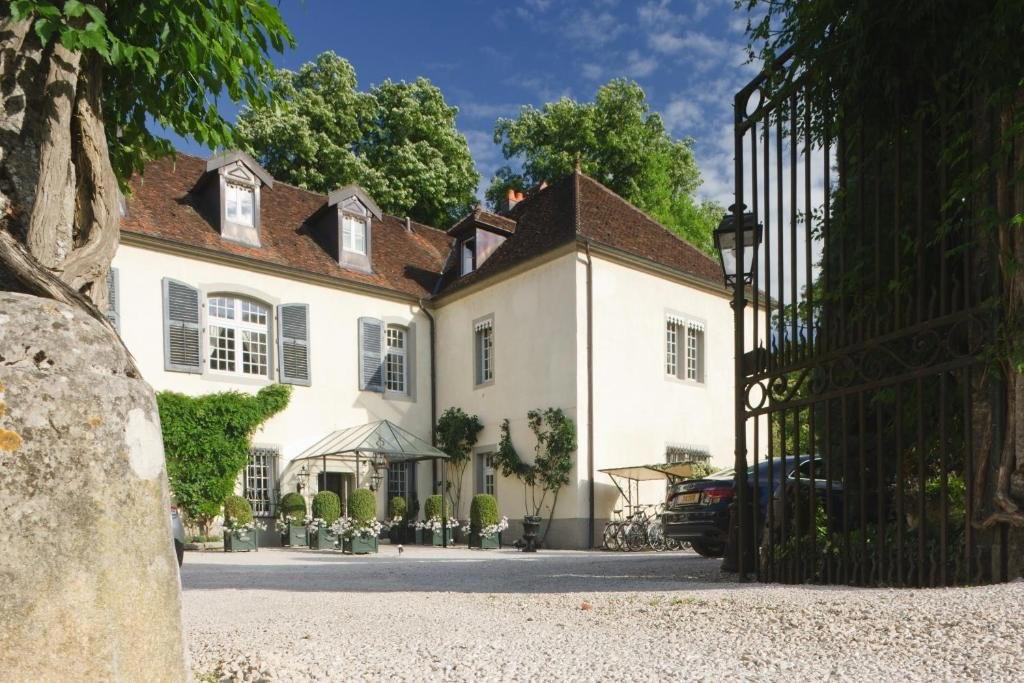
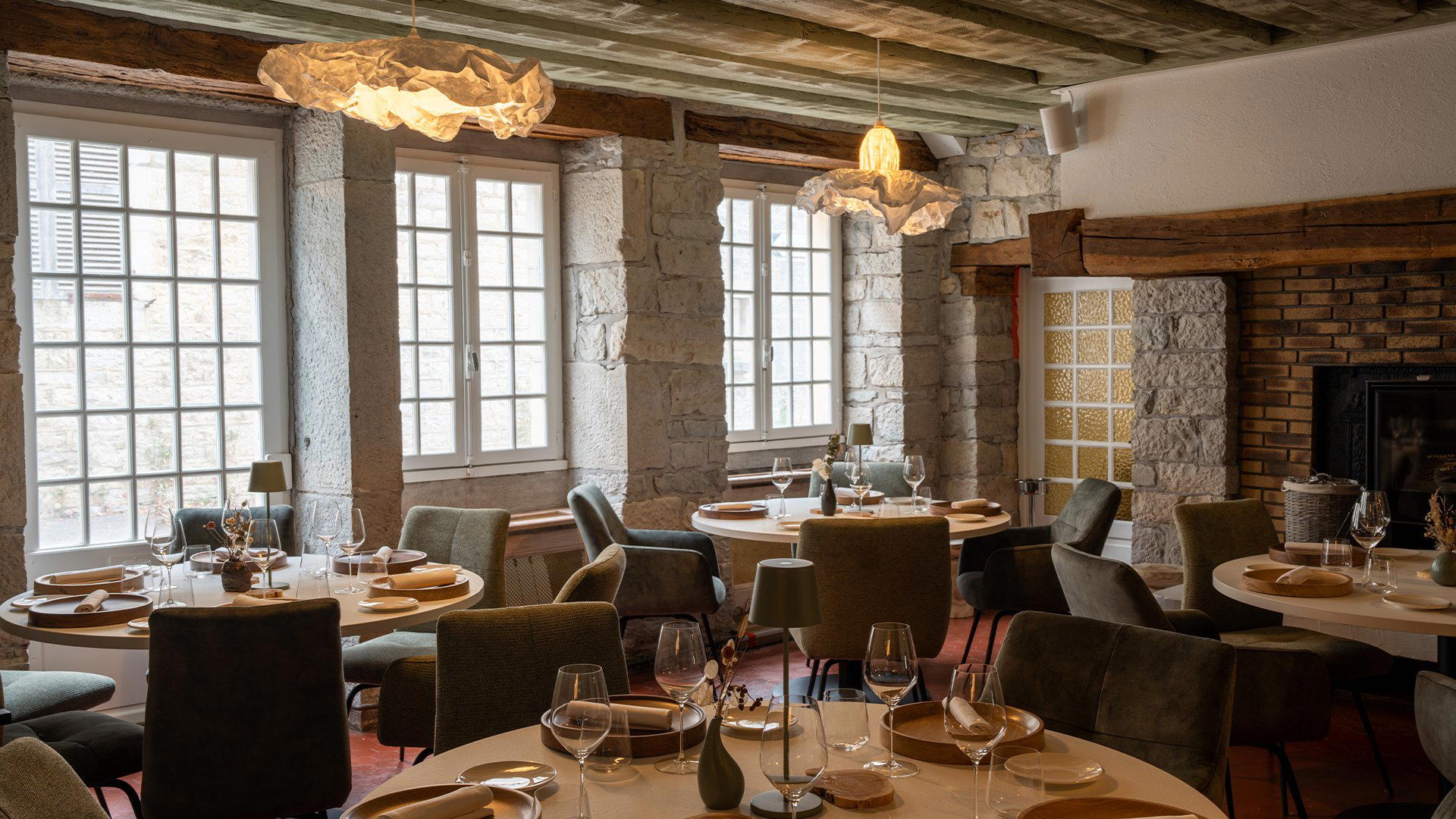
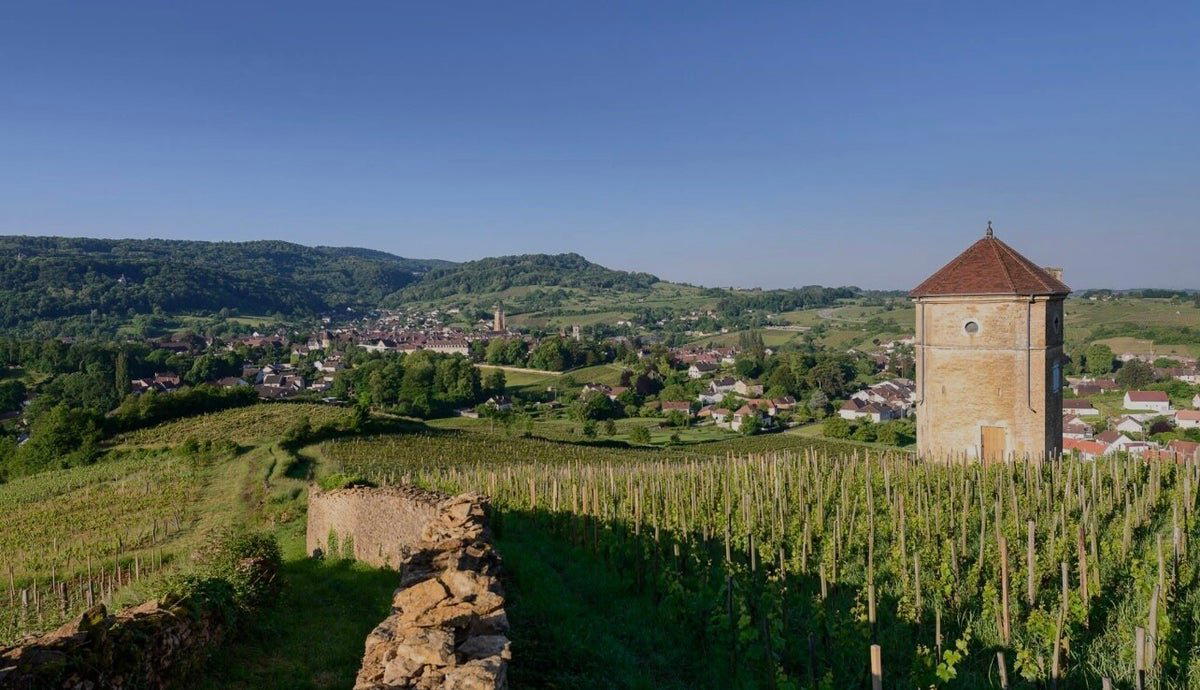
The approach to Port-Lesney sets the register for what follows. The Loue Valley here is measured and quiet — vineyards stepping up toward limestone escarpments, the river moving slowly through meadow and woodland. Arriving at Chateau De Germigney, at 31 Rue Edgar Faure, the building itself is the first editorial statement: an 18th-century hunting lodge, stone-faced and compact, sitting on a generous parcel of wooded grounds that keeps the surrounding Jura countryside at close range without surrendering to it. The physical scale is deliberate. This is not a grand palace hotel in the French tradition of maximum facade and ceremonial approach. It is something quieter and, arguably, more considered.
French château conversions exist on a wide spectrum. At one end sit the heavily branded palatial properties, such as Cheval Blanc Paris or the operatic grandeur of Hotel Du Cap-Eden-Roc in Cap d'Antibes, where the architecture itself becomes a spectacle. At the other end are the smaller, design-led properties where historical fabric is preserved selectively and contemporary comfort is inserted without apology. Chateau De Germigney belongs firmly in the latter category. Designers Roland and Véréna Schön approached the conversion with restraint — retaining the traces of the lodge's hunting-era history while delivering interiors that read as contemporary-luxe rather than period pastiche. The result is a property where the 18th-century bones are legible but never precious.
Twenty-Eight Rooms and the Logic of Small Scale
With 28 rooms, Chateau De Germigney sits in the same capacity tier as several other Relais & Châteaux members where limited keys are a deliberate positioning signal rather than a constraint. Properties like Castelbrac in Dinard and Château de Montcaud in Sabran operate on similar principles: small enough to maintain a particular atmosphere, large enough to sustain a serious kitchen and spa programme. At this scale, the architecture and the service model are inseparable, the property does not behave like a hotel, and that is precisely the point.
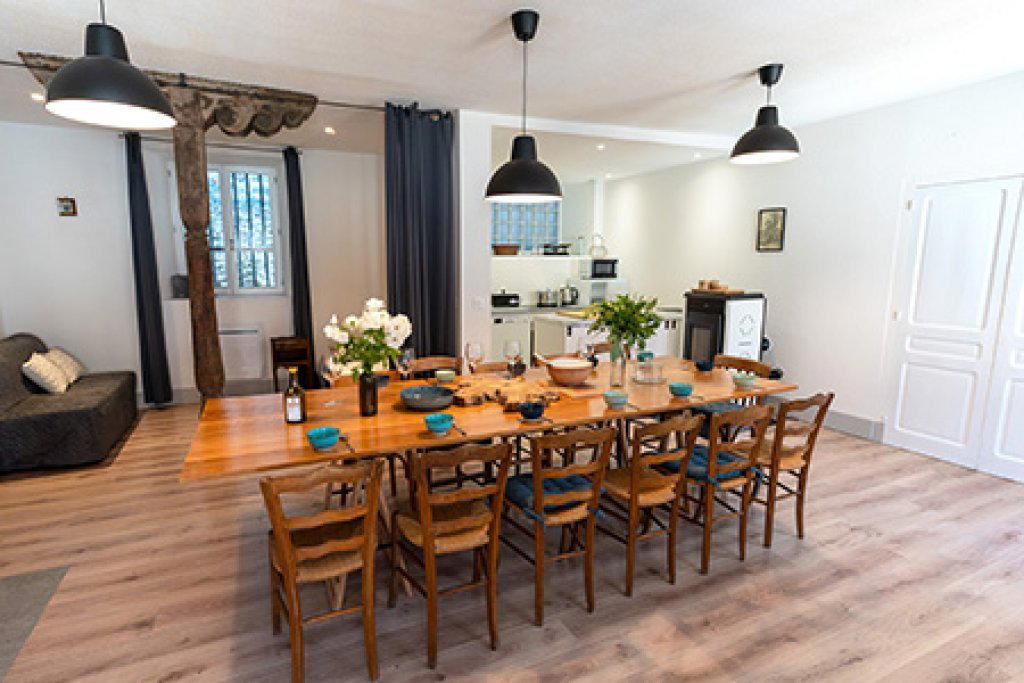
The rooms carry forward the Schön design approach: contemporary in comfort and material language, but each bearing some trace of the building's history. In château conversions, this balance is harder to achieve than it sounds. The temptation is to over-restore, producing rooms that feel like museum reconstructions, or to over-modernise, producing spaces that could belong to any boutique hotel in any European city. The rooms here are reported to thread that gap, the historical detail present as texture rather than theme. Rates begin from US$209 per night, which places the property in a competitive position relative to other Relais & Châteaux addresses in the French wine-producing regions, including Château Lafaurie-Peyraguey in Sauternes and Domaine Les Crayères in Reims.
Guests asking which room type to prioritise should note that the property's wooded grounds and countryside position make outlook a meaningful variable. Given the deliberate integration of landscape into the property's identity, rooms with direct garden or parkland aspect will connect more directly to what makes the address distinct. Booking directly through the property at germigney@relaischateaux.com or by phone at +33 (0)3 84 73 85 85 is the standard route; the property's own website at chateaudegermigney.com carries availability.
Terroir as Architecture: The Restaurant and the Jura Wine Context
In wine-producing regions, the better properties treat the surrounding terroir as structural, not simply as backdrop or marketing. The Jura is one of France's most discussed wine regions among specialists, producing Savagnin, oxidative Chardonnay under voile, Poulsard, and the singular Vin Jaune that has no real parallel in the French canon. A serious restaurant in this context has a specific obligation: to work with those wines as primary partners rather than curiosities on a list dominated by Burgundy and Bordeaux.
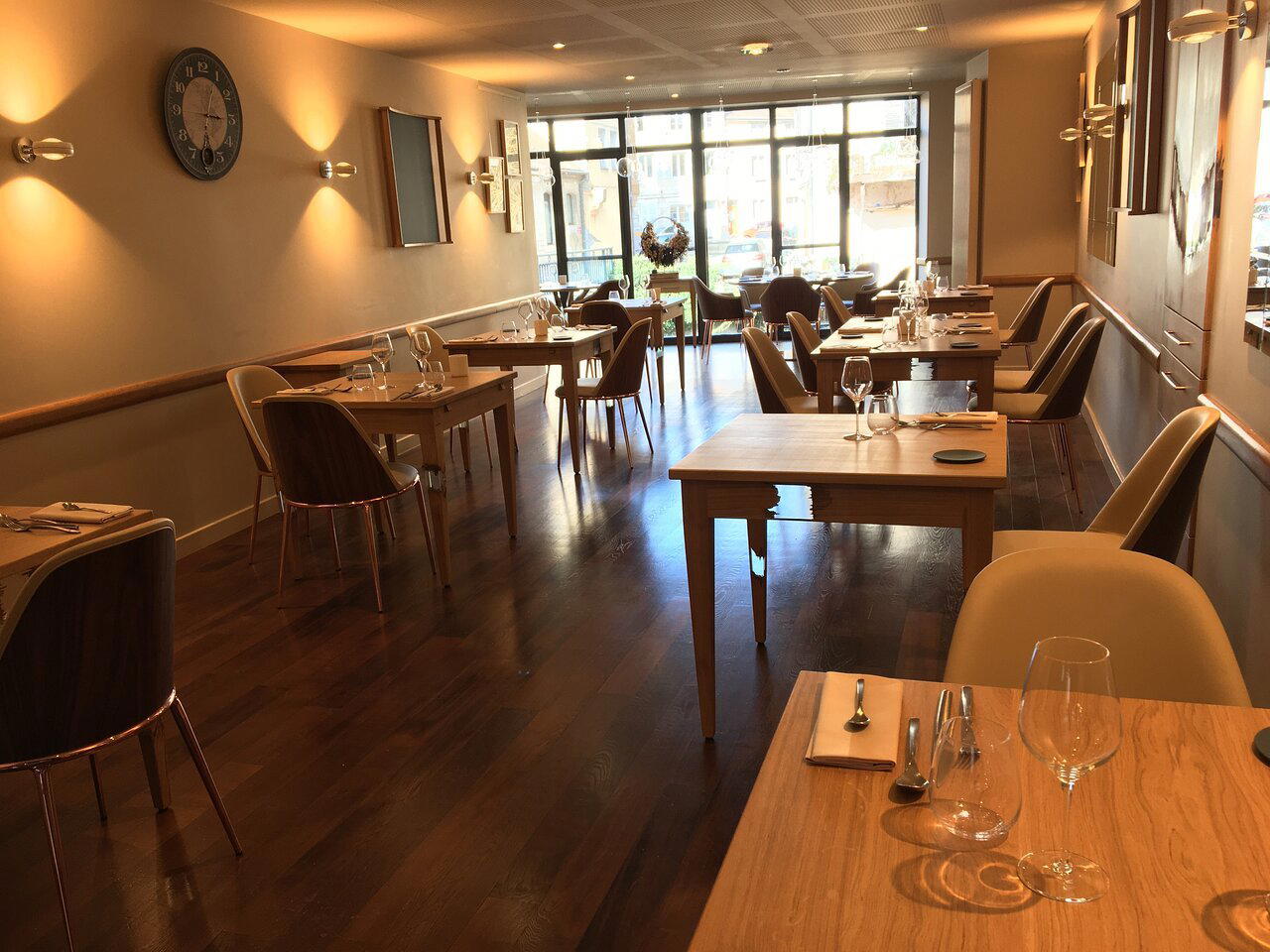
Chateau De Germigney's kitchen operates within that framing of terroir-inspired cuisine, a phrase that, in the Jura, carries more specificity than it might elsewhere. The region's food traditions are tied closely to the same limestone soils and continental climate that shape its wines: comté cheese aged at varying stages, freshwater fish from the Loue, game from the forests. A Michelin 1 Key recognition (2024) and a Gault & Millau Exceptional Hotel designation at 5 points (2025) signal that the restaurant component is not incidental to the property. These are the credentials of a dining room taken seriously within the French fine-dining framework, not a hotel restaurant fulfilling a basic function. For context on how wine-estate hospitality formats operate across France, see our coverage of Les Sources de Caudalie in Bordeaux and Château de la Gaude in Aix-en-Provence.
The Caudalie Spa Connection and Vinotherapy as a Category
Vinotherapy as a treatment format was pioneered by Caudalie at their Bordeaux property in the mid-1990s and has since spread to a number of French wine-region hotels. The format draws on grape-derived compounds, grape seed polyphenols, resveratrol, vine sap, applied through wraps, baths, and massage treatments. Chateau De Germigney operates a Caudalie vinotherapy spa, making it one of a small number of properties outside Bordeaux where this specific treatment format is available within a vineyard-adjacent setting.
The presence of the Caudalie spa places the property in a defined category of French wine-country hotels where the stay is conceived as a complete programme rather than simply accommodation and dining. In this, it aligns more closely with properties such as La Réserve Ramatuelle or Villa La Coste in Le Puy-Sainte-Réparade, where the spa is not an amenity tacked onto a rooms product but an integrated part of the property's identity. For the Jura, where visitor infrastructure remains thin compared to Burgundy or Bordeaux, having a recognised spa format within the property strengthens the case for a multi-night stay considerably.
Planning a Stay: Timing, Access, and the Jura Calendar
Port-Lesney is a small commune in the Jura department, roughly equidistant between Besançon and Lons-le-Saunier. The surrounding region rewards visitors who time around the harvest calendar: the Jura vintage typically runs from late September into October, with the specific complexity of Vin Jaune production (the wine spends a minimum of six years and three months under voile before release) making the region's wine story one that unfolds across multiple visits rather than a single trip. Spring and early summer bring the Loue Valley into full agricultural expression, with the landscape connecting directly to the produce that drives the restaurant's seasonal approach.
Those building a broader French wine-region itinerary around Chateau De Germigney can extend easily toward Burgundy to the north or combine with the alpine luxury tier represented by Four Seasons Megève to the east. For those approaching from Paris, Besançon is served by TGV from Gare de Lyon, making the Jura accessible without a regional flight. The full property contact for advance planning and bookings: germigney@relaischateaux.com, +33 (0)3 84 73 85 85, chateaudegermigney.com. Given the 28-room scale and the property's Gault & Millau and Michelin recognition, booking several weeks in advance for peak summer and harvest season is prudent. See our full Port-Lesney restaurants guide for the wider local context.
Where Chateau De Germigney Sits in the French Luxury Hotel Market
The French luxury hotel market in non-metropolitan settings has polarised. At the leading end, branded palace hotels such as Cheval Blanc Courchevel or The Maybourne Riviera compete on maximum amenity density and international brand recognition. Below that tier, the Relais & Châteaux network has consolidated a cohort of independent properties that compete on provenance, culinary seriousness, and architectural character.
The Jura itself remains less trafficked as a luxury destination than the Côte d'Azur or Provence addresses like Baumanière Les Baux-de-Provence or La Bastide de Gordes. That lower profile is part of the proposition. For travellers whose interest in French wine and cuisine extends beyond the familiar appellations, a property that takes the Jura's terroir seriously, architecturally, on the plate, and in the spa, represents a substantively different stay from anything the Riviera or the Loire can offer.
Quick Comparison
Comparable venues nearby, for context on price, style, and recognition.
| Venue | Cuisine | Price | Awards | Notes |
|---|---|---|---|---|
| Chateau De GermigneyThis venue — the venue you are viewing | 18th-century chateau with elegant, character-filled rooms and suites | $100–200 | 1 Michelin Key · Relais Chateaux Award | Not listed |
| Auberge du Père Bise | Relais & Châteaux 5-star luxury heritage hotel blending authentic alpine hospitality with modern comforts in a family-home style. | $500–750 | 1 Michelin Key · Relais Chateaux Award | Talloires-Montmin |
| COMO Le Montrachet | 19th-century village inn with contemporary luxury design | $300–500 | 1 Michelin Key · Mr & Mrs Smith Seal of Approval | Puligny-Montrachet |
| Villa René Lalique - Hôtel & Restaurant | Relais & Châteaux luxury villa blending Art Nouveau heritage with modern elegance | Not listed | Michelin 1 Key | Wingen-sur-Moder |
| Villa Florentine | Italian Renaissance-inspired former convent in Lyon's historic district | Not listed | 1 Michelin Key · Relais Chateaux Award | Quartier Quartiers Anciens |
| Hôtel Royal Evian | Historic Belle Epoque palace with modern wellness renovations | Not listed | Michelin 1 Key | Évian-les-Bains |
Recognition history
Dated appearances from independent guides and award organizations, with the underlying list record or original source where available.
Michelin 1 Key
Michelin
Relais Chateaux Award
Relais Chateaux
Gault & Millau Exceptional Hotel
Gault & Millau
Full recognition history (6 entries)
Michelin 1 Key
Michelin
Relais Chateaux Award
Relais Chateaux
Michelin 1 Key
Michelin
Continue exploring
More in Port-Lesney
Hotels in Port-Lesney
Browse all →
Restaurants in Port-Lesney
Browse all →

Details
- Romantic
- Elegant
- Classic
- Cozy
- Sophisticated
- Scenic
- Romantic Getaway
- Honeymoon
- Anniversary
- Weekend Escape
- Garden
- Terrace
- Historic Building
- Wi Fi
- Pool
- Spa
- Sauna
- Room Service
- Concierge
- Restaurant
- Valet Parking
- EV Charging
- Garden
- Step Free Entrance
Tranquil and elegant atmosphere with peaceful gardens, natural light in classic rooms, and a serene, romantic setting praised for its relaxing grounds and lack of music.