Vertfeuille

Michelin Bib Gourmand
Our verdict
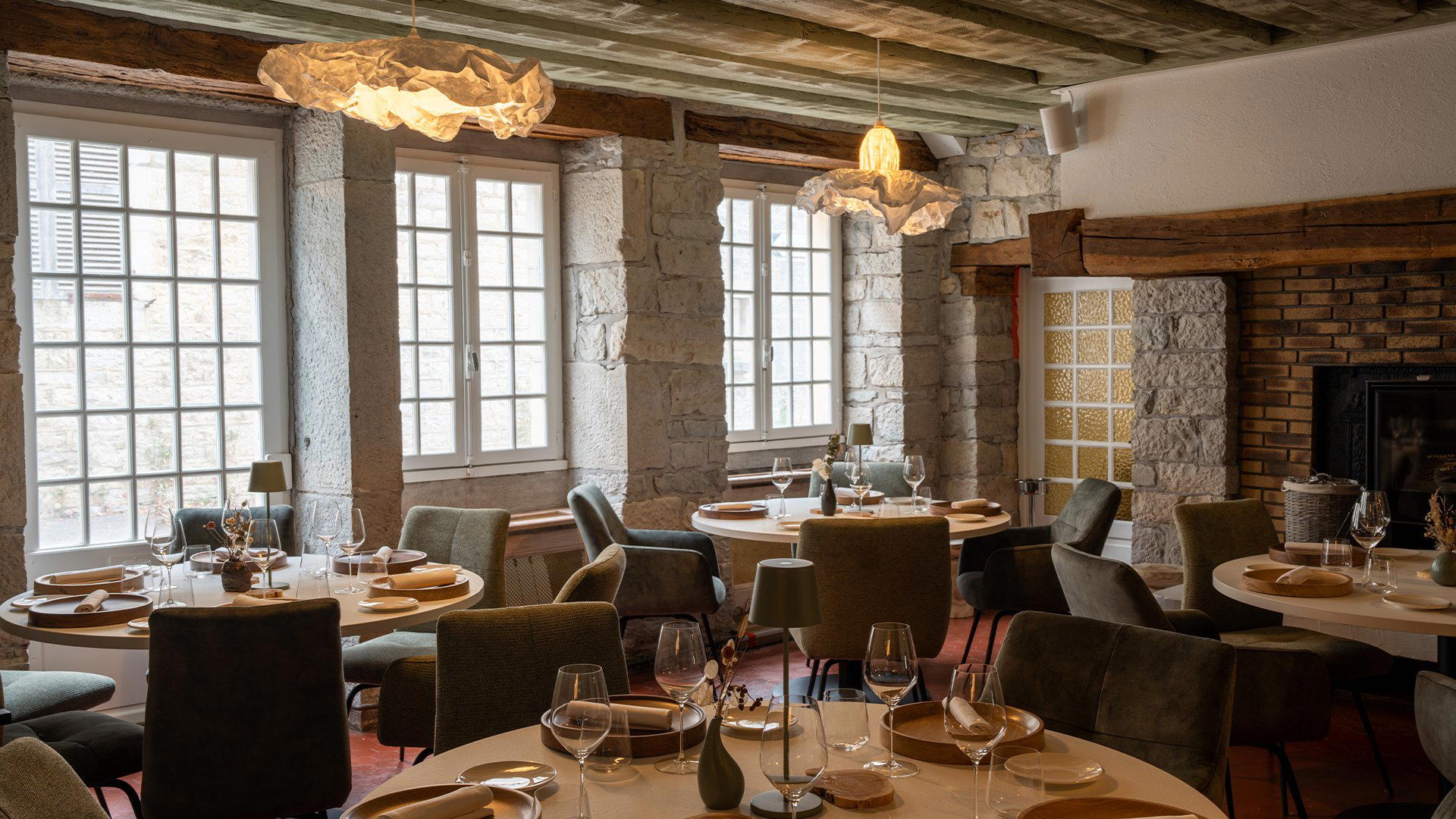
In a restored village inn a kilometre from the UNESCO-listed Saline Royale, Léa Senot and Clément Bourdiaux cook a regional menu shaped by Franche-Comté's most distinctive ingredients: Trousseau wine, vin jaune, Bresse chicken, and local apple varieties. The setting, tommette tiles, exposed stone, painted beams, matches the food's grounded ambition. This is serious cooking in a small-village format, with guestrooms to extend the stay.

Pearl is the En Primeur Club membership app, where members save venues, book tables and use the concierge.
The menu
What to order
- Œuf meurette poached in Trousseau wine
- Bresse chicken with vin jaune sauce
A Village Auberge Where the Franche-Comté Larder Does the Talking
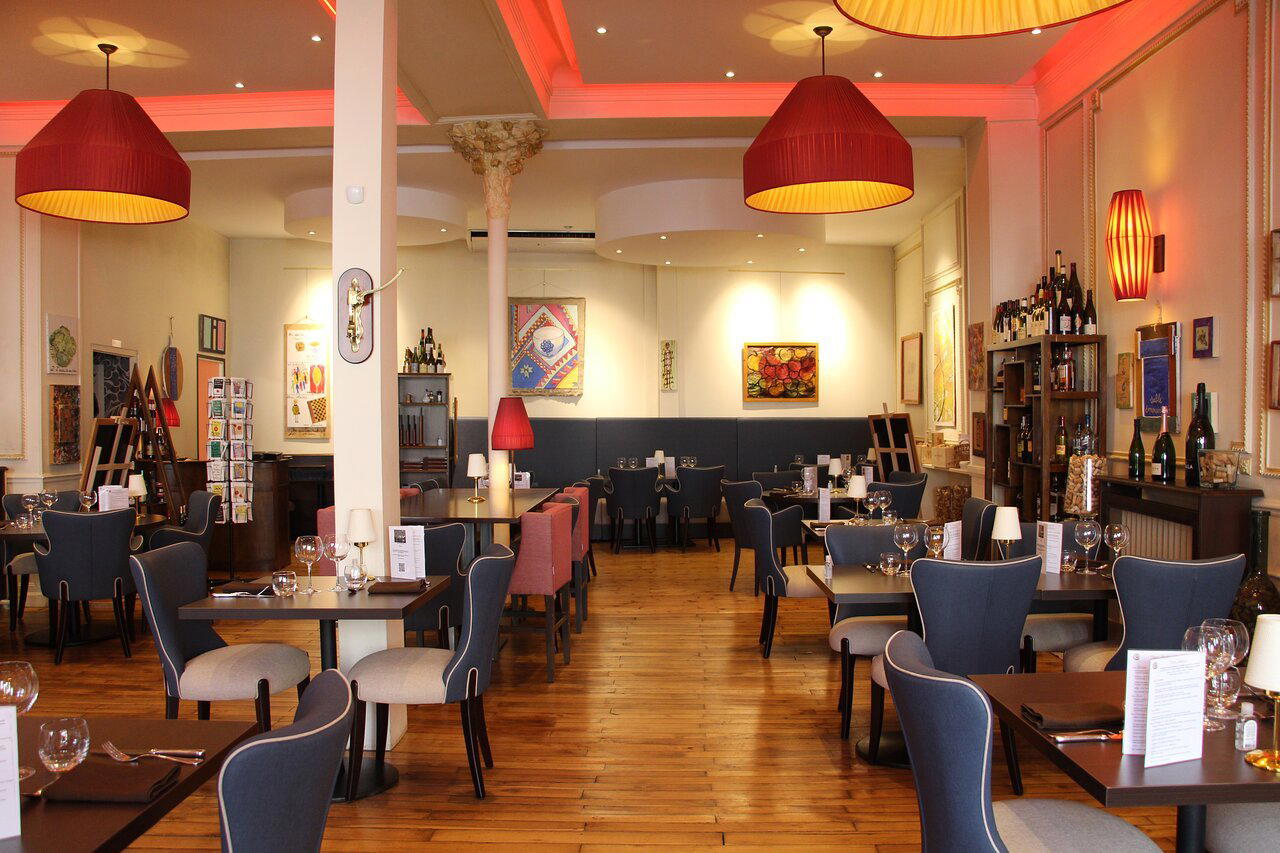
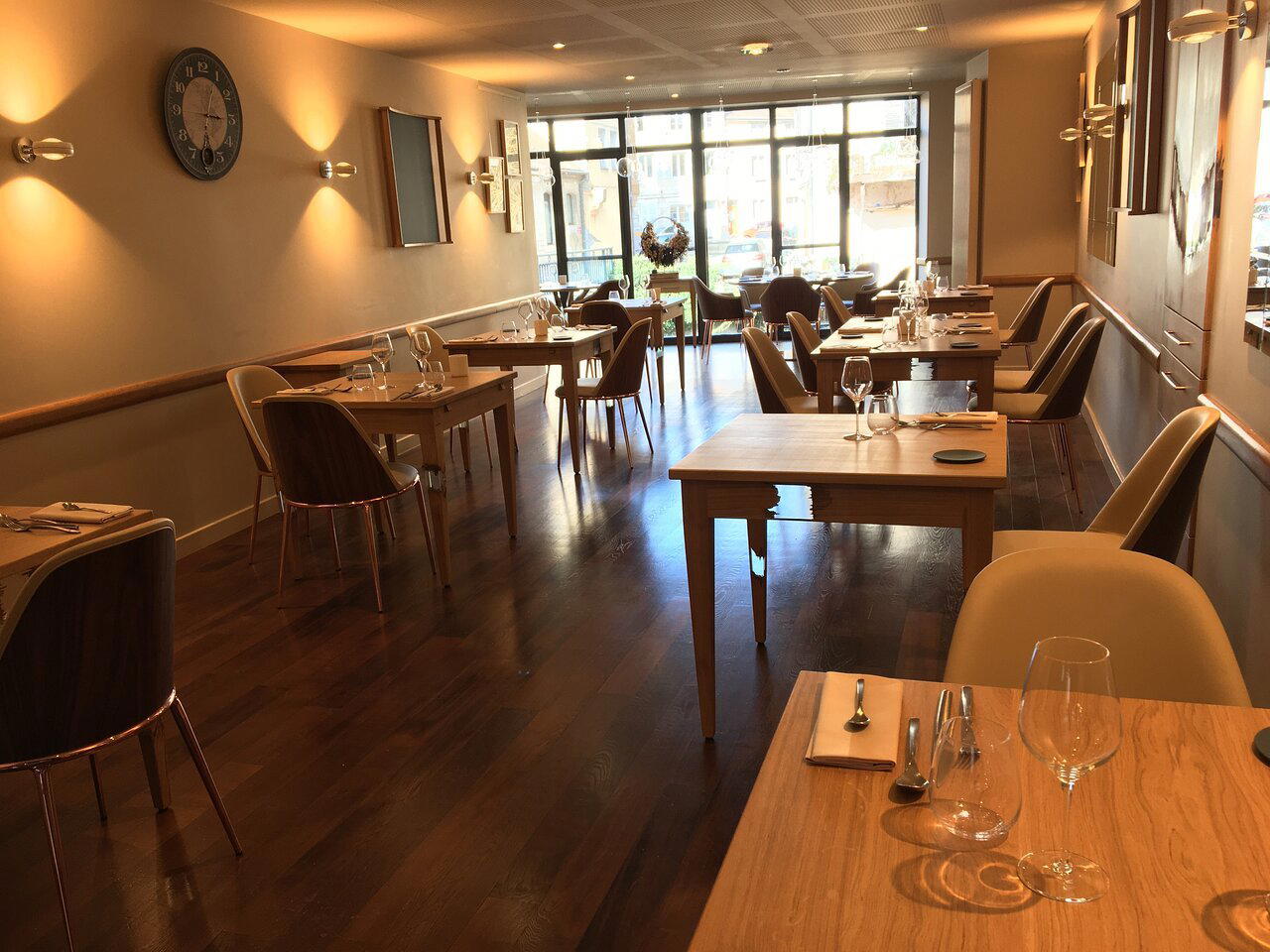
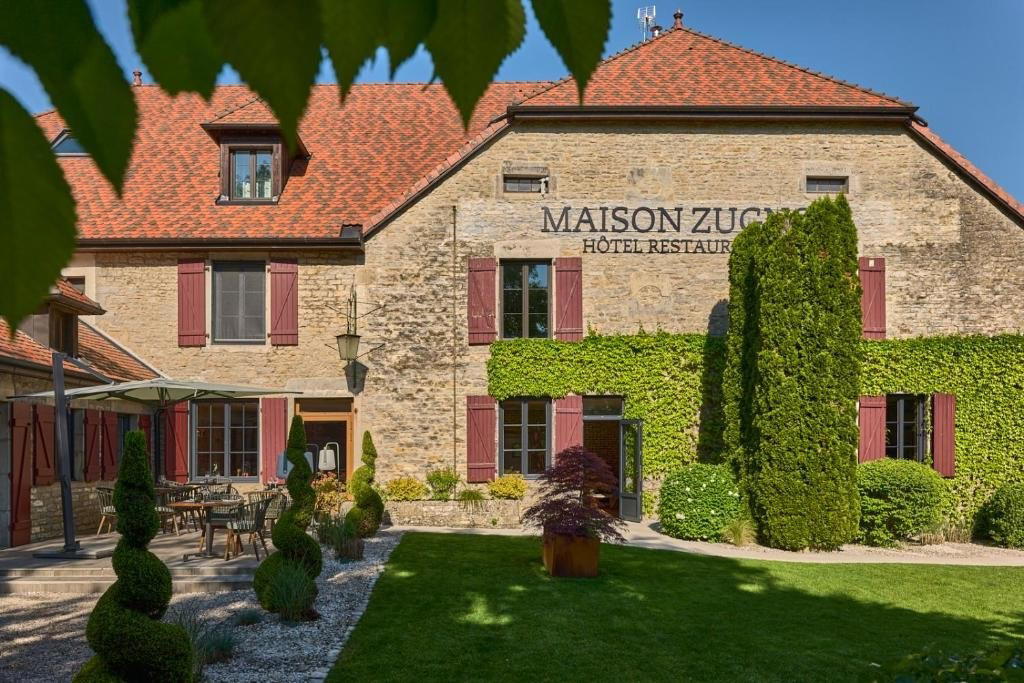
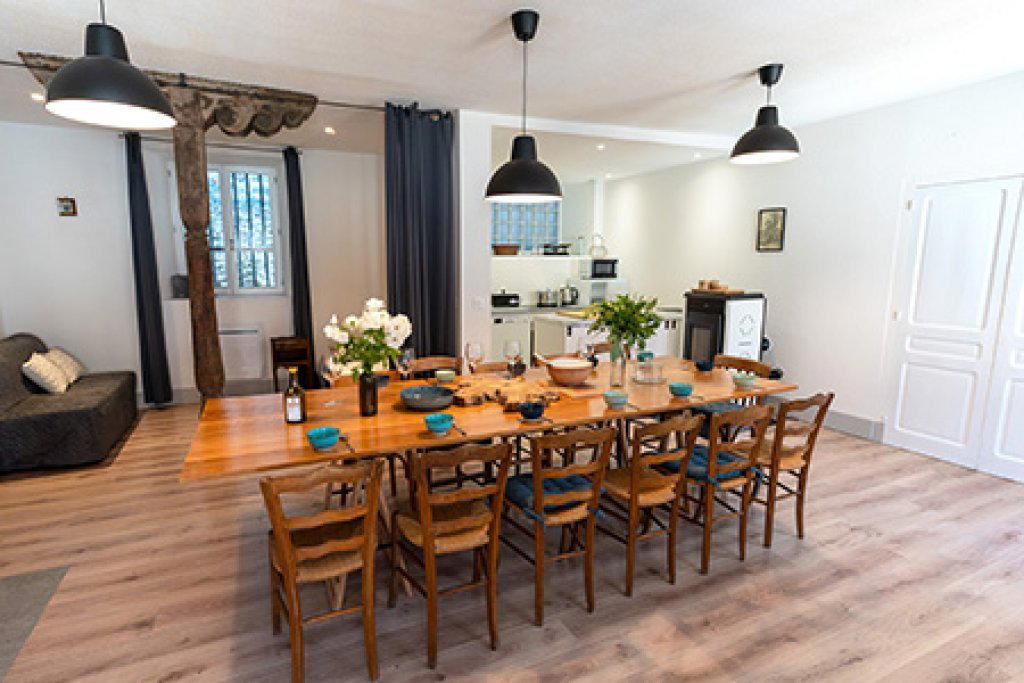
Place de l'Église in Arc-et-Senans is not the kind of address that typically signals a serious kitchen. A modest square opposite a village church, a kilometre's walk from the UNESCO World Heritage Saline Royale, it reads more like a stopping point than a destination. But the French tradition of the serious village auberge runs deep, and Vertfeuille fits squarely inside it: a restored inn whose interior of tommette floor tiles, exposed stone, painted beams, and a working fireplace sits alongside contemporary furnishings without any decorative contradiction. The room signals intent before a dish arrives.
That intent is confirmed by the sourcing. Franche-Comté is one of France's most ingredient-specific regions, a place where the local wine classification, the protected appellations, and the agricultural traditions produce raw materials you simply cannot substitute. The kitchen at Vertfeuille treats those materials as the point of the cooking, not the backdrop to it. Trousseau, the red variety native to the Jura's northern sector, appears in the œuf meurette, poaching the egg in a wine whose mineral edge and red-fruit character sit differently in that sauce than a Burgundy Pinot would. The choice is deliberate and regional, and it changes the dish.
Vin Jaune, Bresse Chicken, and the Logic of Protected Ingredients
The Bresse chicken preparation illustrates the broader approach. Bresse is the only French poultry to hold an AOC designation, a status that controls breeding, feeding, and farming geography to a degree matched by very few agricultural products in France. Cooking it two ways, with an "ancestral" vin jaune sauce, frames the bird against Jura's most celebrated wine style, oxidative, nutty, aged under voile in conditions that produce a flavour profile found nowhere else in the French wine canon. The pairing is not innovative in a trendy sense; it is historically coherent, a dish that reads the region rather than imposing a style onto it.
Vin jaune itself warrants context. Produced almost entirely from Savagnin in the Château-Chalon and Côtes du Jura appellations, it spends a minimum of six years and three months under partial fill in old barrels, developing a characteristic walnut and dried-fruit depth that resists comparison with other white wines. Its use in a sauce is a regional reflex, but it demands restraint, the flavour is strong enough to overwhelm a less considered hand. That it appears here as a structural element, not a flourish, reflects a kitchen that understands its ingredients at source level.
The caramelised Belle Fille de Salins apples complete the picture. Salins-les-Bains, a small town roughly twenty kilometres south, gives the variety its name, and the apple's particular sweetness and texture in caramelisation is distinct from the more widely planted commercial varieties. Using a geographically specific cultivar rather than a generic apple is exactly the kind of sourcing decision that separates a regionally grounded menu from one that merely claims to be.
Training Lineage and What It Signals in the French Provincial Context
France's most serious regional kitchens often take shape when chefs trained in high-pressure, technically demanding environments choose a smaller-scale, ingredient-first format over the metropolitan track. Léa Senot and Clément Bourdiaux, both in their thirties, built their foundations under Anne-Sophie Pic, Georges Blanc, Yoann Conte, and Xavier Beaudiment, a lineage that covers three-Michelin-star classical rigour, Savoyard precision, and the more contemporary creative register that Beaudiment has developed at Le Pré d'Eugénie. That breadth of training is not incidental. It means the kitchen has the technical range to work with Franche-Comté's more demanding ingredients without smoothing away their character. For comparison, some of France's most celebrated regional restaurants, from Auberge de l'Ill in Illhaeusern to Bras in Laguiole, operate on the principle that regional identity and serious technique are not in tension. Vertfeuille sits in that tradition, at a scale appropriate to Arc-et-Senans.
The presence of a vegetarian set menu is also worth noting in context. Franche-Comté's culinary identity leans heavily on animal products, the AOC cheeses, the Bresse poultry, the cured meats of the Haut-Doubs. Offering a structured vegetarian format in this region requires genuine sourcing work, not merely the removal of meat from an existing menu. It broadens the restaurant's reach without diluting its identity, which is harder to achieve in ingredient-specific regional cooking than it might appear.
Arc-et-Senans and the Saline Royale: Why the Location Matters
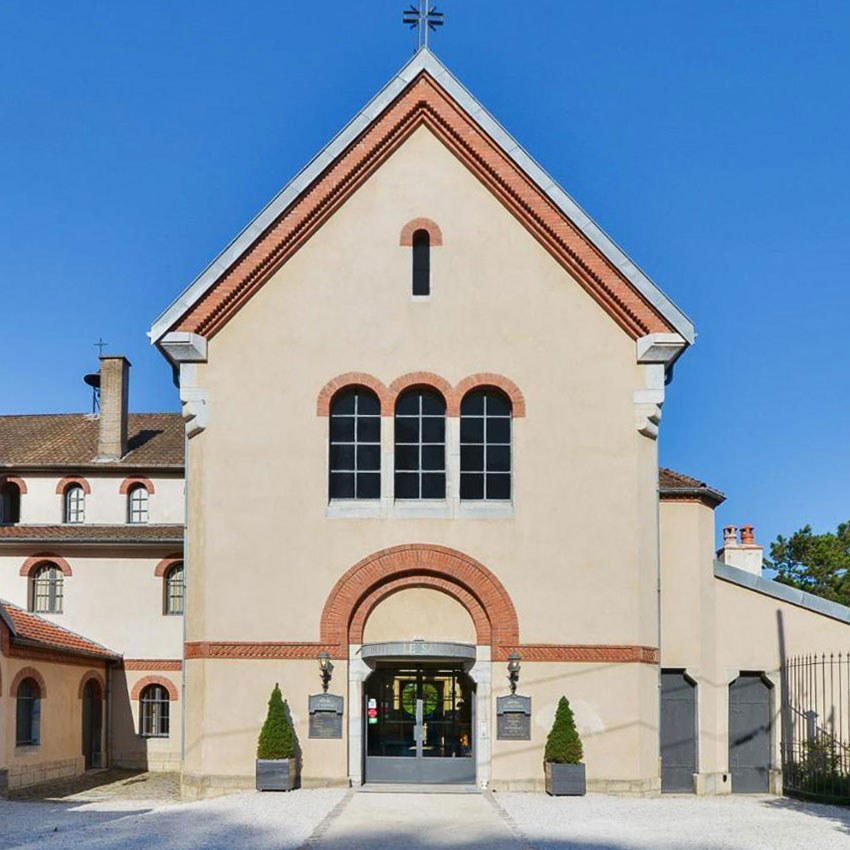
Arc-et-Senans receives most of its visitors through the Saline Royale, Claude-Nicolas Ledoux's eighteenth-century royal saltworks and one of the finest examples of Enlightenment industrial architecture in Europe. The complex was designed as a self-contained working community, and its semicircular plan, built between 1775 and 1779, retains a formal grandeur that still reads as genuinely ambitious rather than merely historical. UNESCO inscription came in 1982, and the site draws significant cultural tourism to what is otherwise a village of fewer than 1,500 people.
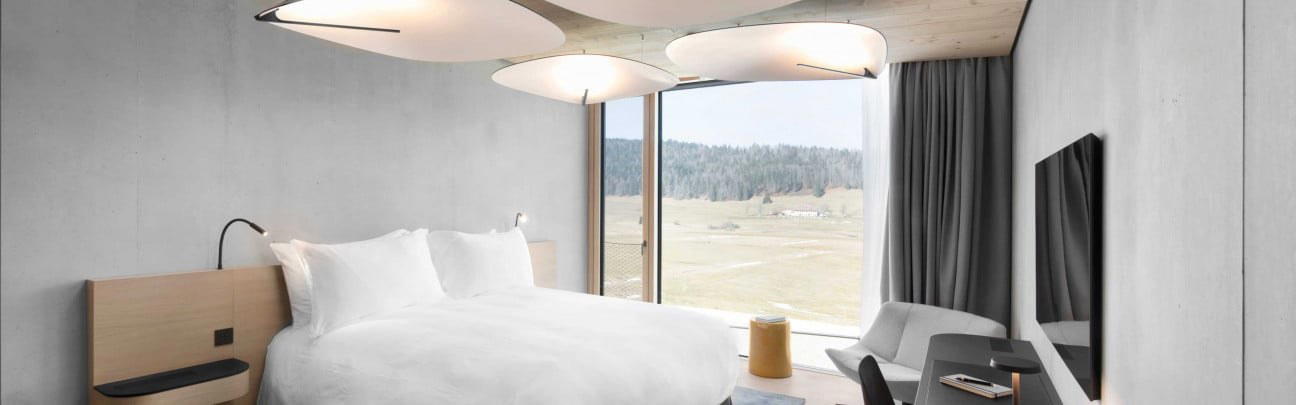
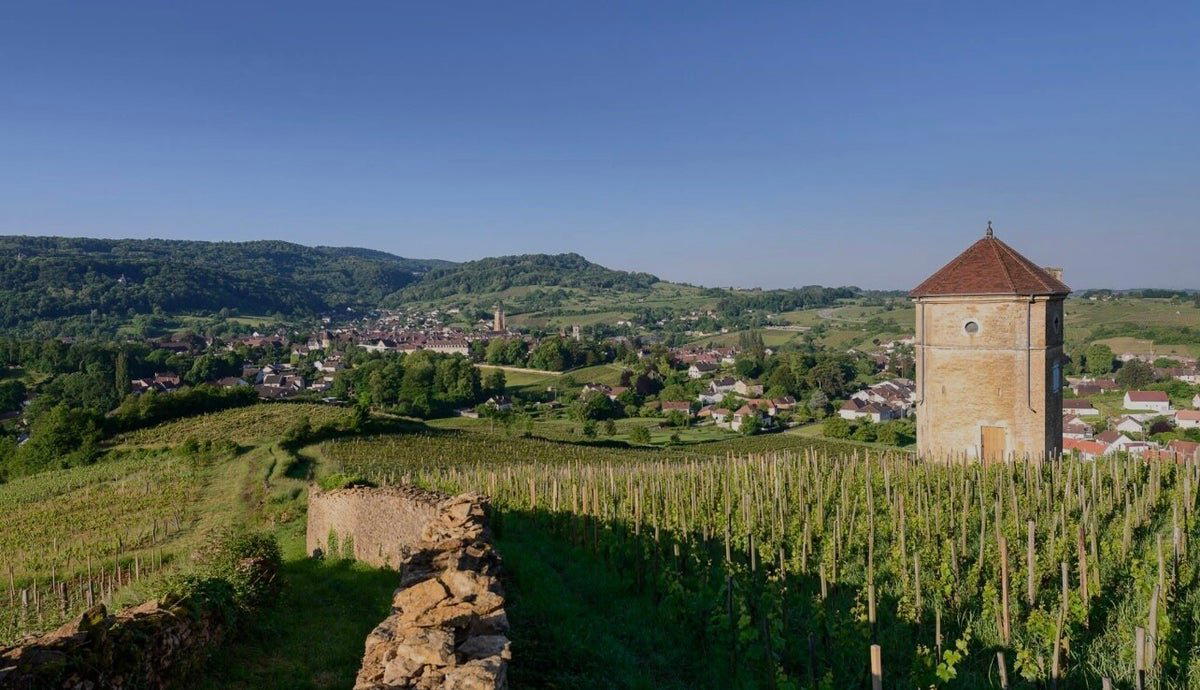
That context shapes Vertfeuille's position. A restaurant of this cooking calibre, attached to a working inn a kilometre from a major heritage site, serves a visitor base that arrives with time and curiosity rather than a quick lunch agenda. Booking a guestroom makes structural sense: the Saline Royale rewards more than a single pass, the surrounding Loue valley offers cycling and walking routes through Comtois countryside, and the drive from Besançon takes around thirty minutes. For those arriving from further, Besançon itself is worth a night, for more on eating in the wider area, see our full Arc-et-Senans restaurants guide. You can also find accommodation options in our Arc-et-Senans hotels guide, drinking venues in our bars guide, regional producers in our wineries guide, and things to do in our experiences guide.
France's most-discussed contemporary restaurants, Mirazur in Menton, Alléno Paris au Pavillon Ledoyen, Flocons de Sel in Megève, or the Paul Bocuse house at Collonges-au-Mont-d'Or, operate in formats and price tiers that require a different kind of planning. Vertfeuille belongs to an equally serious but differently scaled tradition: the French village restaurant that earns its audience through sourcing discipline and technical training rather than through metropolitan visibility. Comparable reference points might include Auberge du Vieux Puits in Fontjoncouse or Au Crocodile in Strasbourg in terms of the seriousness of the enterprise, though each occupies its own regional identity. Further afield, Assiette Champenoise in Reims, Troisgros in Ouches, AM par Alexandre Mazzia in Marseille, and international addresses like Le Bernardin in New York and Emeril's in New Orleans represent points on the broader map of serious cooking that share, at varying scales, the same commitment to sourcing precision that Vertfeuille pursues at the village level.
Planning Your Visit
Vertfeuille is at 9 place de l'Église in Arc-et-Senans, directly opposite the church. The Saline Royale entrance is a kilometre away on foot, making a combined visit the most natural itinerary. Guestrooms are available at the inn, which makes sense if you want to use the surrounding area properly rather than squeezing both the saltworks and a serious dinner into a single day-trip. Given the training lineage of the two chefs and the sourcing-driven menu format, reservations in advance are the sensible approach, a kitchen of this calibre in a village of this size will not hold space for walk-ins during peak season. No pricing data is currently published through EP Club's records, but the format, a regional tasting menu with set vegetarian options, in a restored auberge, places it at a price point consistent with French provincial cooking of comparable ambition.
Frequently asked questions
Is Vertfeuille a family-friendly restaurant?
The auberge format at 9 place de l'Église suits a broad range of diners, and guestrooms make it a practical overnight stop. That said, a menu anchored by AOC Bresse chicken, organic œuf meurette in Trousseau wine, and vin jaune sauce is built around ingredient precision rather than casual eating, so it rewards guests who engage with regional French cooking. Vegetarian set menus are available.
How would you describe the vibe at Vertfeuille?
The room combines tommette floor tiles, exposed stone, painted beams, and a fireplace with contemporary furnishings, which puts it somewhere between a working auberge and a considered regional dining room. There is nothing performative about it; the setting is village-square straightforward, directly opposite the church in Arc-et-Senans, and the kitchen's training pedigree under Anne-Sophie Pic and Georges Blanc is what charges the atmosphere rather than any design ambition.
What distinctions does Vertfeuille have?
Vertfeuille has received recognition including: In the heart of the village, opposite the church and 1km from the Saline Royale, this inn (tommette floor tiles, exposed stone, painted beams, fireplace and contemporary furnishings) has been refurbished and is now home to a restaurant run ….
What's the must-try dish at Vertfeuille?
Order the Bresse chicken cooked two ways with ancestral vin jaune sauce. Bresse holds France's only AOC designation for poultry, and vin jaune from the Jura is among the country's most distinctive wine styles; pairing the two is a statement about the Franche-Comté larder that few kitchens in the region make with this level of training behind it. The caramelised Belle Fille de Salins apples are worth noting as a regional close to the meal.
Where exactly is Vertfeuille?
Vertfeuille is located at 9 place de l’Eglise, Arc-et-Senans.
Do I need a reservation for Vertfeuille?
Yes. Two chefs trained under the likes of Anne-Sophie Pic, Georges Blanc, Yoann Conte, and Xavier Beaudiment, operating in a village that draws significant heritage tourism to the UNESCO Saline Royale one kilometre away, means covers will fill. Book ahead, particularly if you want a guestroom alongside dinner.
A Quick Peer Check
Comparable venues nearby, for context on price, style, and recognition.
| Venue | Cuisine | Price | Awards | Notes |
|---|---|---|---|---|
| VertfeuilleThis venue (the venue you are viewing) | Modern French Regional | $50–100 | Michelin Bib Gourmand | Not listed |
| Les Murisaltiens | Traditional Burgundian Bistro | $30–50 | Michelin Plate | Meursault |
| L'Arôme | Modern French-Japanese Fusion | $30–50 | Michelin Plate | Centre-ville |
| Loiseau du Temps | Modern Franche-Comté Bistro | $30–50 | Michelin Plate | Place de la Révolution |
| La Superb | Modern French Bistro | $50–100 | Michelin Plate | old town |
| Garum | Modern French Bistro | $50–100 | Michelin Plate | centre-ville |
Recognition history
Dated appearances from independent guides and award organizations, with the underlying list record or original source where available.
Michelin Bib Gourmand
Michelin
Full recognition history (2 entries)
Michelin Plate
Michelin · 2026 Michelin Plate
Continue exploring
More in Arc-et-Senans
Restaurants in Arc-et-Senans
All restaurants in Arc-et-Senans →
Hotels in Arc-et-Senans
Browse all →

Details
- Rustic
- Elegant
- Cozy
- Classic
- Special Occasion
- Family
- Historic Building
- Organic
- Local Sourcing
- Set Menu
- Vegetarian Friendly
Cozy rustic atmosphere with tommette floor tiles, exposed stone, painted beams, fireplace, and contemporary furnishings.