Castel Damandre

Michelin Plate
Our verdict
Castel Damandre holds a 2025 Michelin Plate at its address on Rue de la Cascade in Les Planches-près-Arbois, the small Jura village where the Cuisance river cuts through limestone gorges. The kitchen works in the traditional register, drawing on one of France's most ingredient-specific wine and food regions. It sits comfortably in the upper tier of the Jura's rural dining scene.

Pearl is the En Primeur Club membership app — saves, bookings, and concierge access live there. Same editors, same standards.
- Address
- 18 Rue de la Cascade, 39600 Les Planches-près-Arbois, France
- Phone
- +33 3 84 66 08 17
- Website
- casteldamandre.com
- Directions
- Get directions
- Booking
- Book on the venue's website
The menu
What to order
- Poularde de Bresse aux morilles et vin jaune
- Truite tartare aux fruits exotiques et yuzu
Arriving in Les Planches-près-Arbois
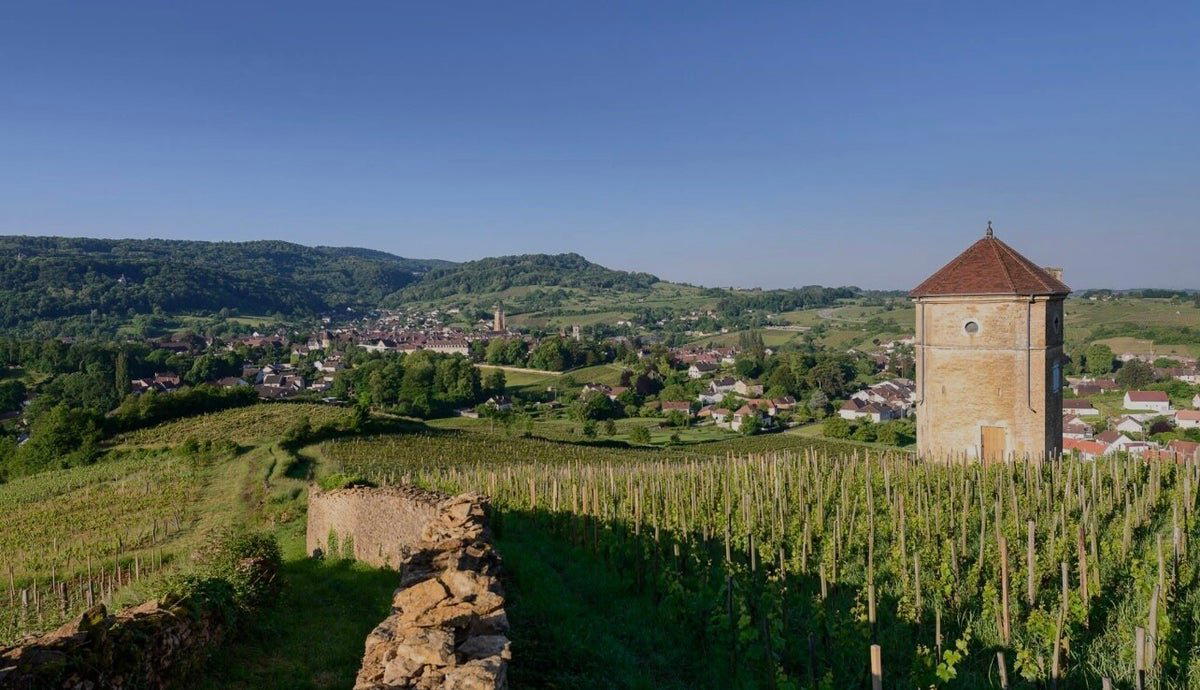
The road into Les Planches-près-Arbois follows the Cuisance as the valley narrows and the limestone cliffs close in. This is the Jura at its most literal: a landscape built from geology you can see, taste, and smell. The village sits a few kilometres outside Arbois itself, the small town that shaped French wine science through Louis Pasteur's residency and remains the commercial and cultural anchor of the Jura appellation. By the time you reach 18 Rue de la Cascade, the address of Castel Damandre, you are already inside the argument the kitchen will make at the table: that proximity to source is the point, not a marketing position.
For visitors planning a longer stay, our full Les Planches-près-Arbois hotels guide covers accommodation options across the village and surrounding area, and our experiences guide maps the gorges, caves, and wine trails worth building time around.
The Jura as Ingredient Region
France's Michelin-recognised dining sits along a wide spectrum, from the technical ambition of Paris houses like Alléno Paris au Pavillon Ledoyen and the mountain creativity of Flocons de Sel in Megève down to the regional traditionalists who hold the Plate for consistent, honest cooking rooted in a specific territory. Castel Damandre belongs firmly to the second category, and in the Jura that category carries particular weight.
The Jura is one of the few parts of France where the terroir argument applies with equal force to both the wine and the food on the plate. The region produces Comté, aged in its own mountain caves and graded by a strict appellation system. It supplies morilles, the morel mushrooms that emerge from forest floors in spring and define the local sauce canon. Poulet de Bresse, France's most geographically protected poultry, comes from the plateau immediately to the west. Vin Jaune, the oxidative white made from Savagnin grapes under voile, is both the region's most distinctive wine and a cooking ingredient that appears in the sauces of traditional Jurassien kitchens. When a kitchen in this part of France describes itself as working in the traditional register, it is making a claim about sourcing geography as much as technique.
That regional specificity is what separates the Jura's traditional dining tier from, say, the country-inn formula found across provincial France. The ingredients available within a short radius of Les Planches-près-Arbois are not generic French larder staples. They are products with defined origins, regulated production, and flavour profiles you cannot replicate by substituting from elsewhere. A Comté at 18 months of cave affinage carries a particular crystalline, saline depth. Vin Jaune in a cream sauce produces a walnut-edged richness that no other white wine replicates. A kitchen that sources and uses these materials well is making a different kind of argument than technical showmanship, and Michelin's Plate recognition in 2025 signals that Castel Damandre makes that argument coherently.
Where Castel Damandre Sits in the French Traditional Scene
The Michelin Plate, introduced as part of the guide's broader recognition tier below Bib Gourmand and the star system, marks kitchens the inspectors consider worth knowing: restaurants that cook well, operate consistently, and merit the reader's attention without necessarily reaching for creative ambition. In France's rural heartland, Plate recognition often falls to houses that have maintained a regional culinary identity through decades of owner-operated continuity. Think of the tradition represented by Auberge de l'Ill in Illhaeusern or the deep-roots approach at Auberge du Vieux Puits in Fontjoncouse at the starred level, and you understand the tradition from which Plate-tier rural houses draw their identity, even at a different scale of recognition.
The €€€€ price positioning is notable for a Plate-level address in a small Jura village. It places Castel Damandre at the premium end of the local dining tier, closer in price to starred regional houses than to the casual cave-and-cheese stops that populate Arbois's tourist trade.
For a sense of how the traditional cuisine category performs across different French regions and price points, the range from Auberge Grand'Maison in Mûr-de-Bretagne to Bras in Laguiole illustrates how wide a spectrum the category covers when anchored in genuine regional identity.
The Jura Wine Pairing Dimension
Any serious meal in this part of the Jura carries an implied wine conversation. The village sits within the Arbois appellation, and the full range of Jura styles, including Trousseau, Poulsard, Savagnin, and the celebrated Vin Jaune of Château-Chalon and Arbois, are available from local producers at prices that do not carry the markup structure of Paris or resort-town lists. For a kitchen working in the traditional register, the wine list in a house like this is as much a sourcing statement as the food menu. Pairing Vin Jaune with a Comté-based preparation or a morille-cream sauce is not a novelty move in the Jura; it is the canonical expression of the region's table culture.
Visitors wanting to extend the wine dimension should consult our Les Planches-près-Arbois wineries guide, which covers the domaines and caves accessible from the village. The bars guide maps the lower-key end of the local drinking scene for those building an evening around dinner at Castel Damandre.
Planning Your Visit
Les Planches-près-Arbois is accessible by car from Arbois in under ten minutes, with the village reachable from Besançon in roughly 45 minutes and from Dijon in under 90. The Franche-Comté region is leading visited in late spring through early autumn, when the gorges and forest trails are accessible and the local produce calendar is at its widest. Morel season peaks in April and May; summer brings the full Comté and river trout cycle; autumn shifts toward game and the year's new Vin Jaune releases. Given the €€€€ price tier and the venue's Michelin recognition, booking in advance is advisable, particularly on summer weekends when the Jura receives visitors travelling the wine route from Burgundy. The full context for the area's dining options sits in our Les Planches-près-Arbois restaurants guide.
For those building a wider Jura or eastern France itinerary, the regional dining context extends toward Alsace at Au Crocodile in Strasbourg, the Champagne region at Assiette Champenoise in Reims, and the creative southern end of French fine dining at Mirazur in Menton and AM par Alexandre Mazzia in Marseille. Across the border, Auga in Gijón offers a comparable commitment to regional ingredients in a different Atlantic-coast tradition.
Frequently Asked Questions
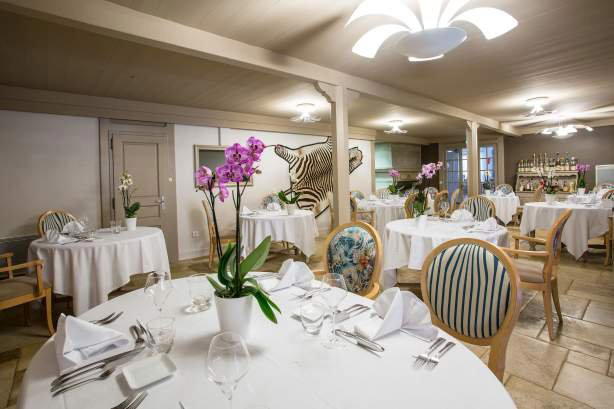
- What kind of setting is Castel Damandre? Castel Damandre is a €€€€ traditional-cuisine address in a small Jura village, recognised by the 2025 Michelin Plate. The setting is rural and intimate, shaped by the limestone gorge environment of Les Planches-près-Arbois rather than by urban fine-dining conventions. It occupies a different register from the grand-hotel dining rooms of Paris's starred tier but sits at the premium end of what this particular corner of France offers.
- Would Castel Damandre be comfortable with kids? At the €€€€ price point in a village dining room of this standing, it is better suited to adults or older children who can settle into a longer, formal meal.
- What do regulars order at Castel Damandre? The kitchen works in the traditional cuisine register, and in the Jura that means the seasonal larder of Comté, morilles, Bresse poultry, and local river fish forms the backbone of what the kitchen does. Michelin Plate recognition in 2025 indicates the inspectors found the cooking consistent and well-executed across the range; regulars in this region typically gravitate toward preparations that engage Vin Jaune or the aged cheeses that define the local table identity.
Frequently asked questions
Would Castel Damandre be comfortable with kids?
The traditional cuisine format and rural village address at 18 Rue de la Cascade suggest a sit-down dining room rather than a casual bistro. At the €€€€ price range, the pace and setting are calibrated for a longer meal, so very young children may find it a stretch. Older children comfortable at a formal table should be fine, but it is worth contacting the venue directly to confirm.
What kind of setting is Castel Damandre?
The address places it in Les Planches-près-Arbois, a village where the Cuisance river runs through a tight limestone gorge at the edge of the Jura plateau. The 2025 Michelin Plate signals a kitchen the guide's inspectors consider worth a detour, operating within a traditional cuisine register. At €€€€, this is a destination dining room rather than a neighbourhood local.
Is Castel Damandre Michelin-listed?
Castel Damandre has received recognition including: Michelin Plate (2025).
What do regulars order at Castel Damandre?
The kitchen works within a traditional cuisine framework, which in the Jura typically means dishes shaped by the region's own larder: local game, freshwater fish from plateau streams, and preparations that reflect the seasons. Given the Arbois appellation on the doorstep, the wine pairing is likely a strong draw for returning guests.
What's the price range at Castel Damandre?
Pricing at Castel Damandre is listed as €€€€.
Side-by-Side Snapshot
Comparable venues nearby, for context on price, style, and recognition.
| Venue | Cuisine | Price | Awards | Notes |
|---|---|---|---|---|
| Castel DamandreThis venue — the venue you are viewing | Traditional French Gastronomic with Jura Specialties | $50–100 | Michelin Plate | Not listed |
| La Bagatelle | Modern Bistronomic French | $30–50 | Michelin Plate | Dole |
| Le Sauvage | Modern French Fine Dining | Not listed | Michelin Plate | Historic District |
| Regain | Modern French Bistro | $50–100 | Michelin Plate | Quartier Ouest des Pentes |
| Vertfeuille | Modern French Regional | $50–100 | Michelin Bib Gourmand | Arc-et-Senans |
| Le Clos du Château | Modern French Bistro | $50–100 | Michelin Plate | Pringy |
Recognition history
Dated appearances from independent guides and award organizations, with the underlying list record or original source where available.
Michelin Plate
Michelin
Full recognition history (2 entries)
Michelin Plate
Michelin
Continue exploring
More in Les Planches-près-Arbois
Restaurants in Les Planches-près-Arbois
Browse all →
Hotels in Les Planches-près-Arbois
Browse all →

Details
- Romantic
- Cozy
- Elegant
- Scenic
- Rustic
- Date Night
- Special Occasion
- Terrace
- Historic Building
- Extensive Wine List
- Sommelier Led
- Local Sourcing
- Waterfront
- Garden
- A La Carte
- Wine
- Vegetarian Friendly
- Gluten Free Options
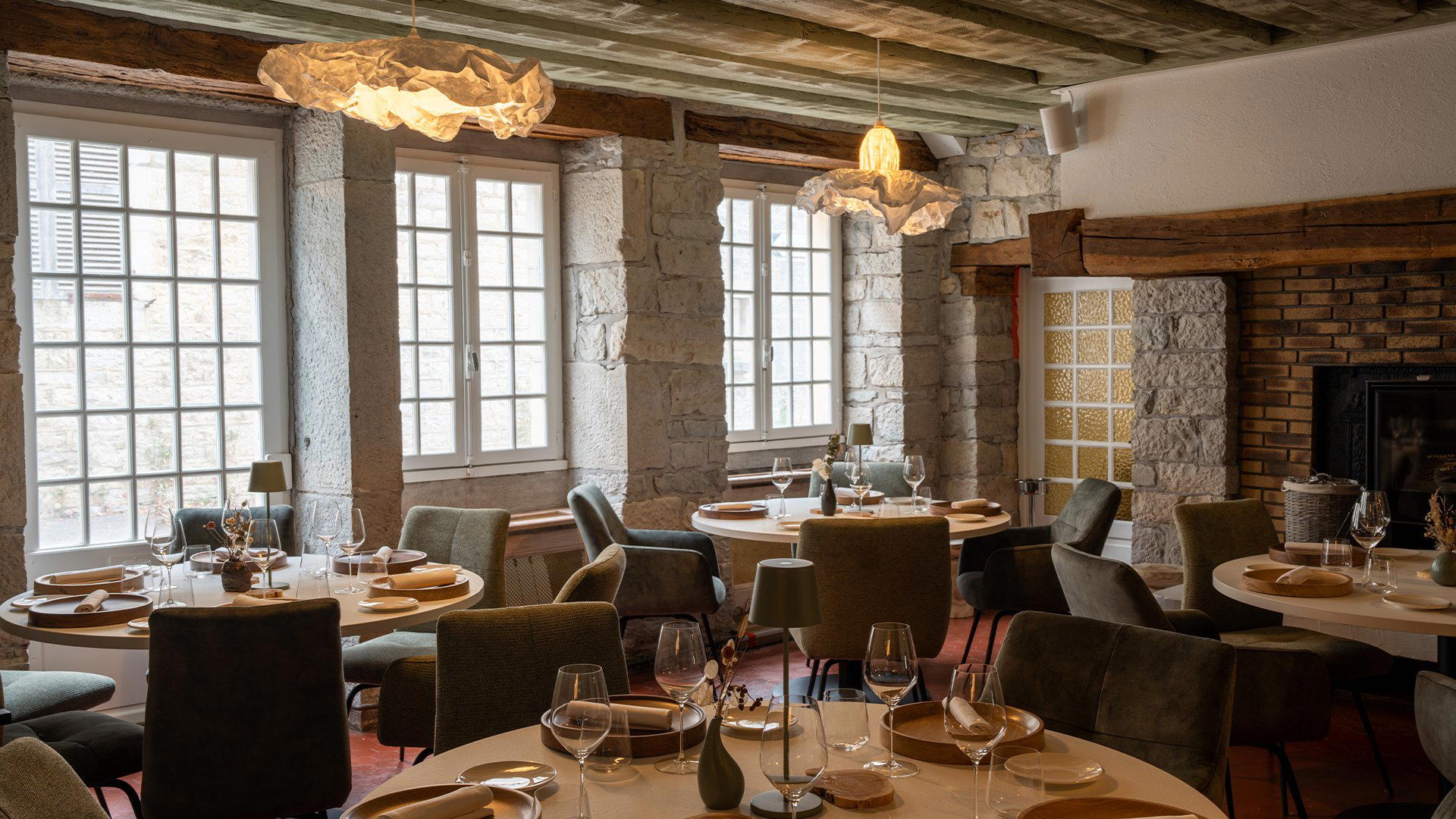
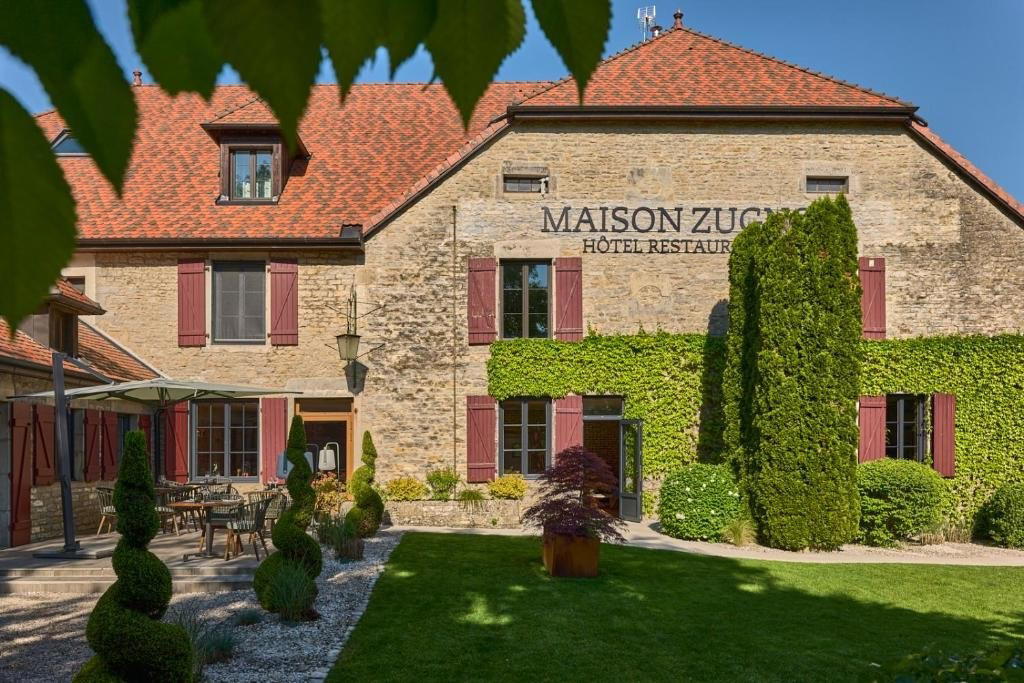
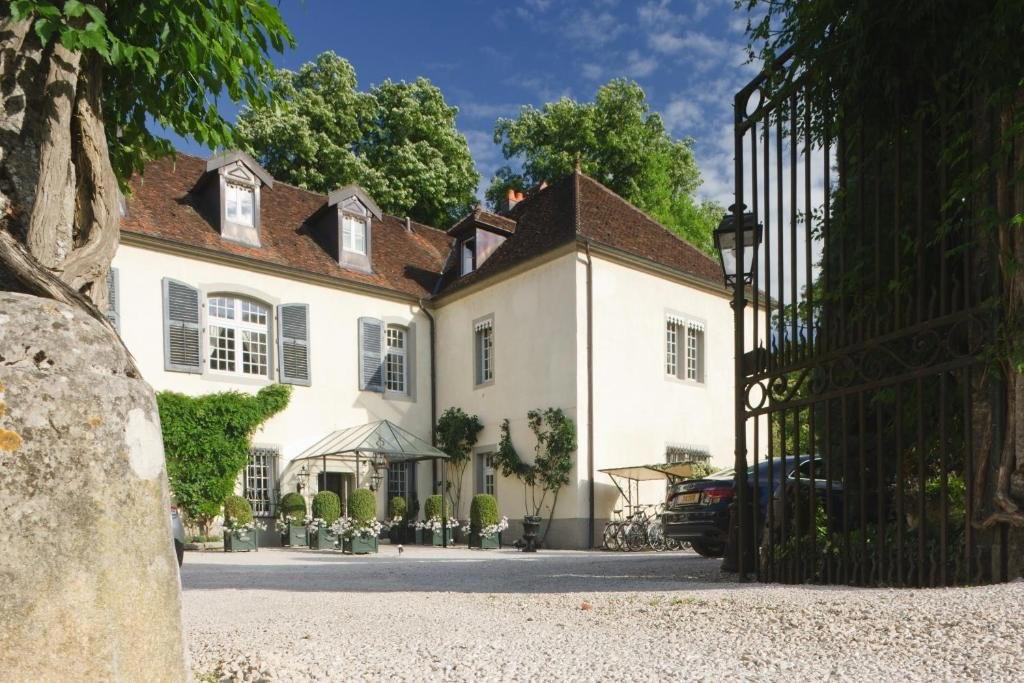
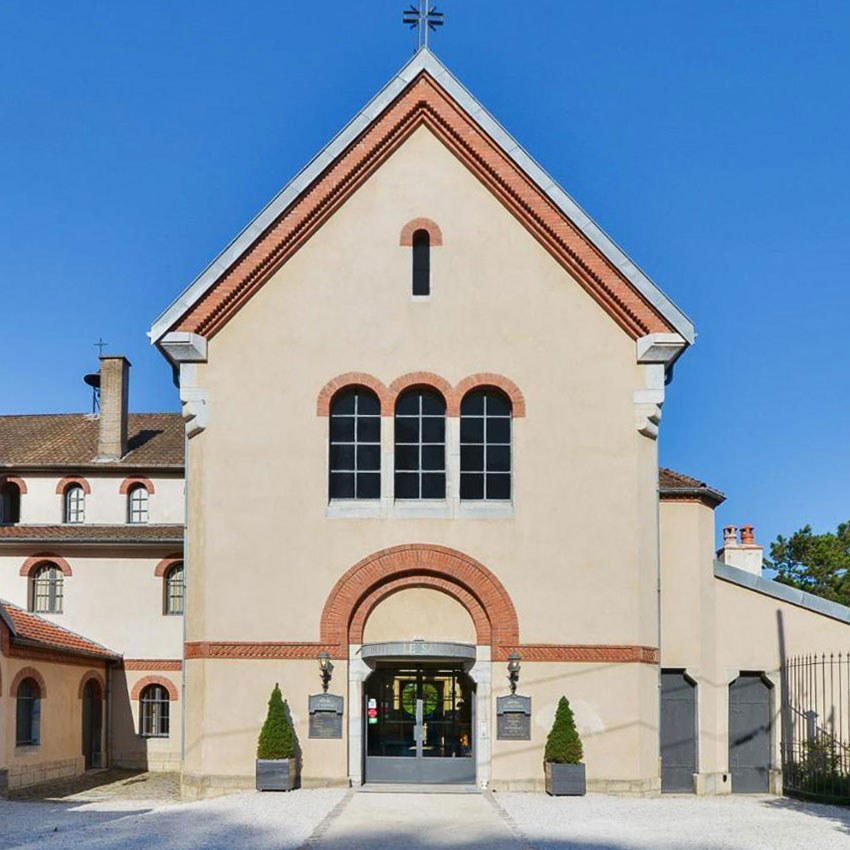
Warm and charming atmosphere with stone floors, fireplace in the traditional dining room, and a peaceful terrace by the Cuisance river; guests describe it as calm, well-insulated, and apaisant.