Bistrot de Port-Lesney


Michelin Plate · Relais Chateaux Award
Our verdict
Awarded the Michelin Plate in both 2024 and 2025, Bistrot de Port-Lesney brings traditional French cuisine to one of the Jura's quietest river villages, with a €€ price point that makes it accessible without compromise. Holding, it occupies a clear position in the village's small but serious dining scene — honest cooking, regional anchoring, and a room that earns its reputation through consistency rather than spectacle.

Pearl is the En Primeur Club membership app — saves, bookings, and concierge access live there. Same editors, same standards.
- Address
- Place du 8 Mai 1945, 39600 Port-Lesney, France
- Phone
- +33 3 84 37 83 27
- Hours
- Mon–Tue 12–1:30 PM, 7–9:30 PMWed–Thu ClosedFri–Sun 12–1:30 PM, 7–9:30 PM
- Website
- chateaudegermigney.com
- Directions
- Get directions
The menu
What to order
- Paris-Brest
- Smoked trout
- Petit Mercey snails
Where the Loue Valley Sets the Table
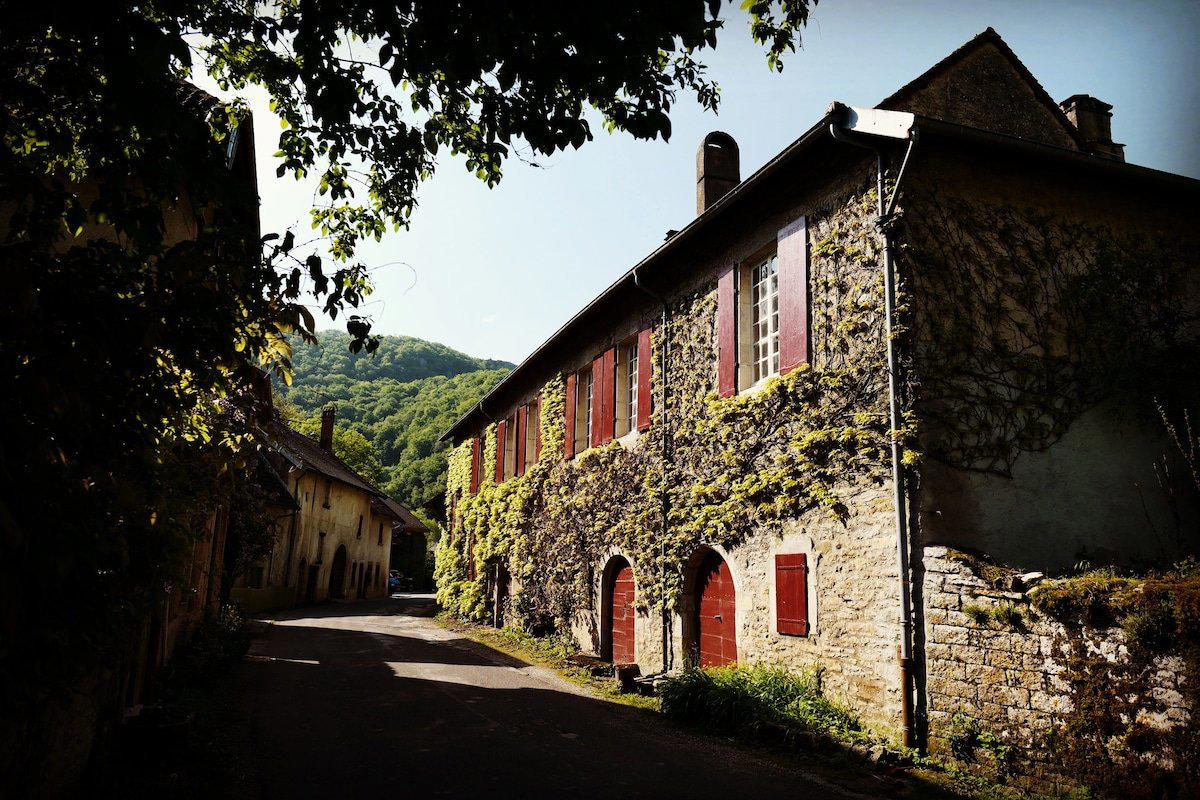
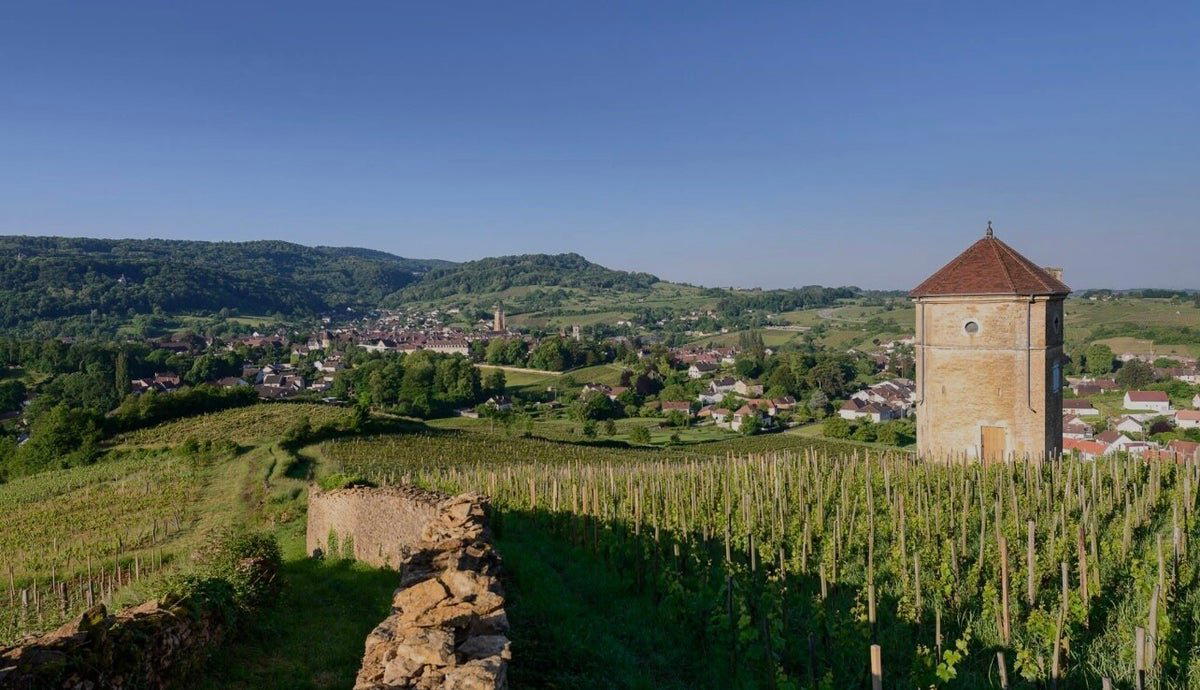
Port-Lesney sits in the Jura's Loue valley at a point where the river slows into wide bends and the stone villages barely register on the autoroute maps. Arriving by road, the village announces itself through pale limestone walls and the kind of square — Place du 8 Mai 1945 — where the afternoon light lingers in a way that makes you understand why people stop here at all. Bistrot de Port-Lesney occupies that square with the ease of a place that has no reason to announce itself loudly. The architecture does not signal ambition; neither does the name. What the room communicates, before any food arrives, is a specific relationship between French provincial hospitality and the land immediately surrounding it.
That relationship is what separates a genuinely rooted bistrot from a tourist-facing simulacrum. The Jura sits between Burgundy and Switzerland in a stretch of eastern France whose food identity resists easy summarising: it shares some traditions with its western neighbour but pulls harder toward its own terroir, its own mountain cheeses, its river fish, its yellow wines. A bistrot operating here with any seriousness is making an implicit argument that the region's ingredients are worth taking on their own terms, not as poor substitutes for something more prestigious.
Regional Ingredients as Editorial Position
Traditional French cuisine, as a category, tends to divide into two camps: kitchens that use the label to mean 'safe and generic,' and those that use it to mean 'specifically French and specifically here.' The Michelin Plate awarded to Bistrot de Port-Lesney in both 2024 and 2025 positions it in the second camp. The Plate designation signals cooking that meets Michelin's threshold for quality without yet entering the star tier; in rural France, particularly in a village this size, that is a meaningful credential rather than a consolation. It implies a kitchen that is doing the foundational work correctly: sourcing with intent, executing classically, maintaining consistency across services.
The Jura's ingredient map is one of the more compelling in eastern France. The Loue and its tributaries produce trout and crayfish; the surrounding hills support comté at various ages, Morbier, and Mont d'Or in season. Vin jaune, the region's oxidative white made from Savagnin, and the plummy reds from Poulsard and Trousseau provide a wine context that pairs differently from Burgundy, with savour rather than fruit as the dominant register. A traditional kitchen working within this geography has access to raw material that requires relatively little intervention to be compelling, which is both the advantage and the discipline of the approach: the cooking has nowhere to hide behind technique if the sourcing isn't right.
For context, consider how France's most decorated traditional and regional restaurants handle this same relationship between place and plate. Operations like Bras in Laguiole or Auberge de l'Ill in Illhaeusern built their reputations partly through an absolute commitment to the land immediately around them. Bistrot de Port-Lesney operates at a different price tier and scale from those rooms, but it applies the same foundational logic: the region is not background, it is content.
Where It Sits in the Jura Dining Picture
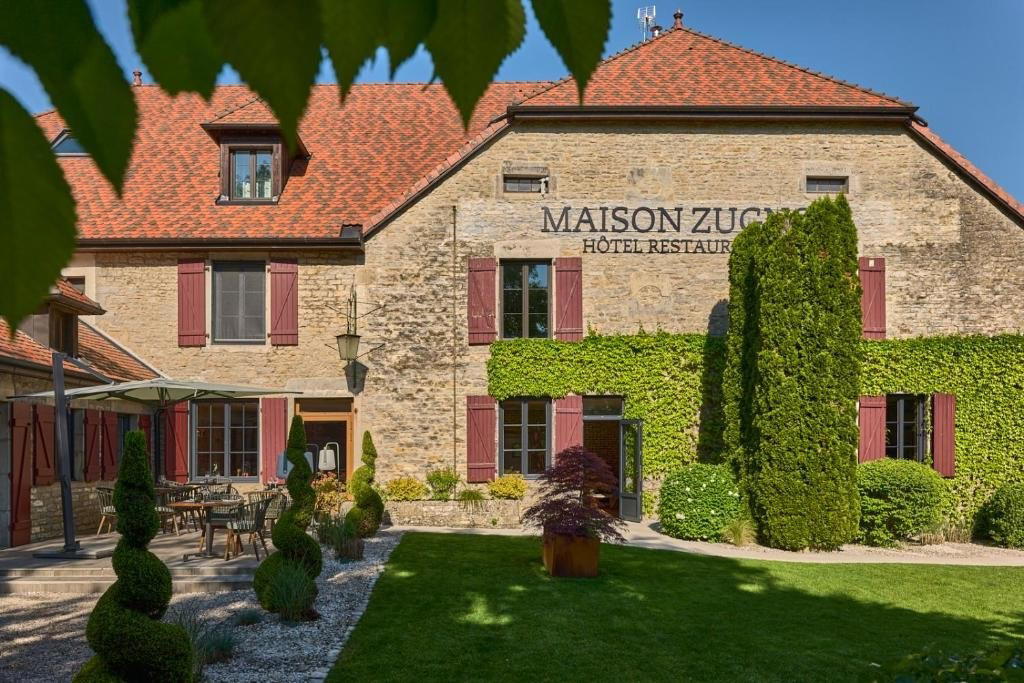
The village has a small but considered dining scene. Restaurant Château de Germigney operates at the formal, gastronomic end of Port-Lesney's options, with the architecture and service register to match. The Bistrot sits below that tier in terms of formality and price, making it accessible for a midweek lunch or an unplanned dinner without the advance planning that a full gastronomic experience requires. At €€, it occupies the middle ground where good French provincial cooking has historically lived: generous enough to satisfy, specific enough to be worth a detour.
That positioning matters in the broader French regional dining context. Outside the major cities, the €€ tier is where traditional cuisine either thrives or collapses into mediocrity. Kitchens at this price and recognition level in comparable rural settings, such as Auberge Grand'Maison in Mûr-de-Bretagne, earn their reputations through repetition: the same quality on a Tuesday in January as on a Saturday in August.
The Wider Scene Worth Knowing
Visitors to Port-Lesney who treat the village as a dining destination rather than a passing stop will find it connects to a broader network of serious French regional cooking. The Jura sits within reasonable driving range of the Rhône corridor's more celebrated rooms, Troisgros in Ouches to the south and Assiette Champenoise in Reims to the north, but the village's own identity is distinct from either. It is not a waypoint on the way to somewhere more famous; it is a place with its own coherent food logic.
For those building a longer itinerary through eastern and southeastern France, Flocons de Sel in Megève and Mirazur in Menton represent the creative, higher-budget end of regional French cooking that values local sourcing just as intensely but at a radically different investment level. The contrast is instructive: the Bistrot demonstrates that ingredient-led traditional cooking does not require a starred price structure to be compelling. You can also explore Au Crocodile in Strasbourg or AM par Alexandre Mazzia in Marseille if you want to see how France's leading contemporary tables handle the same questions of sourcing and identity at a higher technical and financial register. For an international comparison of traditional cooking anchored to local produce, Auga in Gijón applies similar logic on Spain's northern coast.
For everything else in the village, our full Port-Lesney restaurants guide covers the wider dining picture, and you can also find recommendations across hotels, bars, wineries, and experiences in Port-Lesney.
Planning Your Visit
Bistrot de Port-Lesney is located on Place du 8 Mai 1945 in the village centre, which means it is walkable from any accommodation in the immediate area. The €€ pricing makes it viable for multiple meals across a stay without the reservation pressure that a starred kitchen demands. Given the 814-review Google base at 4.4, it draws visitors from outside the village, so booking ahead for weekend services is advisable. The Jura's season runs strongest from late spring through early autumn, when regional produce is at its most varied and the Loue valley is worth exploring beyond the table.
Frequently asked questions
Is Bistrot de Port-Lesney good for families?
At €€ pricing and set on Port-Lesney's village square, this is a practical option for families who want a genuine regional French meal without the formality of a gastronomic room. The bistrot format, rather than a tasting-menu operation, means the pace suits a table with mixed appetites. Its Michelin Plate recognition in both 2024 and 2025 confirms the kitchen delivers consistent quality at an accessible price point.
What's the overall feel of Bistrot de Port-Lesney?
The setting is Place du 8 Mai 1945, the central square of a quiet Jura river village where the Loue valley slows the pace considerably. The feel is unhurried and anchored in regional character rather than destination-restaurant theatre — closer to the rhythm of a local lunch institution than a hotel dining room. For visitors coming from Château de Germigney, which handles Port-Lesney's formal end, the bistrot occupies a different register entirely.
What awards or recognition does Bistrot de Port-Lesney have?
Bistrot de Port-Lesney has received recognition including: Michelin Plate (2025); Michelin Plate (2024).
What should I order at Bistrot de Port-Lesney?
The kitchen earned a Michelin Plate in both 2024 and 2025 for its traditional French cooking, which sets a verifiable quality floor across the menu rather than concentrating it in one signature dish. In the Jura specifically, that category typically pulls from river fish, local charcuterie, and regional dairy — though the specific dishes are worth confirming when you book. The €€ price range means you can order across courses without significant restraint.
Comparable Spots, Quickly
| Venue | Cuisine | Price | Awards |
|---|---|---|---|
| Bistrot de Port-LesneyThis venue — the venue you are viewing | Traditional Franche-Comté Bistro | $30–50 | Michelin Plate · Relais Chateaux Award |
| Alléno Paris au Pavillon Ledoyen | Creative | Not listed | Michelin 3 Star |
| Kei | Contemporary French, Modern Cuisine | Not listed | Michelin 3 Star |
| L'Ambroisie | French, Classic Cuisine | Not listed | Michelin 3 Star |
| Le Cinq - Four Seasons Hôtel George V | French, Modern Cuisine | Not listed | Michelin 3 Star |
| Plénitude | Contemporary French | Not listed | Michelin 3 Star |
Recognition history
Dated appearances from independent guides and award organizations, with the underlying list record or original source where available.
Michelin Plate
Michelin
Relais Chateaux Award
Relais Chateaux
Full recognition history (3 entries)
Michelin Plate
Michelin
Continue exploring
More in Port-Lesney
Restaurants in Port-Lesney
Browse all →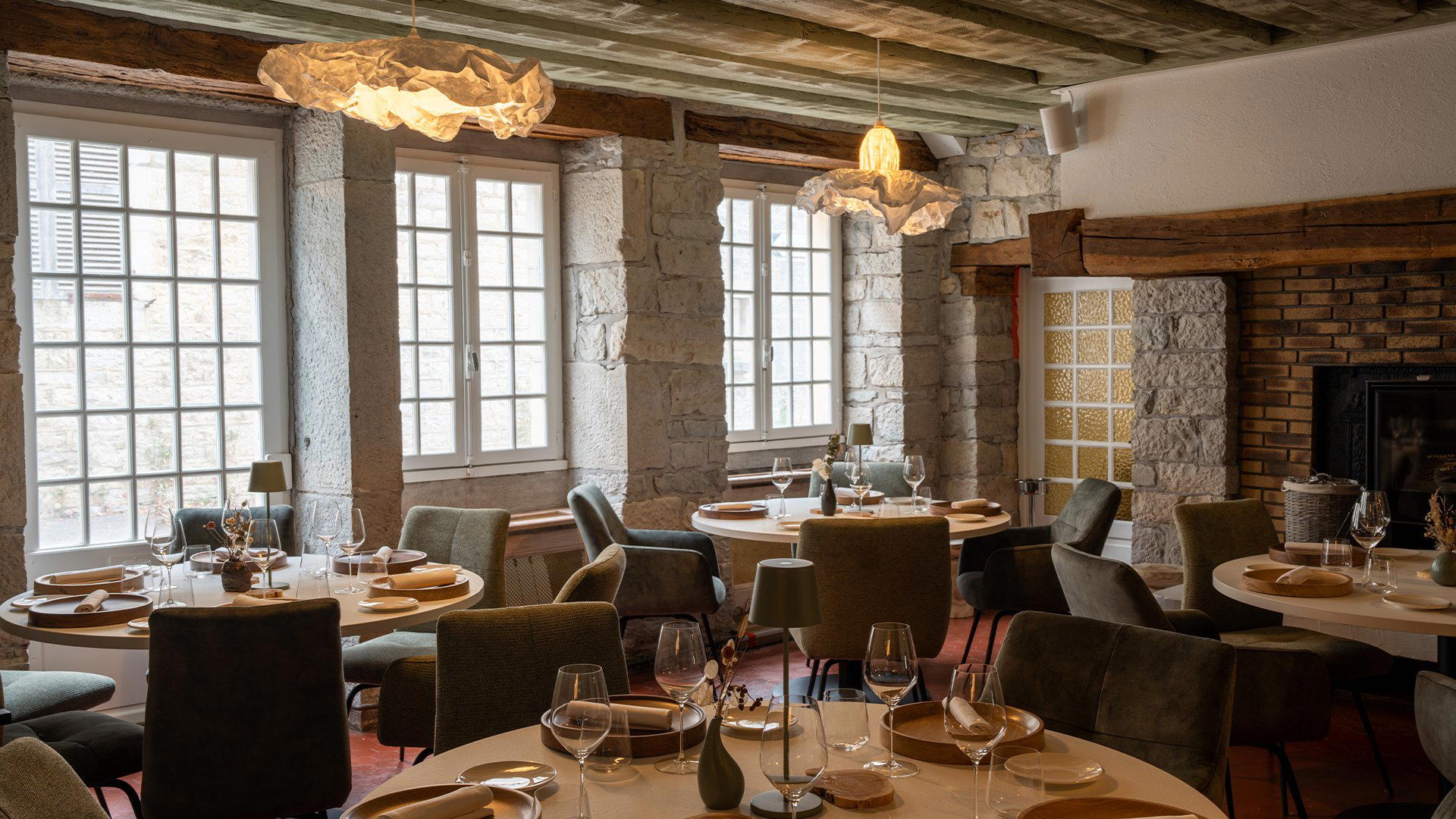
Hotels in Port-Lesney
Browse all →

Details
- Rustic
- Cozy
- Classic
- Family
- Casual Hangout
- Terrace
- Local Sourcing
- Street Scene
- A La Carte
- Vegetarian Friendly
Current opening hours
- Monday
- 12–1:30 PM, 7–9:30 PM
- Tuesday
- 12–1:30 PM, 7–9:30 PM
- Wednesday
- Closed
- Thursday
- Closed
- Friday
- 12–1:30 PM, 7–9:30 PM
- Saturday
- 12–1:30 PM, 7–9:30 PM
- Sunday
- 12–1:30 PM, 7–9:30 PM
Hours can change for holidays and private events. Last verified .
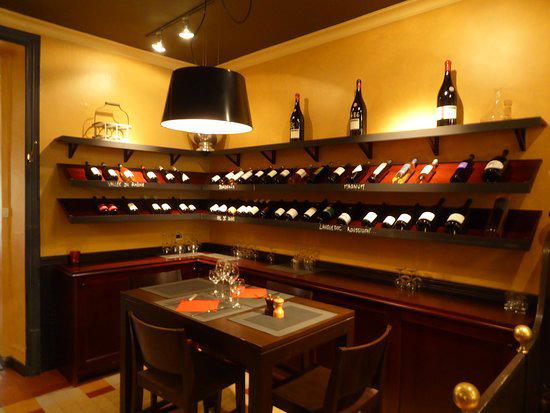
Relaxed and welcoming with red and white checked tablecloths, rustic salvaged knick-knacks, and fairy lights on the terrace under a century-old tulip tree.