Domaine Pierre Labet is a Burgundy producer selected for the La Paulée 2026 event, placing it among a curated tier of prestige domaines recognised for vineyard-driven winemaking. Operating from Rotalier in the Jura alongside deep Côte de Beaune roots, the domaine represents the kind of small-scale, terroir-focused production that defines serious Burgundian wine culture at its most particular.

Pearl is the En Primeur Club membership app — saves, bookings, and concierge access live there. Same editors, same standards.
- Address
- 14 Montée des Tilleuls, 39190 Rotalier
- Directions
- Get directions
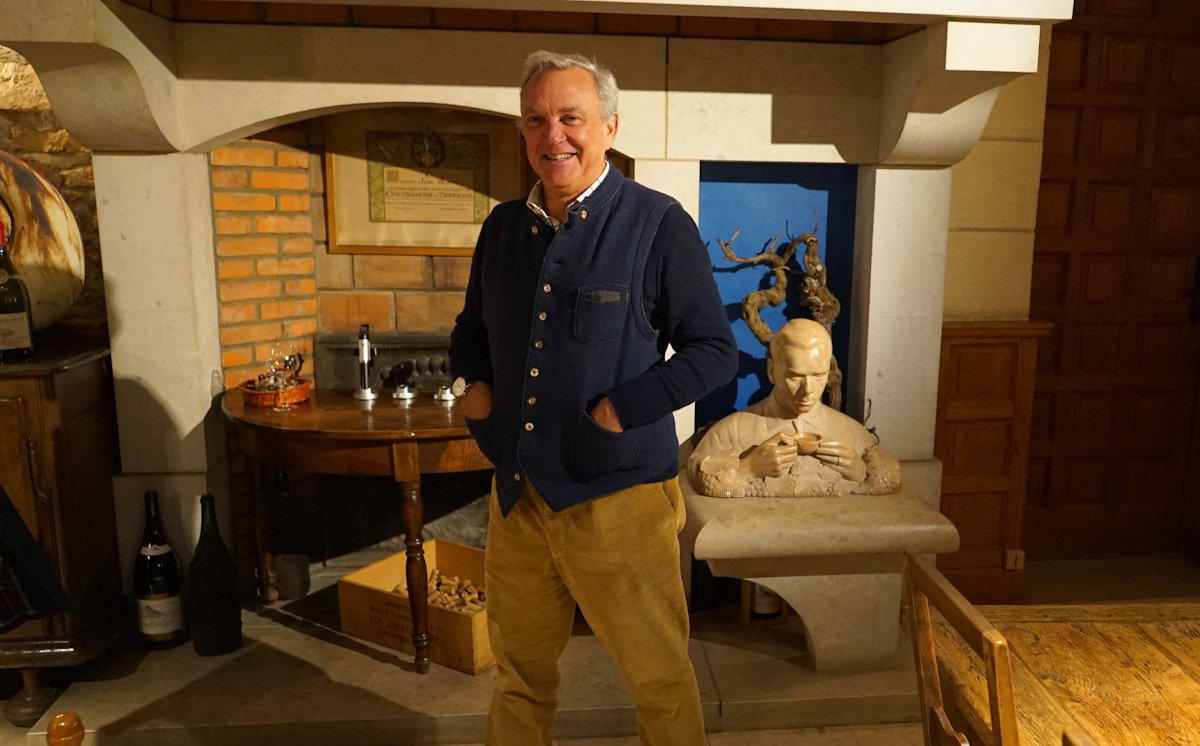
Where Burgundy's Vineyard Philosophy Meets the Jura's Quiet Discipline
The road that leads toward Rotalier passes through a different kind of wine country than the celebrated limestone slopes of the Côte de Beaune. There are fewer tour buses, fewer grand portals with gilded crests, and considerably more silence. Domaine Pierre Labet occupies this less-trafficked register of French winemaking: a producer whose address places it in the Jura at 14 Montée des Tilleuls, yet whose reputation and recognition pull it firmly into the orbit of Burgundy's most serious négociant and domaine culture. That tension, between the grand prestige of the Côte d'Or and the austere rigour of the Jura, is not incidental to what the domaine produces. It is central to it.
The La Paulée Benchmark and What It Signals
Selection for La Paulée de New York 2026 is not a casual distinction. La Paulée, modelled on the harvest celebration that closes Burgundy's vendange season, functions as one of the more demanding curatorial filters in the international wine world. Producers represented at the event sit in a prestige tier calibrated against the existing hierarchy of Burgundian producers — a grouping that includes Domaine des Hospices de Beaune, Maison Joseph Drouhin, and Maison Benjamin Leroux. To be positioned within that tier is to be measured against producers whose combined landholding, vintage depth, and critical following set the reference point for the category. Domaine Pierre Labet's inclusion signals a level of critical confidence that extends well beyond regional recognition.
A domaine that enters this conversation is one whose wines are being sought, not simply stocked.
Viticulture as the Argument
The broader shift in serious French winemaking over the past two decades has been a movement away from cellar intervention and toward vineyard precision. What happens underground, in soil structure and microbial health, now carries more weight in critical discourse than what happens in the barrel room. This is the frame through which a producer like Domaine Pierre Labet is leading understood.
Across the Jura and into Burgundy's satellite appellations, the producers earning sustained critical attention share a common orientation: they work with rather than against the character of their sites. Biodynamic and organic certifications have become increasingly common markers within this cohort, not as marketing instruments but as evidence of a commitment to reduced external input, longer vine cycles, and soil health as a measurable output. The Jura in particular has become one of France's more instructive testing grounds for this approach, with its oxidative winemaking traditions and indigenous grape varieties offering a kind of counter-argument to Burgundy's Pinot-and-Chardonnay orthodoxy.
What the prestige-tier placement and La Paulée context do confirm is that the domaine's production is being evaluated within a critical environment where those practices are normative among peers. Producers selected for events of this calibre are typically those whose vineyard philosophy is legible in the glass, not just in the marketing copy. That is the standard being applied, and Domaine Pierre Labet is being held to it.
The Rotalier Address and What It Means for the Wines
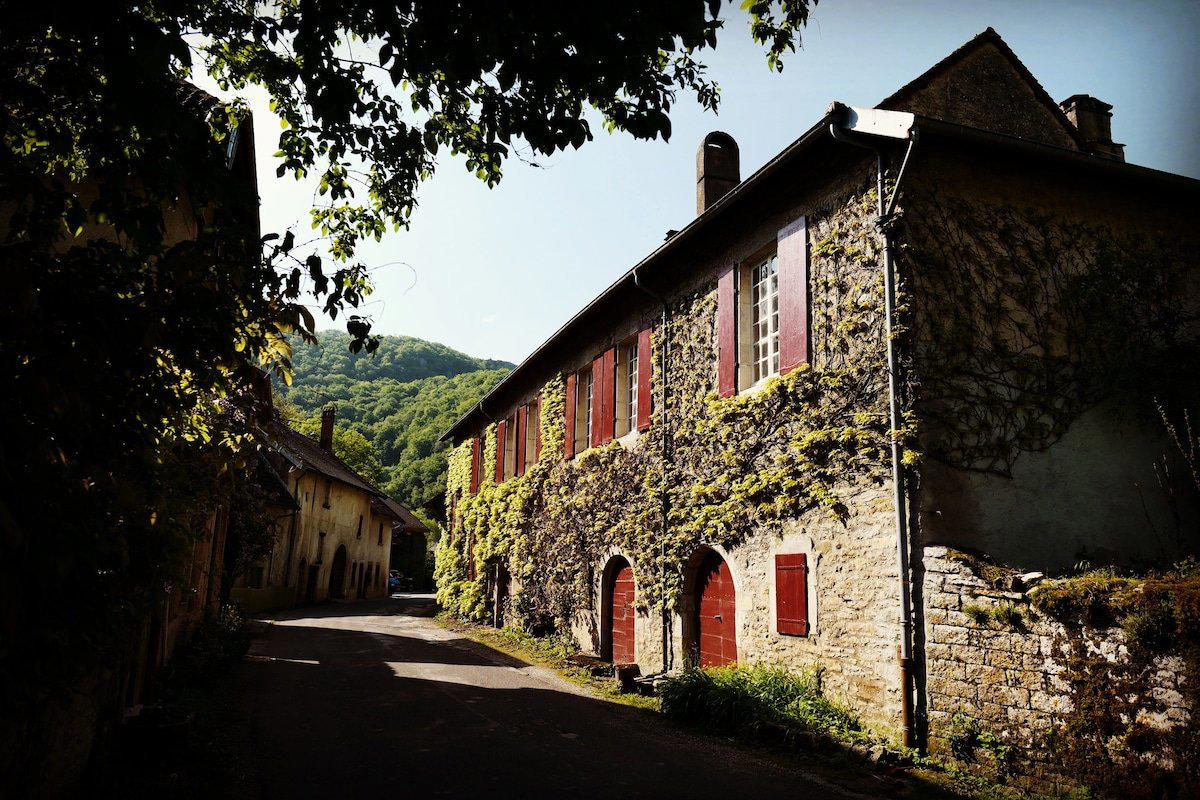
Rotalier sits in the southern Jura, in the sub-zone associated with Côtes du Jura production. The geography here is distinct from the Côte de Beaune in almost every meaningful way: the soils are more varied, the climate continental with sharper diurnal swings, and the winemaking traditions include the oxidative élevage that produces the Jura's most distinctive whites. The physical environment of a winery, when approached by road rather than by press release, tells you something about the kind of discipline required to produce serious wine from it. This is not easy terrain. Viticulture here demands patience and specificity in a way that more celebrated appellations, with their established playbooks and predictable demand, do not always require.
The Beaune connection places the domaine's wines in a different commercial and critical context. Beaune remains the administrative and commercial heart of Burgundy, and producers with roots or recognition in its orbit benefit from the infrastructure of the négociant trade, the auction calendar, and the concentration of international buyers who pass through each November for the Hospices de Beaune sale. For a smaller domaine, that proximity to Beaune's critical attention is as important as any individual vintage score. It shapes who finds the wines, and when.
Placing Labet in the Wider French Fine Wine Picture
Domaine Pierre Labet occupies a position that a number of serious smaller French producers now inhabit: geographically outside Burgundy's most famous appellations, but critically and commercially evaluated within Burgundy's prestige framework. This is not unusual. Producers like Albert Boxler in Niedermorschwihr work in Alsace but are routinely placed against Burgundy's Grand Cru whites in critical comparisons. The logic is that at a certain level of vineyard precision and critical recognition, appellation boundaries become less relevant than production philosophy and allocation depth.
For buyers who operate in this tier — whether sourcing through a négociant, an importer, or directly from the domaine, the La Paulée selection provides a useful independent data point. It suggests that the wines are being taken seriously by the kind of collector and sommelier audience that attends a celebration of Burgundian culture at the highest level. That is a different signal than a points score, and often a more durable one.
In the context of producers across France and beyond who work within comparable prestige frameworks, Domaine Pierre Labet sits alongside names like Château Bélair-Monange in Saint-Emilion, Château Branaire-Ducru in St-Julien, and Accendo Cellars in St. Helena, producers whose allocation scarcity and event presence function as trust signals independent of any single vintage's critical reception.
Planning a Visit
Domaine Pierre Labet's Rotalier address places it roughly three hours from Paris by road, and accessible from Beaune via the A36 corridor through Dole. The Jura's wine route is leading navigated between late spring and early autumn, when cellar visits are more commonly accommodated and the region's restaurants are operating at full capacity. Visitors combining a Jura itinerary with time in Beaune will find the full Beaune guide a useful planning reference.
Credentials Lens
Comparable venues nearby, for context on price, style, and recognition.
| Venue | Cuisine | Price | Awards | Notes |
|---|---|---|---|---|
| Domaine Pierre LabetThis venue — the venue you are viewing | Pinot Noir, Chardonnay | Not listed | Not listed | Not listed |
| Maison Chanson Père & Fils | Pinot Noir, Chardonnay | $30–50 | Falstaff Winery - Listed | Beaune |
| Maison Champy | Pinot Noir, Chardonnay | $30–50 | Falstaff Winery - Listed | Beaune |
| Maison Joseph Drouhin | Pinot Noir, Chardonnay | Not listed | Michelin 1 Grape · Falstaff Winery - Listed | Beaune |
| Domaine des Hospices de Beaune | Pinot Noir, Chardonnay | Not listed | Not listed | Beaune |
| Domaine Bouchard Père et Fils | Pinot Noir, Chardonnay | Not listed | Michelin Main Selection · Falstaff Winery - 3 Stars | Beaune |

Details
- Classic
- Elegant
- Rustic
- Sophisticated
- Wine Education
- Special Occasion
- Cave Tasting
- Vineyard Tour
- Estate Grounds
- Organic
- Vineyard
- Pinot Noir
- Chardonnay
- Gamay
- Still Red
- Still White
- Cave Tasting
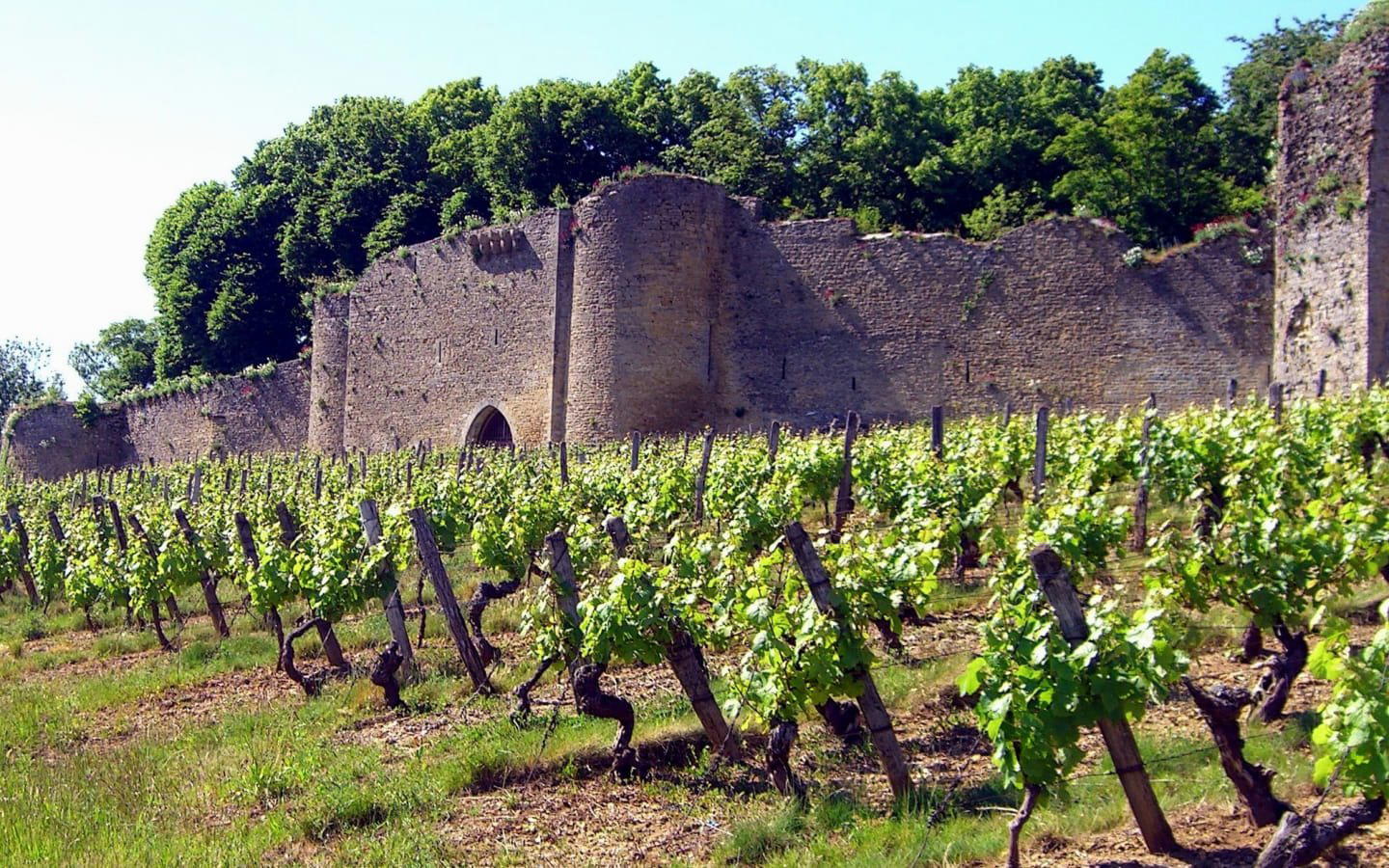
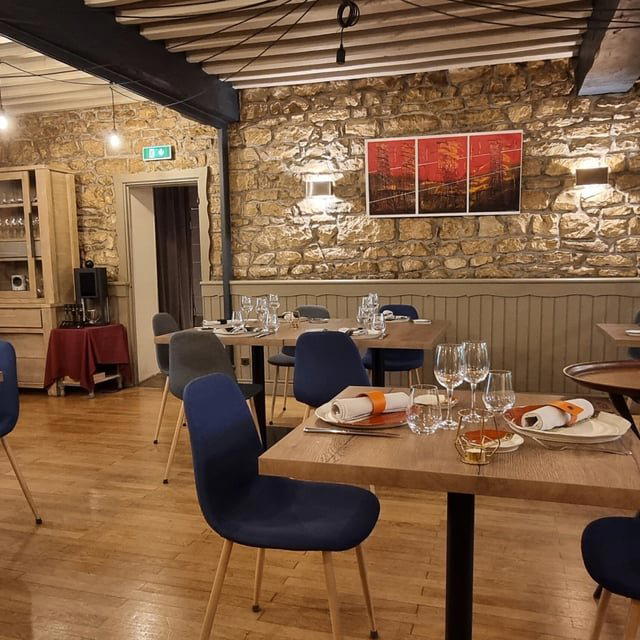
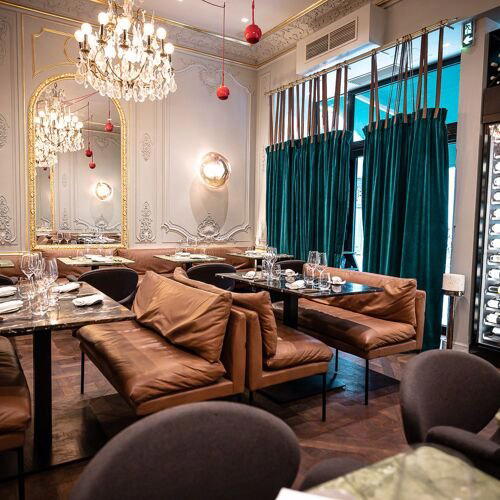
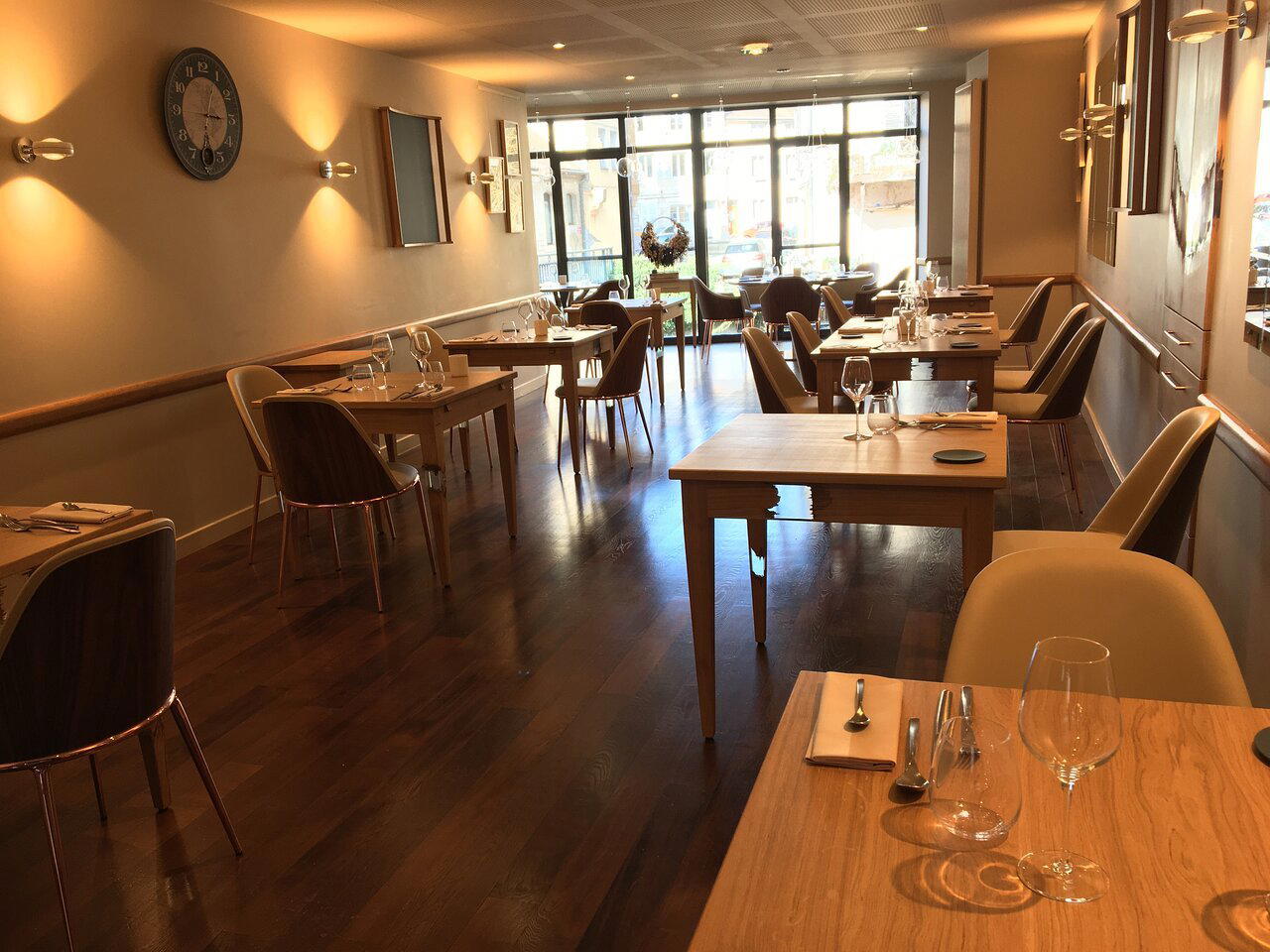
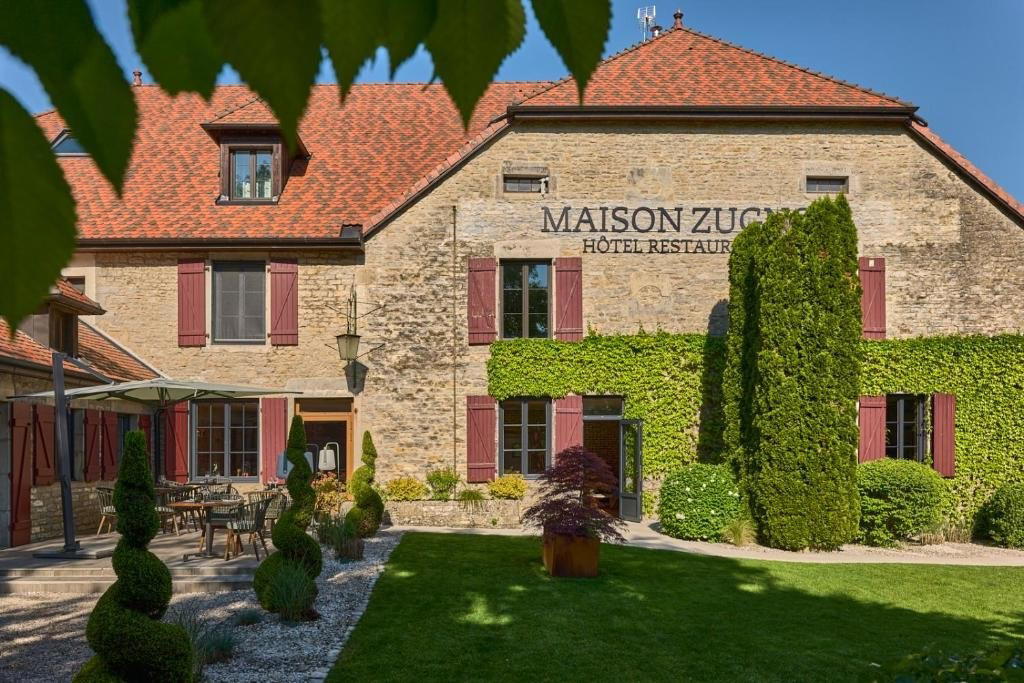
Traditional winery setting with focus on terroir expression and minimal winemaking intervention, reflecting classical Burgundian production philosophy.