
Michelin Selected
Le Sauvage occupies a historic building at 6 rue du Chapître in the heart of Besançon's old town, earning Michelin Selected status in 2025. The address places guests within walking distance of the city's Roman and Renaissance architecture, offering a base that integrates with rather than insulates from the urban fabric. For travellers treating Besançon as a serious stop rather than a transit point, this is the address to know.

Pearl is the En Primeur Club membership app — saves, bookings, and concierge access live there. Same editors, same standards.
- Address
- 6 Rue du Chapitre, 25000 Besançon, France
- Phone
- +33 3 81 82 00 21
- Website
- lesauvage-besancon.fr
- Directions
- Get directions
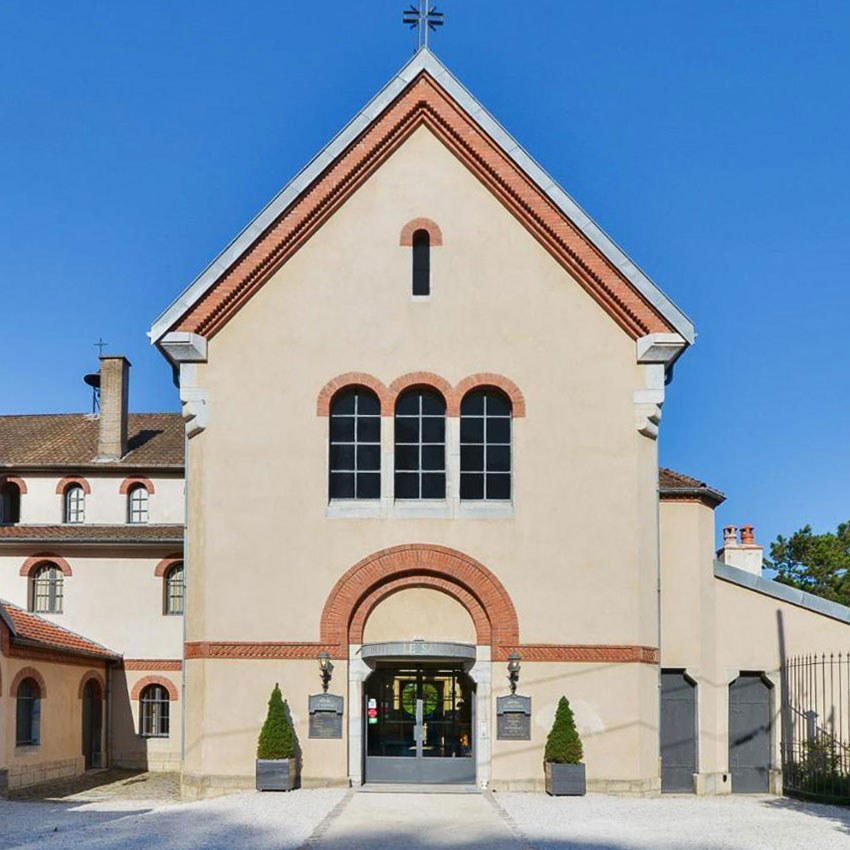
Stone, Timber, and the Logic of a Medieval Address
Besançon does not announce itself loudly. The capital of the Bourgogne-Franche-Comté region sits inside a near-perfect loop of the Doubs river, its old town compressed by geography into a dense stack of Roman columns, Gothic facades, Renaissance courtyards, and Vauban-era fortifications. It is a city that rewards those who walk slowly and look upward. Le Sauvage, at 6 rue du Chapître, sits in the administrative and ecclesiastical core of that old town, a street that has functioned as one of Besançon's significant addresses since the medieval period. The building's position alone signals something about the property's relationship to the city: this is not a hotel that has arrived in Besançon, it is one that the city has grown around.
The rue du Chapître runs through a district defined by the Cathedral of Saint-Jean and the surrounding canonical residences that once housed the chapter clergy. Buildings here carry centuries of accumulated layers, and the leading hospitality properties in such settings tend to work with that accumulation rather than against it. Le Sauvage's address places it in a cohort of French provincial hotels where the architecture is the primary amenity, the rooms being rooms inside something much older and more substantial than any individual stay. For points of comparison in the French context, properties like Domaine Les Crayères in Reims or La Ferme Saint-Siméon in Honfleur occupy a similar position: historically significant structures where the building's biography precedes any marketing claim.
Michelin Selected and What That Classification Means Here
Le Sauvage carries Michelin Selected status for 2025, appearing in the Michelin guide to hotels and stays. Within the Michelin hotel classification system, Selected sits as an entry point into recognised quality, indicating that the property meets editorial standards for character, welcome, and setting without necessarily operating at the scale or amenity depth of a Michelin Key property. In a city like Besançon, where the hotel offer does not extend to the kind of flagship luxury addresses you find in, say, Paris or Monte Carlo, the Michelin Selected designation functions as a meaningful differentiator. It places Le Sauvage above generic accommodation without claiming equivalence to the lavishly resourced properties — Royal Champagne Hotel & Spa in Champillon, Le K2 Palace in Courchevel, or Hotel du Cap-Eden-Roc in Cap d'Antibes — that anchor the upper tier of French luxury hospitality.
For travellers calibrating expectations: Michelin Selected in a historically dense French city typically signals atmospheric accommodation with genuine character, responsive service, and a setting that justifies the detour. It is not a guarantee of spa facilities or fine dining on site, but it does suggest that the editors found something worth flagging beyond basic adequacy. In Besançon's context, where the city itself functions as the spectacle, that is often exactly what a well-chosen stay requires.
The Fabric of the Building
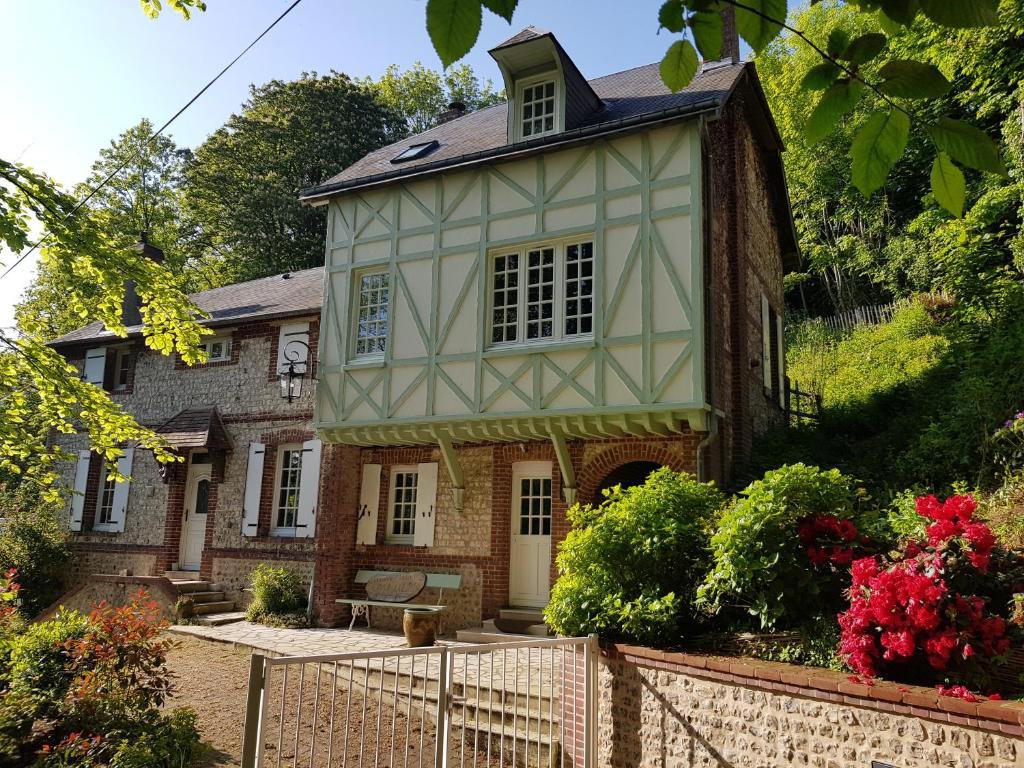
French provincial hotels that occupy pre-modern structures generally fall into one of two approaches: the heavily restored property that has smoothed its historical edges into something palatial (the model closer to Château du Grand-Lucé or Baumanière Les Baux-de-Provence), or the property that preserves visible evidence of age, offering guests timber beams, stone walls, uneven floors, and the atmospheric density that no amount of new construction can replicate. Le Sauvage's setting on the rue du Chapître, within the canonical district, suggests the latter orientation. Buildings on this street are part of Besançon's protected architectural heritage, which constrains and shapes any renovation program.
That constraint tends to produce more interesting hotels. When a property cannot gut-renovate its way to modernity, it has to negotiate with what exists, and the results often carry more personality than purpose-built boutique hotels that simply reference historical styles in their decor. The tension between old fabric and contemporary comfort is, in many of France's most compelling smaller hotels, exactly what generates the experience worth having. Properties like Château de la Gaude in Aix-en-Provence or La Bastide de Gordes occupy a premium tier of this approach, where heritage fabric is the primary asset and the hotel's design intelligence lies in knowing what not to change.
Besançon as a Destination: The Case for Slowing Down
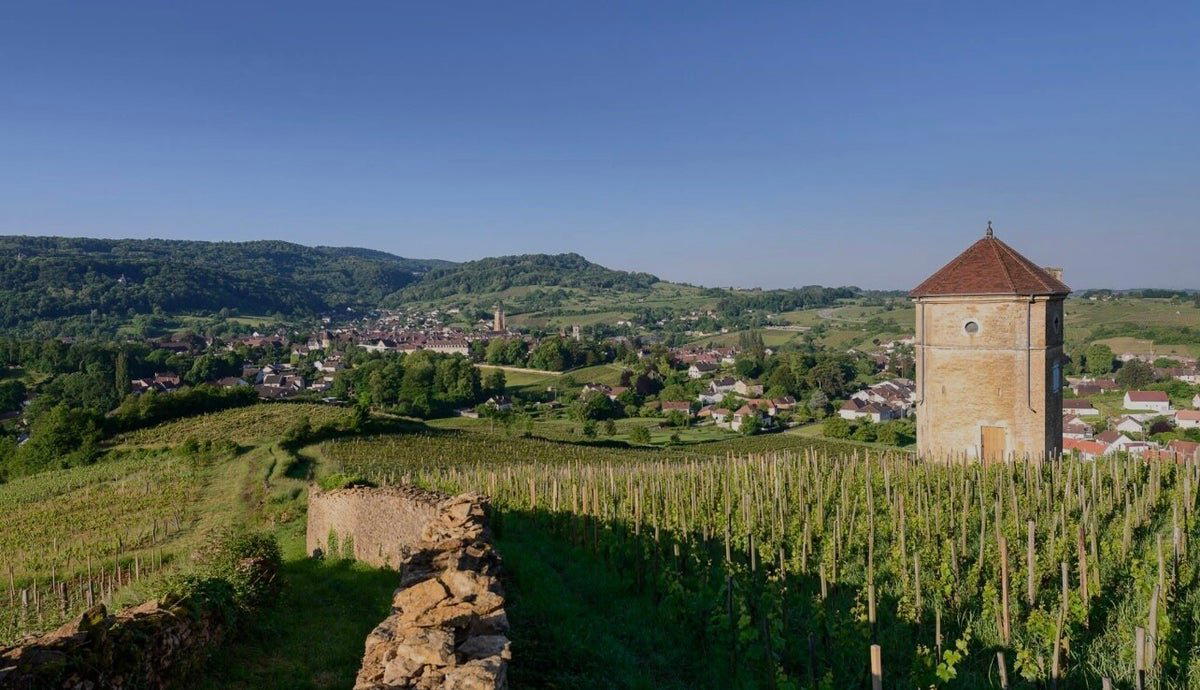
The city's position in the broader French travel circuit has long been underestimated. Besançon sits roughly midway between Dijon and Basel, making it a logical stop on a journey from Burgundy into Switzerland or Alsace, yet most travellers pass through rather than pause. That pattern is changing incrementally, driven partly by the city's listing as a UNESCO World Heritage Site for its Vauban citadel, one of twelve Vauban fortifications across France recognised in 2008. The citadel, visible from much of the city and reachable on foot from the old town, anchors the kind of sustained half-day exploration that turns a transit stop into a genuine visit.
For those already committed to the region's wine and gastronomy circuits, Besançon provides a different register. The Comté cheese production that defines Franche-Comté's food identity, the vin jaune tradition of the nearby Jura, and the city's own watchmaking heritage (Besançon was France's watchmaking capital before the Swiss dominance consolidated) give the place a specificity that most French regional cities cannot match across three distinct categories. Guests staying at Le Sauvage are within the old town's core, meaning the cathedral, the Roman remains on the Grande Rue, and the city's major museums are all accessible without a vehicle. For travellers comparing the Michelin Selected properties across eastern France, the combination of UNESCO heritage, distinctive regional food culture, and walkable urban density makes Besançon a credible destination in its own right, not simply a waypoint. Our full Besançon restaurants guide covers the dining context in more detail for those planning around food.
Planning Your Stay
Comparison Snapshot
Comparable venues nearby, for context on price, style, and recognition.
| Venue | Cuisine | Price | Awards | Notes |
|---|---|---|---|---|
| Le SauvageThis venue — the venue you are viewing | Historic boutique hotel blending monastic heritage with contemporary luxury, positioned as a charming sanctuary combining architectural authenticity with modern comfort. | $100–200 | Michelin Selected | Not listed |
| Villa C | charming 19th-century mansion with modern boutique extensions | $100–200 | Michelin Selected | north side |
| Tribe Paris Batignolles | Contemporary lifestyle hotel with open social spaces and innovative design. | Not listed | Michelin Selected | Batignolles |
| Mercure La Corderie Royale | Contemporary design harmoniously blended with 17th-century military heritage architecture, eco-certified and restored in 2018. | Not listed | Michelin Selected | historical district, riverwalk |
| Royal Ours Blanc | Modern chalet with bee and bear theme | Not listed | Michelin Selected | Jeux |
| Royal Emeraude - MGallery | Belle Epoque heritage boutique | Not listed | Michelin Selected | city center |
Recognition history
Dated appearances from independent guides and award organizations, with the underlying list record or original source where available.
Michelin Selected
Michelin
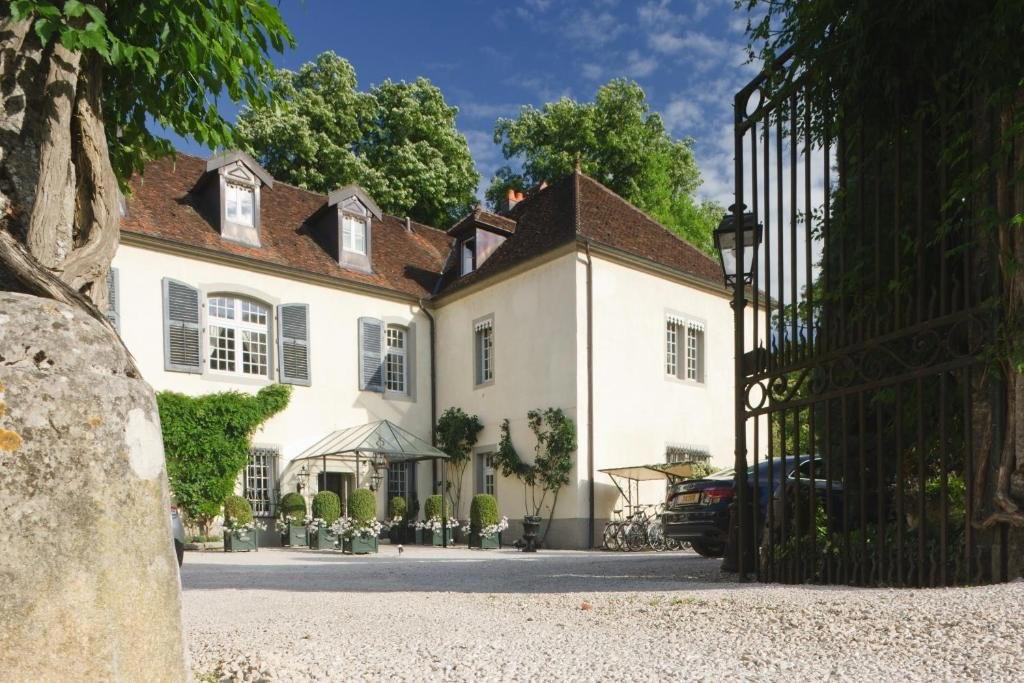
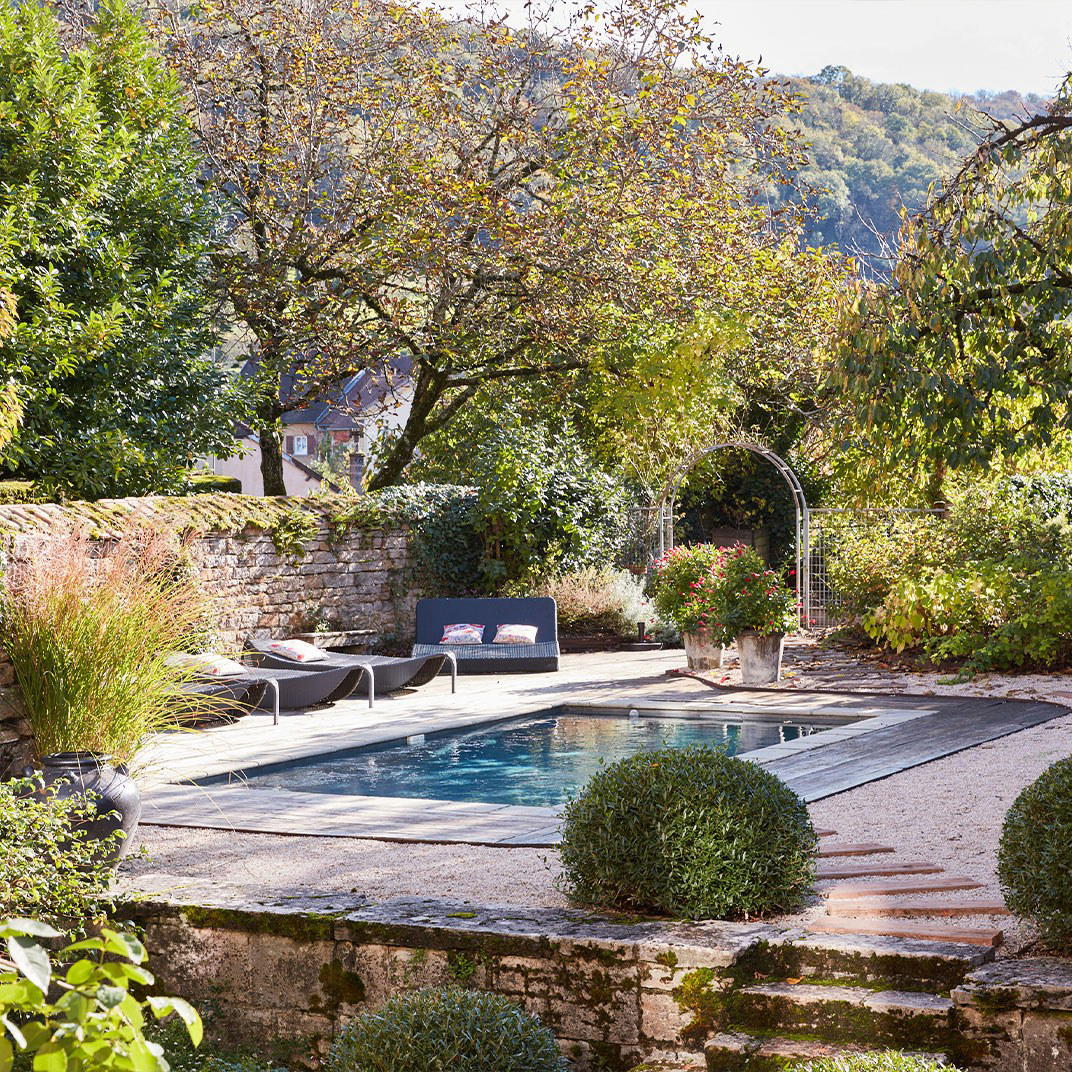
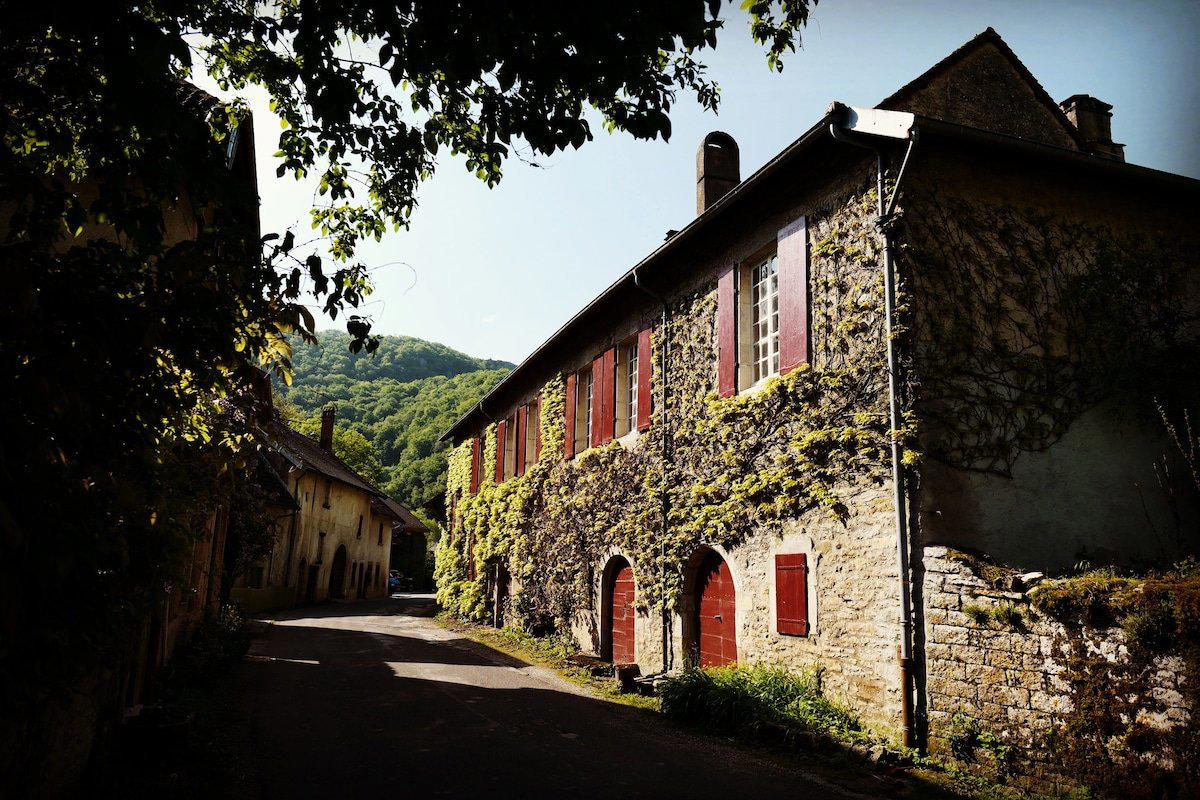

Details
- Romantic
- Quiet
- Elegant
- Classic
- Scenic
- Romantic Getaway
- Anniversary
- Weekend Escape
- Honeymoon
- Historic Building
- Garden
- Terrace
- Panoramic View
- Wi Fi
- Spa
- Restaurant
- Bar
- Room Service
- Parking
- Garden
- Garden
- Skyline
- Wheelchair Accessible
- Elevator
- Accessible Restroom
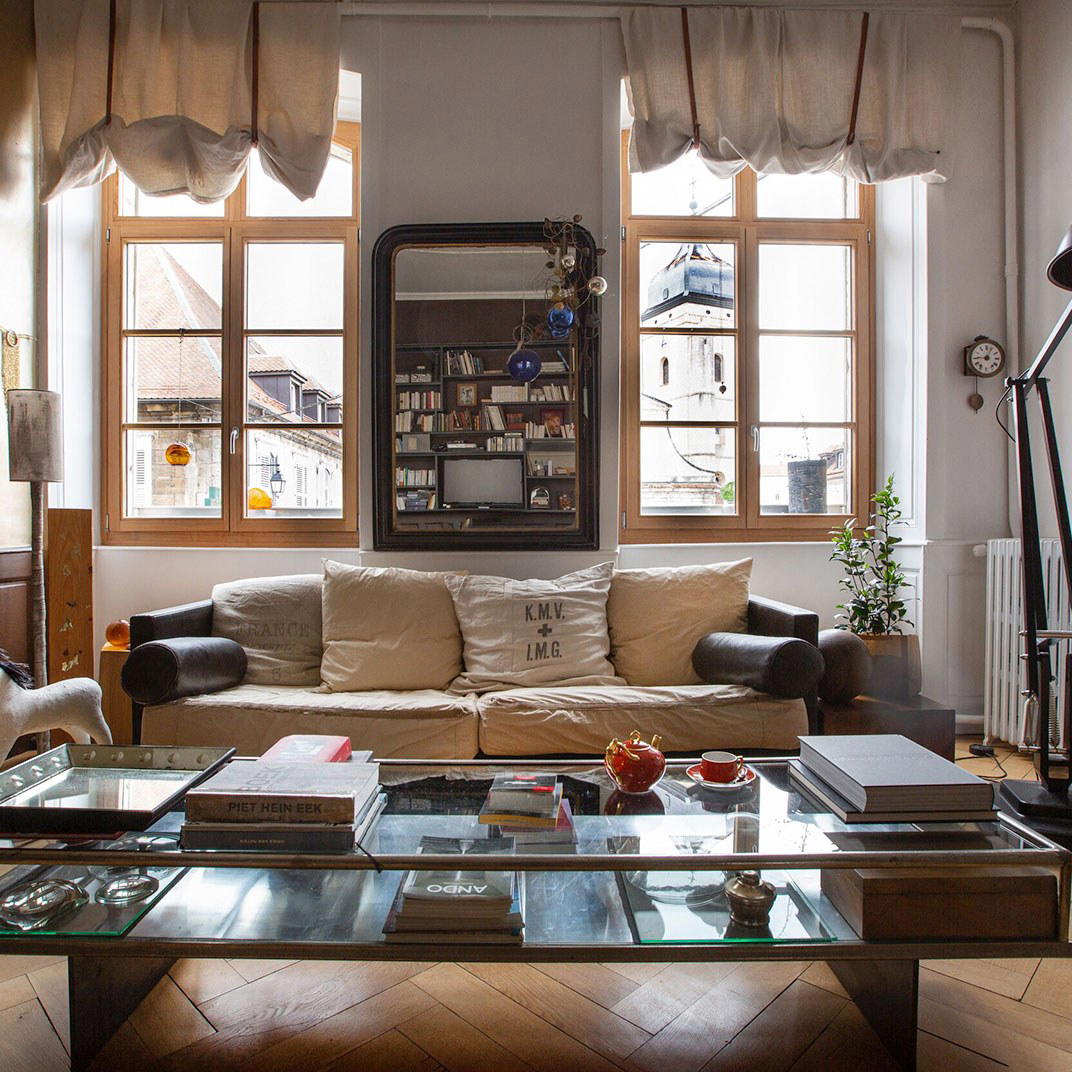
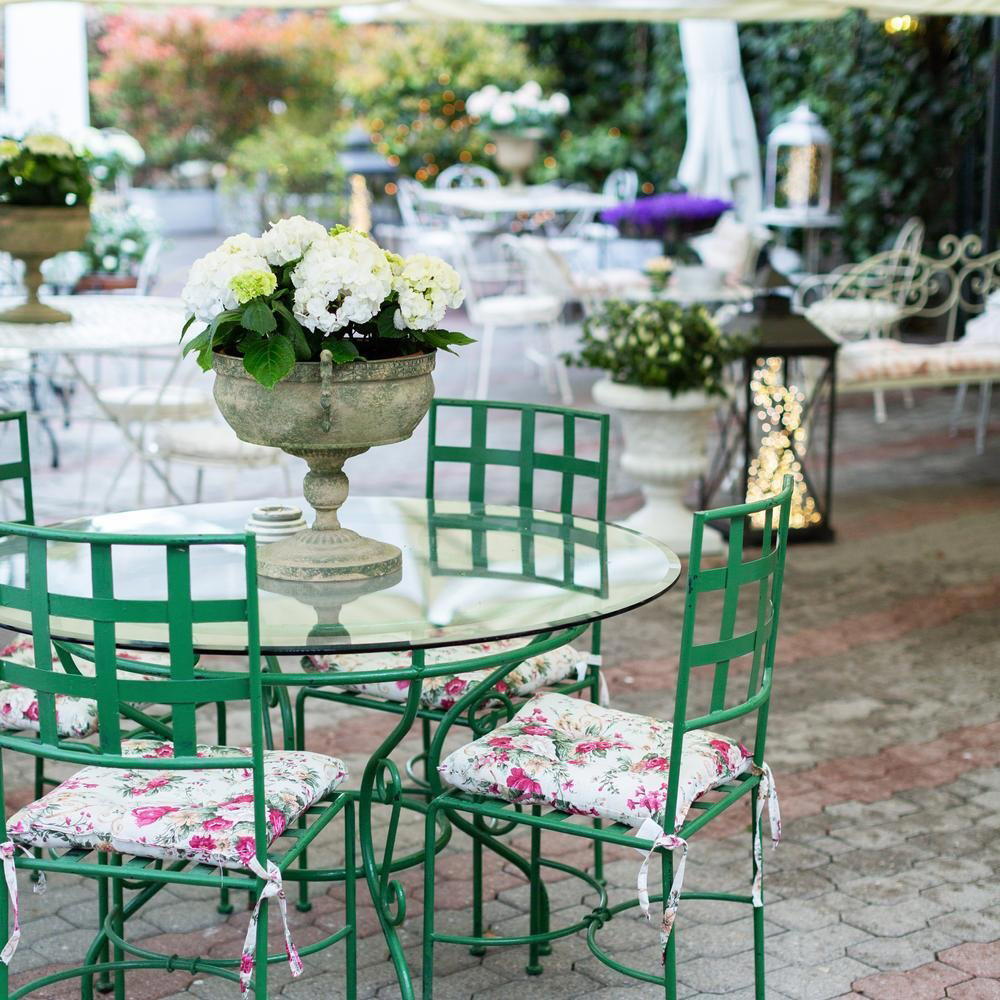
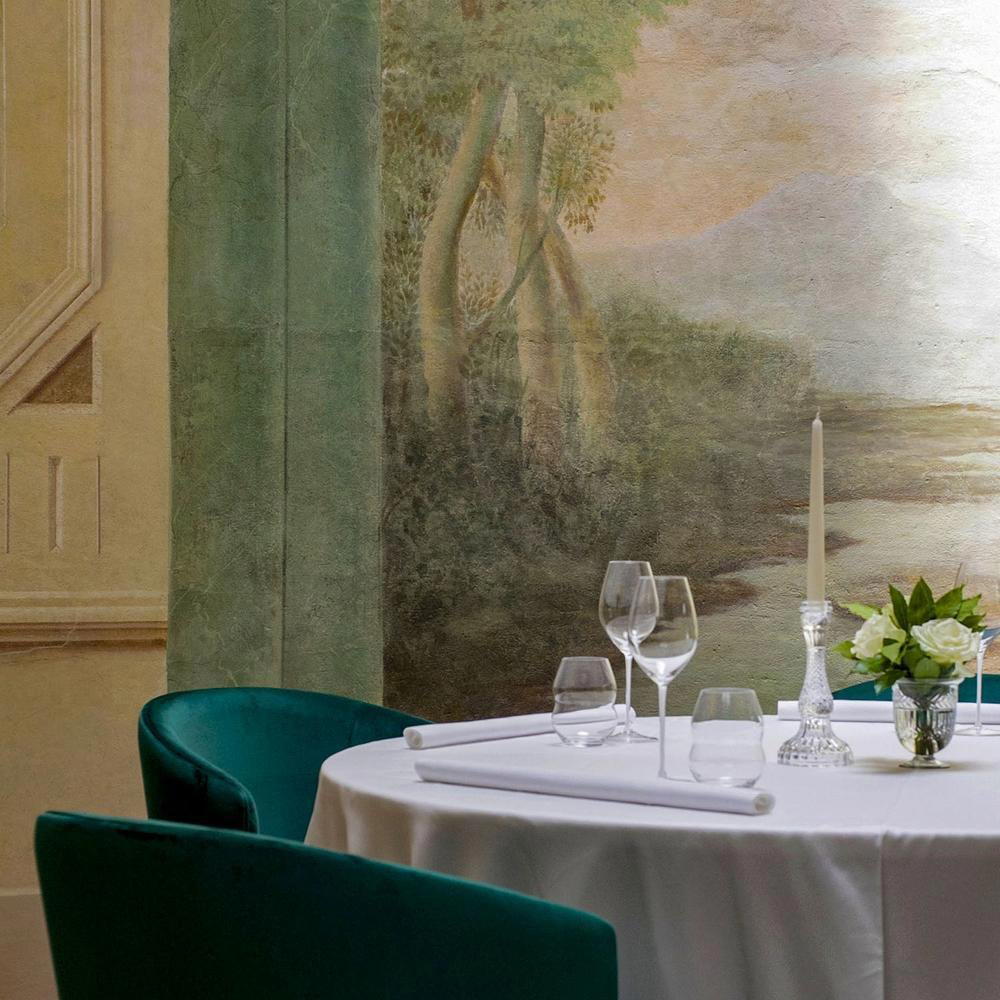
Serene and contemplative with elegant high ceilings, natural light through oculus windows, and a peaceful shaded garden creating a haven of tranquility in the city center.