The Warren
On Christopher Street in the West Village, The Warren occupies a tier of neighbourhood dining where the room's character matters as much as the plate. Positioned among New York's more considered mid-scale options, it draws a local crowd that returns for consistency rather than spectacle. For visitors calibrating expectations against the city's broader dining spectrum, it sits well below the Michelin-circuit intensity of peers like Per Se or Le Bernardin.
Pearl is the En Primeur Club membership app — saves, bookings, and concierge access live there. Same editors, same standards.
- Address
- 131 Christopher St, New York, NY 10014
- Phone
- +18333678585
- Website
- thewarrennyc.com
- Directions
- Get directions
 Saves & bookings on Pearl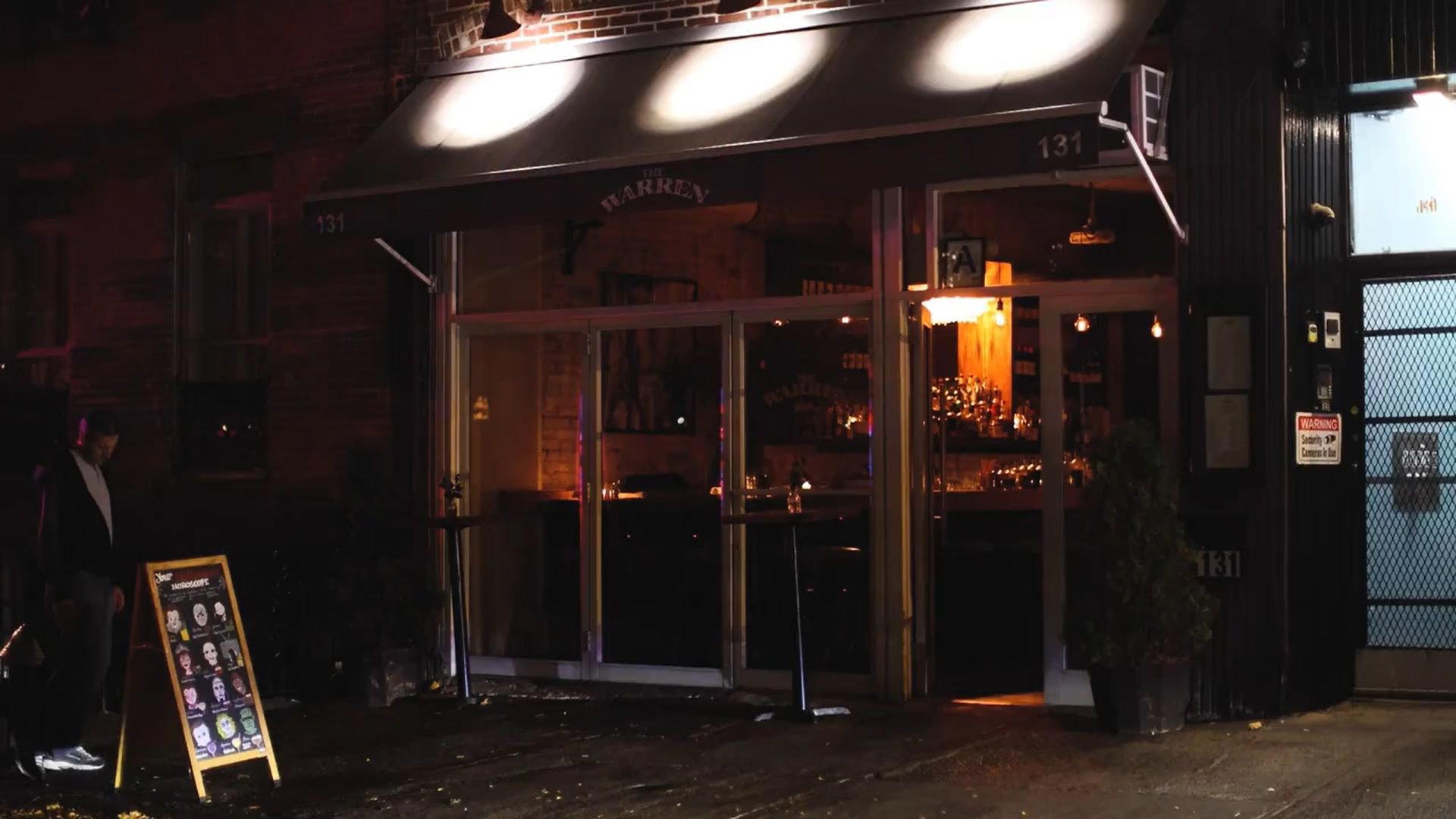
West Village Dining and Where The Warren Fits
Christopher Street has long functioned as one of the West Village's more lived-in corridors, a stretch where the dining calculus tilts toward neighbourhood loyalty over destination dining. The block sits removed from the Michelin-circuit density of Midtown and the lower Manhattan dining clusters, and that distance shapes the kind of room that works here. Venues on this stretch tend to succeed by embedding themselves into a regular rotation rather than competing for a single-visit occasion. The Warren is a restaurant at 131 Christopher St, New York, NY 10014, serving Modern New American Gastropub fare.
To understand what The Warren is, it helps to map what it is not. The upper bracket of New York tasting-menu dining, Masa, Per Se, Le Bernardin, operates on a different frequency entirely: multi-hour sequenced progressions, reservation windows measured in months, per-person spends that clear four figures with wine. The restaurant does not compete in that tier. Nor does it sit in the aggressively casual fast-casual segment. It occupies the middle register that the West Village does well: considered without being ceremonial, specific without being rigid.
The Shape of a Meal: Progression and Pacing
The editorial angle that matters most for any neighbourhood restaurant in New York is how a meal actually moves from first drink to final bite. In a city where the tasting-menu format has bifurcated sharply, either the full-commitment, twenty-course progression of places like Alinea in Chicago or The French Laundry in Napa, or the loose, shareable à la carte, neighbourhood rooms like The Warren tend to thread a middle path. The format typically allows for a natural three-act structure: something to open with while the room fills, a central course that does the heavy lifting, and a dessert or digestif moment that earns its place rather than functioning as obligation.
That structural rhythm matters more than any individual dish. A venue that paces its service well, neither rushing the table toward turnover nor leaving guests stranded between courses, creates a dining arc that justifies returning. In the West Village specifically, where the ambient competition for a regular's loyalty is acute, pacing is often the differentiator between a room that builds a clientele and one that cycles through tourists.
For context on how multi-course sequencing can anchor a restaurant's identity, consider how Blue Hill at Stone Barns in Tarrytown built its reputation almost entirely on the internal logic of its progression, or how Single Thread Farm in Healdsburg uses a kaiseki-influenced arc to give structure to ingredient-led cooking. The restaurant operates at a smaller, less programmatic scale, but the underlying question of how a meal builds and resolves applies regardless of price point.
The West Village as a Dining Context
The West Village remains one of New York's more coherent dining neighbourhoods precisely because it resists the monoculture that affects some parts of the city. The blocks around Christopher Street, Bleecker, and Hudson contain an unusually diverse tier mix: wine bars that function as serious destinations, Italian-American rooms that have been operating for decades, newer openings that reflect the city's current appetite for Korean-influenced and Middle Eastern cooking. The neighbourhood also has a notable density of regulars who treat their local rooms the way European diners treat their bistros, with genuine loyalty and a tolerance for the familiar.
That context rewards venues that commit to a consistent identity. The progressive Korean tasting format that has made Atomix and Jungsik New York two of the city's most discussed rooms works because both venues have a legible point of view. Neighbourhood rooms succeed by the same logic, even at a fraction of the complexity. A venue without a clear cuisine type or defined style, the kind of information that would ordinarily appear in a booking confirmation, relies almost entirely on execution and atmosphere to hold a regular's attention.
New York's Mid-Tier Neighbourhood Room: A Category Under Pressure
The economic pressure on mid-tier neighbourhood dining in New York has intensified post-pandemic in ways that have reshaped the category. Operating costs on the west side of Manhattan have pushed many independently run rooms to either consolidate their format, fewer covers, higher per-head spend, or expand their breakfast and lunch programming to offset dinner's narrower margins. The rooms that have survived and held their clientele tend to share a few characteristics: a defined visual identity that reads well before the food arrives, a bar program serious enough to carry the room on slow nights, and a service approach that doesn't require front-of-house to perform formality they can't sustain.
Comparing across American cities, the neighbourhood room model works differently depending on local dining culture. Emeril's in New Orleans and Bacchanalia in Atlanta each built institutions partly by reading what their cities' regulars actually wanted rather than importing a format from elsewhere. In New York, the equivalent requires reading the West Village specifically, not Manhattan in the abstract.
Planning a Visit: What to Know
For visitors calibrating where the restaurant fits in a New York itinerary, the practical calculus is direct. The Christopher Street address places it in the lower West Village, walkable from the Hudson River piers and from the denser concentration of wine bars and restaurants along Hudson Street. The venue is not a destination anchor for a full evening's plan. It fits more naturally as the primary dinner choice for a West Village evening, paired with a walk through the neighbourhood before or a drink at one of the area's wine bars afterward.
Booking is recommended, and the price tier is 3, about $55 per person.
Quick reference: 131 Christopher St, New York, NY 10014.
A Tight Comparison
Comparable venues nearby, for context on price, style, and recognition.
| Venue | Cuisine | Price | Notes |
|---|---|---|---|
| The WarrenThis venue — the venue you are viewing | Not listed | $$$ | Not listed |
| David Burke Kitchen | SoHo, Modern American Fine Dining | $$$ | Not listed |
| The Mary Lane | West Village, Seasonal New American | $$$ | Not listed |
| Big Apple Brunch | Hell's Kitchen, Multi-cultural Brunch | $$$ | Not listed |
| Bill's Supper Club | Not listed | $$$ | Midtown-Times Square, Classic American Steakhouse |
| P.J. Clarke's On The Hudson | Not listed | $$$ | Financial District-Battery Park City, Classic American with Seafood & Raw Bar |
Continue exploring
More in New York City
Restaurants in New York City
Browse all →
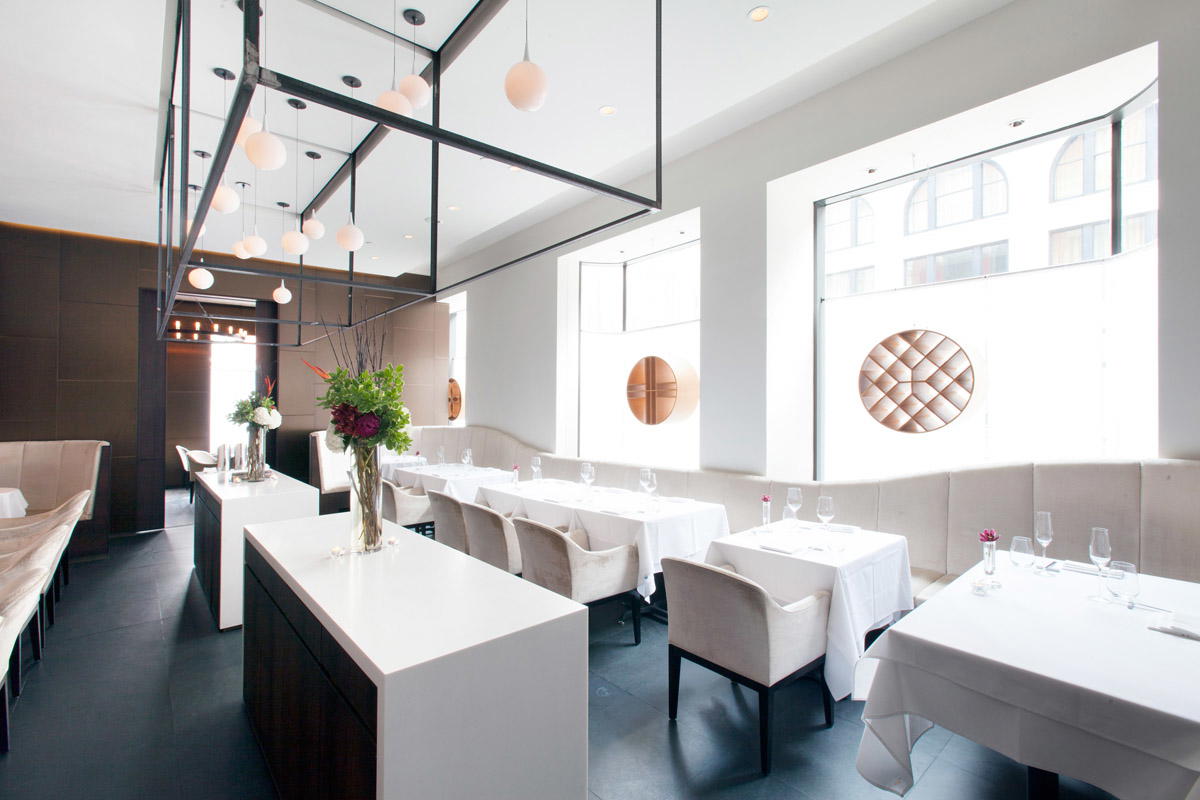
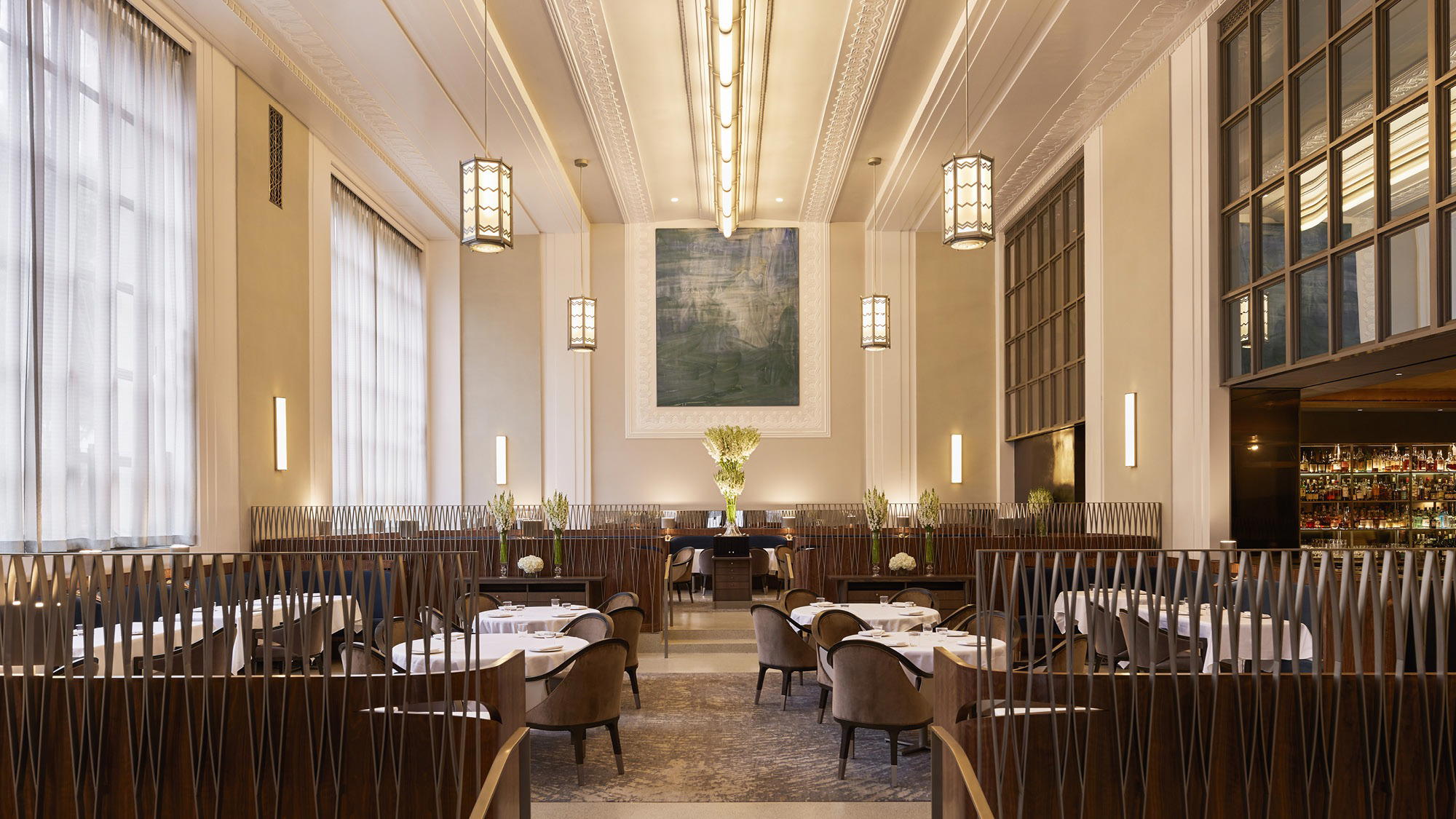
Bars in New York City
Browse all →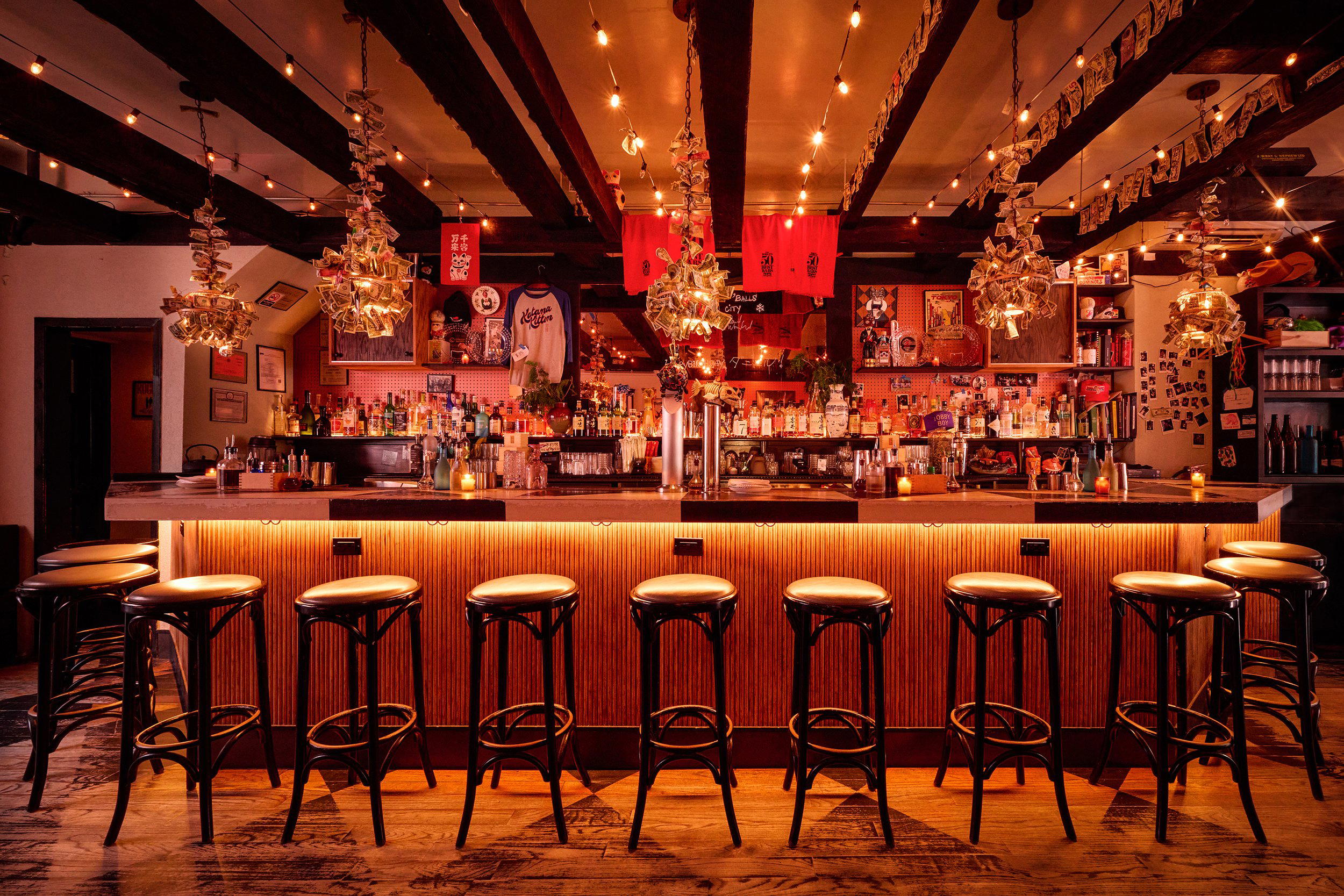
Hotels in New York City
Browse all →






At a Glance
- Classic
- Elegant
- Sophisticated
- Rustic
- Date Night
- Business Dinner
- Group Dining
- Casual Hangout
- After Work
- Brunch
- Late Night
- Standalone
- Historic Building
- Extensive Wine List
- Craft Cocktails
- Local Sourcing
Current opening hours
- Monday
- 12 PM–12 AM
- Tuesday
- 12 PM–12 AM
- Wednesday
- 12 PM–12 AM
- Thursday
- 12 PM–12 AM
- Friday
- 12 PM–2 AM
- Saturday
- 12 PM–2 AM
- Sunday
- 12–11 PM
Hours can change for holidays and private events. Last verified .
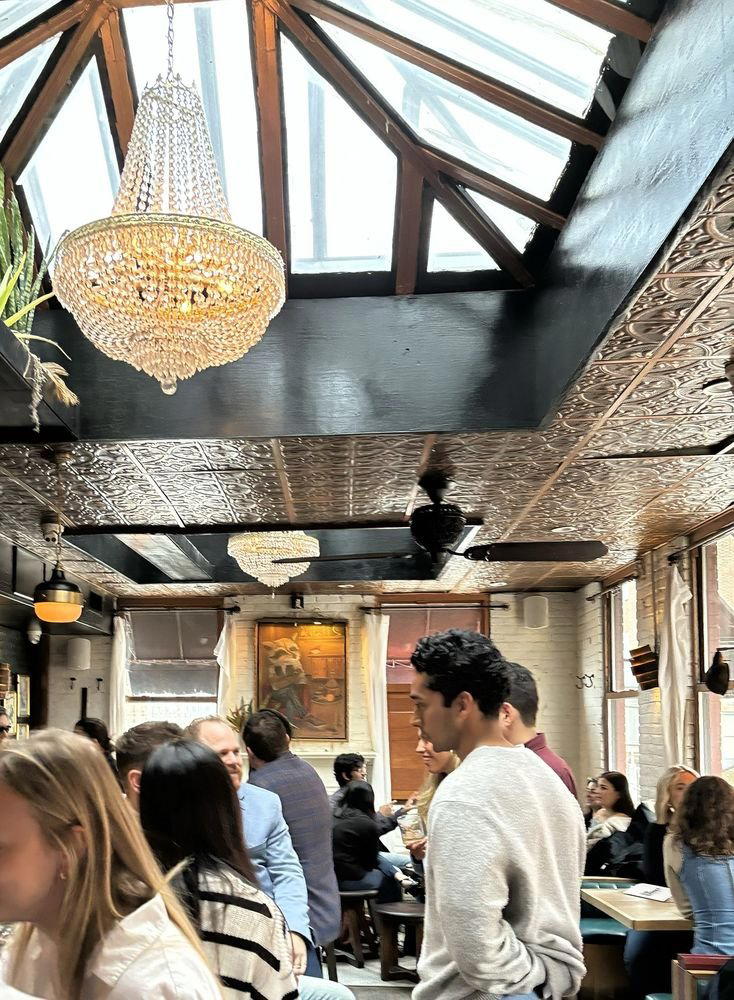
Warm and inviting with exposed brick lining the walls behind the bar, wooden rustic tables, and a sophisticated yet approachable atmosphere that balances fine dining sensibilities with gastropub comfort.