
Tabelog 100 #72
Our verdict
Atsuta Houraiken Matsuzakaya ten brings Nagoya’s unagi tradition into a department-store dining room in Sakae, with recognition in Tabelog 100 - Unagi - 2024 and prior selections in 2022 and 2019. The draw is hitsumabushi culture rather than tasting-menu theatre: a focused Japanese eel meal, a central location, and enough operational polish for families and visitors.

Pearl is the En Primeur Club membership app, where members save venues, book tables and use the concierge.
The menu
What to order
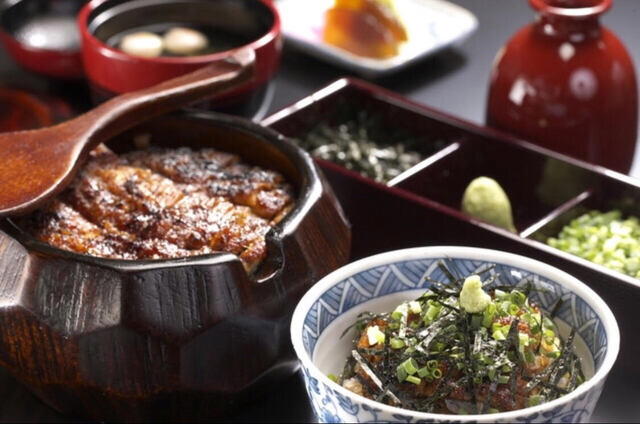
- Hitsumabushi
- Unaju (eel over rice)
- Umaki (eel omelette)
- Grilled eel liver (kimoyaki)
- Eel bone crackers
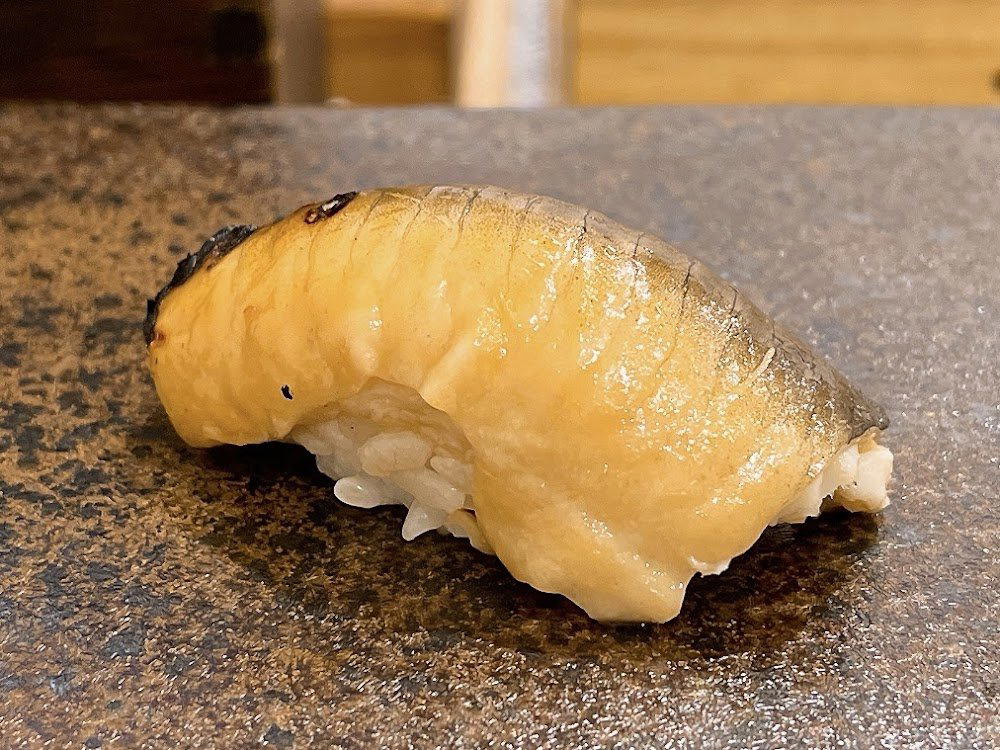
On the 10th floor of Matsuzakaya Nagoya’s South Building, the mood is less backstreet pilgrimage than polished city dining: elevators, shopping-bag traffic, a dining room built for volume, and the particular expectation that follows unagi in Nagoya. Hitsumabushi is not a side note here. It is one of the city’s defining food rituals, a format that turns grilled eel over rice into a sequence of decisions: first plain, then seasoned, then softened with broth or tea depending on the house style. In a city where local specialities are often treated with serious loyalty, that structure matters.
Atsuta Houraiken Matsuzakaya ten sits in the higher-confidence tier of Nagoya eel dining because its reputation is anchored by repeat recognition, not by lifestyle gloss. Selection for Tabelog 100 - Unagi - 2024, with earlier selections in 2022 and 2019, places it among Japan’s more closely watched eel restaurants. The Tabelog score of 3.71 adds a second signal: this is a known address in a category where consistency is judged harshly by regulars, not a novelty room built for tourists.
Nagoya's eel tradition, translated for a central Sakae dining room
Nagoya’s relationship with eel differs from the hushed counter culture that shapes parts of Tokyo dining. The city’s signature hitsumabushi format is communal in spirit even when eaten individually, and it rewards repetition more than surprise. The attraction is not an expanding menu or theatrical pacing; it is the calibration of a familiar dish in a city that knows how it should behave.
That is why a department-store branch can make editorial sense. In some cities, a restaurant above a retail floor signals compromise. In Japan, and especially in major urban centres, upper-floor dining can carry serious food traditions into locations that work for office lunches, family meals, and visitors moving through central shopping districts. The address directly connected to Yabacho Station gives this room a practical advantage over more remote speciality houses, while the 110-seat scale changes the experience: less intimate than a small counter, more accessible for groups, and better suited to diners who want Nagoya’s eel tradition without building the day around a single table.
The comparison inside Nagoya is useful. 451, 1022, Aaron, Alan., and All Day Dining Montmartre point to the range of contemporary dining represented across the city, from casual formats to hotel dining rooms and specialist restaurants. Unagi occupies a different lane. It is less about chef authorship than tradition, sourcing discipline, grill management, and the confidence to keep a narrow identity.
Recognition matters more in a category built on repetition
Awards carry different weight depending on the cuisine. In avant-garde dining, recognition can follow originality. In eel restaurants, it tends to reward repetition under pressure: the same core product, the same expected format, and a clientele that notices small deviations. The 2024 Tabelog 100 - Unagi selection is meaningful because it measures the restaurant against other eel specialists rather than against a broad luxury dining field.
The price bracket also frames the decision clearly. Lunch is listed at JPY 5,000 to JPY 5,999, while dinner sits at JPY 6,000 to JPY 7,999. That places the meal above casual Nagoya staples but below the city’s more formal tasting-menu addresses, a useful middle ground for travellers who want a meal with local specificity rather than a generic premium restaurant. Compared with Aroma-fresca Nagoya, which is listed at JPY 10,000 to JPY 14,999 at dinner, this is a narrower and more tradition-led spend. Compared with low-cost Nagoya options such as Suzume Odori Sohonten or Solo Pizza Yabaten, the commitment is clear, but so is the category difference.
The format also helps non-Japanese speakers more than many old-school speciality restaurants do. Multilingual menus are listed in English and Simplified Chinese, English-speaking staff are noted, and menus with photos are available. Those details do not make the room less Japanese; they reduce friction around a dish whose pleasure depends on understanding the order of eating and the small choices around condiments, rice, and broth.
Who should choose this address over a smaller eel house
This is the right kind of Nagoya meal for travellers who value reliability, central access, and category recognition over intimacy. The restaurant is non-smoking, accepts major credit cards, and also takes several QR code payments. Private rooms are available across multiple party sizes, with weekday reservations for course meals and advance notice required; ordinary table-only reservations are not the core model. Families are also part of the operating logic, with children welcome and high chairs available.
The trade-off is atmosphere. A 110-seat dining room inside a major department store will not deliver the compressed drama of a tiny counter or the sense of discovery attached to a residential speciality shop. Its strength is the opposite: scale, clarity, and a setting that makes a serious eel meal easier to fold into a Nagoya day. Tuesday closure should shape planning, and weekends run as continuous service, which suits visitors pairing Sakae shopping with a focused local lunch or early dinner.
For a broader read on the city, start with Our full Nagoya restaurants guide, then place the meal alongside Our full Nagoya hotels guide, Our full Nagoya bars guide, Our full Nagoya wineries guide, and Our full Nagoya experiences guide. For Japanese dining context beyond Nagoya, compare how specialist formats travel through -Grilled beef Sukiyaki- KAMAKURA TANUKIAN 鎌倉 たぬき庵 in Kamakura. 鮪と炭火焼き うお炭 秋葉原店 in Tokyo.cafe in Osaka.know in Kumamoto, (Shoku) Vietnam in Kawasaki, [Curry Senmon Ten] Maruyama Kyoju. in Sapporo, Jōdo Saké Bar in Los Angeles, and Onigiri Time in Pasadena.
Frequently asked questions
Is Atsuta Houraiken Matsuzakaya ten okay with children?
Yes. The venue lists children as welcome, and it provides high chairs for children without a front belt. It also has 110 seats, so the dining room is set up for larger groups as well as solo diners.
How would you describe the vibe at Atsuta Houraiken Matsuzakaya ten?
This is a department-store eel room in central Nagoya rather than a small, hushed counter. Expect 110 seats, counter seating, sofa seating, and multilingual menus, with Tabelog 100 unagi recognition from 2024 underscoring its local standing.
What does dinner at Atsuta Houraiken Matsuzakaya ten typically cost?
Pricing at Atsuta Houraiken Matsuzakaya ten is listed as JPY 6,000 - JPY 7,999 JPY 5,000 - JPY 5,999.
What are the operating hours at Atsuta Houraiken Matsuzakaya ten?
Hours at Atsuta Houraiken Matsuzakaya ten: Mon: 11 AM–2:30 PM, 4:30–8:30 PM; Tue: Closed; Wed: 11 AM–2:30 PM, 4:30–8:30 PM; Thu: 11 AM–2:30 PM, 4:30–8:30 PM; Fri: 11 AM–2:30 PM, 4:30–8:30 PM; Sat: 11 AM–8:30 PM; Sun: 11 AM–8:30 PM.
How do I find Atsuta Houraiken Matsuzakaya ten?
Atsuta Houraiken Matsuzakaya ten is located in Nagoya Building, 10F, Nagoya.
Budget Reality Check
Comparable venues to anchor price and recognition.
| Venue | Cuisine | Price | Awards | Notes |
|---|---|---|---|---|
| Atsuta Houraiken Matsuzakaya tenThis venue (the venue you are viewing) | Traditional Nagoya eel (hitsumabushi) restaurant | $30–50 | Tabelog 100 #72 | Not listed |
| Yakiniku Taiga | Modern wagyu yakiniku | $30–50 | Tabelog 100 #39 | Naka, Modern wagyu yakiniku |
| Chiba Izumi | Yakitori Omakase | $50–100 | Tabelog 100 #68 | Higashi, Yakitori Omakase |
| Otsuaji Asai | Creative Japanese cuisine with handmade soba | $50–100 | Tabelog 100 #69 | Naka, Creative Japanese cuisine with handmade soba |
| Yakiniku Asahi | Private-room Wagyu Yakiniku | $50–100 | Tabelog 100 #46 | Higashi, Private-room Wagyu Yakiniku |
| 吉い | Seasonal Japanese Kaiseki | $100–150 | Not listed | Naka, Seasonal Japanese Kaiseki |
Recognition history
Dated appearances from independent guides and award organizations, with the underlying list record or original source where available.
Tabelog 100 #72 · No. 72
Tabelog · Tabelog 100 - Unagi - 2024
Continue exploring
More in Nagoya
Restaurants in Nagoya
All restaurants in Nagoya →
Details
- Classic
- Lively
- Well Known
- Family
- Group Dining
- Casual Hangout
- Solo
- Standalone
- A La Carte
- Set Menu
- Beer
- Sake
- Pescatarian Friendly
Current opening hours
- Monday
- 11 AM–2:30 PM, 4:30–8:30 PM
- Tuesday
- Closed
- Wednesday
- 11 AM–2:30 PM, 4:30–8:30 PM
- Thursday
- 11 AM–2:30 PM, 4:30–8:30 PM
- Friday
- 11 AM–2:30 PM, 4:30–8:30 PM
- Saturday
- 11 AM–8:30 PM
- Sunday
- 11 AM–8:30 PM
Hours can change for holidays and private events. Last verified .
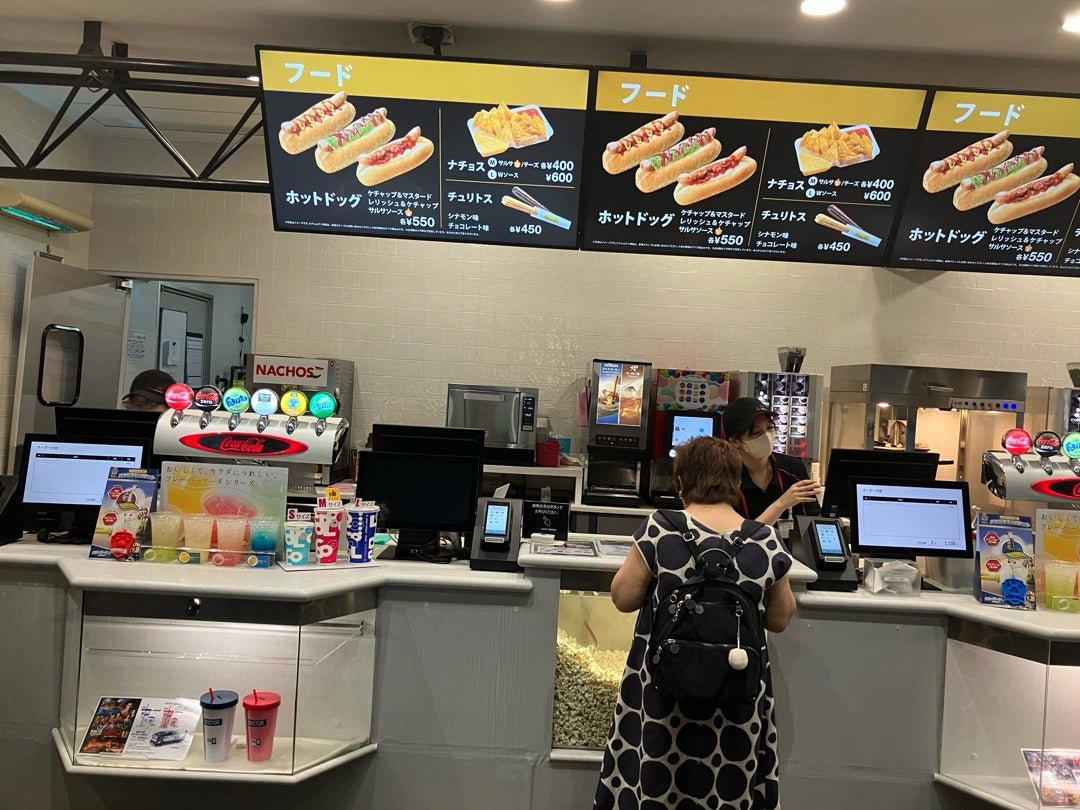
Bustling, classic Japanese restaurant atmosphere on a department-store 10th floor, with constant foot traffic and wait times, bright lighting, and a practical, family-friendly dining room focused on efficiently serving hitsumabushi rather than design-forward decor.