
Tabelog 100 #39
Our verdict
Yakiniku Taiga brings Nagoya’s grill culture into a disciplined, reservation-led format in Higashisakura, with Japanese barbecue, tripe, izakaya drinking habits, private rooms, and English menu support. Its repeated Tabelog 100 recognition for yakiniku and grill categories places it among Aichi’s more serious beef addresses rather than casual charcoal dining.

Pearl is the En Primeur Club membership app, where members save venues, book tables and use the concierge.
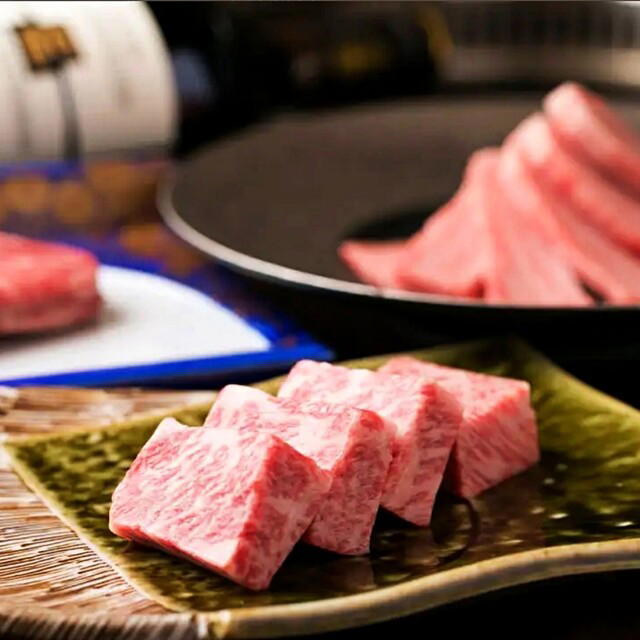
The menu
What to order
- Special Wagyu Fillet
- Taiga Special Ribeye (Rib Roast) Aburi
- Wagyu Jo Harami (premium skirt steak)
- Hokkaido Octopus Shio Aburi
- Assorted offal (hormone)
Nagoya after dark suits yakiniku: offices empty, small groups form around tables, and the meal moves by rhythm rather than ceremony. The room at Yakiniku Taiga is best understood through that shared-grill ritual, where the focus returns again and again to heat, timing, and the table. In Nagoya, where tebasaki, miso katsu, kishimen, and hitsumabushi usually dominate the visitor shorthand, yakiniku occupies a different register. It is social, technical, and quietly competitive, with the quality of the grill experience and the pacing of the table doing more work than showmanship.
The format matters because yakiniku is not passive dining. Cuts arrive for the table to cook, timing is negotiated between conversation and heat, and the meal rewards restraint: too much movement on the grill dulls the point. That makes the category less like a conventional restaurant dinner and closer to a shared craft. Yakiniku Taiga sits in this Nagoya bracket with yakiniku, tripe, and izakaya drinking culture under the same roof, a combination that keeps the meal from becoming a narrow grill tasting exercise alone.
Grill culture in Nagoya, with yakiniku as the organizing principle
Nagoya’s dining identity is often read through strong local signatures, but its serious yakiniku rooms show another side of the city: urban, after-work, group-driven, and built around control of heat. The stronger venues in this lane do not need an elaborate chef narrative. They need consistency, a room that lets conversation survive the grill, and drinks that can handle smoke, sauce, and repeated rounds from the grill. Here, the izakaya aspect matters because it places the meal closer to a night out than a narrow counter experience.
The public recognition is useful because Japanese barbecue can be difficult to judge from outside the market. Yakiniku Taiga has Tabelog Hyakumeiten recognition for 2025, with a listed Tabelog score of 3.68 and a dinner and lunch budget of JPY 6,000 - JPY 7,999. That recognition signals credibility in a category where regulars tend to be demanding and repeat-driven. It also places the restaurant in a different tier from casual chain-style grill houses, without pushing it into the highly formal tasting-menu economy.
The comparison within Nagoya is instructive. Shutei Nawa occupies a different local dining register, while Torin Chi Nagoya shinsakae ten and Lucca point to other ways of reading the city’s restaurant scene. kibi offers another point of comparison for diners mapping Nagoya by mood, format, and budget. Against that spread, this restaurant reads as a focused yakiniku choice: not simply a casual fallback, not a hushed splurge room, but a structured grill dinner with enough recognition to justify planning ahead.
The meal is paced by the table, not by the kitchen
Etiquette of yakiniku is simple to describe and easy to mishandle. Order in waves rather than flooding the table. Let the grill recover between rounds. Keep lighter orders and offal from becoming an afterthought, especially when tripe is part of the category. The better experience comes from treating the table as a sequence, not a pile-up. That is where a Nagoya yakiniku restaurant can make sense for both friends and family groups: the format allows conversation, but the grill still demands attention.
There is also a practical cultural distinction for visitors. Yakiniku in Japan is not merely “Korean barbecue in Japan,” though the postwar history of the category is closely tied to Korean influence. In contemporary Nagoya dining, it has become its own urban ritual, moving between grill specialism, offal appreciation, and izakaya-style drinking. The appeal is not only in ordering for the table, but in learning the rhythm of the grill without flattening the experience into a point-and-order exercise.
Peak service at this kind of restaurant is often shaped by table rhythm as much as kitchen timing. That is not a rushed meal by yakiniku standards if the table orders with discipline and avoids treating the first round as a full inventory request. For a grill restaurant with awards momentum, planning still matters: flexibility, timing, and a clear sense of how much to order can matter more than simply chasing a booking screen.
Where it fits in a Nagoya eating itinerary
Yakiniku Taiga is better placed as the anchor of an evening than as a stop between bars. The meal has weight, and the shared-grill format works poorly when squeezed. It suits travelers who have already covered Nagoya’s local staples and want a dinner that reflects how the city eats in groups after work: grill, drinks, steady pacing, and enough structure to avoid chaos. The category also makes it useful for mixed groups, including families, without turning the experience into a softened tourist version of the category.
For broader planning, compare it with other Nagoya dining rooms and with the wider city pages when building a full itinerary: Our full Nagoya restaurants guide, Our full Nagoya hotels guide, Our full Nagoya bars guide, Our full Nagoya wineries guide, and Our full Nagoya experiences guide. Readers mapping grill and casual Japanese formats across regions can also compare Yakiniku Taiga with other unnamed dining rooms beyond Nagoya, while keeping the focus here on the city’s own group-driven grill culture.
The editorial case is clear: this is a Nagoya yakiniku room for diners who care about the ritual as much as the grill. The Tabelog Hyakumeiten 2025 presence gives it a credible marker in a crowded category, but the reason to prioritize it is the format itself: a controlled grill meal, drinks that match the style, and a room built around groups who understand that the table, not the kitchen pass, sets the tempo.
Frequently asked questions
When can I go to Yakiniku Taiga?
Check current opening times with Yakiniku Taiga before planning a visit.
What's the price range at Yakiniku Taiga?
Pricing at Yakiniku Taiga is listed as Dinner: JPY 6,000 - JPY 7,999; Lunch: JPY 6,000 - JPY 7,999.
What's Yakiniku Taiga's location?
Nagoya.
What is Yakiniku Taiga known for?
Yakiniku Taiga is known for yakiniku, tripe, and izakaya-style dining in Nagoya, and has Tabelog Hyakumeiten recognition for 2025.
Cuisine and Credentials
Comparable venues for context, by category and price tier.
| Venue | Cuisine | Price | Awards | Notes |
|---|---|---|---|---|
| Yakiniku TaigaThis venue (the venue you are viewing) | Modern wagyu yakiniku | $30–50 | Tabelog 100 #39 | Not listed |
| Teppan Yaki Jiro | Teppanyaki & Wagyu Steak | $50–100 | Tabelog 100 #31 | Naka |
| Kappo Hosono | Seasonal Japanese Kappo Counter | $100–150 | Tabelog 100 #65 | Higashi |
| 本郷おけい鮨 | Creative Japanese Omakase Sushi | $50–100 | Tabelog 100 #56 | Meitō |
| Tori Ryori Masa | Yakitori & Chicken Cuisine | $50–100 | Tabelog 100 #69 | Higashi |
| Kappo Yabushita | Traditional Japanese Kappo | $100–150 | Tabelog 100 #60 | Naka |
Recognition history
Dated appearances from independent guides and award organizations, with the underlying list record or original source where available.
Tabelog 100 #39 · No. 39
Tabelog · Tabelog 100 - Yakiniku - EAST - 2025
Continue exploring
More in Nagoya
Restaurants in Nagoya
All restaurants in Nagoya →





Details
- Modern
- Cozy
- Elegant
- Intimate
- Lively
- Date Night
- Group Dining
- Family
- Celebration
- Business Dinner
- Special Occasion
- Private Dining
- Design Destination
- Standalone
- Extensive Wine List
- Local Sourcing
- A La Carte
- Set Menu
- Wine
- Cocktails
- Beer
Current opening hours
- Monday
- Closed
- Tuesday
- 5–10 PM
- Wednesday
- 5–10 PM
- Thursday
- 5–10 PM
- Friday
- 5–10 PM
- Saturday
- 5–10 PM
- Sunday
- 5–10 PM
Hours can change for holidays and private events. Hours as of .
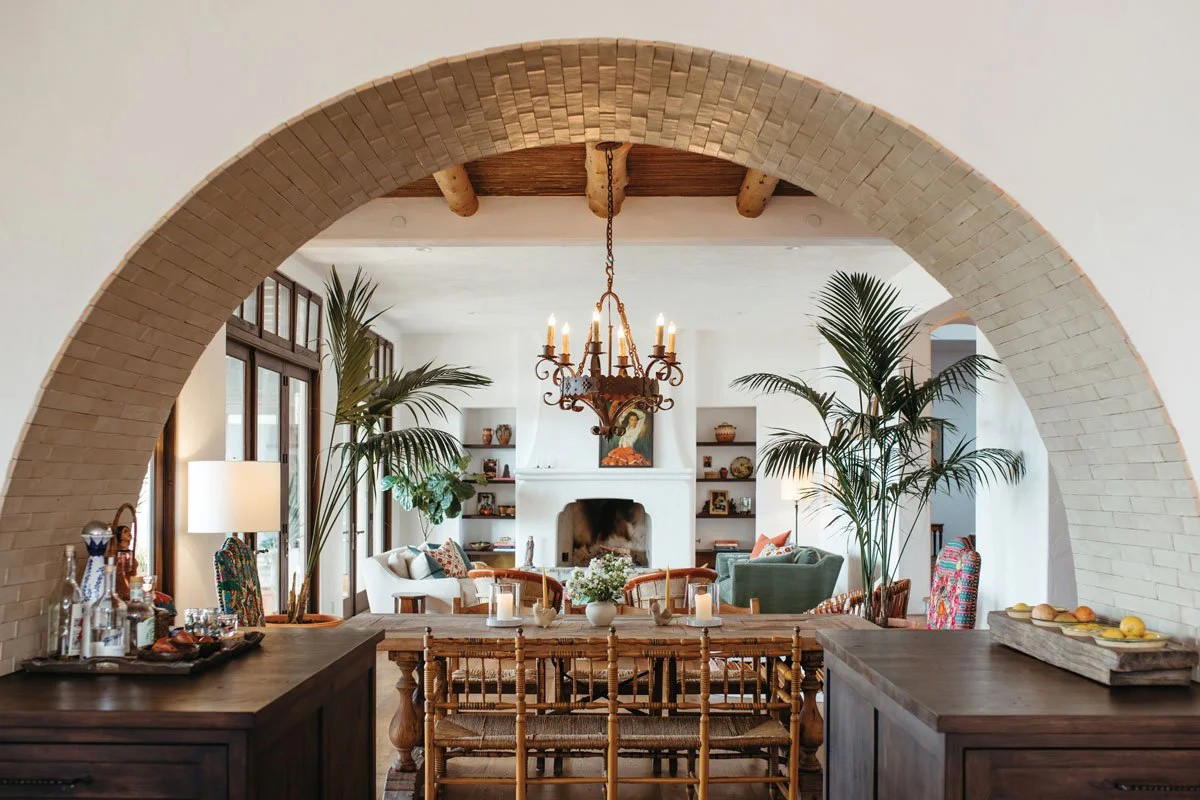
Chic, modern interior designed by an Italian designer, with subdued lighting and semi-private partitioned tables that feel intimate yet lively, more refined than a typical yakiniku shop.