





1 Michelin Star · Star Wine List · Guía Repsol 1 Sol
Our verdict
Set within the 16th‑century Palacio de los Duques de Gaeta, Arrels in Sagunt showcases chef Vicky Sevilla’s Michelin‑recognized, modern Mediterranean tasting menus—intimate, elegant, and deeply rooted in Valencian terroir.

Pearl is the En Primeur Club membership app — saves, bookings, and concierge access live there. Same editors, same standards.
- Address
- C/ del Castell, 18, 46500 Sagunt, Valencia, Spain
- Phone
- +34 606 75 40 76
- Hours
- Mon ClosedTue–Wed 1:30–4:30 PMThu–Sat 1:30–4:30 PM, 8–11:30 PMSun Closed
- Website
- restaurantarrels.com
- Directions
- Get directions
The menu
What to order
- White_asparagus_ice_cream
- Eel_dish
Stone Arches, Olive Oil, and the Valencian Kitchen Rediscovered
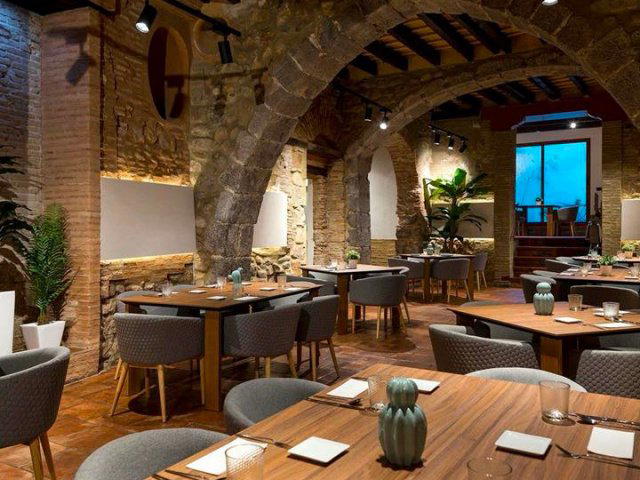
The approach to Arrels sets expectations before you reach the door. The restaurant sits on Carrer del Castell in Sagunt's old town, directly below the town's layered fortress, in the former stables of the 16th-century Palacio de los Duques de Gaeta. The arched stone ceiling overhead, thick walls, and proportions built for horses rather than diners give the room a gravity that most contemporary restaurants have to manufacture. Here, it exists without effort. The slightly raised upper section of the dining room features an open "island" area where guests can watch the kitchen's final plating work during the dessert course — a detail that rewards those seated on that level without turning the entire room into a performance.
Sagunt is a town of roughly 65,000 people about 30 kilometres north of Valencia along the AP-7, a drive of under 40 minutes. It rarely appears on lists of Spanish gastronomic destinations, which makes Arrels's presence here instructive. Spain's concentration of fine dining in cities like Valencia, Barcelona, San Sebastián, and Madrid is well documented — Quique Dacosta in Dénia, Arzak in San Sebastián, El Celler de Can Roca in Girona, and Disfrutar in Barcelona occupy the country's most-discussed tier, but the pattern of serious cooking emerging in smaller heritage towns is a quieter, more significant shift. Arrels belongs to that pattern.
The Olive Oil Foundation: What the Valencian Kitchen Is Actually Built On
Mediterranean cooking is often framed through its headlines, rice, seafood, tomato, but the operative ingredient in the Valencian kitchen, as in most of the arc from Catalonia to Andalusia, is olive oil. It is not a condiment here but a cooking medium, a flavour carrier, and in refined contemporary kitchens like this one, an ingredient with its own sourcing logic. The Valencia region produces oil primarily from Blanqueta, Manzanilla, and Farga varieties, each with distinct bitterness, fruitiness, and finish. In a kitchen focused on local fields and seasonal produce, the choice of oil is as deliberate as the choice of any other ingredient.
Arrels's menu operates in the register where those foundational ingredients become visible. Chef Vicky Sevilla's cooking is described consistently as showing a pronounced commitment to vegetables from the surrounding fields, with technique used to articulate their character rather than transform it away. Edible flowers, delicate finishing, and sweet-sour combinations appear across the kitchen's output, in a style that requires precision with fat, olive oil used at the right temperature and in the right quantity keeps acidity alive and doesn't flatten the lighter flavours that define the menu's character. The cuisine is classified as Mediterranean and contemporary, and in practice that means classical Valencian reference points handled with current technique.
Three tasting menus are available: Executiu, offered at lunch only; Saba; and the full Arrels menu, which takes its name from the Valencian word for "roots." The names signal the kitchen's orientation toward provenance and local identity without requiring the diner to have studied either in advance. For visitors making the journey from Valencia specifically for this meal, the Saba or Arrels menus represent the fuller statement of what the kitchen can do. The Executiu menu at lunch offers a more accessible entry point, both in format and likely in price within the €€€ range.
Where Arrels Sits in Spain's Fine Dining Architecture
The Michelin one-star awarded in 2024 is a clear placement signal. Spain's star map extends from three-star houses like DiverXO in Madrid, Martin Berasategui in Lasarte-Oria, Azurmendi in Larrabetzu, and Aponiente in El Puerto de Santa María down through a large cohort of single-star restaurants that form the practical backbone of serious Spanish dining. Arrels sits in that single-star cohort but carries additional weight through its OAD ranking: number 187 in Europe in 2025, up from 309 in 2024. That movement of 122 positions in one year on the Opinionated About Dining list is not routine; it reflects a kitchen gaining traction with the travelling food community that uses OAD most actively. For context, OAD rankings are generated from a critic-and-traveller vote, so movement of that scale indicates widening recognition beyond the immediate region.
The nearest direct peer for comparison within the Valencia region is Ricard Camarena in Valencia, a two-star house in the city itself. Arrels operates at a lower price tier and outside the city, which places it in a different booking psychology, it requires a specific trip rather than a convenient urban dinner. That positioning, combined with the heritage setting, means it attracts visitors already oriented toward Sagunt's Roman theatre, castle, and Jewish quarter, as well as those who travel expressly for the meal.
The Setting as Argument
Valencian Community's fine dining conversation has historically been weighted toward the coast and toward Valencia city. A restaurant achieving this level of recognition in a smaller inland town makes an implicit argument about where serious cooking can happen, and about the connection between historical depth and culinary seriousness. Sagunt's stratified history, Iberian, Roman, Moorish, Christian, is physically legible in the town in a way that few Spanish towns can match. The restaurant's location in a 16th-century palace stable, with the fortress visible from the surrounding streets, makes the connection between place and cooking literal rather than rhetorical.
That context matters for understanding why the Arrels tasting menu format works here in a way it might not in a generic urban setting. The decision to name the flagship menu after the Valencian word for roots is not marketing shorthand; it is a positioning statement about what the cooking is trying to do. Cuisine grounded in local field vegetables, local flavour traditions, and a specific geography is more persuasive when the geography in question has eight centuries of documented complexity.
Planning the Visit
Arrels is open Tuesday through Saturday for lunch from 1:30 PM to 4:30 PM, with dinner service on Thursday, Friday, and Saturday from 8 PM to 11:30 PM. The restaurant is closed Sunday and Monday. For visitors coming from Valencia, the timing works well as a day trip on any of the five open days: the AP-7 or the N-340 both connect the city to Sagunt in under an hour, and Sagunt is also accessible by Cercanías train from Valencia Nord station. An afternoon spent in the old town before or after lunch, the castle, the Roman theatre, and the Jewish quarter are all within walking distance of the restaurant's address on Carrer del Castell, makes efficient use of the trip. For those combining a dinner reservation with an overnight stay, [our full Sagunt hotels guide]() covers options in the town and the surrounding area.
The price range is €€€, which within Spain's fine dining tier sits below the €€€€ level of the country's top-tier multi-star houses but above casual regional dining. Booking in advance is advisable given the restaurant's growing OAD profile and limited location, a town the size of Sagunt cannot support the same walk-in culture as a major city. For further exploration of the town's broader scene, [our full Sagunt restaurants guide](), [bars guide](), [wineries guide](), and experiences guide provide context for building a fuller itinerary. For international comparisons in the Mediterranean-contemporary register, Estela in New York City and Le Bernardin in New York City offer contrasting takes on how the same broad tradition plays in a different city and at a different price tier. For Spain's highest tier, Mugaritz in Errenteria and Atrio in Cáceres represent the country's most discussed fine dining statements outside the large cities.
Frequently asked questions
What's the pricing like at Arrels?
Pricing at Arrels is listed as €€€.
What time does Arrels open and close?
Hours at Arrels: Monday closed Tuesday 1:30 PM-4:30 PM Wednesday 1:30 PM-4:30 PM Thursday 1:30 PM-4:30 PM 8 PM-11:30 PM Friday 1:30 PM-4:30 PM 8 PM-11:30 PM Saturday 1:30 PM-4:30 PM 8 PM-11:30 PM Sunday closed.
How It Stacks Up
| Venue | Cuisine | Price | Awards |
|---|---|---|---|
| ArrelsThis venue — the venue you are viewing | Modern Spanish Fine Dining | $50–100 | 1 Michelin Star · Star Wine List |
| Aponiente | Progressive - Seafood, Creative | Not listed | Michelin 3 Star |
| Arzak | Modern Basque, Creative | Not listed | Michelin 3 Star |
| DiverXO | Progressive - Asian, Creative | Not listed | Michelin 3 Star |
| El Celler de Can Roca | Progressive Spanish, Creative | Not listed | Michelin 3 Star |
| Quique Dacosta | Creative | Not listed | Michelin 3 Star |
Recognition history
Dated appearances from independent guides and award organizations, with the underlying list record or original source where available.
Michelin 1 Star
Michelin
Star Wine List
Star Wine List
Guía Repsol 1 Sol
Guía Repsol
Macarfi 8.8 Food Rating
Macarfi
Opinionated About Dining Top Restaurants in Europe Recommended
Opinionated About Dining
Full recognition history (10 entries)
Michelin 1 Star
Michelin
Opinionated About Dining Top Restaurants in Europe Ranked #187
Opinionated About Dining
We're Smart World 2 Radishes
We're Smart World
Michelin 1 Star
Michelin
Opinionated About Dining Top Restaurants in Europe Ranked #309
Opinionated About Dining
Continue exploring
More in Sagunt
Restaurants in Sagunt
Browse all →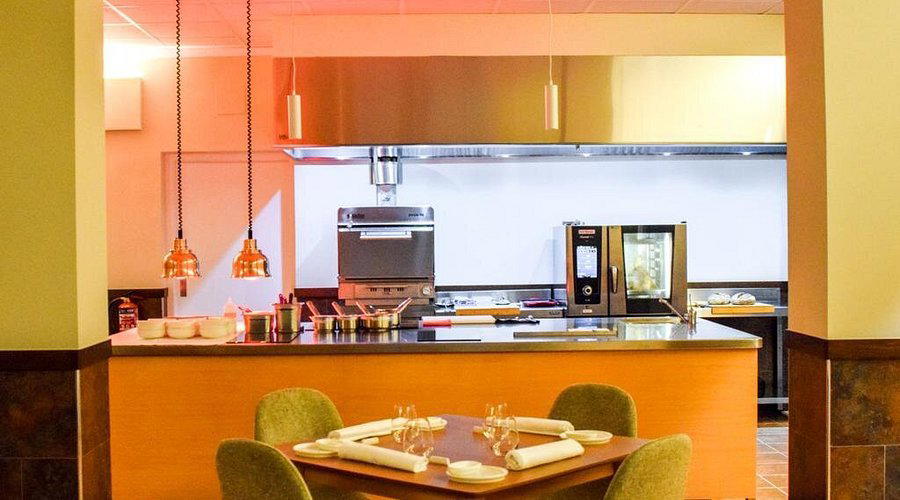
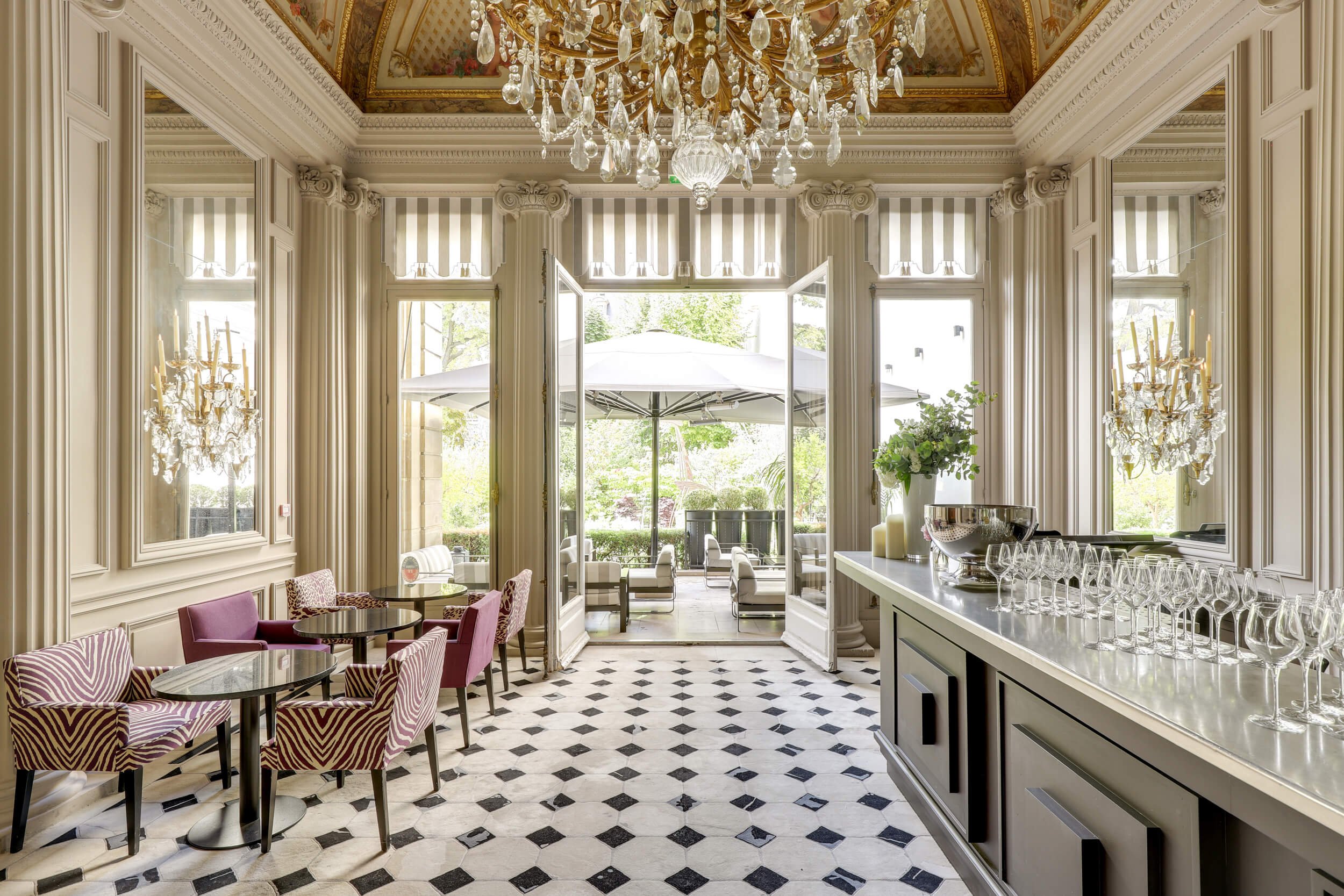
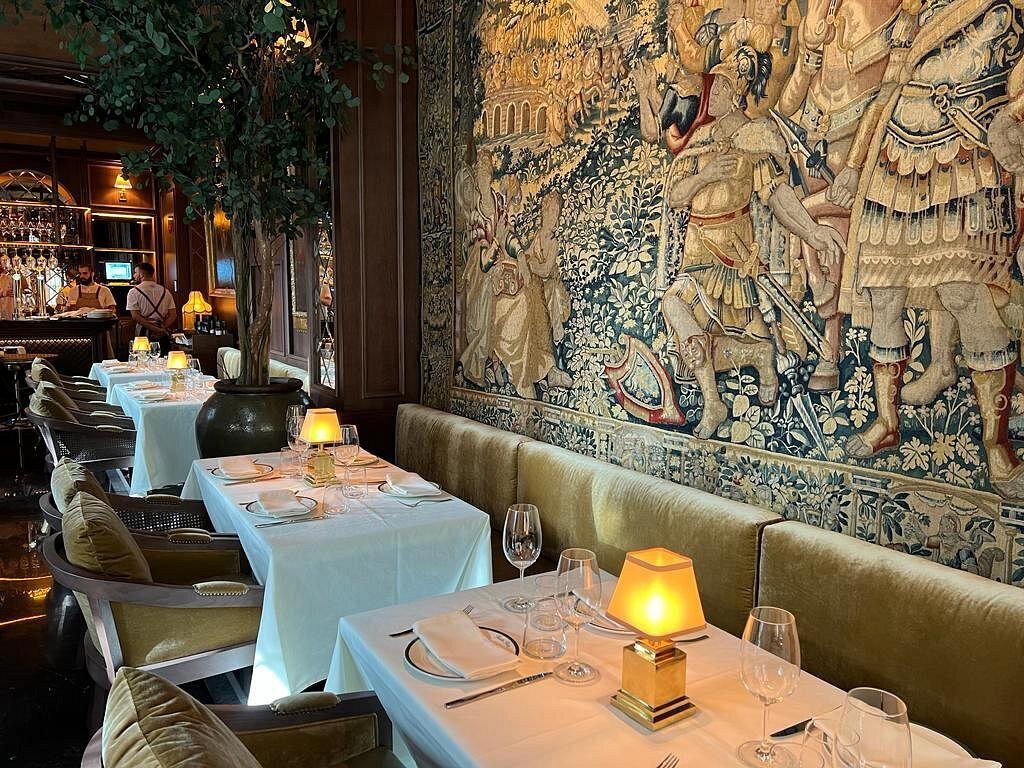
Bars in Sagunt
Browse all →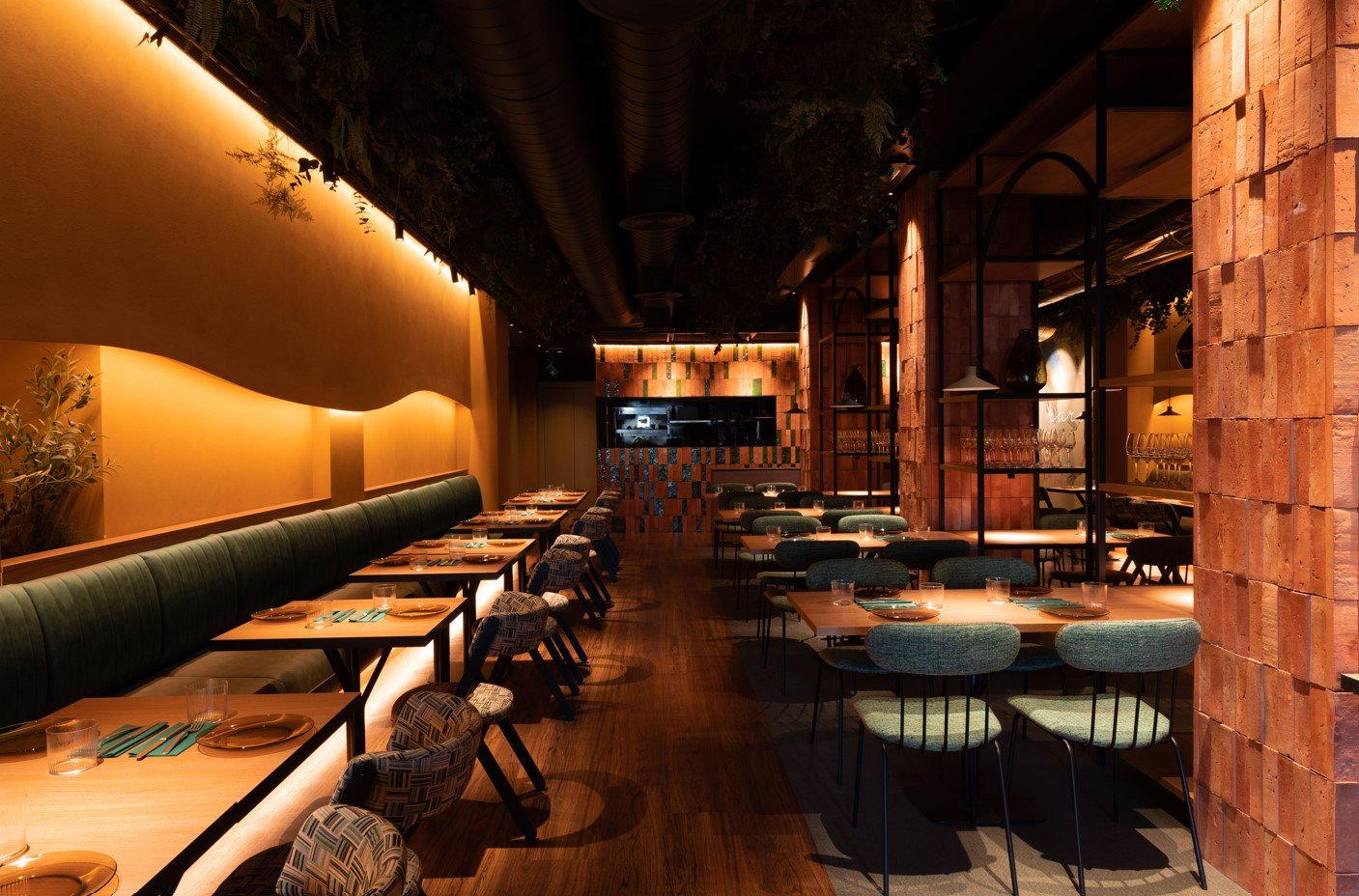
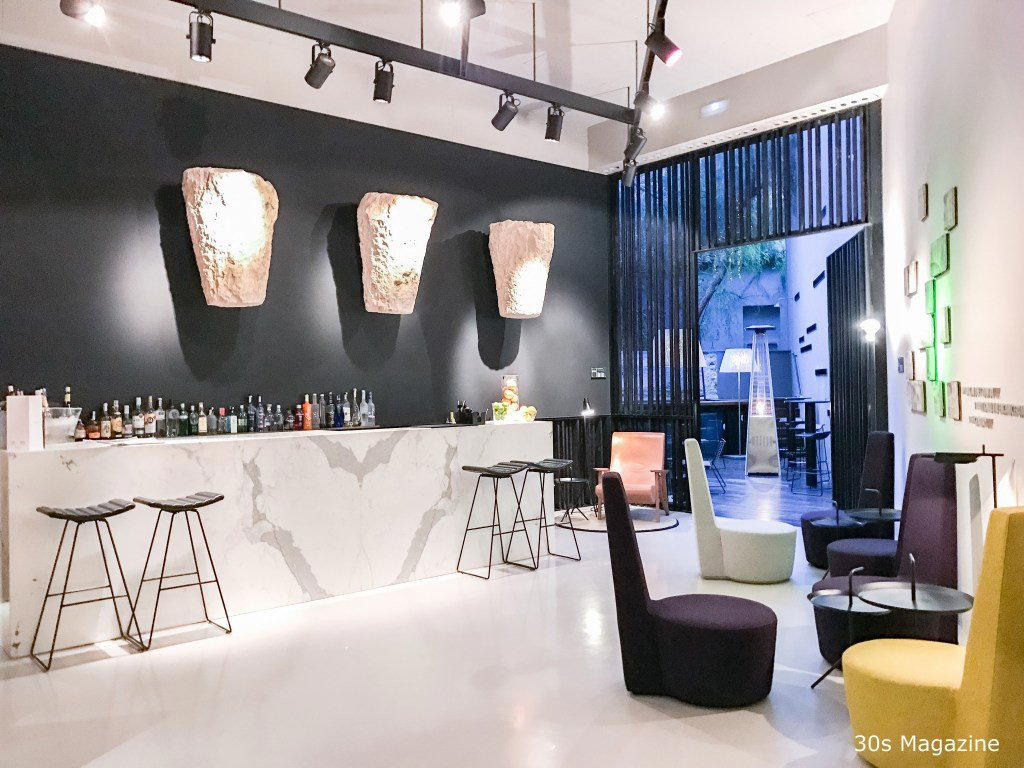
Hotels in Sagunt
Browse all →
Wineries in Sagunt
Browse all →
Details
- Cozy
- Elegant
- Intimate
- Historic
- Sophisticated
- Date Night
- Special Occasion
- Celebration
- Historic Building
- Extensive Wine List
- Sommelier Led
- Local Sourcing
- Street Scene
- Tasting Menu
Current opening hours
- Monday
- Closed
- Tuesday
- 1:30–4:30 PM
- Wednesday
- 1:30–4:30 PM
- Thursday
- 1:30–4:30 PM, 8–11:30 PM
- Friday
- 1:30–4:30 PM, 8–11:30 PM
- Saturday
- 1:30–4:30 PM, 8–11:30 PM
- Sunday
- Closed
Hours can change for holidays and private events. Last verified .
Stylish, chic interior blending modern elegance with historic Gothic arches, described as cozy, quiet, and informal yet fitting for high-quality cuisine.