On Opatija's storied seafront promenade, Ostaria Veranda occupies a position that connects the town's Austro-Hungarian resort heritage to the Kvarner coast's contemporary dining ambitions. The address alone, Obala Frana Supila, where the Lungomare begins, places it in one consequential stretch of Croatia's oldest Riviera, where the Adriatic sits close enough to shape the menu and the mood in equal measure.
Pearl is the En Primeur Club membership app — saves, bookings, and concierge access live there. Same editors, same standards.
- Address
- Obala Frana Supila 2-42, 51410, Opatija, Croatia
- Phone
- +38551875189
- Website
- ostariaveranda.hr
- Directions
- Get directions
 Saves & bookings on Pearl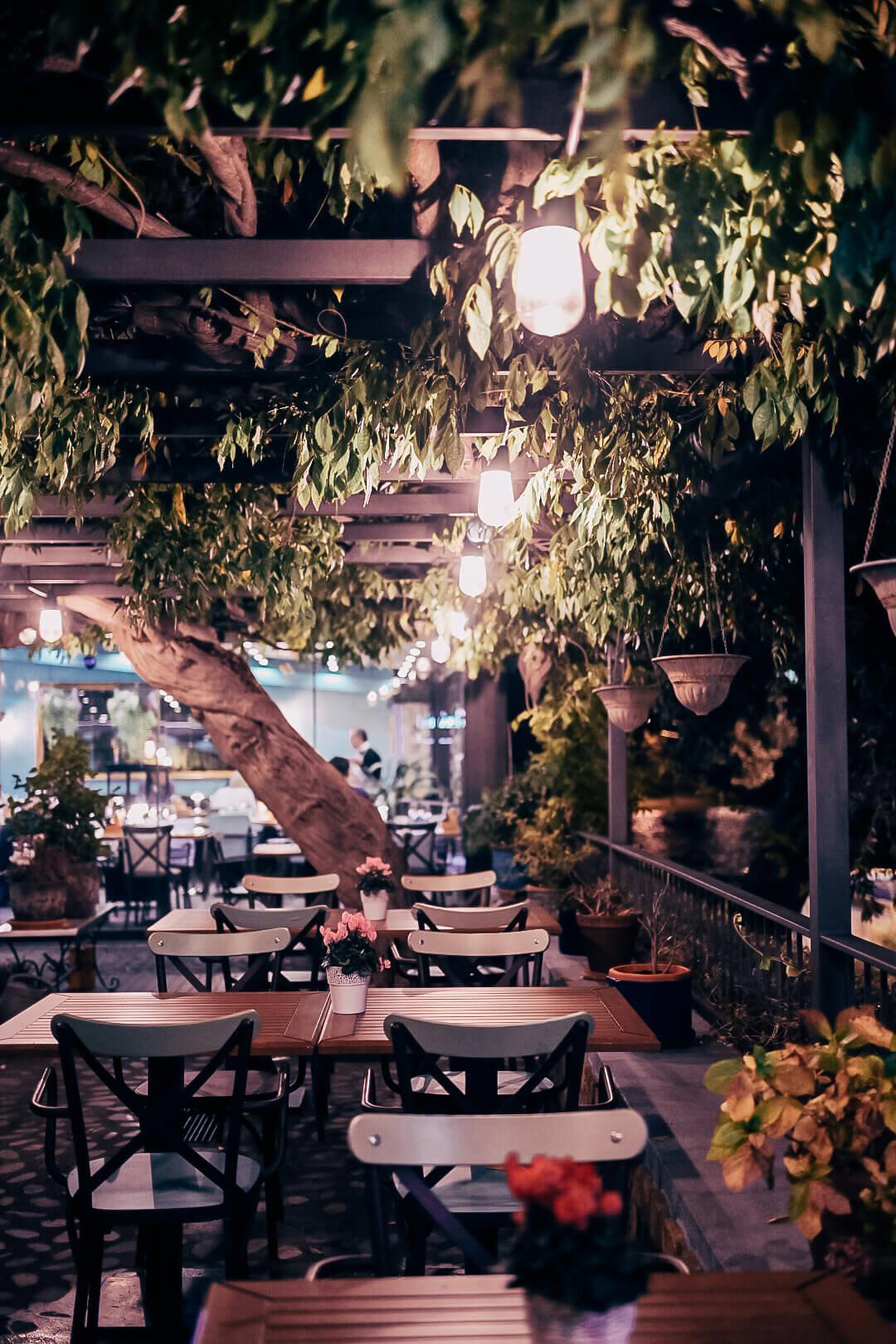
A Promenade Address That Sets the Terms
The Lungomare, Opatija's 12-kilometre coastal footpath, was engineered in the late nineteenth century for the leisure class arriving from Vienna and Budapest by rail. The section beginning at Obala Frana Supila, where Ostaria Veranda holds its address, is the promenade at its most deliberate: wide, shaded, positioned so that the Kvarner Gulf fills the horizon at eye level. Dining here is not incidental to the view. The geography is the first condition of the experience, and any restaurant serious about its position on this stretch has to earn the setting rather than simply occupy it.
Opatija operates on a different register than the Dalmatian coast further south. Where Dubrovnik and Split draw a global tourist volume that has reshaped menus toward accessibility, Opatija retains a more Central European clientele, a longer shoulder season, and a culinary sensibility that leans toward the Istrian interior as much as the sea. Truffles from the Motovun forest, Istrian olive oils, shellfish from the Kvarner bay, and Malvazija from the peninsula's western slopes form a consistent grammar across the town's better tables. Ostaria Veranda operates within this grammar, positioned on the waterfront where the logic of place, Adriatic proximity, Habsburg resort tradition, Istrian supply lines, is most legible.
The Kvarner Coast as a Culinary Reference Point
Understanding what Ostaria Veranda represents requires understanding Opatija's position within Croatian fine dining more broadly. The country's most decorated restaurants are scattered across a wide geography: Agli Amici Rovinj in Rovinj and Boskinac in Novalja anchor the Adriatic island and peninsula circuit, while Dubravkin Put in Zagreb and Korak in Jastrebarsko represent the inland continental strand. Opatija itself sits at a productive crossroads: close enough to Istria to draw its produce, close enough to Rijeka's urban restaurant energy, represented at its sharpest by Nebo by Deni Srdoč in Rijeka, to feel the influence of that city's more technically ambitious kitchen culture.
On the waterfront itself, the restaurant's immediate comparable set includes Bevanda, which has built a reputation as one of the Kvarner coast's most serious wine and seafood destinations, and Antiqua Osteria da Ugo, which draws on the osteria tradition that restaurant also references in its name. The naming is worth noting: ostaria, the archaic Venetian spelling of osteria, signals a deliberate alignment with the northern Adriatic's Italian-inflected hospitality heritage rather than the more broadly Mediterranean or Croatian national branding that dominates elsewhere. That is a positioning choice, and it tends to attract a guest with specific expectations about ingredient sourcing, wine list construction, and service register.
Opatija's Dining Tier and Where This Address Sits
Opatija's restaurant scene has stratified in a way that mirrors patterns across the northern Adriatic. The lower tier consists of tourist-facing seafood and grill operations concentrated around the main harbour at Volosko and the central promenades. A middle tier offers solid regional cooking, konoba-style preparations of Kvarner scampi, Istrian pasta, grilled Adriatic fish, at prices that reflect the town's resort status without signalling serious culinary ambition. Then there is a smaller cohort of addresses, including Cubo and Konoba Istranka, that operate with more considered menus and attract guests who have already worked through the guidebook recommendations.
The restaurant's seafront address at Obala Frana Supila places it in that upper cohort by geography alone. The promenade's central stretch, where the town's grand late-nineteenth-century villas, now hotels and institutions, face the sea, carries a cost-of-location premium that filters out the middle tier almost automatically. The restaurants that survive at these addresses tend to be either well-capitalised hotel operations or independent venues with a clear reason to exist beyond the view. The ostaria framing suggests the latter intent: a wine and food-led proposition drawing on northern Adriatic traditions rather than a hotel dining room with scenic positioning as its primary argument.
For comparison within Croatia's broader fine dining circuit, the reference points are instructive. Pelegrini in Sibenik, LD Restaurant in Korčula, and Restaurant 360 in Dubrovnik all operate with Michelin recognition in scenic coastal settings and demonstrate that the country's premium restaurant tier has moved decisively toward tasting menu formats, local ingredient provenance stories, and serious wine programs. Krug in Split and Alfred Keller in Mali Losinj extend the same pattern into different coastal geographies. The restaurant operates in a city where that level of international recognition has not yet attached to a single address, which both identifies a gap in the market and signals opportunity for guests arriving with expectations calibrated to those decorated peers.
Opatija also offers variety in non-European formats. Nami Sushi Restaurant represents the town's engagement with Japanese cuisine, a reminder that a resort town with a Central European clientele develops eclectically. The restaurant's northern Adriatic Italian identity sits at the opposite end of that range, rooted in a specific regional tradition rather than international format diversity.
Planning a Visit
The Obala Frana Supila address is walkable from Opatija's main hotel cluster along the Lungomare in either direction, and the promenade itself rewards an approach on foot rather than by car. The northern Adriatic's shoulder seasons, April through June and September through October, tend to offer considered dining conditions: the resort crowds thin, local produce is at its most characterful, and Kvarner seafood, particularly scampi, is at peak quality. Midsummer brings higher volume across all of Opatija's waterfront addresses, and bookings at the better tables become competitive from late June.
The Short List
Comparable venues nearby, for context on price, style, and recognition.
| Venue | Cuisine | Price | Notes |
|---|---|---|---|
| Ostaria VerandaThis venue — the venue you are viewing | Volosko, Mediterranean Seafood | $$$ | Not listed |
| Cubo | Not listed | $$$ | Opatija, Contemporary Mediterranean Fine Dining |
| Plavi podrum | Volosko, Modern Mediterranean Seafood | $$$ | Not listed |
| Ružmarin | Slatina, Mediterranean Pizza & Grill | $$ | Not listed |
| Konoba Istranka | Opatija, Traditional Croatian Istrian | $$ | Not listed |
| Bevanda | Opatija, Modern Mediterranean Seafood | $$$ | Not listed |
Continue exploring
More in Opatija
Restaurants in Opatija
Browse all →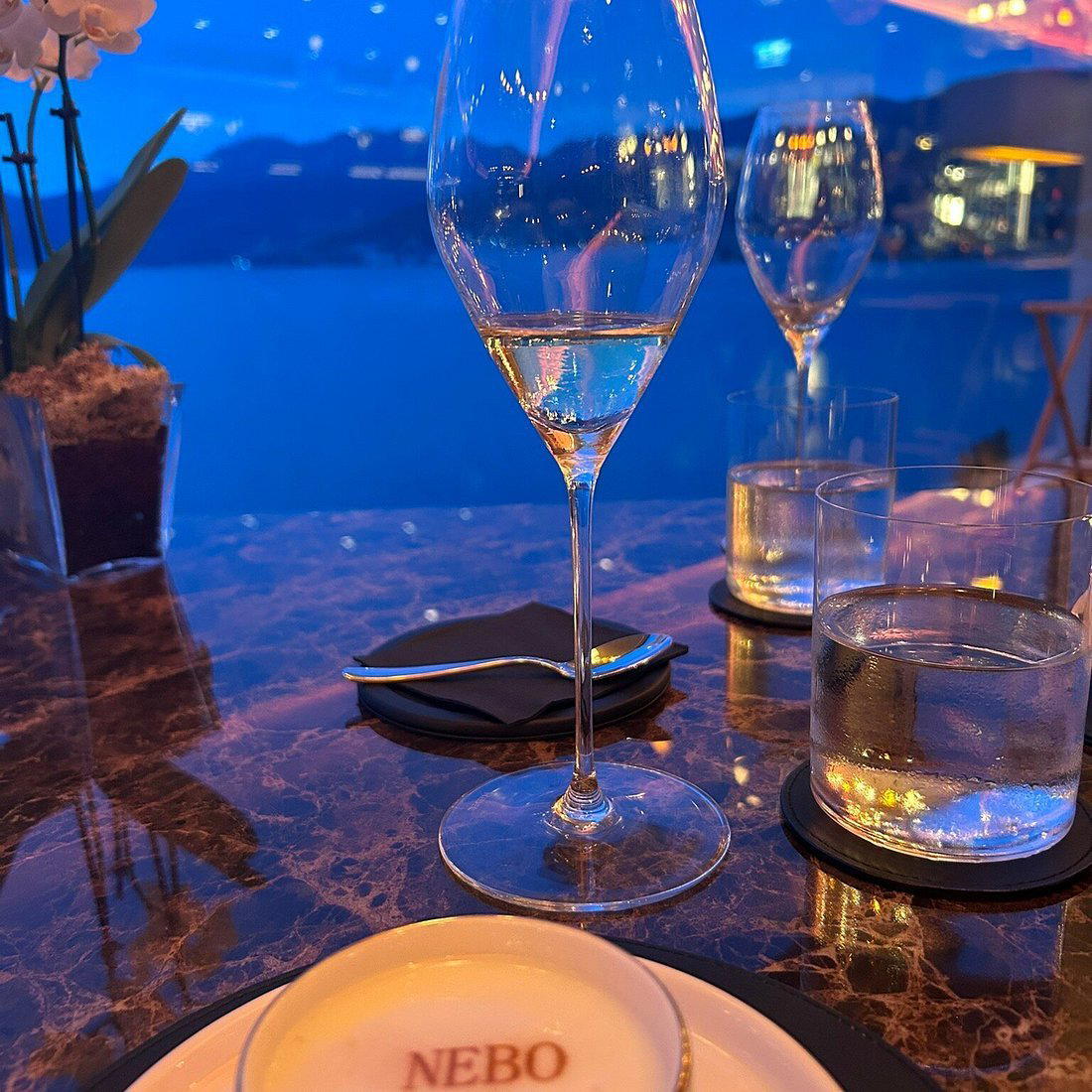
Bars in Opatija
Browse all →

Hotels in Opatija
Browse all →
At a Glance
- Romantic
- Scenic
- Elegant
- Rustic
- Intimate
- Date Night
- Celebration
- Special Occasion
- Group Dining
- Waterfront
- Terrace
- Panoramic View
- Historic Building
- Local Sourcing
- Farm To Table
- Sustainable Seafood
- Waterfront
Current opening hours
- Monday
- 12–11 PM
- Tuesday
- 12–11 PM
- Wednesday
- 12–11 PM
- Thursday
- 12–11 PM
- Friday
- 12–11 PM
- Saturday
- 12–11 PM
- Sunday
- 12–11 PM
Hours can change for holidays and private events. Last verified .
Warm, rustic Mediterranean atmosphere with enchanting coastal views; intimate interior blended with the beauty of a traditional seaside veranda under ancient wisteria, creating a charming and sophisticated dining experience.