On the waterfront at Njivice, a small settlement on the Krk island coast near Omisalj, Rivica occupies the kind of position that defines Kvarner dining: close enough to the water that the sourcing question answers itself. The address at Ribarska obala 13 places it squarely on the fishing quay, situating it within a Croatian coastal tradition where the distance between catch and plate is measured in metres, not supply chains.
Pearl is the En Primeur Club membership app — saves, bookings, and concierge access live there. Same editors, same standards.
- Address
- Ribarska obala 13, 51512, Njivice, Croatia
- Phone
- +38551846101
- Website
- rivica.hr
- Directions
- Get directions
 Saves & bookings on Pearl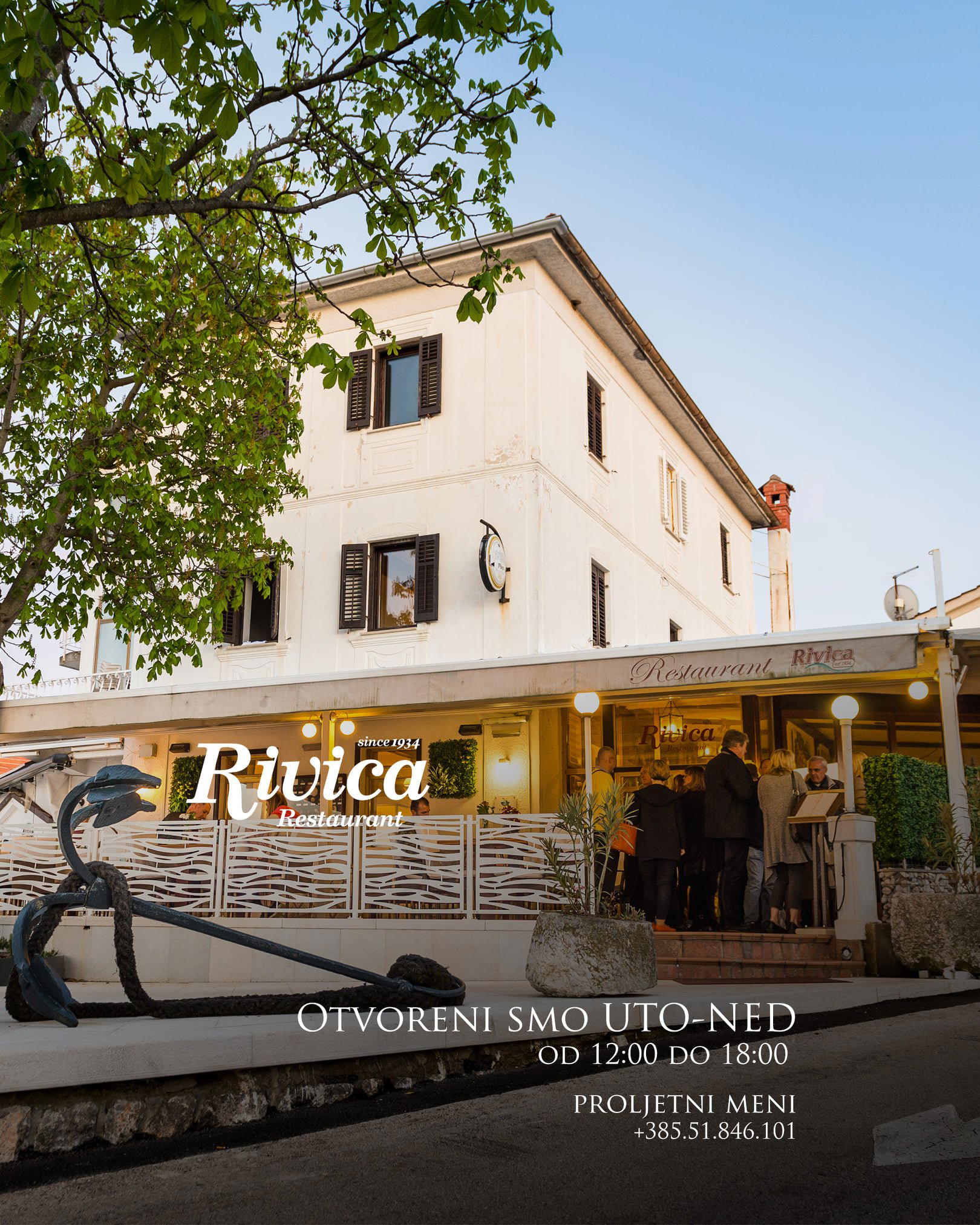
The Quay Table: Eating on Krk Island's Working Waterfront
There is a specific grammar to eating well on the Croatian coast, and it starts with position. Not the view, though on the Kvarner Gulf that is rarely beside the point, but proximity to supply. The restaurants that have earned lasting local credibility along the Adriatic tend to share one trait: they sit close enough to a working harbour that the morning's catch arrives on foot. Rivica, at Ribarska obala 13 in Njivice, a small settlement within the Omisalj municipality on the island of Krk, occupies exactly that kind of address. Ribarska obala translates directly as Fishermen's Quay, and the name is not decorative.
Krk sits at the northern reach of the Kvarner Gulf, sheltered enough that its waters support the kind of small-scale, mixed fishing that feeds a certain style of cooking: whole fish prepared simply, shellfish served close to raw, and bivalves that arrive with their brine still intact. This is not the ingredient-as-concept approach you find at Michelin-tracked addresses like Pelegrini in Sibenik or Restaurant 360 in Dubrovnik, where sourcing is framed as philosophy and plated with architectural precision. Waterfront dining in a place like Njivice operates from a different premise: the ingredient is the argument, and the kitchen's role is mostly to stay out of its way.
Where the Island Meets the Water
Approaching Njivice from the Krk highway, the landscape compresses quickly from pine-covered hillside to a low, flat waterfront. The settlement has a fishing village scale that larger Kvarner towns, Opatija, Rijeka, long since outgrew. That compression is the point. On a working quay in a place this size, the supply chain from boat to kitchen is a matter of hours, sometimes less. Seasonal availability governs the menu in a way that no import logistics can replicate: what swims in the northern Adriatic in a given week is what appears on the table.
The Kvarner Gulf has a specific marine identity. Colder, deeper water feeds different species than the central or southern Dalmatian coast: škarpina (scorpionfish), zubatac (dentex), and various small oily fish that suit the region's tradition of brodet, the long-simmered fish stew that appears across the Croatian coast in local variations. Shellfish from the surrounding bays, particularly mussels and clams, reflect the water quality and temperature of the northern Adriatic in ways that make them taste distinctly different from their Dalmatian counterparts. At a restaurant positioned directly on the fishing quay, these distinctions are not abstract.
Sourcing as Structure, Not Story
The broader shift in Croatian coastal dining over the past decade has been a move toward formalising what waterfront konobas always did informally: letting local supply dictate the offer. Restaurants like Bodulo on Pag and Burin in Crikvenica represent different points on the spectrum between casual harbour eating and composed contemporary cooking, but both operate from a similar underlying logic: the Kvarner and northern Adriatic supply chain is the asset, and the kitchen's credibility depends on how honestly it uses that supply.
Rivica's address on the fishing quay at Njivice places it in that tradition without requiring a formal farm-to-table declaration. The sourcing logic is structural. A restaurant this close to a working harbour does not need a supplier relationship managed through distribution, the relationship is geographic. For diners who have eaten their way along the Dalmatian coast and are comparing notes, that distinction matters: the fish on the plate at a quayside address in a working Kvarner village carries a different provenance story than the same species served at a design-led property inland or in a resort town with a complex cold-chain.
For a wider map of where ingredient-driven coastal cooking operates at the higher end of the Croatian scene, the reference points are useful context. Agli Amici Rovinj in Istria brings an Italian-contemporary framework to Adriatic ingredients. Alfred Keller on Mali Losinj, just south of Krk in the Kvarner archipelago, operates within a similar island-sourcing logic at a more formal register. Boskinac in Novalja on Pag combines estate agriculture with island seafood to make a more elaborate case for the same underlying principle. Rivica sits closer to the informal end of that spectrum, a quayside address in a small settlement, where the format is shaped by place and season rather than tasting-menu architecture.
Planning a Visit to Njivice and Omisalj
Krk is among the more accessible of Croatia's inhabited islands: the Krk Bridge connects the island to the mainland near Rijeka, making it reachable by car without a ferry crossing, which is a practical advantage that most Kvarner and Dalmatian islands cannot offer. Njivice sits on the western coast of Krk, roughly fifteen kilometres from the bridge. The Rijeka dining scene, anchored by addresses like Nebo by Deni Srdoc, is close enough to make a day trip or combined itinerary plausible for visitors based on the mainland. For those building a longer Croatian itinerary that moves south, LD Restaurant in Korcula and Krug in Split represent the Dalmatian coast's more composed approach to similar raw material.
Summer is the primary season for Njivice and the surrounding coast, with the warmest months bringing the highest tourist density. Visiting in shoulder season, late May, early June, or September, tends to produce a more locally grounded experience: fewer transfers from resort hotels, more of the regular clientele that sustains a neighbourhood restaurant through its actual reputation rather than its location. For a broader sense of where Rivica sits in the Omisalj dining picture, see our full Omisalj restaurants guide.
Walk-ins may be possible outside peak summer weeks, but reserving ahead is recommended from July through August.
Quick Comparison
Comparable venues nearby, for context on price, style, and recognition.
| Venue | Cuisine | Price | Notes |
|---|---|---|---|
| RivicaThis venue — the venue you are viewing | Modern Mediterranean Seafood | $$$ | Not listed |
| Na Moru | Mediterranean Seafood Grill | $$$ | Valun |
| Restaurant Peteani | Modern Istrian Mediterranean | $$$ | Labin old town |
| Navis | Modern Mediterranean Seafood | $$$ | Opatija |
| Restaurant Libeccio by Rivalmare | Modern Istrian Mediterranean | $$$ | Novigrad |
| Corto Magarese | Mediterranean | $$ | Vis |
Continue exploring
More in Omisalj
Restaurants in Omisalj
Browse all →
Bars in Omisalj
Browse all →
Hotels in Omisalj
Browse all →
Wineries in Omisalj
Browse all →At a Glance
- Classic
- Elegant
- Scenic
- Date Night
- Special Occasion
- Waterfront
- Terrace
- Local Sourcing
- Waterfront
Current opening hours
- Monday
- Closed
- Tuesday
- 12–10 PM
- Wednesday
- 12–10 PM
- Thursday
- 12–10 PM
- Friday
- 12–10 PM
- Saturday
- 12–10 PM
- Sunday
- 12–10 PM
Hours can change for holidays and private events. Last verified .
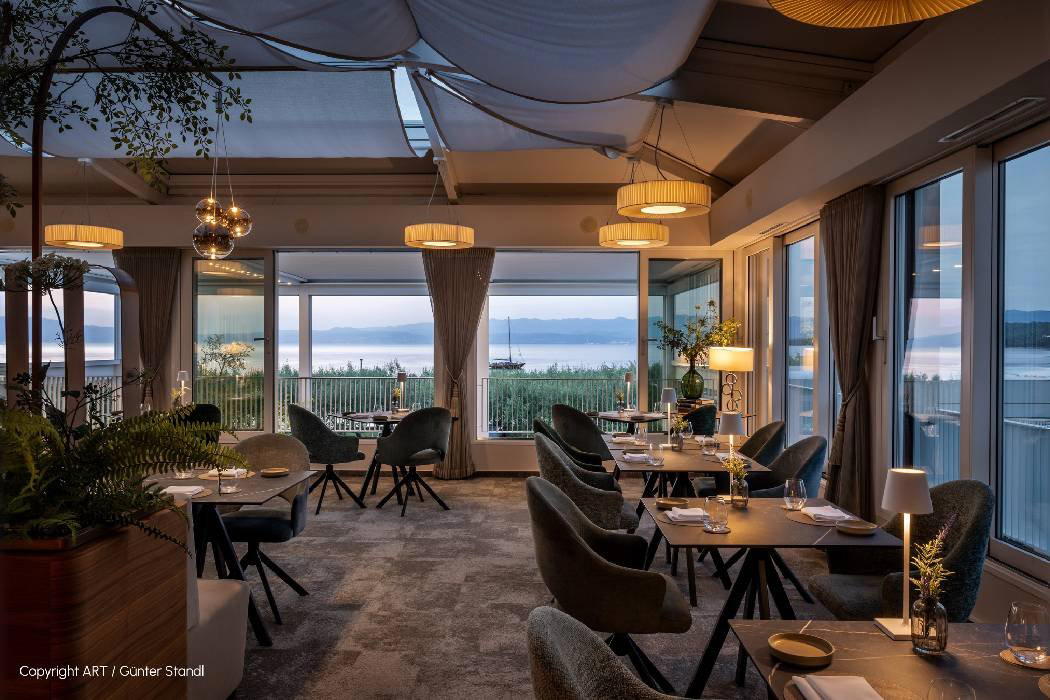
Smart and stylish setting blending tradition with modern fine-dining, featuring a big terrace by the bustling harbor.