Our verdict
Kuća Rabske Torte is the dedicated home of Rab's most celebrated confection, the rabska torta, an almond-and-rose-water cake with documented origins stretching back to medieval Benedictine monasteries on the island. Positioned on Ul. Stjepana Radića in the old town, this small specialist shop sits at the centre of a local food tradition that has outlasted every other culinary fashion to pass through the Kvarner Gulf.

Pearl is the En Primeur Club membership app, where members save venues, book tables and use the concierge.
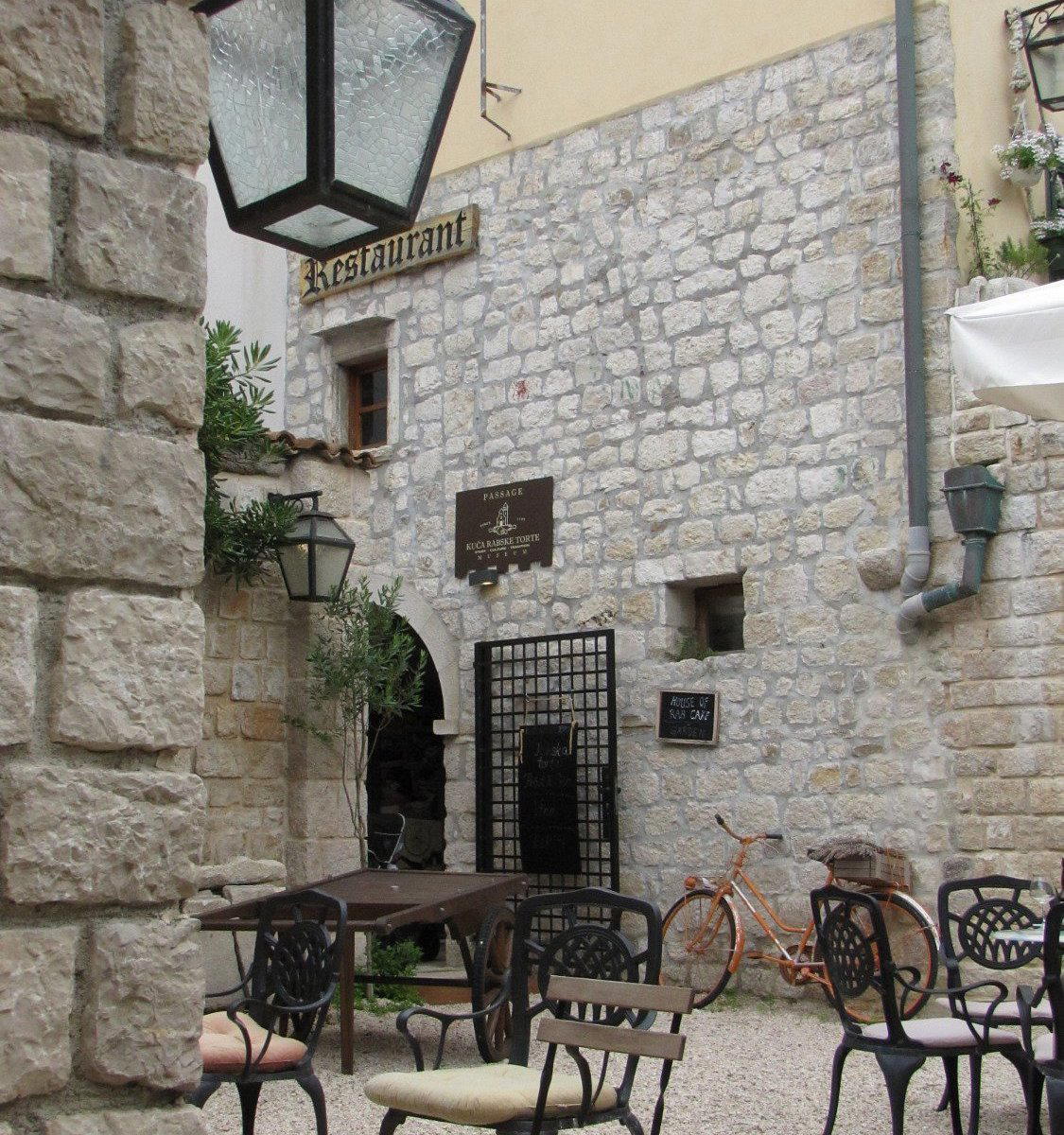
Where a Medieval Recipe Meets a Living Tradition
The old town of Rab is one of the Adriatic's most intact medieval ensembles, its four campaniles rising above a limestone peninsula that narrows to a point over the sea. Walking the flagstone lanes toward Ul. Stjepana Radića, the architecture does most of the work: Romanesque facades, loggia shadows, the particular quality of afternoon light bouncing off pale stone. It is in this setting that Kuća Rabske Torte operates, a small specialist producer focused almost entirely on a single product with a longer history than most of the buildings around it.
The rabska torta is not a cake that arrived with tourism. Its documented origins trace to the Benedictine convent of St Andrew on Rab, where nuns produced it for ecclesiastical occasions using almonds, sugar, maraschino, lemon zest, and rose water, ingredients that reflect both the island's agricultural past and the spice-trade connections of medieval Dalmatia. That combination of almond paste and aromatic flavourings places it in a broader category of monastic confectionery found across the Mediterranean, but the Rab version has remained specific to this island in a way that similar cakes elsewhere have not. For a small island destination accessible by ferry from the mainland at Jablanac or Stinica, that specificity is part of the attraction.
The Ingredient Logic Behind the Recipe
Understanding what makes rabska torta worth seeking out requires understanding what it is made from. The almond base is not incidental: Rab's interior has historically supported almond cultivation alongside olive groves, and the use of maraschino connects the cake to the broader Dalmatian tradition of marasca cherry liqueur production that has long been part of the region's identity. Rose water, the aromatic element that distinguishes the cake from plainer almond pastries, signals the influence of trade routes that ran through Dalmatian ports during the medieval and early modern periods.
This is the kind of ingredient provenance that destination dining now actively courts at places like Boskinac in Novalja or Pelegrini in Sibenik, where chefs reconstruct historical recipes using local sources. At Kuća Rabske Torte, that logic is not a concept or a seasonal menu section, it is simply the product. The cake is the tradition, sold as it has been made, with no modernist reinterpretation required. In that sense it occupies a different position from the polished tasting-menu format of LD Restaurant in Korčula or Nebo by Deni Srdoč in Rijeka, but the sourcing philosophy, rooted ingredients, documented provenance, regional identity, is comparable.
Rab's Dining Scene and Where This Fits
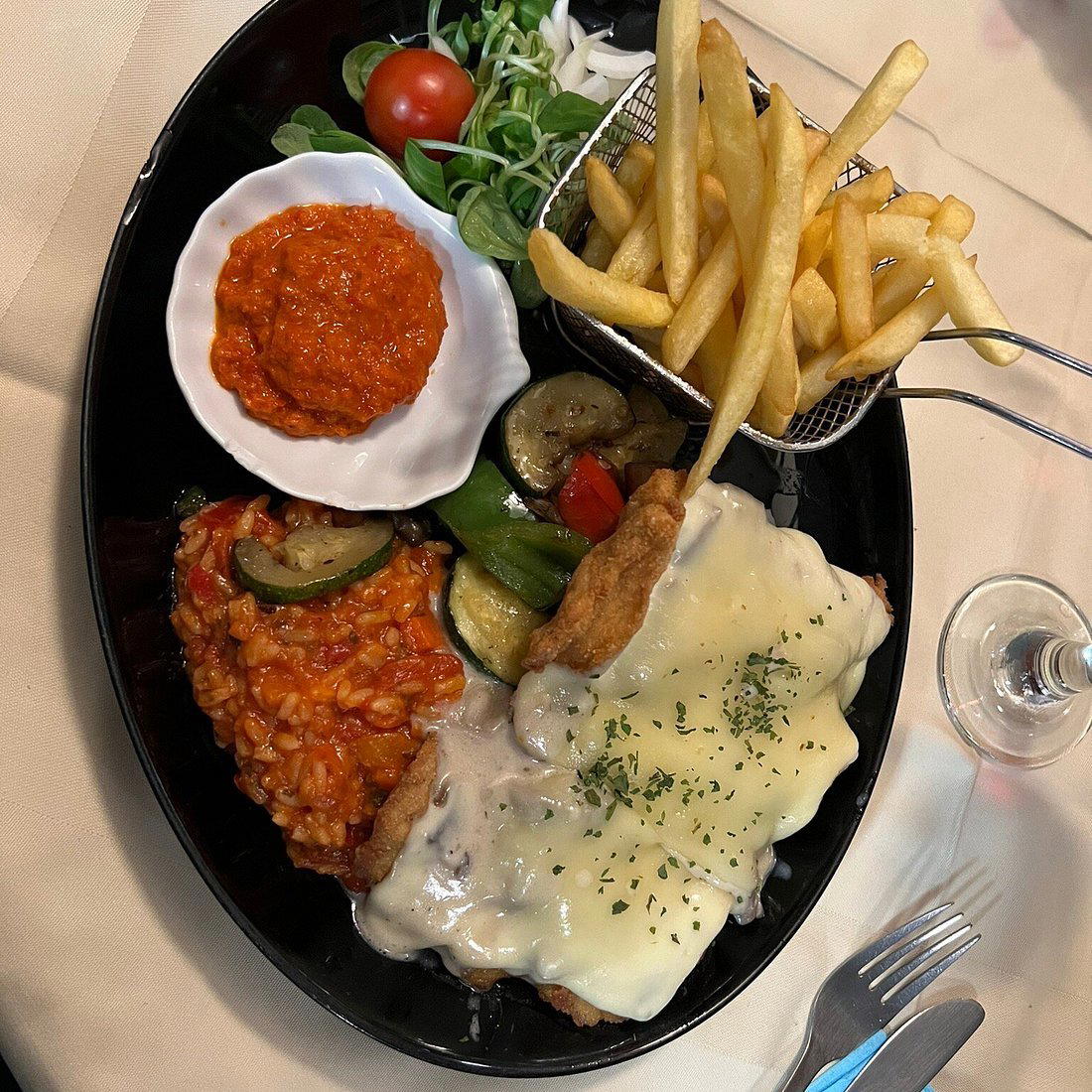
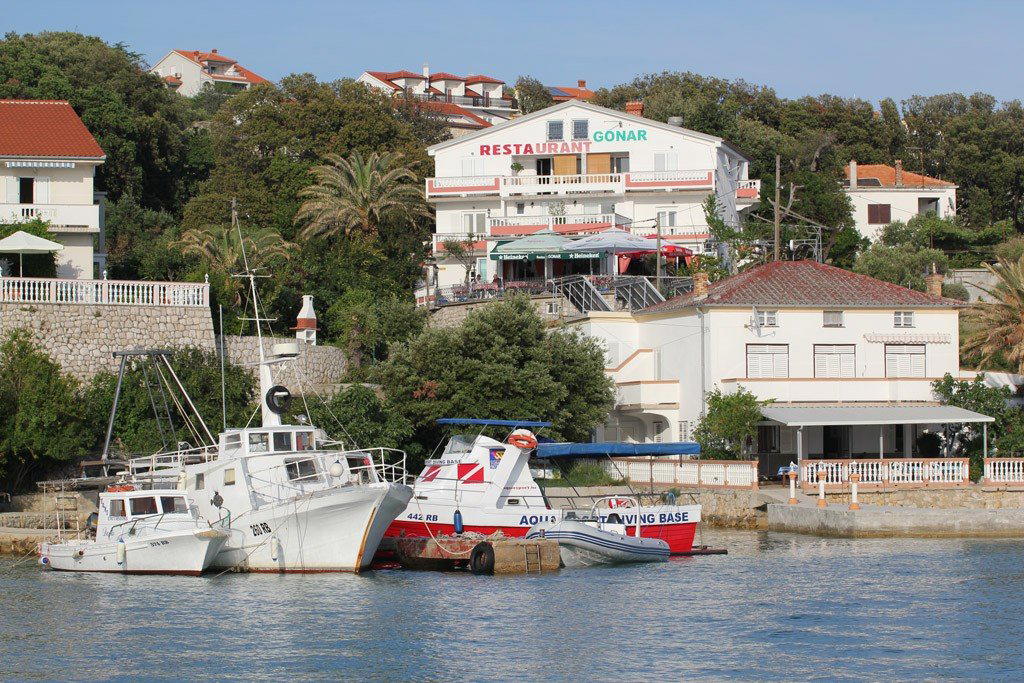
Rab's restaurant offer covers a familiar Adriatic range: fresh seafood, grilled meats, Kvarner scampi, local wines from the Dalmatian hinterland. The island's dining options include Astoria, Gonar, and Konoba Rab, each operating within that broader Kvarner framework. Kuća Rabske Torte sits outside that category entirely. It is a confectionery specialist, not a restaurant, and its relevance to the Rab visit is not as an alternative dinner option but as an expression of something the island produces that nowhere else does.
That distinction matters for how you plan around it. Visitors who have crossed to Rab via ferry from Jablanac, a crossing of roughly 15 minutes, and are spending time in the old town will find the address on Ul. Stjepana Radića within walking distance of the main piazza and the waterfront promenade. The purchase of rabska torta as a food souvenir or an afternoon accompaniment to coffee is a different act from a restaurant booking, but it belongs to the same category of deliberate, place-specific food decisions that define good travel eating. Croatia's wider premium dining scene, visible at places like Restaurant 360 in Dubrovnik or Agli Amici Rovinj in Rovinj, rests partly on the argument that Croatian ingredients and Croatian traditions are worth serious attention. Rabska torta makes that argument with considerably more historical weight than any contemporary tasting menu.
Context Across the Croatian Islands
The pattern of islands preserving specific food traditions that have not been replicated elsewhere is consistent across the Adriatic. Pag has its cheese and lamb; Hvar has its lavender and prošek; Korčula has its black risotto preparations. Rab's contribution is the torta, and the fact that a dedicated producer occupies a permanent address in the old town rather than a summer-only tourist kiosk signals that the tradition has enough local weight to sustain year-round commercial interest. For comparison, the approach of BioMania Bistro Bol in Bol or Bodulo in Pag shows how island food culture across the Dalmatian and Kvarner regions is increasingly framed around specific local sourcing. Kuća Rabske Torte predates that framing by several centuries.
For travellers moving through the Kvarner Gulf more broadly, Rab connects logically to the culinary and scenic offer of Mali Lošinj to the north, where Alfred Keller operates at a different register of formal dining. The island itinerary that combines a restaurant dinner at one of Rab's seafood-focused establishments with a stop at Kuća Rabske Torte covers both the contemporary and the archival sides of what Kvarner eating actually is. See our full Rab restaurants guide for a broader orientation.
Planning Your Visit
Kuća Rabske Torte is located at Ul. Stjepana Radića 5 in Rab's old town, reachable on foot from the main ferry terminal and the town's central piazza. The old town is pedestrianised, so arrival by car means parking on the periphery and walking in, which takes under ten minutes from any of the main lots. As a specialist confectionery producer rather than a restaurant, the visit model is a purchase stop rather than a table booking, no reservations are required. Visiting in the shoulder season, May or September, rather than peak July or August, will mean a less congested old town and a quieter experience of the streets surrounding the address. The cake travels reasonably well as a food gift, making it a practical acquisition toward the end of an island stay rather than the beginning. For those interested in the broader Croatian fine dining picture before or after an island trip, Dubravkin Put in Zagreb, Krug in Split, and Korak in Jastrebarsko represent the mainland end of that conversation.
Frequently asked questions
Is Kuća Rabske Torte suitable for children?
Yes. Rabska torta is a straightforward almond-based cake with no complex or polarising flavours, making it accessible to most children. The shop is located in Rab's old town at Ul. Stjepana Radića 5, reachable on foot from the main piazza, so it fits naturally into a family walk through the medieval quarter.
What's the vibe at Kuća Rabske Torte?
This is a specialist cake shop rather than a sit-down venue, so the atmosphere is functional and focused: you come specifically for rabska torta, the almond cake that Rab has produced for centuries. The old town setting on the limestone peninsula adds context without theatrics. Expect a local, unhurried pace consistent with Rab's overall character.
Can you buy rabska torta to take home from Kuća Rabske Torte?
Rabska torta is a dense, dry almond cake that travels well compared to cream-based pastries, and specialist shops in Rab's old town typically package it for that purpose. Kuća Rabske Torte at Ul. Stjepana Radića 5 is positioned as the dedicated source for this product on the island, making it the logical stop before returning to the ferry terminal. Purchasing it boxed to carry off the island is consistent with how this cake has historically circulated as a regional gift item.
What dish is Kuća Rabske Torte famous for?
The venue is dedicated to rabska torta, a dense almond cake with medieval origins specific to the island of Rab. The recipe relies on the island's almond cultivation and has not been widely replicated elsewhere in Croatia, which keeps it tied to this particular address on Ul. Stjepana Radića in the old town.
What's Kuća Rabske Torte's location?
Kuća Rabske Torte is located at Ul. Stjepana Radića 5, 51280, Rab, Croatia, Rab.
Do they take walk-ins at Kuća Rabske Torte?
Kuća Rabske Torte operates as a specialist cake shop rather than a reservation-based restaurant, so walk-in visits are the standard way to visit. The address at Ul. Stjepana Radića 5 in Rab's old town is a short walk from the ferry terminal, making it easy to stop in without advance planning.
In Context: Similar Options
Comparable venues nearby, for context on price, style, and recognition.
| Venue | Cuisine | Price | Notes |
|---|---|---|---|
| Kuća Rabske TorteThis venue (the venue you are viewing) | Traditional Croatian Rab Cake (Rapska Torta) | Not listed | Not listed |
| Gonar | Traditional Croatian Mediterranean Seafood | $20–30 | Supetarska Draga |
| Konoba Rab | Traditional Croatian Seafood & Peka | $20–30 | Rab Town |
| Astoria Resturant | Mediterranean Seafood with Croatian Tradition | $50–100 | Rab Town |
| Cacao | Dessert Patisserie with Vegan Options | $10–20 | City Center |
| Bitoraj | Traditional Croatian Game Meat | Not listed | Fuzine |
Continue exploring
More in Rab
Restaurants in Rab
All restaurants in Rab →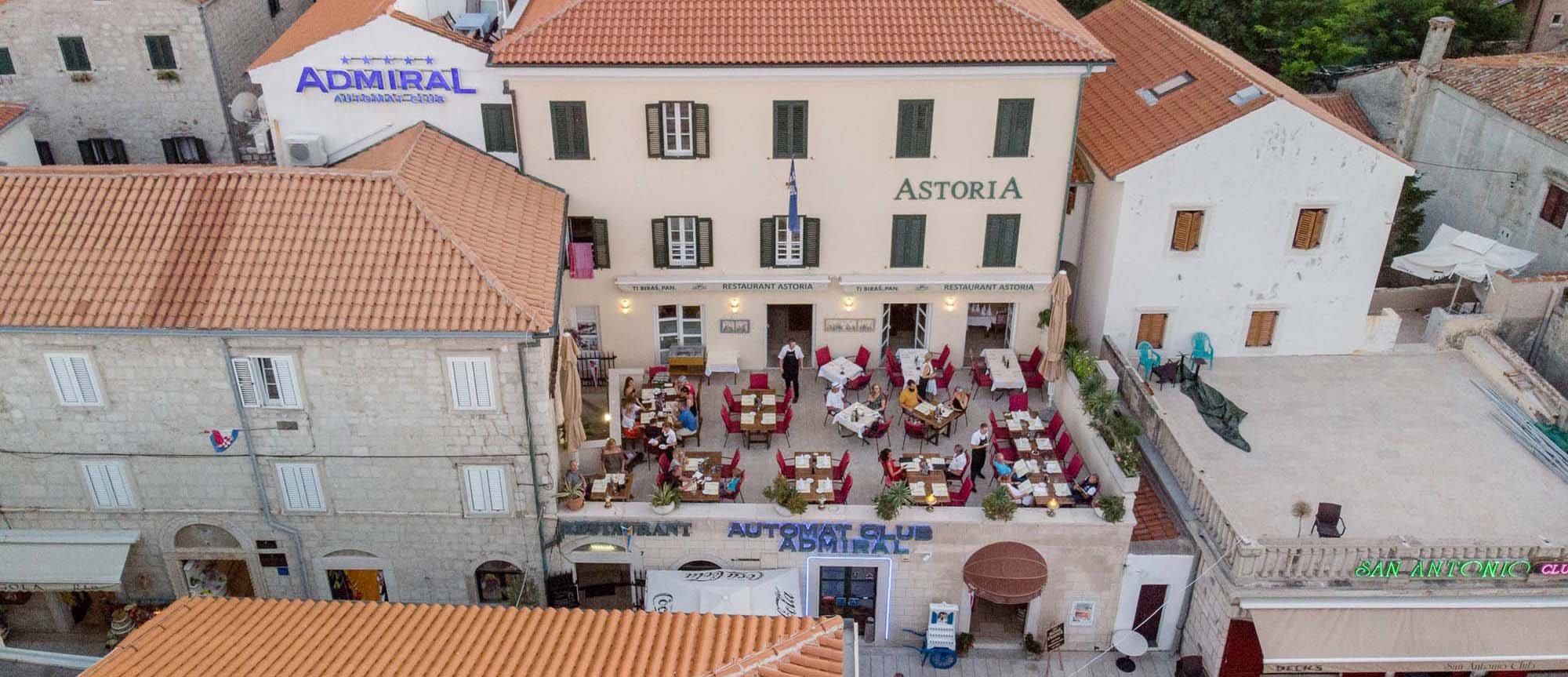
Hotels in Rab
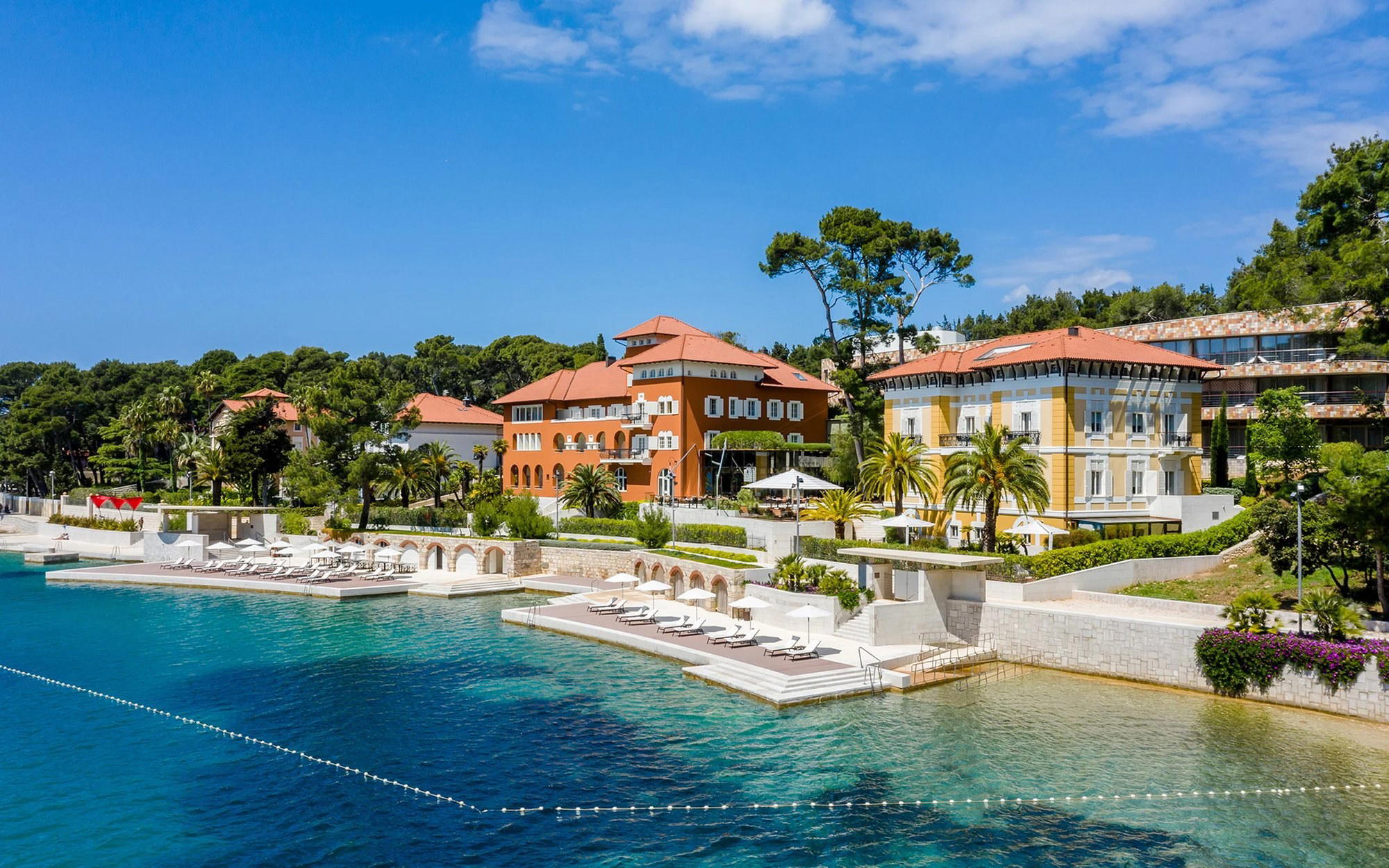
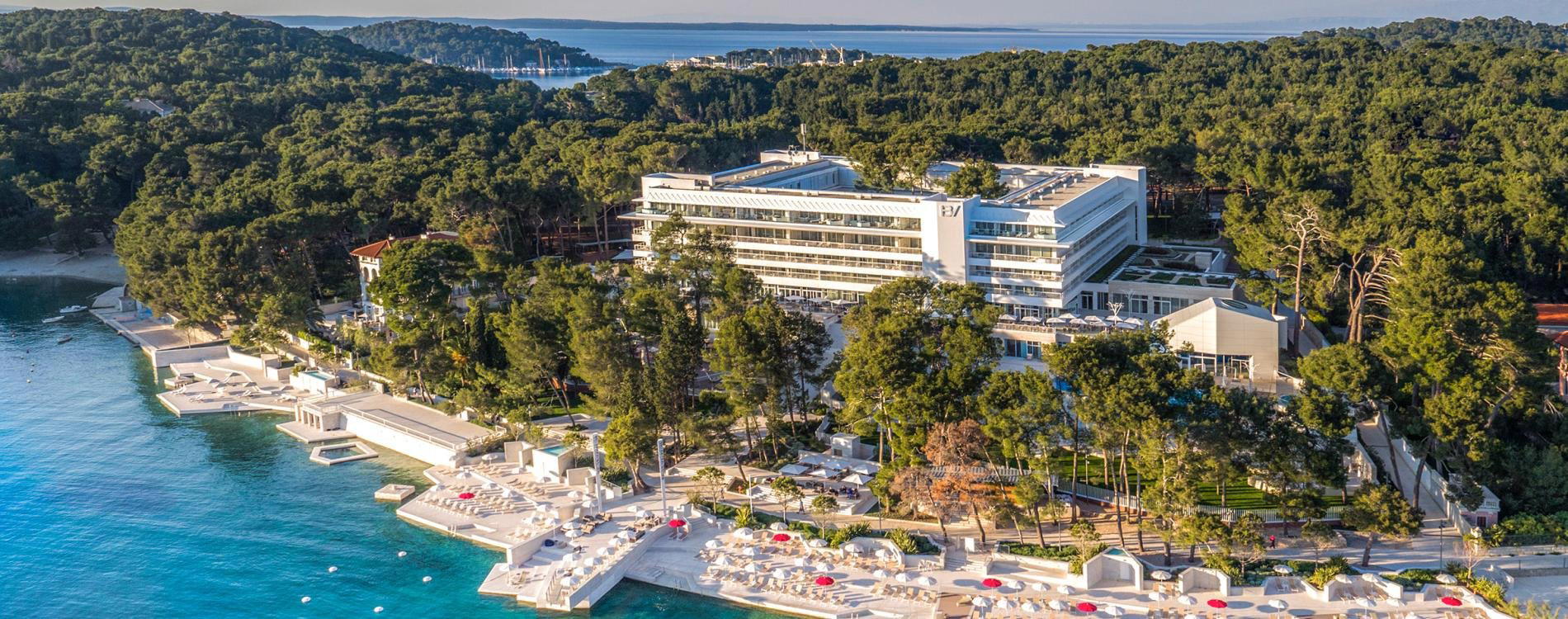
All hotels in Rab →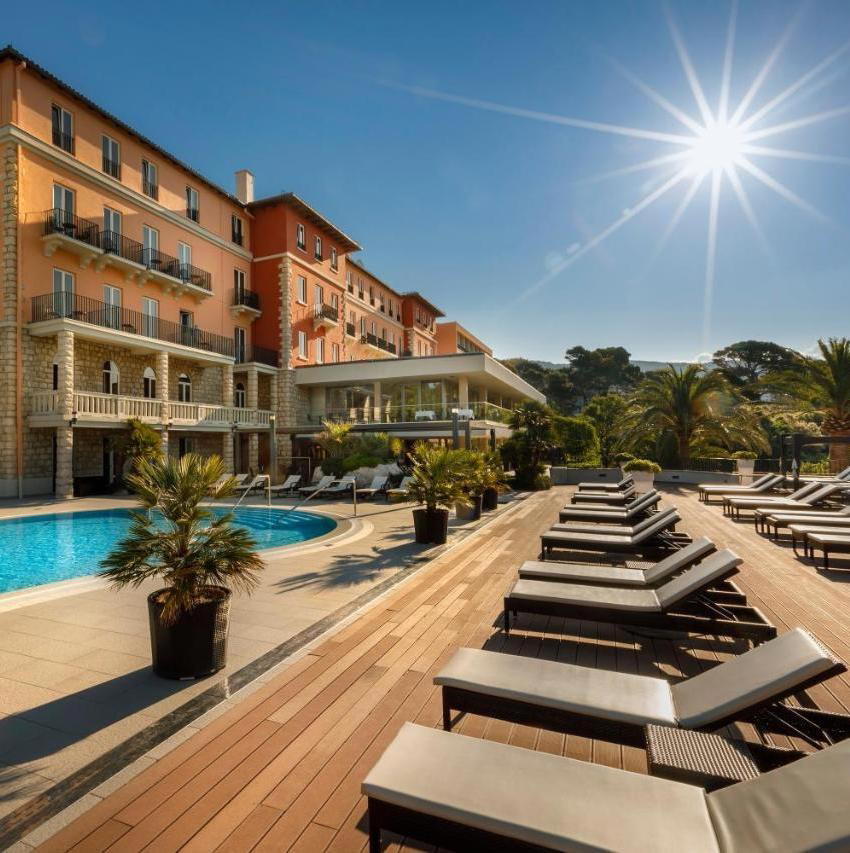

Details
- Cozy
- Rustic
- Intimate
- Casual Hangout
- Solo
- Historic Building
- Sommelier Led
- A La Carte
Current opening hours
- Monday
- 10 AM–5 PM
- Tuesday
- 10 AM–5 PM
- Wednesday
- 10 AM–5 PM
- Thursday
- 10 AM–5 PM
- Friday
- 10 AM–5 PM
- Saturday
- 10 AM–5 PM
- Sunday
- 10 AM–5 PM
Hours can change for holidays and private events. Hours as of .
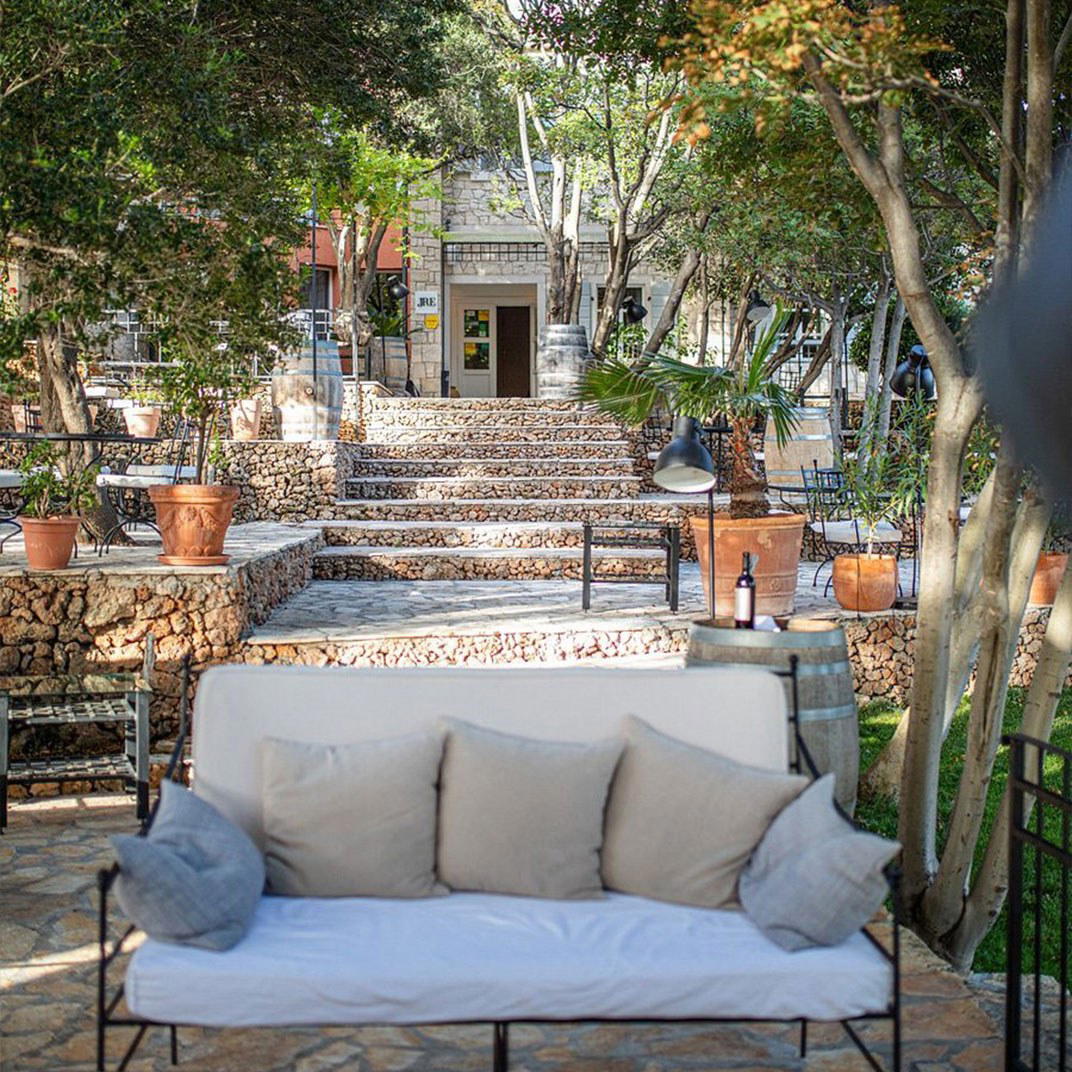
Charming and relaxing oasis in the heart of town, offering a welcoming atmosphere with genuine hospitality amid Old Town surroundings.