Our verdict
A konoba in the heart of Rab's medieval old town, Konoba Rab sits on Ul. kneza Branimira 3 and draws on the island's deep tradition of Adriatic cooking, lamb, seafood, and local wine served in a format that prioritises substance over spectacle. For visitors working through the island's dining options, it represents the konoba category at a serious level.

Pearl is the En Primeur Club membership app, where members save venues, book tables and use the concierge.
The menu
What to order
- Janjetina pod pekom
- Dried octopus
- Rab cake
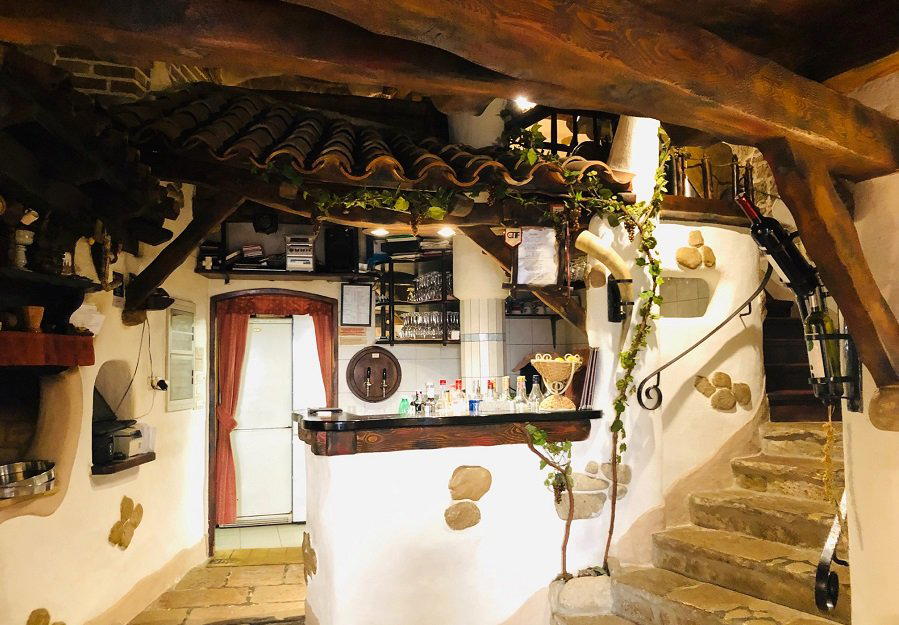
Stone Walls and the Logic of the Konoba
The konoba format is one of the Adriatic's most durable dining institutions. Part tavern, part family table, it predates the restaurant as a category and operates on a different set of assumptions: the menu follows what is local and seasonal, the room is built from materials that were already there, and the pace is set by the guest rather than the kitchen's ambition to turn tables. Rab's old town, a compact medieval quarter of limestone streets and Romanesque bell towers, is exactly the kind of place where this format survives with its logic intact. Konoba Rab, on Ul. kneza Branimira 3, sits within that context, a venue whose address places it inside one of the northern Adriatic's better-preserved historic cores.
Approaching the old town on foot from the harbour, the streets narrow quickly. The stone underfoot is worn smooth, the buildings close in, and the ambient noise drops to something approaching quiet even in summer. It is this physical environment that sets the terms for what dining here means. The konoba is not a destination removed from its surroundings; it is continuous with them.
What the Kvarner Kitchen Actually Looks Like
The island of Rab sits in the Kvarner Gulf, a body of water bounded by the Istrian peninsula to the north and the Dalmatian coast to the south. The culinary tradition here is neither purely Dalmatian nor Istrian but carries influences from both, filtered through centuries of Venetian administration and the specific conditions of island life. Protein comes from the sea and from the hills: Rab's lamb, grazed on the rocky interior, has a long local reputation, and the surrounding waters supply the kind of seafood that reaches the table within hours rather than days.
The konoba kitchen works with this material in direct ways. Slow-roasted meats, grilled fish, risottos built on Adriatic stock, and pasta forms that reflect the Italian-influenced side of the region's history. Wines from the Kvarner islands and the wider Croatian Adriatic coast accompany the food. This is not a format associated with technical innovation, it is associated with fidelity to ingredient and place, which is its own kind of discipline. Alongside Konoba Rab, other dining options in the old town include Astoria Resturant, Gonar, and the pastry-focused Kuća Rabske Torte, which together give a reasonable cross-section of what Rab's food offer looks like at the serious end of the scale.
Rab in the Wider Croatian Dining Picture
Croatia's restaurant scene has developed considerable range over the past decade. The Michelin programme, which entered Croatia in 2020, has distributed recognition across Zagreb, Split, Dubrovnik, and the Adriatic islands, validating a tier of cooking that was already present but less formally acknowledged. Pelegrini in Sibenik and Restaurant 360 in Dubrovnik represent the awarded end of the Dalmatian coast spectrum, while Agli Amici Rovinj in Rovinj and Nebo by Deni Srdoč in Rijeka anchor the Istrian and Kvarner side. Further afield, Boskinac in Novalja on the island of Pag demonstrates what a property with its own winemaking and a serious kitchen looks like in this part of the world, and Dubravkin Put in Zagreb shows how the capital's dining has consolidated around a more confident Croatian identity.
The konoba sits at a different point in this ecosystem. It is not competing with tasting-menu formats or Michelin-aspirant kitchens. Its competition is other konobes, and the relevant question is whether it executes its category with care. On that basis, Rab's dining scene, small, seasonal, and geographically specific, is worth assessing on its own terms rather than against the ambitions of the coast's more formally ambitious restaurants. For context on the island's full range, see our full Rab restaurants guide.
The pattern of serious konoba cooking extends across the Adriatic islands. LD Restaurant in Korčula and Krug in Split both illustrate how island and coastal venues can anchor themselves in local tradition while reaching a level of execution that draws visitors specifically. Alfred Keller in Mali Lošinj, on a neighbouring Kvarner island, provides a useful peer reference for what premium dining looks like in this part of the Croatian coast. Away from the Adriatic, Korak in Jastrebarsko demonstrates the inland Croatian tradition running parallel to the coast's seafood focus. Bodulo in Pag and BioMania Bistro Bol in Bol round out the island dining picture across the region.
Planning Your Visit
Rab is a seasonal destination. Summer months from June through August bring significant visitor numbers to the old town, and the island's dining options compress into a relatively small geographic area. Booking ahead for konoba tables during peak season is advisable, the format may be informal, but capacity in old-town Rab is finite, and the better rooms fill. Shoulder season, particularly May and September, offers the same physical setting with considerably less competition for tables and a quieter experience of the town itself. Konoba Rab's address at Ul. kneza Branimira 3 places it within the walled old town, reachable on foot from the main harbour in a few minutes. The island connects to the mainland via ferry from Jablanac, and the journey is one of the shorter crossings in the Kvarner system.
For visitors comparing Rab's dining to what is available in larger Croatian cities or at the formally recognised end of the national restaurant scene, the reference points are different. The format here is not about tasting menus or wine pairing programmes. It is about a kitchen working with Rab lamb, local seafood, and Kvarner wine in a room that has been doing exactly this for a long time. That consistency is what the konoba category offers, and it is the most useful lens through which to assess the experience.
Frequently asked questions
Where exactly is Konoba Rab?
Konoba Rab is located at Ul. kneza Branimira 3, 51280, Rab, Croatia, Rab.
What makes dining at a konoba in Rab's old town different from a standard Croatian restaurant?
The konoba format is structurally distinct from the contemporary Croatian restaurant: it functions closer to a family-run tavern, with menus shaped by daily availability rather than fixed printed cards. Rab's old town, where Konoba Rab operates at Ul. kneza Branimira 3, is one of the Adriatic's better-preserved medieval settlements, which shapes the physical context of the meal in ways a modern dining room cannot replicate. The Kvarner Gulf surroundings also give the kitchen direct access to a specific marine larder that differs from Dalmatian coast venues further south.
What do regulars order at Konoba Rab?
The konoba format in the Kvarner Gulf is built around what the sea and the island's interior produce. On Rab, that typically means locally caught fish, lamb from the island's scrubland, and shellfish from the surrounding Kvarner waters. Specific dishes at Konoba Rab on Ul. kneza Branimira 3 are best confirmed directly when you visit, as menus in this format shift with season and supply.
Should I book Konoba Rab in advance?
Rab is a seasonal destination, and the old town sees considerable pressure between June and August. Konoba-style venues at that address fill quickly during peak summer weeks, so booking ahead is the safer approach for evening sittings. Outside high season, walk-ins are more realistic, but confirming availability beforehand saves the trip.
What has Konoba Rab built its reputation on?
The konoba as an institution predates the modern restaurant category across the Adriatic, and venues operating under that format anchor their standing in consistency and local sourcing rather than tasting-menu ambition. Konoba Rab sits in Rab's old town at Ul. kneza Branimira 3, positioning it within one of Croatia's most historically layered island settlements. Its reputation rests on the format itself: honest cooking drawn from the Kvarner kitchen.
How does Konoba Rab handle allergies?
No specific allergy policy is documented for Konoba Rab. Traditional konoba kitchens work with a relatively focused range of ingredients tied to local produce, but anyone with dietary requirements should raise them directly with the venue before ordering, as no contact details are currently listed in public records for this address.
Is Konoba Rab good value for money?
Croatian konoba dining sits at the accessible end of the country's restaurant spectrum, especially outside Michelin-tracked venues in Zagreb, Split, and Dubrovnik. Konoba Rab on Rab island operates in a format where the value proposition is tied to fresh, locally sourced Kvarner ingredients rather than elaborate service structures. No price range is formally documented, so expect to confirm costs on arrival or by visiting the address directly.
Cost Snapshot
Comparable venues nearby, for context on price, style, and recognition.
| Venue | Cuisine | Price | Notes |
|---|---|---|---|
| Konoba RabThis venue (the venue you are viewing) | Traditional Croatian Seafood & Peka | $20–30 | Not listed |
| Astoria Resturant | Mediterranean Seafood with Croatian Tradition | $50–100 | Rab Town, Mediterranean Seafood with Croatian Tradition |
| Kuća Rabske Torte | Traditional Croatian Rab Cake (Rapska Torta) | Not listed | Old Town, Traditional Croatian Rab Cake (Rapska Torta) |
| Gonar | Traditional Croatian Mediterranean Seafood | $20–30 | Supetarska Draga, Traditional Croatian Mediterranean Seafood |
| Konoba Bukaleta | Traditional Croatian Lamb Konoba | $20–30 | Loznati, Traditional Croatian Lamb Konoba |
| Konoba Tri Maruna | Traditional Croatian Konoba | $20–30 | Poljica, Traditional Croatian Konoba |
Continue exploring
More in Rab
Restaurants in Rab
All restaurants in Rab →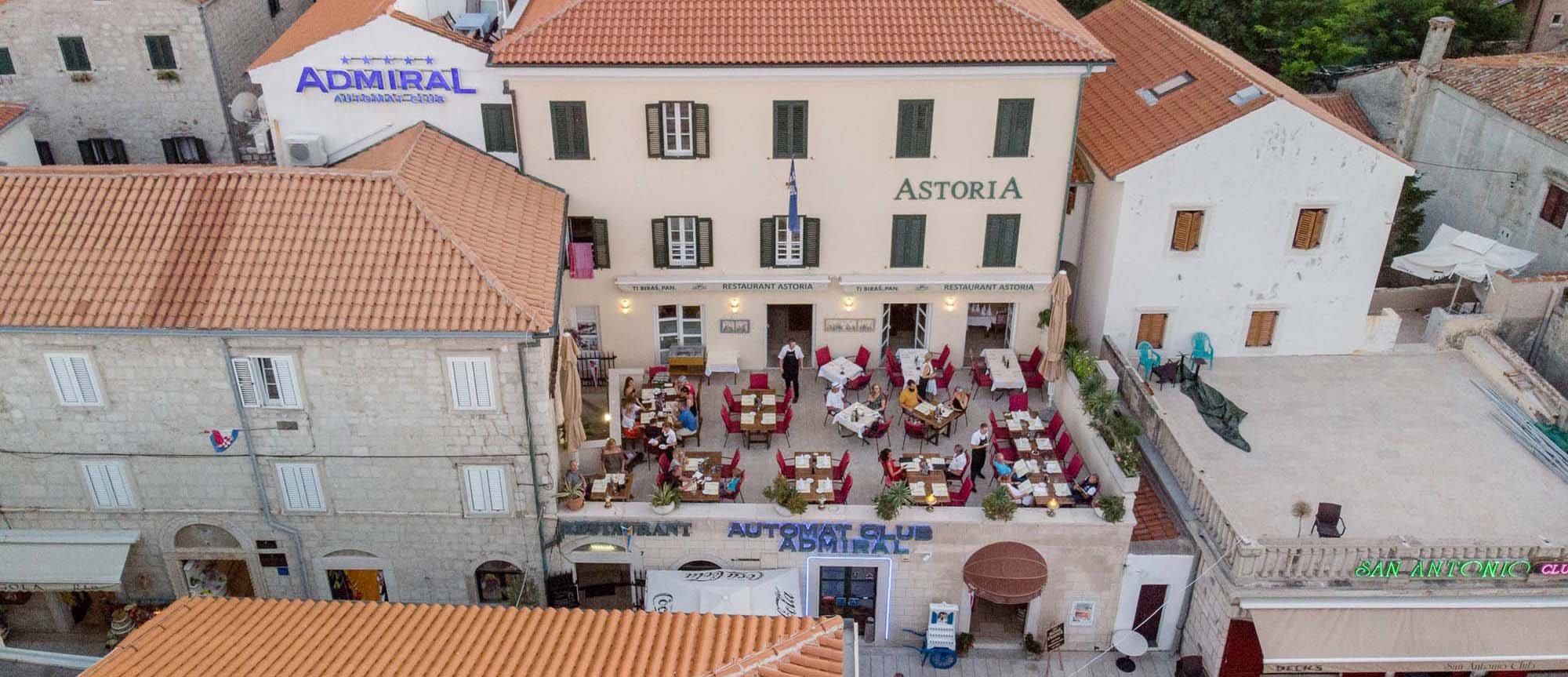
Hotels in Rab
All hotels in Rab →

Details
- Rustic
- Cozy
- Classic
- Family
- Casual Hangout
- Historic Building
- Local Sourcing
- A La Carte
Current opening hours
- Monday
- 10 AM–2 PM, 5–11 PM
- Tuesday
- 10 AM–2 PM, 5–11 PM
- Wednesday
- 10 AM–2 PM, 5–11 PM
- Thursday
- 10 AM–2 PM, 5–11 PM
- Friday
- 10 AM–2 PM, 5–11 PM
- Saturday
- 10 AM–2 PM, 5–11 PM
- Sunday
- 5–11 PM
Hours can change for holidays and private events. Hours as of .
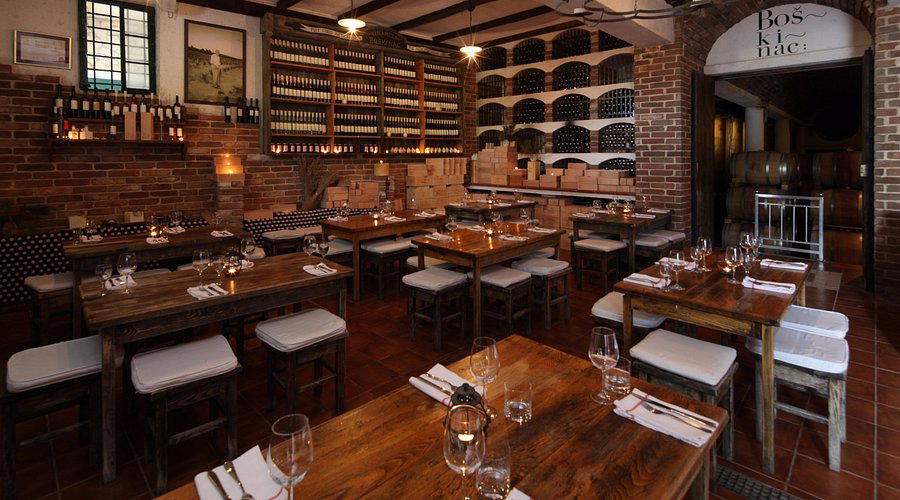
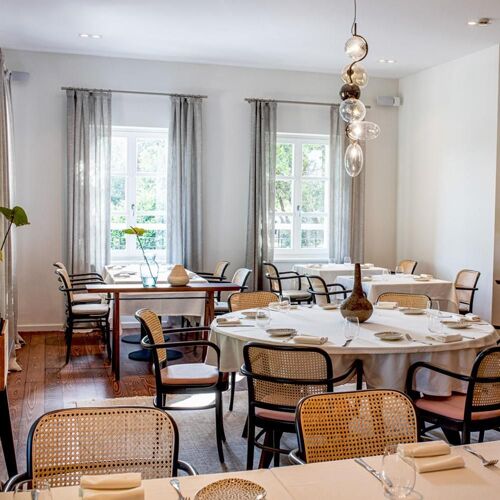
Bare-brick and dark-wood tavern interior creating a cozy, rustic atmosphere in a hidden alley of the old town.