Our verdict
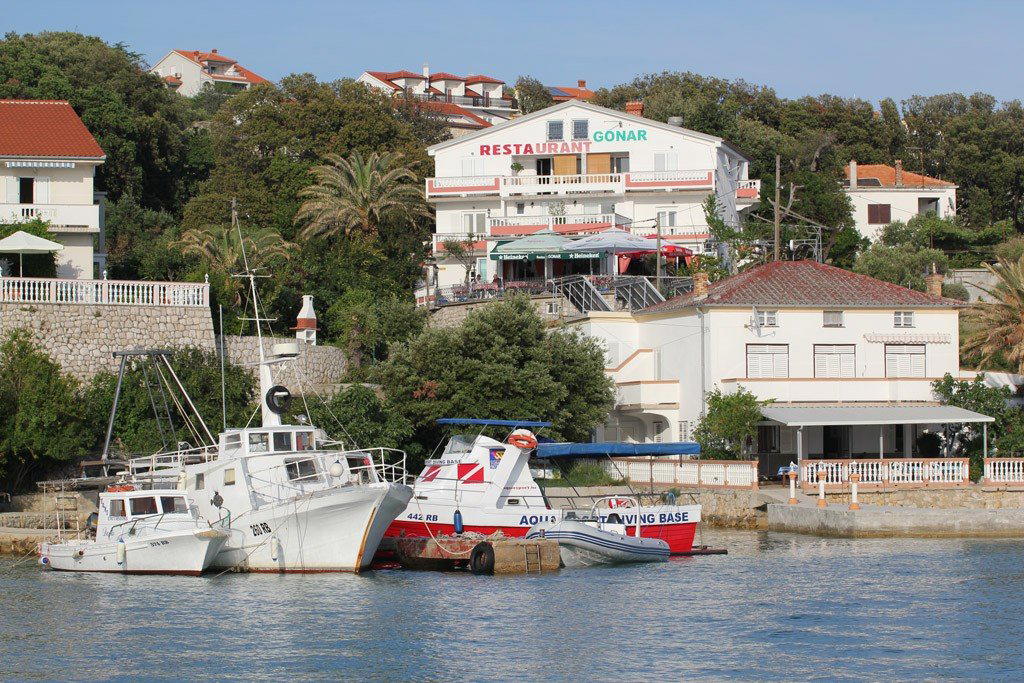
Located in Supetarska Draga on the island of Rab, Gonar sits within a coastal Croatian setting where the Adriatic fishing tradition and Kvarner Bay produce form the backbone of local dining. The restaurant draws visitors seeking the kind of grounded, place-specific cooking that the island's quieter northern shore has long supported, away from Rab Town's more tourist-facing strip.

Pearl is the En Primeur Club membership app, where members save venues, book tables and use the concierge.
Supetarska Draga and the Case for Dining Off the Main Drag
Rab's restaurant scene divides cleanly along geographic lines. Rab Town, with its medieval campaniles and summer crowds, concentrates most of the island's tourist-facing dining: places built around terrace views, broad menus, and high seasonal turnover. The village of Supetarska Draga, on the island's northwestern shore, operates on a different register. Its harbour is smaller, its visitor profile quieter, and the dining that survives there tends to be rooted in the kind of local-supply logic that the Kvarner Bay makes possible: fresh fish landed close by, lamb from the island's interior, and produce shaped by the bora wind and limestone terrain that define this part of the Adriatic coast.
Gonar sits at Supetarska Draga 328, which places it directly within that quieter northern settlement rather than in the more trafficked centre of Rab Town. That address is itself a kind of editorial signal. Restaurants that establish themselves in lower-footfall Adriatic villages either survive on repeat local custom, on word-of-mouth from returning visitors, or on a combination of the two. The tourist walk-in economy that sustains Rab Town's busier streets doesn't reach Supetarska Draga with the same force, which means the dining that persists there tends to be more considered in its relationship to supply and audience.
Kvarner Bay Cooking: What the Region Actually Produces
Croatia's Kvarner Bay occupies a specific position in the country's culinary geography. It sits between the Istrian peninsula to the northwest, which has developed an increasingly prominent fine-dining reputation through restaurants like Agli Amici Rovinj in Rovinj and EatIstria in Pluj, and the Dalmatian coast to the south, where venues such as Pelegrini in Sibenik and LD Restaurant in Korčula have drawn international critical attention. The Kvarner islands occupy a middle position: less institutionally recognised than either neighbour, but producing ingredients of serious quality.
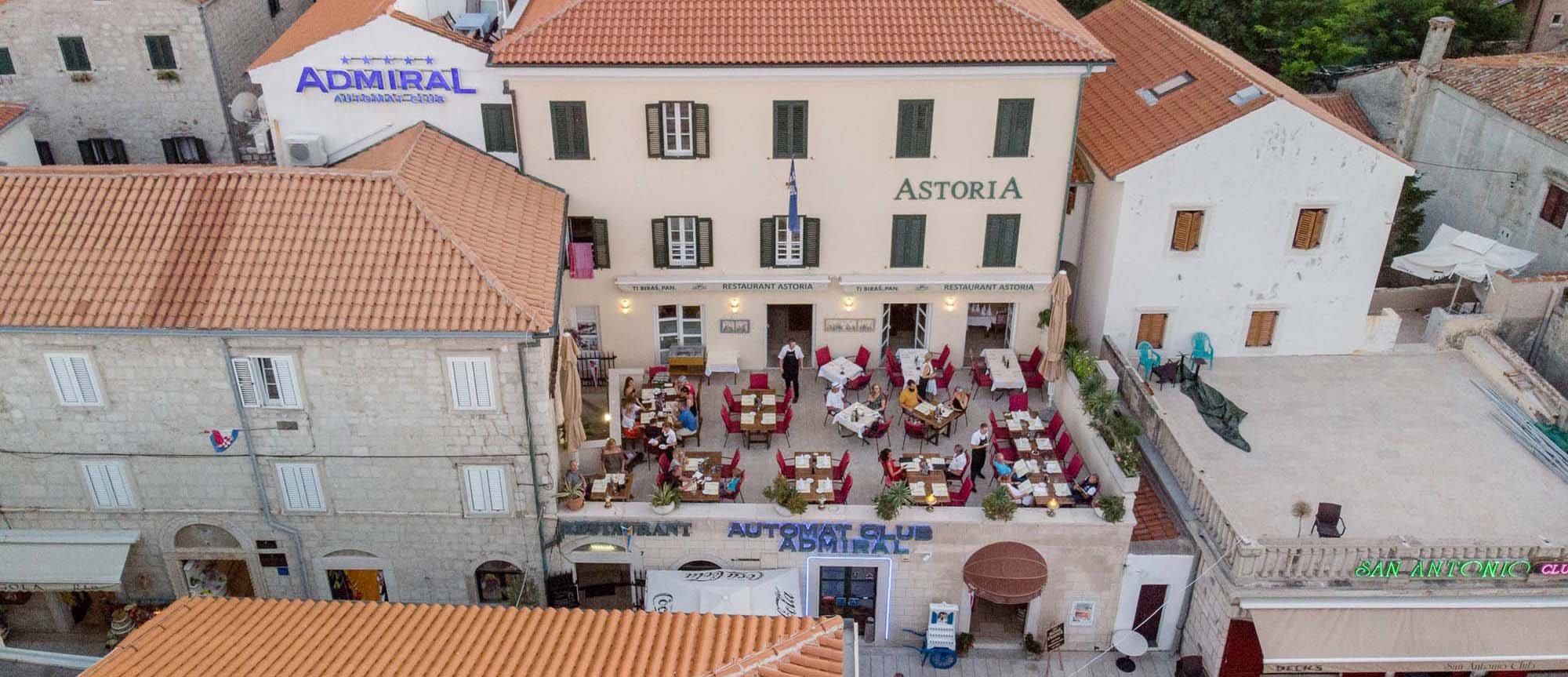
Rab lamb, known locally as janjetina s otoka Raba, carries a distinct character from the island's herb-covered limestone terrain and the salt-bearing winds that cross it. Kvarner scampi, fished from the bay's deeper channels, are among the most cited shellfish in Croatian culinary discussion, appearing on menus at restaurants far beyond the region. The bay's fish, dentex, sea bass, and various bream varieties, move from local boats to local tables with minimal intermediate steps in a well-functioning supply chain that is one of the Croatian coast's genuine structural advantages over more landlocked European dining scenes. On Rab itself, Konoba Rab and Astoria Resturant both draw on this same supply base, as does the more dessert-focused Kuća Rabske Torte, which centres on the island's celebrated honeycake tradition.
The broader Croatian island dining scene has been developing at pace. Boskinac in Novalja, on nearby Pag, has built a hospitality model that integrates accommodation, winery, and restaurant around local produce. On the mainland, Nebo by Deni Srdoč in Rijeka and Korak in Jastrebarsko represent the kind of technique-led approach that has earned Croatia increasing recognition in European fine-dining circuits. Gonar operates in a different register from these: a Supetarska Draga address points toward the konoba tradition rather than the fine-dining format, though the two categories have been blurring along the Croatian coast for the better part of a decade.
The Konoba Tradition and What It Means in Practice
The konoba as a format carries specific cultural weight in Croatian coastal life. Originally a storage cellar or simple tavern, the konoba evolved into the dominant mode of family-run coastal dining: stone walls, direct sourcing, grilled and slow-cooked preparations, and a menu that reflects what arrived from the sea or the land that morning rather than what was designed for photogenic plating. It is the format through which most Adriatic islanders have always eaten well, and it sits in deliberate contrast to the hotel-restaurant model that international tourists sometimes default toward.
At its most functional, the konoba format provides something that coastal fine-dining cannot fully replicate: immediacy. A fish grilled the same afternoon it was caught, dressed with local olive oil and a wedge of lemon, requires no elaborate technique to be compelling. The intelligence is in the sourcing and the timing, not the kitchen intervention. Croatia's most internationally recognised dining addresses, from Restaurant 360 in Dubrovnik to Dubravkin Put in Zagreb, operate with a very different set of priorities. Both modes have legitimate claims on the visitor's attention; they are answering different questions.
Supetarska Draga's position outside the main tourist circuit means that a restaurant operating there functions closer to the konoba's original logic than to its more curated contemporary iterations. The audience includes local residents, returning visitors with established relationships to the village, and travellers who have specifically sought out the quieter northern shore rather than arriving by default. That audience shapes what a kitchen needs to do and how it calibrates its offer.
Planning a Visit to Gonar
Gonar's address in Supetarska Draga is accessible from Rab Town by road, a distance manageable by taxi, rental vehicle, or bicycle depending on the visitor's preference and the summer heat. The village is also served by local boat connections during peak season, which makes it reachable from the water as well as by land. For broader context on what Rab's dining scene offers across different formats and price points, the full Rab restaurants guide provides a mapped overview. Those planning wider coastal itineraries may also find value in the editorial coverage of Alfred Keller in Mali Lošinj, which represents a different approach to Kvarner island dining, or Krug in Split and San Rocco in Brtonigla for comparison across the broader Croatian coastal range. For international reference points in seafood-led dining far beyond the Adriatic, Le Bernardin in New York City and Lazy Bear in San Francisco illustrate how different culinary traditions approach produce-first cooking at the highest end of their respective markets.
Frequently asked questions
Where do I go for Gonar?
Gonar is located at îSupetarska Draga 328, 51280, Supetarska Draga, Croatia, Rab.
Is Gonar in Supetarska Draga suitable for a special occasion dinner on Rab island?
For visitors who want a meal away from Rab Town's summer bustle, Supetarska Draga offers a noticeably quieter setting, and Gonar at address Supetarska Draga 328 is positioned within that village rather than along the main tourist strip. The konoba format in Kvarner Bay generally means a more personal, unhurried pace than a formal restaurant, which suits a relaxed occasion rather than a high-ceremony dinner. Those seeking specific dress codes or set tasting menus should confirm details directly before visiting.
What do people recommend at Gonar?
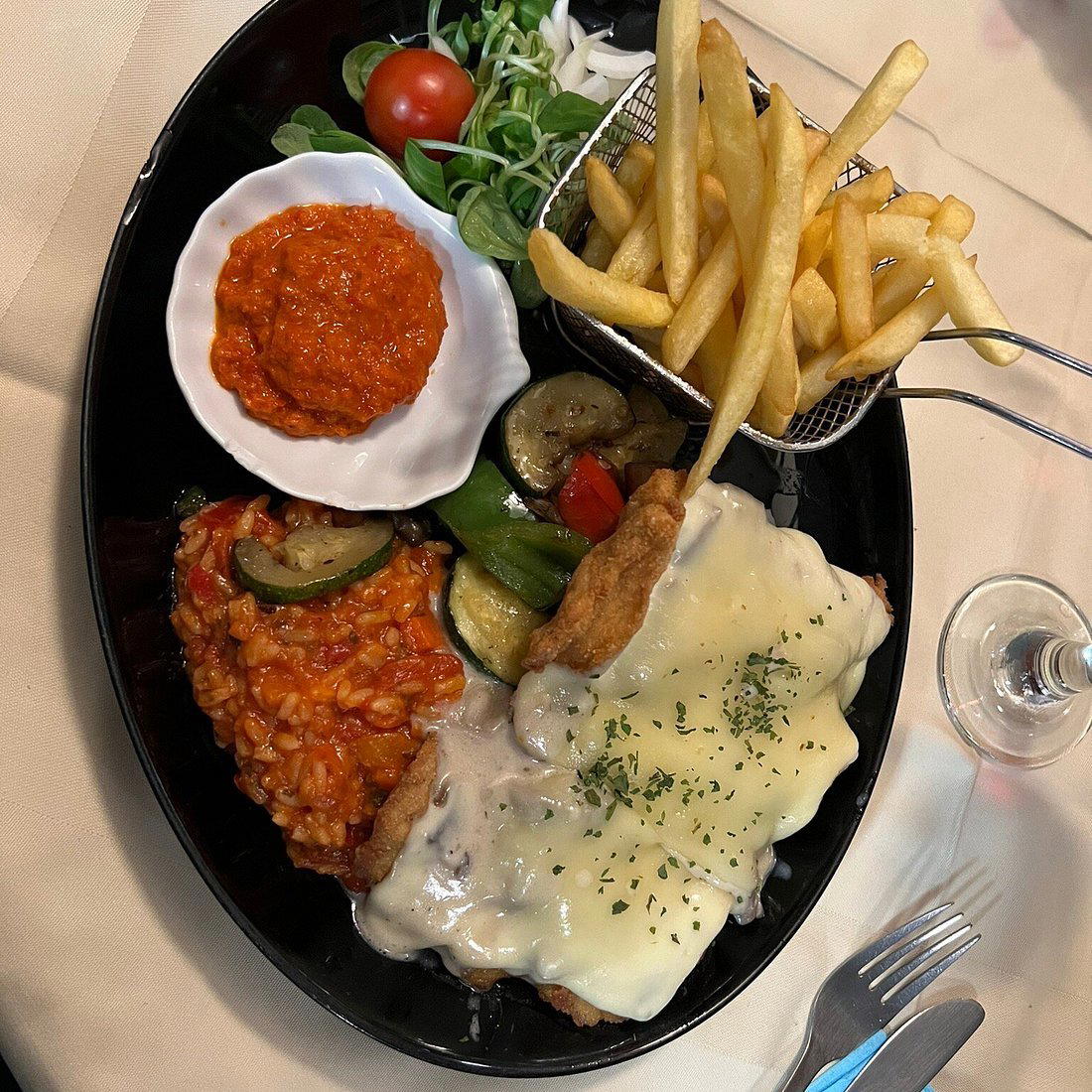
Gonar sits in Supetarska Draga on the island of Rab, placing it squarely within Kvarner Bay's seafood corridor. The region produces scampi, oily-fleshed fish from cold northern Adriatic waters, and lamb raised on the island's karst interior, and konobas in this part of Croatia typically anchor their menus to whichever of these is freshest that day. Specific dishes are not published in advance, arrive with the expectation that the kitchen's offer reflects the catch and season.
Should I book Gonar in advance?
Supetarska Draga draws far smaller crowds than Rab Town, which works in the visitor's favour outside July and August. During peak summer, when the island's population multiplies and ferry traffic increases significantly, securing a table ahead of arrival is sensible for any sit-down restaurant in the area. Gonar's contact details are not publicly listed, so the most reliable approach is to ask your accommodation in Rab to make enquiries locally.
What do critics highlight about Gonar?
Gonar does not currently carry Michelin, Gault&Millau;, or 50 Best recognition in publicly available award records. What draws attention to konobas in this part of Croatia is less individual accolade and more the format itself: small, operator-run rooms that source from a defined local geography rather than a broader supply chain. Gonar's position in Supetarska Draga, away from the concentrated restaurant competition of Rab Town, keeps it oriented toward that tradition.
Price and Recognition
Comparable venues nearby, for context on price, style, and recognition.
| Venue | Cuisine | Price | Notes |
|---|---|---|---|
| GonarThis venue (the venue you are viewing) | Traditional Croatian Mediterranean Seafood | $20–30 | Not listed |
| Kuća Rabske Torte | Traditional Croatian Rab Cake (Rapska Torta) | Not listed | Old Town, Traditional Croatian Rab Cake (Rapska Torta) |
| Konoba Rab | Traditional Croatian Seafood & Peka | $20–30 | Rab Town, Traditional Croatian Seafood & Peka |
| Astoria Resturant | Mediterranean Seafood with Croatian Tradition | $50–100 | Rab Town, Mediterranean Seafood with Croatian Tradition |
| Lucija | Croatian Mediterranean Seafood | $20–30 | Povile, Croatian Mediterranean Seafood |
| Restaurant Pineta | Dalmatian Mediterranean | $20–30 | Kozino, Dalmatian Mediterranean |
Continue exploring
More in Rab
Restaurants in Rab
All restaurants in Rab →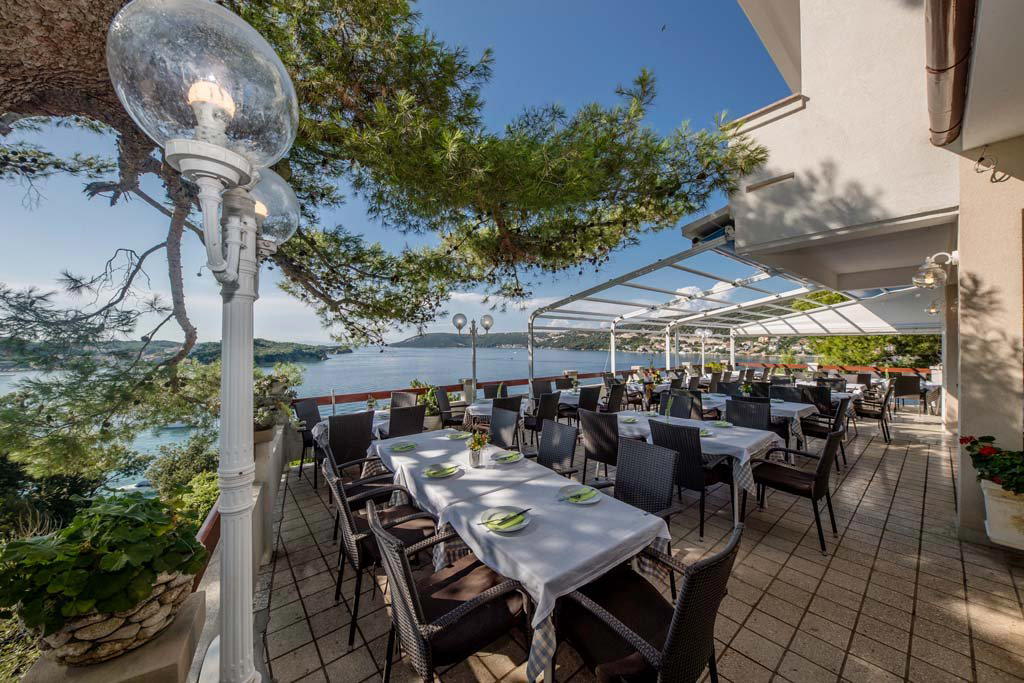

Details
- Rustic
- Cozy
- Scenic
- Intimate
- Family
- Date Night
- Casual Hangout
- Terrace
- Waterfront
- Local Sourcing
- Waterfront
- A La Carte
- Vegetarian Friendly
Current opening hours
- Monday
- 12–11 PM
- Tuesday
- 12–11 PM
- Wednesday
- 12–11 PM
- Thursday
- 12–11 PM
- Friday
- 12–11 PM
- Saturday
- 12–11 PM
- Sunday
- 12–11 PM
Hours can change for holidays and private events. Hours as of .
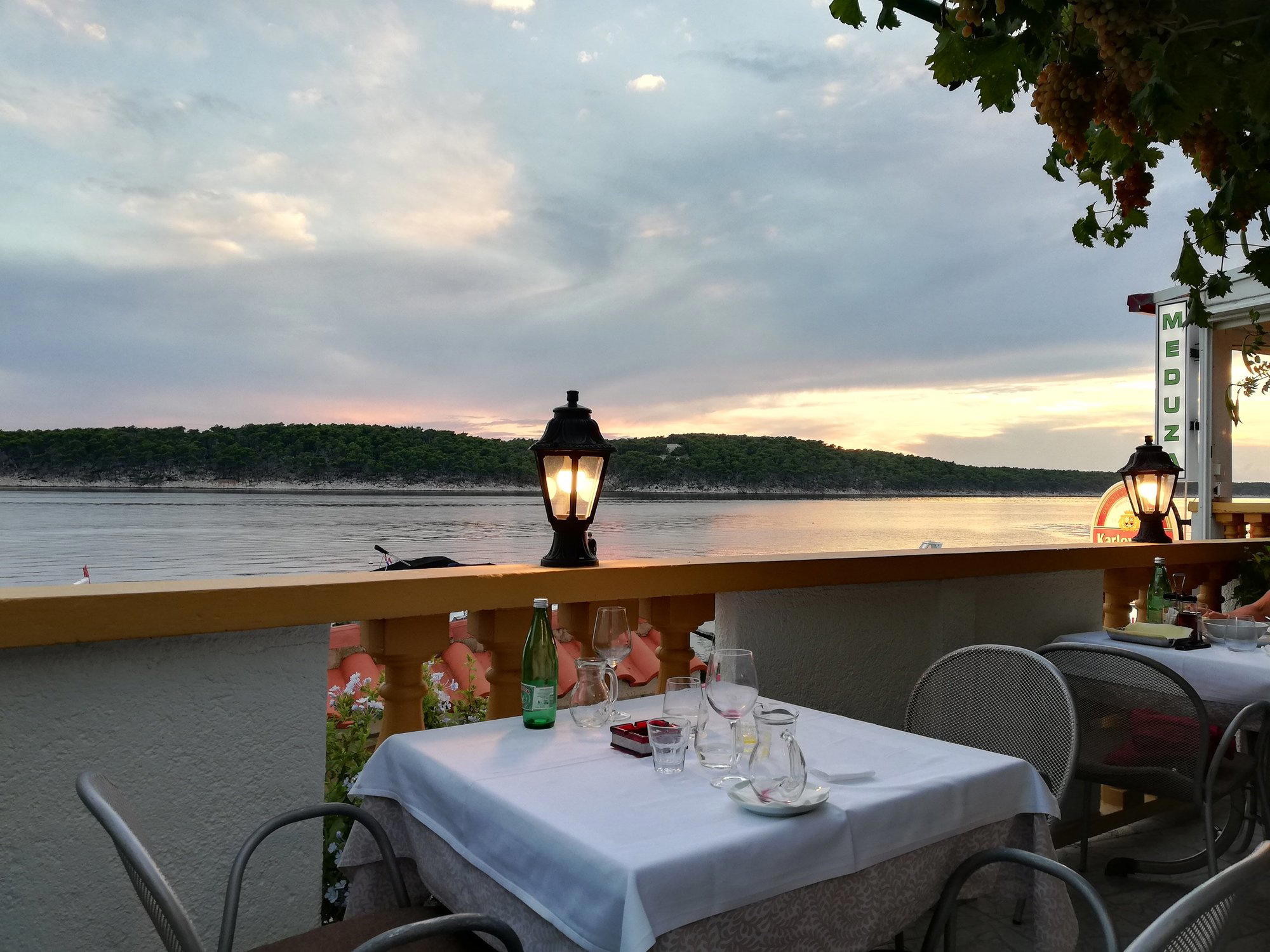
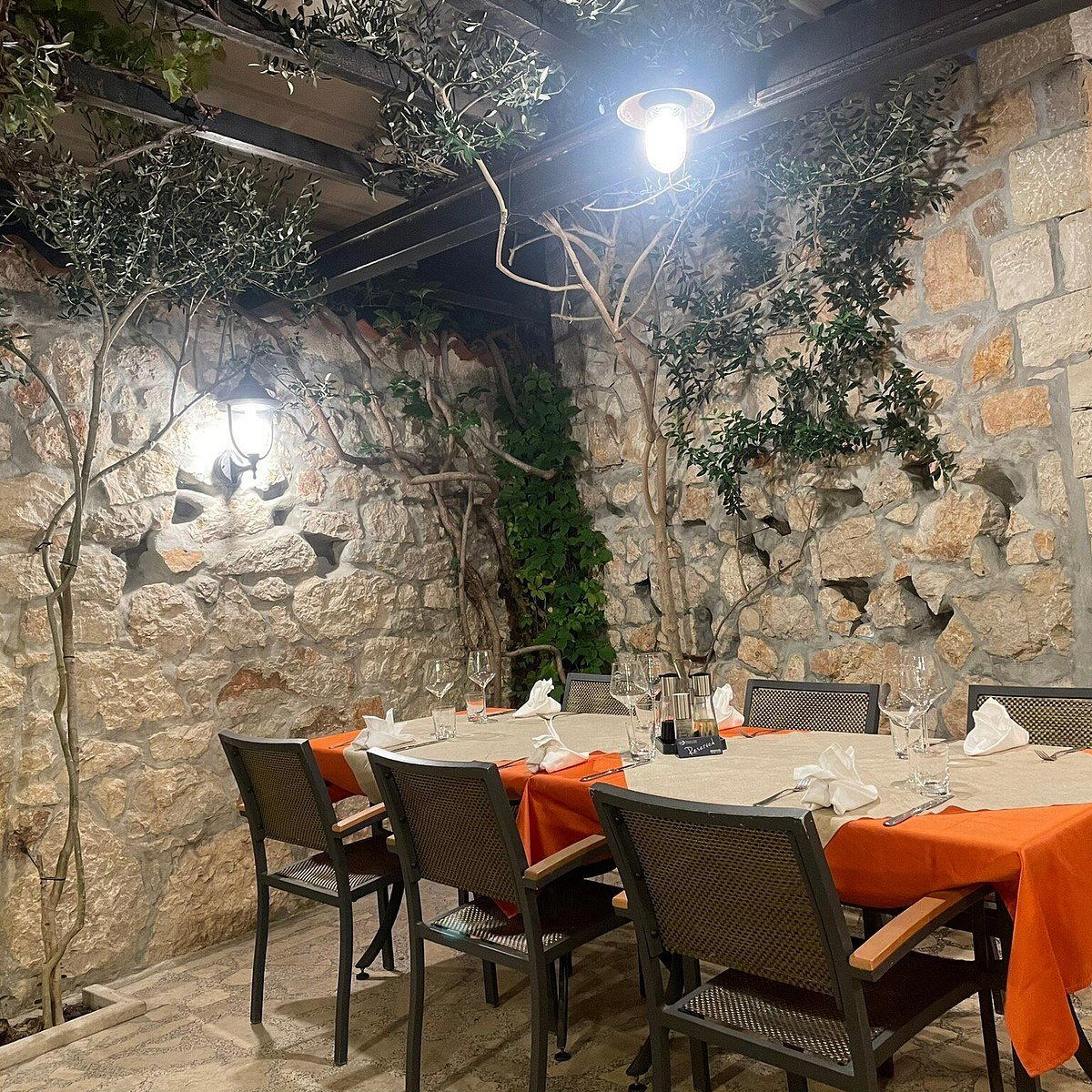
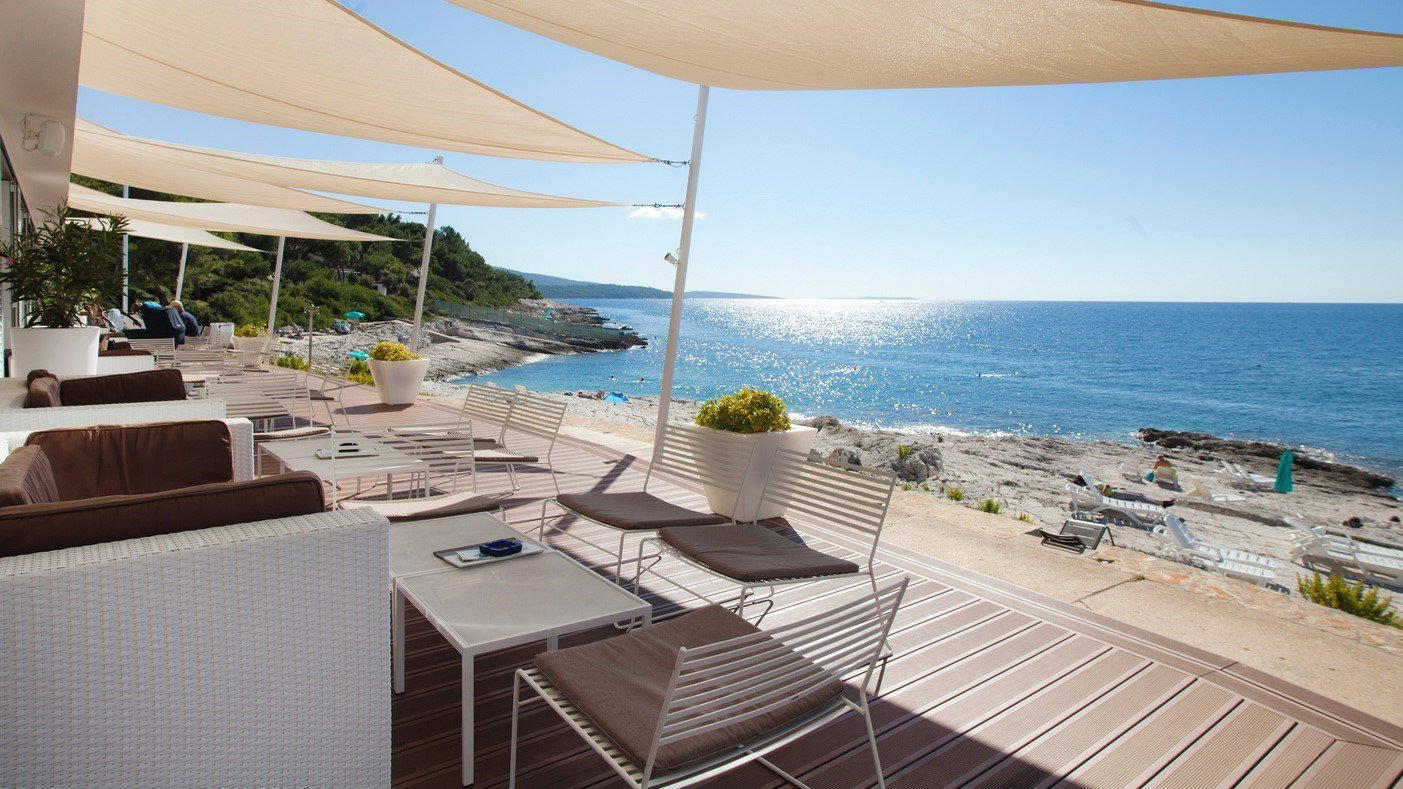
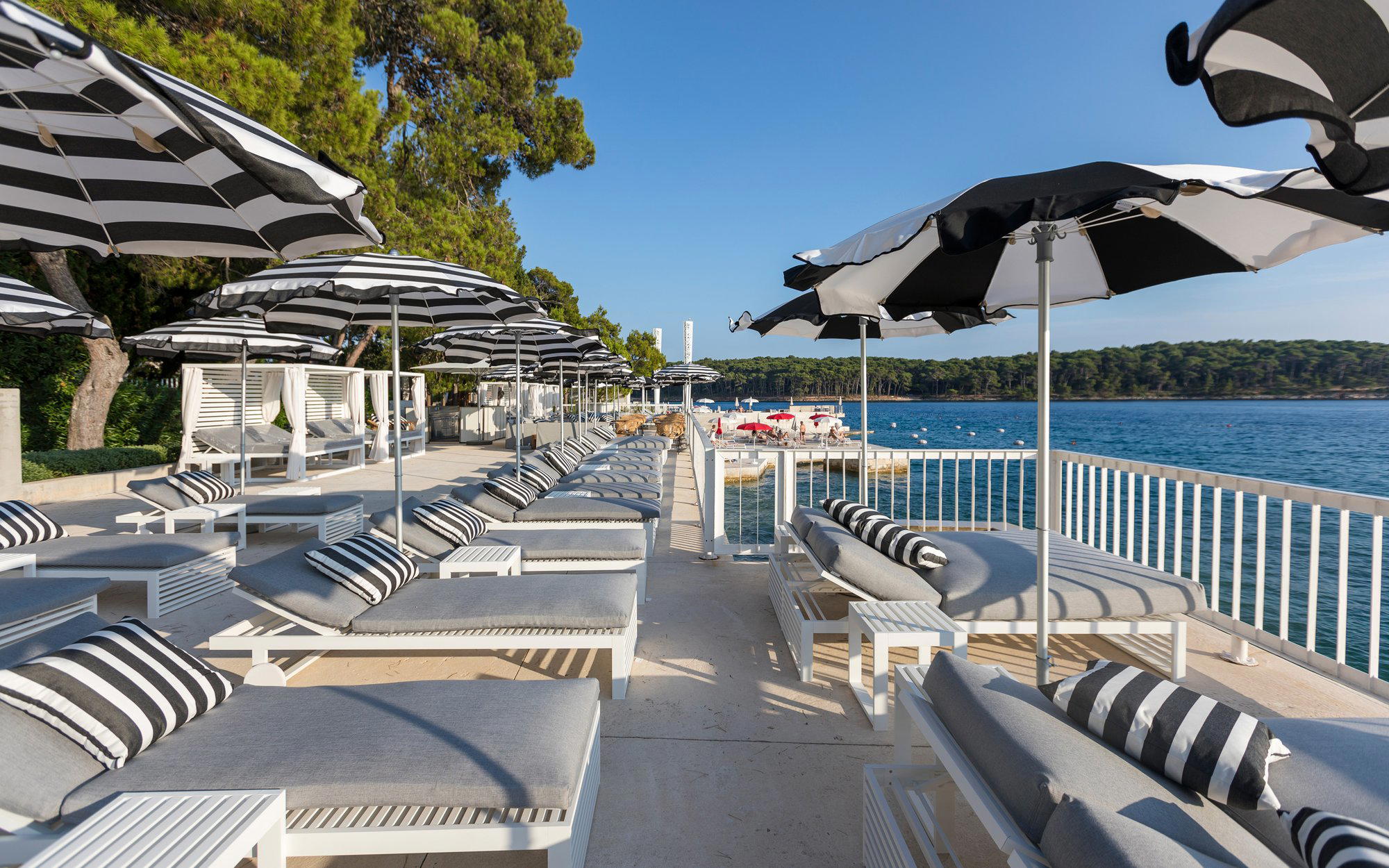
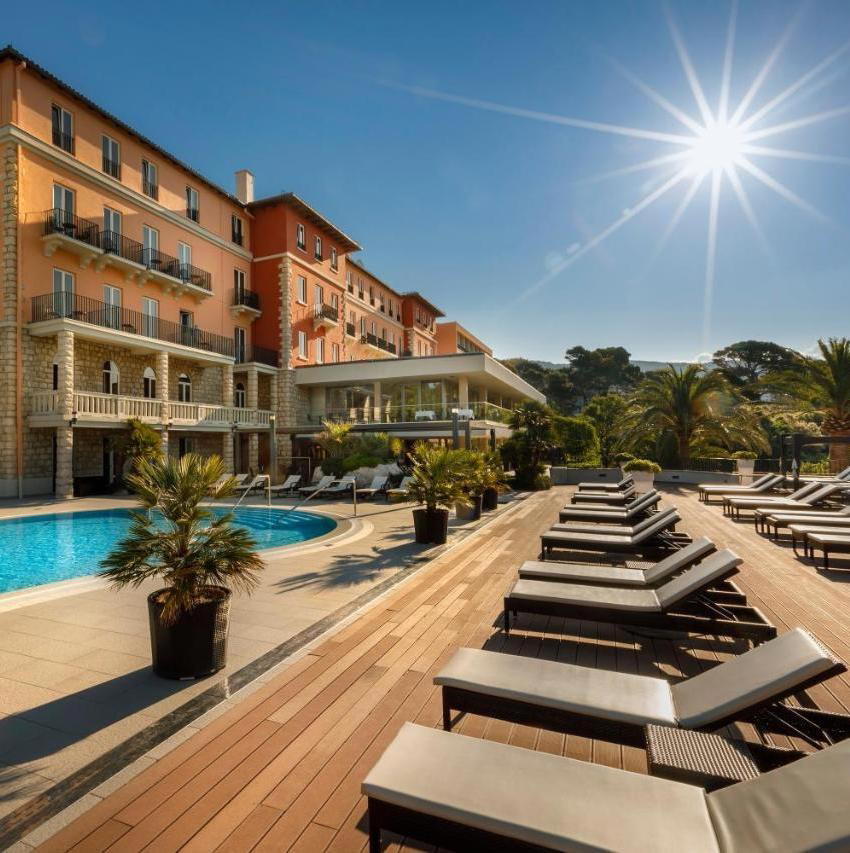
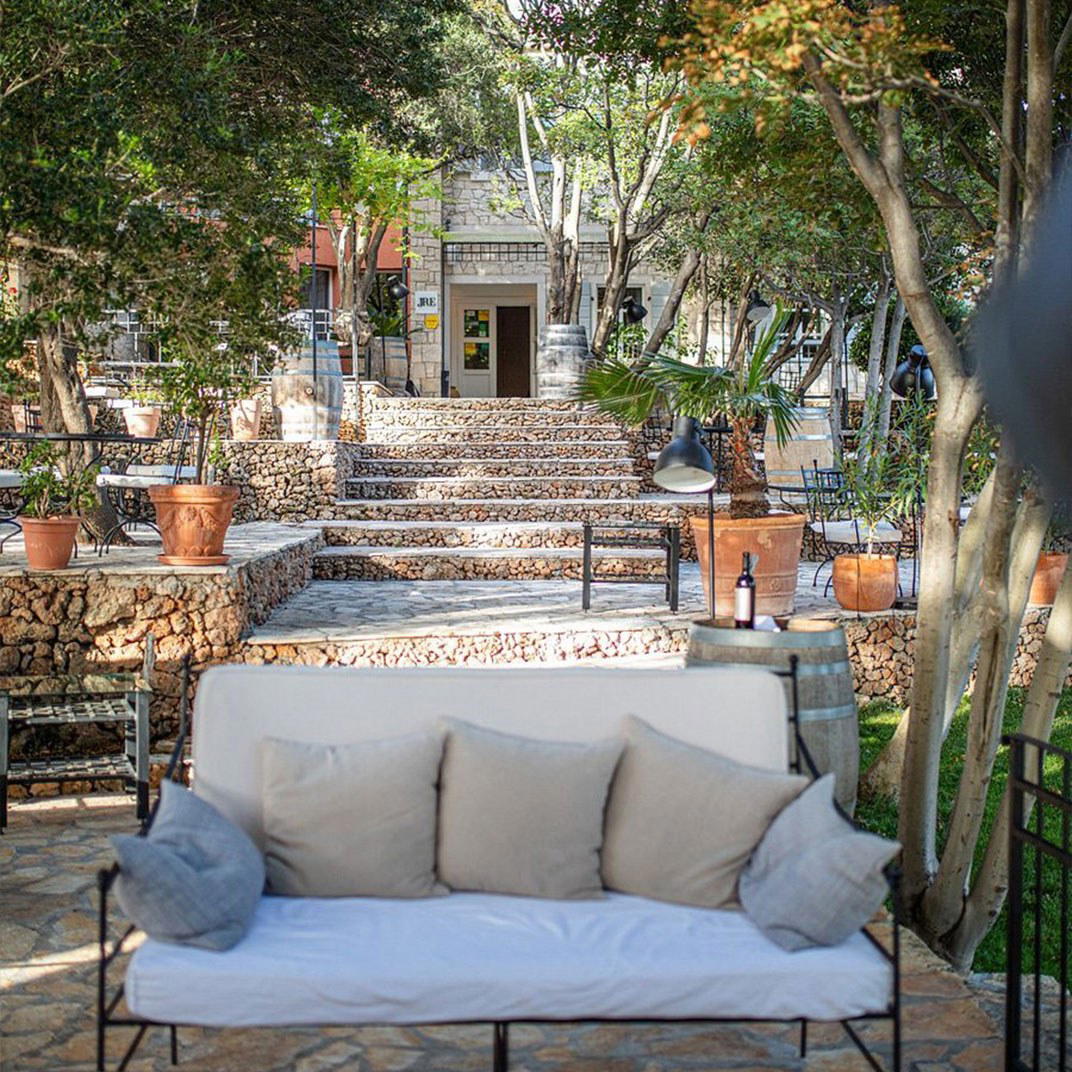
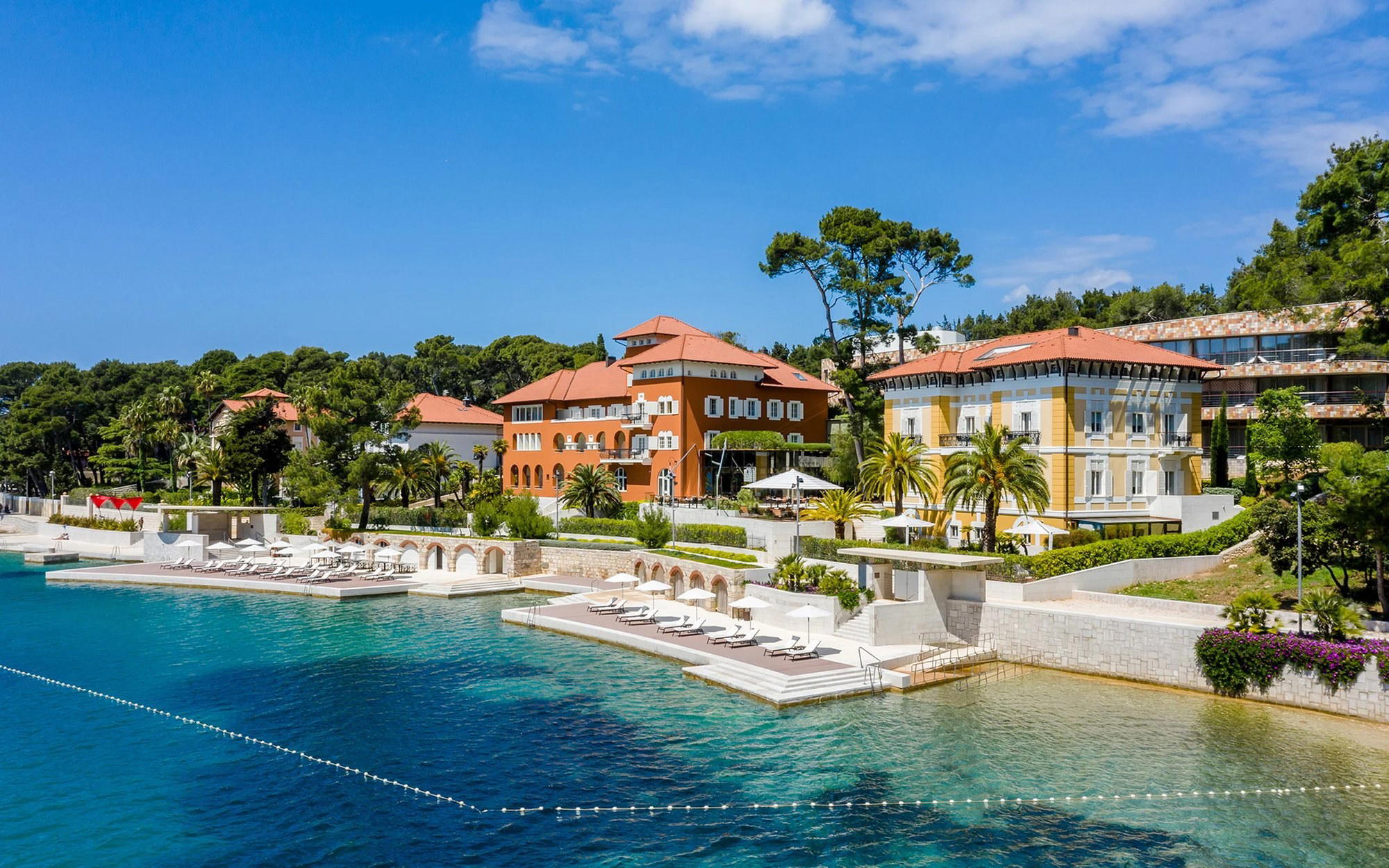
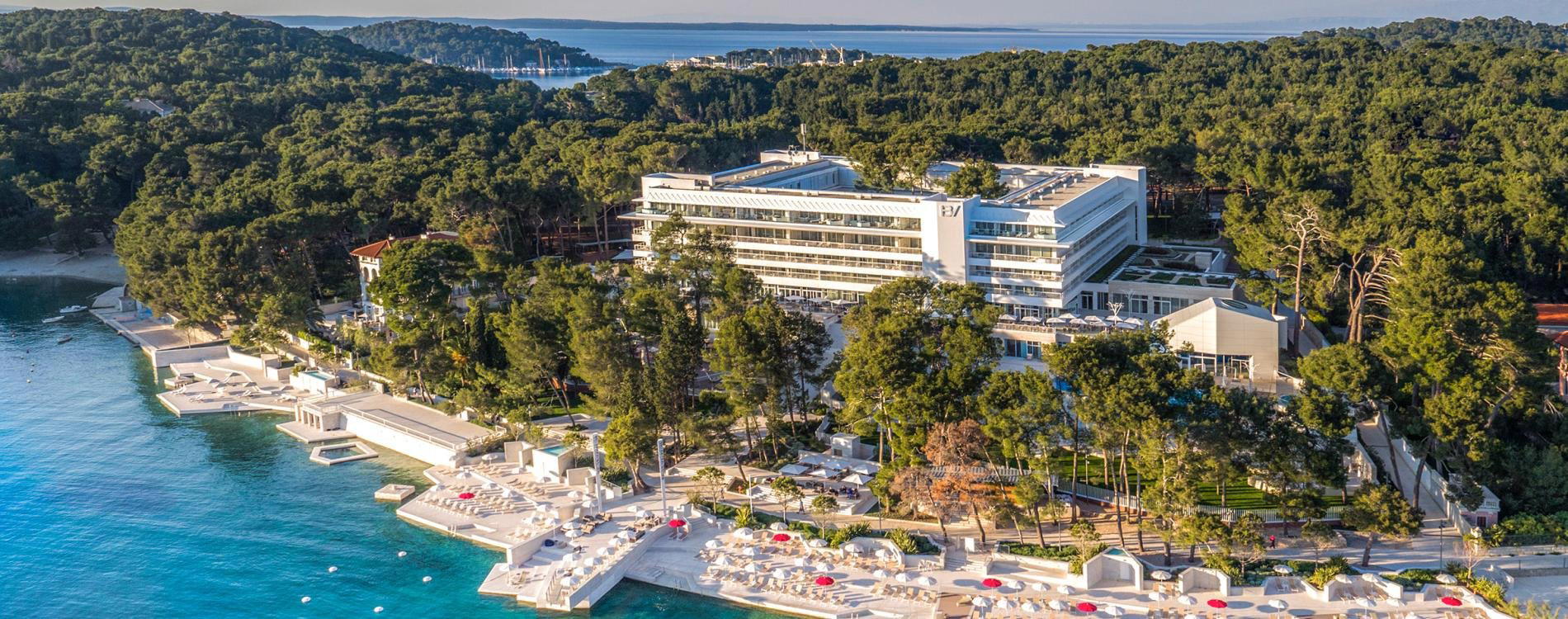
Cozy rustic atmosphere with beautiful terrace views of the sea and magical sunsets, warm family service in a welcoming setting.