a/stir
Located on Capitol Hill's East Pike corridor, a/stir occupies a stretch of Seattle where independent dining rooms have quietly shaped the city's creative food culture for two decades. The address places it among a dense cluster of neighborhood-driven venues rather than downtown showcase spaces. Specific menu details and format remain to be confirmed directly with the venue.
Pearl is the En Primeur Club membership app — saves, bookings, and concierge access live there. Same editors, same standards.
- Address
- 818 E Pike St, Seattle, WA 98122
- Phone
- +1 206 397 3564
- Website
- astirseattle.com
- Directions
- Get directions
 Saves & bookings on Pearl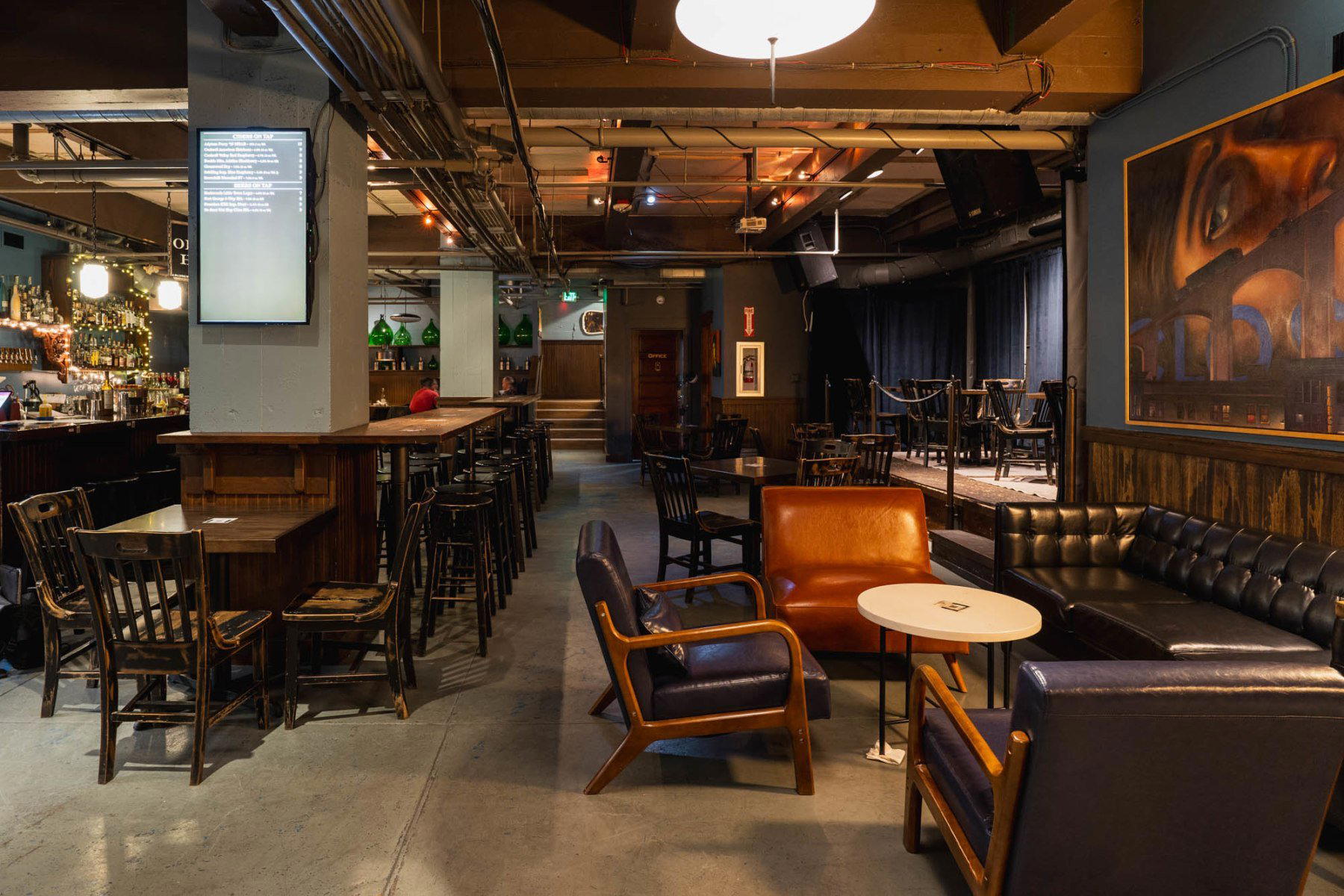
Capitol Hill and the Architecture of the Neighborhood Dining Room
East Pike Street has functioned as one of Seattle's more instructive dining corridors for years. The blocks between Broadway and 15th Ave E concentrate independent restaurants, wine bars, and casual counter formats that reflect Capitol Hill's particular mix of density, creative industry, and foot traffic. The neighborhood resists the kind of destination-dining gravity that pulls visitors toward downtown waterfront addresses or South Lake Union towers. Instead, it rewards the reader who already knows where they're going.
a/stir sits at 818 E Pike St, inside that operational context. The address is Capitol Hill rather than Belltown or the Pike Place adjacency where more heavily promoted Seattle restaurants tend to cluster. That placement matters for how a room functions: East Pike venues tend to draw a local-first clientele, with the rhythm of repeat visitors rather than one-time tourist traffic shaping the floor's energy across a service.
The Physical Container: What the Address Suggests About Space
Capitol Hill's retail and restaurant stock on East Pike runs through a mixture of older low-rise commercial buildings, many dating to the early twentieth century, with high ceilings, exposed brick, and street-level frontage that predates the design-led renovation era. These spaces have structural bones that newer construction elsewhere in the city doesn't offer. When a dining room occupies one of these addresses, the spatial logic tends toward the intimate rather than the monumental, rooms that seat forty or sixty rather than two hundred, with natural materials doing the atmospheric work that purpose-built interiors would assign to custom millwork and controlled lighting.
This is the physical tradition a/stir enters. The East Pike strip has housed a rotating cast of independent operators across different cuisine categories, and the spaces themselves exert a kind of editorial pressure on what works inside them. Formats that rely on spectacle or table separation to justify high price points tend to migrate toward other neighborhoods. What survives on this corridor tends toward casual authority: rooms where the cooking carries the evening rather than the backdrop.
What the address signals, in categorical terms, is a neighborhood-scale footprint rather than a landmark-scale one.
Seattle's Dining Tiers and Where Capitol Hill Fits
Seattle's fine-dining conversation has historically anchored on a small number of long-standing rooms. Canlis, the mid-century New American institution on Queen Anne, occupies a tier that functions almost as a category of its own, lakeside views, jackets optional, prix-fixe evolution across decades. Joule, operating in the New Asian register, represents a different current in Seattle's creative dining: technique-forward, chef-driven, more willing to push at category edges.
Capitol Hill sits between these poles and beneath them simultaneously. The neighborhood's dining identity has never been primarily about Michelin recognition or national press cycles. It has been about density of quality across a price band that supports nightly visits rather than occasional pilgrimage. In that sense it functions more like the mid-tier creative neighborhoods in other American cities, the Wicker Park register in Chicago, the Mission in San Francisco, than like the destination corridors that generate the coverage. That positioning is a feature rather than a limitation: it produces dining rooms with genuine local constituencies.
For comparison, Seattle's broader creative dining scene competes nationally with rooms like Lazy Bear in San Francisco, Alinea in Chicago, and Single Thread Farm in Healdsburg at the upper tier, or Providence in Los Angeles and Addison in San Diego for coastal fine dining with regional sourcing emphasis. Capitol Hill's independent rooms operate well below that investment threshold on both sides of the table, which, for a neighborhood dining format, is precisely the point.
Cuisine Category and Format: What's Confirmed and What Isn't
What the address and neighborhood category suggest, categorically, is a room operating in the mid-to-upper independent tier of Capitol Hill's dining stock, the segment that draws on the neighborhood's foot traffic while maintaining enough program definition to attract visitors from outside the immediate zip code.
East Pike's strongest independent operators across recent years have shared a few structural traits: focused menus rather than sprawling ones, a point of view on sourcing or technique that distinguishes them from the neighborhood's more casual end, and pricing that reflects independent kitchen economics without reaching the destination-dining threshold.
For context on how Seattle's independent dining rooms stack up against nationally recognized formats, the EP Club covers rooms including 1415 1st Ave, 1744 NW Market St, and 2963 4th Ave S.
Placing a/stir in a Wider Conversation
Independent neighborhood dining rooms in American cities occupy a structural middle ground that rarely generates the press volume of destination rooms like Le Bernardin in New York City, The French Laundry in Napa, or The Inn at Little Washington. They also tend to outlast trend-driven concepts because their constituency is local rather than algorithmically driven. Rooms like Blue Hill at Stone Barns in Tarrytown and Atomix in New York City achieve national recognition partly through an identifiable program discipline that allows critics and awards bodies to place them in a legible category. Capitol Hill independents, including a/stir, operate with less of that external scaffolding, which means the room itself, and the food it produces, carries more of the evaluative weight.
Internationally, the equivalent dynamic plays out in neighborhoods like Sheung Wan in Hong Kong, where rooms like 8 1/2 Otto e Mezzo Bombana hold recognizable fine-dining positions, and in New Orleans, where Emeril's has long anchored a specific tier of the city's dining hierarchy.
Know Before You Go
- Address: 818 E Pike St, Seattle, WA 98122
- Neighborhood: Capitol Hill, Seattle
- Price range: $50 per person
- Reservations: Recommended
- Hours: Tue to Sun, 5 to 10 PM; Fri to Sat, 5 to 11 PM; Mon closed
Recognition Snapshot
Comparable venues nearby, for context on price, style, and recognition.
| Venue | Cuisine | Price | Notes |
|---|---|---|---|
| a/stirThis venue — the venue you are viewing | Contemporary Northern Mediterranean | $$$ | Not listed |
| Marin | Modern Coastal Pacific Northwest | $$$ | Central Business District |
| Cicchetti | Venetian-Inspired Mediterranean Small Plates | $$ | Eastlake |
| The Harvest Vine | Basque Tapas | $$$ | Stevens |
| Century Ballroom | Pacific Northwest Gastropub | $$$ | Pike/Pine |
| Founders Club | Modern American Bar Snacks | $$$ | Central Business District |
Continue exploring
More in Seattle
Restaurants in Seattle
Browse all →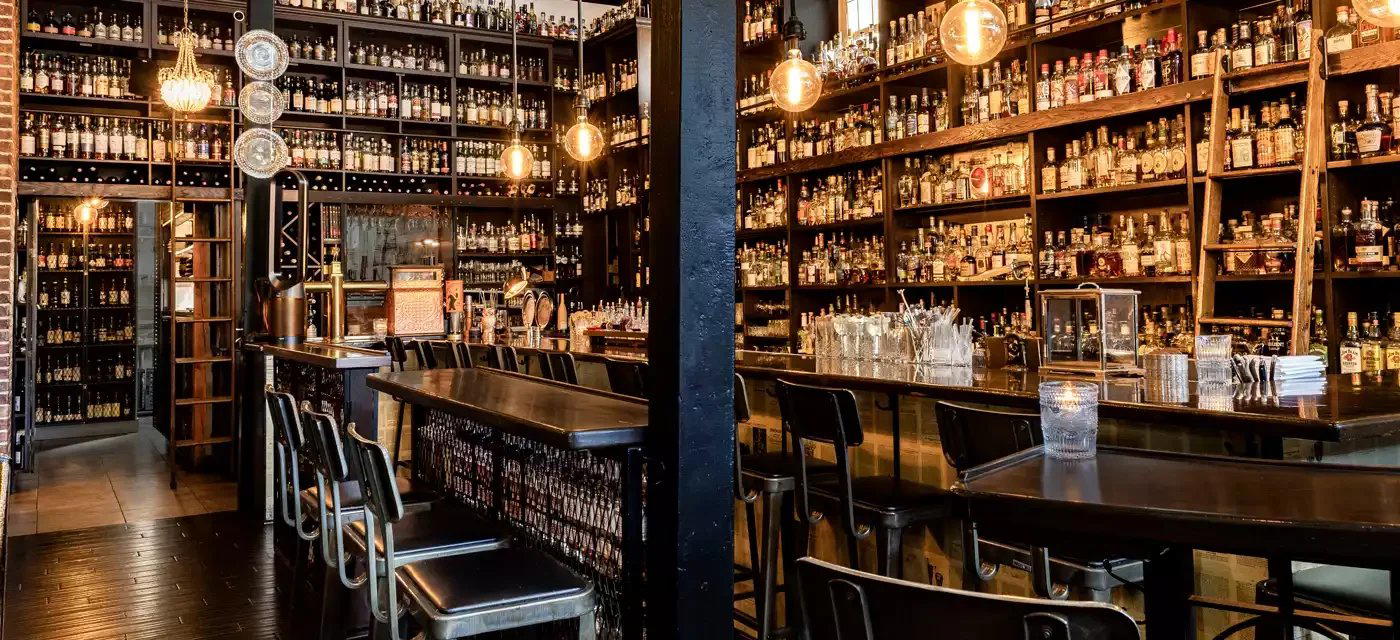
Bars in Seattle
Browse all →
Hotels in Seattle
Browse all →

At a Glance
- Modern
- Intimate
- Sophisticated
- Date Night
- Group Dining
- Celebration
- Casual Hangout
- Open Kitchen
- Extensive Wine List
- Craft Cocktails
Current opening hours
- Monday
- Closed
- Tuesday
- 5–10 PM
- Wednesday
- 5–10 PM
- Thursday
- 5–10 PM
- Friday
- 5–11 PM
- Saturday
- 5–11 PM
- Sunday
- 5–10 PM
Hours can change for holidays and private events. Last verified .
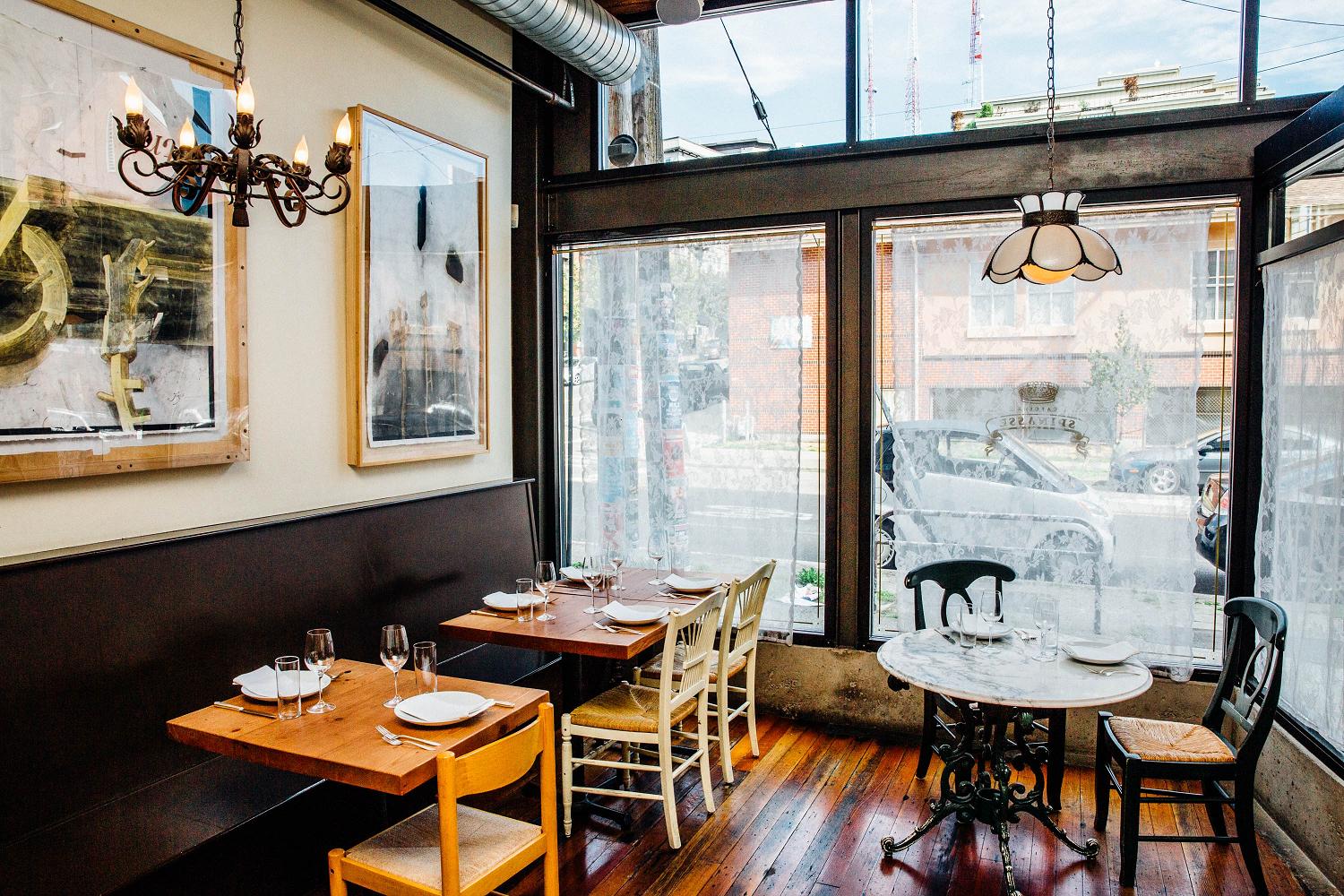
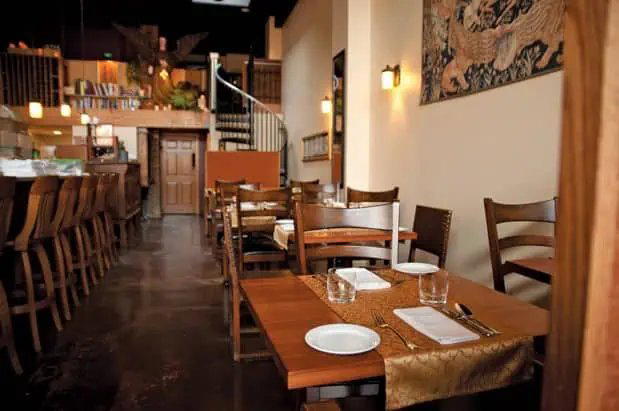
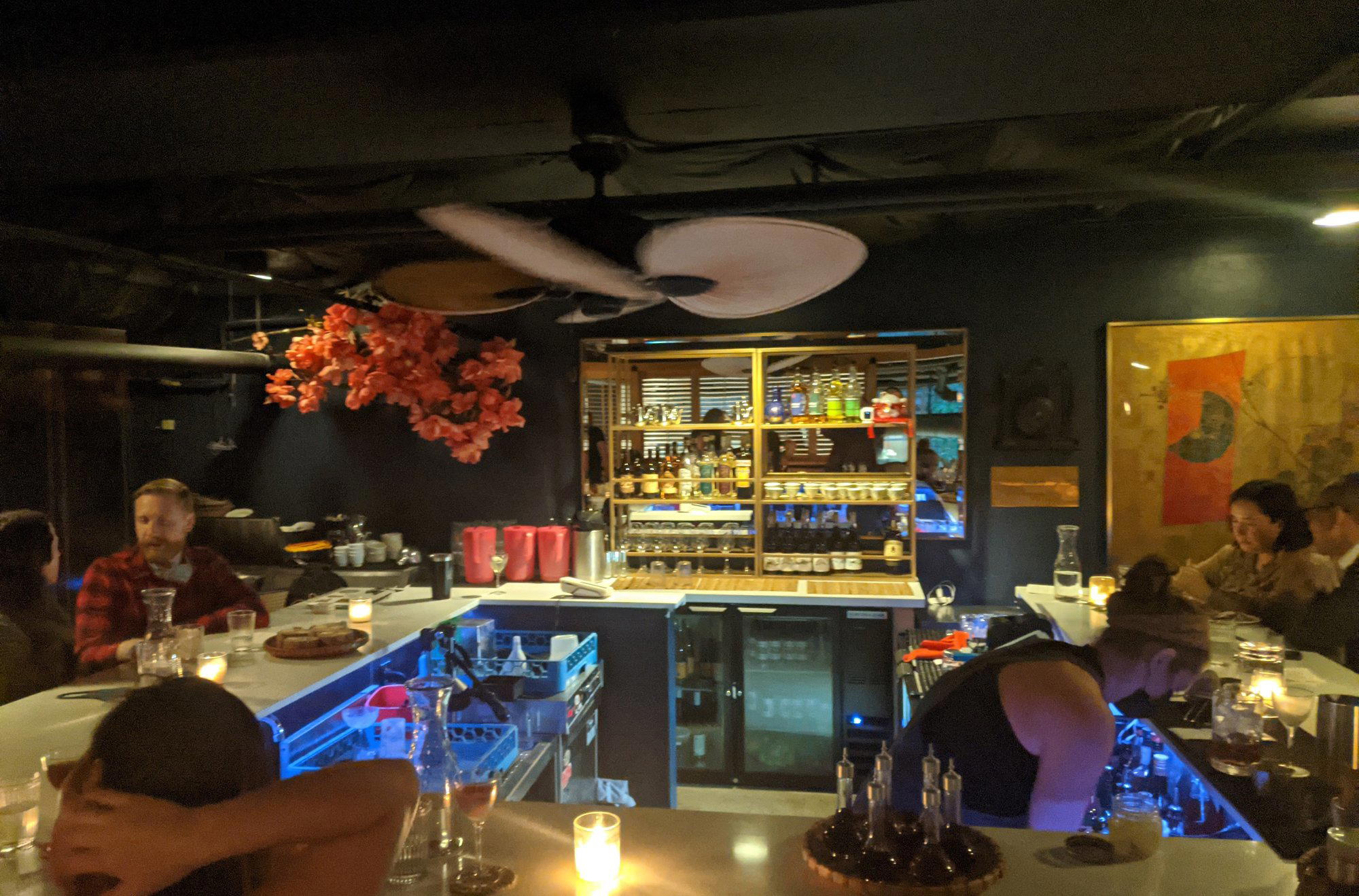
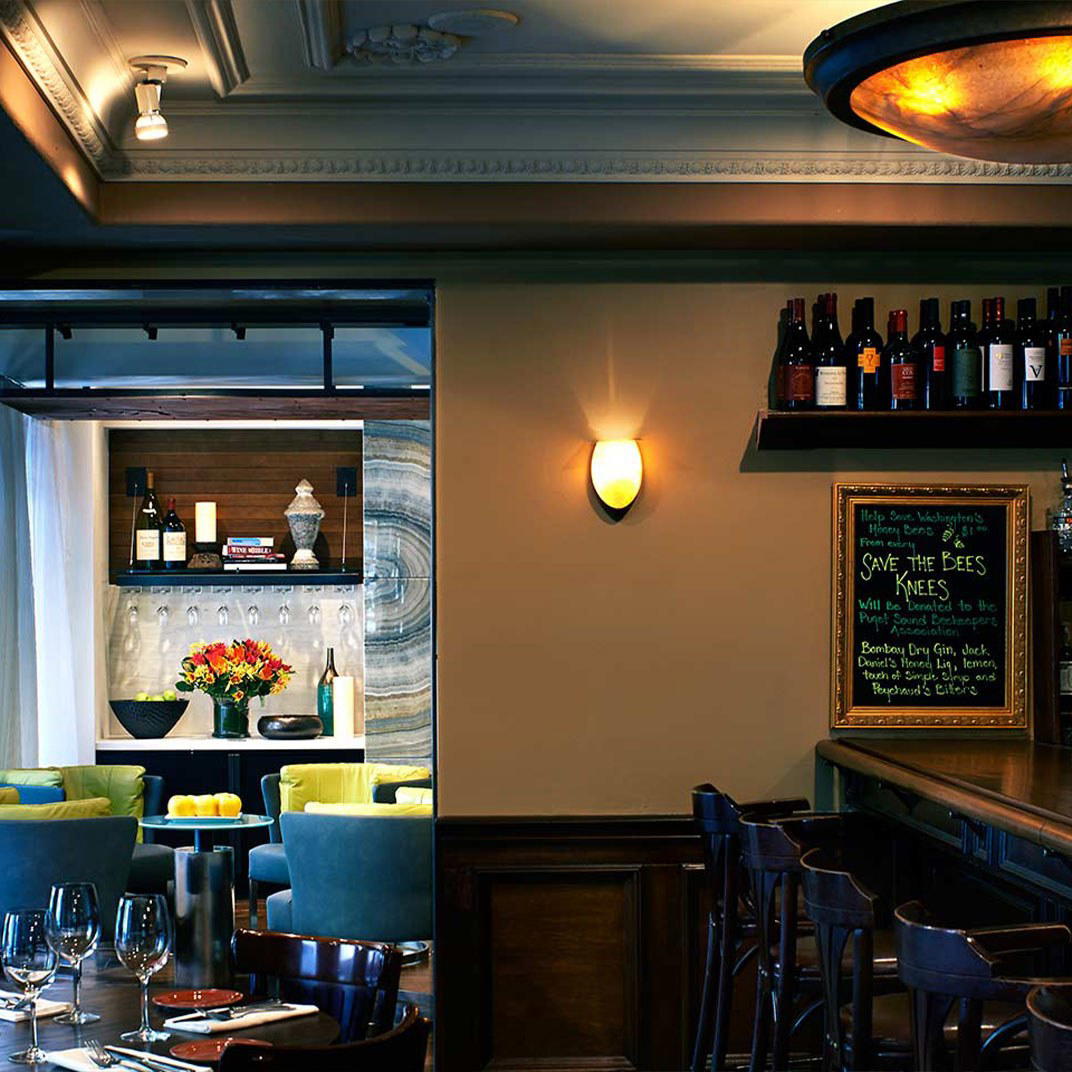
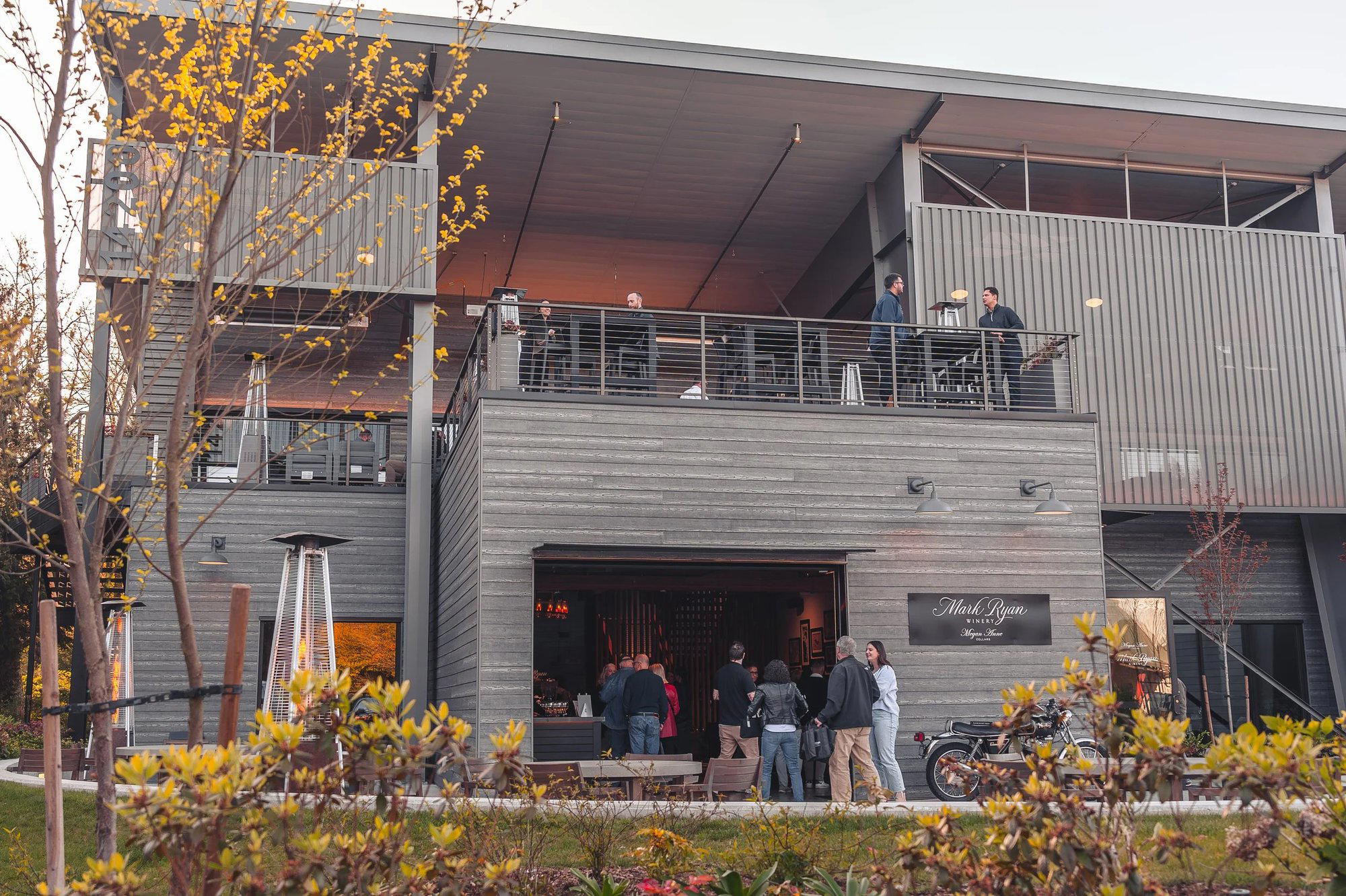
Casually elegant dining room with nice decor, creating a welcoming atmosphere suitable for special occasions and groups.