Century Ballroom
Century Ballroom at 915 E Pine St sits at the center of Capitol Hill's social dance tradition, drawing Seattle residents to its storied hardwood floor for swing, salsa, tango, and ballroom nights. The space doubles as an event venue and bar, making it one of the few places in the city where the ritual of partner dancing is taken seriously as a communal practice rather than a novelty.
- Address
- 915 E Pine St, Seattle, WA 98122
- Phone
- +1 206 324 7263
- Website
- centuryballroom.com
- Directions
- Get directions
The Room Before the Music Starts
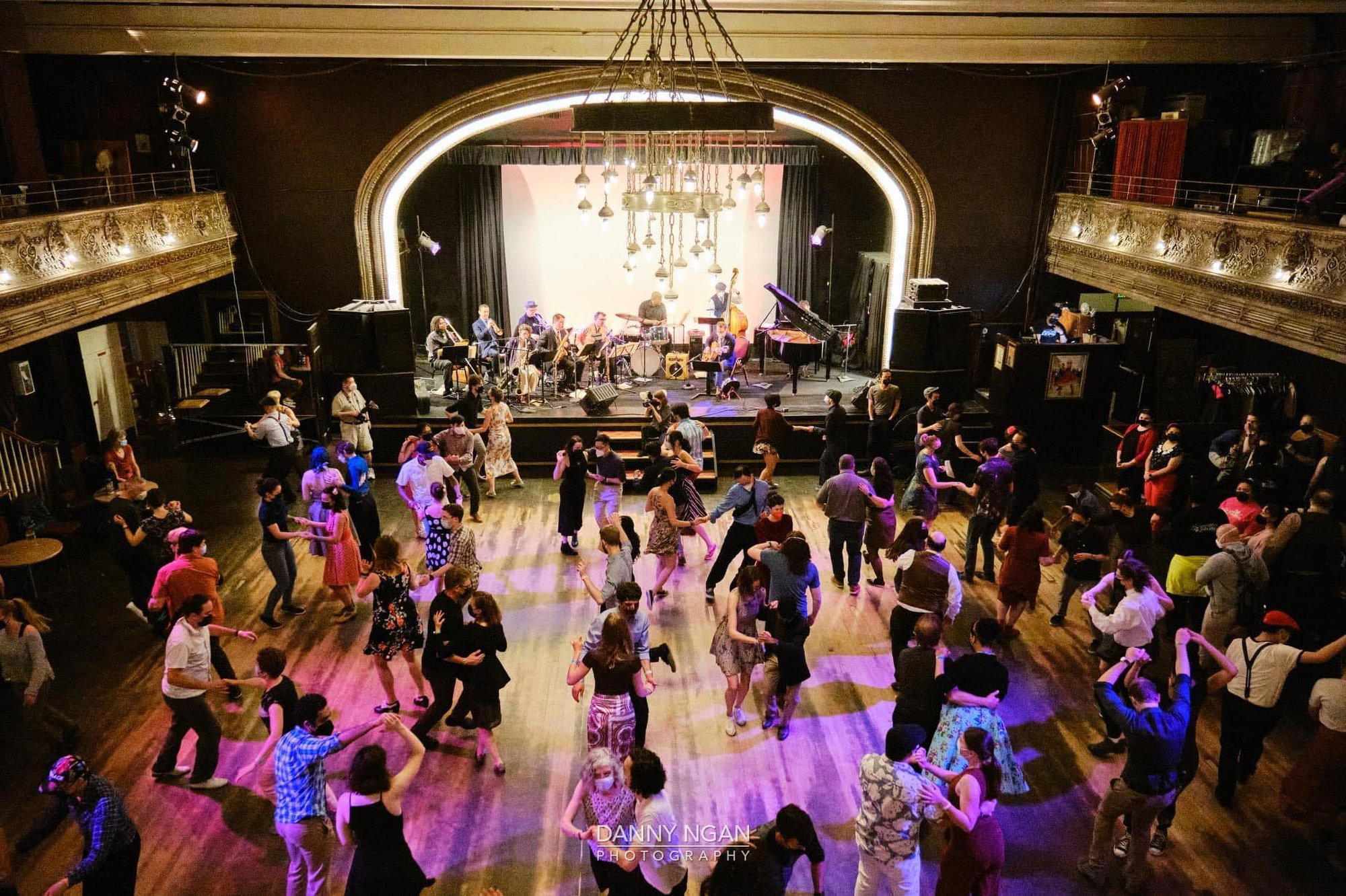
On Capitol Hill, the blocks around Pine Street carry a particular kind of energy in the evening: record shops and coffee bars giving way to restaurant queues and the low hum of venues warming up. Century Ballroom is a Pacific Northwest Gastropub at 915 E Pine St, Seattle, WA 98122. The room is built for dancing, a sprung hardwood floor, proportions that allow a proper traveling waltz, and sightlines calibrated so the band or DJ anchors the space without overwhelming it. Before the first couple takes the floor, the room already communicates its purpose. It is a dedicated social dance space, which puts it in a small and shrinking category of American venues.
Seattle's Capitol Hill has long functioned as the city's cultural pressure valve, the neighbourhood where subcultures find commercial footing before going mainstream or disappearing quietly. Social dance found its footing here precisely because Capitol Hill audiences are willing to show up consistently for things that require participation rather than spectatorship. Century Ballroom draws on that character. The crowd on any given night is multigenerational in a way that most Seattle nightlife is not, because partner dancing is one of the few social forms where experience genuinely transfers across age groups.
The Ritual of Partner Dancing in a City That Values It
The format at Century Ballroom follows the logic of the social dance tradition rather than the entertainment industry. Nights are typically structured around a lesson followed by a social dance, which is a sequencing decision that carries real consequences for how the room feels. The lesson creates a shared starting point; it lowers the threshold for newcomers without condescending to experienced dancers. By the time the social begins, the room has already established a community of practice for the evening rather than a crowd of strangers waiting to be entertained.
This structure is one of the clearer examples in Seattle of what anthropologists of dance call the transmission model: the form perpetuates itself through structured participation rather than passive consumption. Swing, salsa, tango, and ballroom nights each carry their own etiquette, and the restaurant functions as a keeper of those distinctions. The ask-to-dance convention, the thank-you at the end of a song, the rotation logic of lead-follow, these are customs that require a venue committed to maintaining them, not just providing a floor. In cities where dedicated ballrooms have closed or converted, those customs tend to erode. That Seattle has a venue still organized around them reflects both the neighborhood and the longevity of the space itself.
Venues like Canlis (New American) or Joule (New Asian) represent the city's commitment to ambitious plated cuisine, while places like 1415 1st Ave, 1744 NW Market St, and 2963 4th Ave S map a different kind of Seattle experience. The restaurant fits into neither of those categories, it is a performance and participation space first, with bar service supporting rather than driving the visit. That distinction matters when you are deciding how to spend an evening.
How This Compares to Premium Experiential Venues Nationally
On one end sit high-capacity spectacle formats, immersive dinners, theatrical productions with food components, large-format cultural events. On the other sit low-capacity specialist formats where host expertise, structural discipline, and participant investment determine the quality of the experience. The restaurant belongs to the specialist tier in the same way that venues like Lazy Bear in San Francisco or Smyth in Chicago belong to the specialist tier in dining: what you receive is shaped by how seriously the format is taken, not by production scale.
The analogy extends to some of the country's more rigorous dining formats. Restaurants like Le Bernardin in New York City, The French Laundry in Napa, and Providence in Los Angeles all operate on the premise that ritual and pacing matter as much as content, that how you move through an experience shapes what you take from it. Social dancing operates on an identical premise. The pacing of a tango milonga, the floor etiquette of a swing night, the social architecture of a salsa social, these are delivery formats that require the same kind of structural discipline that Blue Hill at Stone Barns in Tarrytown, Single Thread Farm in Healdsburg, or Atomix in New York City bring to the sequence of a tasting menu.
Other nationally recognized experiential spaces worth framing as reference points: Emeril's in New Orleans and The Inn at Little Washington in Washington both demonstrate how deeply a sense of place and ritual can define a venue's identity across decades. Addison in San Diego and Atelier Moessmer Norbert Niederkofler in Brunico show how regional commitment can anchor a venue's long-term reputation. The restaurant operates in a different category from all of these, but the underlying principle is the same: format discipline creates an experience that informal or improvised versions of the same activity cannot replicate.
Planning a Visit
The restaurant is at 915 E Pine St on Capitol Hill, accessible by the Capitol Hill light rail station and well within walking distance of the neighborhood's main dining and bar corridor. The venue runs different formats on different nights, swing, salsa, tango, and general ballroom, so checking the specific night's program before you go matters more here than at a standard bar or restaurant. Dress code expectations vary by dance style: tango milongas trend toward formal, swing nights are more relaxed, and salsa socials fall somewhere between. Arriving before the lesson begins rather than after it ends is the practical choice if you are newer to partner dancing; the lesson is where the evening's social architecture gets established.
Cuisine Context
Comparable venues nearby, for context on price, style, and recognition.
| Venue | Cuisine | Price | Notes |
|---|---|---|---|
| Century BallroomThis venue — the venue you are viewing | Pacific Northwest Gastropub | $$$ | Not listed |
| canon | American Small Plates & Cocktails | $$$ | Minor |
| Smith | American Gastropub | $$ | Stevens |
| Single Shot | Modern American Pacific Northwest | $$ | Broadway |
| A Pizza Mart | American Pizza | $$ | Belltown |
| Volunteer Park Cafe & Pantry | American Bakery Cafe | $$ | Stevens |
Continue exploring
More in Seattle
Restaurants in Seattle
Browse all →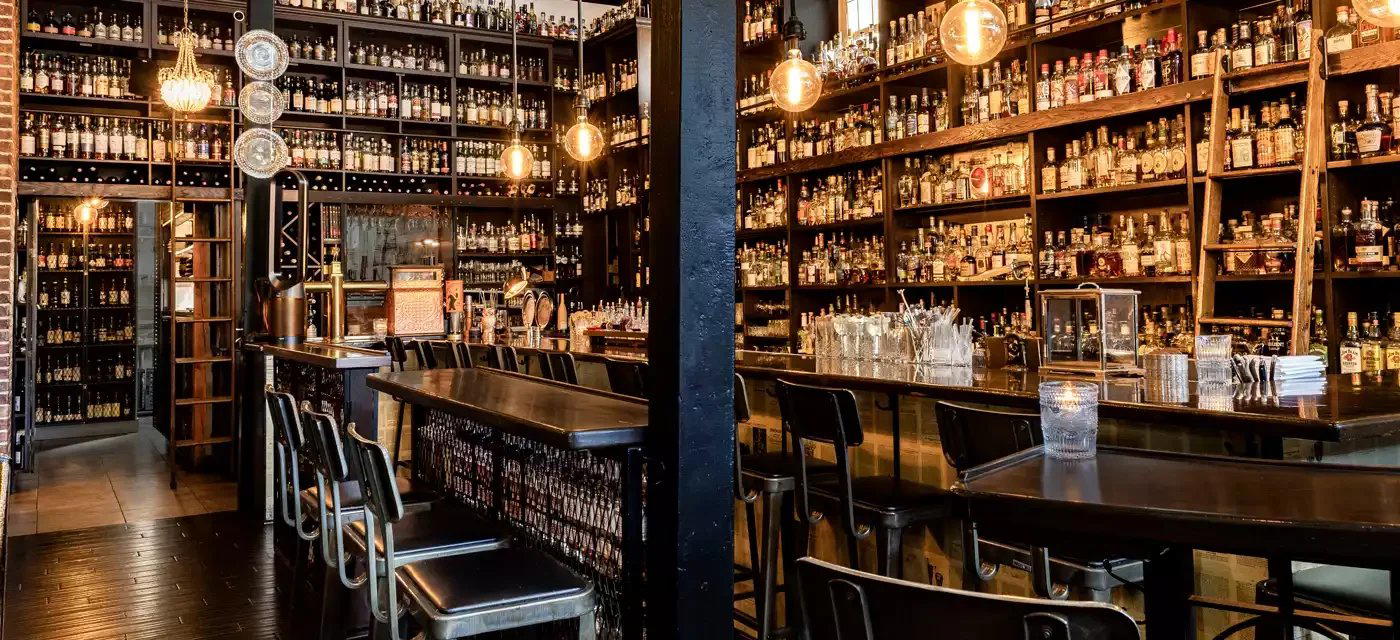
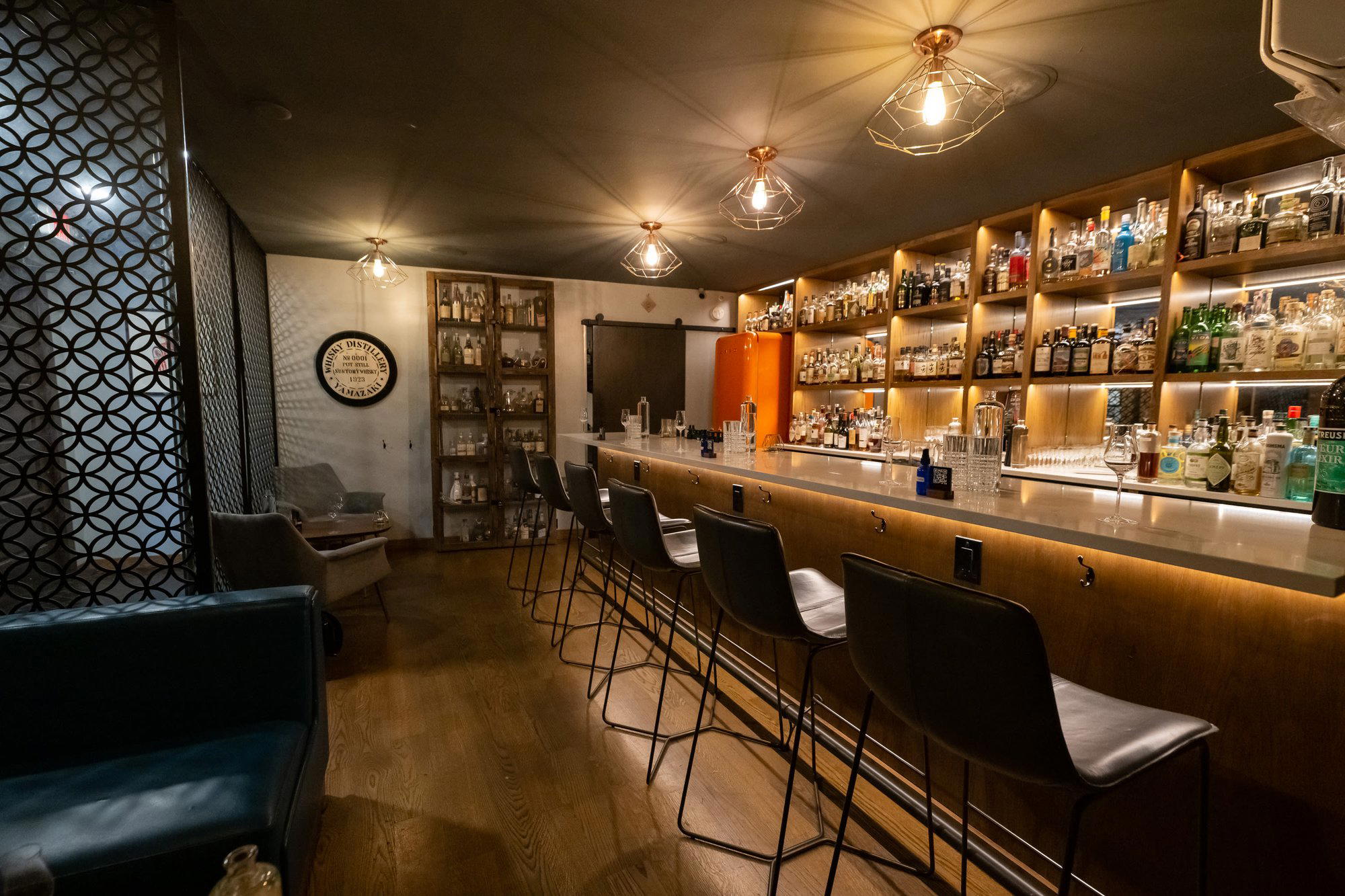
Bars in Seattle
Browse all →
Hotels in Seattle
Browse all →

At a Glance
- Lively
- Elegant
- Cozy
- Well Known
- Casual Hangout
- Group Dining
- Date Night
- After Work
- Live Music
- Historic Building
- Standalone
- Craft Cocktails
- Beer Program
- Local Sourcing
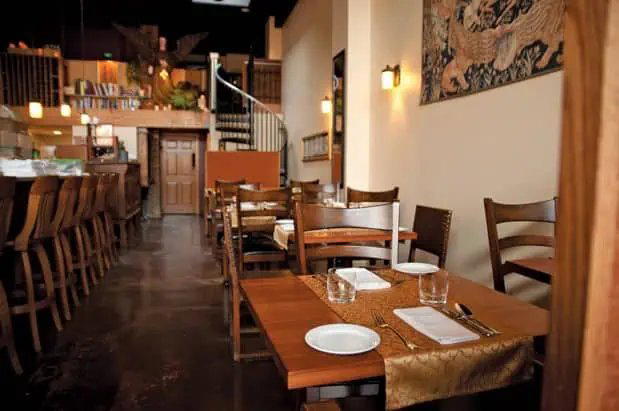
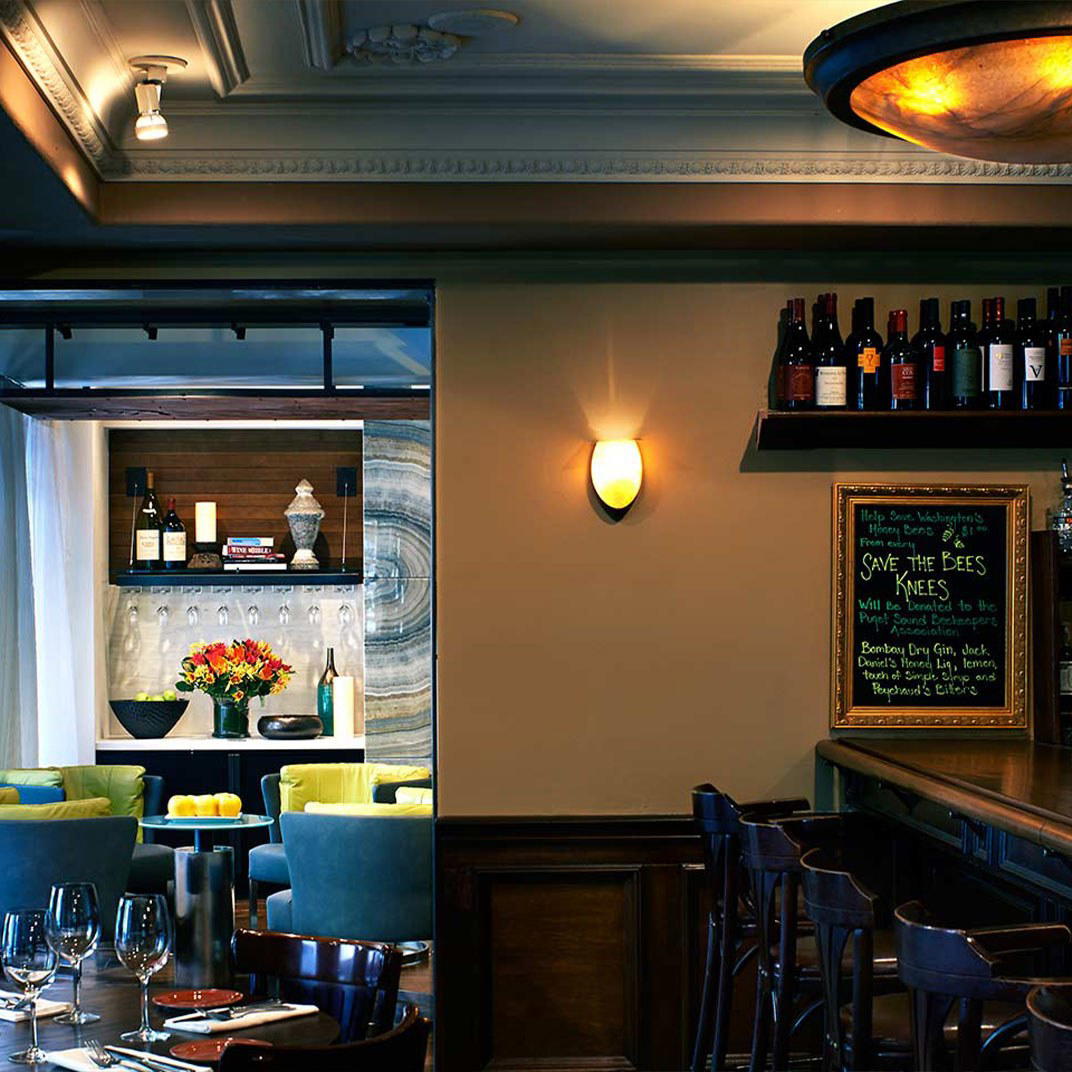
Warm and cozy with eclectic decor, housed in a historic building with an energetic atmosphere from the adjacent dance floor.