Marin
Marin occupies a grounded position in Seattle's downtown dining tier, operating at the intersection of Pacific Northwest ingredient culture and contemporary American technique. The Fourth Avenue address places it inside a dense corridor of ambitious restaurants where the gap between lunch and dinner service reveals meaningful differences in format, pacing, and price. For readers calibrating a Seattle itinerary, that divide is one useful lens.
Pearl is the En Primeur Club membership app — saves, bookings, and concierge access live there. Same editors, same standards.
- Address
- 1101 4th Ave, Seattle, WA 98101
- Phone
- +12066247755
- Website
- marinseattle.com
- Directions
- Get directions
 Saves & bookings on Pearl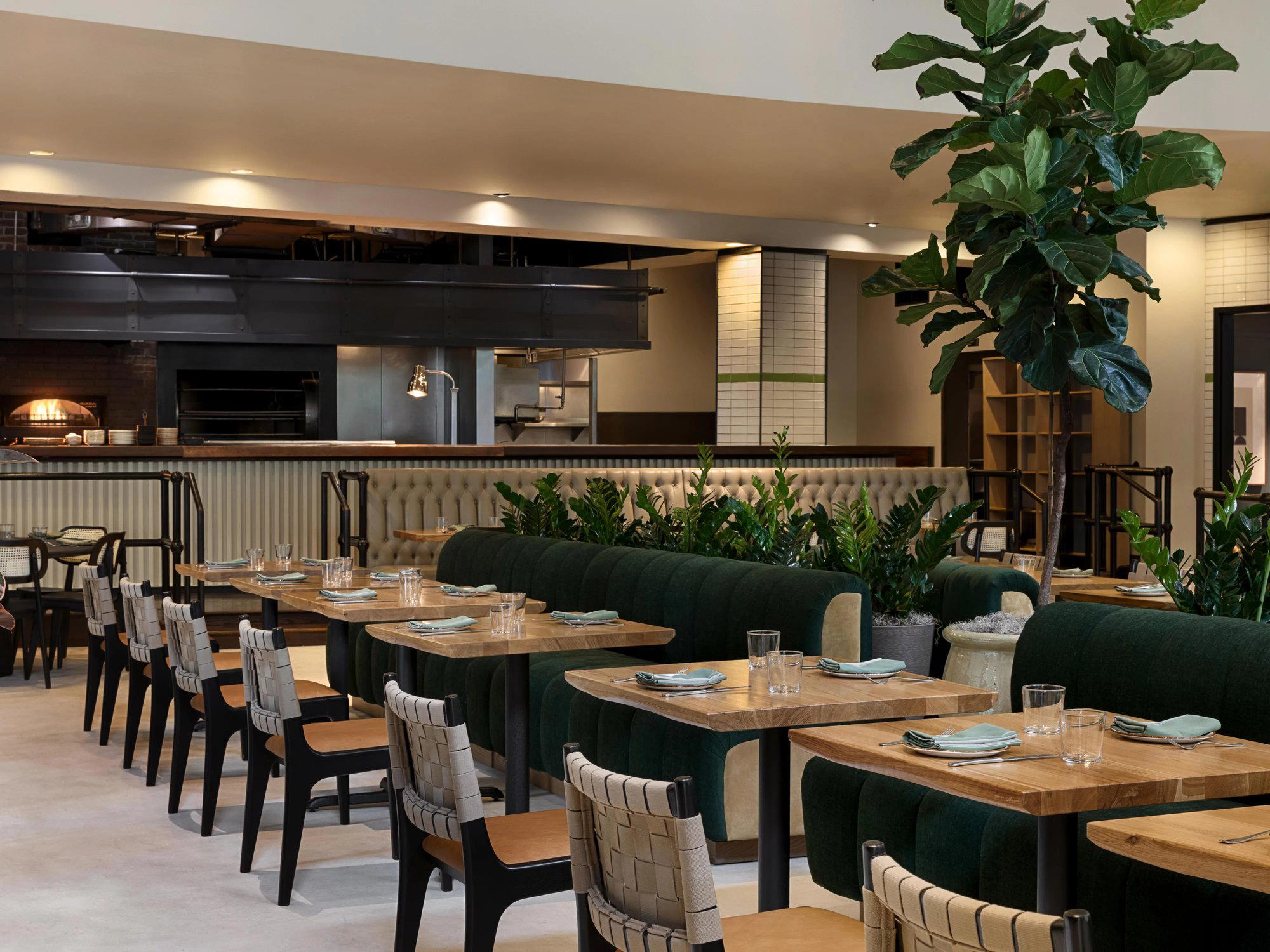
Downtown Seattle's Dining Register and Where Marin Fits
Marin is a restaurant at 1101 4th Ave in Seattle, serving modern coastal Pacific Northwest cuisine at a price tier of about $55 per person. Marin, at 1101 4th Ave, sits in that second category. Fourth Avenue in this stretch runs through the commercial core, within a few blocks of the convention center and the retail district, which shapes who walks through the door at noon versus who arrives at eight in the evening. That demographic pressure produces rooms that perform two almost entirely different services under the same roof, and understanding the divide is one efficient way to calibrate expectations before booking.
The broader Seattle context matters here. The city's premium independent tier, represented by rooms like Canlis (New American) and Joule (New Asian), has long operated at a considered remove from the downtown core, choosing neighborhoods where a single-service dinner model is economically viable. Downtown addresses like Marin's trade some of that neighborhood specificity for visibility, foot traffic, and the business-lunch economy. That is not a weakness so much as a different operational logic, one that produces a different kind of dining experience depending on when you arrive.
Lunch as the Working Register, Dinner as the Destination Signal
The lunch-versus-dinner divide at rooms in Marin's position is instructive for anyone planning a Seattle visit. Midday service at downtown Seattle restaurants in this tier tends toward efficiency: tighter menus, faster pacing, price points that reflect the business-lunch market rather than the celebratory dinner economy. The same kitchen, the same sourcing relationships, and frequently the same level of technical precision are available at noon, but packaged for a different transaction. For travelers who want to access a room's cooking without committing to a full evening format, lunch at a downtown address often represents the more rational entry point, both financially and logistically.
Evening service shifts the calculus. Dinner at a Fourth Avenue address in this bracket invites comparison with destination rooms across the city and, by extension, with the national tier of Pacific Northwest-influenced American restaurants. That is a competitive set that includes serious operators: Lazy Bear in San Francisco, Single Thread Farm in Healdsburg, and Blue Hill at Stone Barns in Tarrytown all represent the standard against which ambitious American cooking in a regional-ingredient mode gets measured. Rooms at Marin's address must decide how directly they want to compete in that conversation, or whether their model is better understood as downtown hospitality with culinary ambition rather than a destination restaurant that happens to be downtown.
The Pacific Northwest Ingredient Frame
Seattle's restaurant identity has been built substantially on proximity to notable raw material: Dungeness crab from the Puget Sound, Copper River salmon, Walla Walla produce, and a shellfish culture that rivals any American coastal city. The restaurants that have made the strongest national cases, from the long-standing influence of rooms like Canlis to the newer wave of technique-forward independents, have done so by treating that ingredient access as a competitive advantage rather than a background condition. Kitchens in the downtown core have access to the same sourcing networks, and a restaurant at 1101 4th Ave is plausibly drawing from the same Pike Place-adjacent supply chains that feed more celebrated addresses.
For comparison, consider how rooms in analogous positions in other American cities handle this: Providence in Los Angeles and Le Bernardin in New York City both built durable reputations around seafood-centric menus in urban-core locations, using proximity to upper-tier supply as a foundation for technically ambitious cooking. The model is proven. The question for any Seattle downtown room is whether the lunch-dinner bifurcation allows the kitchen to sustain that level of focus or whether the operational demands of two distinct services pull in different directions.
Positioning Against Seattle Peers and the National Conversation
Other Seattle addresses worth cross-referencing include the restaurants at 1415 1st Ave and 1744 NW Market St, both of which illustrate how differently Seattle's restaurant geography segments by neighborhood. The First Avenue corridor runs closer to Pike Place Market and the tourist-facing waterfront economy; the Market Street address signals a Ballard orientation, where the local-resident dining culture has produced some of the city's most consistent neighborhood cooking. A Fourth Avenue address, by contrast, is keyed to the downtown professional class. That produces a specific kind of reliability, the kind that sustains a restaurant through quieter months when destination-seeker traffic fluctuates, but it also places a ceiling on the room's ability to generate the kind of critical heat that comes from a chef-driven, neighborhood-embedded operation.
Nationally, the restaurants that have most successfully threaded this needle, downtown location, serious cooking, dual-service format, tend to have either a Michelin footprint or a named-chef identity strong enough to pull destination diners regardless of address. Alinea in Chicago and Addison in San Diego represent the extreme end of that model, where the room itself becomes the destination. Closer to Marin's likely register, Emeril's in New Orleans offers a useful comparison: a serious restaurant with a downtown address that built a loyal dual-service following without operating primarily as a special-occasion destination. Also worth noting in the broader Pacific conversation: Atomix in New York City shows how a tasting-format room can hold the national conversation's attention through format discipline alone, independent of address. The French Laundry in Napa and The Inn at Little Washington represent the opposite end of the spectrum: destination rooms where the address is itself the experience. Marin's model sits somewhere between these poles, which is neither a criticism nor a concession; it is simply the operating reality of serious downtown dining.
For a fuller picture of where Marin fits within Seattle's wider restaurant picture, the EP Club Seattle restaurants guide maps the city's key dining tiers by neighborhood and format. Additional context from comparable addresses, including 2963 4th Ave S, helps locate the Fourth Avenue corridor within the city's broader dining geography.
Planning Your Visit
For those treating dinner as the primary event, the surrounding blocks offer enough post-meal options, hotel bars, the nearby retail core, to build an evening around the meal without committing to a longer cross-city journey.
Fast Comparison
Comparable venues nearby, for context on price, style, and recognition.
| Venue | Cuisine | Price | Notes |
|---|---|---|---|
| MarinThis venue — the venue you are viewing | Modern Coastal Pacific Northwest | $$$ | Not listed |
| Elliott's Oyster House | Classic Pacific Northwest Seafood & Oyster House | $$$ | Seattle Waterfront |
| Salty's on Alki | Pacific Northwest Seafood and Steakhouse | $$$ | West Industrial District |
| Ray’s Boathouse | Northwest Seafood | $$$ | Sunset Hill |
| The Fisherman's Restaurant Seattle | Northwest Seafood | $$ | Seattle Waterfront |
| Taylor Shellfish Oyster Bar | Pacific Northwest Raw Shellfish & Oyster Bar | $$ | Pioneer Square |
Continue exploring
More in Seattle
Restaurants in Seattle
Browse all →
Bars in Seattle
Browse all →
Hotels in Seattle
Browse all →

At a Glance
- Modern
- Elegant
- Scenic
- Business Dinner
- Group Dining
- Celebration
- Casual Hangout
- Brunch
- Private Event
- Open Kitchen
- Private Dining
- Terrace
- Hotel Restaurant
- Craft Cocktails
- Beer Program
- Farm To Table
- Local Sourcing
- Sustainable Seafood
Current opening hours
- Monday
- 6:30–10 AM, 11 AM–2 PM, 3–9 PM
- Tuesday
- 6:30–10 AM, 11 AM–2 PM, 3–9 PM
- Wednesday
- 6:30–10 AM, 11 AM–2 PM, 3–9 PM
- Thursday
- 6:30–10 AM, 11 AM–2 PM, 3–9 PM
- Friday
- 6:30–10 AM, 11 AM–2 PM, 3–9 PM
- Saturday
- 8 AM–2 PM, 3–9 PM
- Sunday
- 8 AM–2 PM, 3–9 PM
Hours can change for holidays and private events. Last verified .
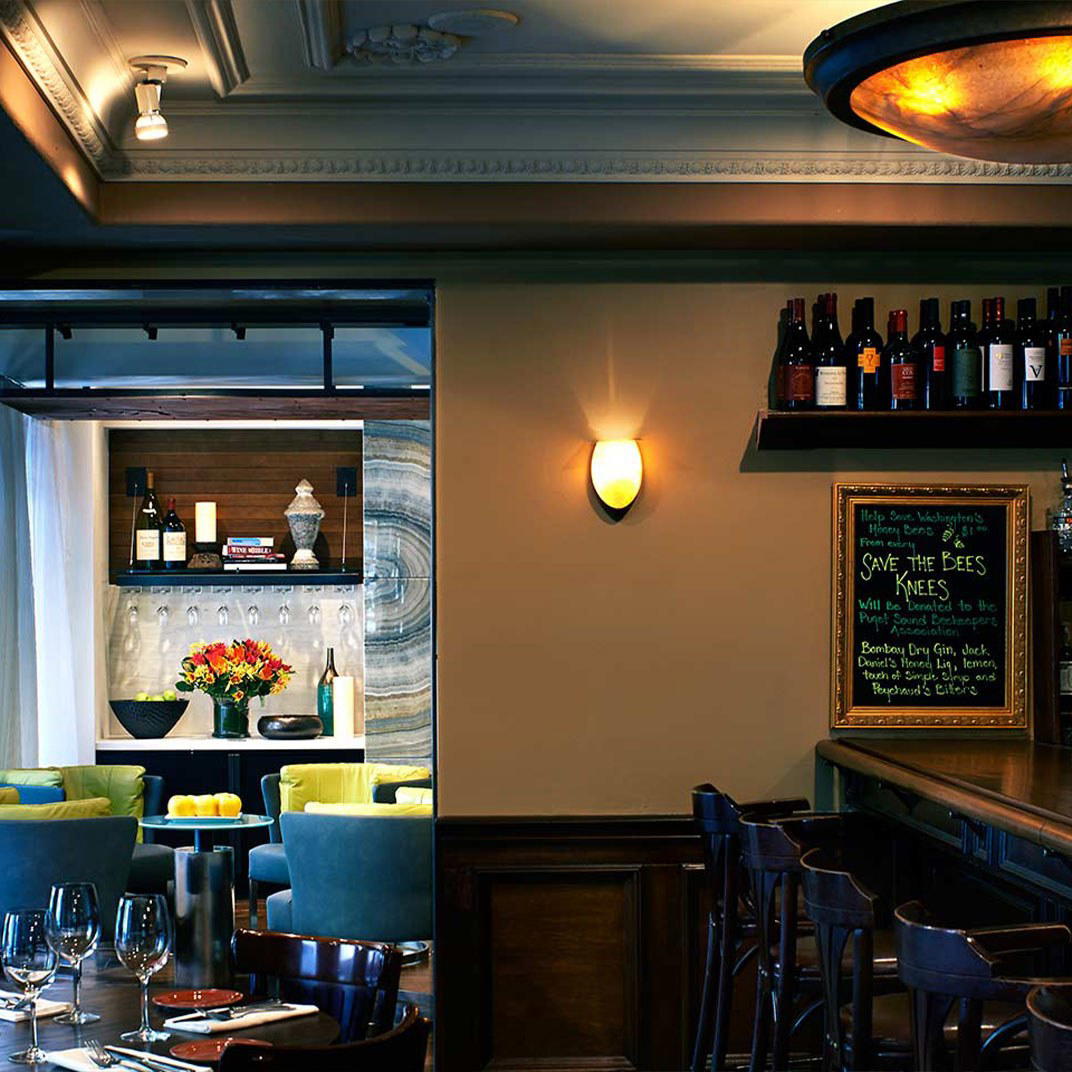
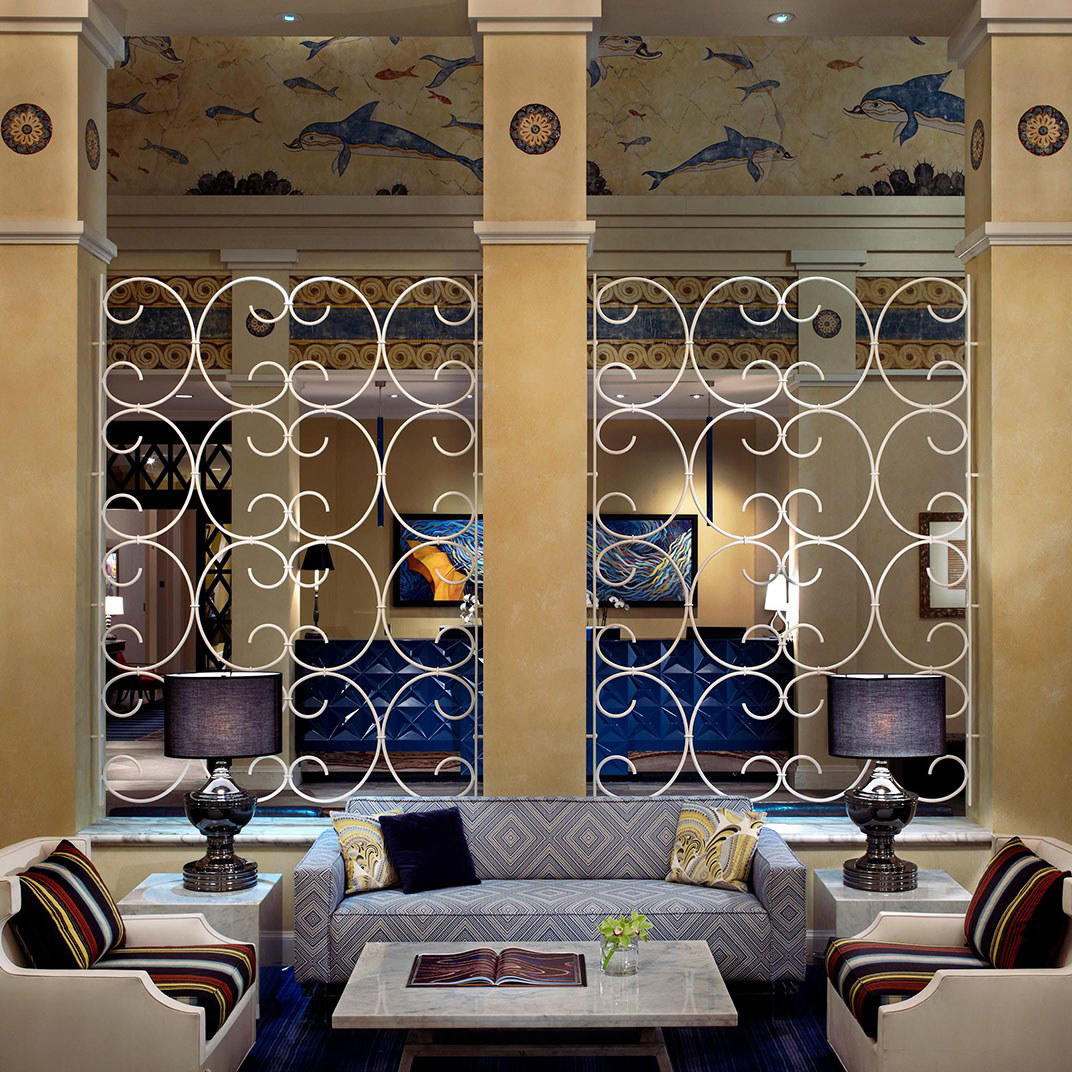
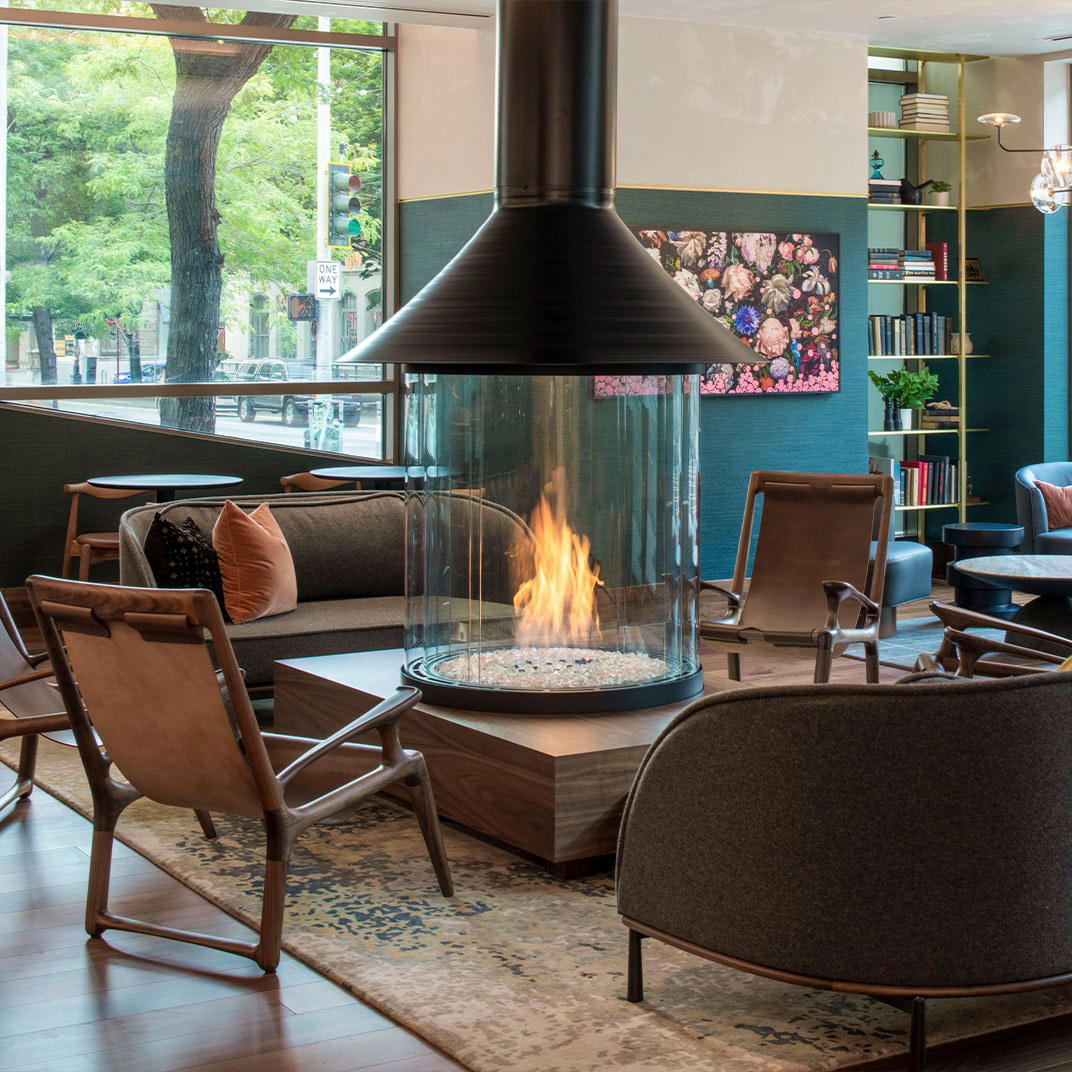
Calm and refined interior with natural wood, sculptural lighting, and seafaring details; warm and welcoming atmosphere reflecting Seattle's maritime spirit.