Okonomiyaki Kitaro

Tabelog 100 #89
Our verdict
Okonomiyaki Kitaro is a Nishinomiya counter-and-table address for okonomiyaki and stir-fried noodles, selected for Tabelog 100 Okonomiyaki 2025. The appeal is rooted in Kansai’s everyday griddle culture rather than ceremony: compact seating, family-friendly use, and a dinner budget that sits in the accessible middle of the city’s dining range.

Pearl is the En Primeur Club membership app, where members save venues, book tables and use the concierge.
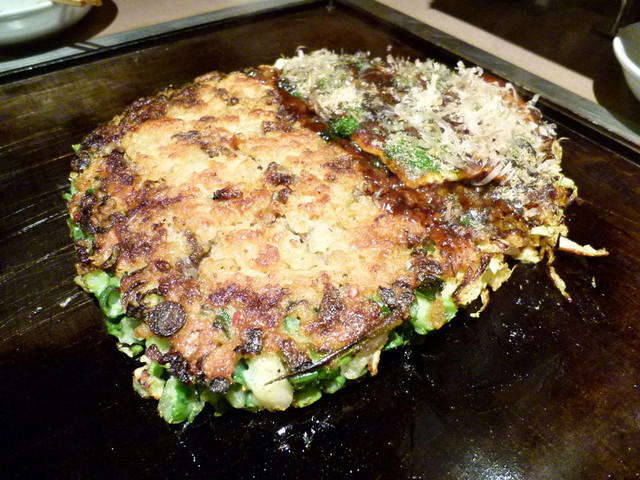
The menu
What to order
- Okonomiyaki
- Yakisoba
- Modan yaki
- Negiyaki
A Kansai okonomiyaki shop declares itself through the form: griddle heat, quick decisions, and a menu shaped around batter, cabbage, noodles, sauce, and the small calibrations that separate casual supper from specialist cooking. Nishinomiya sits between Kobe and Osaka, so its dining rhythm is often neighbourhood repetition rather than destination theatre. That matters for okonomiyaki, which rewards familiar formats judged closely for texture, timing, browning, sauce balance, and how a shop turns a simple order into a satisfying meal.
Okonomiyaki Kitaro belongs to that specialist register. Its Tabelog 100 Okonomiyaki 2025 recognition places it on a national category list, not a general fine-dining ranking, a useful distinction in Japan, where single-dish depth often matters more than broad-menu ambition. Its 3.53 score should be read in Japanese review-site context: evidence of steady approval, not a luxury signal, in a category where locals compare details with little patience for novelty for its own sake.
Okonomiyaki in Nishinomiya is everyday food judged by specialist standards
Okonomiyaki is often flattened in English as a Japanese savoury pancake, but in Kansai it is a social category: accessible enough for repeat visits, adaptable for groups, and technical enough to inspire loyalties. Osaka gives the form its loudest international association, Hiroshima its layered counterargument, yet Hyogo’s cities have their own ways of making the dish part of ordinary eating. The benchmark here is not spectacle, but whether a griddle format can make familiar food feel complete rather than incidental.
Nishinomiya’s comparison set makes that clear. Sumibi Kushiyaki Senmon Ten Toriten, Sanka Udon Hangeshou, tonkatu butashou, CONCENT MARKET, and リストランテ ダ ルーポ322 each point to different everyday dining uses in the city. Okonomiyaki Kitaro occupies its own role within that spread: not formal dining, not merely incidental eating, but a local griddle format where repeatability is part of the value.
The category listing reinforces that reading. Okonomiyaki Kitaro is identified with okonomiyaki and stir-fried noodles, a natural Kansai griddle pairing. That focus makes it a Nishinomiya specialist rather than a broad, all-purpose restaurant. The appeal is less about an elaborate menu than about how a familiar form is handled through heat, timing, and small adjustments at the griddle.
The reputation rests on category focus, not chef mythology
Japan’s category awards are often more useful than broad prestige lists because they sort by what a diner is seeking. A Tabelog 100 Okonomiyaki selection compares Okonomiyaki Kitaro not with French tasting menus, sushi counters, or hotel dining, but with other okonomiyaki rooms where guests know the dish’s rules. Its appeal is placement within that tightly defined field. Format, budget range, and category focus all point to a shop built for disciplined repetition.
That matters in Nishinomiya, easily misread as a pass-through between larger food capitals. The stronger way to eat here is through city scale. Bakeries, noodle counters, grills, sweets shops, and small restaurants form a map less about one grand meal than accumulated local specificity. Readers comparing nearby options can look across other Nishinomiya dining rooms to see how varied the city’s everyday food culture becomes when judged beyond convenience alone.
For broader Kansai itineraries, the question is not whether okonomiyaki can replace a high-ceremony meal. It cannot, and should not try. Its value is revealing another kind of Japanese dining intelligence: focused menus, griddle cooking, social pacing, and a price point that feels lived-in rather than staged. Category recognition matters because it points to excellence based on repetition and local trust, not rarity.
How to place it in a Nishinomiya eating day
Okonomiyaki works well when not overplanned as the day’s sole event. In Nishinomiya, it can fit after a bakery stop, before another low-key local venue, or as the savoury anchor in an itinerary built around trains and city wandering. The city’s appeal is partly its refusal to behave like a single-district dining capital. A visitor using Our full Nishinomiya restaurants guide can pair griddle cooking with bread, sweets, udon, or tonkatsu without forcing a formal progression.
The planning logic extends beyond restaurants. Nishinomiya rewards travellers who treat food, hotels, bars, wineries, and experiences as separate layers rather than one checklist. For that wider view, see Our full Nishinomiya hotels guide, Our full Nishinomiya bars guide, Our full Nishinomiya wineries guide, and Our full Nishinomiya experiences guide. The same principle applies outside Hyogo: category-led eating can reveal more than status-led eating, whether that means choosing a focused local specialist, a casual counter, or another everyday dining room over a purely status-led reservation.
The editorial case is simple: this is a Nishinomiya okonomiyaki specialist with enough category recognition to justify attention, especially for diners who care about Kansai food beyond the obvious Osaka route. Understand it as part of a local griddle tradition, not a trophy reservation. That frame sets the right expectation: a focused, social, mid-priced dinner format where the culture of the dish carries the meal.
Frequently asked questions
What days is Okonomiyaki Kitaro closed?
Check the venue's official channels for the latest schedule before visiting.
What should I budget for a meal at Okonomiyaki Kitaro?
Pricing at Okonomiyaki Kitaro is listed as JPY 3,000 - JPY 3,999 JPY 1,000 - JPY 1,999 View spending breakdown. The stated budget is Dinner: JPY 3,000 - JPY 3,999; Lunch: -.
What's the address for Okonomiyaki Kitaro?
Nishinomiya.
What has Okonomiyaki Kitaro built its reputation on?
Its clearest credential is selection for Tabelog 100 - Okonomiyaki - 2025. The restaurant focuses on okonomiyaki and stir-fried noodles in Nishinomiya.
Is Okonomiyaki Kitaro good for vegetarians?
Diners should check ingredients before ordering and consult the venue's official channels for the latest details.
Does Okonomiyaki Kitaro work for a family meal?
Okonomiyaki and stir-fried noodles can suit a casual shared meal, but diners should check the venue's official channels for the latest details before planning a visit.
Budget Reality Check
Comparable venues by cuisine and price in the same metro.
| Venue | Cuisine | Price | Awards | Notes |
|---|---|---|---|---|
| Okonomiyaki KitaroThis venue (the venue you are viewing) | Okonomiyaki & Japanese Comfort Food | $10–20 | Tabelog 100 #89 | Not listed |
| Ramen Tanron Honten | Ramen | $10–20 | Tabelog 100 #12 | Nishinomiya, Ramen |
| tonkatu butashou | Modern Tonkatsu & Izakaya-Style Japanese | $30–50 | Tabelog 100 #38 | Shukugawa, Modern Tonkatsu & Izakaya-Style Japanese |
| Sumibi Kushiyaki Senmon Ten Toriten | Traditional Yakitori & Kushiyaki | $20–30 | Tabelog 100 #100 | Sakurashukugawa, Traditional Yakitori & Kushiyaki |
| Asai | Okonomiyaki (Japanese savory pancakes) counter | $20–30 | Tabelog 100 #79 | Kurakuenguchi, Okonomiyaki (Japanese savory pancakes) counter |
| Men Sho Kuukai | Dining | Not listed | Tabelog 100 #63 | Not listed |
Recognition history
Dated appearances from independent guides and award organizations, with the underlying list record or original source where available.
Tabelog 100 #89 · No. 89
Tabelog · Tabelog 100 - Okonomiyaki - 2025
Continue exploring
More in Nishinomiya
Restaurants in Nishinomiya
All restaurants in Nishinomiya →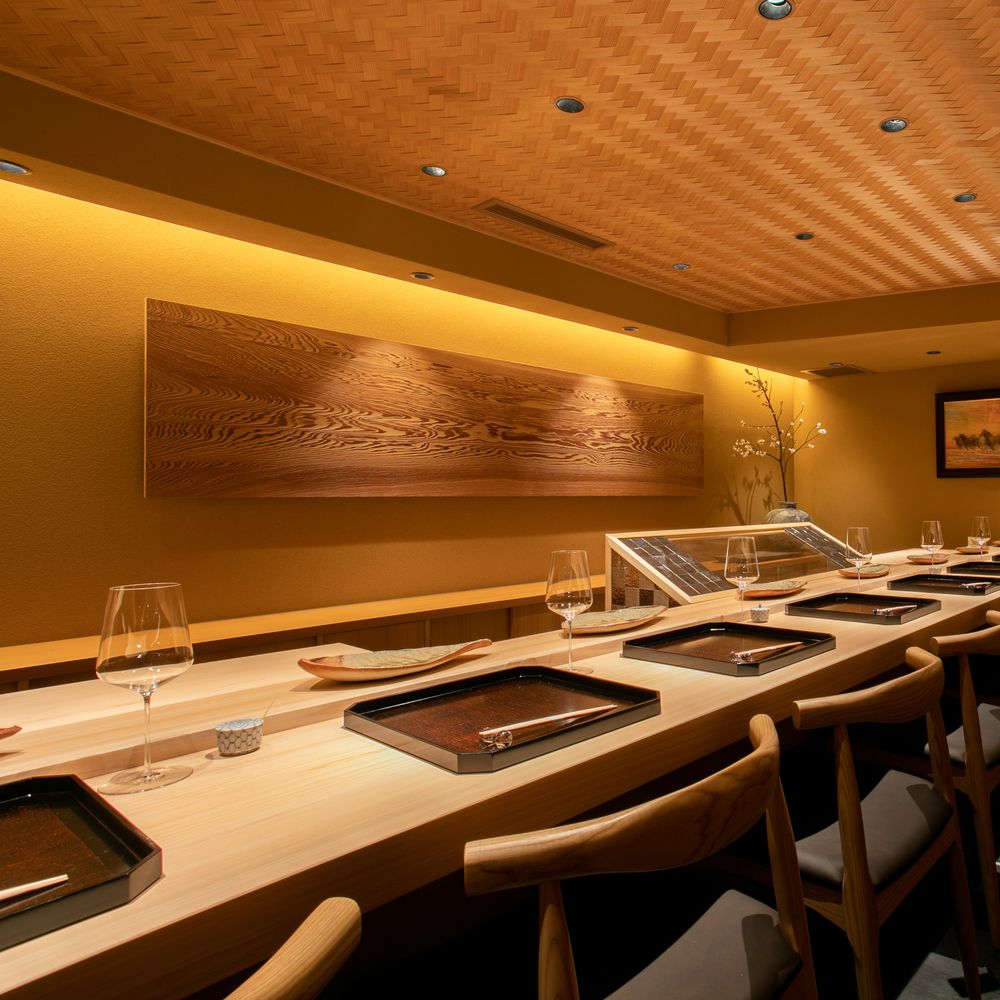
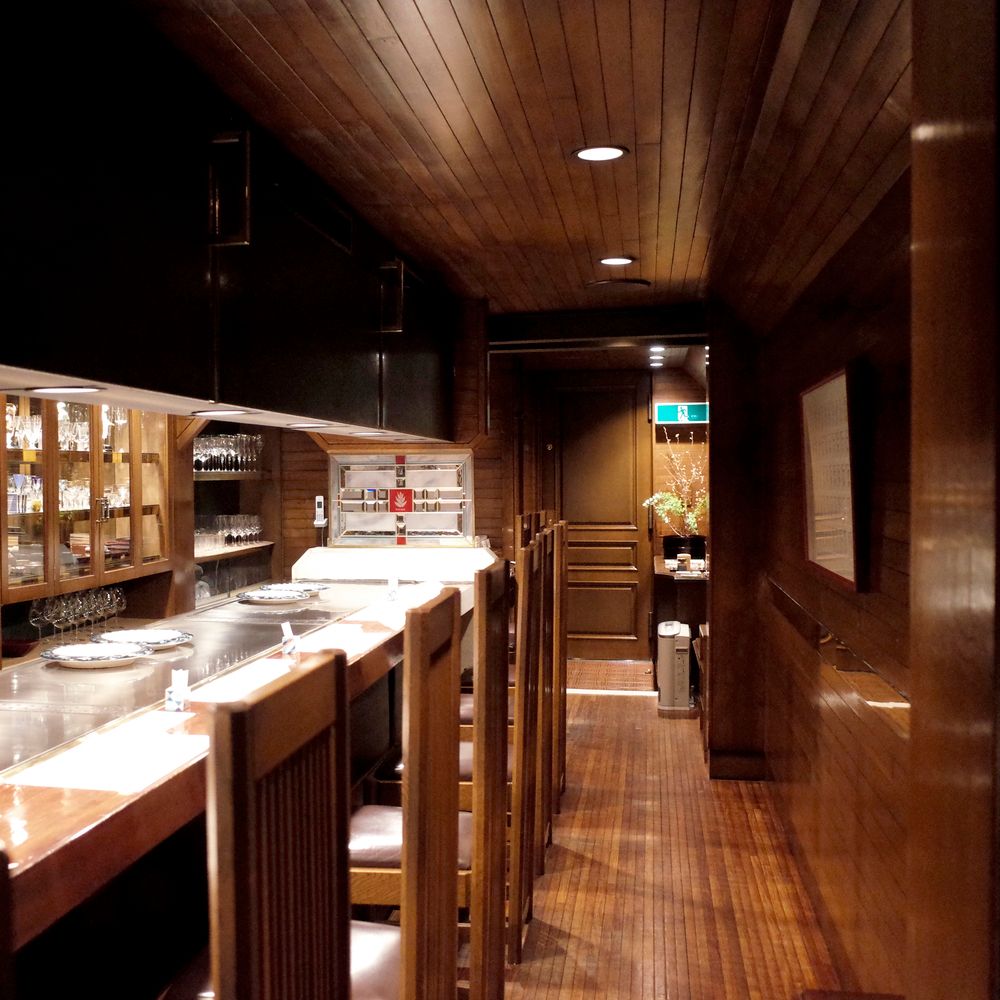
Bars in Nishinomiya
Browse all →
Hotels in Nishinomiya
Browse all →


Wineries in Nishinomiya
Browse all →
Details
- Lively
- Cozy
- Classic
- Family
- Casual Hangout
- Group Dining
- After Work
- Solo
- Standalone
- Local Sourcing
- A La Carte
- Counter Dining
- Family Style
- Beer
- Sake
Current opening hours
- Monday
- Closed
- Tuesday
- 5–9:30 PM
- Wednesday
- 5–9:30 PM
- Thursday
- 5–9:30 PM
- Friday
- 5–9:30 PM
- Saturday
- 5–9:30 PM
- Sunday
- 5–9:30 PM
Hours can change for holidays and private events. Hours as of .
Casual, compact okonomiyaki restaurant with the rhythmic sound of grilling on the teppan, a warm neighborhood feel, and a cozy, slightly bustling atmosphere typical of classic Japanese pancake shops.