
Asahi Ken Ekimae honten is a Hakata station-area dumpling and chicken-wing address with roots as a 1954 food stall and selection in Tabelog’s Dumplings 100 for 2019, 2021, and 2024. The appeal is not luxury dining but a disciplined, old-school Fukuoka format: counter seats, tatami space, take-out, sake and shochu, and a price tier built for casual evening eating.
Pearl is the En Primeur Club membership app — saves, bookings, and concierge access live there. Same editors, same standards.
- Address
- 2 Chome-15-22 Hakata Ekimae, Hakata Ward, Fukuoka, 812-0011, Japan
- Phone
- +81 92-451-7896
- Website
- tabelog.com
 Saves & bookings on Pearl
Approaching a Hakata station-area gyoza room is a different proposition from entering a polished kaiseki counter or a hotel dining room. The grammar is tighter: counter seats, quick turnover, table groups, take-out, drinks that lean toward sake and shochu, and a menu identity built around dumplings rather than ceremony. Asahi Ken Ekimae honten belongs to that Fukuoka tradition, the kind of place where the room matters because it keeps the meal social, fast-moving, and close to the old food-stall logic that shaped much of the city’s casual eating culture.
Fukuoka’s reputation with visitors often starts with tonkotsu ramen and yatai, but its stronger dining character is broader than that. The city rewards narrow specialists: counters for fried fish, compact curry rooms, izakaya with a single house rhythm, and dumpling shops that act as second dinners rather than grand occasions. For a wider map of that range, Our full Fukuoka restaurants guide gives the useful frame; this address sits in the low-friction, high-repeat corner of that map, where reputation is built through consistency rather than tasting-menu theatre.
Hakata gyoza reputation, measured by repeat recognition
The clearest signal here is critical selection. Asahi Ken Ekimae honten was selected for Tabelog’s Dumplings 100 in 2019, 2021, and 2024, a stronger marker for this category than a generic popularity claim. Tabelog’s Hyakumeiten lists matter in Japan because they identify category specialists rather than folding every restaurant into a single national hierarchy. For dumplings, that distinction is useful: the craft is judged against other gyoza counters, not against sushi, French, or luxury kappo.
The restaurant’s origin as a 1954 food stall also places it inside a Fukuoka lineage that predates the current wave of station-adjacent dining. That does not make the room a museum piece; it makes the format legible. Dumplings, chicken wings, sake, shochu, counter seating, tatami space, and take-out describe a working urban restaurant rather than a destination built for spectacle. The 50-seat layout, including counter and raised seating, also signals a house designed for groups as much as solo eating.
That matters in Hakata Ekimae, where restaurants compete with transit convenience and after-work patterns. Aji Dokoro Taro Gen Sougyou ten, for instance, occupies a higher-spend Fukuoka bracket, while Yachiyo Maru Hakata ekimae ten sits closer to the izakaya middle. Asahi Ken Ekimae honten works at a humbler level, but the award history pushes it above the anonymous station snack category. It is the kind of address that makes sense when a diner wants Fukuoka specificity without surrendering an evening to formality.
The room is casual, but the category is taken seriously
Gyoza in Japan often functions as a supporting act: a ramen side order, an izakaya plate, a late-night add-on. Dedicated dumpling recognition changes the reading. When a shop is selected repeatedly in a dumpling-specific list, the dish becomes the point rather than an accessory. That is the editorial reason to pay attention here. The supporting details, chicken wings, sake, shochu, family-friendly use, and take-out, reinforce a format that is practical without feeling anonymous.
Fukuoka’s dining strength lies in this kind of compression. Aji Furai Shokudo Kaba narrows attention around fried fish, Aji no Katsueda gives another local reading of everyday Japanese cooking, and Afterglow shows how a tighter concept can become a serious stop without luxury cues. The same logic applies beyond Japanese food: 106 South Indian Fukuoka tenjin ten reflects the city’s appetite for focused non-Japanese cooking rather than catch-all international menus.
For travellers, the useful comparison is not only between restaurants but between evening strategies. A high-spend dinner such as Aji Dokoro Taro Gen Sougyou ten asks for more commitment. A station-side dumpling address asks for less planning and gives a sharper read on casual Hakata. That is its value: a short, grounded meal that still carries documented recognition in its own category.
How it fits a Fukuoka itinerary
Hakata is the practical base for many visitors, but the mistake is treating the station district only as logistics. The better approach is to use it as a low-friction dining zone, then spend neighbourhood energy elsewhere. Pairing a dumpling stop with bar research from Our full Fukuoka bars guide makes more sense than forcing every night into a long restaurant booking. Travellers building a broader stay can cross-reference Our full Fukuoka hotels guide, Our full Fukuoka experiences guide, and, for completeness, Our full Fukuoka wineries guide.
Japan rewards this kind of category-specific eating across cities. The same traveller might read Fukuoka’s dumpling culture beside [Curry Senmon Ten] Maruyama Kyoju. in Sapporo, (Shoku) Vietnam in Kawasaki.cafe in Osaka.know in Kumamoto. 鮪と炭火焼き うお炭 秋葉原店 in Tokyo, or -Grilled beef Sukiyaki- KAMAKURA TANUKIAN 鎌倉 たぬき庵 in Kamakura. Outside Japan, similarly focused casual formats appear at Jōdo Saké Bar in Los Angeles and Onigiri Time in Pasadena, though the Hakata example is rooted in a different post-stall urban rhythm.
The editorial verdict is simple: use the restaurant for what it is, not for what luxury dining culture might ask it to be. Its credibility comes from repeated dumpling-category recognition, a long food-stall lineage, and a format that fits Fukuoka’s casual evening metabolism. In a city where small specialisms often say more than expensive rooms, that is enough reason to place it on the Hakata map.
Price Lens
Comparable venues to calibrate price, style, and recognition.
| Venue | Cuisine | Price | Notes |
|---|---|---|---|
| Asahi Ken Ekimae hontenThis venue — the venue you are viewing | Not listed | $ | Not listed |
| Maki no Udon (牧のうどん 空港店) | Hakata, Traditional Fukuoka Kamaage Udon | $ | Not listed |
| Tanakadashiki Seafood Shokudo Uochu | Not listed | $ | Chūō, Tanakadashiki-style seafood set-meal diner |
| Tempura Dokoro Hirao Honten | Hakata, Casual Tempura Specialist | $ | Not listed |
| Karo No Uron | Hakata, Traditional Hakata udon | $ | Not listed |
| Kamakiri Udon | Chūō, Casual Udon Noodle Bar | $ | Not listed |
Recognition history
Dated appearances from independent guides and award organizations, with the underlying list record or original source where available.
Tabelog 100 #4 · No. 4
Tabelog · Tabelog 100 - Dumplings - 2024
At a Glance
- Lively
- Classic
- Cozy
- Well Known
- Casual Hangout
- After Work
- Group Dining
- Solo
- Family
- Late Night
- Standalone
- Sake Program
- Beer Program
Current opening hours
- Monday
- 3 PM–12 AM
- Tuesday
- 3 PM–12 AM
- Wednesday
- 3 PM–12 AM
- Thursday
- 3 PM–12 AM
- Friday
- 3 PM–12 AM
- Saturday
- 3 PM–12 AM
- Sunday
- Closed
Hours can change for holidays and private events. Last verified .
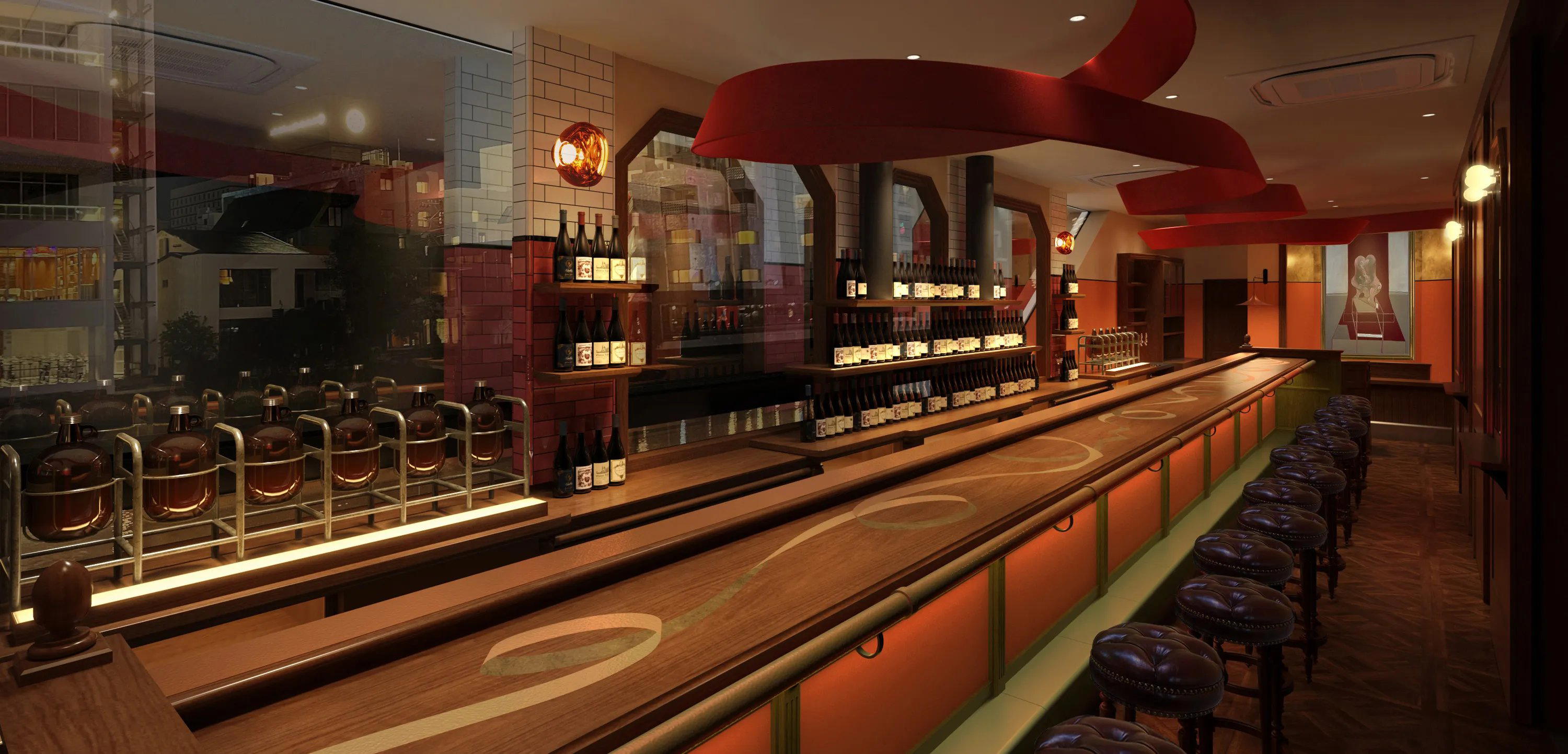
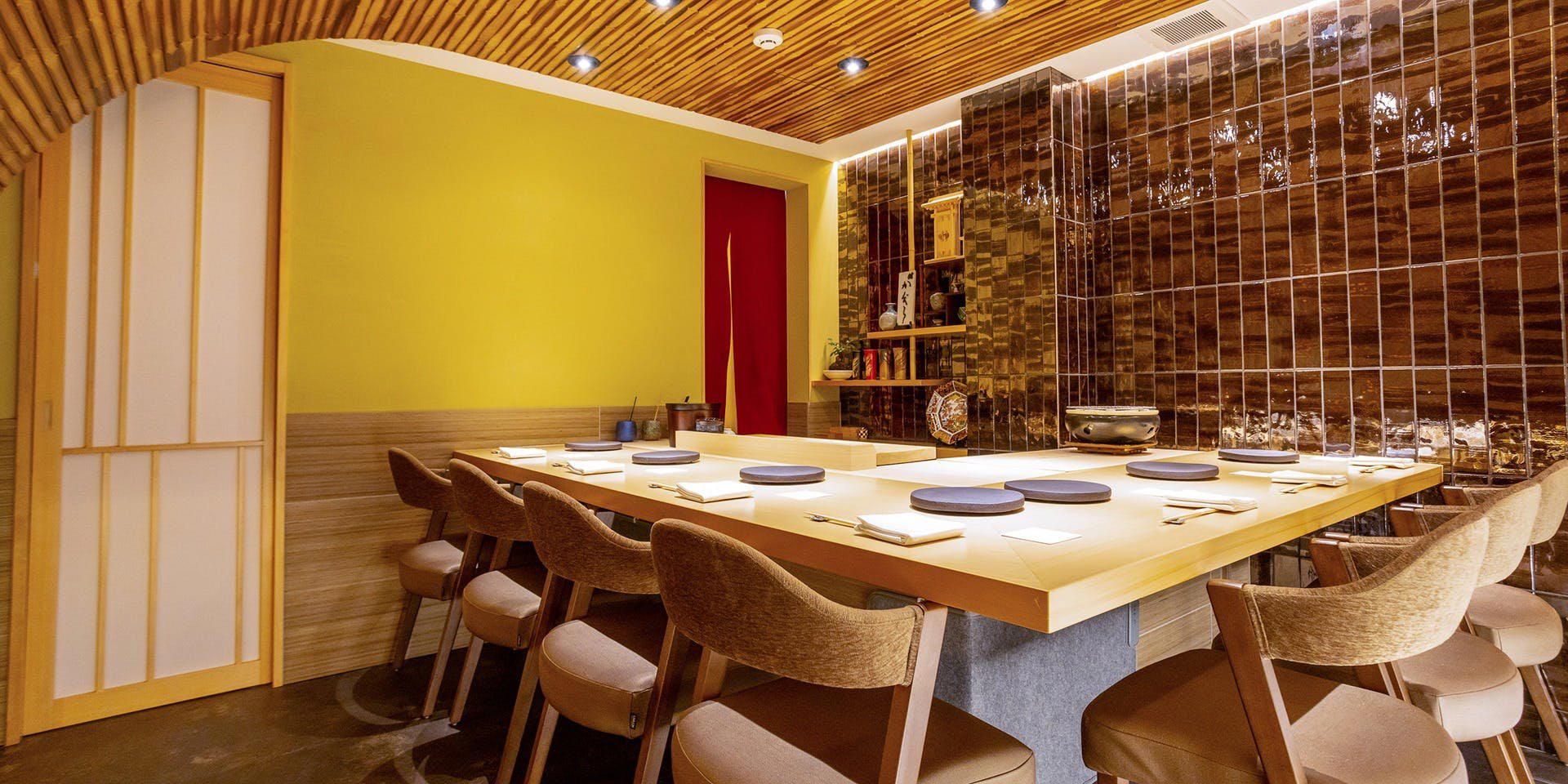
Bustling, casual izakaya-style atmosphere with counter seats and low tatami seating, bright and energetic rather than quiet, evoking a classic local gyoza joint that grew from a postwar food stall.