Our verdict
Aroma sits in Chaoyang’s Jianguo Road orbit, a part of Beijing where hotel dining rooms, business lunches, and polished regional cooking overlap. With no public chef, award, price, or menu detail to anchor a narrower claim, the useful read is contextual: treat it as part of the capital’s formal dining corridor rather than a hutong-side specialist address.

Pearl is the En Primeur Club membership app, where members save venues, book tables and use the concierge.
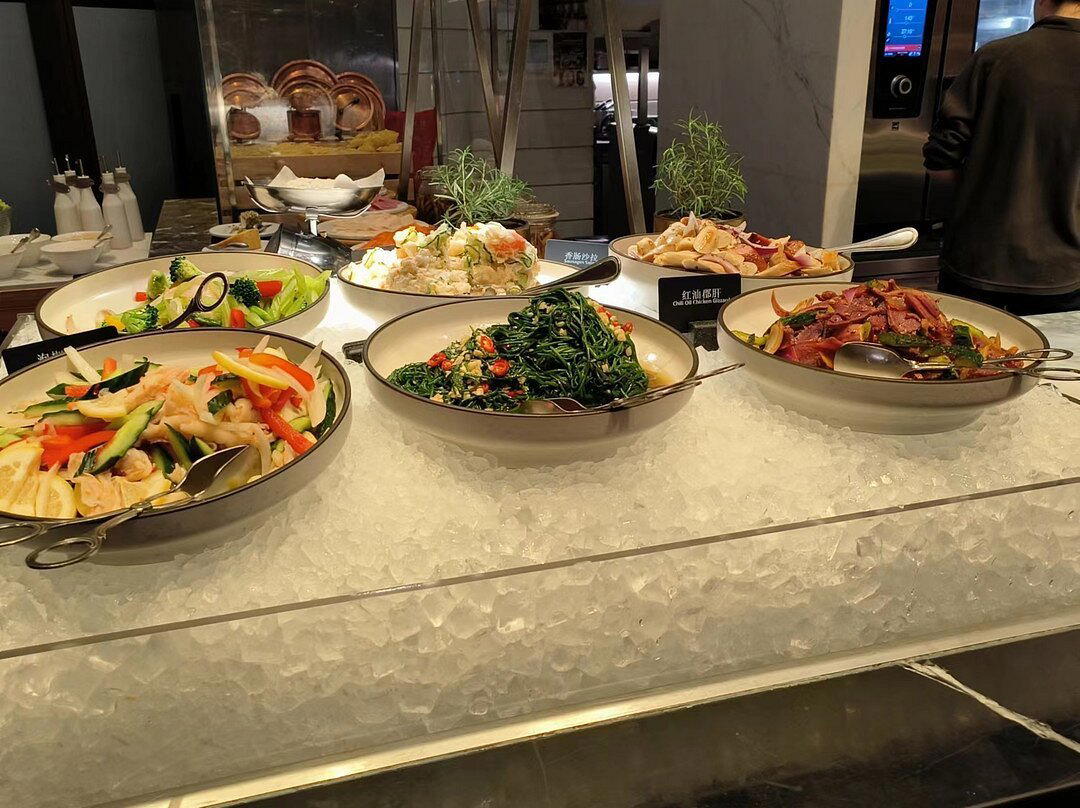
The menu
What to order
- Champagne and oysters
- Extensive sashimi selection
- Grilled lobster with Sichuan spice
- Peking duck
- Baked oysters
- Crêpes
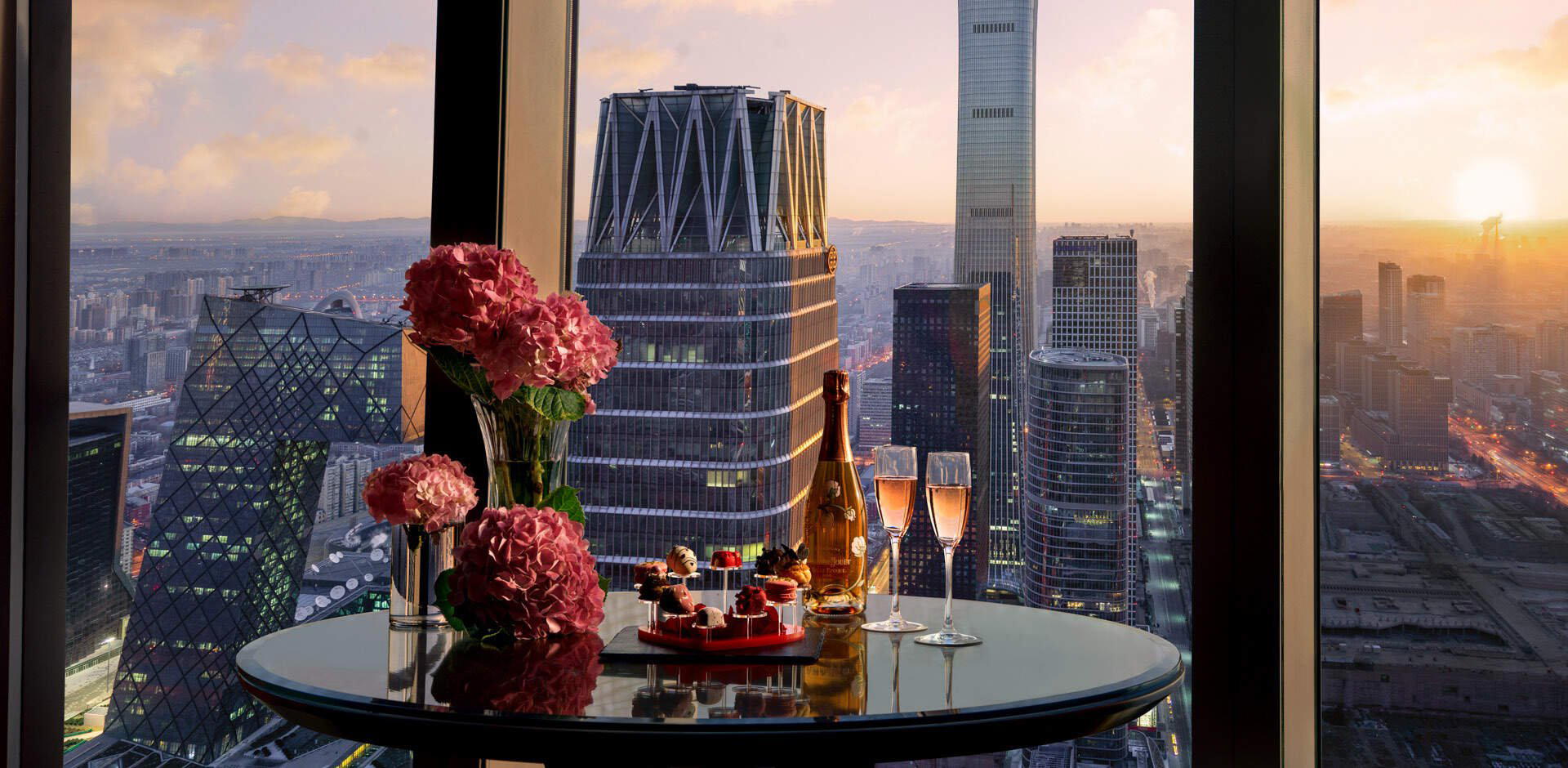
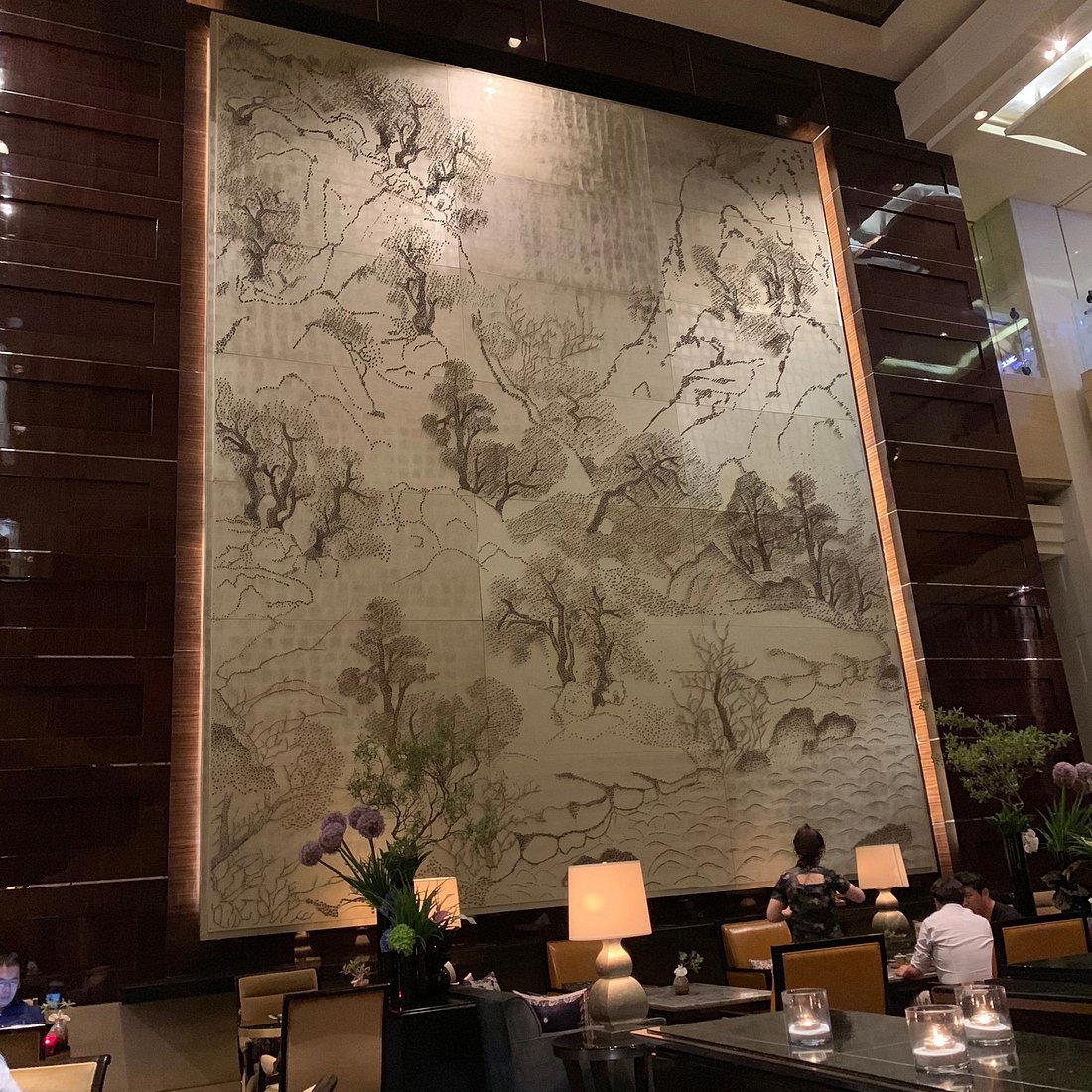
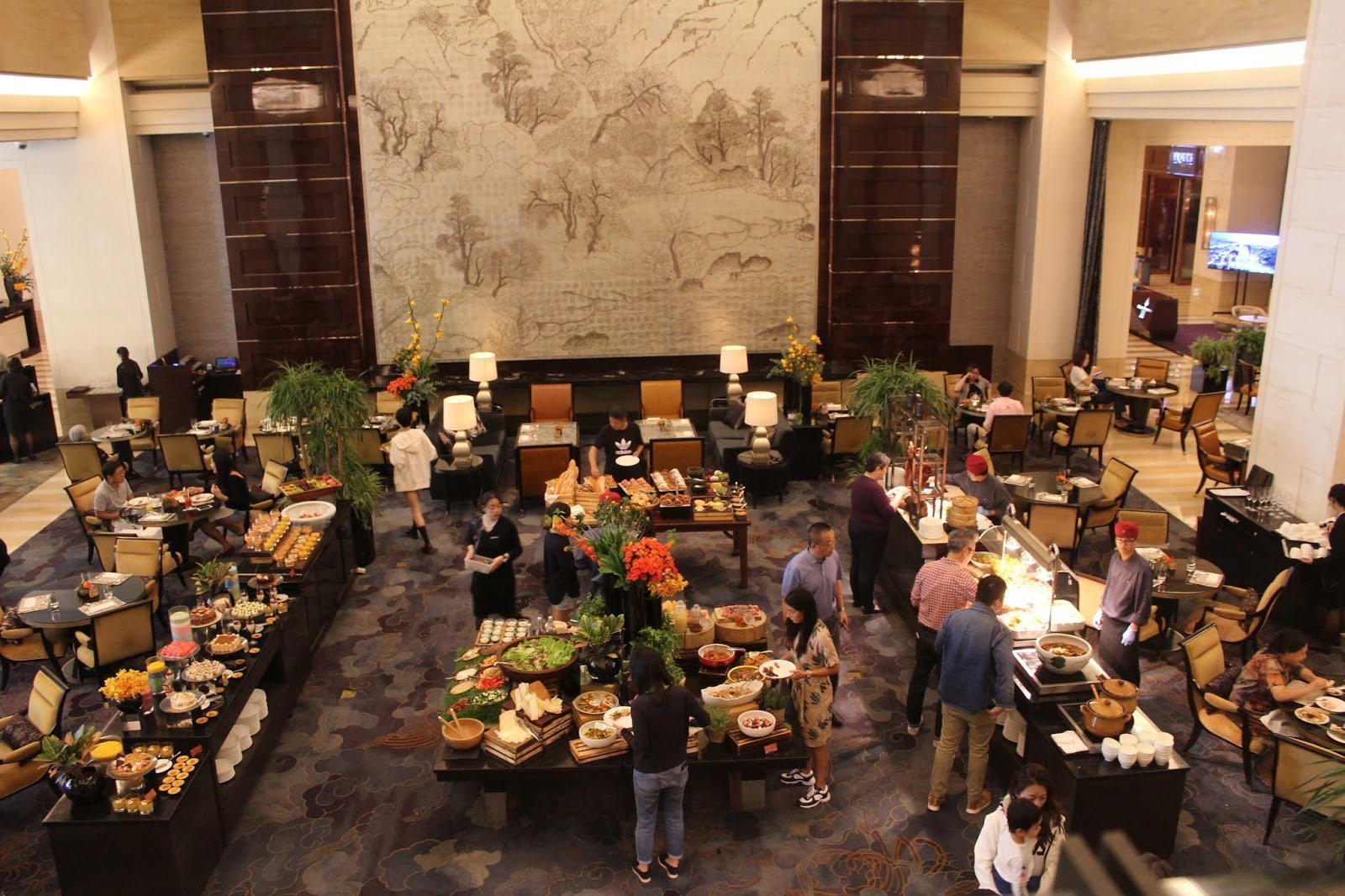
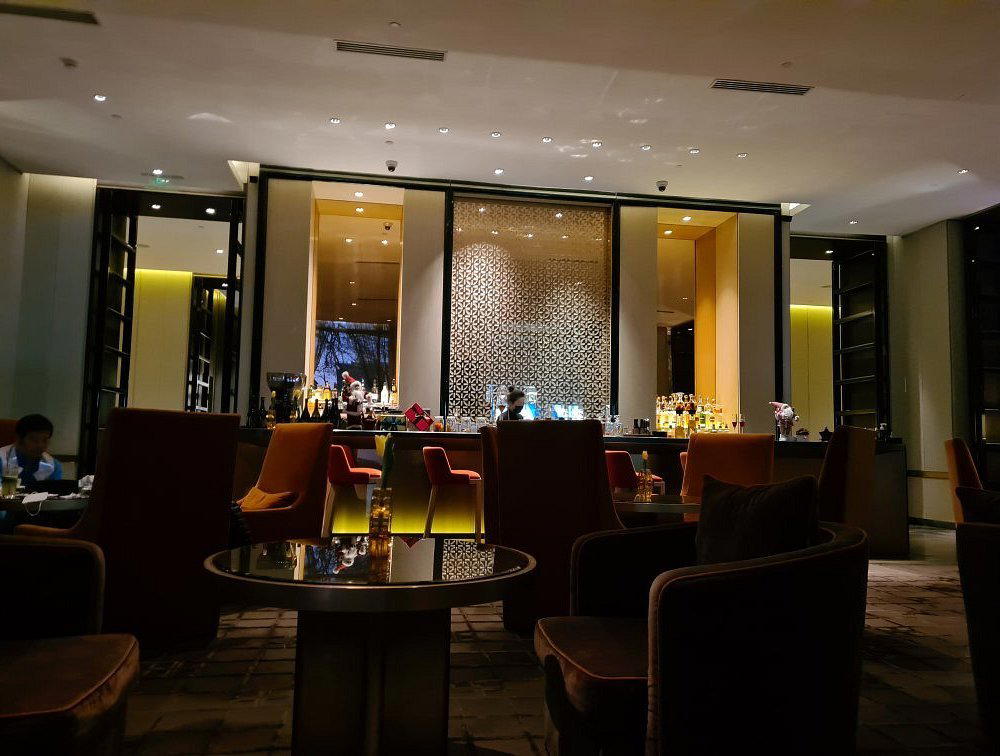
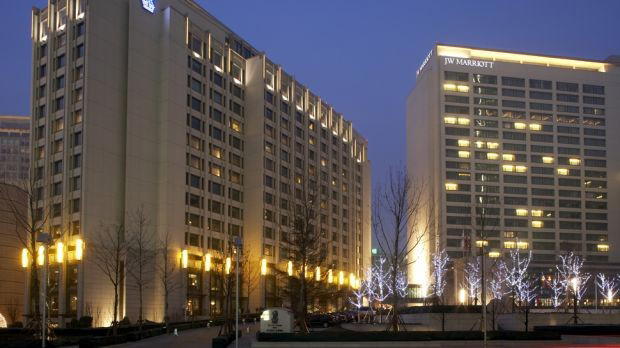
Approaching Aroma means entering a Beijing dining room whose appeal is best understood through the city around it rather than through a long list of public claims. The visual grammar of many contemporary Beijing restaurants is polished, hotel-adjacent, and international: wide roads, glass frontage, formal lobbies, and a lunch-to-dinner rhythm shaped by offices, visitors, and cross-city schedules. Aroma belongs to that orbit, where the meal is read less through street-level spontaneity than through setting, service expectations, and the capital’s habit of absorbing different dining styles into a more formal urban frame.
Beijing's polished dining rooms change how the city is read
Beijing dining is often discussed through roast duck, formal banqueting, and old-city nostalgia, but the city’s contemporary restaurant culture is broader and more pragmatic. In its newer dining rooms, the map is shaped by business hotels, shopping compounds, apartment towers, and restaurants built for mixed audiences: local professionals, domestic travelers, and international guests who want a controlled room rather than a street-side hunt. Aroma’s location places it inside that second Beijing, a zone where atmosphere and access often matter as much as culinary specificity.
That matters because regional cooking changes character when it enters the capital’s more formal rooms. Some dining rooms in Beijing become languages of banquets, private-room service, and appointment-friendly meals rather than purely neighborhood comfort. Beijing Kitchen and The Beijing Kitchen (Jianguo Road) show how polished restaurant formats sit comfortably within the city’s premium dining map. Rong Cuisine (Baiziwan South Er Road) points toward the appetite for regional kitchens that are not necessarily Beijing-native but can still find a serious audience here. Aroma should be assessed against that mixed Beijing context, not against a single narrow culinary lane.
The wider Beijing list reinforces the point. The city still has defining rituals, long-running dining habits, and formal rooms with their own vocabularies, while contemporary restaurant culture keeps expanding through hotels, compounds, and independent dining spaces. Hatsune occupies another recognizable part of the city’s restaurant conversation, and 丽æå¡å°é¡¿é åºçé¤å belongs to the broader set of named Beijing dining rooms readers may encounter when comparing options. Aroma’s relevance is not that it replaces those categories; it sits among the city’s more managed dining environments, where the reader’s decision is about occasion, location, and tolerance for formality.
The useful comparison is occasion, not hype
That restraint is important. A restaurant with a named chef, tasting format, published award line, or hard reservation window can be assessed through those signals. Here, the stronger evidence is positional: Aroma is a Beijing restaurant whose public profile is best read through context, convenience, and the kind of meal the night requires.
For travelers planning Beijing around food, that puts Aroma in the practical middle ground between destination dining and convenience dining. The old capital rewards long detours for specific traditions, regional Chinese kitchens, and rooms with loyal followings. Beijing’s polished restaurants reward a different calculation: meals attached to a business schedule, a hotel stay, or an evening when the logistics of crossing the city are not worth the culinary marginal gain. The distinction is not glamour versus authenticity. It is format. Beijing can be severe on transit time, and the right restaurant is often the one that matches the night’s geography.
Readers comparing across China should also notice how Beijing differs from other major dining cities. Some cities are strongly identified with heat, pacing, street food, waterfront polish, or softer regional vocabularies. Beijing’s more formal rooms sit apart: less about a single regional thesis, more about national capital hospitality under pressure from business, politics, and travel schedules. In that frame, Aroma is not a place to over-explain with unsupported specifics. It is more useful to ask whether its Beijing setting, tone, and convenience match the evening being planned.
How to place Aroma in a Beijing itinerary
The sensible use case is a meal when Beijing is already the evening’s base. That does not make it irrelevant. It makes the decision more situational. In a city where one late-afternoon crossing can consume the appetite before dinner, a Beijing option has value when the itinerary already points in that direction.
For broader planning, use the city rather than a single room as the framework. Our full Beijing restaurants guide is the natural starting point for choosing between duck, regional Chinese cooking, hotel dining, and contemporary rooms. Pairing the meal with accommodation is easier through Our full Beijing hotels guide, while later drinks sit in Our full Beijing bars guide. Travelers building a wider cultural schedule can use Our full Beijing experiences guide, and wine-focused planning belongs in Our full Beijing wineries guide. For a reminder that dining decisions follow different signals in different cities, compare Aroma with other Beijing options by format, convenience, and occasion rather than by unsupported claims.
Frequently asked questions
What's Aroma's location?
Aroma is located in Beijing.
Do they take walk-ins at Aroma?
No booking policy is listed for Aroma, so the practical read is to treat it as a Beijing dining option rather than a clearly reservation-led destination.
What has Aroma built its reputation on?
The public record points to location and general context rather than a named chef, fixed cuisine type, or detailed service format. That places Aroma within Beijing dining rather than in the fine-print territory of trophy-driven claims.
Do they accommodate allergies at Aroma?
No allergy policy is listed for Aroma, so the sensible approach is to confirm directly before planning a visit in Beijing. The venue details establish the city, not service protocols.
Would Aroma be comfortable with kids?
Nothing in the public record provided here confirms a formal tasting room or adults-only setup. Families would still need to judge comfort on the day, since no child policy is listed. Check the venue's official channels for the latest details.
Is Aroma formal or casual?
The listed details do not provide a chef name, price range, or service format, so it is safest not to assign a firm dress-code category. Treat Aroma as a Beijing dining option and confirm the current tone directly if formality matters.
Price and Recognition
Side-by-side context: comparable cuisine and price.
| Venue | Cuisine | Price | Awards |
|---|---|---|---|
| AromaThis venue (the venue you are viewing) | International Buffet at The Ritz-Carlton Beijing | $50–100 | Not listed |
| The Beijing Kitchen (Jianguo Road) | High-end Cantonese | $50–100 | 1 Michelin Star · La Liste Top Restaurants |
| Hatsune | Modern Omakase Sushi | $300–500 | Michelin Plate · Tabelog 100 #34 |
| Rong Cuisine (Baiziwan South Er Road) | Zhejiang (Taizhou) Cuisine | Not listed | Michelin Bib Gourmand |
Aroma
Featured Guides
Continue exploring
More in Beijing
Restaurants in Beijing
All restaurants in Beijing →
Bars in Beijing
All bars in Beijing →

Details
- Elegant
- Cozy
- Sophisticated
- Lively
- Brunch
- Family
- Group Dining
- Special Occasion
- Business Dinner
- Celebration
- Hotel Restaurant
- Garden
- Private Dining
- Extensive Wine List
- Garden
- Buffet
- A La Carte
- Wine
- Champagne
- Vegetarian Friendly
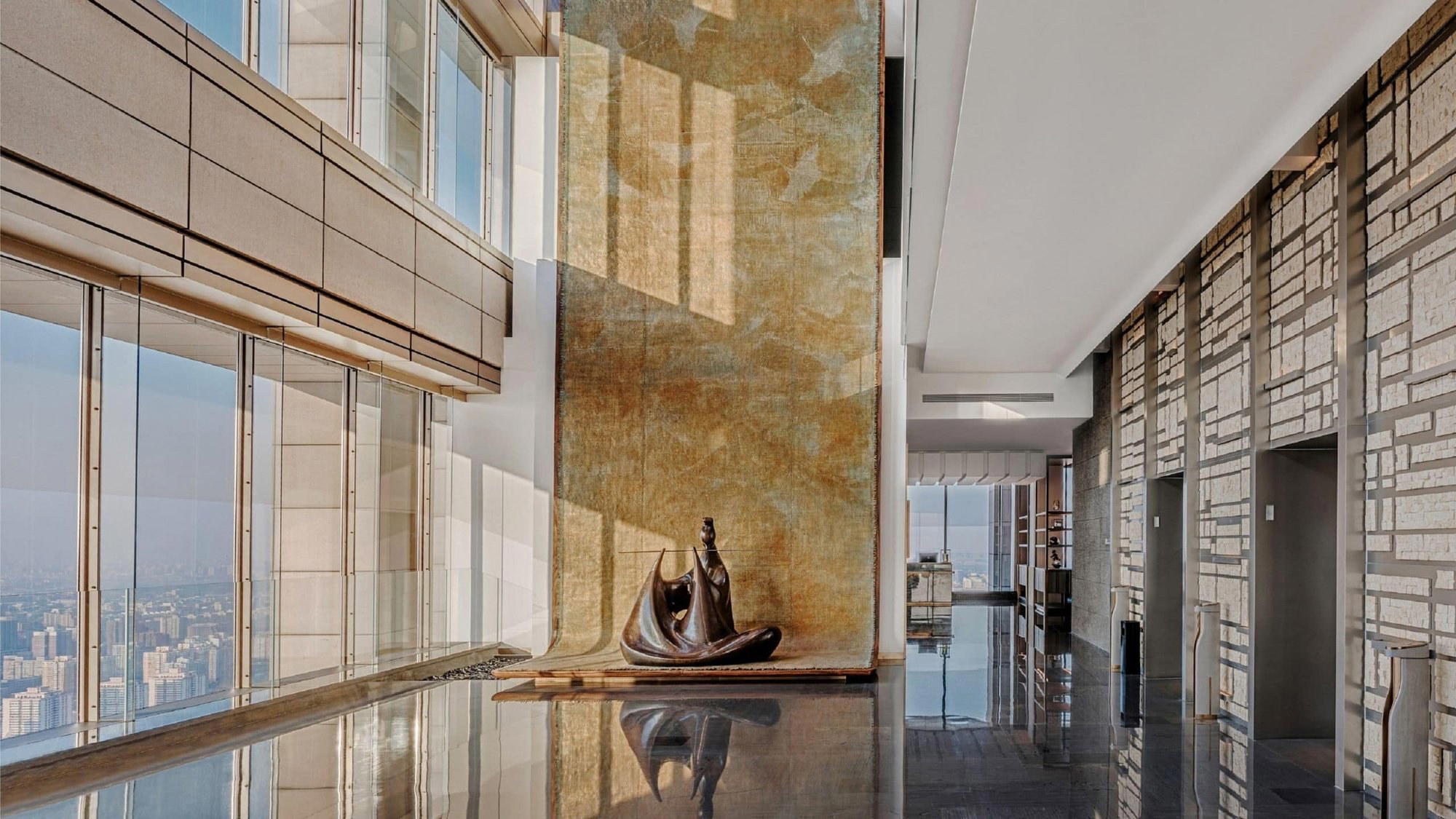
Hotel-all-day-dining feel with low ceilings that create warmth and intimacy, large windows looking onto a landscaped garden, and an overall elegant yet relaxed atmosphere suited to families and social gatherings.