Arcadia
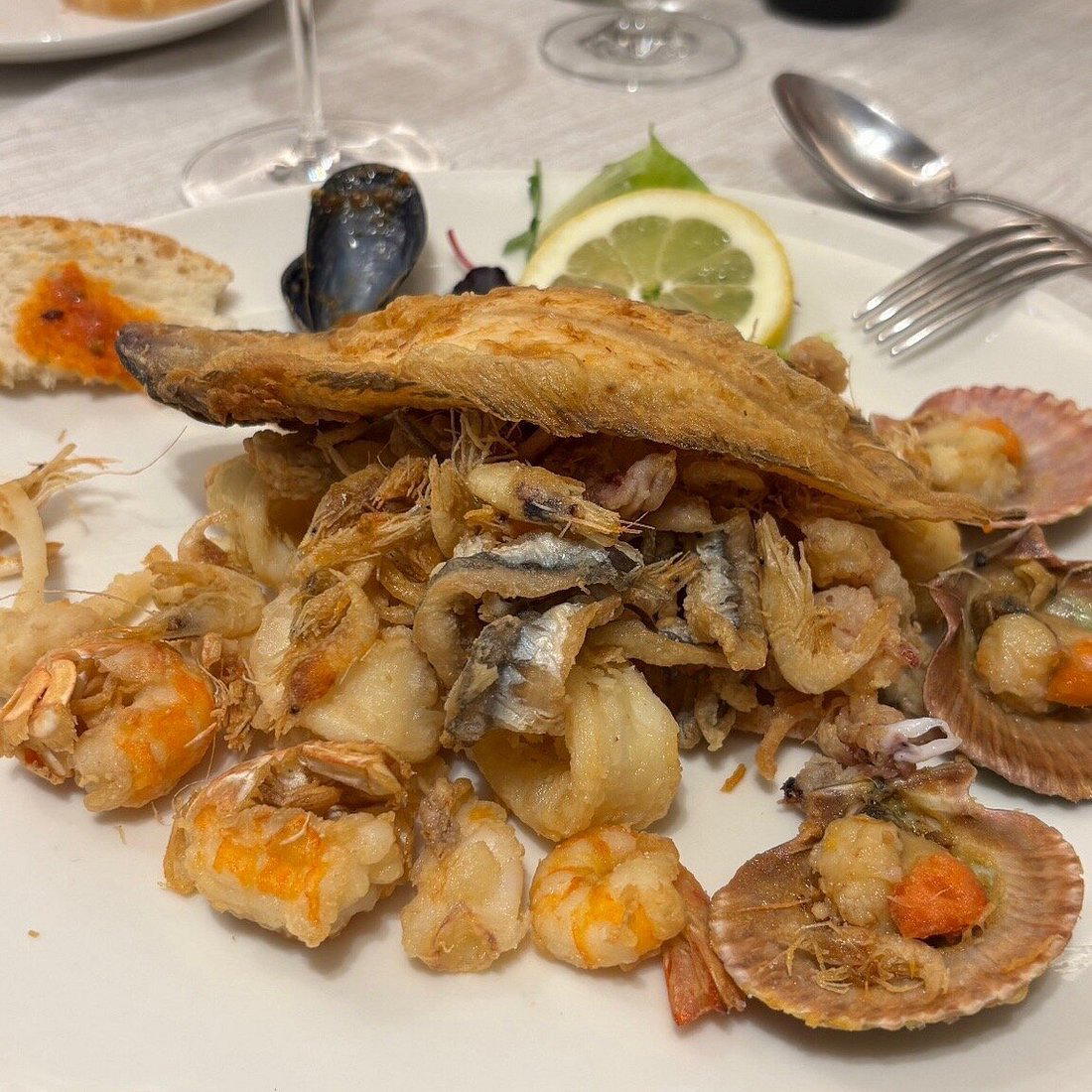
Arcadia is a Traditional Italian Seafood Osteria in Porto Tolle with local sourcing and signatures like delta oysters, mixed seafood fry, and grilled eel; suited to quiet, leisurely meals.
Pearl is the En Primeur Club membership app — saves, bookings, and concierge access live there. Same editors, same standards.
- Address
- Via Luigi Longo, 29, 45018 Porto Tolle RO, Italy
- Phone
- +39426388334
- Website
- osteria-arcadia.com
- Directions
- Get directions
 Saves & bookings on Pearl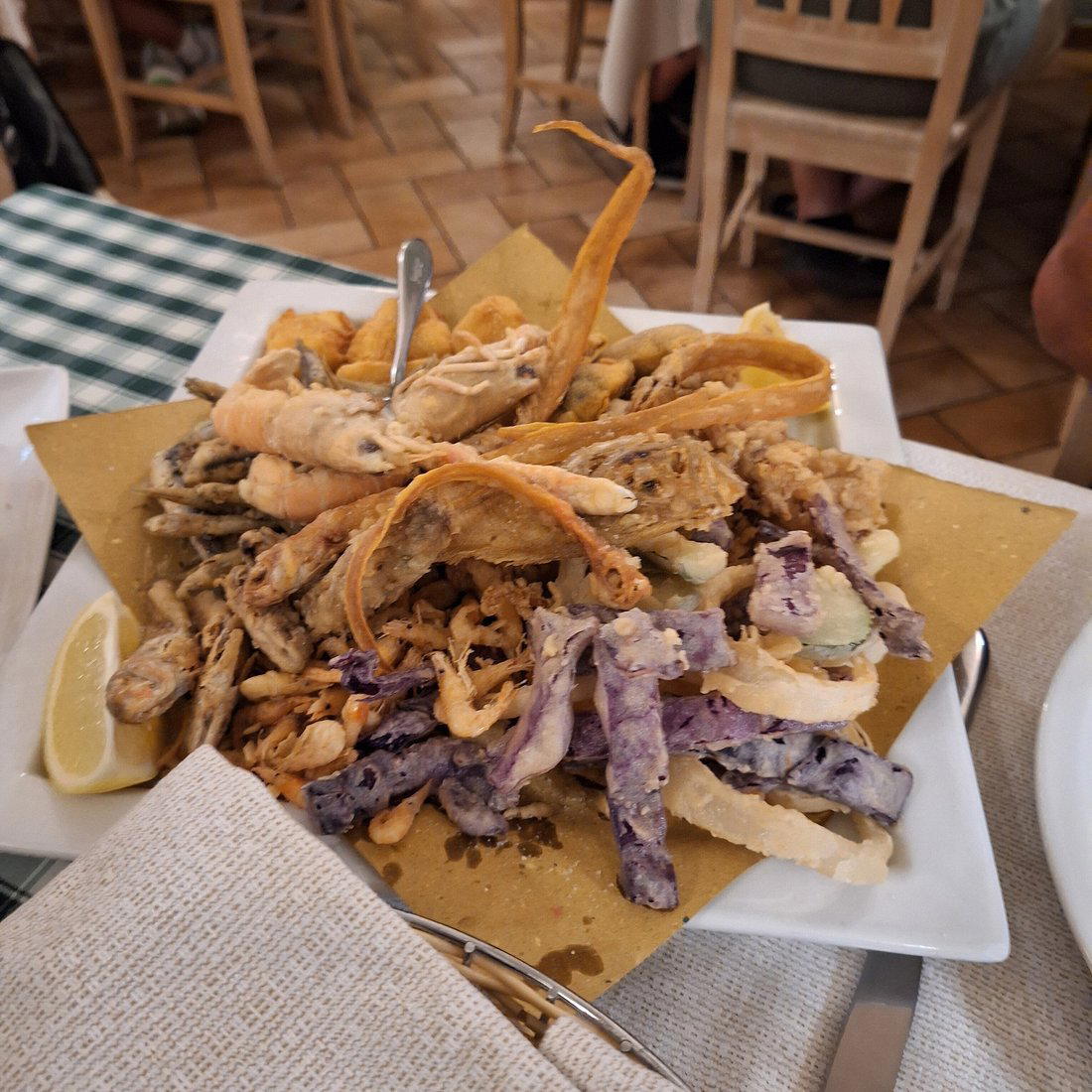
The Delta as Larder: Dining in the Po River Wetlands
Porto Tolle sits at the southern edge of the Po Delta, a place where the Italian mainland quietly dissolves into a network of channels, reed beds, and brackish lagoons before meeting the Adriatic. This is a dining destination that speaks quietly. The settlements here are small, the roads follow the waterways rather than any grid logic, and the agriculture, fishing, and hunting traditions that define the local table have changed little across generations. Arcadia, on Via Luigi Longo in the town centre, occupies this context fully. The address places it in a working provincial town rather than a scenic waterfront postcard, which is partly the point: the cooking in this part of the Veneto is not designed to perform for visitors.
What the Delta Puts on the Table
The ingredient logic of the Po Delta is specific in ways that distinguish it sharply from the broader Veneto or Emilia-Romagna traditions on either side. Eel, clams, mussels, and the soft-shelled river crabs known locally as moleche define the aquatic harvest. The flatlands produce wheat and maize, and the marshland edges yield asparagus and radicchio varieties that rarely travel far from their growing areas. Restaurants in this zone tend to work with what is pulled from the water or grown within a short radius, not because farm-to-table has become a concept to market, but because the supply chains out here are simply short by default. The nearest large city is Rovigo, roughly 50 kilometres north, and the Delta's geographic isolation has preserved both the ingredient base and the culinary habits it generates.
That provenance dynamic places Arcadia in a category of Italian regional restaurants that operate at a meaningful remove from the €€€€ fine-dining tier represented by houses like Uliassi in Senigallia or Quattro Passi in Marina del Cantone. Those restaurants translate coastal Italian ingredients through technically ambitious, internationally recognised frameworks. The comparison is instructive rather than hierarchical: the sourcing philosophy in the Delta follows the same principle of hyper-local provenance, but the setting and ambition are calibrated to a different audience and a different scale. See also the contrast with Dal Pescatore in Runate, where river and wetland produce from the Po plain feeds a Michelin-starred kitchen with decades of accumulated recognition. Arcadia operates in the same geographic and ingredient tradition without that institutional context.
The Setting and What It Implies
The physical environment of Porto Tolle shapes the experience before you reach the table. The town sits on an island formed by the southern Po distributaries, reachable by bridges and causeways that cross water at nearly every turn. In the early morning and at dusk, mist sits low over the channels, and the light on the delta flatlands shifts from grey to amber in a matter of minutes. Arriving by car from the north means crossing a landscape that feels incrementally less connected to the Italian mainland with each kilometre, a quality that seasoned travellers in this region either find quietly compelling or disorienting depending on their expectations.
Arcadia's address on Via Luigi Longo places it in the commercial and civic centre of Porto Tolle rather than on the water's edge, which is typical of how local restaurants function in small delta towns: the scenic frontage is for the embankments and bird-watching hides, not necessarily the dining rooms. This is a practical, community-facing location, and the atmosphere it generates is correspondingly direct. The experience is more likely to feel like eating where locals eat than like a curated regional showcase, which in a place this specific is its own form of access.
Sourcing, Season, and the Delta Calendar
The Po Delta has a seasonal rhythm that translates directly into what appears on plates in this area. Spring brings the first asparagi di Badoere and early clam harvests. Summer intensifies the lagoon fishing and the soft-shell crab season. Autumn is for eel, particularly the fat migrating eels moving toward the sea, which in this region have been a preserved and smoked delicacy for centuries. Winter brings duck and waterfowl from the hunting zones that ring the protected areas of the Delta Po Regional Park. A restaurant in Porto Tolle that tracks this calendar is, by definition, working with ingredients at or near their peak, because the alternatives require importing from outside a supply network that is already producing notable primary material.
This is the sourcing context that separates Delta restaurants from the broader Italian coastal fish restaurant category. The produce is not decorative regionalism applied to a generic menu; it is the actual constraint and opportunity that defines what gets cooked. For reference on how Italian chefs at the high end of the spectrum work with similarly specific regional ingredient sets, the tasting formats at Reale in Castel di Sangro or Atelier Moessmer Norbert Niederkofler in Brunico show how the same principle of strict territorial sourcing operates at a different technical register. The underlying argument, that place determines plate, is consistent across price points and ambition levels.
Planning a Visit
Porto Tolle is not on most itineraries, which is precisely the condition that keeps its local restaurants oriented toward residents rather than tourist traffic. The town is most practically reached by car from Rovigo or from Ferrara to the south. Visit timing matters: the Delta is most atmospheric in the shoulder seasons, when the light is low and the bird populations are at their peak, and the table naturally follows the seasonal harvest. Those building a broader Italian regional itinerary in the northeast might find it useful to consider comparison points at Casa Perbellini 12 Apostoli in Verona or Le Calandre in Rubano to calibrate the range of what the Veneto table offers at different levels of formality and investment.
For those comparing approaches to serious Italian cooking further afield, the northeastern tradition sits in dialogue with celebrated kitchens at Osteria Francescana in Modena, Piazza Duomo in Alba, Enoteca Pinchiorri in Florence, Enrico Bartolini in Milan, Villa Crespi in Orta San Giulio, Da Vittorio in Brusaporto, and La Pergola in Rome, all of which work with regional Italian identity through formally structured tasting programmes. Readers interested in how coastal ingredient sourcing translates internationally might also consider Le Bernardin in New York City or Gambero Rosso in Marina di Gioiosa Ionica and Lazy Bear in San Francisco as points of comparison for what place-specific sourcing produces at different scales of ambition.
At-a-Glance Comparison
Comparable venues nearby, for context on price, style, and recognition.
| Venue | Cuisine | Price | Notes |
|---|---|---|---|
| ArcadiaThis venue — the venue you are viewing | Traditional Italian Seafood Osteria | $$ | Not listed |
| Ristorante da Cherubino | Traditional Venetian Trattoria | $$ | San Marco |
| Arso Trattoria Moderna | Traditional Roman Trattoria | $$ | .null |
| Restoran 27 | Italian | $$ | Cervia |
| Osteria Morin | Modern Italian Osteria | $$ | Pontecchio Polesine |
| Tempini | Italian Seafood and Pizza | $$ | Jesolo Lido |
Continue exploring
More in Porto Tolle
Restaurants in Porto Tolle
Browse all →
Bars in Porto Tolle
Browse all →

At a Glance
- Intimate
- Elegant
- Rustic
- Date Night
- Special Occasion
- Standalone
- Local Sourcing
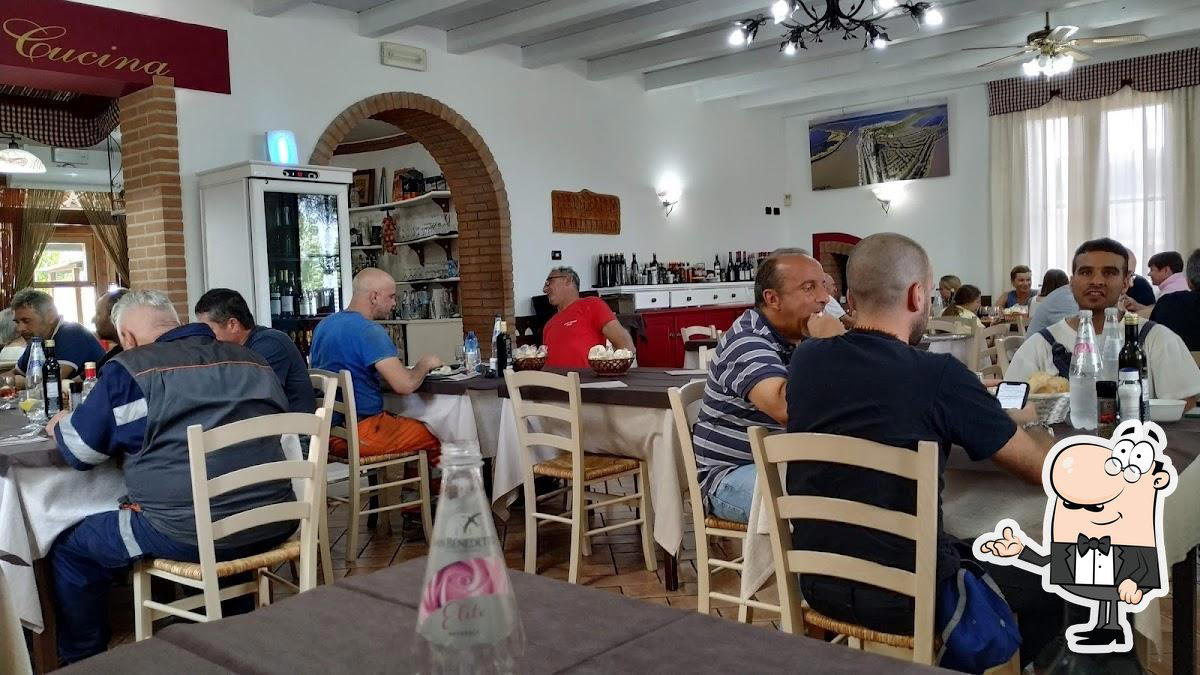
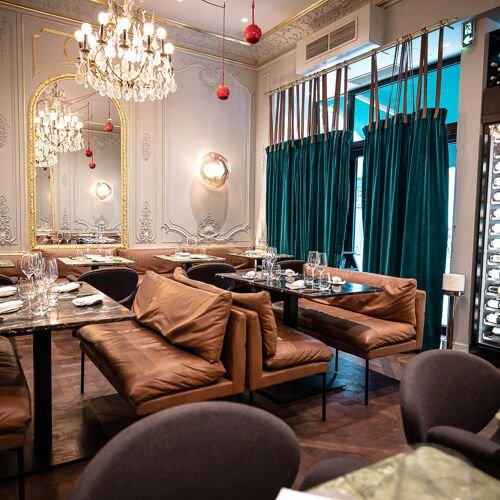
Intimate and elegant with simple, tasteful furnishings, dark green walls, and 1950s design touches.