
Open since 1922 and now in its fourth generation, La Capanna di Eraclio sits seven metres below sea level on the Po delta, operating with the unhurried confidence of a place that has never needed to reinvent itself. The kitchen focuses on what the delta produces: eel, blue crab, scallops, and small sole sourced from the surrounding wetlands and coastal waters. Michelin has recognised it with a Plate in both 2024 and 2025.
Pearl is the En Primeur Club membership app — saves, bookings, and concierge access live there. Same editors, same standards.
- Address
- Località Per Le Venezie, 21, 44021 Codigoro FE, Italy
- Phone
- +39 0533 712154
- Website
- facebook.com
- Directions
- Get directions
 Saves & bookings on Pearl
Below the Waterline, Above the Noise
The Po delta is one of the more disorienting stretches of northern Italy. The land sits barely above the Adriatic, in places sinking below it, and the horizon dissolves into a flat argument between reed beds, lagoon, and sky. Arriving at La Capanna di Eraclio on Località Per Le Venezie, the address itself signals remoteness: this is not a restaurant positioned near anything particularly convenient. That inconvenience is the point. The dining room sits seven metres below sea level, in a territory shaped by water on every side, and the kitchen has spent over a century making the case that this specific patch of the Po delta produces particularly compelling freshwater and brackish-water ingredients in Italy.
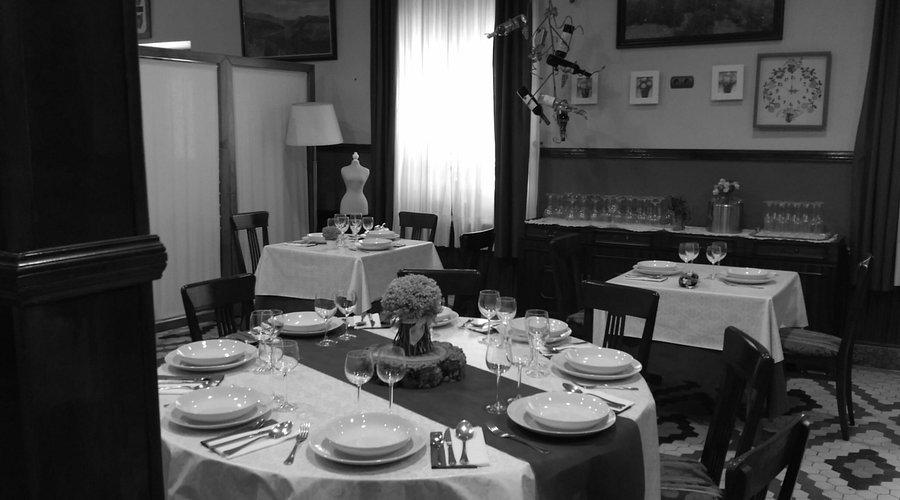
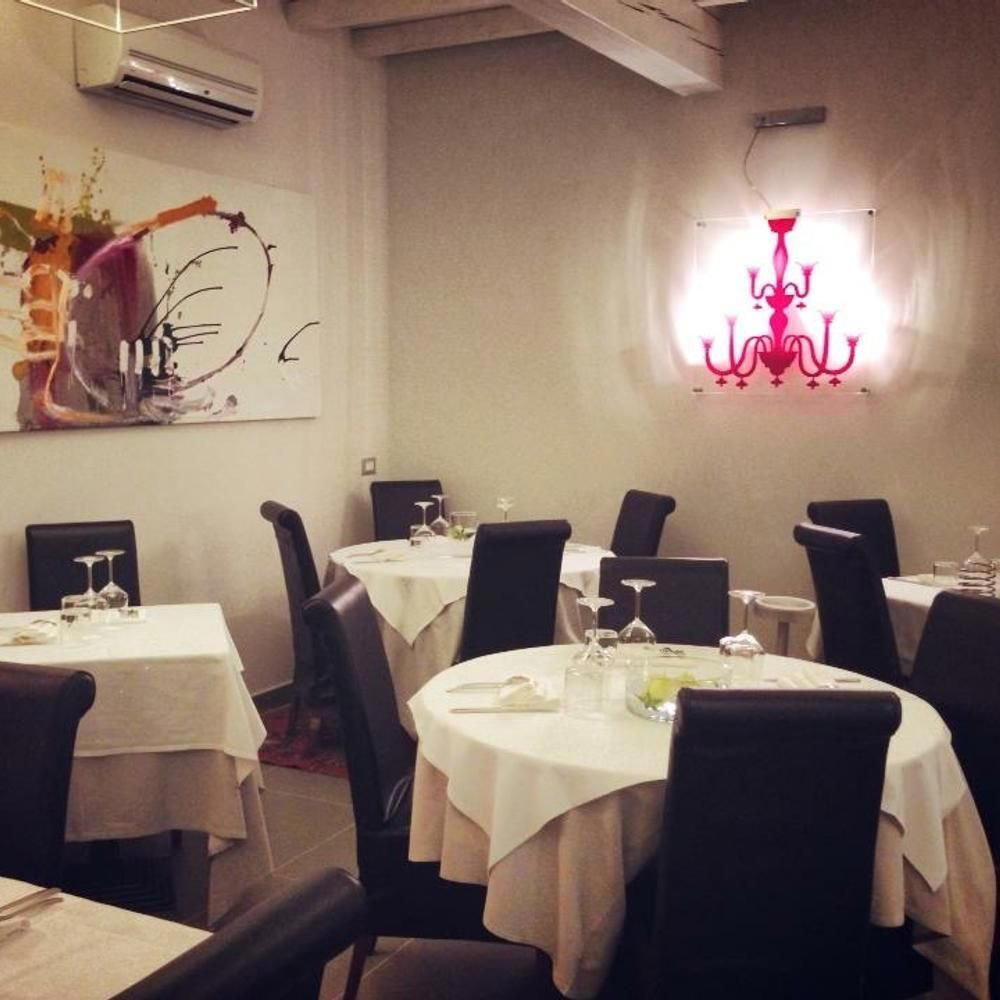
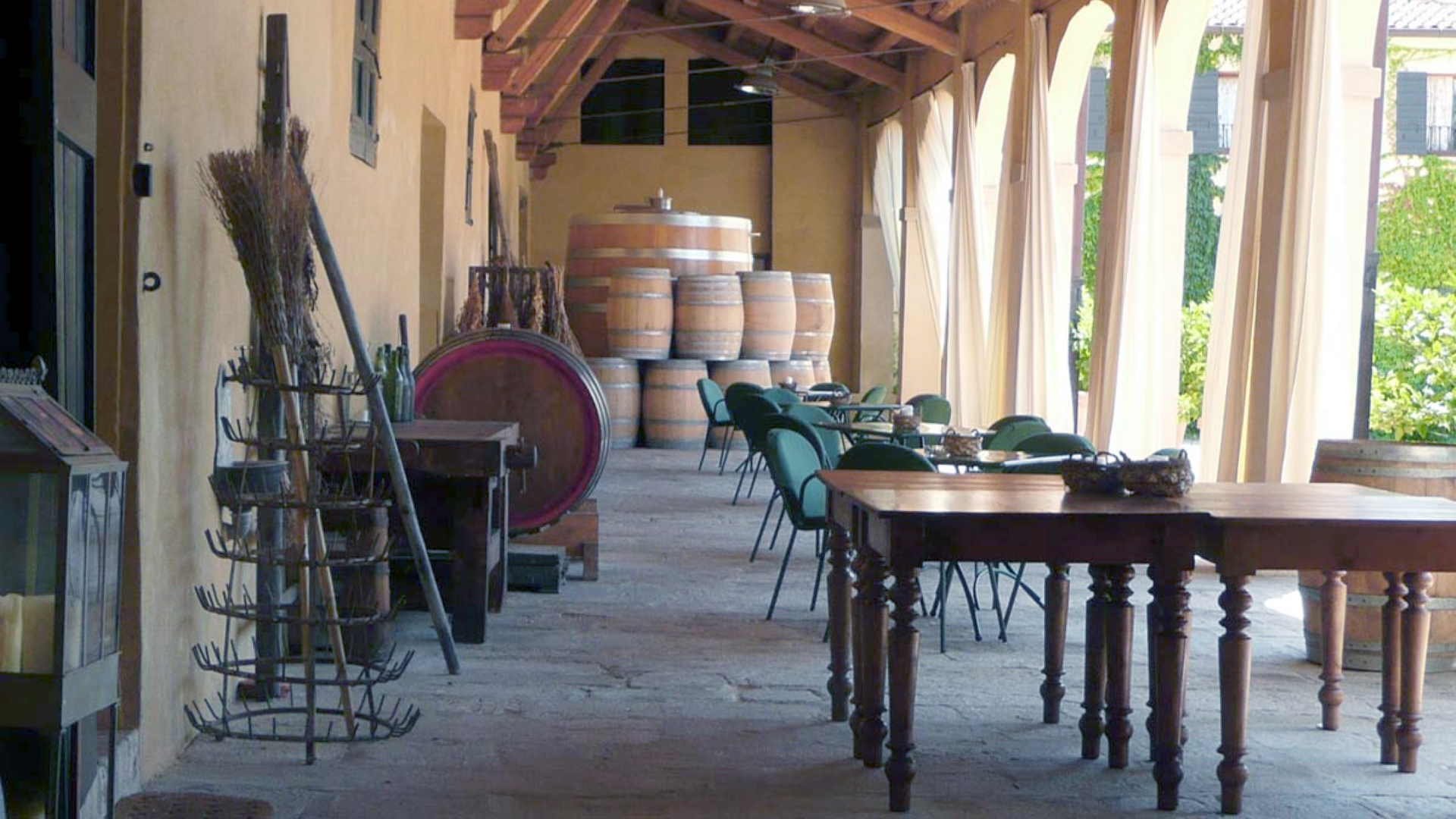
The building has been here since before 1922, when it operated as an inn. The kitchen came later, and with it a culinary identity that has passed through four generations without the kind of conceptual rebranding that defines so many long-running Italian institutions. The atmosphere reads as a family trattoria, but one where certain details carry unexpected weight: the table settings, the composition of a plate, the specificity of what arrives from the water. Michelin awarded the restaurant a Plate in 2024 and 2025, a recognition that sits comfortably with the kitchen's register. This is not three-star ambition dressed in rustic clothing. It is something more consistent and, in its own way, harder to replicate.
What the Delta Delivers
Italian seafood restaurants broadly split between those drawing on open-ocean catch and those anchored to the more brackish, ecologically specific produce of delta and lagoon environments. The Po delta belongs firmly to the second category, and the ingredients it yields are distinct enough to constitute their own culinary argument. Eel is the signature protein of the region: farmed and wild in the valley waters, cooked in ways that reflect centuries of local technique. Blue crab, which has colonised the northern Adriatic in significant numbers over the past two decades, appears here steamed in its shell, a preparation that preserves the salinity and sweetness of the meat without distraction, served alongside fresh mayonnaise. Scallops and small sole complete a menu organised around what the surrounding water system actually produces rather than what a broader market can supply.
The sourcing logic here is geographical before it is philosophical. The Po delta's brackish lagoons and slow-moving channels create conditions that produce eel with a fat content and flavour profile different from Atlantic or Pacific equivalents. The blue crab, introduced as an invasive species but now harvested with increasing seriousness, has become a regional ingredient rather than an ecological problem, at least at the table. These are not ingredients that travel particularly well or that benefit from long supply chains. The kitchen's proximity to the source is structural, not a marketing position.
For context, Italy's most decorated seafood-focused restaurants, including Uliassi in Senigallia and Gambero Rosso in Marina di Gioiosa Ionica, operate at the €€€€ tier with tasting menus built around coastal Italian produce interpreted through contemporary technique. La Capanna di Eraclio occupies a different register entirely at €€€, closer in spirit to the kind of trattoria-rooted precision you find at Quattro Passi in Marina del Cantone than to the progressive Italian kitchens of Osteria Francescana in Modena, Le Calandre in Rubano, or Reale in Castel di Sangro. The comparison set for this kitchen is not the Italian three-star circuit, which includes properties like Dal Pescatore in Runate, Enoteca Pinchiorri in Florence, Enrico Bartolini in Milan, Piazza Duomo in Alba, and Atelier Moessmer Norbert Niederkofler in Brunico. It is the smaller, place-specific coastal Italian tradition where the room, the ingredients, and the decade of operation all point in the same direction.
Codigoro and the Ferrara Table
Codigoro sits in the province of Ferrara, a part of Emilia-Romagna that receives considerably less attention than Bologna or Modena despite having its own layered culinary identity. The Ferrara table has historically drawn from both the agricultural flatlands to the west and the delta wetlands to the east, producing a cuisine that moves between cured meats, fresh pasta, and river and lagoon fish with more fluency than most Italian provincial traditions. La Capanna di Eraclio represents the eastern end of that spectrum. The nearest town of any size is Comacchio, whose historic eel fishery has been central to the delta's food culture for centuries, supplying restaurants and households across the region.
For those exploring the area more broadly, our full Codigoro restaurants guide covers the wider dining picture, while La Zanzara offers an alternative local reference point. The Codigoro hotels guide, bars guide, wineries guide, and experiences guide provide the broader planning context for a stay in the delta.
Planning a Visit
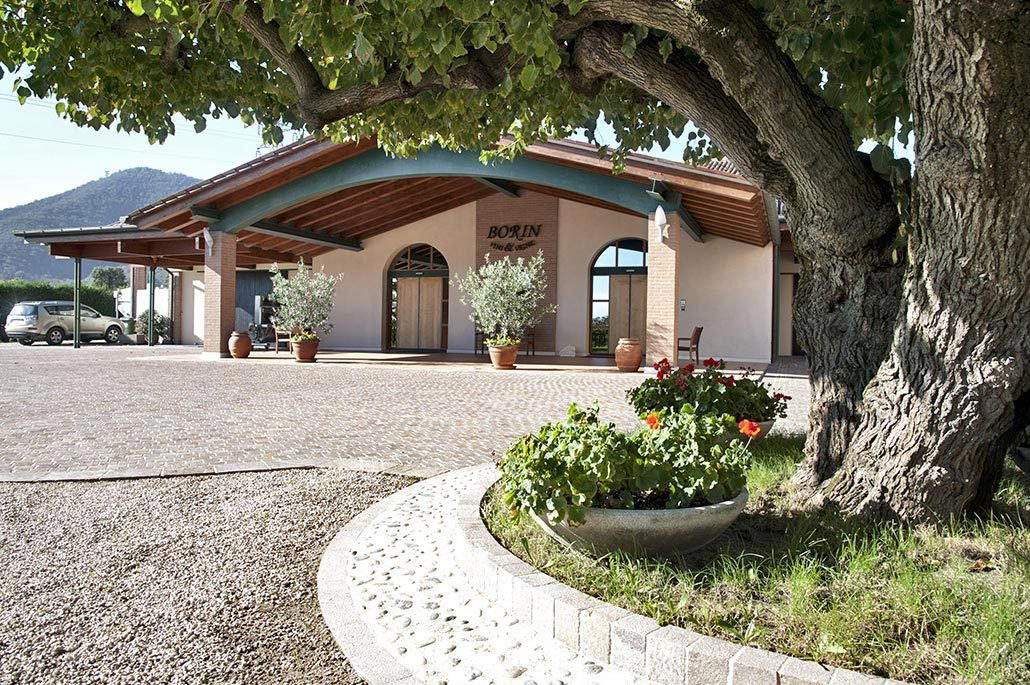
Reaching the restaurant requires a car. The address at Località Per Le Venezie places it outside Codigoro proper, in the flat delta terrain between town and lagoon. Public transport does not serve this stretch meaningfully, and the surrounding landscape, while worth the drive on its own terms, does not reward spontaneous navigation. Pricing at €€€ puts it at the upper-middle range for the region, appropriate for the quality and sourcing specificity of what the kitchen produces. Given the restaurant's following and the limited dining options of similar standing in the delta, booking in advance is the practical approach, particularly during summer months when the area draws visitors to the Comacchio valleys and the nearby Adriatic coast.
For a comparable approach to place-specific Italian seafood at a different price tier and technical register, Alici on the Amalfi Coast provides useful contrast: coastal Italian sourcing in a setting oriented toward international visitors rather than regional tradition.
Quick Comparison
Comparable venues nearby, for context on price, style, and recognition.
| Venue | Cuisine | Price | Awards | Notes |
|---|---|---|---|---|
| La Capanna di EraclioThis venue — the venue you are viewing | Traditional Po Delta Seafood Trattoria | $$$ | Michelin Plate | Not listed |
| La Zanzara | Michelin-Starred Italian Seafood | $$$ | Michelin 1 Star | Porticino |
| Cestello Firenze | Modern Mediterranean Seafood | $$$ | Michelin Plate | San Frediano |
| Al Capitan della Cittadella | Contemporary Italian Seafood | $$$ | Michelin Plate | Cittadella |
| Nannini | Modern Seafood | $$$ | Michelin Plate | Antignano |
| Posillipo | Contemporary Italian Seafood | $$$$ | Michelin Plate | Gabicce Monte |
Recognition history
Dated appearances from independent guides and award organizations, with the underlying list record or original source where available.
Michelin Plate
Michelin
Michelin Plate
Michelin
Michelin Plate
Michelin
Continue exploring
More in Codigoro
Restaurants in Codigoro
Browse all →
Bars in Codigoro
Browse all →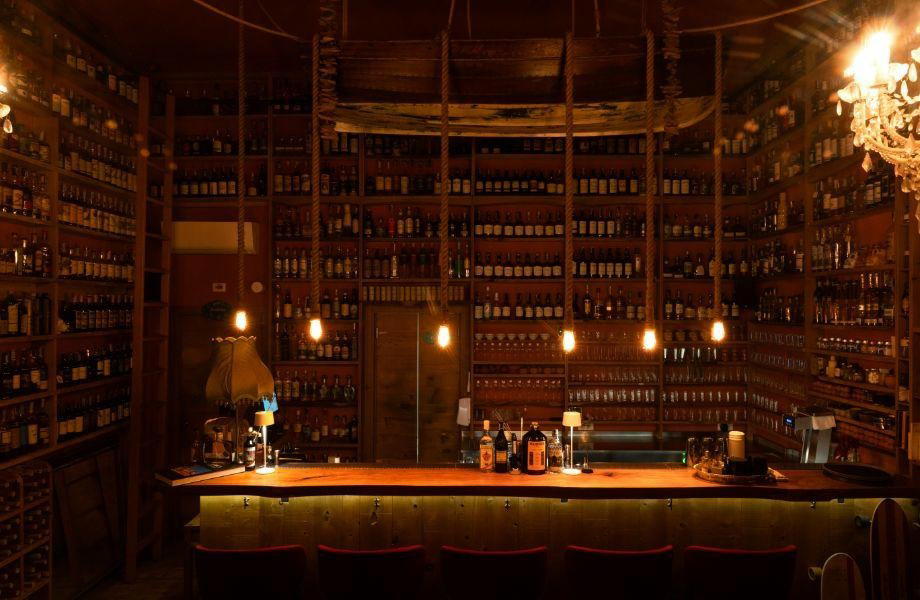
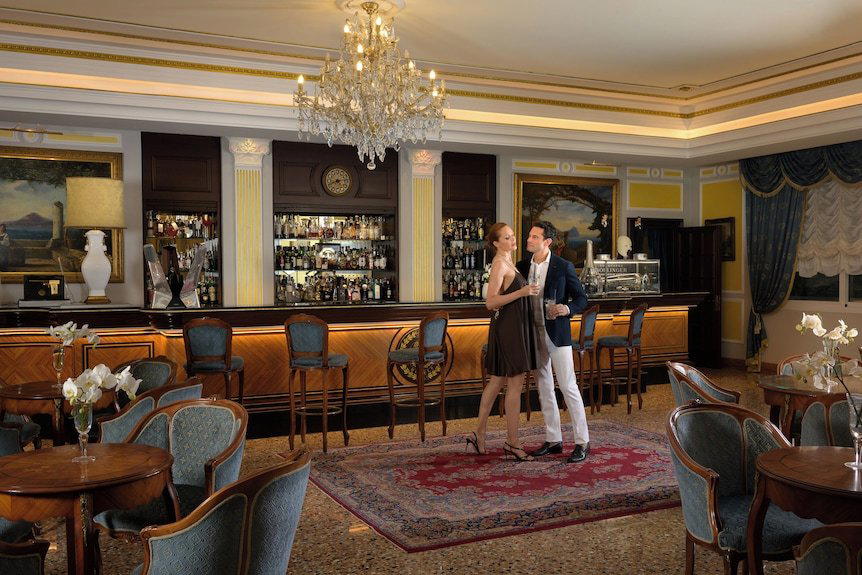
Hotels in Codigoro
Browse all →

At a Glance
- Rustic
- Classic
- Well Known
- Intimate
- Romantic
- Date Night
- Group Dining
- Family
- Special Occasion
- Historic Building
- Standalone
- Terrace
- Local Sourcing
- Sustainable Seafood
- Farm To Table
Current opening hours
- Monday
- 12:30–1:30 PM, 8–9:30 PM
- Tuesday
- 12:30–1:30 PM, 8–9:30 PM
- Wednesday
- Closed
- Thursday
- Closed
- Friday
- 12:30–1:30 PM, 8–9:30 PM
- Saturday
- 12:30–1:30 PM, 8–9:30 PM
- Sunday
- 12:30–1:30 PM
Hours can change for holidays and private events. Last verified .
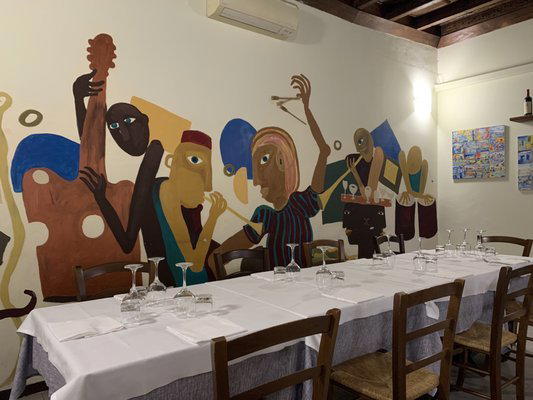
Warm, welcoming atmosphere with period details and deliberate vintage décor that evokes a sense of stepping back in time; simple yet elegant traditional family trattoria setting with atmospheric lighting and large, welcoming tables.