Osteria Morin
Osteria Morin sits on the main piazza of Pontecchio Polesine, a small town in the Po Delta flatlands of Veneto. The osteria format here is rooted in the agricultural and fishing traditions of the region, where the distance between source and plate has always been short. For travellers prepared to leave the Veneto's better-known dining circuits, it represents the kind of local institution that larger towns rarely produce.
Pearl is the En Primeur Club membership app — saves, bookings, and concierge access live there. Same editors, same standards.
- Address
- Piazza G. Matteotti, 151, 45030 Pontecchio Polesine RO, Italy
- Phone
- +393926550534
- Website
- osteriamorin.com
- Directions
- Get directions
 Saves & bookings on Pearl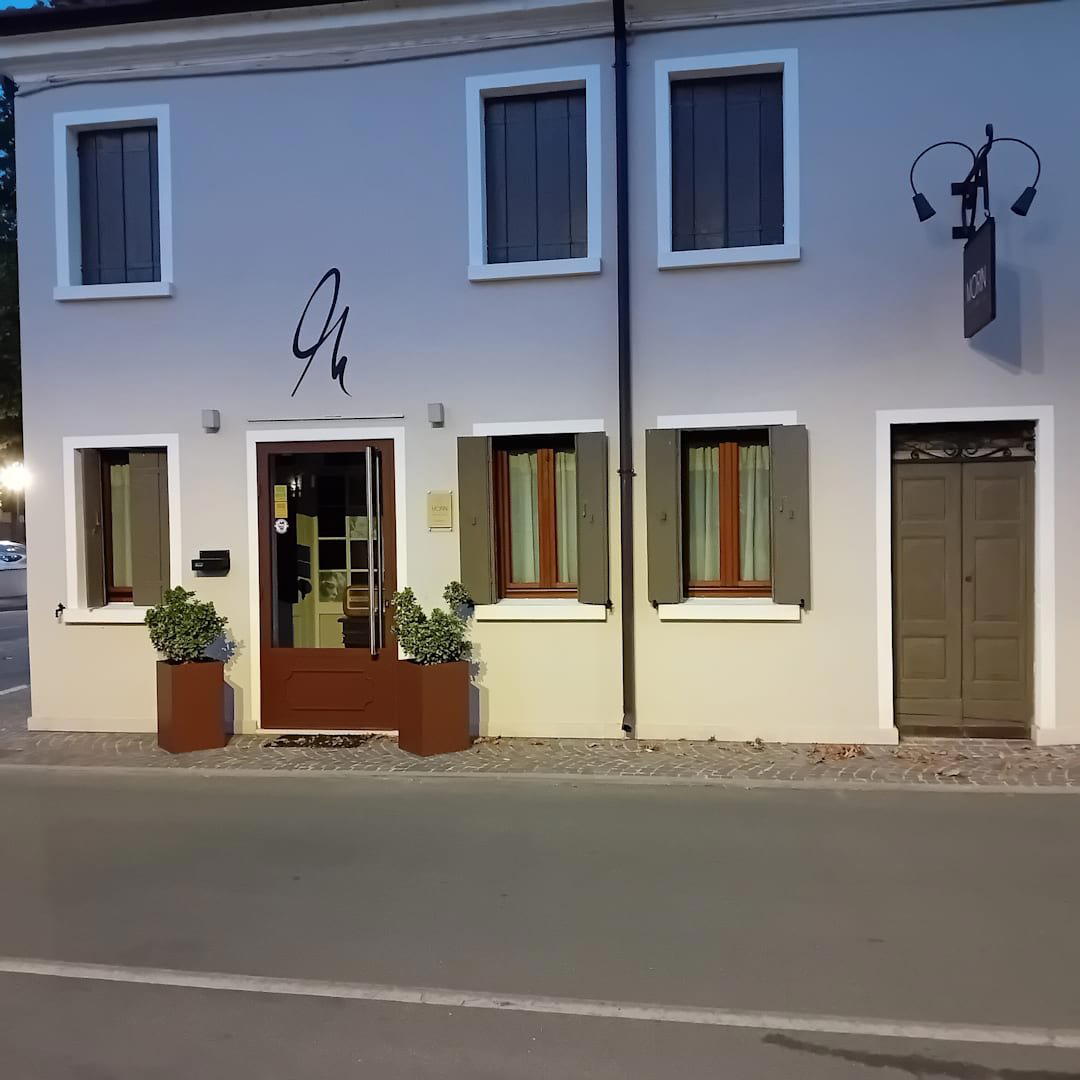
The Po Delta Table: What the Flatlands Produce
The Po Delta is one of Italy's most productive and least glamorised food regions. The river system that fans out across the southern Veneto and northern Emilia-Romagna has, for centuries, supplied the towns along its banks with freshwater fish, eels, rice, and wildfowl. The agricultural identity here is distinct from the hill towns and wine-centric dining rooms of the Veneto's interior: this is territory shaped by water, by flood plains managed into paddy fields and fishing lagoons, and by a cuisine that has always worked with what the delta gives rather than what could be imported from elsewhere. Osteria Morin occupies a position on Piazza G. Matteotti in Pontecchio Polesine that places it at the centre of this food culture, in a town where the surrounding land and water are still the primary suppliers of what arrives on the table.
Across Italy, the osteria format occupies a specific tier: below the formal ristorante in ceremony, but often above it in honesty. The leading examples are not defined by architectural ambition or tasting-menu architecture but by the quality of their sourcing relationships and the discipline to leave good ingredients alone. In the Po Delta, where the distance between producer and kitchen is compressed by geography, that discipline is easier to maintain and harder to fake.
Approaching Pontecchio Polesine
Pontecchio Polesine sits in the Polesine area of Rovigo province, a part of Veneto that most visitors cross without stopping. The flatness of the landscape is not incidental: it is the defining condition of local agriculture and fishing. Arriving at the piazza by car from Rovigo, roughly 15 kilometres to the northeast, the scale of the town makes the osteria's presence on the main square feel anchoring rather than incidental. The piazza format, common across the Po Delta's small comuni, puts the dining room in direct relationship with the civic and market life of the town, a spatial logic that reinforces the sourcing character of the food.
Ingredient Logic in the Delta
The ingredient sourcing traditions of the Po Delta have a specificity that the broader category of "Italian regional cooking" can obscure. Eel from the lagoons around Comacchio, carp and pike from the river itself, rice from the paddy fields of the Polesine, and wild herbs from the embankments are not interchangeable with their equivalents from other parts of Italy. The eel preparations of this zone, in particular, have a culinary history that stretches back to Roman descriptions of the delta's fisheries. The risotto traditions here draw on local Vialone Nano rice, a PGI-protected variety grown in the Veronese and Polesine areas, which behaves differently from Arborio or Carnaroli under heat and produces a looser, more flowing result that the region's cooks treat as the correct texture rather than an error.
This sourcing geography is the frame through which an osteria like Morin should be understood. The competitive set is not the starred rooms of the Veneto's wealthier cities. The relevant comparison is with other osterie and trattorie of the Po Delta and lower Veneto that have maintained sourcing relationships with local fishermen, farmers, and hunters rather than shifting to centrally supplied ingredients.
The osteria register achieves the same sourcing proximity at a fraction of the ceremony. Other Italian rooms known for their relationship to place include Uliassi in Senigallia for Adriatic seafood and Reale in Castel di Sangro for central Apennine ingredients, both of which demonstrate how regional sourcing identity can anchor a kitchen across different formality levels.
The Broader Italian Osteria Context
Italy's osteria tradition has faced the same pressures as equivalent formats in France and Spain: rising ingredient costs, the pull of tourism-facing menus, and the difficulty of sustaining sourcing relationships as local producers age out. The Po Delta's relative distance from major tourist flows has provided some insulation. Towns like Pontecchio Polesine do not have the visitor volumes that reshape menus in Venice's sestieri or the Florentine centro storico.
The formal end of Italian dining in the northeast is well covered by addresses including Casa Perbellini 12 Apostoli in Verona and Villa Crespi in Orta San Giulio. The osteria tier requires different navigation: less advance booking infrastructure, more dependence on knowing when to go and what the kitchen is likely to be running.
For comparison with osteria-to-starred trajectories elsewhere in Italy, Gambero Rosso in Marina di Gioiosa Ionica illustrates how a southern Italian room built on local seafood sourcing has held a Michelin star over time, while Quattro Passi in Marina del Cantone shows how Campanian coastal sourcing translates into formal tasting menus. The contrast with the informal register of a Po Delta osteria clarifies what each format is optimised for. Beyond Italy, rooms like Le Bernardin in New York City and Atomix in New York City illustrate how sourcing-led approaches scale into the upper tier of international fine dining, a useful reference point for understanding the full range of what ingredient-first cooking can become.
Planning a Visit
Pontecchio Polesine is accessible by car from Rovigo, which has rail connections to Venice and Bologna. The town itself is small enough that arriving at the piazza requires no navigation beyond finding the square. The region's dining calendar is shaped by seasonal availability: autumn and winter bring the game and freshwater fish preparations most associated with the delta's culinary identity, while spring and early summer shift toward the vegetable and rice dishes of the agricultural plain. Visitors with access to more formal rooms in the region, such as those listed in guides covering Enoteca Pinchiorri in Florence, Enrico Bartolini in Milan, Da Vittorio in Brusaporto, or La Pergola in Rome, will find Osteria Morin a useful recalibration: a room where the sourcing logic is the same but the framing is stripped back to its essentials.
Comparable Venues
Comparable venues nearby, for context on price, style, and recognition.
| Venue | Cuisine | Price | Notes |
|---|---|---|---|
| Osteria MorinThis venue — the venue you are viewing | Modern Italian Osteria | $$ | Not listed |
| Gastronomia Le Quattro Stagioni | Seasonal Italian Gastronomia | $$ | Adria |
| Osteria Ai Promessi Sposi | Authentic Venetian Seafood Osteria | $$ | Santa Croce |
| Templarè | Traditional Romagna Trattoria | $$ | Viale Bologna |
| La Torre | Traditional Italian Trattoria | $$ | Mezzane di Sotto |
| Ristorante da Enzo | Traditional Emilian Trattoria | $$ | historic centre |
Continue exploring
More in Pontecchio Polesine
Restaurants in Pontecchio Polesine
Browse all →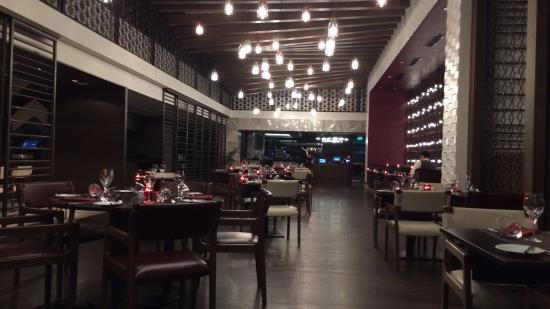
Bars in Pontecchio Polesine
Browse all →
Hotels in Pontecchio Polesine
Browse all →


At a Glance
- Rustic
- Cozy
- Elegant
- Date Night
- Special Occasion
- Open Kitchen
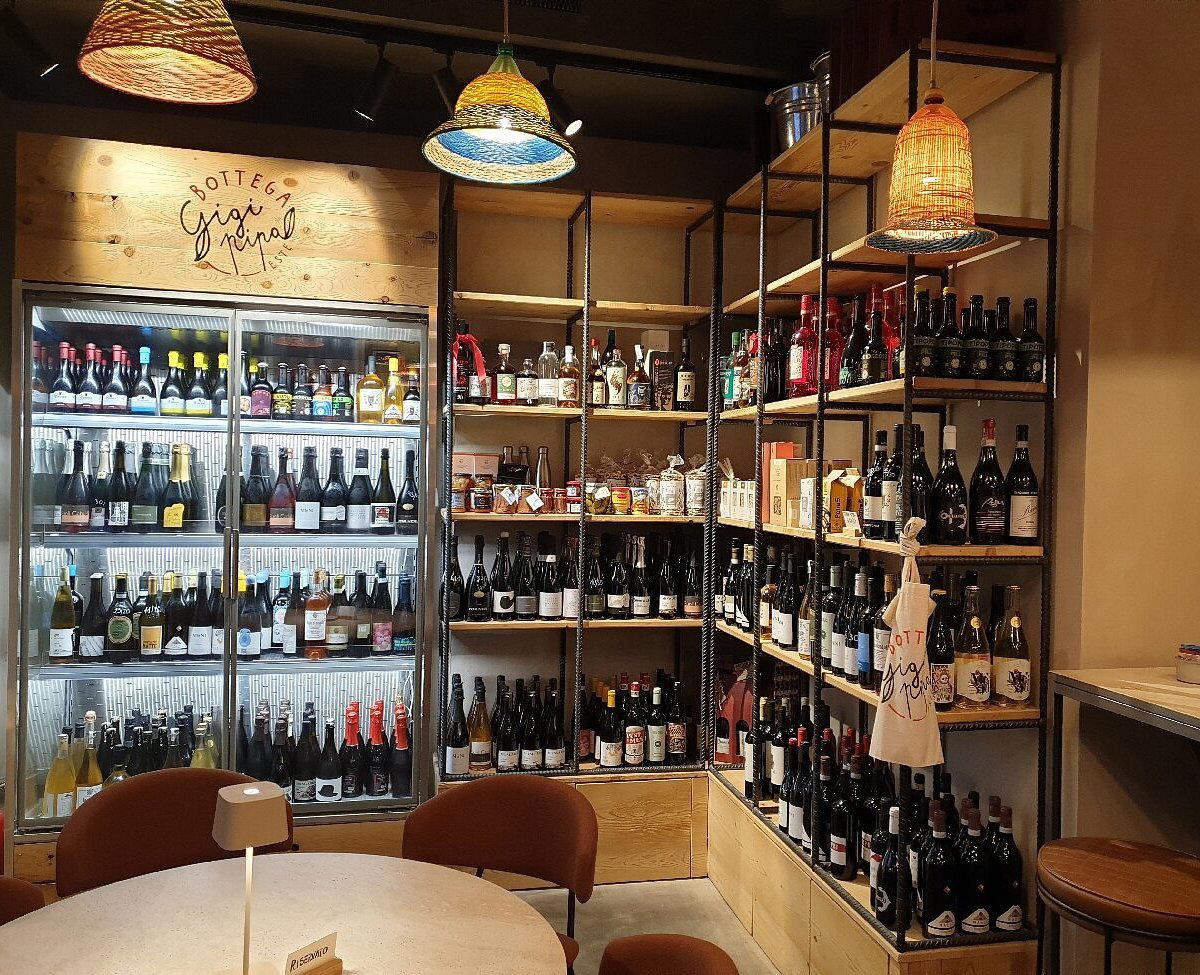
- Extensive Wine List
- Local Sourcing
Current opening hours
- Monday
- 6–10 PM
- Tuesday
- Closed
- Wednesday
- 12–3 PM, 7–10 PM
- Thursday
- 12–3 PM, 6–10 PM
- Friday
- 12–3 PM, 6–10:30 PM
- Saturday
- 12–3 PM, 6–11 PM
- Sunday
- 12–3 PM, 6–10 PM
Hours can change for holidays and private events. Last verified .
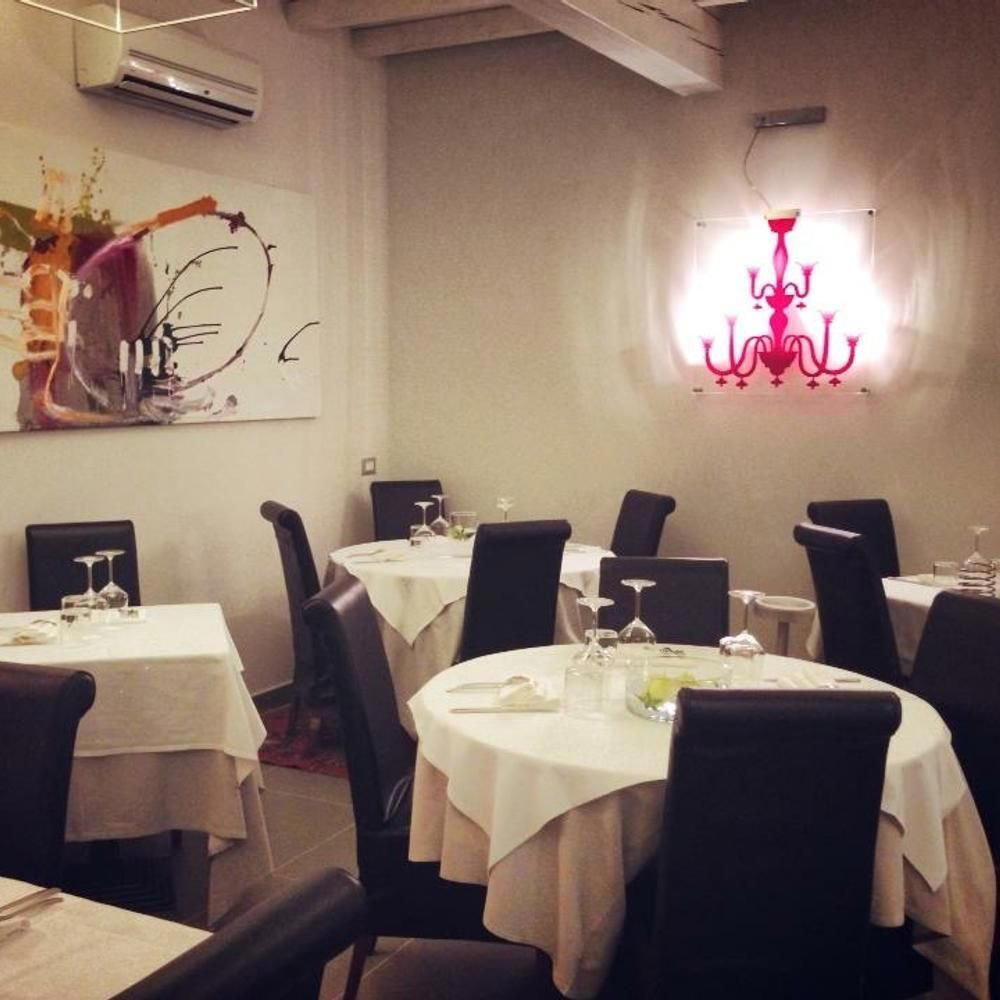
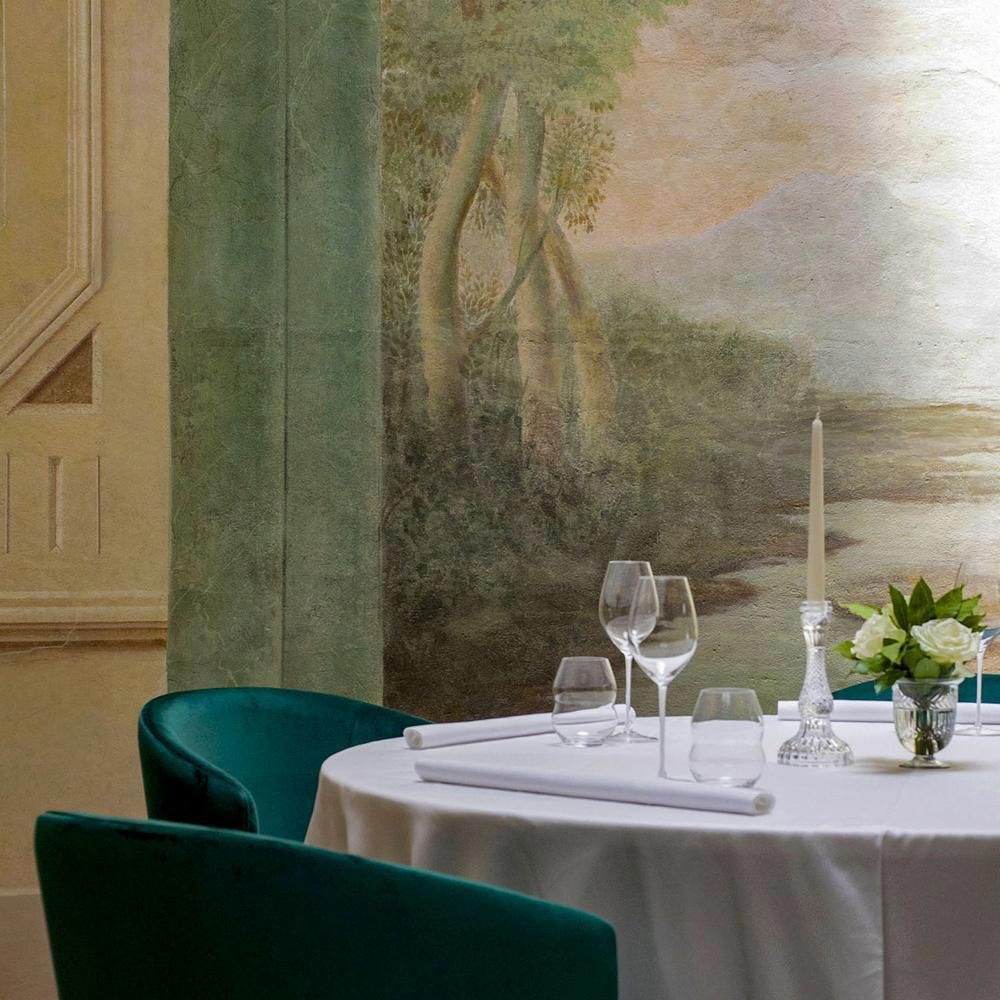
Beautifully furnished with a mix of traditional Veneto and modern elements, elegantly decorated dining rooms with attention to detail.