Zento occupies a measured position in Munich's fine dining tier, operating from Oskar-von-Miller-Ring 36 in the city's inner Maxvorstadt district. The address places it within reach of a dining scene that has grown increasingly international in ambition while retaining a Central European structural discipline, long tasting menus, deliberate pacing, and a sharp focus on the rituals that frame each course.
Pearl is the En Primeur Club membership app — saves, bookings, and concierge access live there. Same editors, same standards.
- Address
- Oskar-von-Miller-Ring 36, 80333 München, Germany
- Phone
- +498928986090
- Website
- zentorestaurant.de
- Directions
- Get directions
 Saves & bookings on Pearl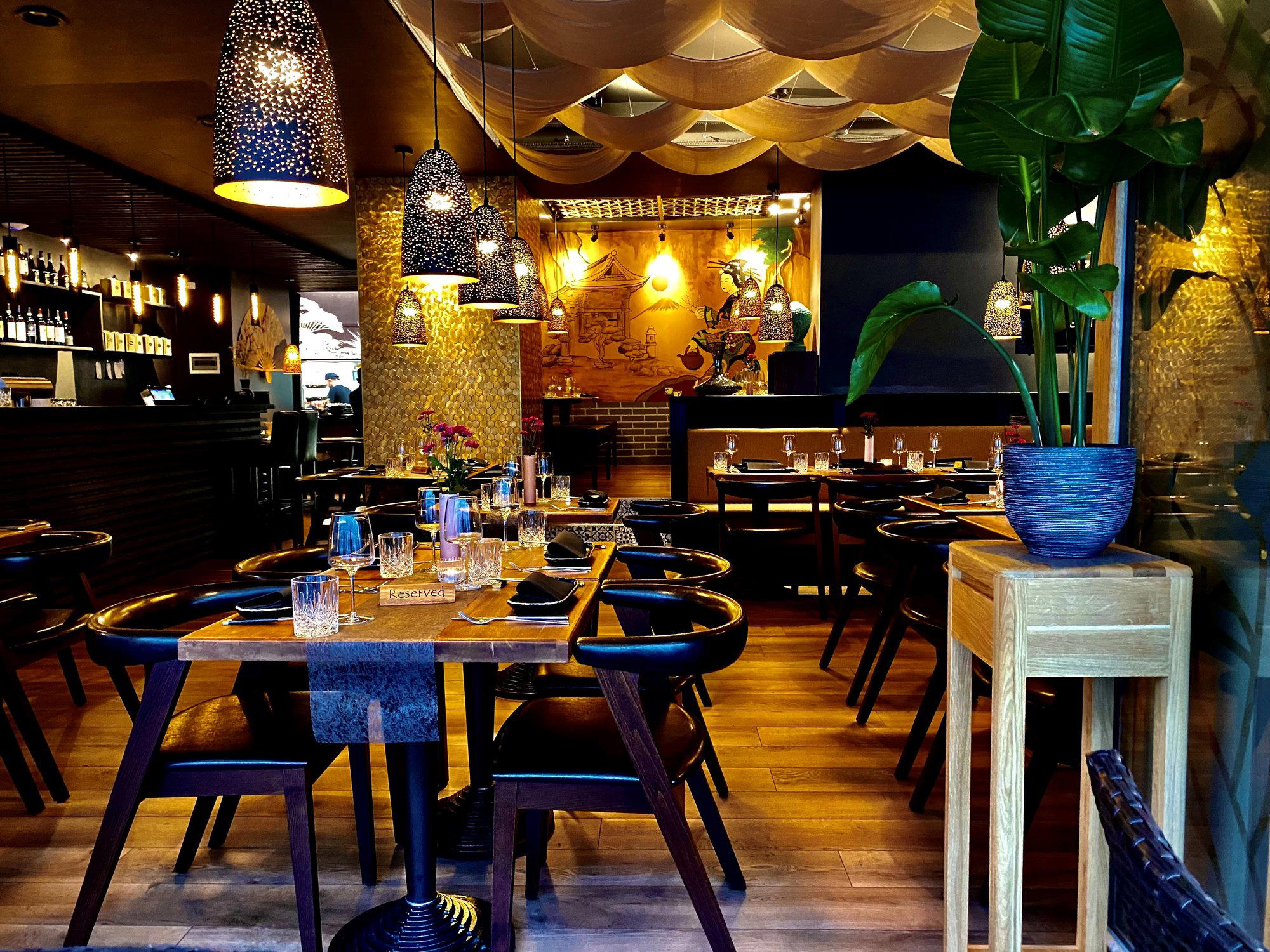
Where Munich's Dining Ritual Runs Deepest
Munich's fine dining circuit has never been loud about itself. Unlike Hamburg's harbour-facing restaurants, which perform as much as they cook, or Berlin's more conceptually restless scene, where venues like CODA Dessert Dining push format as aggressively as flavour, Munich tends to absorb influence quietly, folding it into a structure that still honours the long table, the unhurried pace, and the idea that dinner is an event rather than a transaction. That ethos runs across the city's top tier, from the Franco-classical gravity of Tantris to the German-Japanese precision of Tohru in der Schreiberei. Zento, at Oskar-von-Miller-Ring 36 in Munich, is a modern Japanese kitchen and sushi bar in the city’s fine dining tier, with meals averaging about $70 per person.
The Ritual Before the First Course
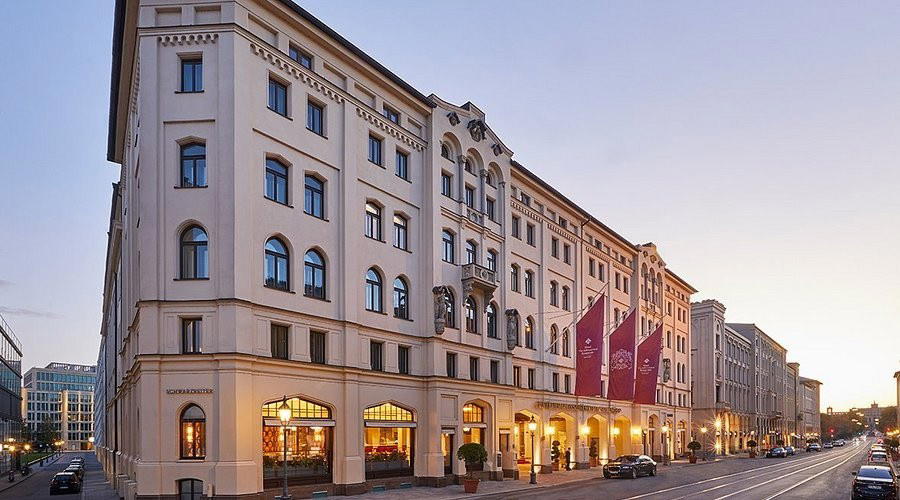
In the better rooms of Munich, arrival is itself choreographed. The approach along Oskar-von-Miller-Ring, a broad boulevard that borders the English Garden's southern fringe, sets a tone of civic seriousness, this is not a street of casual drop-ins. That physical context matters. Restaurants positioned on addresses with architectural weight tend to carry it indoors: higher ceilings, measured spacing between covers, staff who acknowledge the room's geometry rather than fighting it. Munich's top tier operates broadly within this grammar, and Zento's location places it squarely in that register.
The rituals that define serious German fine dining are worth understanding before you sit down. Bread service is rarely an afterthought, it arrives with intention, often butter that has been prepared with the same care as a composed course. Water is poured without prompting. The menu, whether presented verbally or on card, functions less as a list than as a social contract: this is the sequence, this is the pace, we will move through it together. At venues like Atelier and Alois - Dallmayr Fine Dining, that contract is implicit but absolute. The expectation at Zento is comparable.
Munich in Its Fine Dining Tier
To understand where Zento sits, it helps to map the city's upper bracket. Munich supports a concentration of serious kitchens unusual for a city of its size. The Michelin presence runs deep: JAN holds recognition for creative cooking that doesn't default to French classical templates; Tantris has carried Michelin stars for decades and remains the reference point against which all modern-French ambition in the city is measured. That density creates a peer environment where quality signals matter more than novelty, and where a restaurant's address, format, and pacing communicate as much to the informed diner as any individual dish.
Across Germany more broadly, the fine dining map extends well beyond Munich. Aqua in Wolfsburg, Schwarzwaldstube in Baiersbronn, and Vendôme in Bergisch Gladbach anchor a national tier of multi-starred ambition. Victor's Fine Dining by Christian Bau in Perl, Waldhotel Sonnora in Dreis, and Restaurant Haerlin in Hamburg each represent different regional interpretations of what serious cooking looks like in this country, some classically rooted, others leaning toward the kind of personal cuisine that has made venues like ES:SENZ in Grassau and Schanz in Piesport worth the detour. Bagatelle in Trier rounds out a southern German and Rhineland arc that makes the region one of Europe's more rewarding fine dining circuits. Internationally, the structural discipline of German multi-course service shares more with New York's rigorous tasting-menu rooms, Le Bernardin and Atomix, than it does with the looser, more improvisational formats gaining ground in London and Copenhagen.
Format, Pacing, and What to Expect
Munich's upper-tier restaurants share a common structural grammar: a multi-course progression, a wine programme weighted toward German and French appellations, and a service style that is formal without being stiff. The pacing is deliberate, dinner at this level rarely concludes in under two hours, and three is common. That is the format. Understanding it changes the experience from a logistical event into something closer to its intended shape.
At the level Zento occupies on Oskar-von-Miller-Ring, the expectation is that guests arrive on time, commit to the menu's length, and allow the room to set the rhythm rather than negotiating against it. This is not a city where fine dining rooms encourage early departures or abbreviated menus as a general practice. The comparison to similarly structured rooms internationally, Atomix in New York, for instance, where the Korean tasting progression is enforced with similar discipline, is instructive. The format is not incidental. It is the point.
Munich's dining culture also carries specific expectations around dress. The city's fine dining rooms sit closer to Vienna than to Berlin on this spectrum: jackets are not uniformly required, but the room's visual register rewards considered dress. Arriving underdressed in a Munich fine dining room of this calibre is a minor but perceptible misalignment with the room's social contract.
How Zento Sits in the Neighbourhood
Maxvorstadt is Munich's museum quarter, flanked by the Pinakothek galleries and the university. It is a neighbourhood of intellectual infrastructure rather than concentrated gastronomy, the density of serious restaurants is lower here than in the Altstadt or around Schwabing to the north. That relative scarcity gives addresses like Oskar-von-Miller-Ring 36 a certain weight: a fine dining room in this part of the city is not trading on foot traffic or on-street competition. It is drawing a deliberate audience willing to make the journey.
Planning Your Visit
Zento's position in Munich's inner Maxvorstadt, at Oskar-von-Miller-Ring 36, is accessible by U-Bahn from the city centre, with Odeonsplatz and Königsplatz both within reasonable walking distance. For broader context on Munich's leading dining options, the EP Club Munich guide covers the full tier.
Address: Oskar-von-Miller-Ring 36, 80333 München, Germany.
Cuisine and Awards Snapshot
Comparable venues nearby, for context on price, style, and recognition.
| Venue | Cuisine | Price | Notes |
|---|---|---|---|
| ZentoThis venue — the venue you are viewing | Modern Japanese Kitchen & Sushi Bar | $$$ | Not listed |
| KIZUNA KITCHEN | Modern Japanese Fusion | $$ | Isarvorstadt |
| Geisha | Modern Pan-Asian Sushi | $$ | Isarvorstadt |
| Kawaru | Japanese Tapas | $$ | Theresienwiese |
| Restaurant Schapeau | German & Central European | $$$ | Altstadt |
| Beef Room 61 | Modern Steakhouse Grill | $$$ | Schwabing |
At a Glance
- Modern
- Elegant
- Sophisticated
- Date Night
- Business Dinner
- Special Occasion
- Open Kitchen
- Sake Program
Current opening hours
- Monday
- 11:30 AM–2:30 PM, 5:30–11 PM
- Tuesday
- 11:30 AM–2:30 PM, 5:30–11 PM
- Wednesday
- 11:30 AM–2:30 PM, 5:30–11 PM
- Thursday
- 11:30 AM–2:30 PM, 5:30–11 PM
- Friday
- 11:30 AM–2:30 PM, 5:30–11 PM
- Saturday
- 5–11 PM
- Sunday
- 5–11 PM
Hours can change for holidays and private events. Last verified .
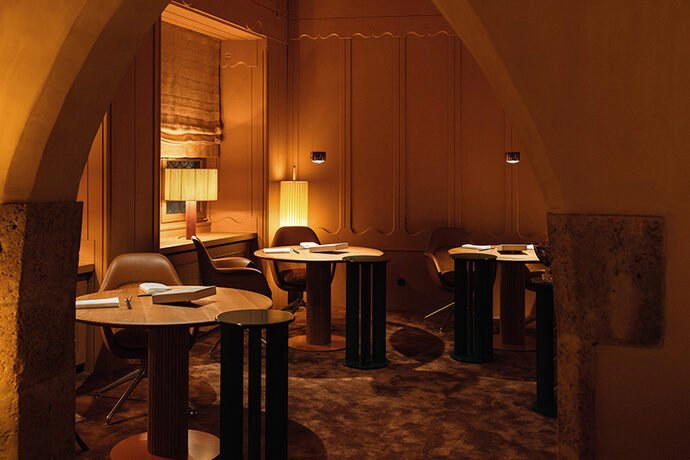
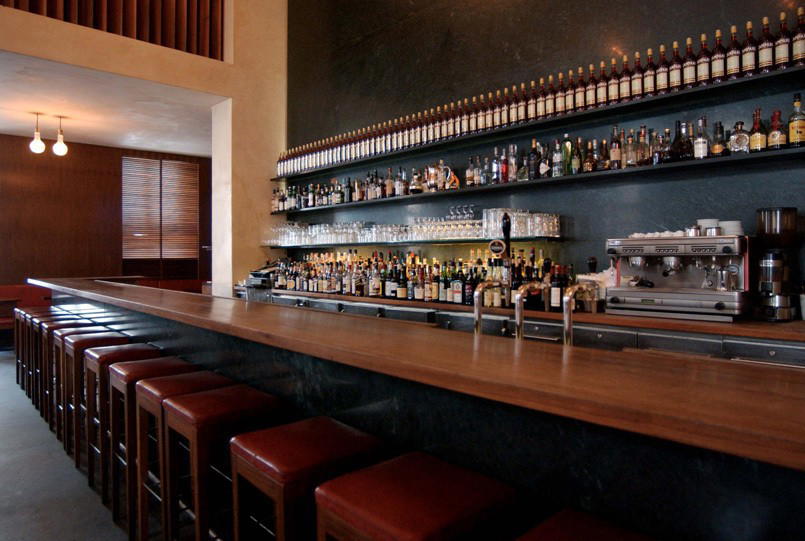
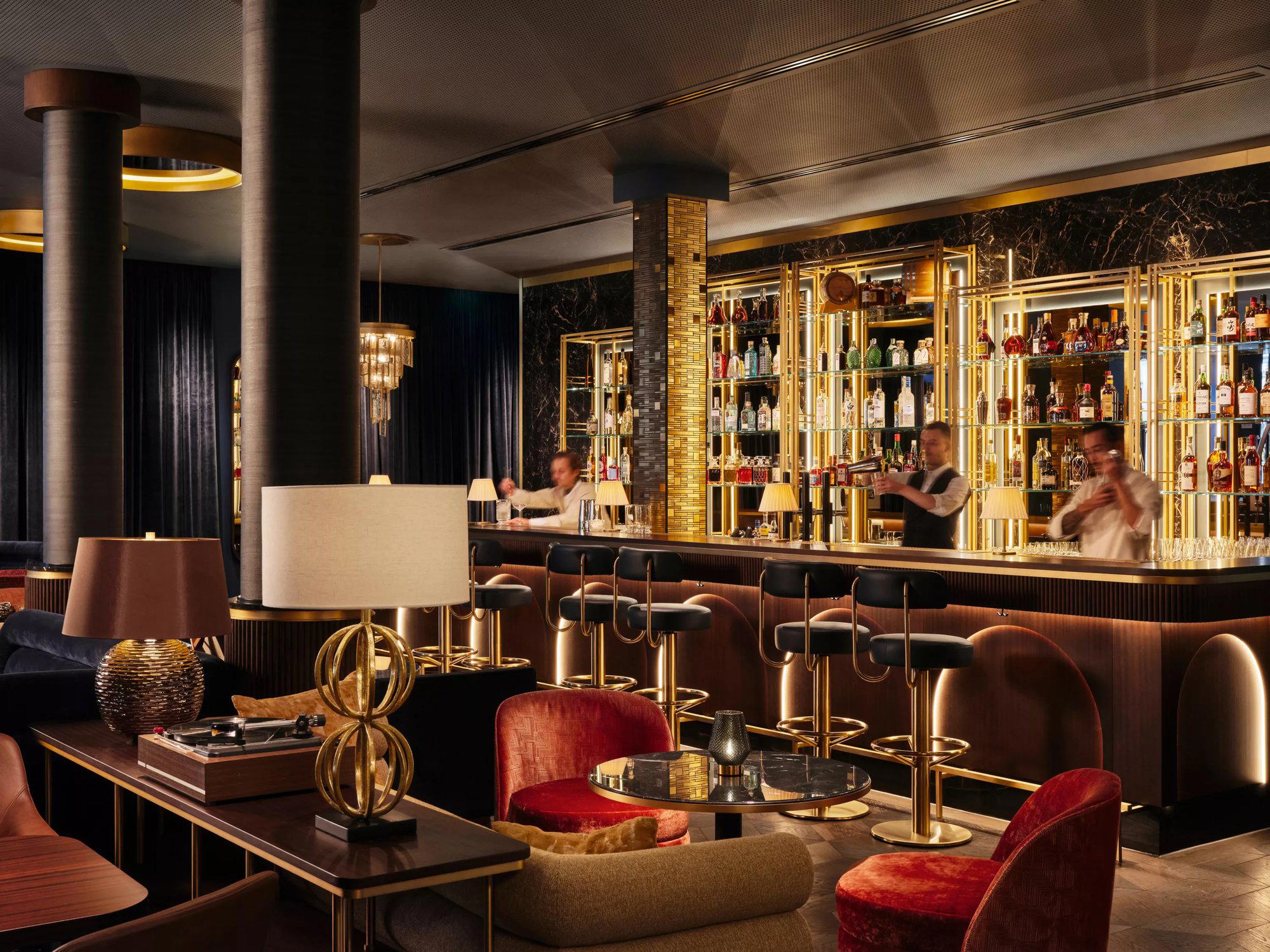
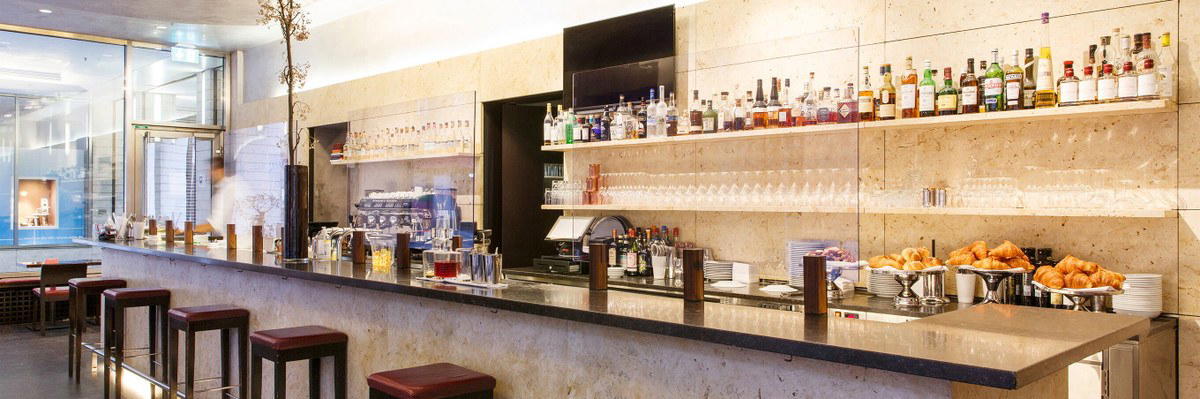
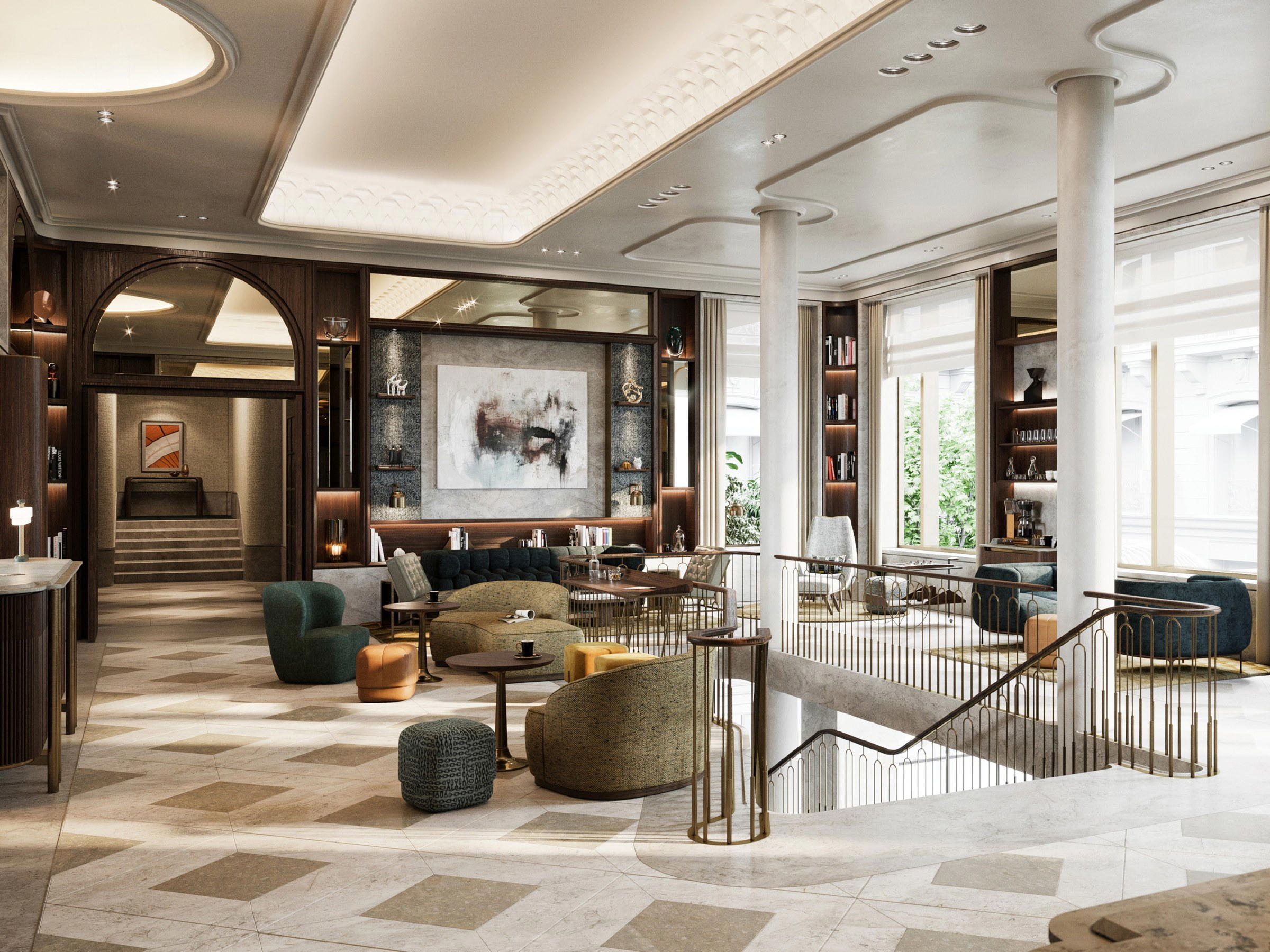
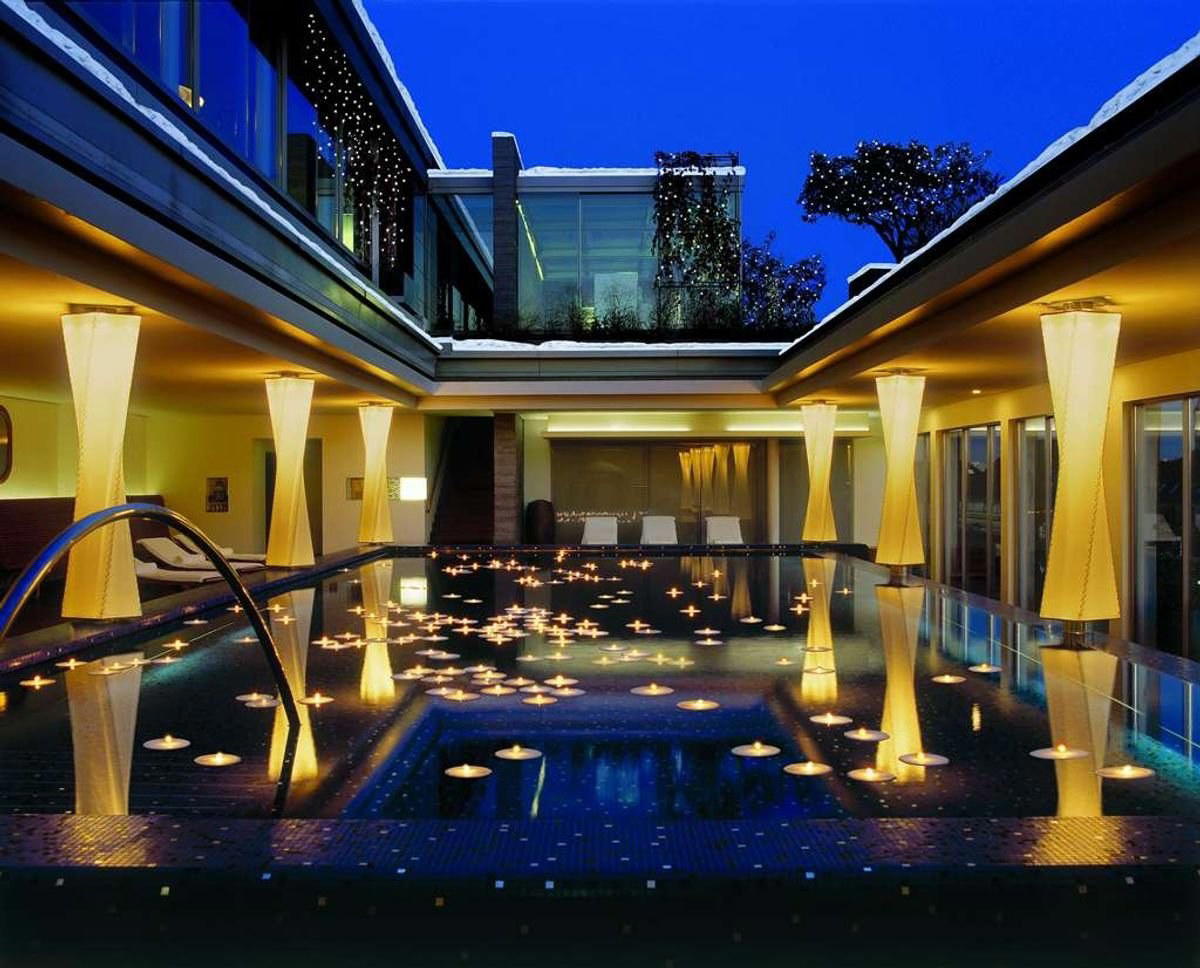
Stylish and chic with elegant black and gold accents, pleasant atmosphere praised in guest reviews.