Anya Resort Tagaytay



Anya Resort Tagaytay sits in the cool highlands above Manila, where award-winning design fuses local materials with contemporary form across garden-shrouded grounds. A Regional Winner for Luxury Honeymoon Resort and Country Winner for Luxury Hideaway Resort, it occupies a distinct tier among Philippine highland retreats, closer to Baguio's boutique sensibility than Boracay's beach-resort scale. For couples and city escapees, the altitude alone justifies the drive.
Pearl is the En Primeur Club membership app — saves, bookings, and concierge access live there. Same editors, same standards.
- Address
- 4XPC+J47 Barangay, Buenavista Hills Road, Mag Asawang Ilat, Tagaytay City, 4120 Cavite
- Phone
- +63 917 704 6159
- Website
- anyaresorts.com
- Directions
- Get directions
 Saves & bookings on Pearl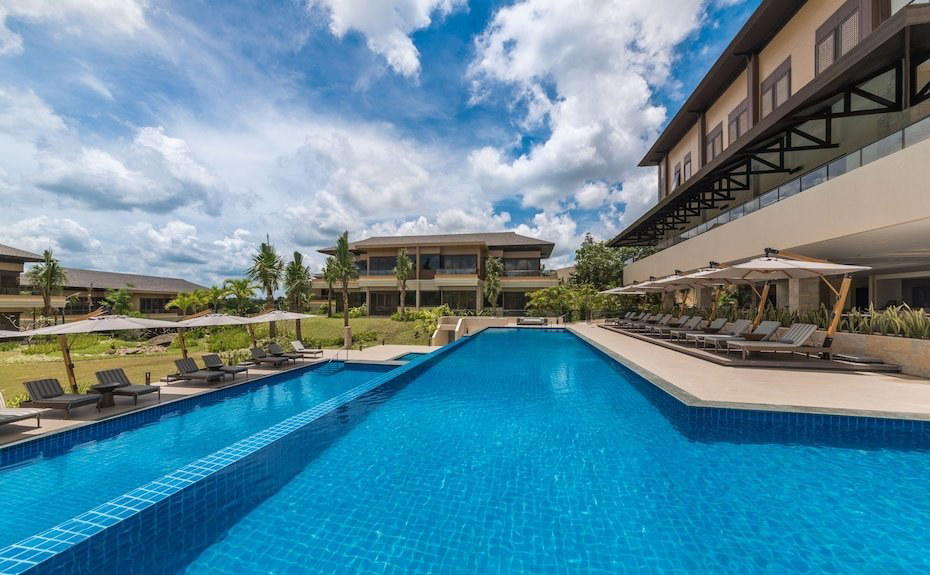
Cool Air, Considered Design: What Tagaytay Does That the City Cannot
Tagaytay sits roughly 700 metres above sea level, close enough to Metro Manila for a weekend run but far enough to drop the ambient temperature by six to eight degrees. That gap is not incidental to the city's appeal as a resort destination, it is the entire point. While the Philippine beach resort circuit (from Amanpulo in Pamalican Island to Banwa Private Island in Palawan) competes on marine access and white sand, Tagaytay competes on altitude, volcanic scenery, and a cooler register of luxury that suits couples on honeymoon and Manila residents seeking structured relief from the capital's heat and noise.
Anya Resort Tagaytay operates inside this context, on a hillside address along Buenavista Hills Road in Barangay Mag-asawang Ilat. The property holds two independent award recognitions: Regional Winner for Luxury Honeymoon Resort and Country Winner for Luxury Hideaway Resort. Both signals position it in the same design-led, low-footprint tier as properties that prioritise intimacy over scale, a competitive set meaningfully different from the urban luxury corridor of Conrad Manila, Raffles Makati, or Admiral Hotel Manila – MGallery.
A Physical Environment Built Around Concealment
The resort's design logic leans on a principle common among Southeast Asia's smaller luxury properties: use landscape as architecture. Rather than announcing the resort through a grand entrance sequence, the grounds deploy dense garden planting to fragment the property into smaller, semi-private zones. Pathways reveal themselves gradually. Accommodation appears through foliage rather than across open forecourts. The effect is one of discovery rather than arrival, which aligns precisely with the hideaway positioning that earned the property its country-level award recognition.
This approach places Anya in a broader regional pattern. Properties like Nay Palad Hideaway in Siargao and Amorita Resort in Panglao Island use similar site strategies: terrain and planting absorb visual noise, reduce the sense of shared occupancy, and manufacture the feeling of a private estate. In the Philippines, where luxury travel has historically tilted toward either large beachfront resorts or urban five-star towers, this garden-centric model represents a meaningful design departure.
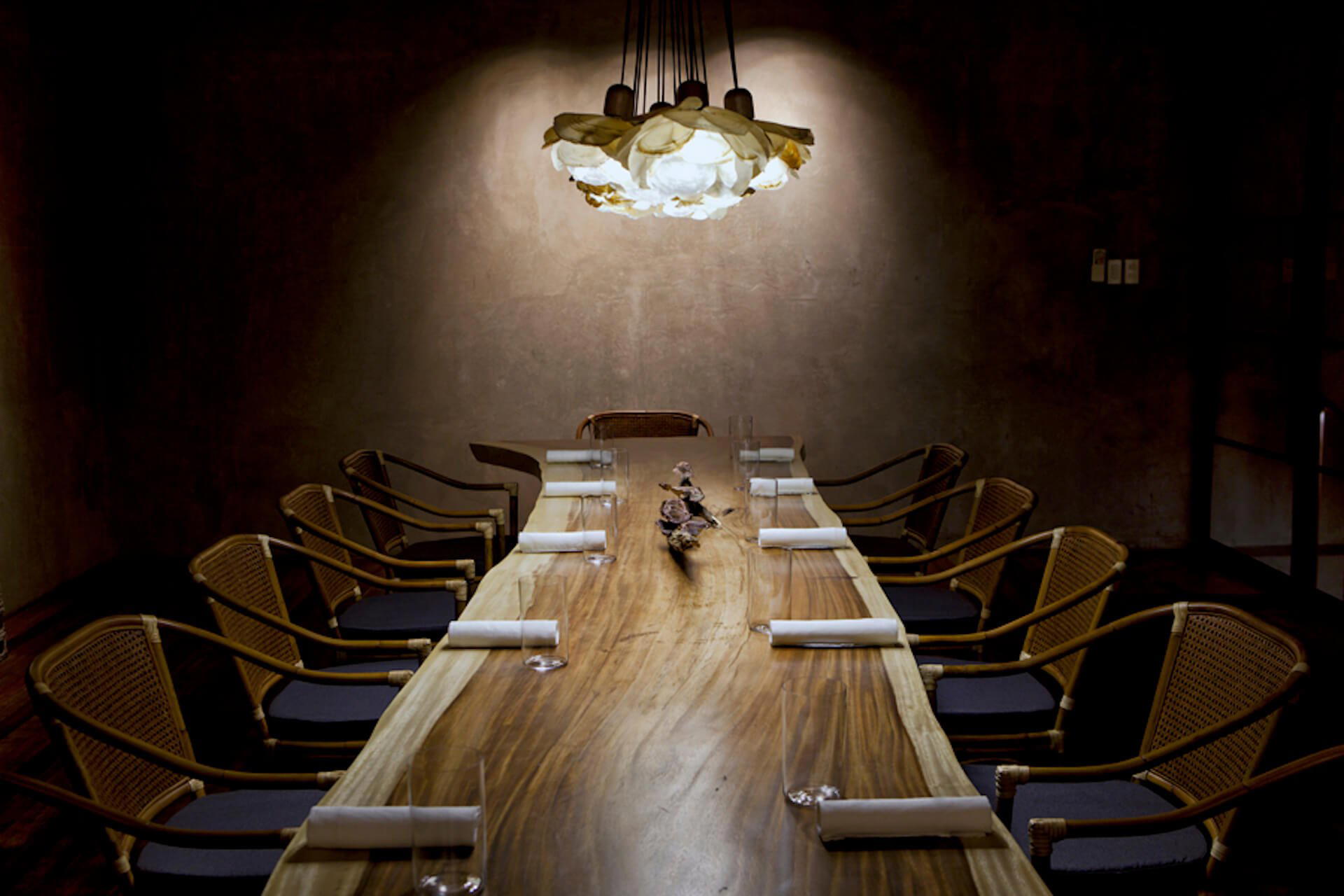
The materials palette follows the same logic. Contemporary structural forms use traditional Filipino materials, hardwoods, woven elements, stone, in a way that grounds the resort aesthetically in its highland context rather than importing an international-hotel visual language. This is not purely a stylistic choice. In a setting where the surrounding countryside is lush volcanic farmland and where Taal Volcano's profile defines the horizon view, a resort that reads as foreign to its context would undercut the atmosphere it is selling. The material honesty here is part of the product.
The Honeymoon Circuit and Where Anya Sits Within It
The Philippines presents honeymooners with an unusually wide range of settings: remote island retreats, surf-town boutique hotels, beach club-adjacent resorts, and highland garden properties. Anya's Regional Luxury Honeymoon Resort recognition places it at the summit of the highland subcategory, a smaller market than the island circuit, but one with a coherent and loyal audience.
Couples who book Tagaytay over Palawan or Boracay are generally making a deliberate trade: proximity to Manila over remoteness, cool air over beach access, intimate garden surroundings over open-water horizons. For post-wedding couples who want to decompress without a long-haul transfer, or for those returning from an international honeymoon and seeking a domestic second leg, this geography makes practical sense. Cala Laiya in Batangas and Vivere Azure in Mabini represent the coastal alternative in the same southern Luzon arc, beach-oriented properties within a similar drive radius from Manila. Anya's positioning is neither beach nor urban: it occupies the cooler, greener middle ground.
Tagaytay is accessible by private car or hired vehicle from Manila in roughly one and a half to two hours depending on traffic, Cavite Expressway (CAVITEX) is the standard route south. The highland location means weather patterns differ from Manila: cool and misty during the northeast monsoon season (October through February), warmer and occasionally humid during the hotter months (March through May), and subject to rain during the southwest monsoon (June through September). The dry cool months are when Tagaytay's altitude advantage is most pronounced, and when demand at garden-style retreats like Anya tends to peak. Advance booking during these months, and around Philippine public holidays and Valentine's Day, is advisable.
Specific room categories are not listed in current records. Anya Resort Tagaytay sits in the upper price tier. For those building a wider Philippine itinerary beyond the highland south, the island resort circuit includes properties across a wide range of formats: from the intimate design of Cauayan Island Resort in El Nido to the larger footprint of BE Grand Resort in Bohol, or Dusit Thani Mactan Cebu Resort for those based in the Visayas.
At-a-Glance Comparison
Comparable venues nearby, for context on price, style, and recognition.
| Venue | Cuisine | Price | Awards | Notes |
|---|---|---|---|---|
| Anya Resort TagaytayThis venue — the venue you are viewing | Familial Filipino tropical theme with functional contemporary flourishes emphasizing comfort, light, and natural harmony. | $$$$ | 5-Star | Not listed |
| The Peninsula Manila | Timeless Filipino luxury with contemporary design elements, infused with local architectural heritage including capiz shell and native woods. | $$$$ | 5-Star | Makati |
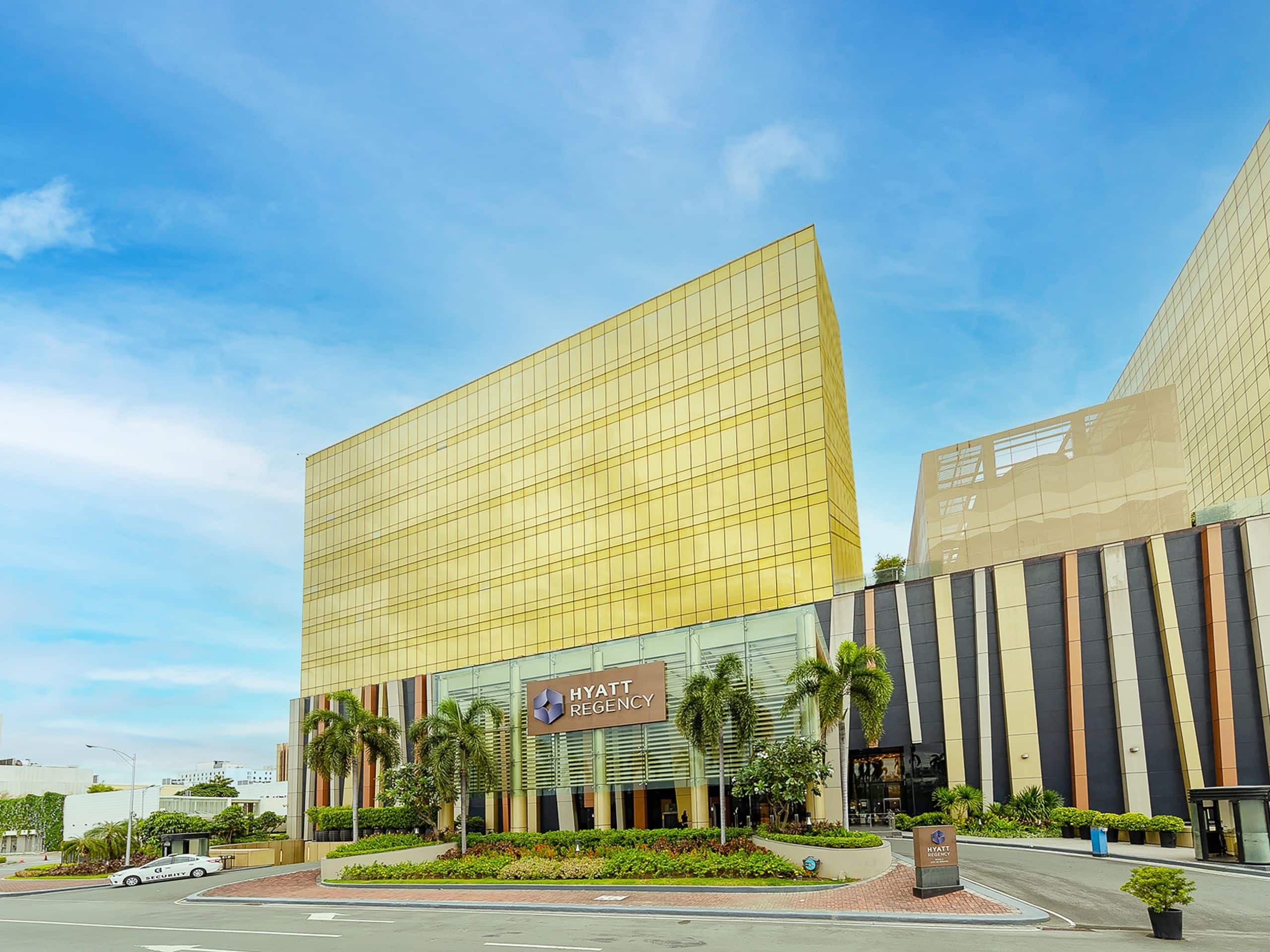
| Hyatt Regency Manila City of Dreams | Contemporary luxury resort hotel | $$$$ | 5-Star | Entertainment City |
| Solaire Resort | Integrated luxury resort with casino and entertainment | $$$$ | 5-Star | Entertainment City |
| The Lind Boracay | Lifestyle beachfront resort with modern, warm, and chic sensibility | $$$$ | 5-Star | Station 1 |
| Mövenpick Manila Bay Westside | Large-scale premium urban resort integrated with a casino-entertainment complex in a master-planned township. | $$$ | 5-Star | Entertainment City / Westside City Township |
Recognition history
Dated appearances from independent guides and award organizations, with the underlying list record or original source where available.
Michelin Selected
Michelin
Small Luxury Hotels of the World Member
Small Luxury Hotels of the World
World Luxury Hotel Awards WLHA Regional Winner
World Luxury Hotel Awards
World Luxury Hotel Awards WLHA Country Winner
World Luxury Hotel Awards
Continue exploring
More in Tagaytay City
Hotels in Tagaytay City
Browse all →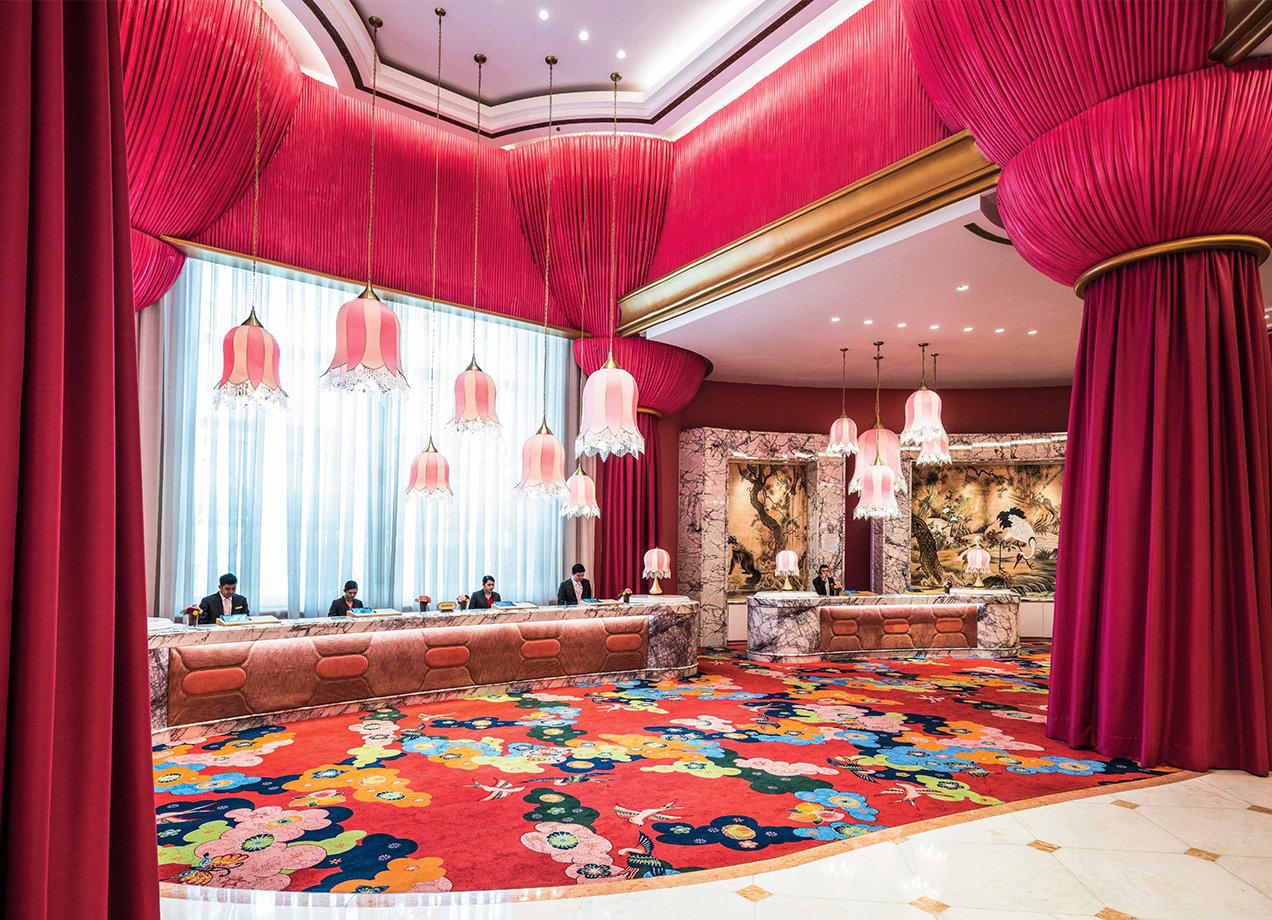
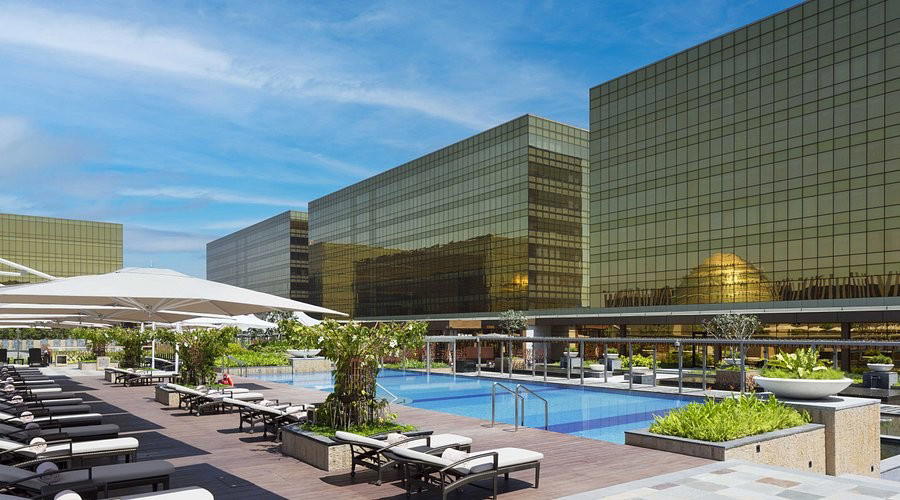
Bars in Tagaytay City
Browse all →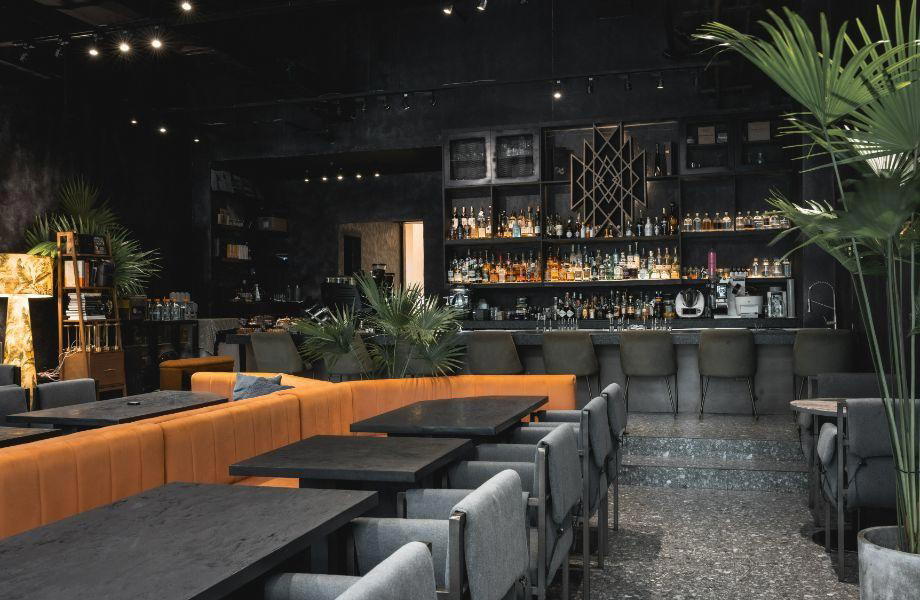
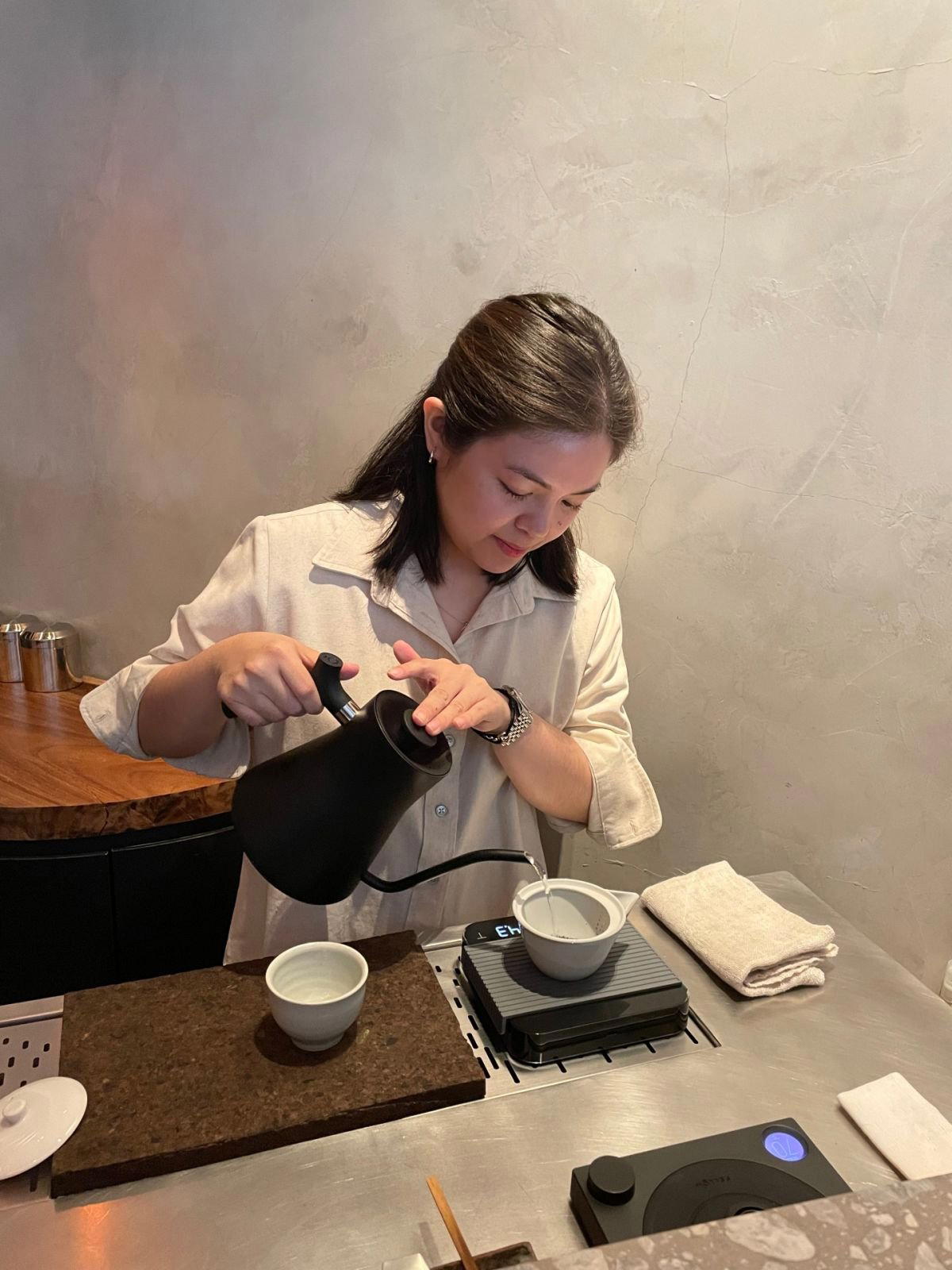

Restaurants in Tagaytay City
Browse all →
At a Glance
- Romantic
- Quiet
- Elegant
- Scenic
- Cozy
- Sophisticated
- Honeymoon
- Romantic Getaway
- Anniversary
- Weekend Escape
- Infinity Pool
- Panoramic View
- Destination Spa
- Wi Fi
- Pool
- Spa
- Fitness Center
- Room Service
- Concierge
- Valet Parking
- Garden
- Mountain
- Wi Fi
- Pool
- Spa
- Fitness Center
- Room Service
- Concierge
- Valet Parking
Serene and peaceful with tranquil poolside lounging, wood-scented bamboo groves, and a quiet, relaxing atmosphere praised in guest reviews.