Amicci's
Our verdict
Amicci's occupies a corner of Baltimore's Little Italy that has been feeding the neighbourhood long enough to earn its own category of loyalty. The menu reads as a working document of Southern Italian-American cooking, the kind where portion size carries meaning and red sauce is treated as craft. For a city that takes its neighbourhood restaurants seriously, this is one that rewards repeat visits.

Pearl is the En Primeur Club membership app — saves, bookings, and concierge access live there. Same editors, same standards.
- Address
- 231 S High St, Baltimore, MD 21202
- Phone
- (410) 528-1096
- Hours
- Mon–Thu 11 AM–9 PMFri–Sat 11 AM–10 PMSun 11 AM–9 PM
- Website
- amiccis.com
- Directions
- Get directions
- Booking
- Book on OpenTable
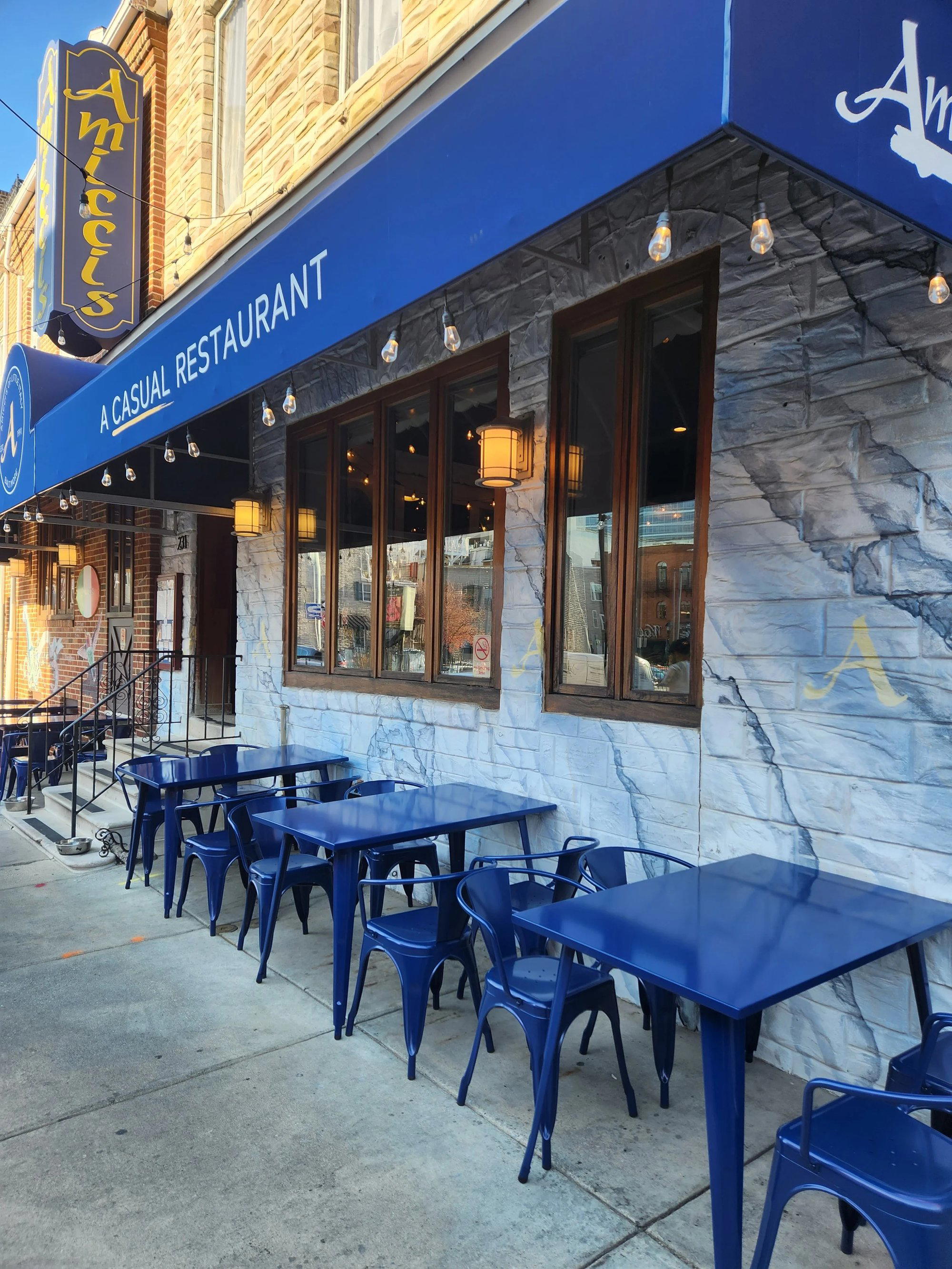
Little Italy's Long Game
Baltimore's Little Italy sits in a compact corridor south of the Inner Harbour, bordered by Fells Point to the east and the financial district to the west. It is one of the few surviving urban Italian enclaves on the East Coast that still functions primarily as a residential and dining community rather than a theme-park approximation of one. The neighbourhood's restaurant culture runs on multigenerational loyalty — tables passed between families the way leases used to be — and Amicci's at 231 S High Street fits inside that tradition rather than against it. Walking the block toward the entrance, you pass the kind of streetscape that most American cities have lost: row houses with marble stoops, bocce courts within earshot, the smell of garlic that arrives before the signage does.
That physical grounding matters when thinking about what Amicci's is doing with its menu. In cities where Italian-American dining has either gone upmarket into white-tablecloth austerity or collapsed into chain mediocrity, Little Italy Baltimore has maintained a middle lane: neighbourhood-serious cooking at prices that keep regulars returning weekly rather than reserving it for occasions. Amicci's occupies that lane with consistency.
How the Menu Is Organised, and What That Tells You
The architecture of a Southern Italian-American menu reveals priorities quickly. At the high end of the American Italian register, you get deconstructed references and imported DOP ingredients framed as minimalism, the approach you find at places like Le Bernardin in New York City or Smyth in Chicago, where the menu structure signals restraint and technique. At the opposite end, portion volume and sauce generosity are the main editorial statements. Amicci's makes its position clear without ambiguity: this is a kitchen that respects the Southern Italian-American canon, pasta sauced properly, proteins that arrive as full dishes rather than composed gestures, antipasti that function as a first act rather than decoration.
That kind of menu architecture communicates something specific to a diner who reads it carefully. The categories are direct because the cooking philosophy is. There is no performative complexity here, no attempt to reframe peasant cooking as something it was never meant to be. What you get instead is a menu that trusts its own tradition, which, in a dining environment that has spent two decades either intellectualising Italian food or degrading it, is its own form of editorial stance.
Compare this approach with the more concept-driven end of Baltimore's current restaurant conversation. dede works within a Turkish framework that prizes precision and sourcing narrative. Cindy Wolf's Charleston operates as a fine dining destination with a tasting format and wine program to match. Amicci's competes in neither of those registers. It is not trying to.
The Room and the Rhythm
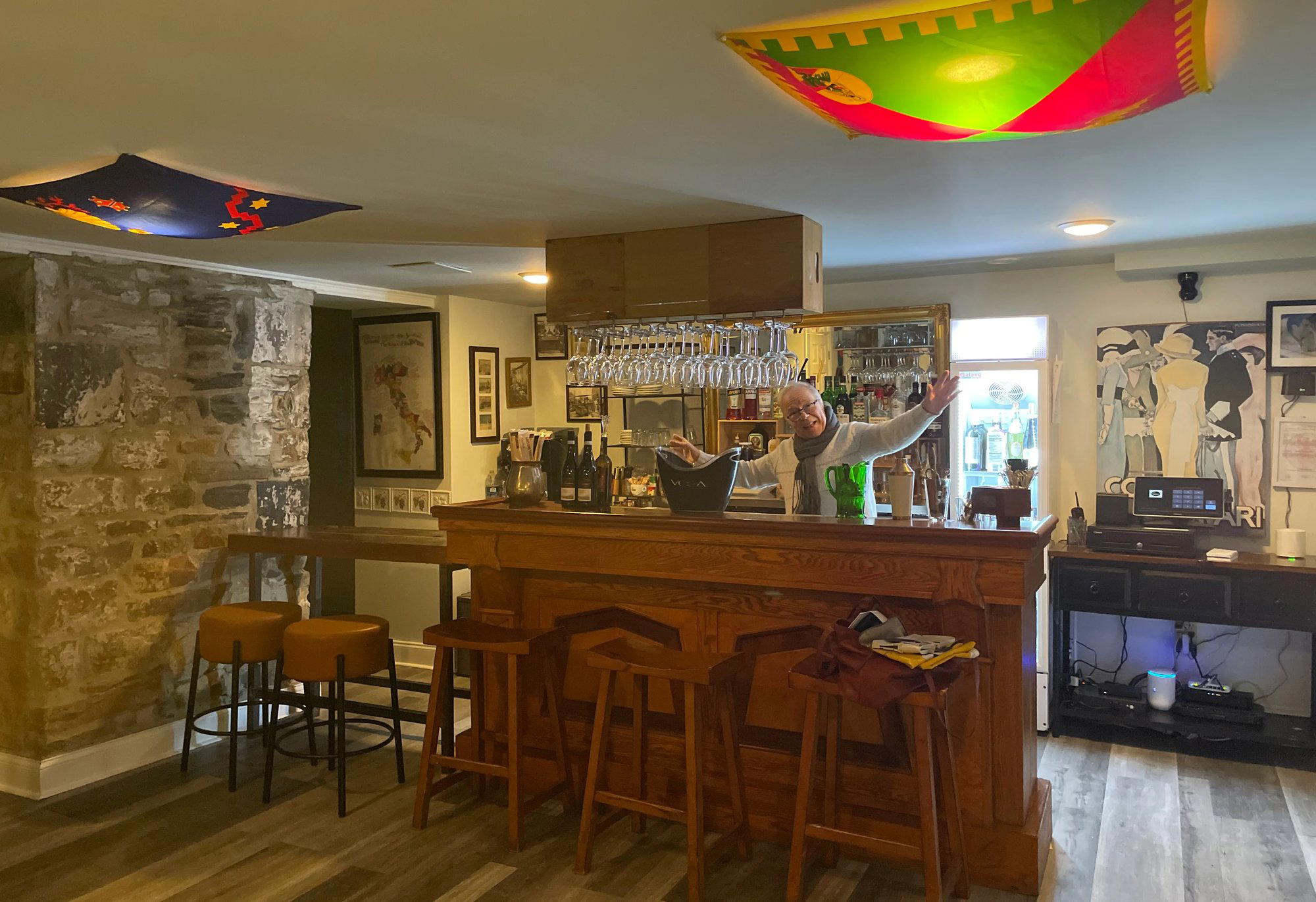
The dining experience at Amicci's is shaped as much by the room's character as by what comes out of the kitchen. Little Italy dining in Baltimore tends toward the convivial rather than the contemplative. These are not spaces designed for hushed two-tops conducting serious wine conversation. They are designed for tables of four to eight, for families that include three generations, for the kind of volume that comes from a room where people are genuinely pleased to be there. Amicci's fits that pattern. The space does not position itself as a design object, the experience is in the gathering and the eating, not in the furniture.
That contrast with quieter, more architecturally considered Baltimore spaces like 16 On The Park is worth noting. Both are legitimate Baltimore choices, but they are answers to different questions. Amicci's answers the question of where to take a table that wants to eat well, talk freely, and leave feeling that dinner was worth every dollar of it, rather than where to sit with a prix-fixe menu and discuss what the kitchen is trying to say.
For visitors calibrating Baltimore's restaurant geography, Angeli's Pizzeria and Akbar represent other neighbourhood-rooted options within the city's broader dining mix. See our full Baltimore restaurants guide for the wider picture. The national frame matters too: where tasting-menu culture has set the terms at places like The French Laundry in Napa, Blue Hill at Stone Barns in Tarrytown, Lazy Bear in San Francisco, Providence in Los Angeles, Addison in San Diego, Atomix in New York City, Single Thread Farm in Healdsburg, The Inn at Little Washington, Emeril's in New Orleans, and Atelier Moessmer Norbert Niederkofler in Brunico, Amicci's operates in a deliberately different register, one defined by repetition, familiarity, and neighbourhood rootedness rather than singular occasion dining.
Planning Your Visit
Amicci's address, 231 S High Street, places it squarely in the walkable heart of Little Italy, close enough to the Inner Harbour that hotel guests from that corridor can reach it on foot in under ten minutes. The neighbourhood is compact and leading navigated on foot once you arrive; parking on High Street and the surrounding blocks is available but predictably tight on weekend evenings when the area fills. For those coming from further afield in Baltimore, the restaurant is a direct cab or rideshare from anywhere in the central city.
Frequently asked questions
Does Amicci's work for a family meal?
Baltimore's Little Italy has historically run on multi-generational tables, and Amicci's at 231 S High Street fits that tradition well. The room and menu are structured for groups rather than couples on a quiet dinner, with Southern Italian-American portions and a pace that accommodates different appetites. It works best when the table has range — different ages, different hunger levels — rather than for a strictly adult occasion.
Is Amicci's better for a quiet night or a lively one?
A lively one. Little Italy Baltimore's restaurant culture runs convivial by habit — rooms fill early and stay loud on weekends. Amicci's, positioned in the heart of the neighbourhood on S High Street, follows that pattern. If the goal is a controlled, conversation-first dinner, earlier weeknight seatings are the practical solution.
Is Amicci's in Baltimore's Little Italy worth visiting if I'm staying near the Inner Harbour?
231 S High Street sits within walking distance of the Inner Harbour, making Amicci's one of the more accessible Little Italy options for hotel guests who want a neighbourhood dining experience rather than a waterfront tourist corridor. Baltimore's Little Italy is one of the few remaining urban Italian enclaves on the East Coast that still functions as a working neighbourhood, which gives the block a context that waterfront dining doesn't replicate. For visitors who want to eat somewhere the city itself actually uses, this part of S High Street is the logical first stop.
What should I order at Amicci's?
The Southern Italian-American structure means pasta and sauce combinations are where the kitchen's identity is most legible. That register — rather than the steakhouse-adjacent end of American Italian cooking — is where Amicci's has its clearest point of view. Order accordingly, and let the broader menu function as support rather than the main event.
Where is Amicci's located?
Amicci's is located at 231 S High St, Baltimore, MD 21202, Baltimore.
Can I walk in to Amicci's?
Walk-ins are a reasonable option on weeknights, particularly earlier in the evening. Weekend nights in Baltimore's Little Italy fill faster across the board, and the blocks around 231 S High Street draw both neighbourhood regulars and visitors coming up from the Inner Harbour. Arriving before peak service gives you the best chance without a reservation.
Reputation First
Comparable venues nearby, for context on price, style, and recognition.
| Venue | Cuisine | Price | Awards | Notes |
|---|---|---|---|---|
| Amicci'sThis venue — the venue you are viewing | Casual Italian | $20–30 | Not listed | Not listed |
| Angeli's Pizzeria | Authentic Italian Pizza | $20–30 | 50 Top Pizza USA #44 | Little Italy |
| Birroteca | Modern Rustic Italian Pizza | $30–50 | Not listed | Woodberry |
| Cafe Gia | Sicilian-Italian Bistro | $30–50 | Not listed | Little Italy |
| Tagliata | Upscale Italian Chophouse | $50–100 | Star Wine List | Harbor East |
| Valentino's Restaurant | Italian-American | $20–30 | Not listed | Northeast Baltimore |
Continue exploring
More in Baltimore
Restaurants in Baltimore
Browse all →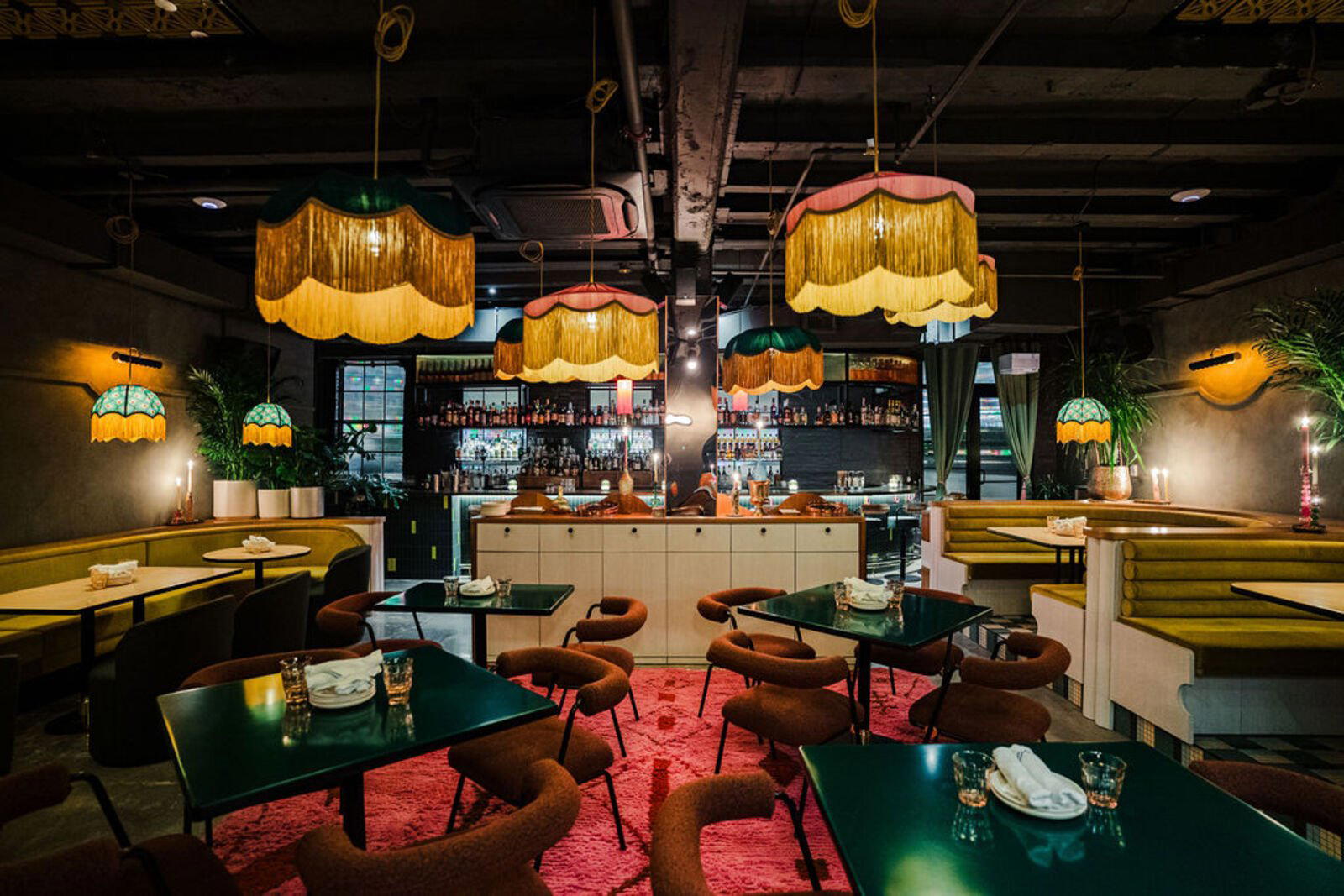
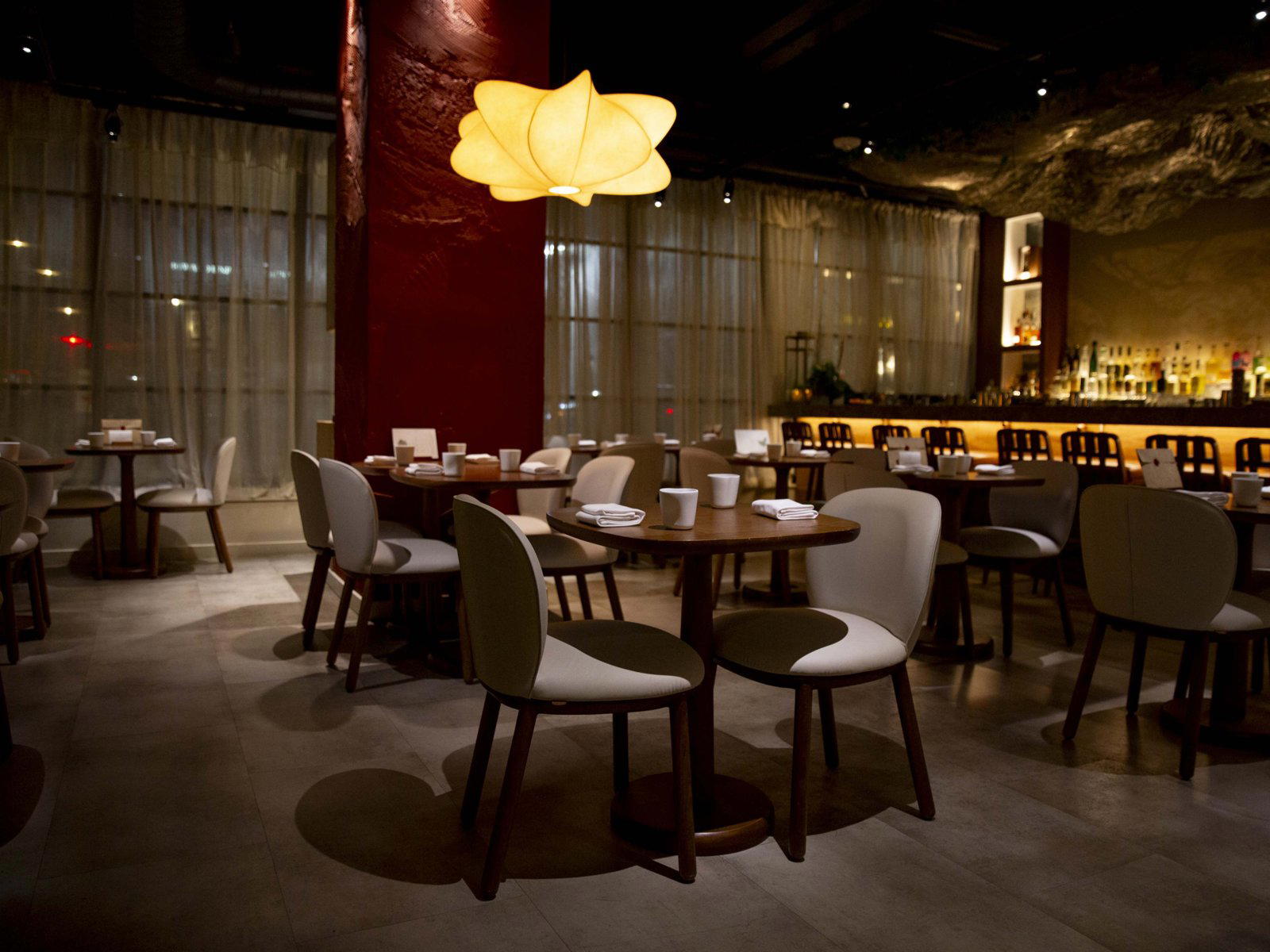
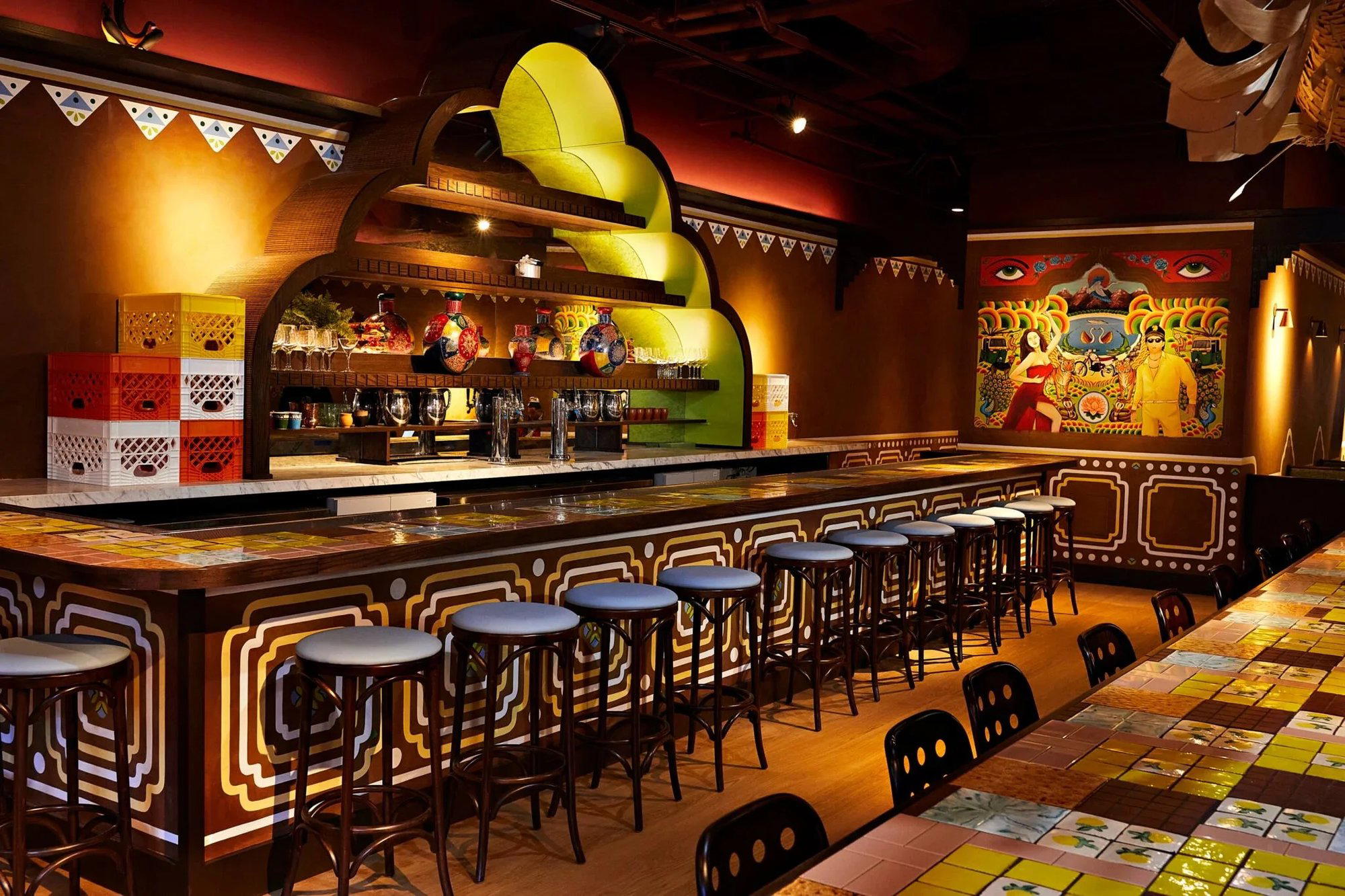
Bars in Baltimore
Browse all →
Details
- Cozy
- Classic
- Casual Hangout
- Family
- Craft Cocktails
- A La Carte
- Vegetarian Friendly
- Gluten Free Options
Current opening hours
- Monday
- 11 AM–9 PM
- Tuesday
- 11 AM–9 PM
- Wednesday
- 11 AM–9 PM
- Thursday
- 11 AM–9 PM
- Friday
- 11 AM–10 PM
- Saturday
- 11 AM–10 PM
- Sunday
- 11 AM–9 PM
Hours can change for holidays and private events. Last verified .
Warm and inviting casual atmosphere reflecting Italian culinary traditions with a welcoming environment.