Mount Everest Restaurant - Inner Harbor
Mount Everest Restaurant at Baltimore's Inner Harbor occupies a street-level address at 600 E Pratt St, placing it squarely within one of the city's most visited waterfront corridors. The restaurant draws from the Himalayan and South Asian culinary tradition, offering Baltimore diners a category that sits outside the mainstream seafood and crab-cake circuit the Inner Harbor typically services.
Pearl is the En Primeur Club membership app — saves, bookings, and concierge access live there. Same editors, same standards.
- Address
- 600 E Pratt St #105, Baltimore, MD 21202
- Phone
- +14438696924
- Website
- mounteverestinnerharbor.com
- Directions
- Get directions
 Saves & bookings on Pearl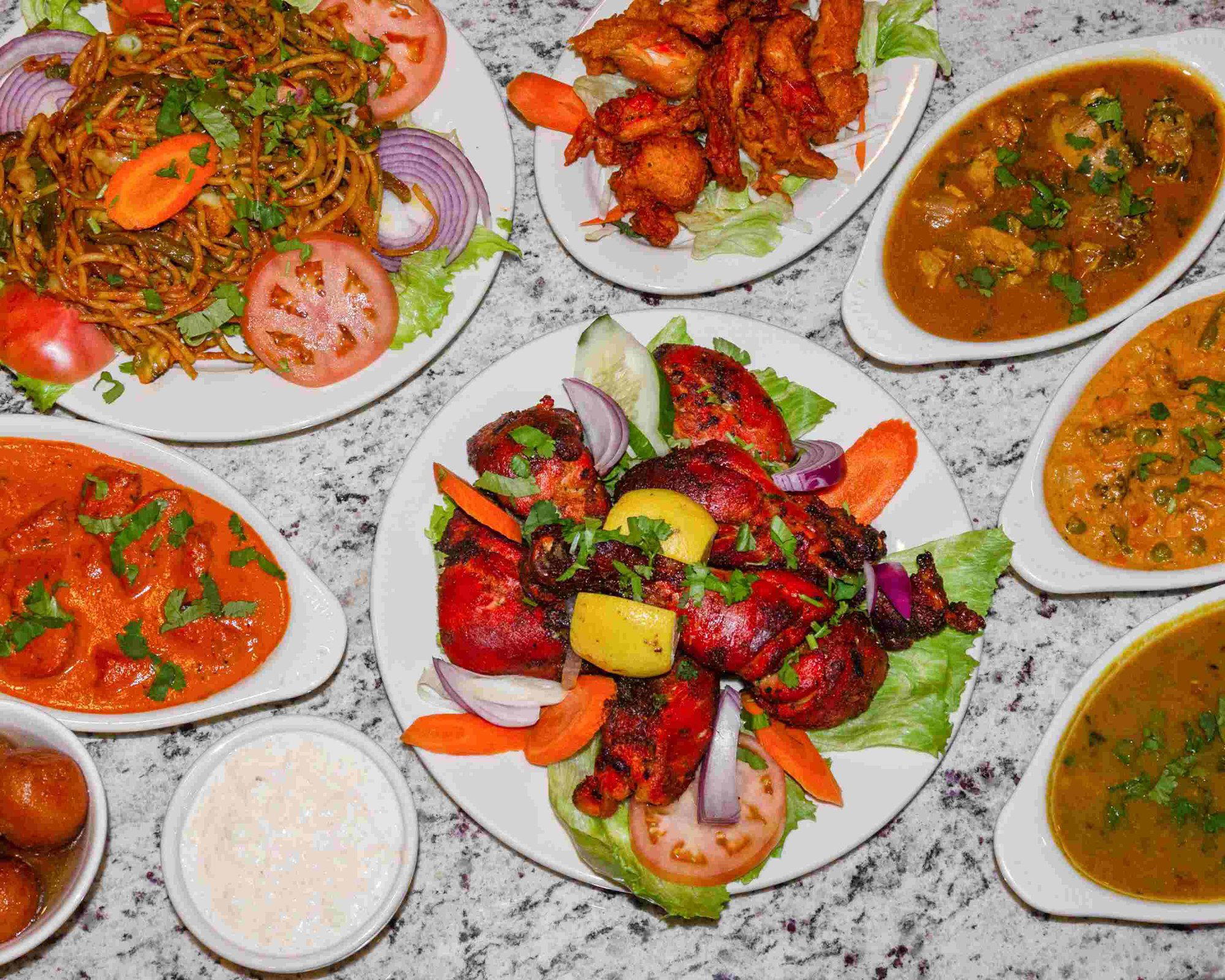
A Different Altitude on the Inner Harbor
Baltimore's Inner Harbor dining corridor runs heavy on waterfront seafood, tourist-facing crab houses, and casual American formats. The address at 600 E Pratt St, Suite 105, places Mount Everest Restaurant inside that same footprint, but the cuisine it draws from sits at a considerable remove from the blue crab orthodoxy that defines the area's culinary identity. Himalayan and South Asian cooking, with its layered spice architecture and tandoor-based techniques, occupies a distinct niche in any American waterfront market, and in a corridor as seafood-defined as the Inner Harbor, that distinction becomes more pronounced.
For Baltimore diners looking beyond the crab shacks and chain seafood operations that line the waterfront, the restaurant represents a category shift rather than just a change of address. South Asian dining in Baltimore has historically clustered around neighborhoods north of downtown, including stretches of York Road and Harford Road, which makes an Inner Harbor foothold an unusual positioning for this cuisine type. That geography matters: visitors to the harbor who might not travel north for South Asian food have a proximate option here that the Inner Harbor's usual format lineup does not provide elsewhere.
The Physical Container: Street-Level and Harbor-Adjacent
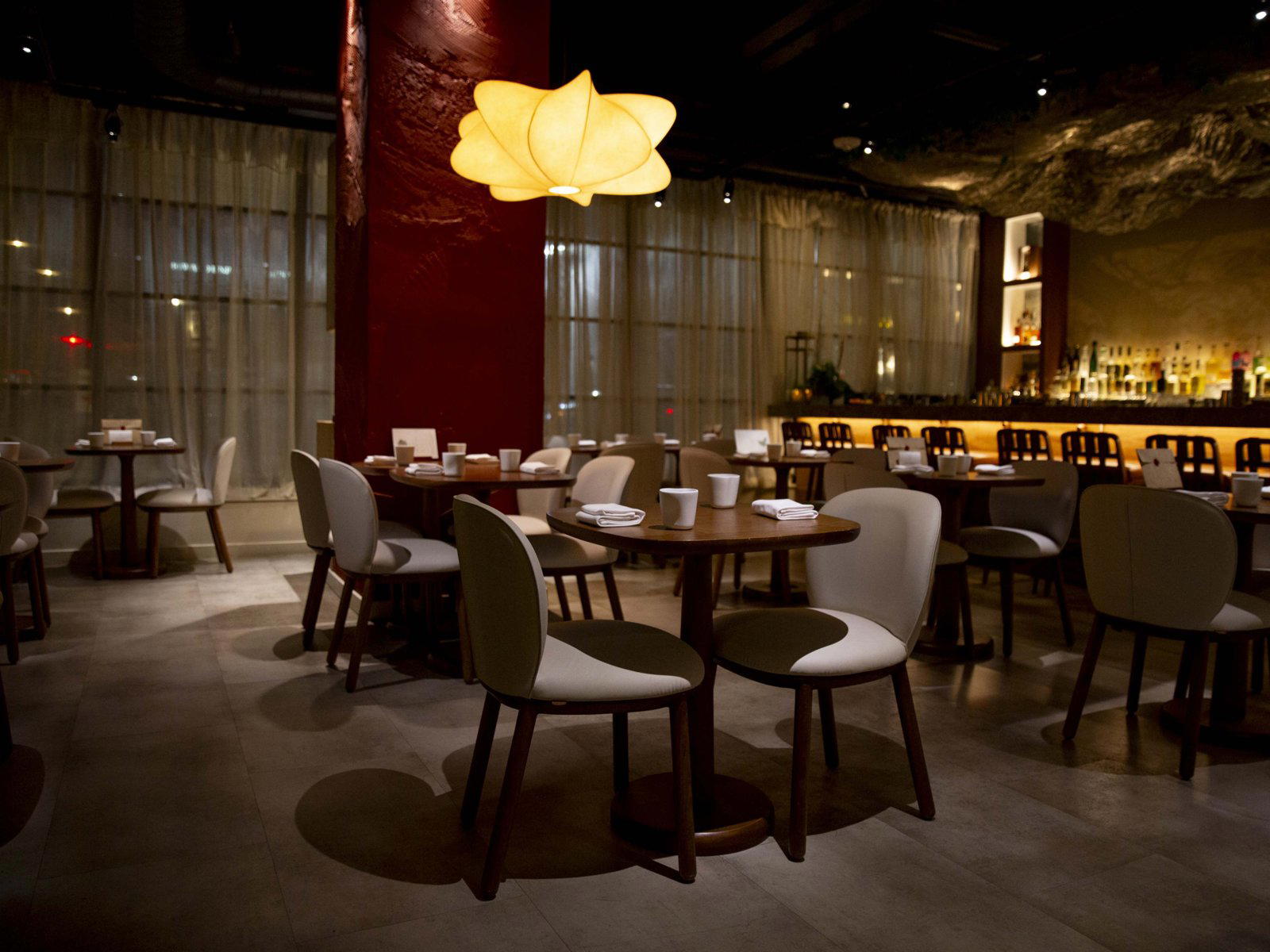
Suite 105 at 600 E Pratt St is a street-level retail-and-restaurant unit within a mixed-use building, a format common to Inner Harbor development from the 1980s and 1990s when the waterfront was rebuilt around festival marketplace architecture. These units tend toward compact floor plates, with low ceilings and interior layouts shaped by the host building's structural grid rather than by any restaurant-specific design logic. That constraint is worth understanding before arrival: the spatial experience here is not the sculpted, light-managed interior of a restaurant built from the ground up as a dining room. It is a commercial tenancy adapted to hospitality purposes.
That said, South Asian and Himalayan restaurants in the United States have a long tradition of working within inherited interiors and layering cultural visual cues, textiles, artwork, and decorative objects to create a sense of place that the base architecture does not supply. The result is typically a warm, texture-heavy environment where the spatial compression of the room is offset by density of detail at eye level and below. Whether Mount Everest Restaurant follows that convention closely or departs from it in ways worth noting, the physical format of the unit sets the baseline expectation: this is a mid-scale dining room where the cuisine and the service encounter carry more weight than the architecture itself.
Comparable positioning exists across the country wherever South Asian restaurants take space in tourist-adjacent commercial developments. The cooking tradition does not require a custom-built stage to read as credible; the density of spice work, the tandoor smoke, and the bread-to-table rhythm are experiential signals that arrive through the food itself, independent of ceiling height or design budget.
What the Cuisine Tradition Brings to the Table
Himalayan cooking, as practiced in Nepali and Tibetan restaurant traditions in the United States, typically runs alongside a broader South Asian menu that includes North Indian preparations alongside region-specific items. Dishes like momos, the steamed or fried dumplings that have become a recognizable signifier of Himalayan restaurant identity in American cities, tend to anchor menus at this category. Dal bhat, tarkari-style vegetable preparations, and tandoor-baked breads form the structural backbone, with meat preparations ranging from goat curry formats to chicken tikka and lamb rogan josh depending on how closely the menu tracks Indian versus Nepali convention.
Baltimore sits within a metro area that includes a substantial South Asian diaspora population concentrated across the broader DMV region, meaning the culinary references that Himalayan and Indian restaurants draw from are not unfamiliar to a significant segment of the dining public here. That regional context matters for understanding what a restaurant at this address can reasonably expect from its audience: a mix of Inner Harbor visitors for whom this may be an introduction to the cuisine, and local diners who will measure the kitchen against a more experienced frame of reference.
For comparison with how other immigrant-rooted cuisines operate at different price points and formality levels in Baltimore, dede (Turkish) represents the higher-formal end of non-European immigrant cuisine in the city, while Akbar provides another South Asian reference point in the Baltimore market. At the other end of the casualness spectrum, Angeli's Pizzeria shows how neighborhood-scale operations carve out loyal audiences independent of tourist-corridor positioning. The waterfront's higher-formality tier is represented by Cindy Wolf's Charleston, and 16 On The Park anchors a different kind of neighborhood dining experience entirely.
Nationally, the restaurants that define the ceiling of formal dining include Le Bernardin in New York City, Alinea in Chicago, The French Laundry in Napa, Lazy Bear in San Francisco, and Providence in Los Angeles. On the East Coast, The Inn at Little Washington sets a regional benchmark, while Atomix in New York City demonstrates how a non-European fine-dining tradition can reach the highest recognition tier. Mount Everest Restaurant operates at a different scale and price tier from all of these, but the broader national context shows the range of how ethnic and regional cuisines are being taken seriously across American dining. Other points of reference include Blue Hill at Stone Barns in Tarrytown, Single Thread Farm in Healdsburg, Addison in San Diego, Emeril's in New Orleans, and 8 1/2 Otto e Mezzo Bombana in Hong Kong.
Planning Your Visit
The restaurant is located at 600 E Pratt St, Suite 105, Baltimore, MD 21202, within walking distance of the Inner Harbor waterfront, the National Aquarium, and the convention center. Suite-level addresses in this part of the harbor typically share a street-level entrance with adjacent retail and other food tenants, so allow a moment to orient to the building directory on arrival. Confirm hours and reservation availability before visiting. Inner Harbor dining generally sees peak volume on weekend evenings and during summer months when waterfront foot traffic is at its highest; midweek visits tend to offer a quieter room and more attentive service pacing.
Where It Fits
Comparable venues nearby, for context on price, style, and recognition.
| Venue | Cuisine | Price | Notes |
|---|---|---|---|
| Mount Everest Restaurant - Inner HarborThis venue — the venue you are viewing | Nepalese and Indian | $$ | Not listed |
| Akbar | Authentic Indian | $$ | Mount Vernon |
| Ambassador Dining Room | Modern Indian Fine Dining | $$$ | Roland Park |
| The 1920 | Contemporary American with French influences | $$ | Downtown |
| Big Bad Wolf's House of Barbeque | American Barbecue | $$ | Hamilton |
| Annabel Lee Tavern | American Gastropub | $$ | Canton |
Continue exploring
More in Baltimore
Restaurants in Baltimore
Browse all →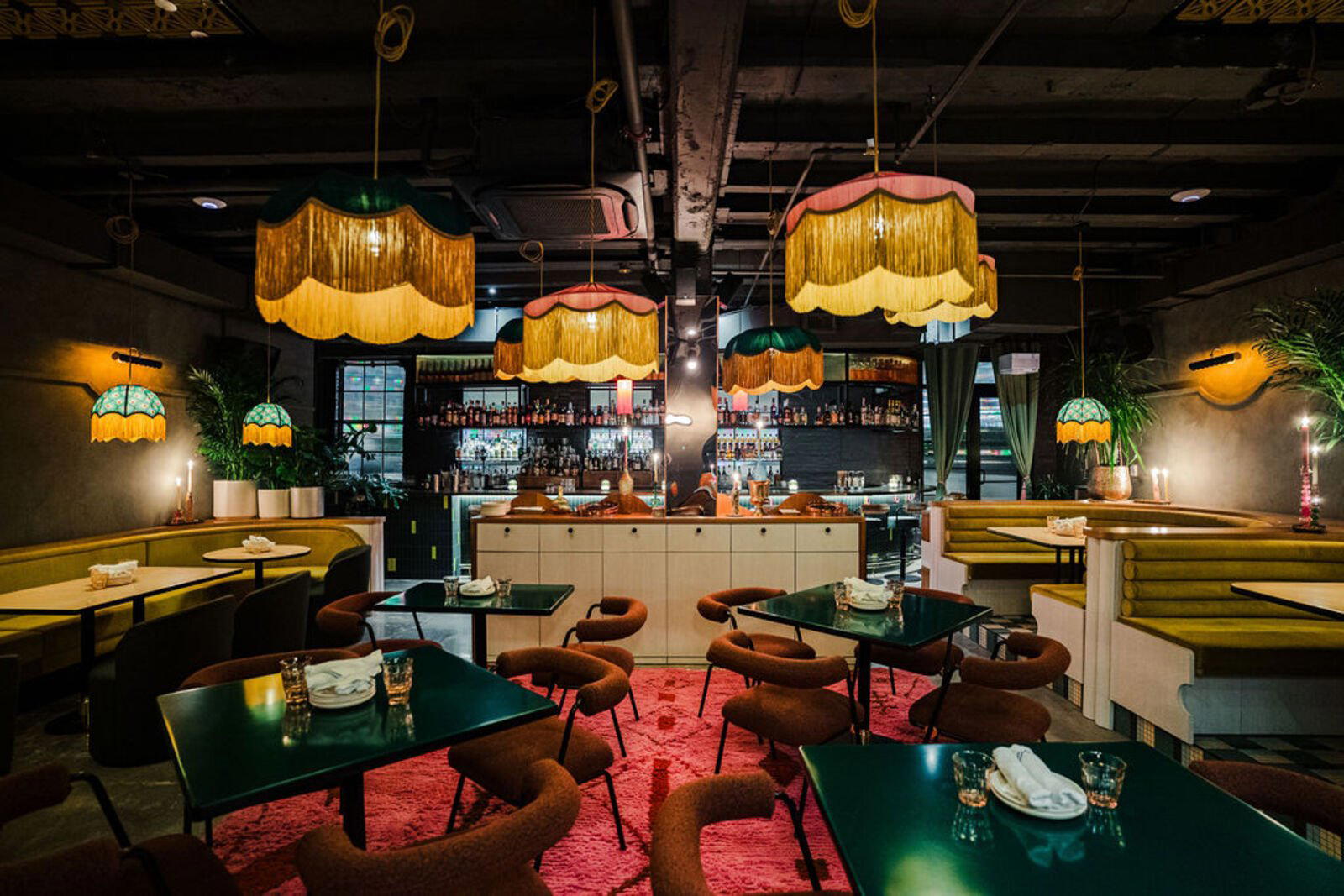
Bars in Baltimore
Browse all →
At a Glance
- Lively
- Group Dining
- Casual Hangout
- Waterfront
- Waterfront
Current opening hours
- Monday
- Closed
- Tuesday
- 11 AM–9 PM
- Wednesday
- 11 AM–9 PM
- Thursday
- 11 AM–9 PM
- Friday
- 11 AM–10 PM
- Saturday
- 11 AM–10 PM
- Sunday
- 11 AM–9 PM
Hours can change for holidays and private events. Last verified .
Energetic atmosphere suitable for lively dining.