AnDo operates out of Brunnenmarkt Stand 169 in Vienna's 16th district, placing it firmly within the city's growing appetite for market-adjacent dining that trades formal dining rooms for direct access to produce and neighbourhood life. The address alone signals a particular kind of intent: closer to the source, less interested in ceremony, and positioned well outside the Innere Stadt fine-dining corridor where most of Vienna's decorated restaurants cluster.
Pearl is the En Primeur Club membership app — saves, bookings, and concierge access live there. Same editors, same standards.
- Address
- Brunnemarkt Stand 169, 1160 Wien, Austria
- Phone
- +434313087575
- Website
- ando.at
- Directions
- Get directions
 Saves & bookings on Pearl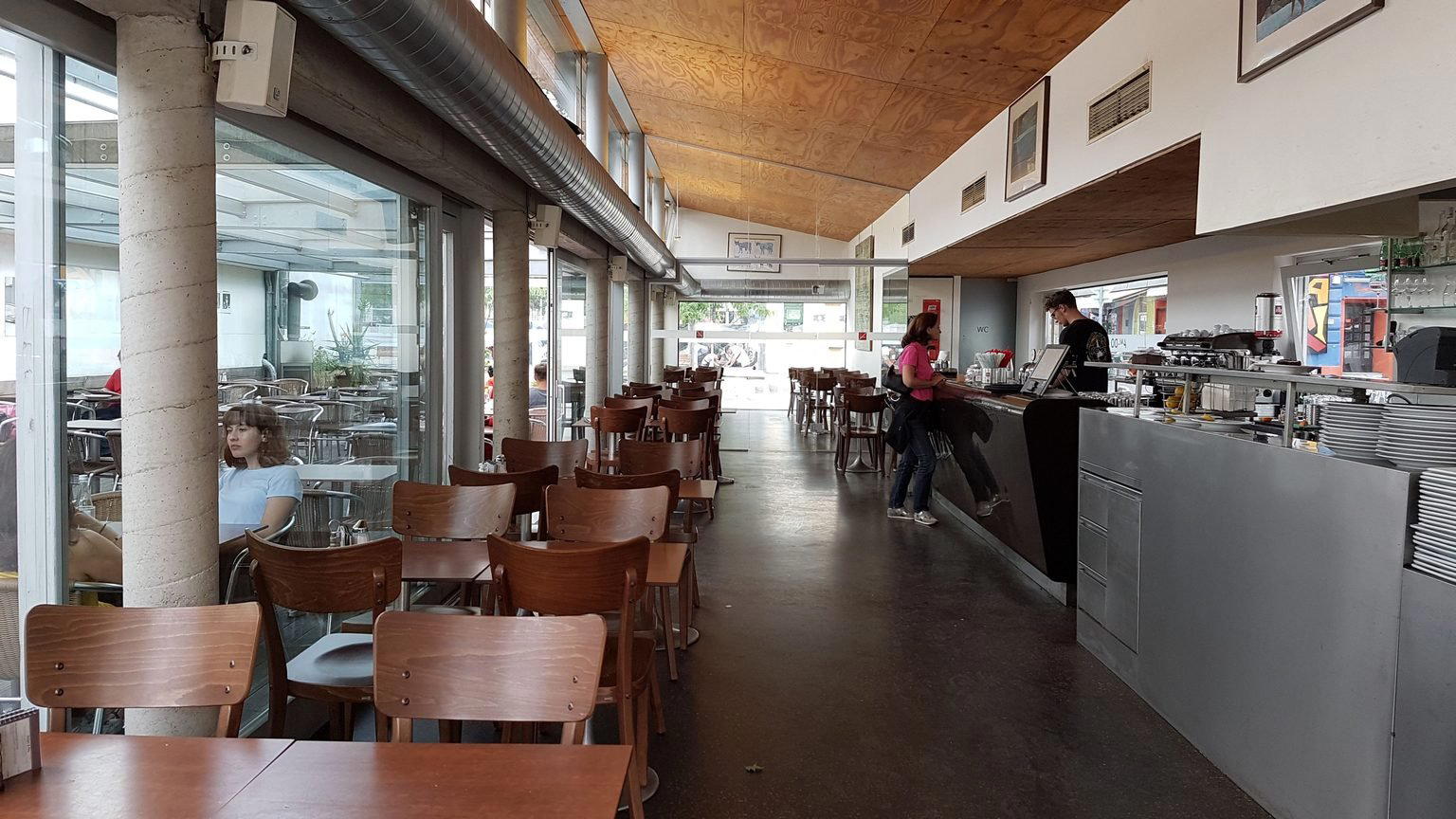
Market-Stand Dining and What It Signals About Vienna's 16th District
AnDo is a restaurant in Vienna, at Brunnemarkt Stand 169 in the 16th district, with a casual dress code and walk-in-friendly service. Vienna's serious restaurant scene has historically anchored itself in the first district and its immediate neighbours, where Steirereck im Stadtpark, Konstantin Filippou, and Amador operate in the €€€€ bracket with the awards architecture to match. But a quieter shift has been underway in the outer districts, where a different model of serious cooking has taken hold: smaller formats, market proximity, and an operating logic built around neighbourhood rhythms rather than destination-dining pilgrimage. AnDo, at Stand 169 in the Brunnenmarkt, sits squarely inside that shift.
The Brunnenmarkt is Vienna's longest open-air market, running along Ottakringer Strasse in the 16th district (Ottakring), and it functions on a different register than the tourist-facing Naschmarkt. Its weekly rhythms are built around the neighbourhood's working population, its vendors skew toward fresh produce and everyday goods, and its social life happens at street level rather than in restaurants designed around it. A kitchen operating from within that market is making a statement about sourcing proximity, format intimacy, and the kind of dining that doesn't require advance reservation infrastructure to feel considered.
Booking AnDo: What the Address Tells You Before You Arrive
The editorial angle here is logistics, and the logistics at AnDo begin with the address itself. A stand number within a functioning market implies an operating format quite different from a conventional restaurant: potential counter seating, market hours rather than full dinner service, and a guest experience shaped by the physical constraints and rhythms of the market around it. Visitors approaching AnDo should treat it as a market-format destination rather than a restaurant booking in the conventional sense.
AnDo's hours, booking method, and seat count are not publicly documented in the available records. Formats operating from market stands often function on a walk-in or limited-reservation basis, tied to the market's opening schedule rather than standard restaurant service windows. In Vienna, the Brunnenmarkt typically operates Thursday and Saturday mornings through early afternoon, which would logically shape any food operation at Stand 169. Arriving with that market calendar in mind is especially practical piece of planning advice available.
For comparison: within Vienna's outer-district dining scene, informal market-adjacent formats have become one of the more reliable signals of where dining energy is moving. Operations like Doubek and Mraz & Sohn have demonstrated that formal Michelin-level ambition doesn't require the structural formality of a full-service restaurant. AnDo operates on the more informal end of that spectrum, but the address places it in a recognisable lineage.
How AnDo Fits Vienna's Broader Restaurant Architecture
Vienna's decorated restaurant tier, which includes multiple Michelin-starred operations and a cluster of Modern Cuisine-coded venues in the €€€€ bracket, competes on a different axis than a market-stand format. The relevant comparison set for AnDo is not Steirereck or Konstantin Filippou but rather the smaller, more format-experimental operations that have emerged in Vienna's outer districts over the past decade: operations where the sourcing story is embedded in the physical location, where the chef-to-diner ratio is tighter, and where the transaction is closer to what you'd find at a dedicated market vendor with serious cooking ambitions than at a conventional restaurant.
Internationally, this model has precedent in formats like Lazy Bear in San Francisco, where the boundary between communal, informal eating and technically serious cooking is deliberately blurred. It also echoes the sourcing-first logic of institutions like Le Bernardin in New York City, where proximity to a specific ingredient category shapes everything downstream, even if the format and price point are entirely different. At AnDo, the ingredient proximity is literal: the market is the kitchen's immediate environment.
Austria's wider restaurant map offers additional context. Outside Vienna, the country's serious kitchens tend toward rural and alpine settings, where produce proximity and regional identity are built into the operating premise: Döllerer in Golling an der Salzach, Obauer in Werfen, Landhaus Bacher in Mautern an der Donau, and Taubenkobel in Schützen am Gebirge all work within that tradition. AnDo transposes a related logic into an urban market setting, which is a less common configuration in Austria and worth tracking as the format develops.
Planning Your Visit: What to Prepare For
Arriving during Brunnenmarkt market hours, Thursday and Saturday mornings through early afternoon, represents one logical window. The format likely rewards spontaneity over advance planning, but that also means availability is not guaranteed. For visitors making a specific trip to the 16th district, pairing a visit to AnDo with a broader exploration of the Brunnenmarkt itself is the sensible approach: the market is reason enough to be in Ottakring, and AnDo is one of the more interesting reasons to linger at Stand 169 specifically.
Vienna's outer districts have been gaining editorial attention as the city's dining energy disperses from its historic centre. For a fuller picture of where serious eating is happening across the city, our full Vienna restaurants guide maps the relevant operations across districts and price tiers. Elsewhere in Austria, kitchens worth planning around include Restaurant 141 by Joachim Jaud in Mieming, Gourmetrestaurant Tannenhof in Sankt Anton am Arlberg, Stüva in Ischgl, Kräuterreich by Vitus Winkler in Sankt Veit im Pongau, Schwarzer Adler in Hall in Tirol, and Ois in Neufelden, all of which operate with the kind of sourcing rigour and format clarity that AnDo's address implies.
Awards and Standing
Comparable venues nearby, for context on price, style, and recognition.
| Venue | Cuisine | Price | Notes |
|---|---|---|---|
| AnDoThis venue — the venue you are viewing | Oriental-Mediterranean Café | $$ | Not listed |
| Südländer | Mediterranean Bistro (Italian, Spanish, Dalmatian) | $$ | Wieden |
| MADAI aperitivobeisl | Mediterranean-Austrian Small Plates | $$ | Praterstern Wien Nord |
| The Epos | Mediterranean Turkish Greek | $$ | Hofburg |
| Garbanzo | Mediterranean & Middle Eastern Vegan Falafel | $$ | Hernals |
| Don Taco | Mexican Taqueria | $$ | Josefstadt |
Continue exploring
More in Vienna
Restaurants in Vienna
Browse all →
Bars in Vienna
Browse all →

Hotels in Vienna
Browse all →
At a Glance
- Lively
- Bohemian
- Cozy
- Brunch
- Casual Hangout
- After Work
- Garden
- Standalone
Current opening hours
- Monday
- 9 AM–11 PM
- Tuesday
- 9 AM–11 PM
- Wednesday
- 9 AM–11 PM
- Thursday
- 9 AM–11 PM
- Friday
- 9 AM–11 PM
- Saturday
- 8 AM–11 PM
- Sunday
- 10 AM–5 PM
Hours can change for holidays and private events. Last verified .
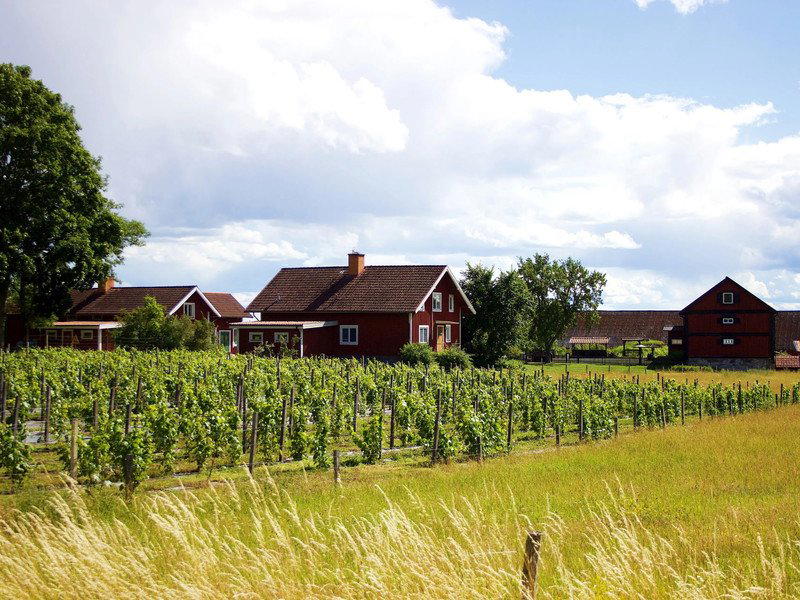
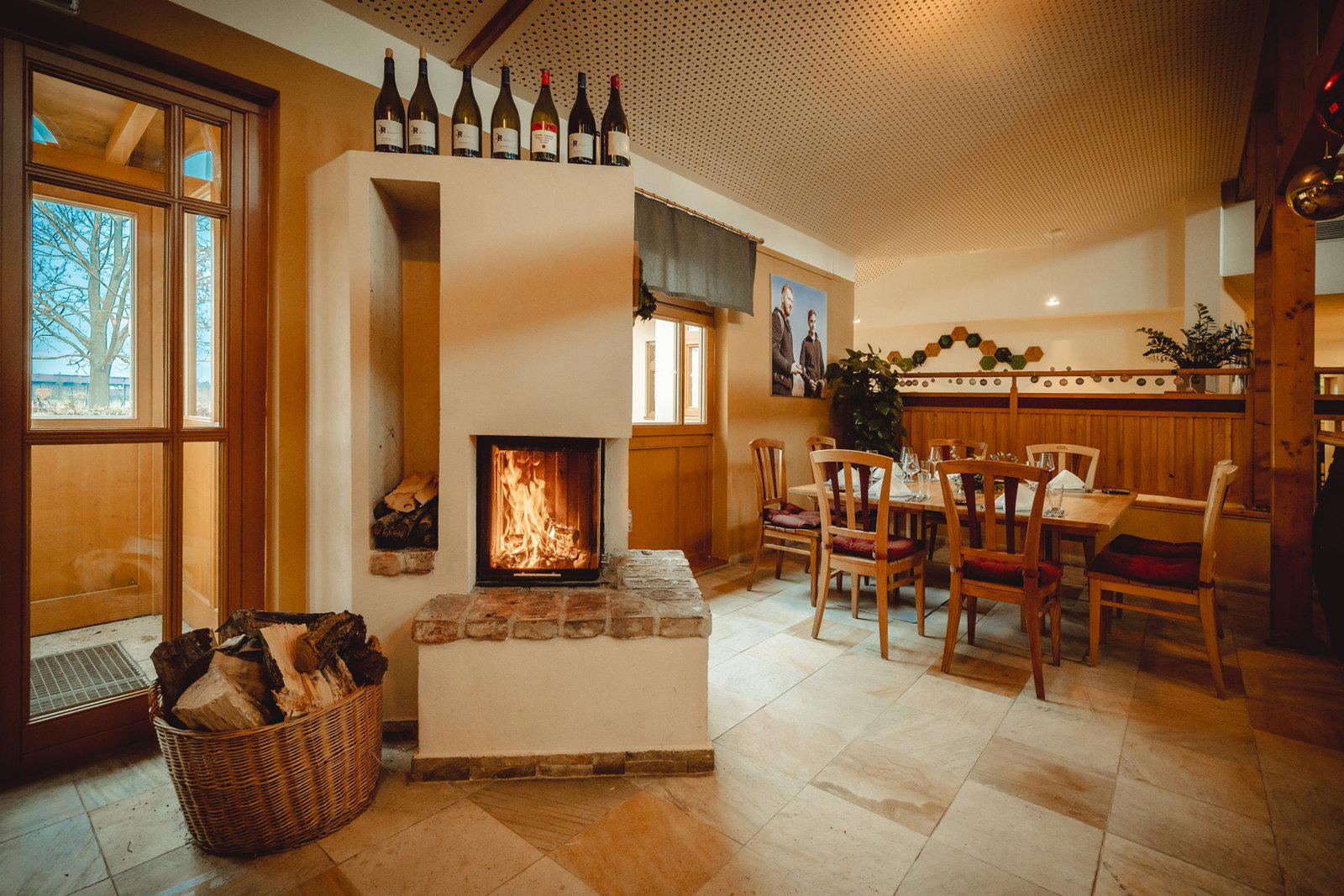
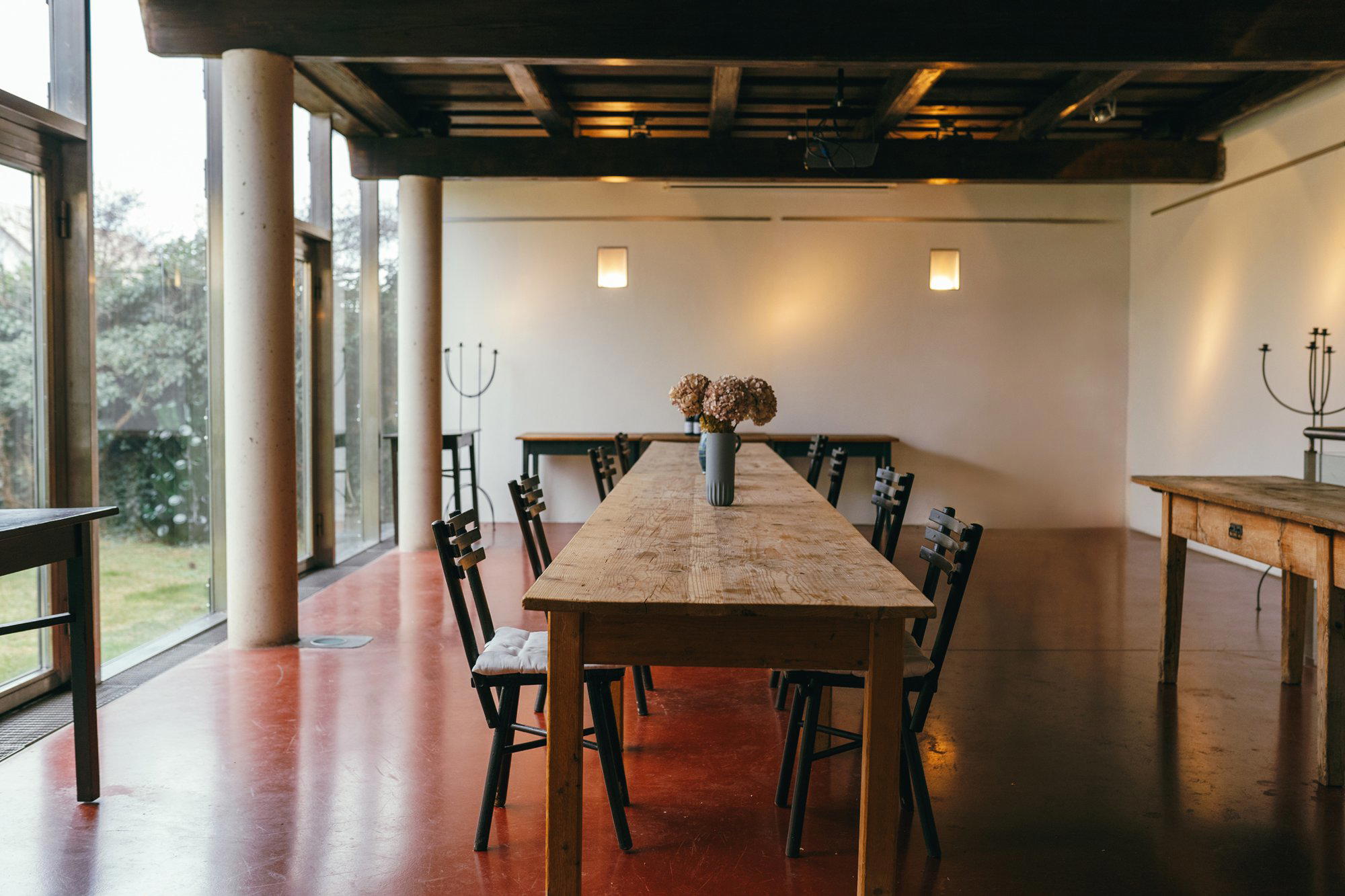
Lively market café atmosphere with a green-colored building, indoor glasshouse section with plants and greenery, popular all-day destination with a relaxed, welcoming vibe.