An Vegan House occupies a quiet stretch of Mühlenkamp in Hamburg's Winterhude district, where the city's plant-based dining conversation has been quietly gaining ground. The kitchen works within a fully vegan format, positioning it in a growing tier of Hamburg restaurants that treat ingredient provenance and seasonal sourcing as the organizing principle of the menu, rather than as an afterthought.
Pearl is the En Primeur Club membership app — saves, bookings, and concierge access live there. Same editors, same standards.
- Address
- Mühlenkamp 19, 22303 Hamburg, Germany
- Phone
- +49 40 27883688
- Website
- facebook.com
- Directions
- Get directions
 Saves & bookings on Pearl
Winterhude's Shift Toward Plant-Forward Dining
Mühlenkamp is one of Hamburg's more understated neighbourhood high streets: tram lines, independent retailers, and a density of residents who eat out regularly rather than occasionally. It is not the address where Hamburg's fine-dining flagships tend to cluster — that gravity pulls toward HafenCity and the Alster waterfront, where The Table Kevin Fehling and bianc operate at the €€€€ end of the city's restaurant spectrum. Winterhude operates differently: it is a district where a restaurant earns loyalty through consistency and sourcing discipline rather than through tasting-menu theatrics.
An Vegan House sits within that context. Hamburg's plant-based dining tier has expanded meaningfully over the past several years, driven partly by a broader European shift in how kitchens think about protein, and partly by a local consumer base that has become more comfortable demanding ingredient transparency. A fully vegan kitchen in this neighbourhood is less a novelty than a considered positioning decision, one that places the venue in conversation with a growing cohort of European restaurants that treat the absence of animal products not as a constraint but as a sourcing framework.
The Case for Ingredient-First Cooking
Across Germany's more serious plant-based kitchens, the organizing logic has shifted from substitution to provenance. The question is no longer what replaces the protein on the plate, but where the vegetables, legumes, and grains originate and how that origin shapes what the kitchen can actually do with them. This is the framework that separates the more considered end of vegan dining from the fast-casual tier, and it is the framework that makes seasonal sourcing decisions genuinely consequential.
In Hamburg specifically, access to northern German agricultural producers gives kitchens in this tier something to work with: root vegetables from the Elbe marshlands, legumes and brassicas from farms within a short supply radius, and a maritime climate that shapes what grows well and when. A kitchen that commits to working within those seasonal constraints will produce a menu that shifts meaningfully between, say, late autumn (celeriac, squash, dried pulses, fermented preservation) and early spring (the first asparagus from Schleswig-Holstein, young herbs, lighter preparations). That seasonal rhythm is where ingredient-first cooking becomes legible to a diner, and where it diverges most sharply from year-round, import-heavy menus.
For context on how Germany's broader fine-dining circuit handles provenance and seasonal discipline, it is instructive to look at kitchens like Schwarzwaldstube in Baiersbronn or ES:SENZ in Grassau, where the sourcing relationship with regional producers is structural, not decorative. At a different scale and price point, the same logic applies: the discipline of working with what the region produces, when it produces it, is what gives the cooking a specific character.
Hamburg's Restaurant Tiers and Where An Vegan House Sits
Hamburg's dining scene is more stratified than it sometimes appears from the outside. At the top tier, three-Michelin-star operations like Restaurant Haerlin and 100/200 Kitchen compete on a European rather than local scale. One tier below, the €€€€ bracket includes creative and modern European addresses that attract both Hamburg residents and visitors specifically seeking a destination meal. Further down, neighbourhood-level restaurants serve a more local function: reliable, consistent, connected to the area they occupy.
An Vegan House operates at the neighbourhood level in Winterhude, which means it competes less against Lakeside or the city's other upscale addresses and more against the local plant-based and casual dining tier. That is not a diminishment; neighbourhood-scale restaurants in Hamburg's more residential districts often sustain higher regulars-to-tourists ratios, which in turn creates more stable demand and more honest feedback loops between kitchen and customer. A kitchen that depends on repeat local custom has different incentives than one oriented toward one-time destination diners.
For comparison, Germany's plant-forward fine-dining has found its clearest expression in Berlin, where CODA Dessert Dining has pushed the format into Michelin-starred territory. Hamburg has not yet produced an equivalent in the plant-based space, but the groundwork in terms of consumer appetite and producer infrastructure is present. Internationally, the conversation around serious plant-based kitchens has been shaped by addresses like Lazy Bear in San Francisco, where the sourcing relationship with farmers is a central part of the restaurant's public identity.
Approaching the Address
Mühlenkamp 19 is accessible from the Mühlenkamp tram stop, which connects directly to Hamburg's central network. The Winterhude district rewards walking: the stretch along the Alster canal is within reasonable distance, and the neighbourhood has enough independent food retail to suggest a broader food culture rather than an isolated dining destination. Hamburg's public transport makes this part of the city direct to reach without a car, and the residential scale of the street means arrival is low-key rather than architecturally staged.
Beyond Hamburg, Germany's restaurant circuit offers points of comparison worth tracking: JAN in Munich, Vendôme in Bergisch Gladbach, Victor's Fine Dining by Christian Bau in Perl, Schanz in Piesport, Waldhotel Sonnora in Dreis, and Bagatelle in Trier each represent different points on the German culinary spectrum. For those planning a wider Hamburg visit, the full Hamburg restaurants guide maps the city's dining across price tiers and cuisine types. And for those who want to situate Hamburg within a transatlantic perspective, Aqua in Wolfsburg and Le Bernardin in New York City offer useful anchoring points on what serious ingredient-led cooking looks like at its most formally ambitious.
Planning Your Visit
An Vegan House is located at Mühlenkamp 19, 22303 Hamburg. Winterhude's dining options are concentrated enough that the neighbourhood warrants a longer visit rather than a single-restaurant trip, particularly in the warmer months when the Alster-adjacent streets are at their most active.
Nearby-ish Comparables
| Venue | Cuisine | Price |
|---|---|---|
| An Vegan HouseThis venue — the venue you are viewing | This venue | Not listed |
| The Table Kevin Fehling | Creative | €€€€ |
| bianc | Modern Mediterranean, Mediterranean Cuisine | €€€€ |
| Lakeside | German Lakeside | €€€€ |
| Heimatjuwel | German, Creative | €€€ |
| Landhaus Scherrer | Modern European, Classic Cuisine | €€€€ |
Continue exploring
More in Hamburg
Restaurants in Hamburg
Browse all →
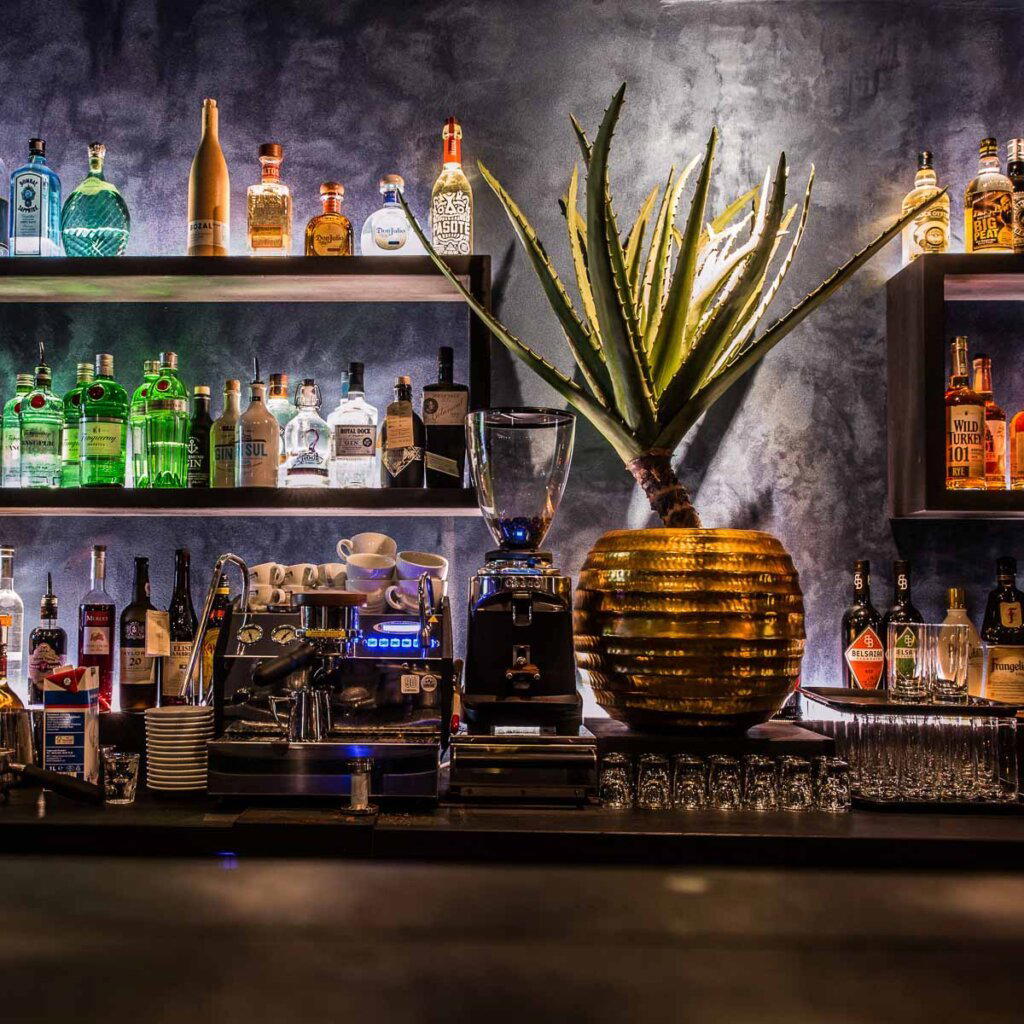
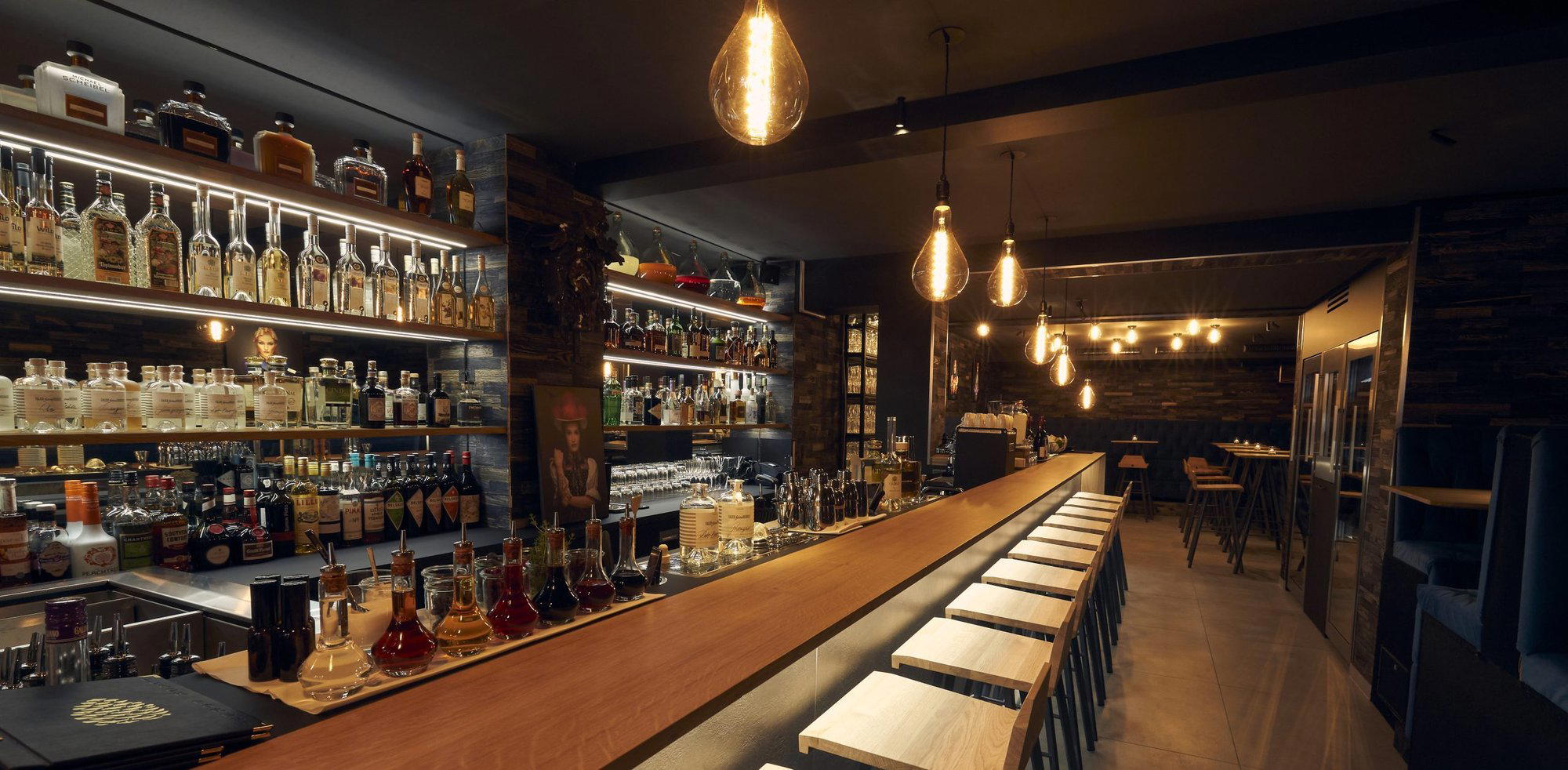
Bars in Hamburg
Browse all →
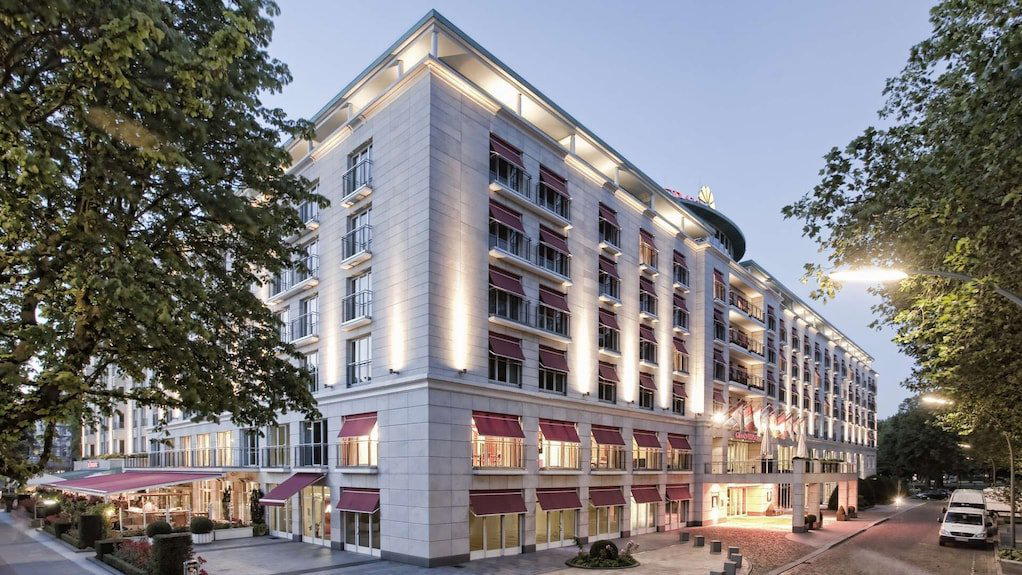
Hotels in Hamburg
Browse all →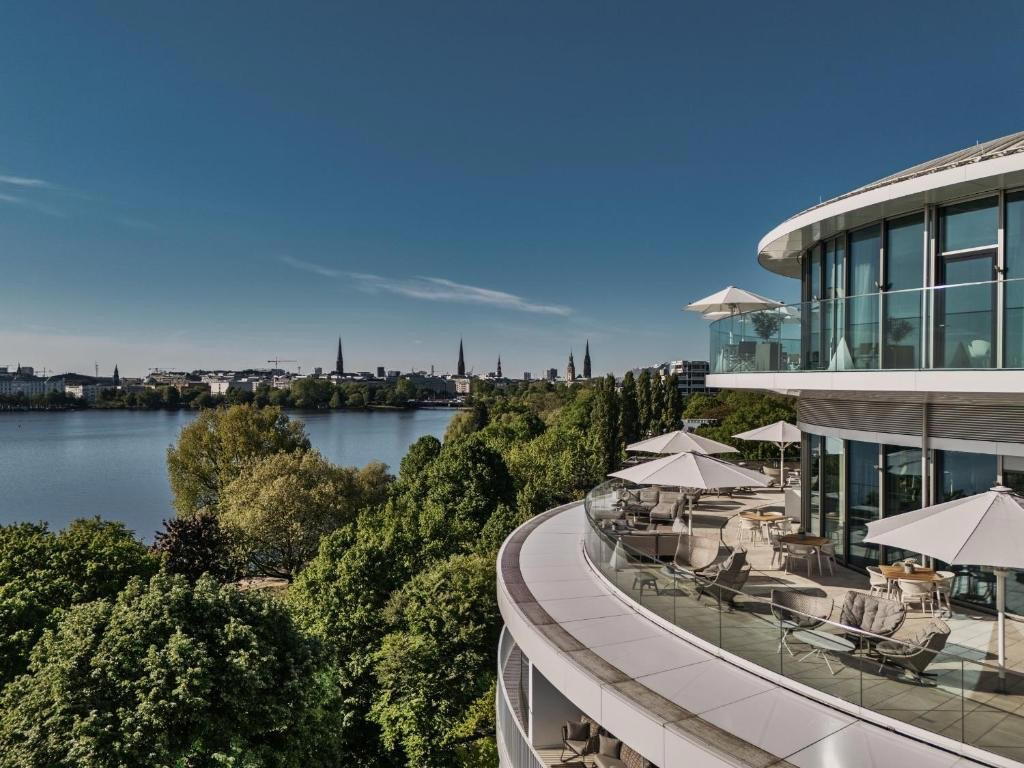
Wineries in Hamburg
Browse all →
At a Glance
- Modern
- Elegant
- Casual Hangout
Modern and stylish atmosphere with a crowded feel.
Know Before You Go
- Getting there
- Mühlenkamp 19, 22303 Hamburg, Germany