Our verdict
Ai Bánh Mì on Steinstraße brings Vietnamese sandwich culture to Hamburg's city centre, occupying a niche that sits well outside the fine-dining circuit yet draws serious attention from locals who track where the city's street-food credibility concentrates. The format is compact and fast-moving, making it a useful reference point for understanding how Hamburg's informal eating scene has evolved alongside its Michelin-starred tier.

Pearl is the En Primeur Club membership app, where members save venues, book tables and use the concierge.

Where Steinstraße Meets the Vietnamese Street-Food Tradition
Hamburg's eating culture has always operated on two largely separate tracks. One runs through the tasting-menu circuit, where venues like Restaurant Haerlin and The Table Kevin Fehling command four-figure spend-per-head evenings and months-long advance booking. The other track is shorter, louder, and far less discussed in the international press: the city's informal daytime eating, concentrated in its commercial centre and inner neighbourhoods, where the quality of a single well-made sandwich can anchor a lunch hour more reliably than any prix-fixe. Ai Bánh Mì at Steinstraße 17A sits firmly on that second track.
Steinstraße runs through Hamburg's city centre, close enough to the Hauptbahnhof that foot traffic is dense from early morning, and the surrounding blocks carry a mix of office workers, transit commuters, and a younger resident population that has increasingly driven demand for fast, considered eating over fast, careless eating. That distinction matters: the bánh mì as a format rewards exactly the kind of sourcing and assembly discipline that separates a competent operation from a forgettable one. The bread, the balance of filling to pickle to herb, the heat level, each is a variable that shows up plainly in a format with nowhere to hide.
The Bánh Mì Format and Why It Travels Well
Vietnam's bánh mì tradition is itself a product of collision: French baguette culture, introduced during the colonial period, absorbed into Vietnamese flavour logic and transformed into something with its own distinct identity. The result is a sandwich built on contrast, a crust that shatters, a crumb that compresses, fillings that combine fat, acid, heat, and fresh herb in a ratio that took decades of street-vendor iteration to calibrate. It is one of the more technically demanding informal formats to execute consistently, which is why cities where it has taken serious root tend to produce a wide quality range from venue to venue.
Hamburg's Vietnamese community has a longer history in the city than many visitors assume, concentrated partly in the Altona district and partly across the inner city, and that community presence has shaped a local familiarity with Vietnamese cooking that goes beyond trend cycles. Ai Bánh Mì operates within that context, in a city that has the background to recognise when the format is being treated with precision and when it is not.
Where Ai Bánh Mì Sits in Hamburg's Informal Eating Tier
The relevant comparison set for Ai Bánh Mì is not Hamburg's formal restaurant circuit. Venues like bianc or Lakeside operate in a different tier entirely, where table service, wine lists, and extended menus define the experience. Equally, the creative tasting-menu approach of 100/200 Kitchen places it in a cohort where the evening itself is the product. Ai Bánh Mì is a counter-service proposition, where the measure is consistency, speed, and the quality of a specific thing done repeatedly.
That specificity is the editorial point worth making: Hamburg's informal eating tier has matured. The city's food culture has developed enough of a critical mass that specialist, single-format operations can sustain themselves in central locations where rent is not inconsequential. That is a marker of a food city reaching a certain level of confidence in its audience. The growth of serious street-food vendors and fast-casual specialists in cities like Berlin has tracked a similar pattern, and Hamburg is not far behind.
For the reader who spends time across Germany's fine-dining circuit, venues like Schwarzwaldstube in Baiersbronn, Aqua in Wolfsburg, or Vendôme in Bergisch Gladbach represent the upper register of what German cooking produces. But any serious food traveller knows that the informal tier of a city often tells you more about its everyday culinary confidence than its Michelin count does. Ai Bánh Mì is part of that informal register in Hamburg.
A Note on the Wine Angle, and Why It Does Not Apply Here
The editorial angle of wine list depth and sommelier curation is the frame through which EP Club typically assesses a venue's beverage ambition. At counter-service formats like Ai Bánh Mì, that frame does not apply in any conventional sense. There is no cellar to assess, no sommelier program, no pairing menu. What the bánh mì format does offer, however, is a useful illustration of why beverage curation matters at the venues where it exists: the bright acid and fresh herb of a well-assembled bánh mì creates a flavour reference point that trained sommeliers at Hamburg's formal restaurants frequently cite when discussing pairing logic for aromatic whites or pet-nat formats. The format is, in that sense, pedagogically useful even if it does not participate in the wine world itself.
For Hamburg readers interested in wine-led dining at the formal end, the city's fine-dining circuit, including Restaurant Haerlin with its deep classical cellar and The Table Kevin Fehling with its international tasting-menu format, represents where that ambition concentrates. Across Germany more broadly, Waldhotel Sonnora in Dreis, Schanz in Piesport, and Victor's Fine Dining by Christian Bau in Perl operate at the intersection of ambitious cooking and serious cellar depth. Internationally, Le Bernardin in New York City and Lazy Bear in San Francisco represent how wine programming integrates into the full tasting-menu experience at the highest level. Ai Bánh Mì belongs to a different conversation, and there is value in that distinction being made clearly.
Planning a Visit
Ai Bánh Mì is located at Steinstraße 17A in Hamburg's city centre, accessible on foot from Hamburg Hauptbahnhof within a few minutes. The format is counter-service, making it suited to a lunch stop rather than an evening reservation. For a broader view of where this venue sits within Hamburg's full restaurant range, from informal specialists to three-star formal dining, see our full Hamburg restaurants guide.
Readers planning a Hamburg trip that spans both the informal and formal eating tiers might also consider JAN in Munich or ES:SENZ in Grassau as reference points for how Germany's regional dining scene distributes across price levels, and Bagatelle in Trier for how the western German wine country produces its own dining register distinct from the northern city circuit.
Frequently asked questions
How do I find Ai Bánh Mì?
Ai Bánh Mì is located at Steinstraße 17A, 20095 Hamburg, Germany, Hamburg.
How does Ai Bánh Mì compare to other Vietnamese food options in Hamburg?
Hamburg has an established Vietnamese community concentrated largely in the Altona district, giving the city a baseline of Vietnamese dining that extends well beyond tourist-facing venues. Ai Bánh Mì's Steinstraße address places it in the city centre rather than Altona, positioning it as a workday and transit-adjacent option rather than a neighbourhood destination. The bánh mì format is a narrower, more defined offer than the pho and rice-plate menus common across Hamburg's Vietnamese restaurant circuit.
What's the signature dish at Ai Bánh Mì?
The venue name directly references the bánh mì, Vietnam's baguette-based sandwich built on the intersection of French colonial bread culture and Vietnamese fillings. The bánh mì format itself, bread, protein, pickled vegetables, and fresh herbs, is the structural anchor of what the venue offers.
Should I book Ai Bánh Mì in advance?
Counter-service venues in Hamburg's city centre near Hauptbahnhof typically operate on a walk-in basis during lunch and early evening peaks.
Fast Comparison
Comparable venues nearby, for context on price, style, and recognition.
| Venue | Cuisine | Price | Awards | Notes |
|---|---|---|---|---|
| Ai Bánh MìThis venue (the venue you are viewing) | Vietnamese Bánh Mì & Street Food | $10–20 | Not listed | Not listed |
| DaoDao | Vietnamese Street Food & Asian Fusion | $1–10 | Not listed | Neustadt |
| Nakama | Japanese Fusion Sushi | $30–50 | Falstaff Restaurant - 89 Falstaff Points | Hamburg-Altstadt |
| råbowls | Plant-Based Power Bowls | $10–20 | Not listed | Hamburg-Altstadt |
| Casse Croute | French-German Bistro | $30–50 | Not listed | Neustadt |
| Bun's Streetfood | Gourmet Street Food Buns | $10–20 | Not listed | Eimsbuttel |
Continue exploring
More in Hamburg
Restaurants in Hamburg
All restaurants in Hamburg →
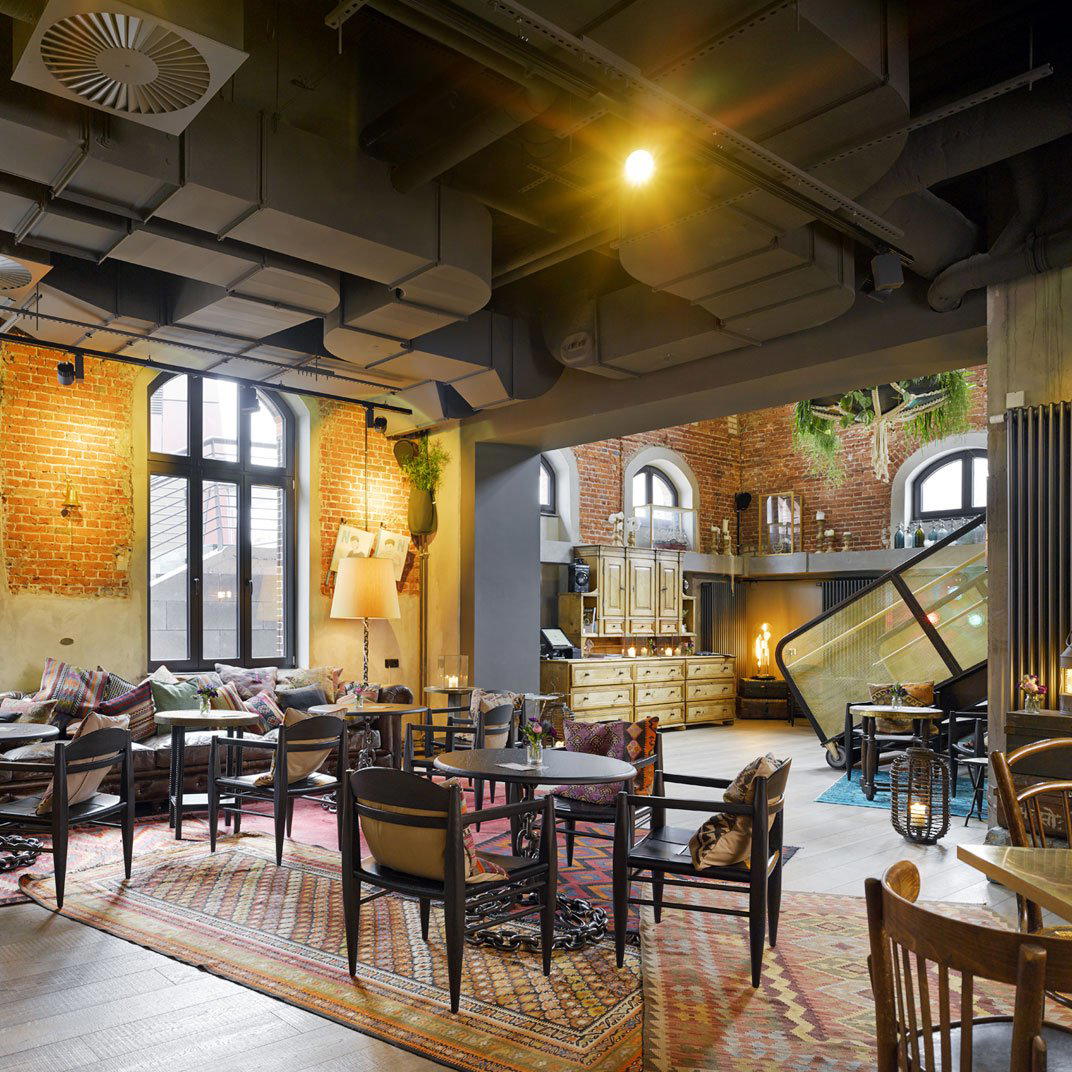
Bars in Hamburg
All bars in Hamburg →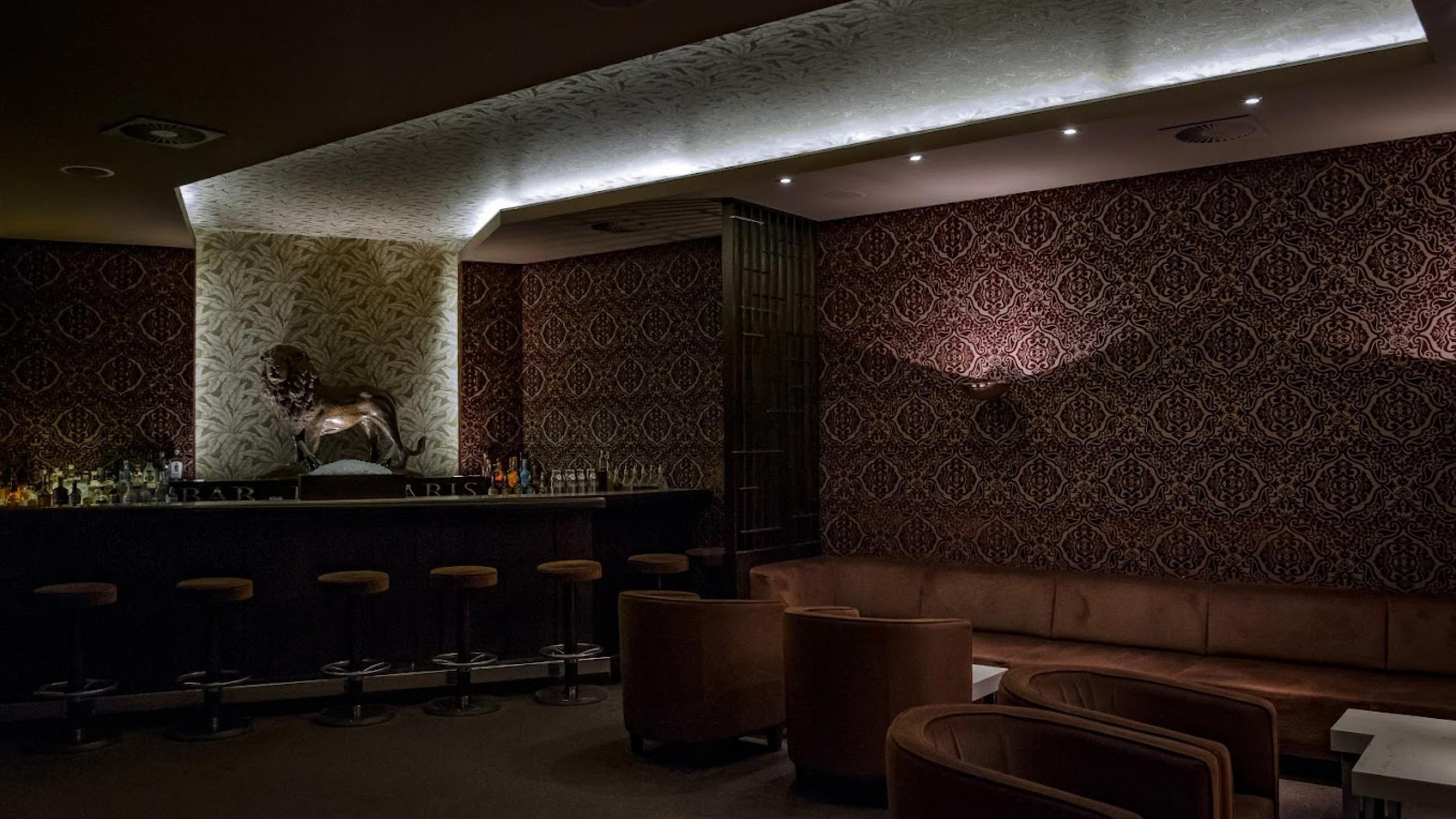
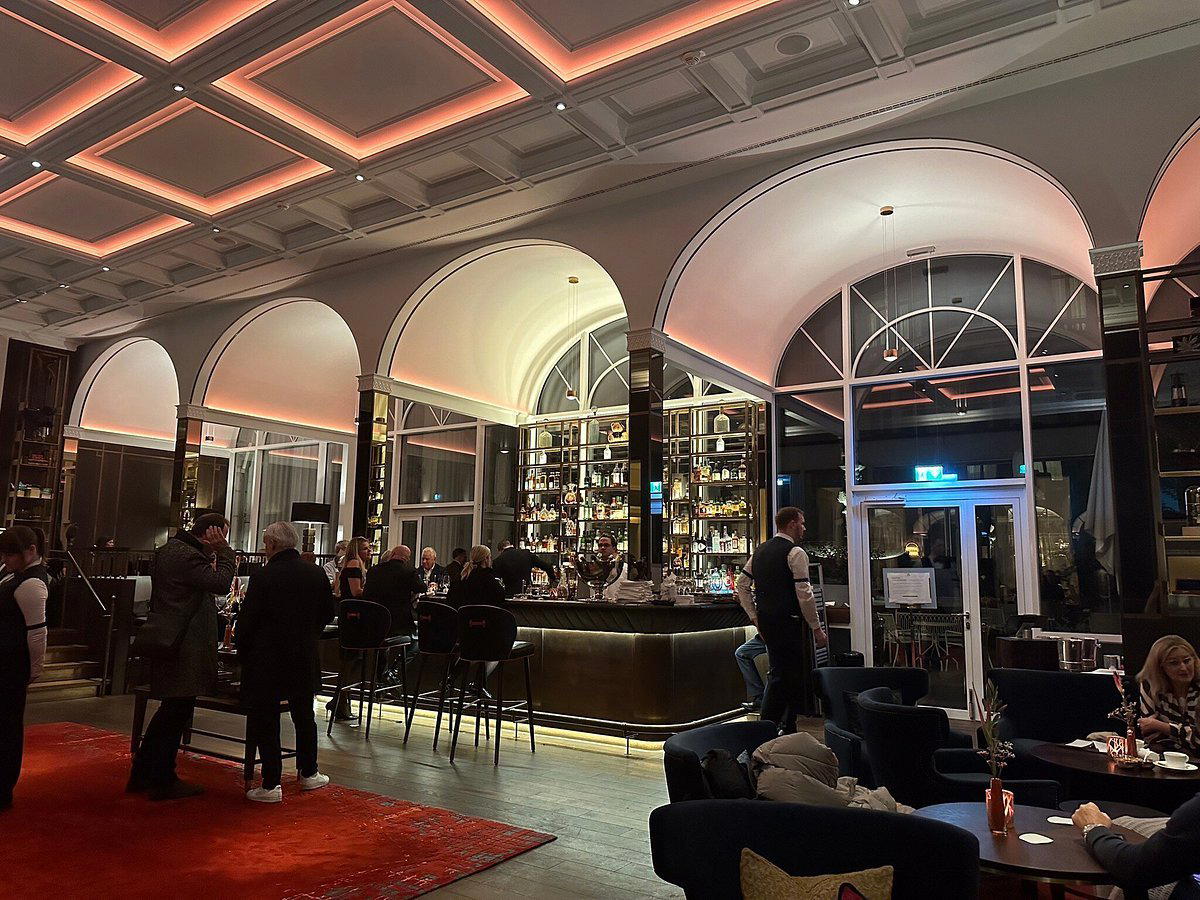
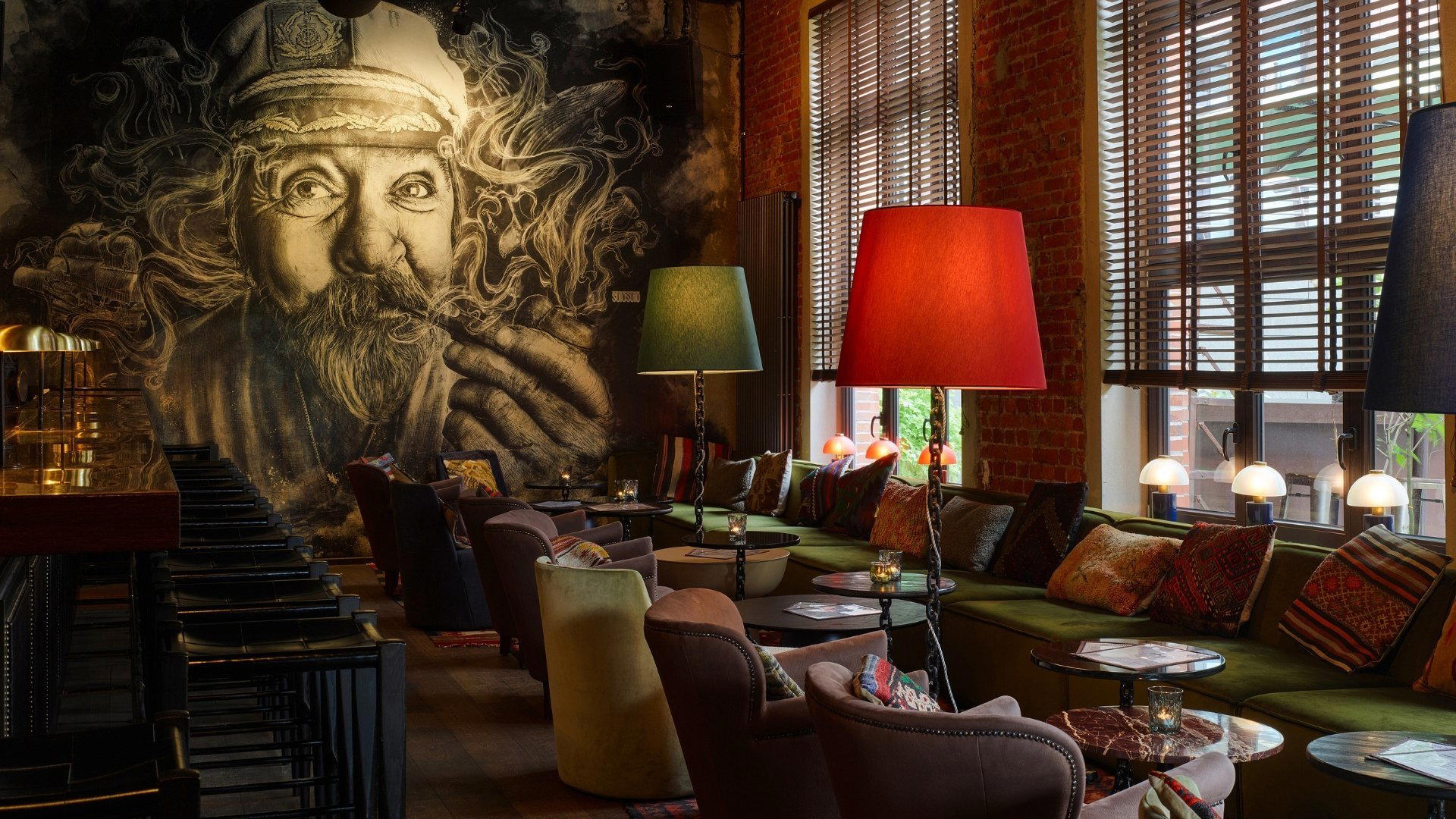
Hotels in Hamburg
All hotels in Hamburg →
Wineries in Hamburg
Browse all →
Details
- Casual
- Cozy
- Casual Hangout
- Open Kitchen
- A La Carte
- Small Plates
- Vegan Options
- Vegetarian Friendly
Current opening hours
- Monday
- 11 AM–9 PM
- Tuesday
- 11 AM–9 PM
- Wednesday
- 11 AM–9 PM
- Thursday
- 11 AM–9 PM
- Friday
- 11 AM–9 PM
- Saturday
- 11 AM–9 PM
- Sunday
- 12–8:30 PM
Hours can change for holidays and private events. Hours as of .
Casual and welcoming atmosphere with hearty street food presentation.