Our verdict
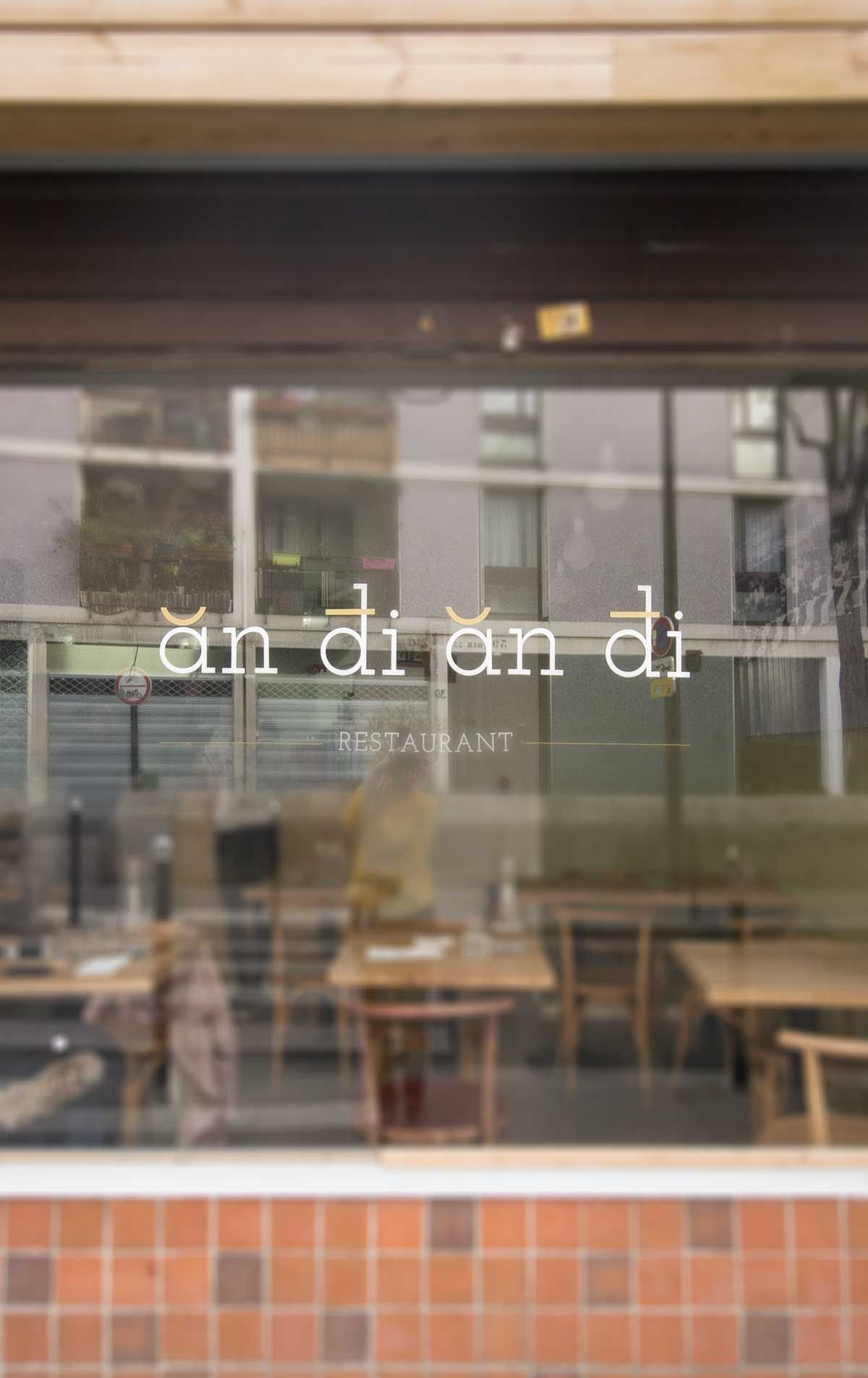
An Di An Di occupies a quiet address on Rue du Liban in Paris's 20th arrondissement, a neighbourhood where Vietnamese cooking has put down serious roots over several decades. The restaurant draws a local crowd that returns for the rhythm of simple, precise food rather than spectacle. For visitors willing to look beyond the city's established dining corridors, it represents the kind of address that earns its reputation block by block.
- Address
- 9 Rue du Liban, 75020 Paris, France
- Phone
- +33 9 81 26 97 10
- Website
- andiandi.fr
- Directions
- Get directions
The menu
What to order
- Pho Thin Hanoi
The 20th Arrondissement and Its Vietnamese Table
Paris's relationship with Vietnamese cuisine is older and more layered than the city's fine-dining reputation tends to acknowledge. The 13th arrondissement holds the better-known concentration of Southeast Asian restaurants, but over the past two decades the 20th has developed its own distinct character: smaller, less touristed, and often more consistent. Rue du Liban, where An Di An Di sits at number 9, is the kind of street where a neighbourhood restaurant can build a reputation through repetition rather than press launches. The 20th's dining scene, running from Ménilmontant down through Gambetta, has increasingly attracted Parisians who care more about what's on the plate than about which arrondissement they're eating in.
That context matters when assessing An Di An Di. Vietnamese restaurants in Paris range from quick-service pho counters aimed at the lunch crowd to more considered addresses that treat the cuisine with the same ingredient discipline you'd expect from a French bistro. An Di An Di operates closer to the latter register. It is the kind of place that doesn't need to compete with the €€€€ tasting-menu tier occupied by addresses like Alléno Paris au Pavillon Ledoyen or Le Cinq at the Four Seasons George V, because it is answering a different question entirely: what does honest Vietnamese cooking look like when it's made for people who live nearby and return often?
Lunch and Dinner: Two Different Propositions
In Paris's mid-range restaurant scene, the gap between lunch and dinner service is rarely just about daylight. It shapes price, pacing, and the kind of attention a kitchen has available. At an address like An Di An Di, the lunch hour is typically the workhorse shift: faster, more focused, drawing from a shorter menu that reflects what the kitchen can execute at volume without compromise. For the surrounding neighbourhood of the 20th, lunch at a Vietnamese restaurant tends to be a working meal, broth-forward and efficient, eaten at a pace that suits the rhythm of the day.
Evening service shifts the register. The 20th's dining culture at night is more relaxed than the 8th or 16th, less structured around formal service conventions, and the expectation is usually a meal that extends beyond the plate into a longer table experience. Dinner at An Di An Di represents the fuller version of what the kitchen intends: more time, likely a broader selection, and the kind of atmosphere where a table of two or four can settle in rather than cycle through. That evening quality is common to Vietnamese restaurants across Paris that have moved past the quick-service model, where the cuisine's genuine range, from fermented complexity to clean herb-driven dishes, has room to be expressed across multiple courses rather than compressed into a single bowl.
This lunch-versus-dinner divide is worth considering as a planning decision rather than an afterthought. Visitors to Paris who want to eat well in the 20th without the formality or price point of the city's larger tables should treat the lunch option as a practical entry point, while those who want the full scope of what an address like this offers are better served by dinner. The neighbourhood itself rewards an evening on foot: the streets around Gambetta and Père Lachaise have their own character at night, distinct from the tourist circuits of the Marais or Saint-Germain.
Where This Address Sits in Paris's Wider Dining Picture
Paris's restaurant scene stratifies sharply. At the leading, the Michelin-starred addresses, from Arpège and L'Ambroisie to the Franco-Japanese precision of Kei, operate in a price bracket and booking logic that has little overlap with a neighbourhood Vietnamese table. Below that tier, the city's most interesting eating tends to happen in exactly the kind of address that An Di An Di represents: small, specific, rooted in a culinary tradition, and sustained by a local clientele rather than tourist flow.
Vietnamese cooking has particular relevance in that mid-tier Paris context because it is one of the few non-French cuisines in the city with a long enough historical presence to have developed regional variation and local adaptation. France's colonial history with Vietnam left a cultural imprint that runs through both the cuisine and the community, and Paris's Vietnamese restaurants are not imports of a foreign dining trend but expressions of a cuisine that has been part of the city's food culture for generations. That historical depth gives addresses in the 20th a different kind of authority than, say, a recently opened Asian concept in a trendier arrondissement.
For context on France's broader culinary geography, the same editorial rigour that defines great regional French cooking, whether at Mirazur in Menton, Bras in Laguiole, or Flocons de Sel in Megève, applies to the question of what makes a neighbourhood restaurant worth returning to. The metric is consistency and specificity, not scale or ceremony. An Di An Di, at its Rue du Liban address, operates by those same principles at a different price point and a different register entirely.
Readers building a broader France itinerary can also cross-reference producers of regional French tradition at Auberge de l'Ill in Illhaeusern, Georges Blanc in Vonnas, Troisgros in Ouches, and Paul Bocuse in Collonges-au-Mont-d'Or, as well as southern addresses like La Table du Castellet, Auberge du Vieux Puits in Fontjoncouse, and Les Prés d'Eugénie in Eugénie-les-Bains. For international reference points at the same level of culinary seriousness, Le Bernardin in New York and Lazy Bear in San Francisco illustrate how neighbourhood credibility and tasting-room ambition can co-exist in different market contexts.
Planning a Visit
An Di An Di is located at 9 Rue du Liban in the 20th arrondissement, reachable by Metro via Gambetta or Père Lachaise stations. As is typical for neighbourhood Vietnamese restaurants in Paris, reservations for dinner are advisable, particularly on weekends when the local crowd competes with visitors who have sought the address out deliberately. Lunch on a weekday is the more accessible entry point. Specific booking methods, hours, and current pricing are best confirmed directly with the venue before visiting, as this category of restaurant operates without the reservations infrastructure of the larger fine-dining tier. For a fuller picture of where this address fits in the city's eating scene, the EP Club Paris restaurants guide maps the broader field.
Frequently asked questions
What part of town is An Di An Di in?
An Di An Di is located at 9 Rue du Liban, 75020 Paris, France, Paris.
Is An Di An Di a good option for a group dinner in Paris's 20th arrondissement?
For a group looking to eat in the 20th arrondissement rather than making the trip to the more central Vietnamese concentration in the 13th, An Di An Di at 9 Rue du Liban is a practical and locally trusted address. Neighbourhood Vietnamese restaurants in this part of Paris typically accommodate small groups well, though larger parties should check the venue's official channels to confirm table configuration and availability. The Gambetta and Père Lachaise metro stations are both within walking distance, making it accessible from most parts of the city.
What do people recommend at An Di An Di?
An Di An Di sits within a Vietnamese restaurant tradition in Paris built around broth-based dishes, fresh herb platters, and rice or noodle foundations — the pillars that have sustained the city's Vietnamese tables for decades. The 20th arrondissement clientele here tends to be local and returning, which is a reliable indicator that the kitchen holds to form rather than adapting for passing trade. Without a current published menu, specific dish recommendations are best sourced from recent diner feedback, but the broader Vietnamese canon in this part of Paris centres on pho, bun, and bánh mì-adjacent formats.
Do they take walk-ins at An Di An Di?
Walk-in availability at 9 Rue du Liban follows the pattern common to neighbourhood Vietnamese restaurants in Paris's outer arrondissements: weekday lunches and early weeknight sittings tend to have more room than Friday or Saturday evenings. The restaurant draws a predominantly local clientele, which means the dining room can fill quickly on popular nights without much advance notice online. Arriving before peak service — before 12:30 at lunch or 19:30 at dinner — gives the best chance of a table without a reservation.
Cuisine and Credentials
| Venue | Cuisine | Price | Awards | Notes |
|---|---|---|---|---|
| An Di An DiThis venue — the venue you are viewing | Franco-Vietnamese Fusion | Not listed | Not listed | Not listed |
| Alléno Paris au Pavillon Ledoyen | Modern French Fine Dining | $150–200 | 3 Michelin Stars · World's 50 Best #79 | Creative |
| Kei | Modern French with Japanese Influences | $300–500 | 3 Michelin Stars · World's 50 Best #93 | Contemporary French, Modern Cuisine |
| L'Ambroisie | Classic French Haute Cuisine | $300–500 | 2 Michelin Stars · World's 50 Best #23 | French, Classic Cuisine |
| Le Cinq - Four Seasons Hôtel George V | Modern French Fine Dining | $300–500 | 3 Michelin Stars · World's 50 Best #24 | French, Modern Cuisine |
| Pierre Gagnaire | Avant-Garde French Fine Dining | $200–300 | 3 Michelin Stars · World's 50 Best #17 | French, Creative |
Continue exploring
More in Paris
Restaurants in Paris
Browse all →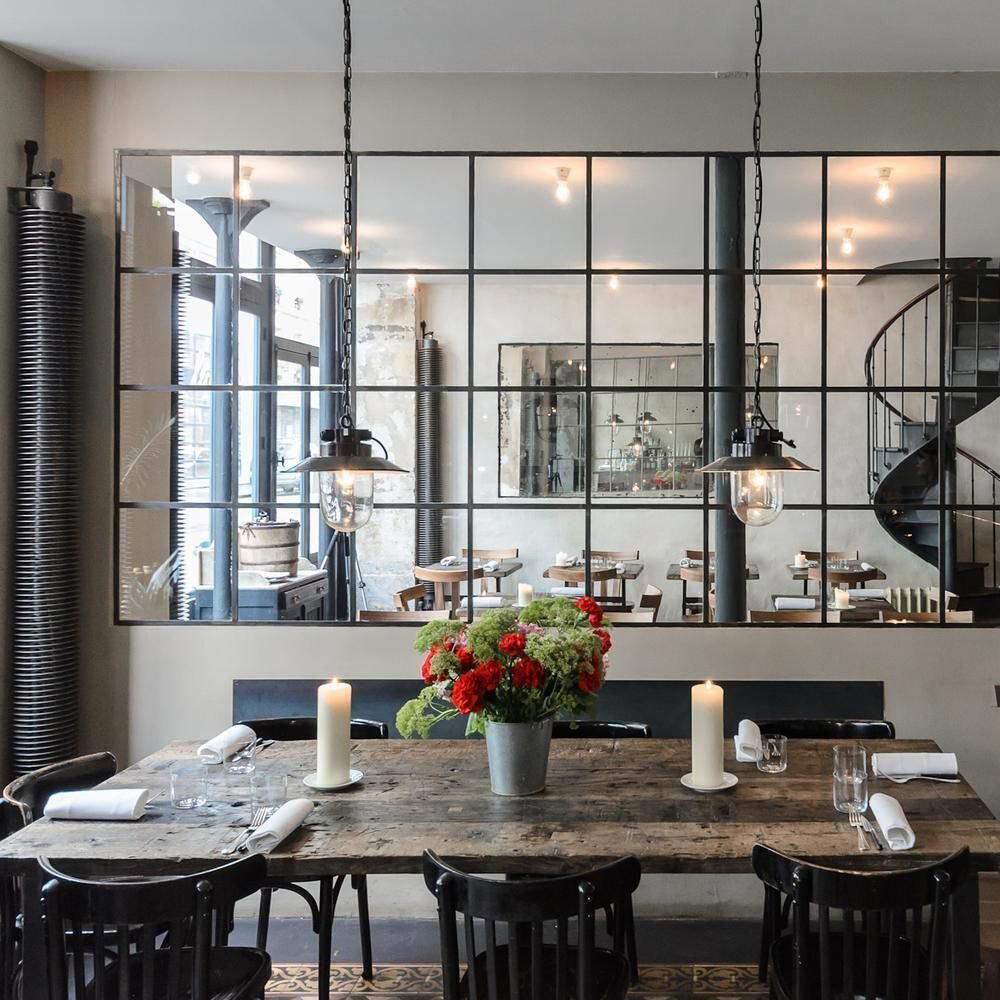
Bars in Paris
Browse all →
Hotels in Paris
Browse all →
Details
- Cozy
- Modern
- Intimate
- Trendy
- Date Night
- Casual Hangout
- Craft Cocktails
- Small Plates
- Gluten Free Options
- Vegetarian Friendly
Beautifully decorated with an airy, verdant atmosphere enhanced by warm lights and beautiful skylights.