Our verdict
On Rue de Charonne in the 11th arrondissement, Paris Hanoï represents the kind of Vietnamese dining that has quietly shaped the neighbourhood's identity for years. The kitchen draws from Hanoi's more restrained, northern culinary tradition rather than the sweeter southern palate more familiar to Western diners. A useful address for anyone tracking how Vietnamese cooking has found serious footing in Paris.

Pearl is the En Primeur Club membership app, where members save venues, book tables and use the concierge.
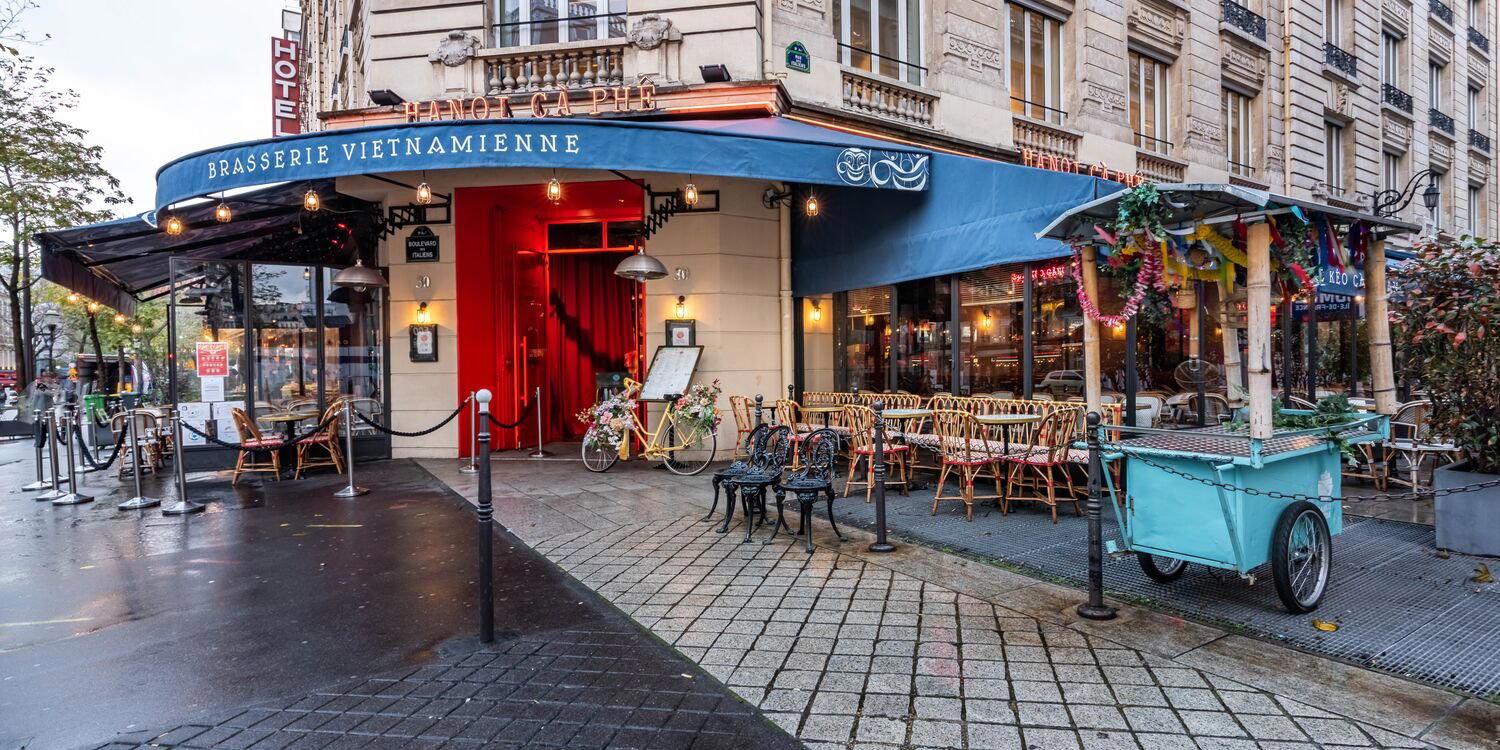
Rue de Charonne and the Northern Vietnamese Tradition
The 11th arrondissement has long functioned as a testing ground for cuisines that don't fit neatly into Paris's grand dining hierarchy. Along Rue de Charonne, the restaurants are smaller, the menus more personal, and the cooking more likely to reflect a specific regional logic than a generalised idea of a national cuisine. Paris Hanoï, at number 74, sits within that context, a room that signals intent through restraint rather than spectacle. The address itself tells you something: this is Bastille-adjacent territory, where a well-travelled local crowd has developed clear expectations for food that doesn't condescend.
Vietnamese dining in Paris has historically tilted toward the southern, Saigon-influenced repertoire: sweeter broths, richer sauces, and a format that lends itself to large tables and high turnover. The Hanoi tradition is different. Northern Vietnamese cooking prizes clarity over complexity, lighter broths, more herbs used with precision, and a structural discipline that owes something to the cooler, drier climate of the north. At Paris Hanoï, that distinction is the point. The name isn't decoration; it's a positioning statement within a competitive category.
The Ritual of the Meal
In northern Vietnamese dining, the sequencing of a meal carries as much meaning as the food itself. Unlike the sprawling, share-everything format of southern Vietnamese cooking, where everything arrives more or less simultaneously, the Hanoi tradition tends toward a more deliberate pace. Dishes follow a logic: lighter preparations first, broths treated as a course rather than a backdrop, fresh herbs brought to the table as an active ingredient rather than a garnish. This pacing asks something of the diner. You're not meant to rush.
That rhythm is part of what sets this style of restaurant apart from the broader Vietnamese dining scene in Paris. The city has dozens of pho shops and banh mi counters, many of them excellent, but the formal sit-down experience rooted in northern Vietnamese cooking traditions occupies a much smaller niche. Restaurants that take the Hanoi template seriously, cold cuts, bun dishes, herb-forward preparations, the particular brightness of northern dipping sauces, are genuinely rare in a European capital context. Paris Hanoï on Rue de Charonne is among the addresses where that tradition gets a considered platform.
The etiquette of eating in this style rewards attention. Herbs aren't optional additions; they're structural components. The balance of textures, soft noodles, crunchy additions, the give of properly poached proteins, is meant to shift bite by bite. Diners who approach the meal the way they might approach a tasting menu at somewhere like Kei or Arpège, with attention to sequence and an openness to being guided, tend to get more from it than those treating it as a quick fill.
Where This Fits in Paris's Broader Dining Scene
Paris's premium dining tier is dominated by addresses where French technique and classical luxury converge: L'Ambroisie on the Place des Vosges, Le Cinq at the Four Seasons George V, Alléno Paris au Pavillon Ledoyen operating at the upper edge of creative ambition. Paris Hanoï operates in a completely different register, not competing against those addresses but occupying a distinct and defensible position in a city where serious Vietnamese cooking has earned its own critical standing.
The 11th arrondissement's dining culture has developed in parallel with, rather than in deference to, the grand restaurant circuit. The neighbourhood has produced a generation of Parisian diners who know the difference between a generic pho and a properly constructed northern Vietnamese broth, who can read a Vietnamese menu with some fluency, and who value cooking that comes from a specific place rather than a generalised Asian-food category. Paris Hanoï has built its reputation with exactly that crowd.
For context on the wider range of what Paris offers across different culinary traditions and price points, the full Paris restaurants guide maps the city by neighbourhood and category. Those looking at destination dining across France more broadly might also reference Mirazur in Menton, Flocons de Sel in Megève, or the institutional weight of Troisgros, Bras, Paul Bocuse, Auberge de l'Ill, Les Prés d'Eugénie, La Table du Castellet, Georges Blanc, and Auberge du Vieux Puits, a network of regional French addresses that defines the country's fine dining spine outside the capital.
Planning Your Visit
Paris Hanoï is located at 74 Rue de Charonne in the 11th arrondissement, within easy reach of the Ledru-Rollin and Charonne metro stations. The neighbourhood is walkable from the Bastille area and sits within a cluster of independent restaurants and bars that make it a strong base for an evening that extends beyond one address. As with many serious neighbourhood restaurants in Paris of this type, visiting midweek tends to offer a more considered experience than weekend service, when turnover pressure increases.
| Venue | Cuisine | Price Range | District |
|---|---|---|---|
| Paris Hanoï | Northern Vietnamese | Not confirmed | 11th arr. (Charonne) |
| Kei | Contemporary French / Modern | €€€€ | 1st arr. |
| L'Ambroisie | French, Classic | €€€€ | 4th arr. |
| Alléno Paris | Creative | €€€€ | 8th arr. |
Frequently asked questions
Is Paris Hanoï suitable for children?
The sit-down format and considered pacing at 74 Rue de Charonne suit older children comfortable with a structured meal. The 11th arrondissement context is relaxed rather than formal, which helps. Younger children who struggle with slower-paced dining may find it less natural a fit.
How would you describe the vibe at Paris Hanoï?
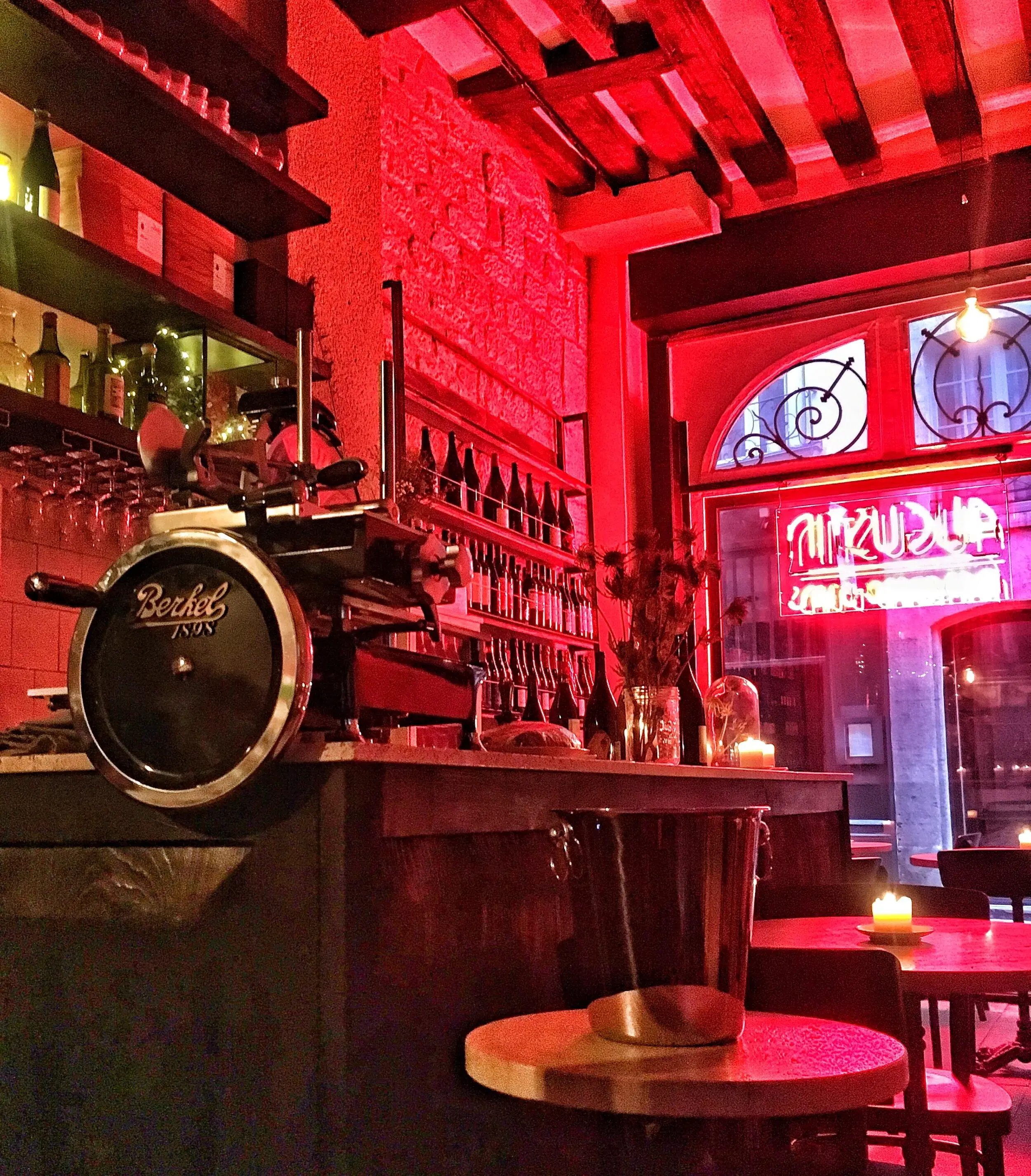
Rue de Charonne sets the register: neighbourhood-confident, unhurried, and not angled toward spectacle. Paris Hanoï sits in an arrondissement that has consistently supported kitchens with a clear point of view over those built around atmosphere alone. Expect a room where the food does the talking.
How does Paris Hanoï differ from other Vietnamese restaurants in Paris?
Most Vietnamese restaurants in Paris draw from a broad, often southern-inflected repertoire shaped by the community history of the 13th arrondissement. Paris Hanoï's positioning on Rue de Charonne, with its name pointing directly at the northern capital, signals a narrower and more specific regional frame of reference. That distinction matters in a city where northern Vietnamese cooking remains considerably less represented than its southern counterpart.
What's the must-try dish at Paris Hanoï?
Northern Vietnamese cooking, the tradition this restaurant draws on, typically anchors itself in broths, herb-forward preparations, and restrained seasoning rather than the bolder profiles associated with southern Vietnamese kitchens. That framing is the most useful guide when ordering.
Where is Paris Hanoï in Paris?
Paris Hanoï is located at 74 Rue de Charonne, 75011 Paris, France, Paris.
Is Paris Hanoï reservation-only?
For a focused neighbourhood address on Rue de Charonne in the 11th arrondissement, booking ahead is generally advisable, particularly on weekend evenings when the area draws consistent foot traffic from across Paris.
What's Paris Hanoï best at?
The clearest case for Paris Hanoï is regional specificity: northern Vietnamese cooking rather than a generalised Vietnamese menu. In Paris, where Vietnamese restaurants have historically skewed toward southern or pan-Vietnamese formats, that northern focus at a fixed Rue de Charonne address gives the kitchen a defined identity that most competitors in the city lack.
Style and Standing
A small set of peers for context, based on recorded venue fields.
| Venue | Cuisine | Price | Awards | Notes |
|---|---|---|---|---|
| Paris HanoïThis venue (the venue you are viewing) | Traditional Vietnamese | $20–30 | Not listed | Not listed |
| Alléno Paris au Pavillon Ledoyen | Modern French Fine Dining | $150–200 | 3 Michelin Stars · World's 50 Best #79 | Creative |
| Kei | Modern French with Japanese Influences | $300–500 | 3 Michelin Stars · World's 50 Best #93 | Contemporary French, Modern Cuisine |
| L'Ambroisie | Classic French Haute Cuisine | $300–500 | 2 Michelin Stars · World's 50 Best #23 | French, Classic Cuisine |
| Le Cinq - Four Seasons Hôtel George V | Modern French Fine Dining | $300–500 | 3 Michelin Stars · World's 50 Best #24 | French, Modern Cuisine |
| Pierre Gagnaire | Avant-Garde French Fine Dining | $200–300 | 3 Michelin Stars · World's 50 Best #17 | French, Creative |
Continue exploring
More in Paris
Restaurants in Paris
All restaurants in Paris →
Bars in Paris
All bars in Paris →



Details
- Cozy
- Casual Hangout
- Late Night
- A La Carte
- Vegetarian Friendly
Current opening hours
- Monday
- 12–2:30 PM, 7–10:30 PM
- Tuesday
- 12–2:30 PM, 7–10:30 PM
- Wednesday
- 12–2:30 PM, 7–10:30 PM
- Thursday
- 12–2:30 PM, 7–10:30 PM
- Friday
- 12–2:30 PM, 7–10:30 PM
- Saturday
- 12–2:30 PM, 7–10:30 PM
- Sunday
- Closed
Hours can change for holidays and private events. Hours as of .
Friendly and welcoming with table service in a cozy, busy atmosphere.