Our verdict
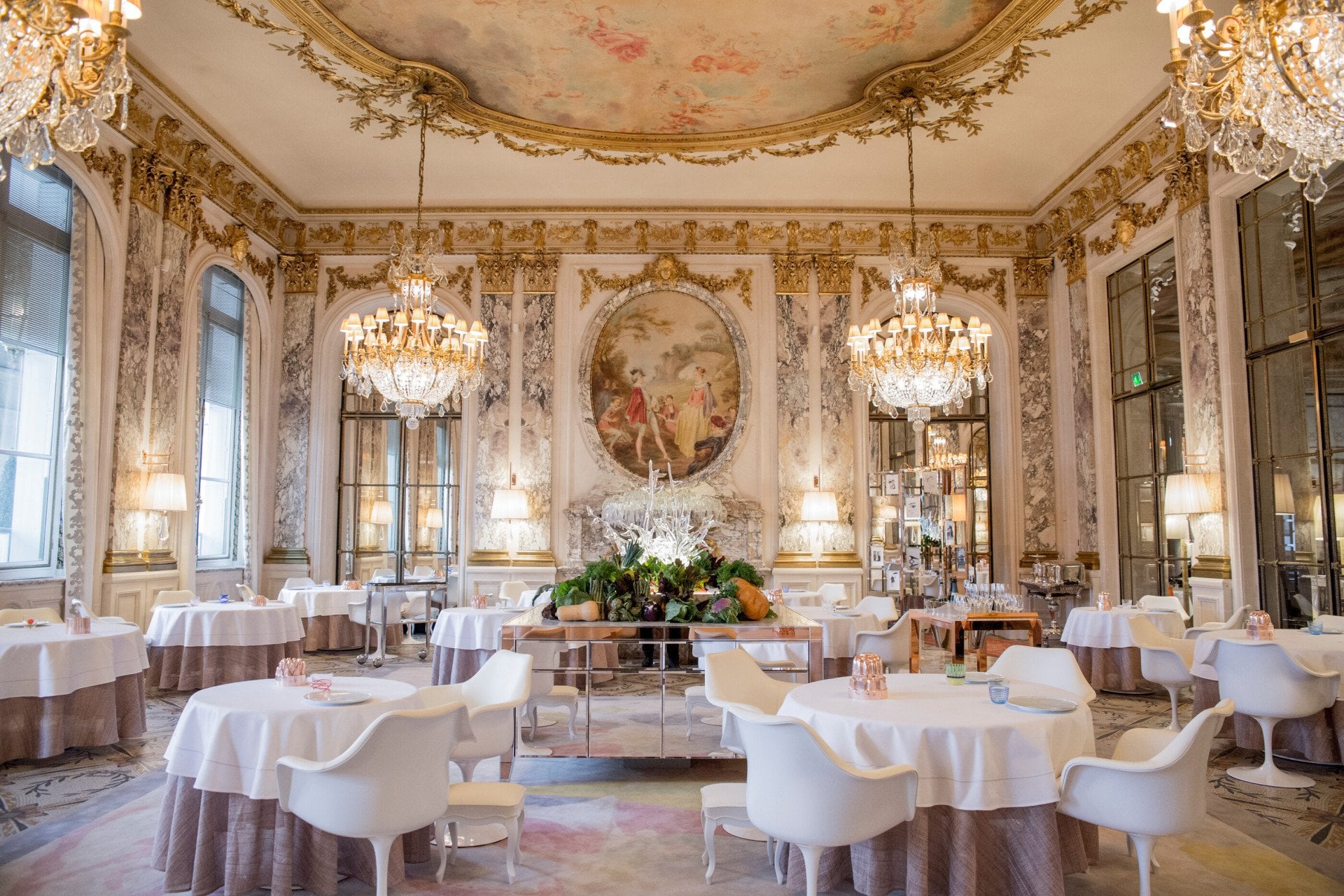
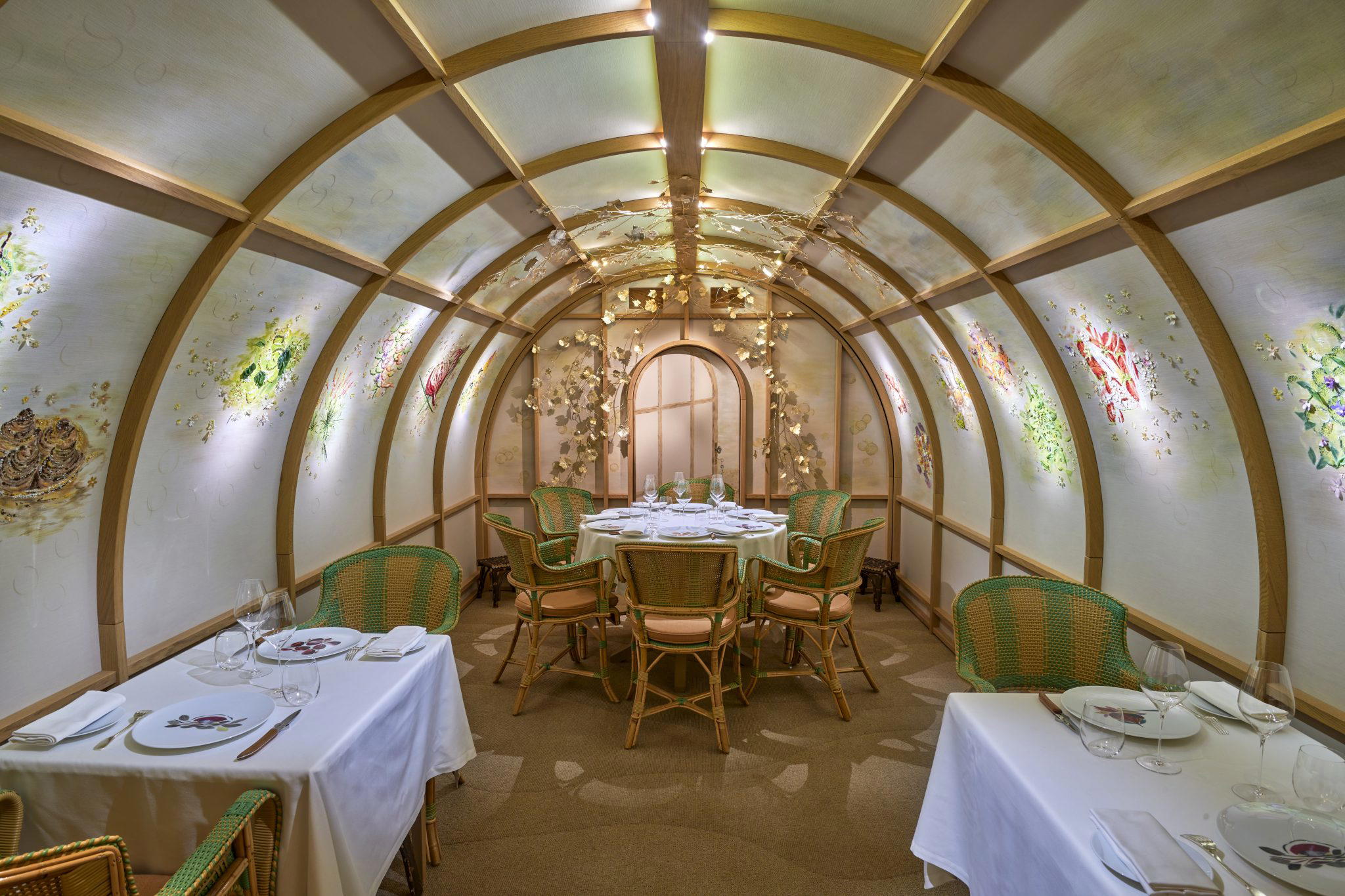
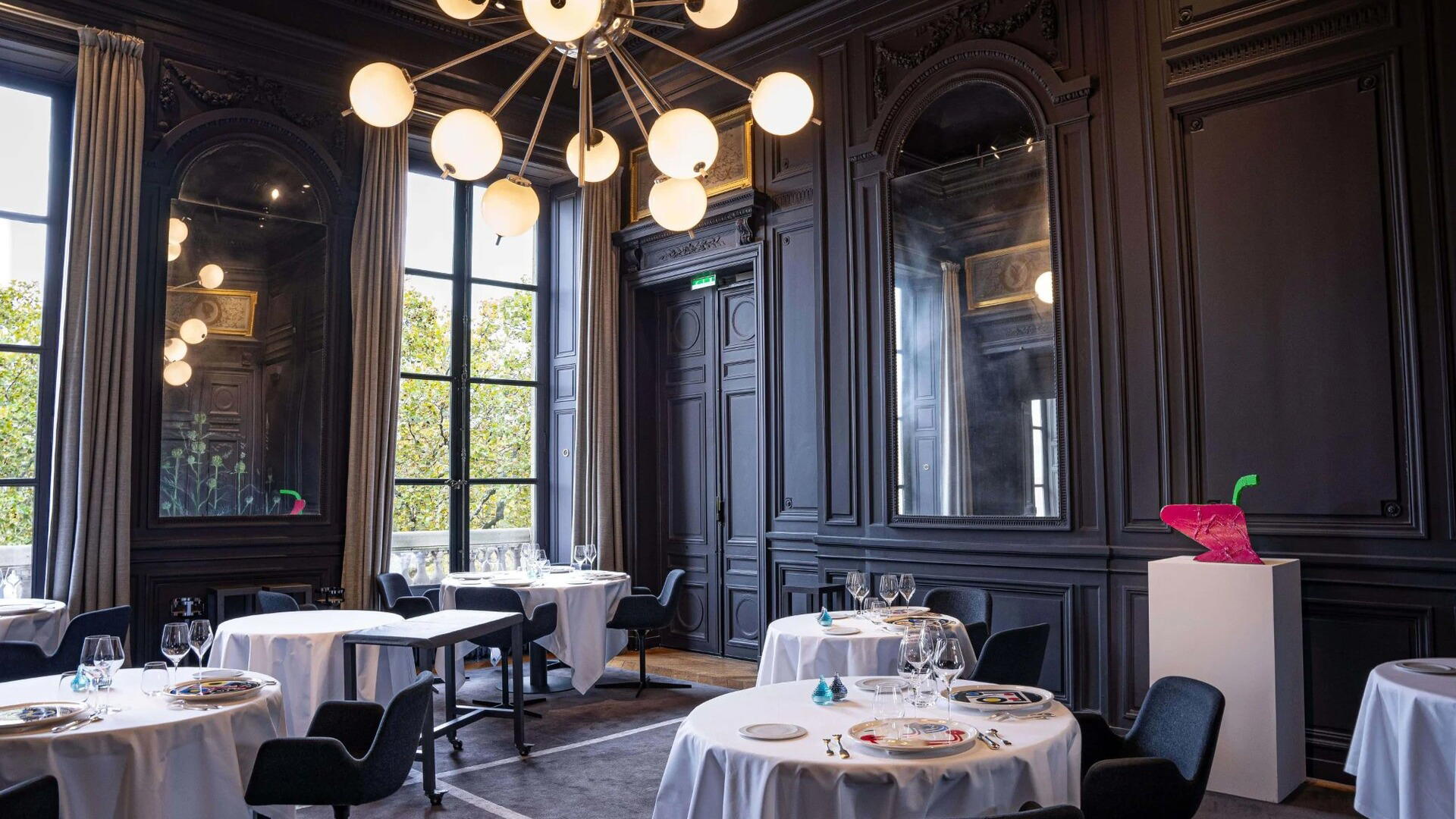
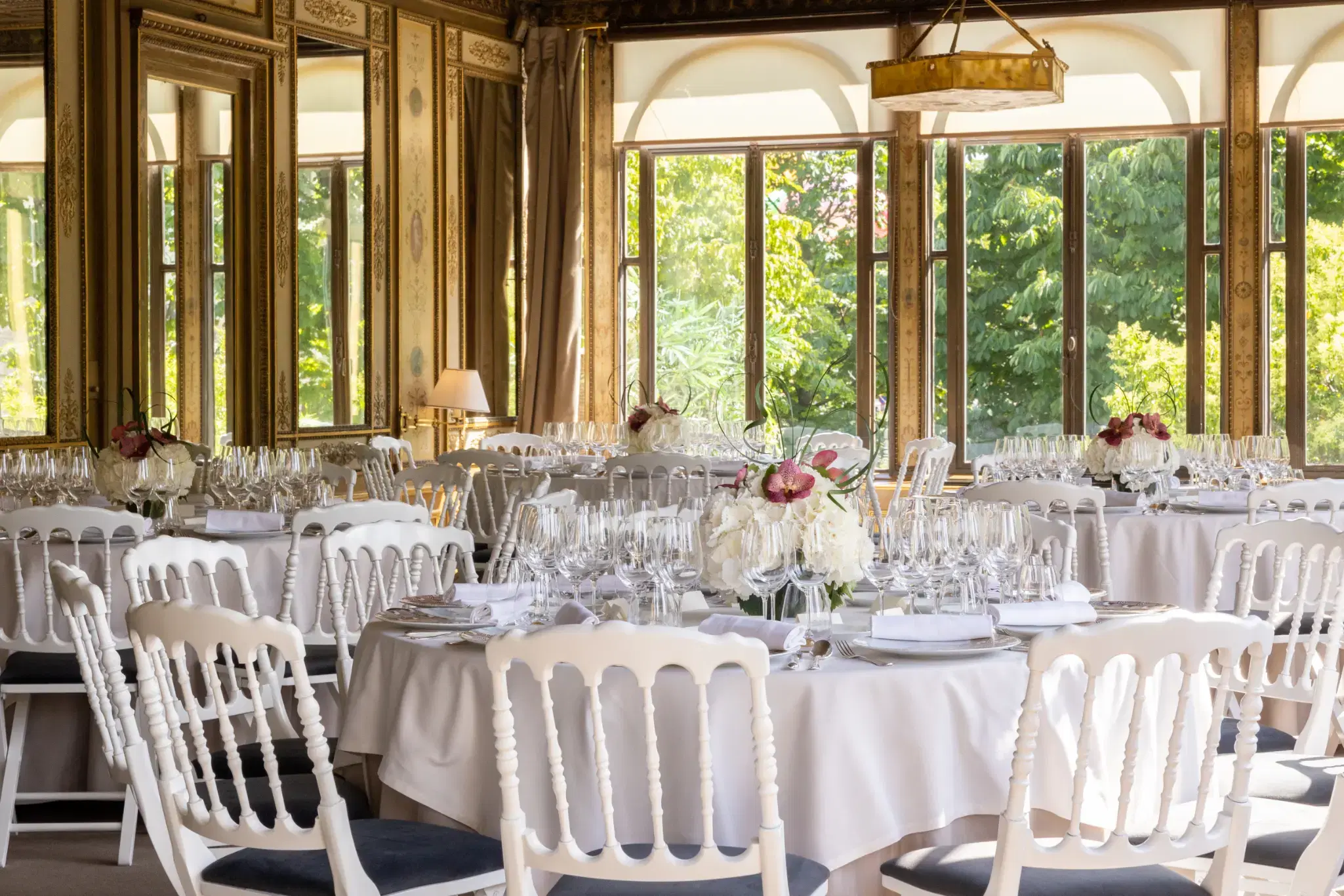
Operating from Rue de Verneuil in the 7th arrondissement since the 1970s, Tan Dinh is one of Paris's longest-standing Vietnamese restaurants, drawing a loyal clientele that spans generations of Left Bank regulars. Its wine list, long considered one of the most serious in any Asian restaurant in France, has become as much a talking point as the kitchen itself. The address sits quietly among the antique dealers and galleries of Saint-Germain-des-Prés, and bookings remain competitive.

Pearl is the En Primeur Club membership app — saves, bookings, and concierge access live there. Same editors, same standards.
- Address
- 60 Rue de Verneuil, 75007 Paris, France
- Phone
- +33145440484
- Hours
- Mon ClosedTue–Sat 12–2 PM, 7:30–11 PMSun Closed
- Website
- tan-dinh.fr
- Directions
- Get directions
- Booking
- Book on the venue's website
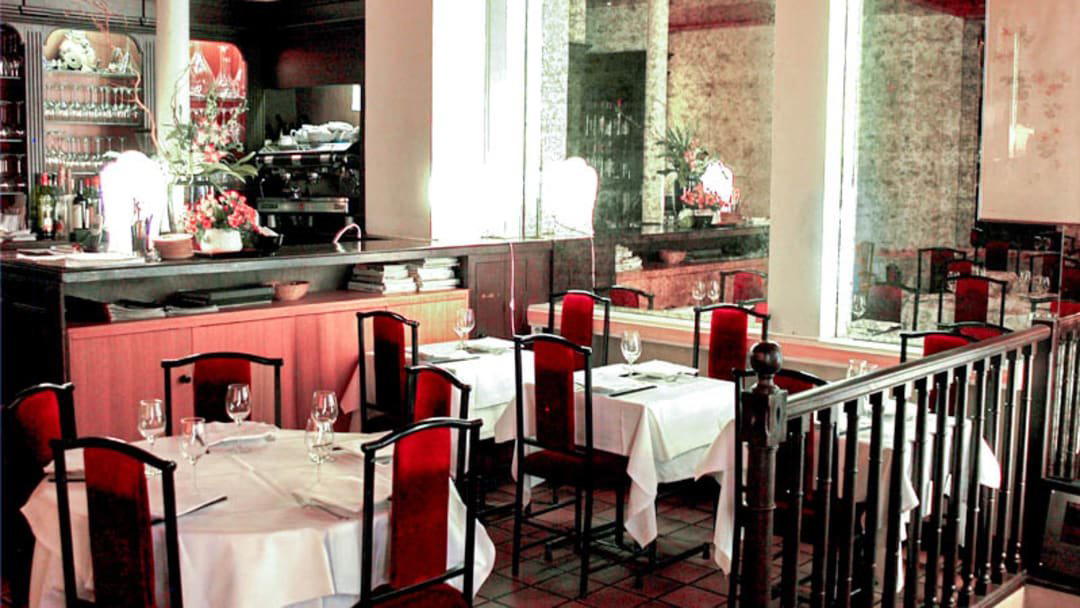
Vietnamese Cooking in the 7th: A Left Bank Institution
Paris has maintained a significant Vietnamese culinary presence since the mid-twentieth century, shaped by the waves of immigration that followed French Indochina's dissolution. The 13th arrondissement carries much of that history in its restaurant density, but the 7th tells a different story. Here, at 60 Rue de Verneuil, Tan Dinh has occupied a quieter, more residential stretch of Saint-Germain-des-Prés for over five decades, serving Vietnamese food to a clientele that has always skewed toward the literary, the political, and the gallery-going rather than the tourist or the curious newcomer. That longevity is not incidental. In Paris, a restaurant on the Left Bank that survives across generations does so because it earns its repeat custom week after week, not because it benefits from foot traffic.
The address itself frames the experience before you arrive. Rue de Verneuil runs parallel to the Seine through a district of antique dealers, small publishers, and some of the city's more discreet private galleries. The restaurant sits in that same register: composed, unhurried, and largely indifferent to trends. Where much of contemporary Paris dining has moved toward open kitchens, natural wine signage, and social media-ready plating, Tan Dinh maintains the atmosphere of a room that has decided what it is and sees no reason to revisit that decision. For a city that has produced institutions like L'Ambroisie and Arpège, both of which operate with a similar sense of self-possession, that posture is not unusual at the higher end. Tan Dinh simply applies it to a different culinary tradition.
What the Kitchen Draws From
Vietnamese cooking at its most considered is built around sourcing discipline. The cuisine's canonical dishes depend on the quality of specific foundational ingredients: pho's broth requires hours of reduction from bones and aromatics; fresh spring rolls live or die on the condition of the herbs and the rice paper; lacquered meats need both time and precise seasoning at every stage. In France, Vietnamese restaurants have historically faced a sourcing compromise, adapting to what French markets and importers can supply rather than what the home cuisine demands. The restaurants that have held their footing across decades have done so partly by solving that problem more carefully than their peers, building supplier relationships that allow them to maintain consistency regardless of season.
This sourcing dimension becomes more significant when you consider the seasonal rhythm of French Vietnamese cooking in Paris. Autumn and winter menus tend to lean toward heavier, broth-forward preparations where French-sourced aromatics, root vegetables, and braised proteins work to the kitchen's advantage. Spring and summer shift toward lighter assemblies where fresh herbs, raw or briefly cooked vegetables, and citrus-forward sauces carry more weight. A restaurant that has operated for fifty-plus years in one location has necessarily worked through those cycles enough times to know where its supply chain is strong and where it requires adjustment. That accumulated knowledge is harder to replicate than any single dish or technique.
The culinary tradition Tan Dinh represents sits apart from the category of pan-Asian fusion that has expanded across Paris in the past two decades. It belongs instead to a more specific lineage of Vietnamese diaspora cooking in France, one that predates the current appetite for Southeast Asian food among younger Parisian diners and that developed its register independently of the trends now surrounding it. For context on how ingredient-driven Asian cooking translates into a French fine-dining frame, Kei in the 1st arrondissement offers an instructive comparison: a Japanese chef working within the French kitchen grammar, earning three Michelin stars. Tan Dinh operates in a different mode, applying Vietnamese culinary logic rather than adapting it to French tasting-menu conventions.
The Wine Program: An Anomaly Worth Noting
The detail that has circulated most consistently in discussions of Tan Dinh among food writers and restaurant professionals is the wine list. For a Vietnamese restaurant, it is atypically serious, with a depth in Burgundy and Bordeaux that would not look out of place in a classically French dining room. This is not a recent development. The wine program has been part of the restaurant's identity for decades, and it positions Tan Dinh in an unusual peer group: Vietnamese in its kitchen, but holding its own in a city where wine credentials are a genuine differentiator among serious restaurants. In Paris's broader fine-dining tier, where addresses like Alléno Paris au Pavillon Ledoyen and Le Cinq maintain wine lists as a core part of their offer, the expectation that Asian restaurants will default to tea or beer pairings is simply not one that Tan Dinh has ever accepted.
This places it in a small international cohort. The question of how wine and Vietnamese food interact has received more critical attention in recent years, with sommeliers at restaurants like Atomix in New York and Korean and Japanese-influenced fine-dining rooms globally demonstrating that the assumption of wine incompatibility with Asian cuisines is largely a failure of imagination rather than a structural problem. Tan Dinh arrived at that conclusion considerably earlier than most.
Placing Tan Dinh in the French Restaurant Spectrum
France's restaurant culture is not monolithic. Beyond the Michelin-starred circuit that includes addresses like Mirazur in Menton, Bras in Laguiole, and Flocons de Sel in Megève, there is a parallel tier of restaurants that earn their reputations through consistency, loyal clientele, and a specific culinary point of view that resists the award cycle. Tan Dinh belongs to that tier. It is not a restaurant that has positioned itself relative to guide recognition; it is one that has simply continued doing what it does while the city's dining culture shifted around it. The same structural category applies to several of France's most respected regional addresses, from Auberge de l'Ill in Illhaeusern to Auberge du Vieux Puits in Fontjoncouse, though in those cases the cuisine is deeply rooted in French regional tradition rather than in diaspora cooking.
For visitors building a Paris itinerary around the full range of what the city's restaurant scene can offer, Tan Dinh represents a category that is easy to overlook: the long-running, non-Michelin-flagged institution with a specific identity and a track record that no newer opening can match on pure longevity. Our full Paris restaurants guide covers the range from three-star French dining to neighbourhood bistros across all arrondissements.
Planning Your Visit
Tan Dinh is located at Address: 60 Rue de Verneuil, 75007 Paris, in the 7th arrondissement, a short walk from the Rue du Bac metro station (line 12). Reservations: Bookings are advisable, particularly for weekend dinners; the restaurant has maintained a loyal repeat clientele for decades, which means tables fill on a consistent basis. Timing: Autumn and winter visits align with the kitchen's stronger broth-forward preparations; spring and summer favour the lighter herb-driven dishes. Wine: Budget accordingly for the wine list, which skews toward serious Burgundy and Bordeaux at prices that reflect the depth of the cellar rather than the casual pricing of a neighbourhood Vietnamese room.
Frequently asked questions
What part of town is Tan Dinh in?
Tan Dinh is located at 60 Rue de Verneuil, 75007 Paris, France, Paris.
Why does a Vietnamese restaurant in Paris have one of the most serious French wine cellars in the 7th arrondissement?
Tan Dinh's wine program has developed over several decades alongside the restaurant's standing in Paris's 7th arrondissement, accumulating depth in Burgundy and Bordeaux that is unusual for any neighbourhood restaurant, regardless of cuisine. The pairing of Vietnamese cooking with serious French wine is not a marketing concept at Tan Dinh but a long-established practice that has attracted wine-focused diners alongside those coming for the food. It places the restaurant in a different category from most Asian addresses in the city, where the wine list is typically an afterthought.
What's the best thing to order at Tan Dinh?
Tan Dinh's kitchen is rooted in classical Vietnamese cooking, so the dishes most worth ordering are those that depend on disciplined sourcing of foundational ingredients. Pho, fresh herb-driven preparations, and broth-based dishes tend to reflect the kitchen's priorities most clearly. At 60 Rue de Verneuil, the menu sits within a Left Bank dining room that has served this cuisine for decades, which means the repertoire is settled rather than trend-driven.
What's the best way to book Tan Dinh?
Tan Dinh draws from a loyal local following in the 7th arrondissement as well as visitors who plan around it specifically, so advance booking is advisable. If Tan Dinh is a firm part of your Paris itinerary, contact the restaurant as early as your schedule allows.
What do critics highlight about Tan Dinh?
The detail that recurs most consistently in food writing and editorial references to Tan Dinh is the wine list, specifically its depth in Burgundy and Bordeaux at a Vietnamese restaurant in Paris. For a neighbourhood address on Rue de Verneuil rather than a grand-format dining room, the cellar has been noted by restaurant professionals as disproportionately serious. The Vietnamese cooking itself is discussed in terms of classical fidelity rather than modernist reinterpretation.
Comparable Venues
Comparable venues nearby, for context on price, style, and recognition.
| Venue | Cuisine | Price | Notes |
|---|---|---|---|
| Tan DinhThis venue — the venue you are viewing | Franco-Vietnamese Fine Dining | $50–100 | Not listed |
| An Di An Di | Franco-Vietnamese Fusion | Not listed | Ménilmontant |
| S69 francoviet | Franco-Vietnamese | $20–30 | Auteuil |
| Le Café Marly | Modern French Brasserie | $50–100 | Louvre/Palais-Royal |
| Huguette | French Seafood Bistro | $50–100 | Saint-Germain-des-Prés |
| Le Petit Lutetia | Classic French Brasserie | $50–100 | 6th Arrondissement |