
Tabelog 100
Our verdict
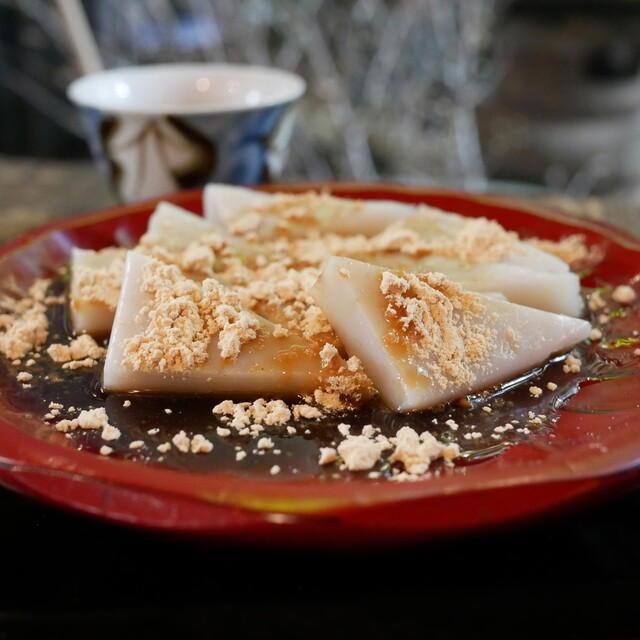
Amanoya puts Tokyo’s wagashi cafe ritual in a modest Sotokanda room: daytime sweets, kakigori in season, take-out, and a small 24-seat format near Ochanomizu. Its Tabelog 100 selection for Tokyo Japanese traditional sweets cafes in 2023 places it in a serious category, but the appeal is quieter than awards language suggests: low-priced, no-reservation, cash-only everyday craft.

Pearl is the En Primeur Club membership app — saves, bookings, and concierge access live there. Same editors, same standards.
The menu
What to order
- Tamago sando (egg sandwich)
- French toast
- Okonomiyaki
- Ogura toast
Approaching Amanoya in Sotokanda, the setting reads less like destination dining than a Tokyo daily ritual: a house-style sweets cafe in the Ochanomizu orbit, close enough to Akihabara’s electrical-city current but operating at a calmer tempo. The point here is not theatrical service or chef-driven narrative. It is the older rhythm of a kanmi-dokoro, where Japanese sweets, tea-shop pacing, and seasonal kakigori sit inside a compact room rather than a luxury dining frame.
Tokyo rewards this kind of place unevenly. High-spend counters and dining rooms dominate international attention, while wagashi cafes ask for a different literacy: texture, temperature, sweetness, and timing matter more than rarity. Amanoya belongs to that second city, the one where a low lunch budget can still put a visitor inside a defined food tradition. Its selection for Tabelog 100 Japanese traditional sweets and Japanese sweets cafes in Tokyo in 2023 gives the address a useful trust signal, but the category itself explains the visit better than the badge.
Wagashi cafe pacing in a 24-seat room
The format is small, with 24 seats arranged around tables rather than a counter performance. That scale matters because Japanese sweets cafes depend on pause. Unlike ramen or standing sushi, the meal is not built around turnover theater. It is closer to a rest stop in the older urban sense: sit down, order sweets or shaved ice, and let the pace be set by a daytime cafe rather than a full restaurant.
The category listed for Amanoya is cafe featuring Japanese sweets and kakigori, which places it between confectionery shop, tea break, and seasonal dessert stop. In Tokyo, that middle ground is easy to underestimate. Wagashi is often discussed as gift culture or tea ceremony accompaniment, while kakigori has moved into its own modern subculture of queues, limited runs, and temperature obsession. A place that holds both under one roof connects the traditional sweet-shop grammar with the city’s summer shaved-ice habit.
There is also a useful contrast inside the neighbourhood. Nearby dining can swing from casual meals such as . 鮪と炭火焼き うお炭 秋葉原店 to established old-Tokyo rooms such as Myojinshita Kandagawa Honten, where the spend moves into a different bracket. Amanoya sits at the opposite end of the economic map, with listed average spend under JPY 999. That price point changes the decision: this is not a reserved evening, but a daytime insertion between Ochanomizu, Kanda Myojin, Akihabara, or a longer Chiyoda walk.
Kakigori season changes the reason to go
Seasonality is the practical dividing line. Shaved ice is served from June to October 10, so summer and early autumn give the cafe a clearer purpose for visitors tracking Tokyo’s dessert calendar. Outside that window, the sweets-cafe identity carries the room. The distinction is important because kakigori in Tokyo is no longer just heat relief; it has become a serious category with dedicated specialists and long lines across the city. Amanoya’s version appears within a broader Japanese sweets cafe rather than a single-product shaved-ice shop, which makes the experience more rooted in kanmi-dokoro custom.
The ritual is modest but specific. Arrive during the day, expect cafe hours rather than dinner service, and treat the room as a stop for sweets rather than a meal with courses. Reservations are unavailable, which suits the genre but also makes timing matter. A small room and seasonal kakigori can make peak summer afternoons less forgiving. Tokyo travellers used to booking omakase months ahead may find the system refreshingly direct: this is a walk-in sweet break, not a reservation trophy.
Payment is another part of the old-school frame. Credit cards, electronic money, and QR code payments are not accepted, so cash is the sensible assumption. There is no private room and parking is unavailable. Children are welcome, including babies, preschoolers, and school-age children, which aligns with the category’s everyday function rather than the adult-only mood of many Tokyo dining rooms.
Where it fits in a Tokyo day
Amanoya is nearest to Ochanomizu, with Tokyo Metro Shin-Ochanomizu and Suehirocho also within walking range. That geography gives the visit a sharper editorial use than a generic dessert detour. Ochanomizu brings university-town edges, instrument shops, bookish side streets, and proximity to Kanda Myojin; Akihabara brings a harder retail energy. The cafe works as a hinge between those moods, a low-cost pause in an area better known to many visitors for electronics, curry, and casual counter meals.
For a broader Tokyo eating day, it pairs more naturally with neighbourhood grazing than with formal dining. Curry specialists such as 3 Chome no Curry Ya San, visual cafes such as 2D Cafe, and yakitori addresses such as 124. KAGURAZAKA (Yakitori) show how quickly Tokyo shifts formats within a short rail ride. For a sharper contrast in planning style, compare the no-reservation daytime sweet stop with structured urban meals such as 12/10 Shinjuku ten.
The better comparison is not luxury versus casual, but ritual versus spectacle. Tokyo has plenty of dessert rooms built for social media speed; a kanmi-dokoro asks for slower attention. Amanoya’s value lies in that discipline: small room, daytime hours, Japanese sweets, seasonal shaved ice, and a price point that keeps the experience grounded in everyday Tokyo rather than special-occasion dining.
Readers building a wider itinerary can use Our full Tokyo restaurants guide for dining context, then cross-check nearby stays through Our full Tokyo hotels guide, drinking routes via Our full Tokyo bars guide, regional cellar context in Our full Tokyo wineries guide, and cultural planning through Our full Tokyo experiences guide. For Japan-wide contrasts beyond Tokyo, the spread runs from -Grilled beef Sukiyaki- KAMAKURA TANUKIAN 鎌倉 たぬき庵 in Kamakura and.cafe in Osaka to.know in Kumamoto, (Shoku) Vietnam in Kawasaki, [Curry Senmon Ten] Maruyama Kyoju. in Sapporo, and [ki:] in Kyoto. Japanese casual-food culture also travels well abroad, with different readings at Jōdo Saké Bar in Los Angeles and Onigiri Time in Pasadena.
Comparable venues nearby, for context on price, style, and recognition.
| Venue | Cuisine | Price | Awards | Notes |
|---|---|---|---|---|
| AmanoyaThis venue (the venue you are viewing) | Traditional Japanese sweets café & okonomiyaki | $20–30 | Tabelog 100 | Not listed |
| Muromachi Sunaba (室町砂場) | Traditional Handmade Soba & Tempura | $10–20 | Tabelog 100 #49 | Nihonbashi Muromachi |
| Sanmalo Toukyou ten | Specialty ramen (shoyu, niboshi & seasonal chilled bowls) | $10–20 | Tabelog 100 #35 | Chiyoda |
| Nezu Kamachiku | Traditional Udon in Historic Stone Warehouse | $20–30 | Tabelog 100 #13 | Bunkyō |
| Uokyu Eat-in Ajimise Honten | Traditional Japanese Kasuzuke | $10–20 | Tabelog 100 #95 | Chūō |
| Masudaya | Traditional Sukiyaki & Shabu-Shabu | $50–100 | Tabelog 100 #64 | Shinjuku |
Recognition history
Dated appearances from independent guides and award organizations, with the underlying list record or original source where available.
Tabelog 100
Tabelog · Tabelog 100 - Kissaten - 2026
Full recognition history (3 entries)
Tabelog 100 #7 · No. 7
Tabelog · Tabelog 100 - Japanese traditional sweets / Japanese sweets cafe - TOKYO - 2023
Tabelog 100 #65 · No. 65
Tabelog · Tabelog 100 - Kissaten - 2022
Continue exploring
More in Tokyo
Restaurants in Tokyo
All restaurants in Tokyo →


Details
- Cozy
- Classic
- Casual Hangout
- After Work
- Solo
- Family
- Standalone
- Historic Building
- Design Destination
- A La Carte
- Tea
- Coffee
- Soft Drinks
- Vegetarian Friendly
Current opening hours
- Monday
- 10 AM–5 PM
- Tuesday
- Closed
- Wednesday
- 10 AM–5 PM
- Thursday
- 10 AM–5 PM
- Friday
- 10 AM–5 PM
- Saturday
- 10 AM–5 PM
- Sunday
- 10 AM–5 PM
Hours can change for holidays and private events. Last verified .
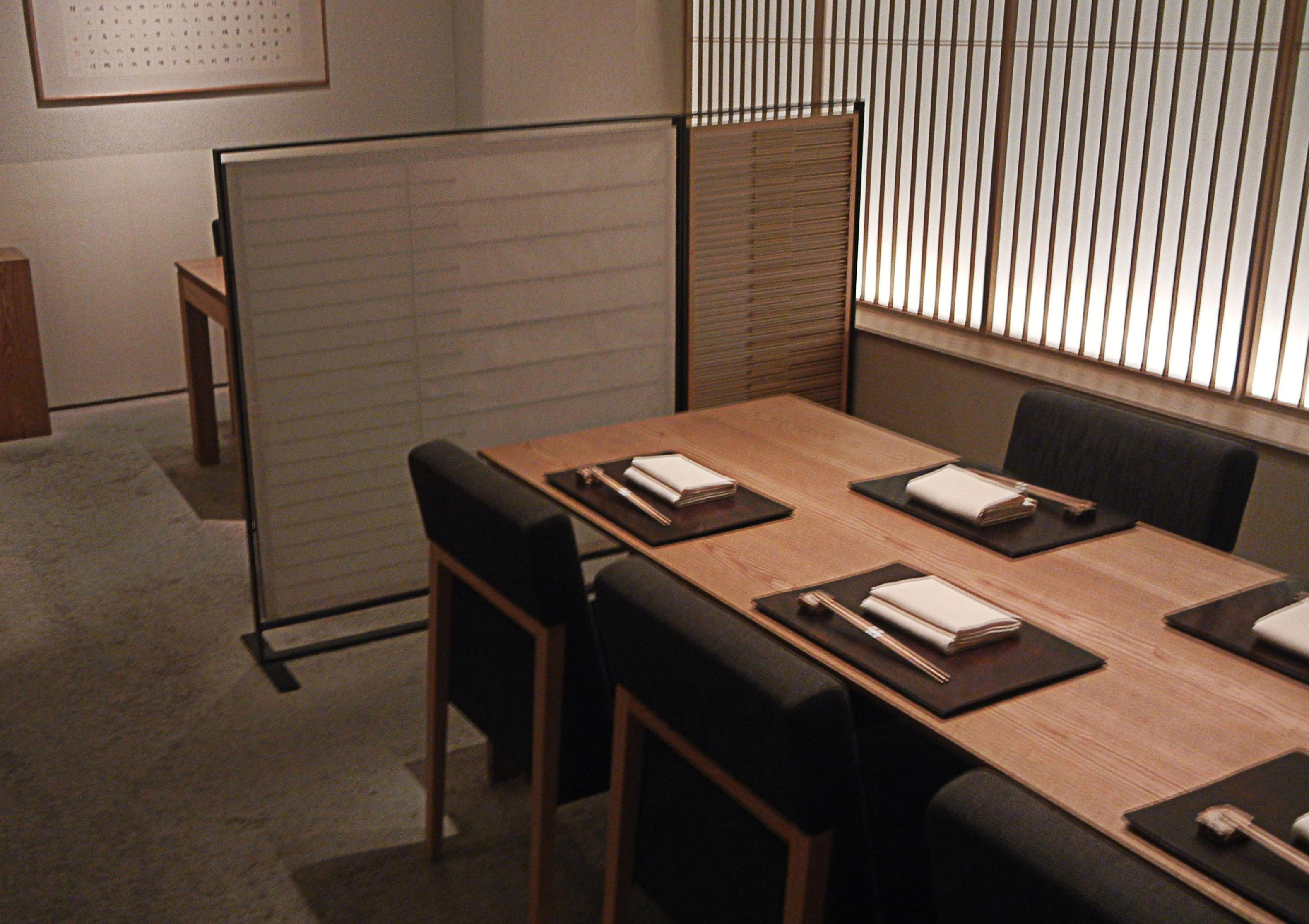
The café has a small, old‑fashioned kissaten feel with only about twenty seats, traditional background music, and a relaxed, quietly bustling atmosphere suited to lingering over sweets or light meals.