Am Kamin
Our verdict
The name, German for 'by the fireplace', signals something about the register of the room before you've read a menu. For travellers moving through Schleswig-Holstein, it represents the kind of address that anchors a neighbourhood rather than drawing a destination crowd.

Pearl is the En Primeur Club membership app, where members save venues, book tables and use the concierge.
The Ingredient Question in Northern German Cooking
Schleswig-Holstein is a coastal and agricultural region. To the west, the North Sea coast produces flatfish, shrimp, and oysters; the interior farmland has long supplied the region's tables with pork, beets, cabbage, and grain. The question of ingredient sourcing in a restaurant like Am Kamin is not the performative farm-to-table declaration that has become routine in urban fine dining, it is more structural than that. Restaurants in smaller German cities that have survived over time tend to do so by building relationships with local suppliers, not because of ideology, but because those relationships are reliable and the produce is better. The fireplace aesthetic implied by the name suggests a kitchen that leans toward hearty, regional preparations rather than the kind of high-intervention technique that characterises places like CODA Dessert Dining in Berlin or JAN in Munich.
That regional grounding matters for what ends up on the plate. Schleswig-Holstein cooking at its most direct reads as northern European in the broadest sense, influenced by both German and Scandinavian traditions, with a preference for preserved, pickled, and smoked preparations alongside fresher coastal ingredients. A kitchen working honestly within that tradition doesn't need to announce its sourcing; the flavours do the work. This is a different proposition from the Mosel region's wine-driven cuisine at places like Schanz in Piesport or the Eifel's game-heavy larder at Waldhotel Sonnora in Dreis, but it shares the same logic: the region determines the ingredient, and the ingredient determines the cooking.
Reading the Room
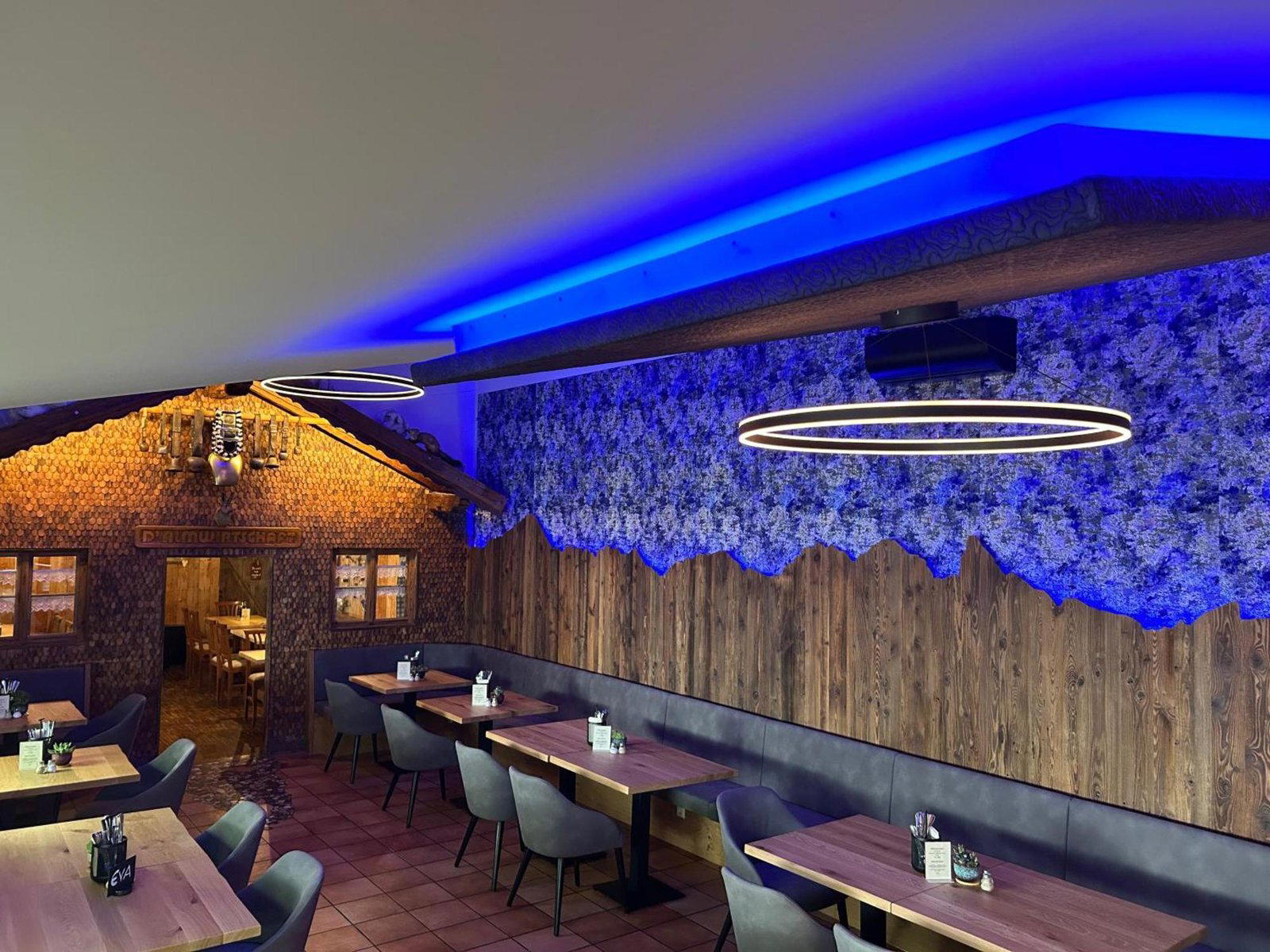
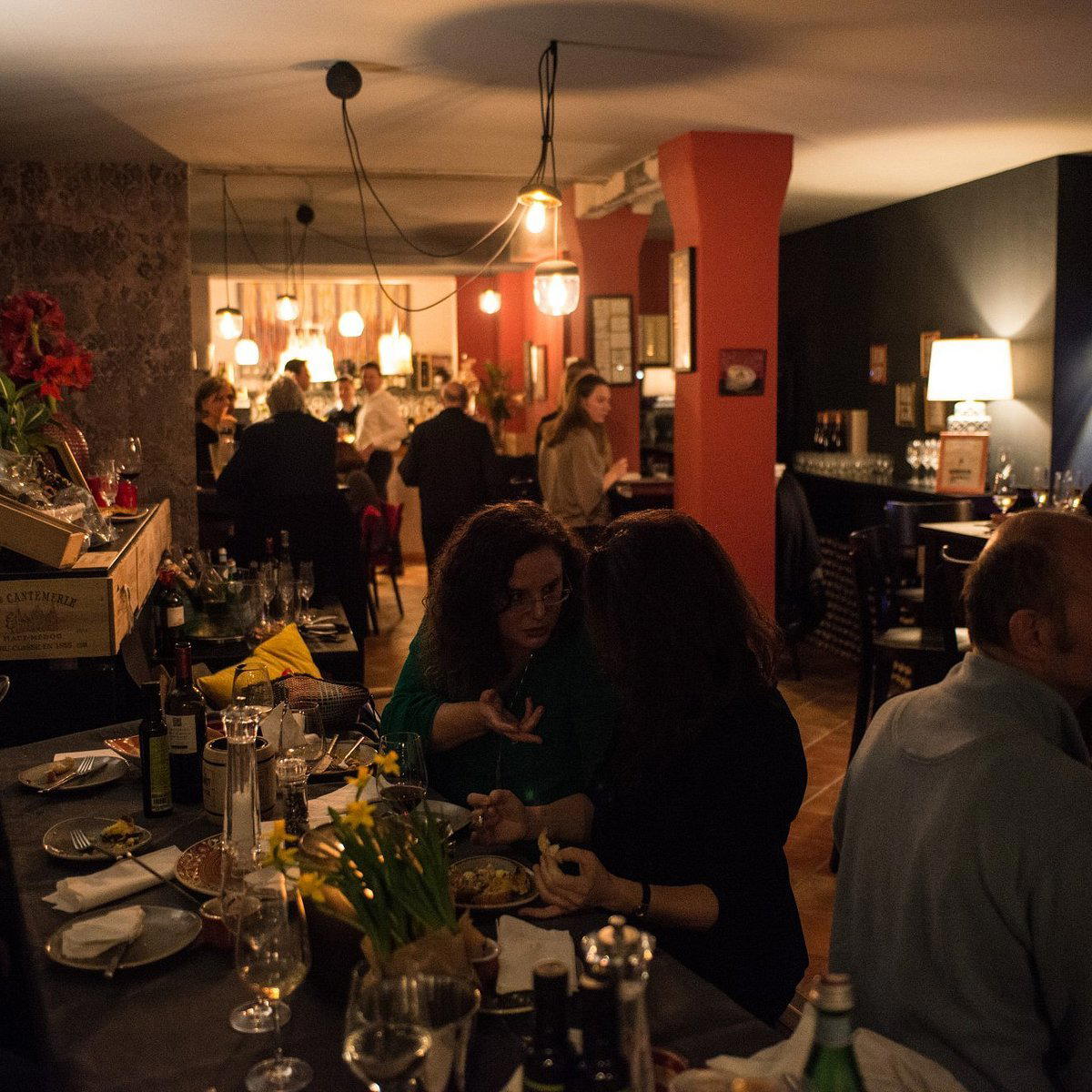
The name Am Kamin carries a specific atmospheric promise. Fireplace restaurants across central Europe occupy a particular cultural niche, they are places people return to in winter, places where the room temperature and the cooking temperature feel like the same thing, places where the architecture of the space supports a slower meal. That format tends to attract a different diner than the open-kitchen counter or the tasting-menu theatre room. It attracts people who want the meal to be part of an evening rather than the evening itself. For international comparisons in this general register, Lazy Bear in San Francisco and Le Bernardin in New York City occupy their own distinct positions at the formal end of this hospitality spectrum, but the underlying logic, that room atmosphere and food should be coherent with each other, applies across price tiers. Jante in Hanover, GästeHaus Klaus Erfort in Saarbrücken, and Bagatelle in Trier each represent a particular relationship between room and menu at the more formally ambitious end of German dining. See also Ösch Noir in Donaueschingen and Victor's Fine Dining by Christian Bau in Perl for how German fine dining looks when it fully commits to destination status, Am Kamin operates in a different mode entirely, and that mode is its own kind of argument. For another take on the dessert-focused tasting format, ES:SENZ in Grassau and L.A. Jordan in Deidesheim show how the southern German end of the country handles comparable ambitions. That limitation is itself a signal worth noting: Am Kamin does not appear to operate with a significant digital or PR footprint, which tends to be consistent with the neighbourhood-institution type rather than the destination-dining type.
Frequently asked questions
Is Am Kamin a family-friendly restaurant?
The fireplace format that defines Am Kamin, warm, unhurried, centred on the room rather than spectacle, tends to suit mixed-age groups reasonably well. Neumünster's dining culture runs practical rather than formal, which generally means fewer barriers for families. check the venue's official channels at Propstenstraße 13 to confirm seating arrangements before visiting.
Is Am Kamin better for a quiet night or a lively one?
The name itself is the clearest signal: Am Kamin means 'at the fireplace,' a designation that places the restaurant squarely in the quieter, convivial register of central European dining. Fireplace rooms across the region are built for conversation and lingering, not for high-energy evenings. This is a sit-and-settle kind of place, suited to long dinners rather than quick, loud gatherings.
Is Am Kamin a good restaurant to visit when travelling between Hamburg and Kiel by train?
Neumünster sits on the Hamburg–Kiel rail corridor, with regular services placing it roughly 35 to 40 minutes from Hamburg. That makes Am Kamin at Propstenstraße 13 a practical stop for travellers on that route who want a sit-down meal in a fireplace setting rather than a station snack. It represents the kind of regional dining that reflects Schleswig-Holstein's character more accurately than either of its larger neighbours.
What should I eat at Am Kamin?
Schleswig-Holstein's larder gives northern German restaurants a clear direction: flatfish and shrimp from the North Sea coast to the west, and lamb, pork, and root vegetables from the agricultural interior. Without current menu documentation, the safest approach is to check with Am Kamin directly at Propstenstraße 13, Neumünster, before visiting to confirm what is being served seasonally.
Where exactly is Am Kamin?
Am Kamin is located at Propstenstraße 13, 24534 Neumünster, Germany, Neumunster.
How hard is it to get a table at Am Kamin?
Neumünster is a mid-sized city rather than a major destination, which typically means reservation pressure is lower than at comparable addresses in Hamburg or Kiel. Reaching out directly to the restaurant at Propstenstraße 13 will give the clearest picture of current availability.
What has Am Kamin built its reputation on?
The restaurant's name points to its defining characteristic: the fireplace, a fixture that shapes atmosphere and positions Am Kamin within a specific tradition of hearthside dining common across northern and central Europe. In a city like Neumünster, grounded, practical, not oriented toward gastro-tourism, a restaurant anchored by a consistent atmospheric identity tends to earn loyalty from locals over time rather than from passing visitors.
Quick Comparison
Comparable venues nearby, for context on price, style, and recognition.
| Venue | Cuisine | Price | Notes |
|---|---|---|---|
| Am KaminThis venue (the venue you are viewing) | French Fine Dining with Regional Influences | Not listed | Not listed |
| Bistro Carmagnole | Classic French Bistro | Not listed | Sternschanze |
| Le Plat du Jour | Classic French Brasserie | $50–100 | Hamburg-Altstadt |
| Schlumachers | Modern French-North German Fusion | $50–100 | Altstadt |
| La Table de Boris | Modern French Fine Dining | $300–500 | Neustadt |
| Casse Croute | French-German Bistro | $30–50 | Neustadt |
Continue exploring
More in Neumunster
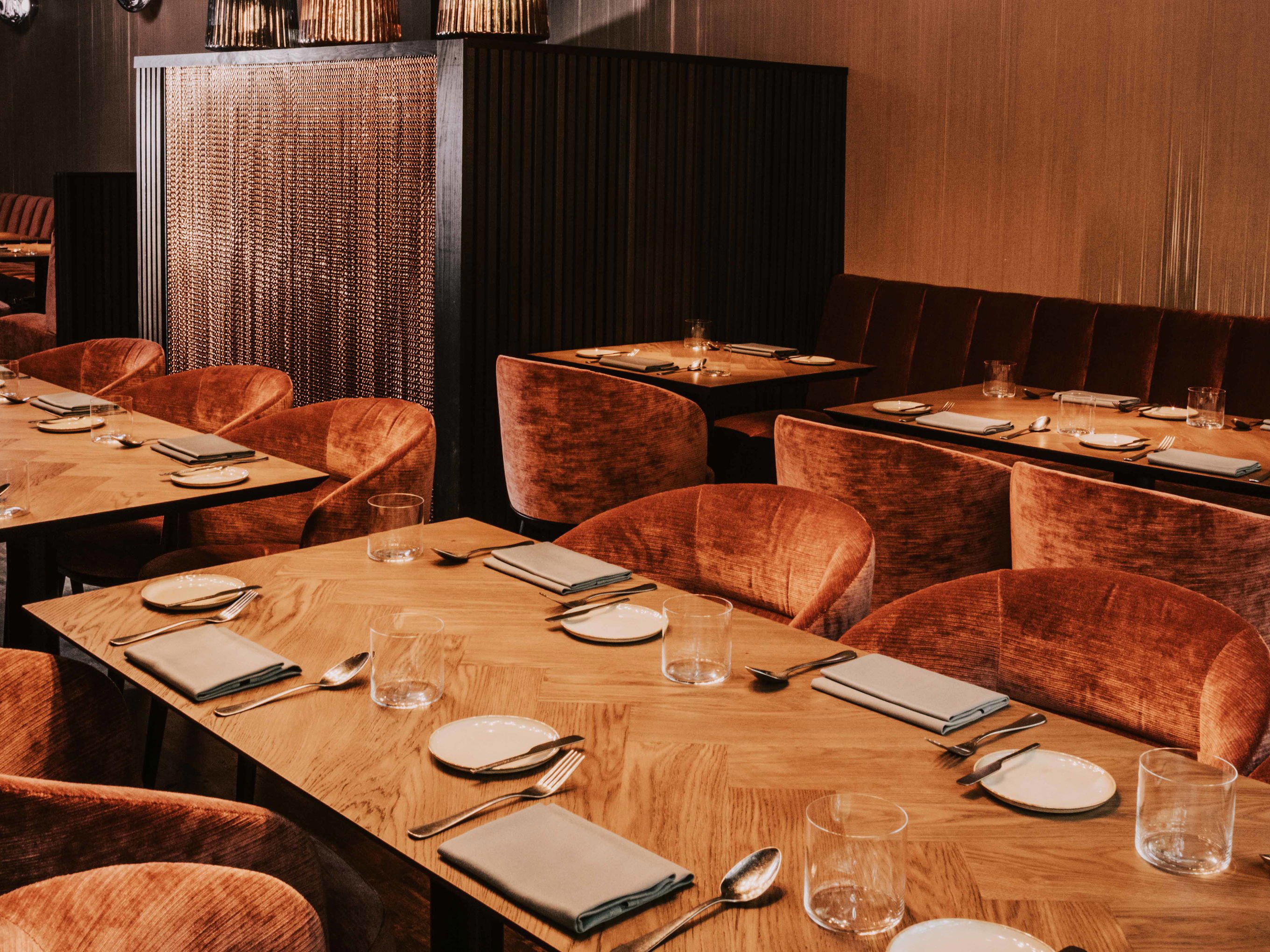
Restaurants in Neumunster
All restaurants in Neumunster →
Bars in Neumunster
Browse all →
Hotels in Neumunster
All hotels in Neumunster →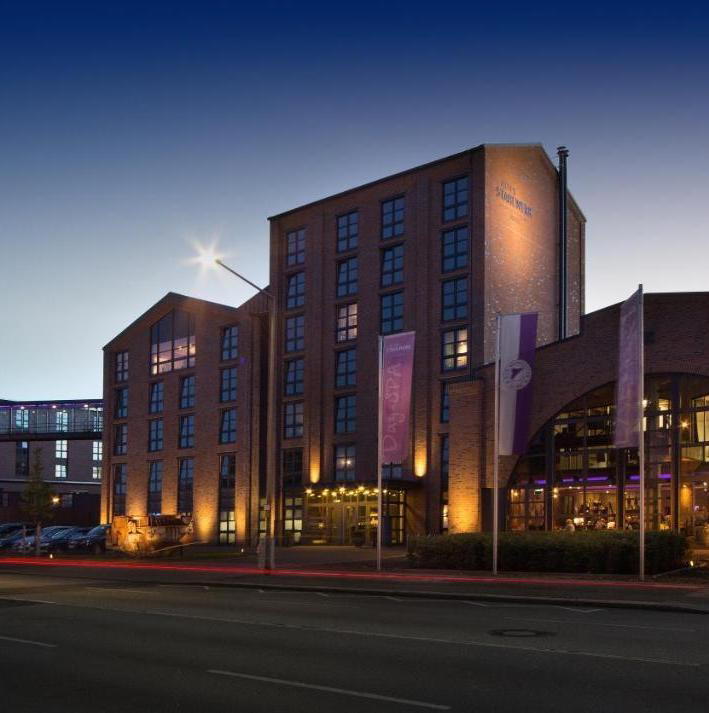
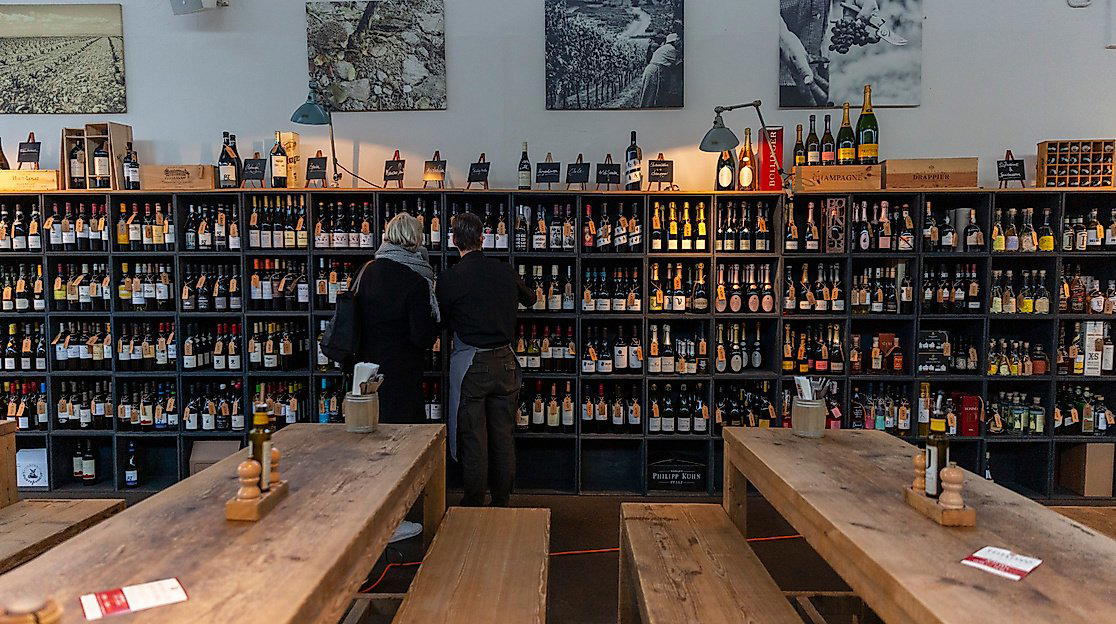
Wineries in Neumunster
Browse all →
Details
- Elegant
- Sophisticated
- Date Night
- Special Occasion
- Business Dinner
- Open Kitchen
- Local Sourcing
- A La Carte
- Vegetarian Friendly
Current opening hours
- Monday
- Closed
- Tuesday
- Closed
- Wednesday
- 5:30 PM–12 AM
- Thursday
- 5:30 PM–12 AM
- Friday
- 5:30 PM–12 AM
- Saturday
- 5:30 PM–12 AM
- Sunday
- 12–3 PM, 5:30 PM–12 AM
Hours can change for holidays and private events. Hours as of .
Cozy and atmospheric with well-suited service.