

Michelin Plate
Our verdict
A Japanese Contemporary address on Falckstraße holding both a Michelin Plate and an Opinionated About Dining Cheap Eats ranking (2025), ICHI brings Kiel something that most mid-sized German harbour cities lack: technically considered Japanese cooking at an accessible price point. It has built a consistent local following without the institutional weight of a fine-dining operation.

Pearl is the En Primeur Club membership app, where members save venues, book tables and use the concierge.
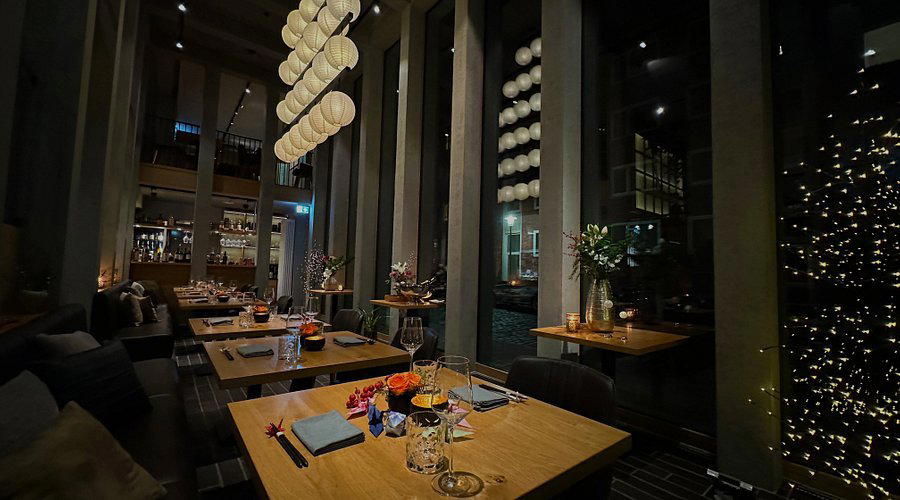
Japanese Cooking in a Northern German Port City
Kiel's dining identity has long been shaped by the water. The Förde defines what appears on plates across the city, Baltic herring, local shellfish, the produce rhythms of Schleswig-Holstein's short growing seasons. Against that backdrop, a Japanese Contemporary kitchen on Falckstraße occupies a genuinely unusual position. ICHI sits inside a city where the premium end of the restaurant market runs through Ahlmanns at the €€€€ bracket and KOS fine dining at €€€, while FLYGGE anchors the regional tradition at a comparable price tier. The Japanese Contemporary format, by contrast, draws from a completely different reference system, one that has nothing to do with Baltic geography and everything to do with a culinary tradition built on restraint, product hierarchy, and technique inherited from centuries of regional Japanese cooking.
Kansai Restraint vs. Kanto Precision, What the Regional Lens Reveals
Japanese Contemporary cooking in European settings tends to draw from one of two dominant influences: the bolder, richer direction of Tokyo's Kanto tradition, or the ingredient-first, subtler register of Kansai cooking centred on Osaka and Kyoto. The distinction matters because it shapes everything from seasoning levels to plate composition. Kansai-style cooking typically prioritises dashi clarity, lighter soy applications, and a preference for letting primary ingredients carry the dish without heavy layering. Kanto styles, evolved through Tokyo's restaurant culture, lean toward deeper umami stacking, more assertive seasoning, and a higher tolerance for drama in the final presentation.
Japanese Contemporary restaurants operating in mid-sized European cities occupy an interesting position within this tension. Without the sourcing infrastructure of a major capital, they tend to work with what's locally available and apply Japanese technique as the organising logic rather than importing the full ingredient vocabulary. In a port city like Kiel, that means the local product base, Baltic fish, northern European vegetables, the seafood the region actually produces, becomes the raw material that Japanese methods act upon. This is a different model from the Ginza omakase counter or the Osaka kaiseki room, but it represents a coherent application of the tradition in a new geography. The result is a category that European diners are increasingly familiar with: Japanese technique as a culinary language rather than a strict national cuisine. For broader context on how this format operates elsewhere in the German-speaking region, The Japanese Restaurant in Andermatt and Eika in Taipei both represent adjacent expressions of Japanese Contemporary cooking in non-Japanese settings.
Recognition and Where It Places ICHI
Two external signals anchor ICHI's credibility. The Michelin Plate (2025) is the Guide's marker for kitchens where the cooking is worth attention but does not yet carry a star. It functions less as an award than as a quality floor: Michelin reviewers have assessed the kitchen and found it consistent enough to flag. The second signal carries different weight. Opinionated About Dining (OAD) ranked ICHI at number 145 in its 2025 Cheap Eats in Europe list, a ranking built from a voter pool of serious diners rather than professional inspectors. The OAD Cheap Eats list specifically identifies good cooking at accessible prices, which means the ranking speaks to value as much as quality. At the €€ price point, that combination positions ICHI in a tier that German fine-dining coverage rarely reaches: a kitchen doing considered work without the overhead structure that pushes prices to €€€ and above.
For context, the upper end of German restaurant recognition runs through addresses like Aqua in Wolfsburg, JAN in Munich, Schwarzwaldstube in Baiersbronn, Vendôme in Bergisch Gladbach, ES:SENZ in Grassau, and Schanz in Piesport, all operating at higher price points with larger critical apparatus behind them. ICHI's OAD placement sits in a different conversation entirely, one about accessibility and value rather than competition with starred institutions. That distinction is worth keeping in mind when calibrating expectations: this is a restaurant for the diner who wants serious cooking without the full commitment of a tasting-menu evening.
The Broader German Japanese Contemporary Scene
Germany's Japanese Contemporary category has matured considerably over the past decade. What began as a cluster of sushi-led casual restaurants has split into distinct tiers: entry-level operations serving broadly accessible Japanese-influenced menus, mid-range kitchens applying Japanese technique to European ingredients, and a smaller group of destination-level Japanese Contemporary addresses that draw national and international attention. CODA Dessert Dining in Berlin and Restaurant Haerlin in Hamburg represent the premium Hamburg-Berlin corridor. ICHI operates as a regional anchor in a city that sits outside that corridor, which makes its OAD recognition more notable, not less. Recognition from a platform like OAD at this price tier and in this geography suggests the kitchen is doing something that survives comparison with peers in larger markets.
In a city-wide dining scene, consistency at the €€ level is harder to maintain than occasional excellence at higher price points, where smaller services, longer prep time, and higher per-cover investment make quality control more manageable.
Planning a Visit
ICHI is at Falckstraße 16, 24103 Kiel, central enough to reach from the main station or the Förde waterfront without difficulty. The €€ pricing keeps a meal within the range of a considered dinner rather than a special occasion commitment. Specific hours and booking details are not listed here, so confirm directly before travel.
For visitors building a broader Kiel itinerary, the full picture of the city's food and drink is mapped across our Kiel restaurants guide, Kiel bars guide, Kiel hotels guide, Kiel wineries guide, and Kiel experiences guide.
Frequently asked questions
What's ICHI's location?
ICHI is located at Falckstraße 16, 24103 Kiel, Germany, Kiel.
Has ICHI won any awards?
ICHI has received recognition including: Opinionated About Dining Cheap Eats in Europe Ranked #145 (2025); Michelin Plate (2025).
Cuisine and Recognition
| Venue | Cuisine | Price | Awards | Notes |
|---|---|---|---|---|
| ICHIThis venue (the venue you are viewing) | Japanese Contemporary Fine Dining | $50–100 | Michelin Plate | Not listed |
| Ahlmanns | Modern German Fine Dining | $150–200 | 1 Michelin Star | Creative |
| FLYGGE | Nordic-inspired Regional Cuisine | $50–100 | Michelin Plate | Regional Cuisine |
| KOS fine dining | Modern European Fine Dining | Not listed | Michelin Plate | Contemporary |
Recognition history
Dated appearances from independent guides and award organizations, with the underlying list record or original source where available.
Michelin Plate
Michelin · 2026 Michelin Plate
Opinionated About Dining Cheap Eats in Europe Ranked #145
Opinionated About Dining
Full recognition history (3 entries)
Michelin Plate
Michelin

Continue exploring
More in Kiel
Restaurants in Kiel
All restaurants in Kiel →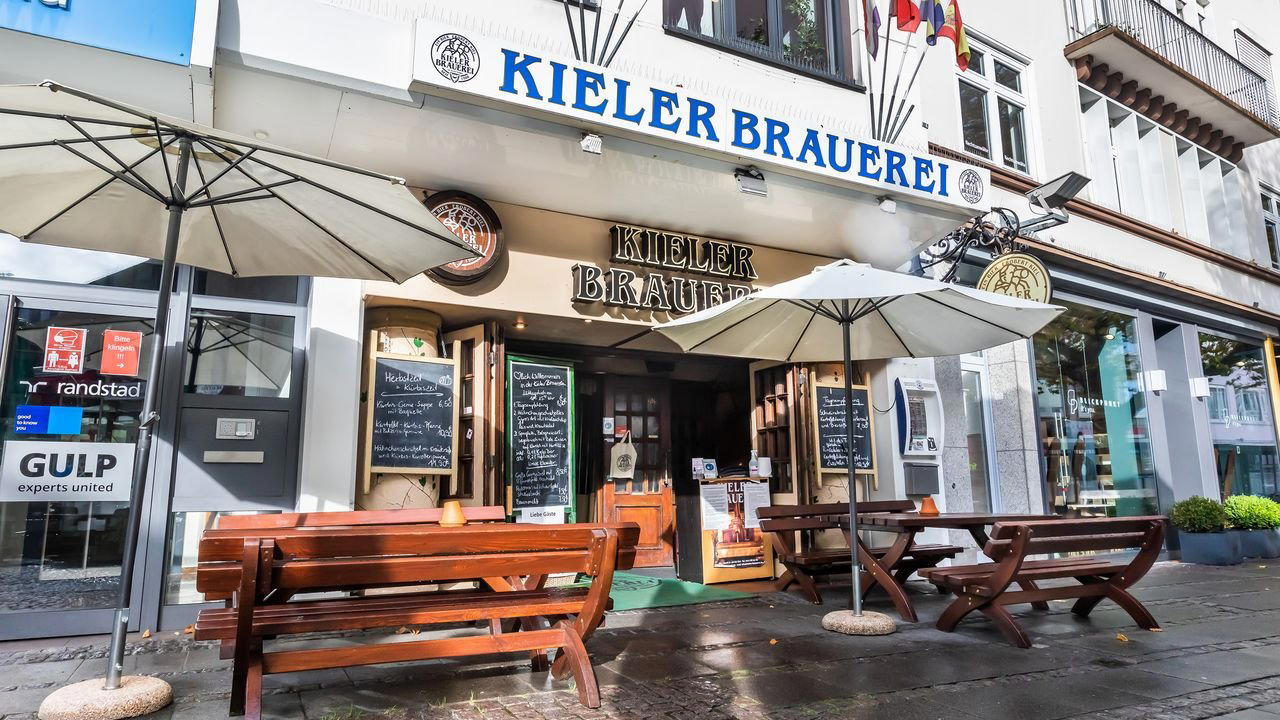
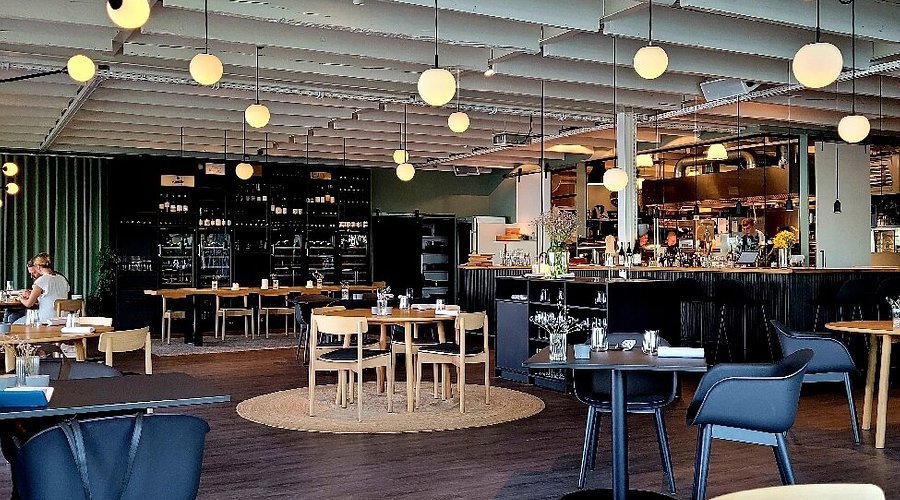
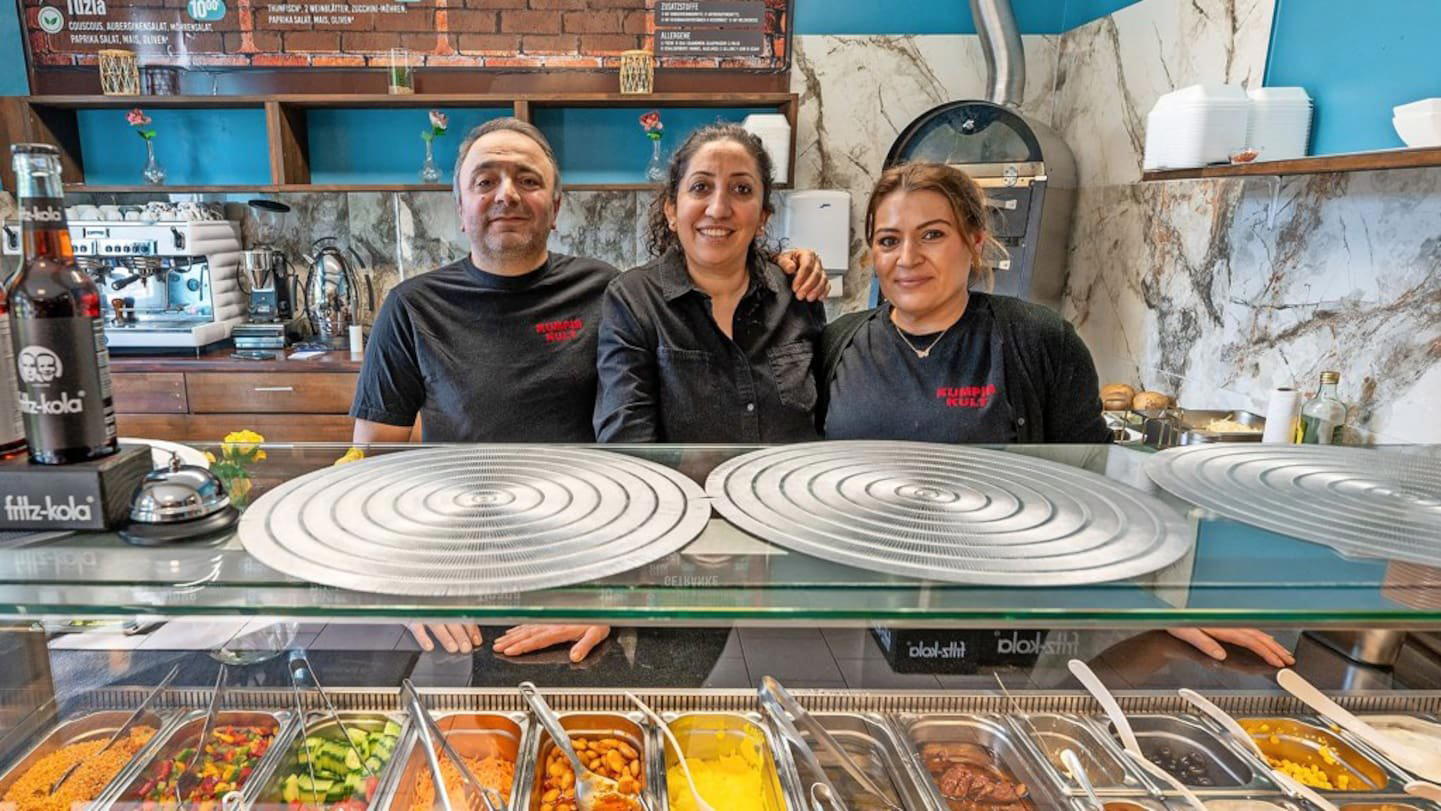
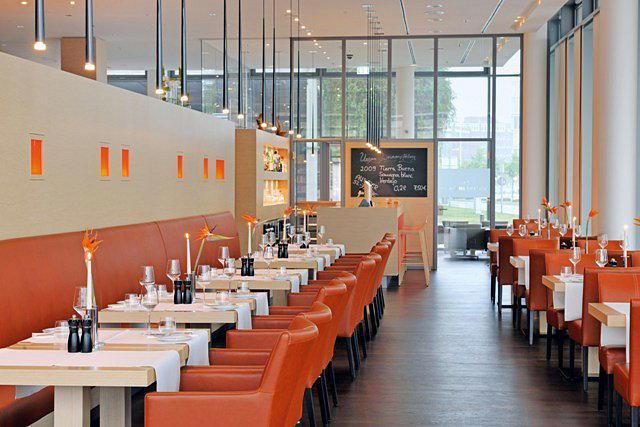
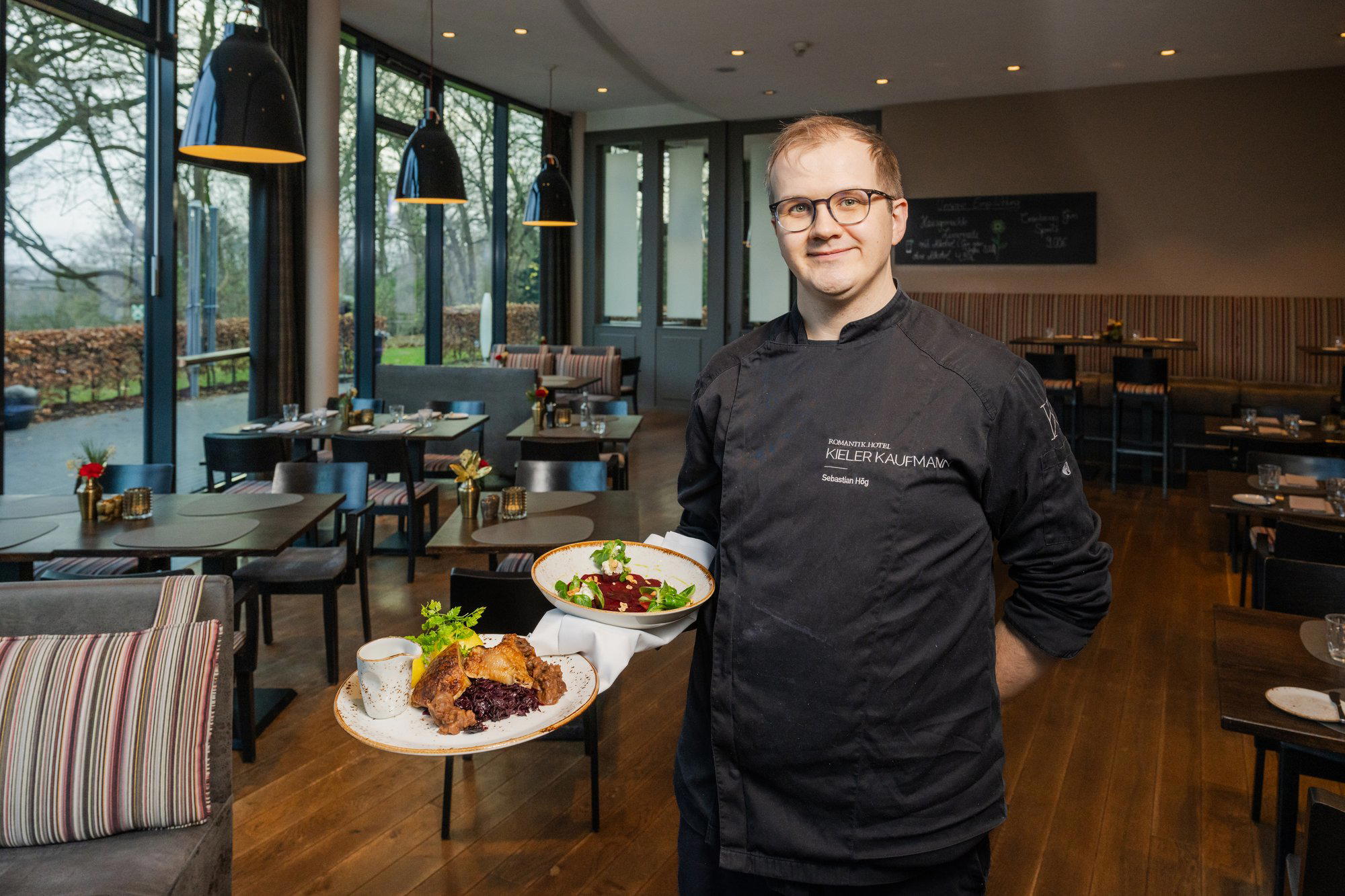
Bars in Kiel
All bars in Kiel →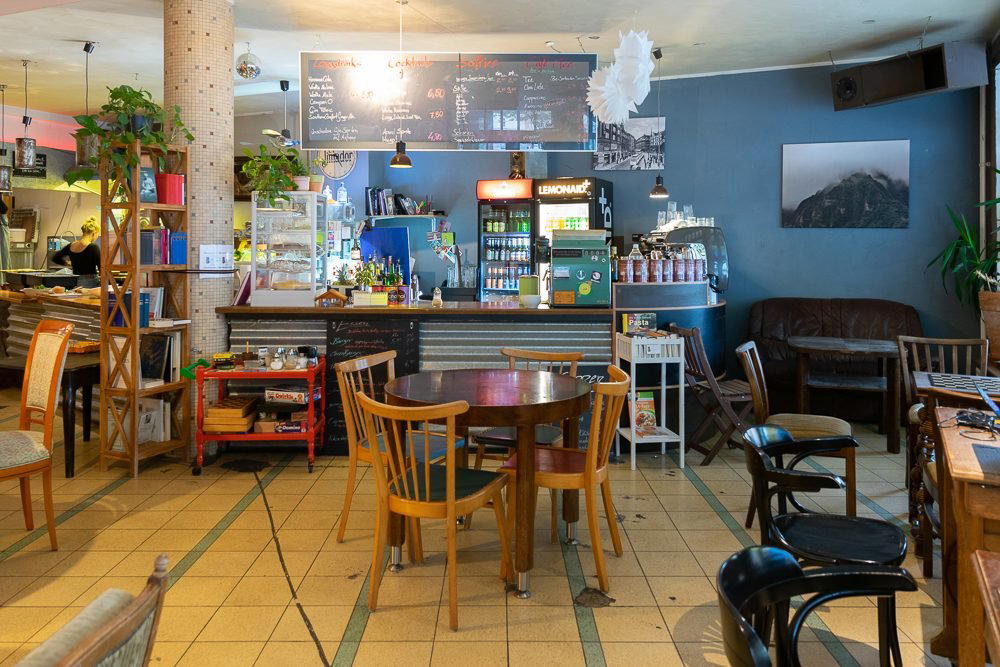
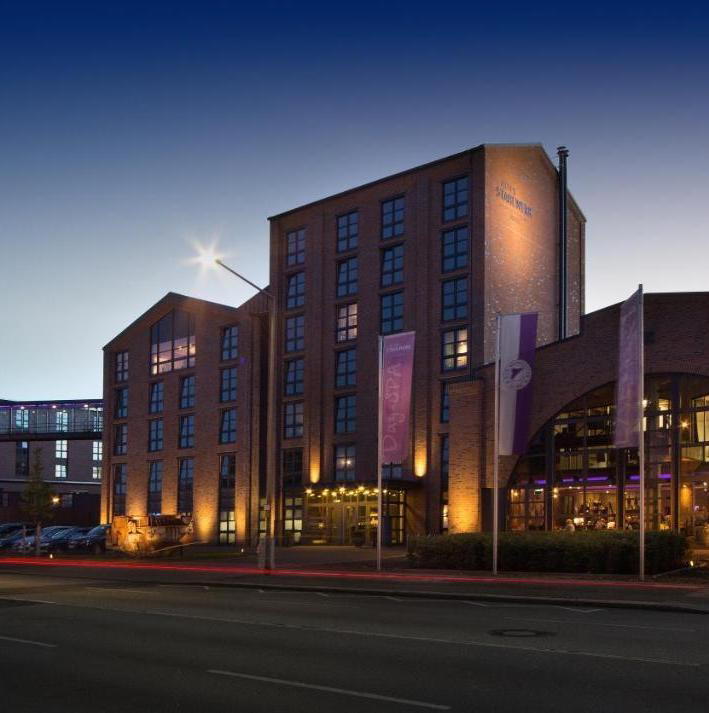
Hotels in Kiel
All hotels in Kiel →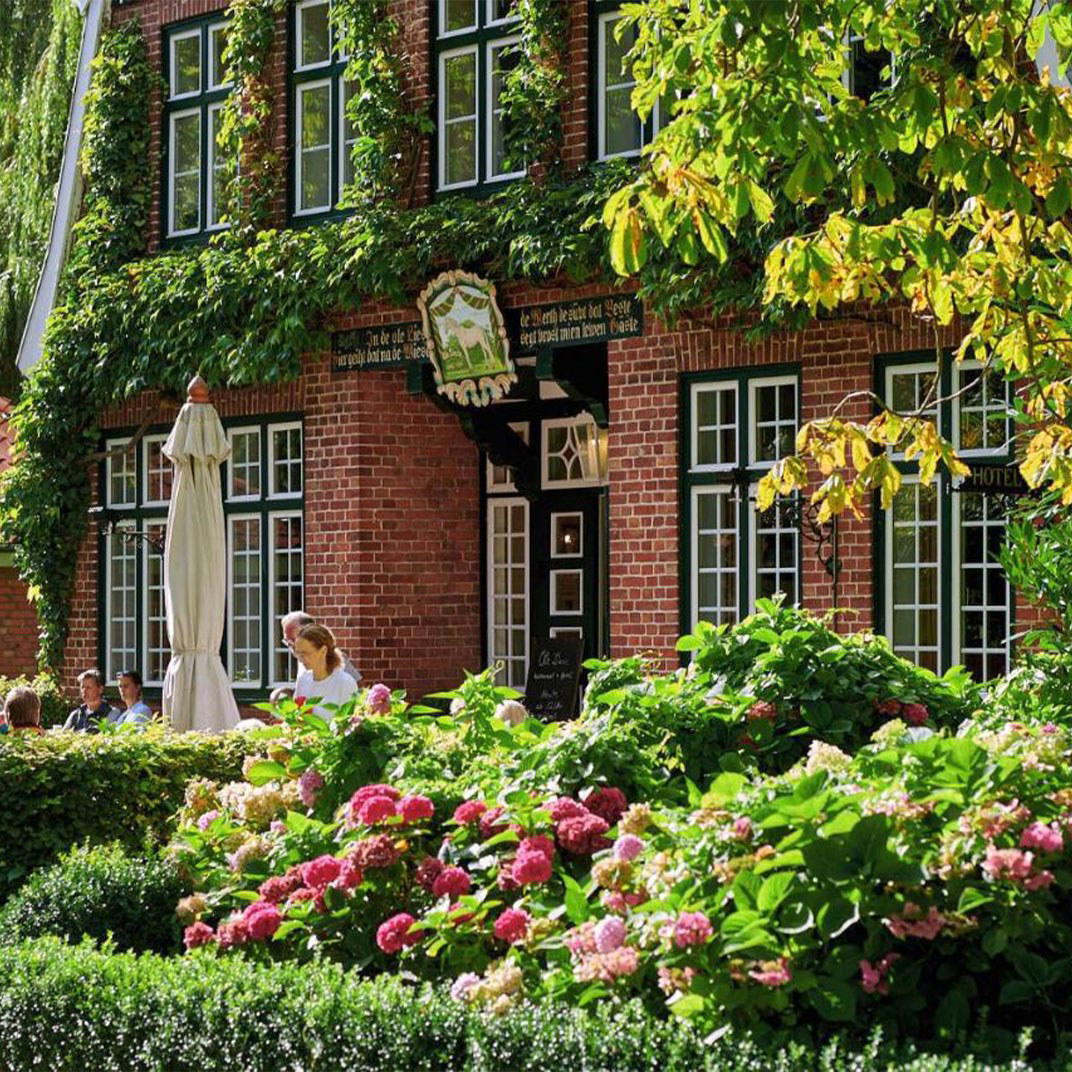
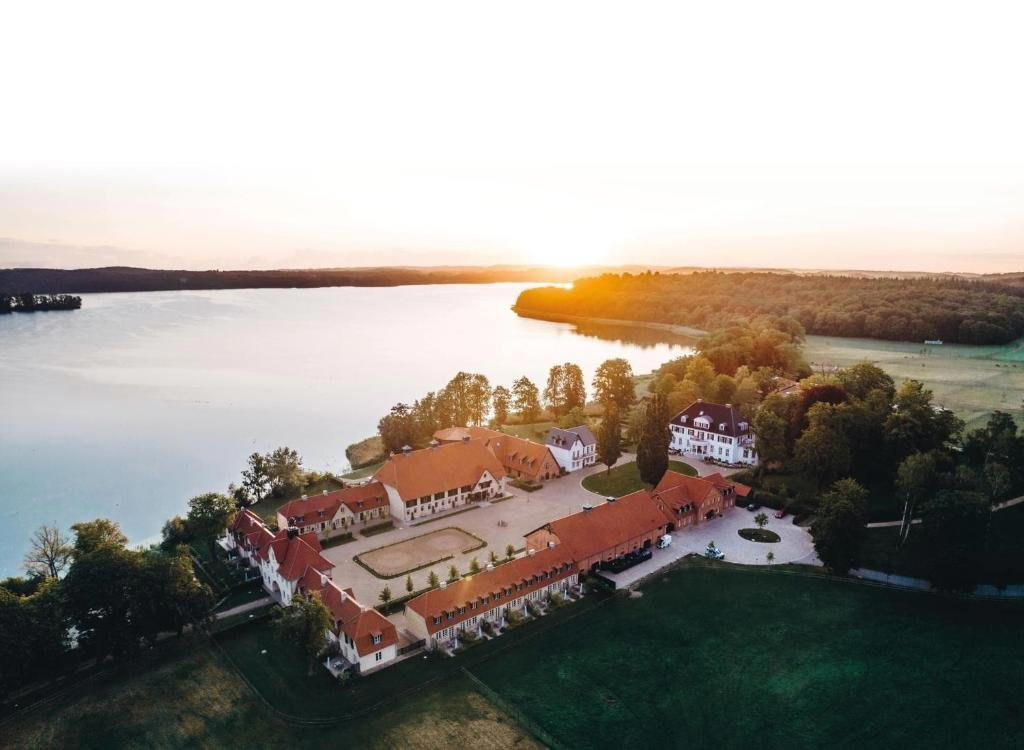
Wineries in Kiel
Browse all →
Details
- Modern
- Minimalist
- Elegant
- Sophisticated
- Cozy
- Date Night
- Special Occasion
- Open Kitchen
- Sake Program
- Local Sourcing
- Street Scene
- A La Carte
- Set Menu
- Vegetarian Friendly
- Vegan Options
Current opening hours
- Monday
- Closed
- Tuesday
- Closed
- Wednesday
- 6–10 PM
- Thursday
- 6–10 PM
- Friday
- 6–10 PM
- Saturday
- 6–10 PM
- Sunday
- 6–10 PM
Hours can change for holidays and private events. Hours as of .
Modern and minimalist design with floor-to-ceiling windows over two levels, calm and stylish atmosphere, open kitchen view, and relaxed jazz background.