Altes Brauhaus
Altes Brauhaus occupies a spot on Frauenkirchen's central Kirchenplatz, placing it within the Burgenland wine country that supplies much of Austria's most characterful Blaufränkisch and Welschriesling. The address situates it in a region where ingredient proximity is a structural advantage rather than a marketing afterthought, and where the line between farmland and kitchen table is measurably short.
Pearl is the En Primeur Club membership app — saves, bookings, and concierge access live there. Same editors, same standards.
- Address
- Kirchenpl. 27, 7132 Frauenkirchen, Austria
- Phone
- +434321722217
- Website
- altesbrauhaus.at
- Directions
- Get directions
 Saves & bookings on Pearl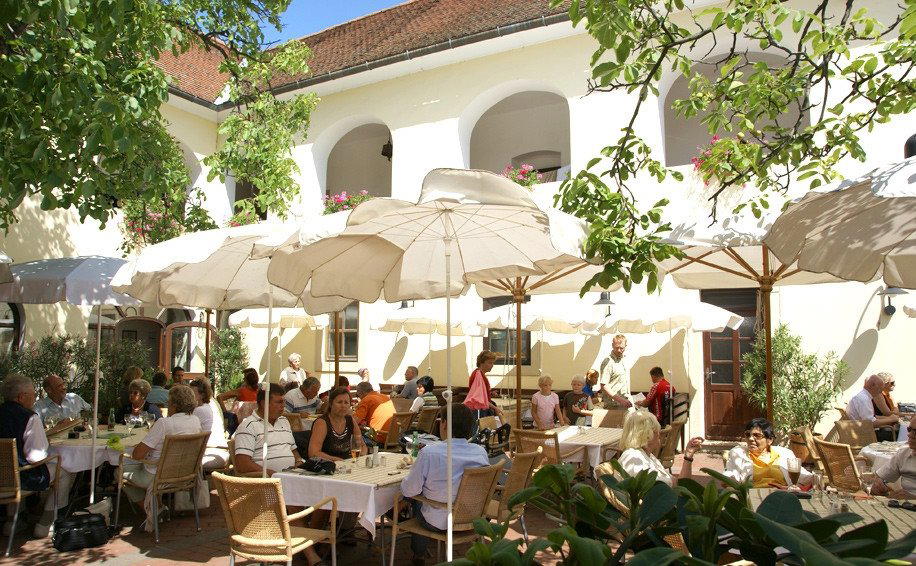
Where Burgenland's Larder Meets the Town Square
Frauenkirchen sits in the flat, reedy stretch of northern Burgenland, about an hour southeast of Vienna, where the Neusiedler See moderates the climate and the surrounding agricultural land produces ingredients that supply tables across Austria. The town itself is compact, its Kirchenplatz anchored by the pilgrimage basilica that draws visitors from across the region. It is in this setting, at Kirchenplatz 27, that Altes Brauhaus occupies a position that is less a destination restaurant and more a working part of the local fabric. That distinction matters in Burgenland, where particularly credible eating often happens in buildings with histories that predate the current kitchen team by generations.
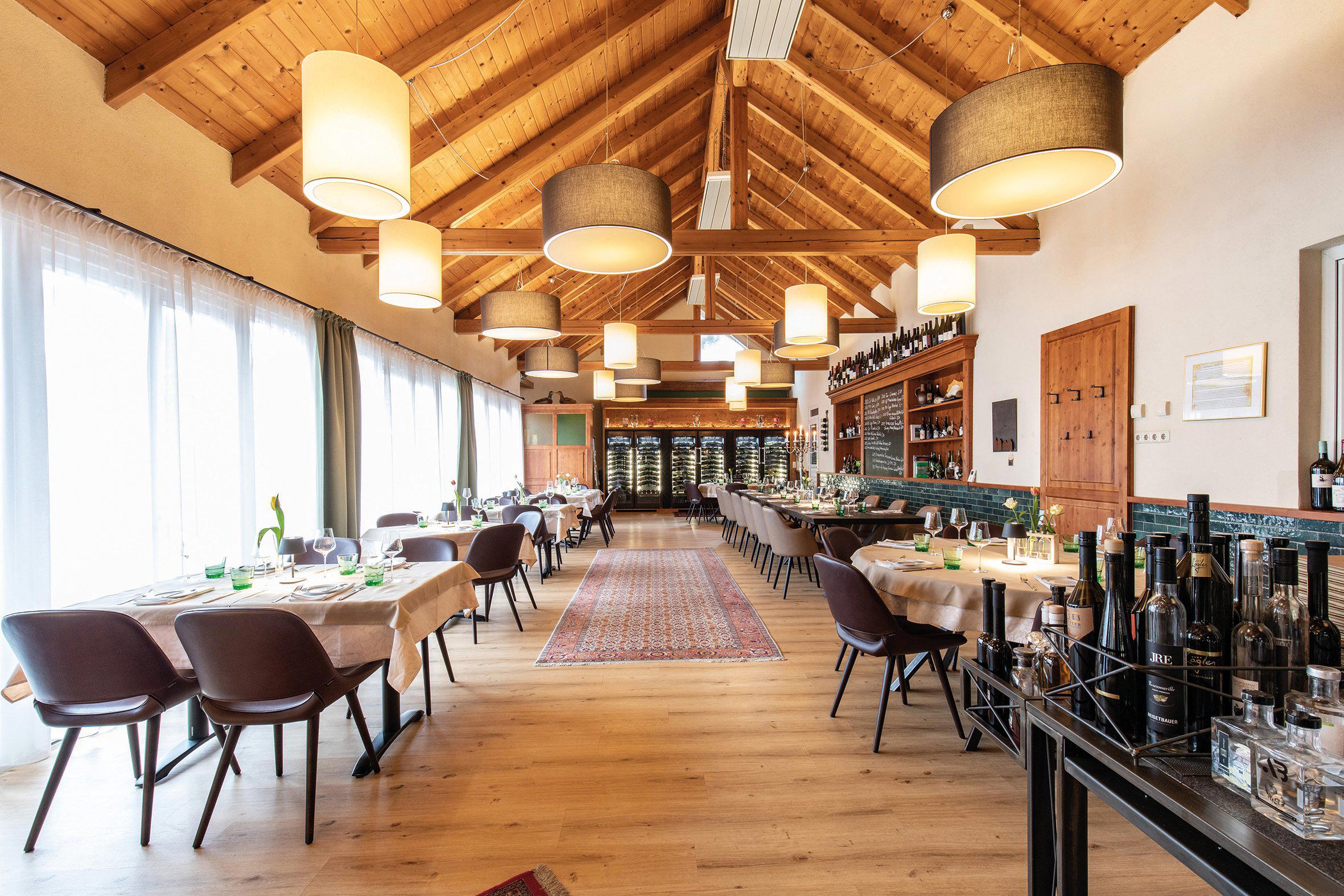
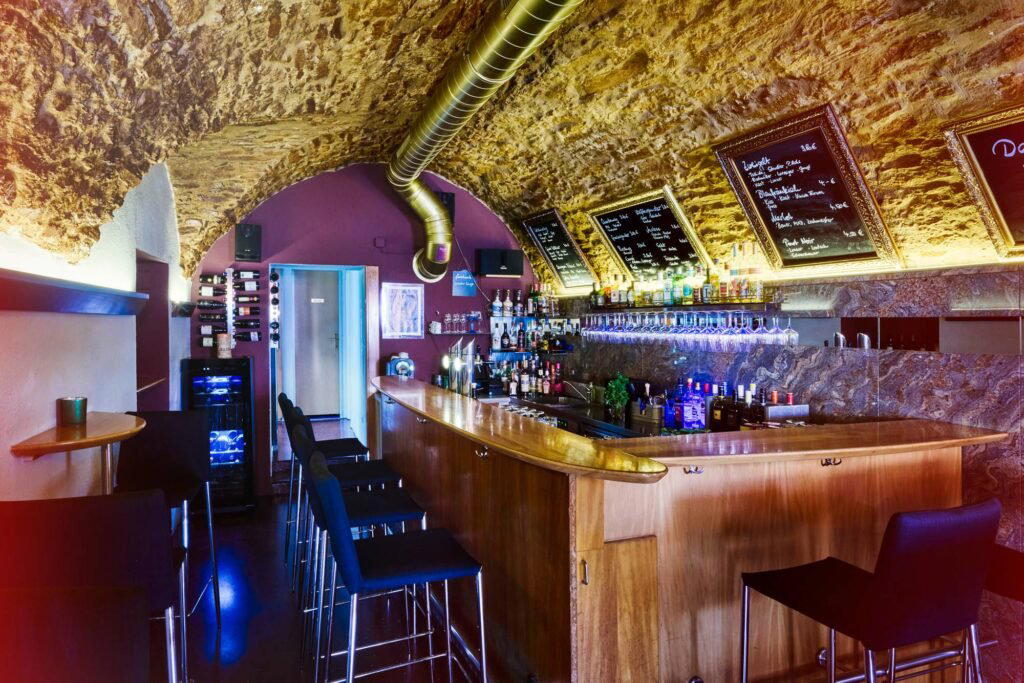
The name translates directly as Old Brewery, and the building's previous life as a brewing house is the kind of provenance that shapes a dining room before a single dish arrives. Old brewery conversions across Central Europe tend to retain a physical honesty: thick walls, generous ceiling heights, spaces designed for utility rather than atmosphere. The result is a room that earns its character from structure rather than decoration, which in a region where agrarian directness is a cultural value reads as appropriate rather than austere.
Burgenland's Ingredient Geography
The editorial argument for paying attention to Frauenkirchen as a dining address is largely geographic. The Neusiedler See area is one of Austria's most productive agricultural zones, generating not only wine, but apricots, fish from the shallow lake itself, game from the surrounding Seewinkel flatlands, and a range of market garden produce that benefits from the region's warm, dry continental summers. For a kitchen operating in this environment, the sourcing question is less about supply chain and more about selection: the raw material exists in volume and variety within a short radius.
This stands in contrast to the situation faced by Austria's high-end urban and alpine kitchens. Places like Steirereck im Stadtpark in Vienna or Döllerer in Golling an der Salzach have built sophisticated sourcing networks across multiple regions precisely because their locations do not offer the agricultural density that Burgenland provides. A restaurant on Kirchenplatz in Frauenkirchen operates from a different starting point: proximity is the baseline, not an achievement. The discipline is in not wasting that advantage.
Burgenland wine is the other variable that shapes what ends up on the table at addresses like this one. The region accounts for a substantial share of Austria's red wine production, with Blaufränkisch from Mittelburgenland and the lighter, earlier-drinking reds from around the Neusiedler See providing natural pairing material for the kind of roasted meats, lake fish, and game preparations that define the regional kitchen. The wine culture here is producer-direct and deeply local, which tends to influence how a room is stocked and how the pairing conversation develops at the table.
The Regional Gasthaus Tradition in Context
Austria's mid-market dining culture operates through a network of Gasthäuser and Wirtshäuser that carry far more culinary seriousness than their informal register suggests. The comparison to a pub or a bistro misses the point: at its leading, the Austrian gasthaus tradition means sourced, seasonal cooking executed without theatrical framing, served in a room where the regulars sit at the same table they have occupied for decades. Taubenkobel in Schützen am Gebirge, not far from Frauenkirchen, represents one evolution of this model into something more formally ambitious and awarded. Altes Brauhaus, from what the Kirchenplatz address and building history suggest, likely represents the more grounded end of the same spectrum.
That positioning is not a criticism. The Burgenland dining scene has room for multiple registers, and the gasthaus tier serves a function that the destination-restaurant tier cannot: it provides the daily eating context that makes a region legible to visitors who want to understand how people actually feed themselves rather than how they perform for critics. Landhaus Bacher in Mautern an der Donau and Obauer in Werfen occupy the formal, awarded end of Austrian regional dining. The value of a place like Altes Brauhaus, if it holds to the regional tradition, is in the other direction: the fish pulled from the Neusiedler See served without ceremony, the local Blaufränkisch poured without a list of talking points.
Across Austria's other wine-producing regions, comparable dynamics play out at addresses worth knowing: Thaller - Gasthaus in Sankt Veit am Vogau in southern Styria operates within a similar tradition, where Styrian wine and produce anchor a kitchen that does not need to import its identity. The pattern repeats because the logic is sound: ingredient proximity and regional wine culture, combined with an honest physical setting, produce a kind of eating that is difficult to replicate in places where every element has to be assembled from outside.
Planning a Visit to Frauenkirchen
Frauenkirchen is accessible by road from Vienna in under an hour, making it a realistic day-trip or an easy addition to a longer Burgenland circuit that might also include the wine towns of Rust and Mörbisch on the lake's western shore. The town is not a major tourist destination, which means Kirchenplatz operates at a human scale and the area around the basilica tends to be quiet outside pilgrimage events. Gourmetrestaurant Tannenhof in Sankt Anton am Arlberg or Stüva in Ischgl represent a different register of Austrian dining, which underscores how much the country's table varies by geography and altitude.
Ikarus in Salzburg, Ois in Neufelden, Atelier Fischer in Sankt Gilgen, and Kräuterreich by Vitus Winkler in Sankt Veit im Pongau each represent distinct approaches to Austrian ingredients at different levels of ambition and price. For international reference points on ingredient-led cooking, Le Bernardin in New York City and Lazy Bear in San Francisco show how seriously sourcing-focused kitchens operate at the destination end of the spectrum. And closer to the Burgenland register, Schwarzer Adler in Hall in Tirol, Restaurant 141 by Joachim Jaud in Mieming, and Griggeler Stuba in Lech round out the picture of how regional Austrian kitchens work across different contexts and altitudes.
Quick Comparison
Comparable venues nearby, for context on price, style, and recognition.
| Venue | Cuisine | Price | Notes |
|---|---|---|---|
| Altes BrauhausThis venue — the venue you are viewing | Traditional German-Austrian Pannonian | $$ | Not listed |
| Landhaus Parndorf | Traditional Austrian | $$ | Parndorf |
| Zum Gogosch | Regional Austrian with Seasonal Focus | $$ | Donnerskirchen |
| Binter | Tyrolean Alpine Street Food | $$ | Neubau |
| Landgasthof Krone | Traditional Austrian with Modern Elements | $$ | Gaaden |
| Puchegger-Wirt | Modern Austrian Regional | $$ | Winzendorf |
Continue exploring
More in Frauenkirchen
Restaurants in Frauenkirchen
Browse all →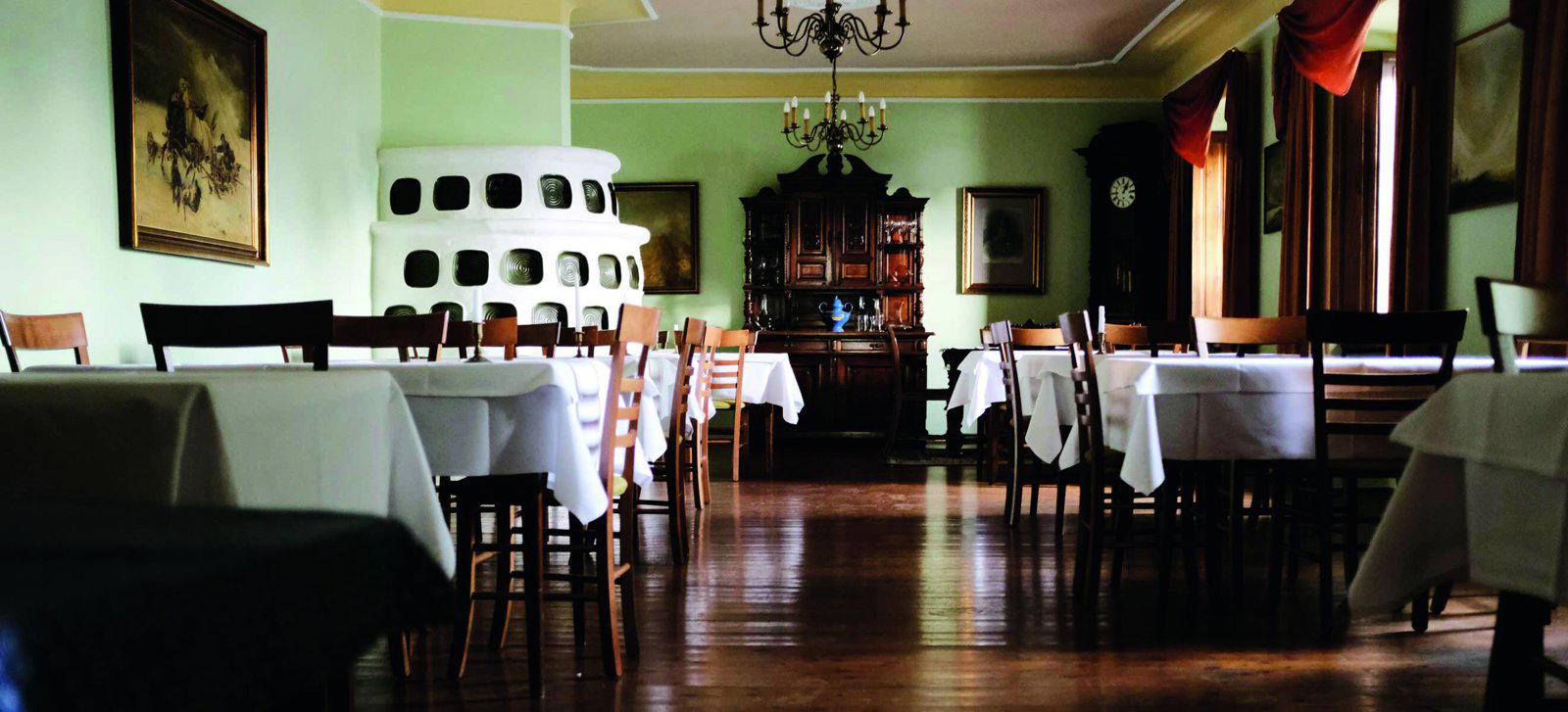
Bars in Frauenkirchen
Browse all →
Hotels in Frauenkirchen
Browse all →
At a Glance
- Rustic
- Classic
- Cozy
- Family
- Casual Hangout
- Historic Building
- Garden
- Beer Program
- Local Sourcing
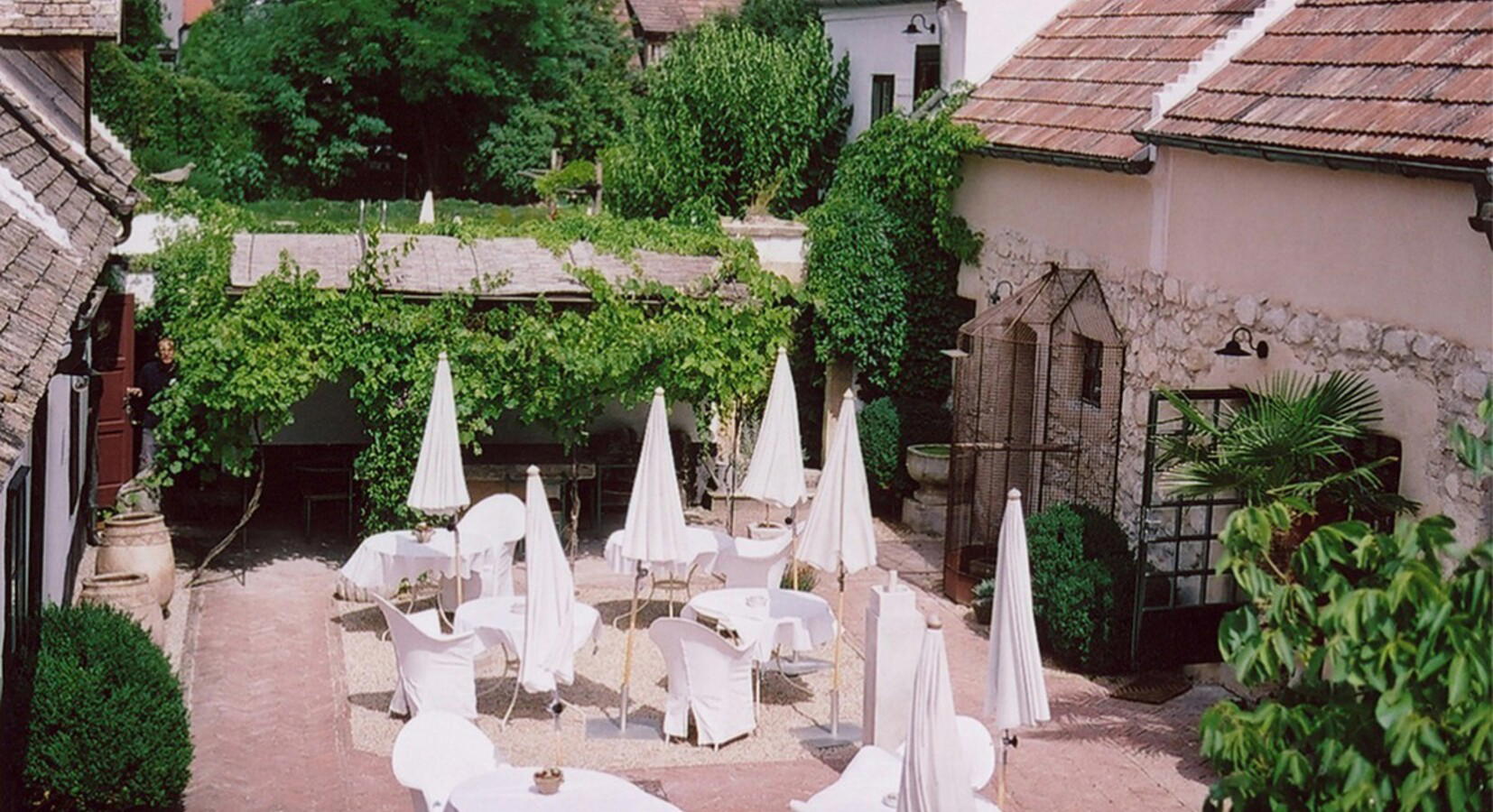
Casual yet dignified country charm with beautiful inner garden seating.