
Alps & Ocean sits in Grän, a quiet village in the Austrian Tyrol where altitude and agricultural tradition shape what lands on the plate. The name signals the kitchen's ambition directly: mountain ingredients read alongside produce that travels from the coast, a pairing that defines a particular strand of modern Austrian cooking. For the Tannheimer Tal valley, it represents a dining register above the usual après-ski fare.
Pearl is the En Primeur Club membership app — saves, bookings, and concierge access live there. Same editors, same standards.
- Address
- Füssner-Jöchle-Straße 5, 6673 Grän, Austria
- Phone
- +434356756375
- Website
- sonnenhof-tirol.com
- Directions
- Get directions
 Saves & bookings on Pearl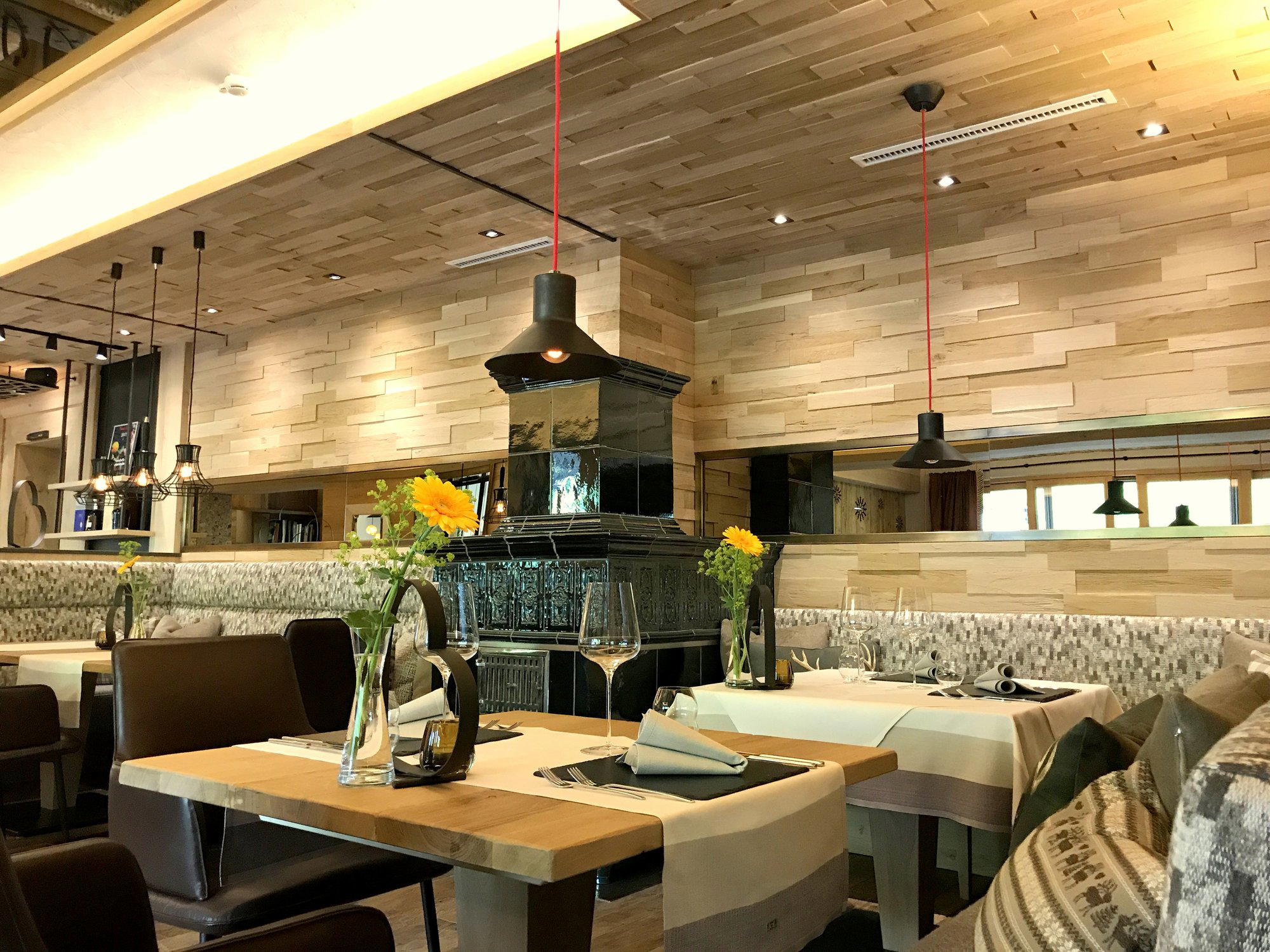
Where Mountain Terrain Meets Coastal Sourcing
Grän is not a place most travellers pass through by accident. Tucked into the Tannheimer Tal in Austrian Tyrol, this small village sits at around 1,100 metres, ringed by limestone peaks and summer-green meadows that give way to deep snow for roughly half the year. The approach alone, whether by road through the valley from Füssen on the German side, or from the Reutte direction, frames the meal before it begins. The setting is agricultural in a literal sense: cheese dairies, cattle farms, and herb-grown hillsides are visible from most points in the village. When a restaurant here calls itself Alps and Ocean, it is making a claim about range and contrast, not just geography.
The address, Füssner-Jöchle-Straße 5, places Alps and Ocean within walking distance of the village centre, in a built environment that follows the Tyrolean pattern of solid stone-and-timber construction built for weight-bearing winters. The interior character of serious restaurants in this part of Austria tends toward warmth over minimalism: exposed wood, natural light from mountain-facing windows, rooms that feel insulated against altitude rather than designed to impress a metropolitan eye. That aesthetic context matters because it shapes expectation. Diners arriving from Innsbruck (roughly 90 minutes by road) or crossing from Bavaria are entering a culinary register that reads differently from an urban tasting-menu room.
The Sourcing Logic Behind the Name
The culinary tradition that Alps and Ocean represents is one of the more interesting tensions in contemporary Austrian cooking: the relationship between hyper-local alpine produce and ingredients drawn from further afield, particularly the sea. Austria is landlocked, yet some of its most serious kitchens have built identities around precisely that contrast. At Döllerer in Golling an der Salzach, for instance, the kitchen has made the Alps-to-ocean sourcing axis a defining premise for years, pairing Salzburg valley produce with Adriatic and North Sea fish. The name Alps and Ocean signals membership in that same conceptual conversation.
What makes this approach editorially interesting is that it refuses the easy logic of pure localism. A kitchen committed only to what grows within walking distance of a Tyrolean village would, for most of the year, be working with dairy, root vegetables, mountain herbs, cured meats, and freshwater fish. Noble ingredients, but a constrained palette. The willingness to source fish and seafood from coastal suppliers introduces a different kind of discipline: getting ocean produce to altitude in condition worth serving is a logistical commitment that separates restaurants serious about the premise from those using it as branding shorthand.
The broader Austrian fine dining scene has handled this tension in varied ways. Steirereck im Stadtpark in Vienna has long prioritised Austrian-grown produce across a highly creative format, while Landhaus Bacher in Mautern an der Donau takes a more classically rooted approach to Austrian and regional European ingredients. Alps and Ocean, operating in a mountain village rather than a city or established wine-region corridor, is working with a more compressed local supply base, which makes the coastal sourcing strand more structurally central rather than supplementary.
The Tyrolean Alpine Dining Context
Fine dining in the Austrian Alps has developed a clear geography. The Arlberg corridor, anchored by Gourmetrestaurant Tannenhof in Sankt Anton am Arlberg and Griggeler Stuba in Lech, operates at a price tier and recognition level calibrated for international ski resort visitors. Stüva in Ischgl sits in a similar bracket within the Paznauntal. These are restaurants where Michelin recognition and four-figure wine lists are understood baseline conditions.
The Tannheimer Tal, where Grän sits, operates at a quieter register. It attracts primarily German and Austrian visitors, more oriented toward hiking, cycling, and family tourism than the prestige ski trade. A serious restaurant here is not competing for the same client as Lech or Ischgl. It is making an argument that a valley without international ski-resort infrastructure can sustain cooking at a higher level than the surrounding hospitality context might suggest. That argument, when it works, tends to produce restaurants with a loyal regional following rather than the transient international foot traffic of the resort towns. For our full picture of where Alps and Ocean sits within the broader Austrian and Tyrolean context, see our full Gran restaurants guide.
Positioning Within Austria's Fine Dining Tier
Austrian fine dining outside Vienna and Salzburg occupies a specific niche in European gastronomy. Properties like Obauer in Werfen or Kräuterreich by Vitus Winkler in Sankt Veit im Pongau have demonstrated that kitchens in smaller Austrian towns can achieve recognition that positions them in the same conversation as celebrated city restaurants. Taubenkobel in Schützen am Gebirge, operating from a Burgenland village near the Hungarian border, has built a similarly strong case. The pattern is consistent: serious sourcing, a clear culinary identity, and a setting that requires guests to make a deliberate journey rather than stumbling in after a concert or a museum visit.
Alps and Ocean fits that template in its geography and apparent intent. Grän is not convenient. Getting there from Innsbruck involves either the Fernpass route or a cross-border detour through Bavaria, neither quick. From Munich, the drive runs under two hours on a clear day. That inconvenience is, for this category of restaurant, often a feature rather than a problem. Kitchens that require effort to reach tend to attract guests who have pre-committed to the experience rather than diners filling a casual slot. Comparable destination-restaurant logic applies to Restaurant 141 by Joachim Jaud in Mieming or Atelier Fischer in Sankt Gilgen, both of which operate outside major tourist corridors and rely on the journey as part of the proposition.
For diners who have made the circuit of Austrian fine dining, from Ikarus in Salzburg to Thaller - Gasthaus in Sankt Veit am Vogau to Ois in Neufelden, a restaurant in the Tannheimer Tal that takes the alps-ocean sourcing axis seriously represents a gap in the map worth filling. Schwarzer Adler in Hall in Tirol covers the Tyrolean tradition from a more urban base; Alps and Ocean approaches it from deeper in the mountains.
Planning a Visit
Grän is a seasonal destination: the valley peaks in summer (late June through September) for hiking and cycling, and again in winter (December through March) for cross-country skiing and snowshoeing. These are the periods when restaurants in the village are most consistently open and operating at full capacity. The shoulder months, particularly November and April, often see reduced hours or full closures for the area's hospitality businesses. Arriving with a confirmed booking rather than a walk-in expectation is the baseline assumption for any serious restaurant in an Austrian mountain village of this scale. For visitors using the venue as a dinner stop on a broader Tyrolean itinerary, the proximity to the German border means it pairs naturally with the Allgäu or Füssen region rather than Innsbruck as a base.
How It Stacks Up
Comparable venues nearby, for context on price, style, and recognition.
| Venue | Cuisine | Price | Awards | Notes |
|---|---|---|---|---|
| Alps & OceanThis venue — the venue you are viewing | Alps & Ocean Fine Dining | $$$$ | Not listed | Not listed |
| Hotel Sonnenhof Tirol | Modern Austrian Fine Dining | $$$$ | Not listed | Tannheimer Tal |
| Grunstube Bergblick | Tyrolean Gourmet | $$$$ | Michelin Plate | Tannheimer Tal |
| Alpenhaus VIP | Tyrolean & International Fine Dining | $$$$ | Not listed | Idalp |
| Cafe | European Pub Cafe | $$ | Not listed | Brand |
| Das Himmelwärts | Modern Vorarlberg Steak & Fish | $$$ | Not listed | Nenzing |
Recognition history
Dated appearances from independent guides and award organizations, with the underlying list record or original source where available.
Wine Spectator Best of Award of Excellence
Wine Spectator
Continue exploring
More in Grän
Restaurants in Grän
Browse all →
Bars in Grän
Browse all →

Hotels in Grän
Browse all →

At a Glance
- Elegant
- Scenic
- Cozy
- Sophisticated
- Special Occasion
- Hotel Restaurant
- Extensive Wine List
- Mountain
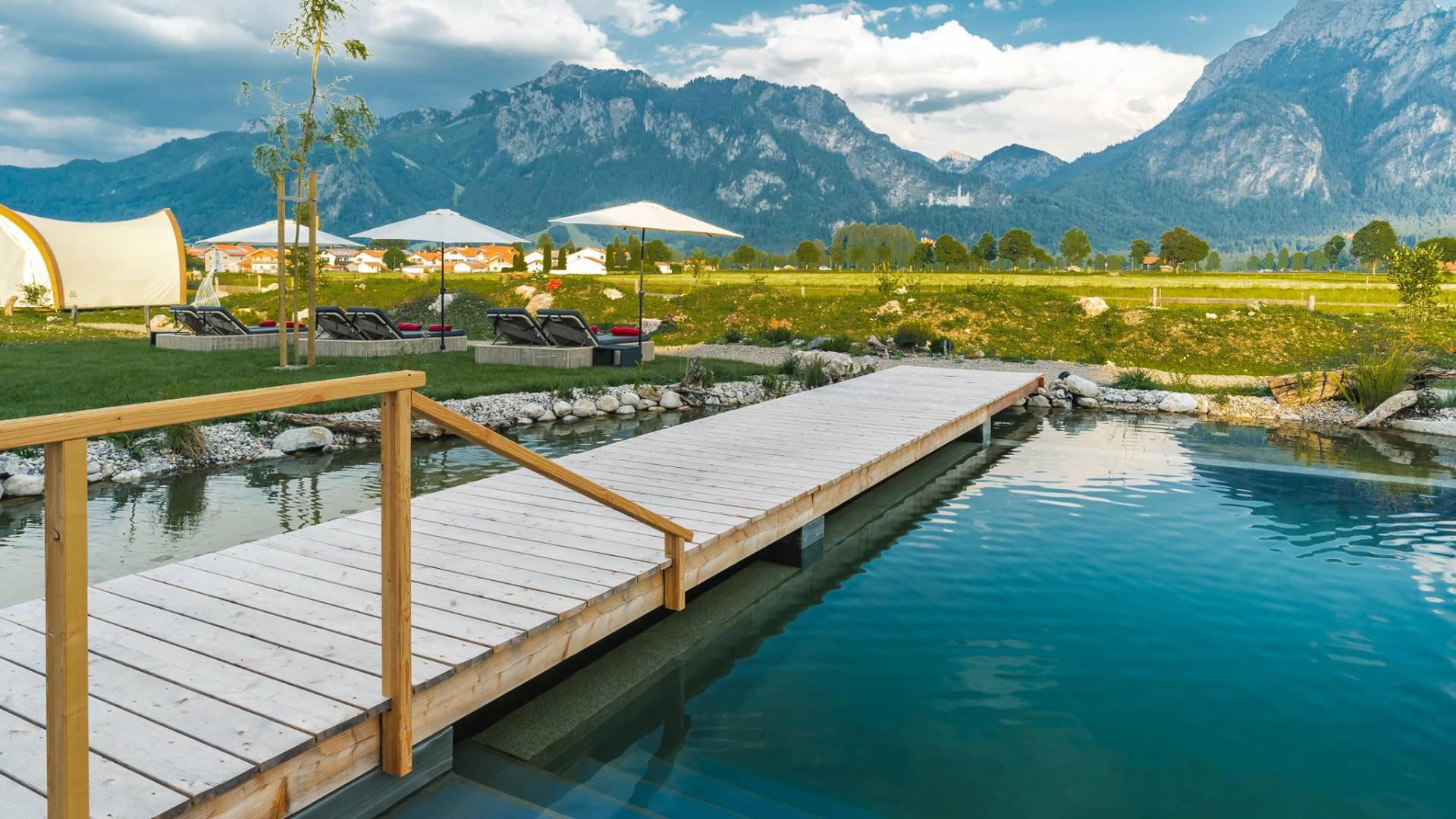
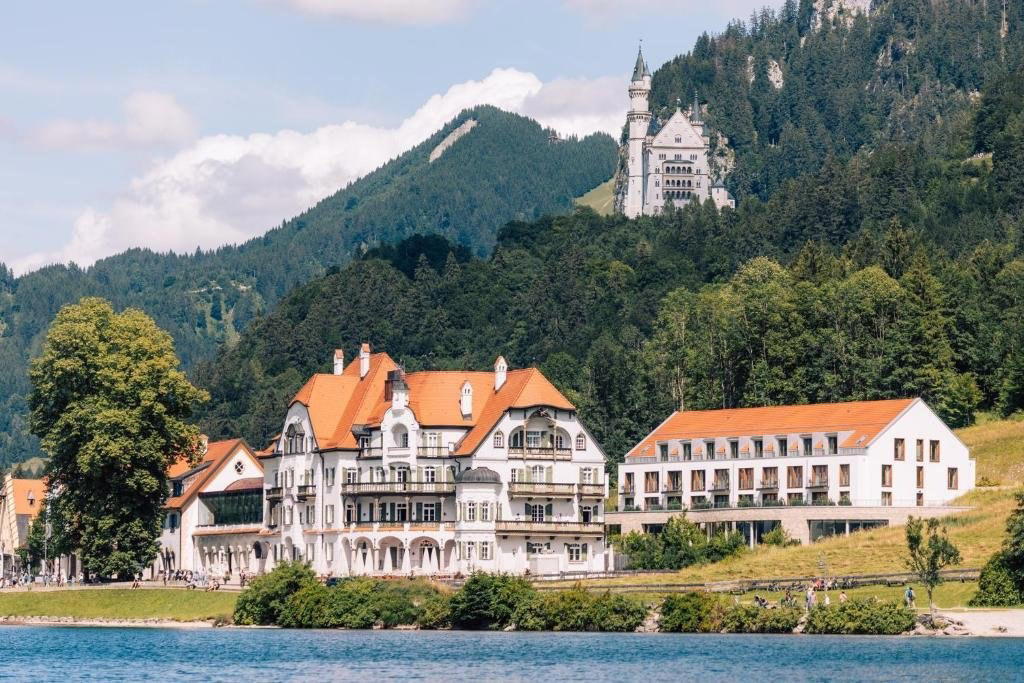
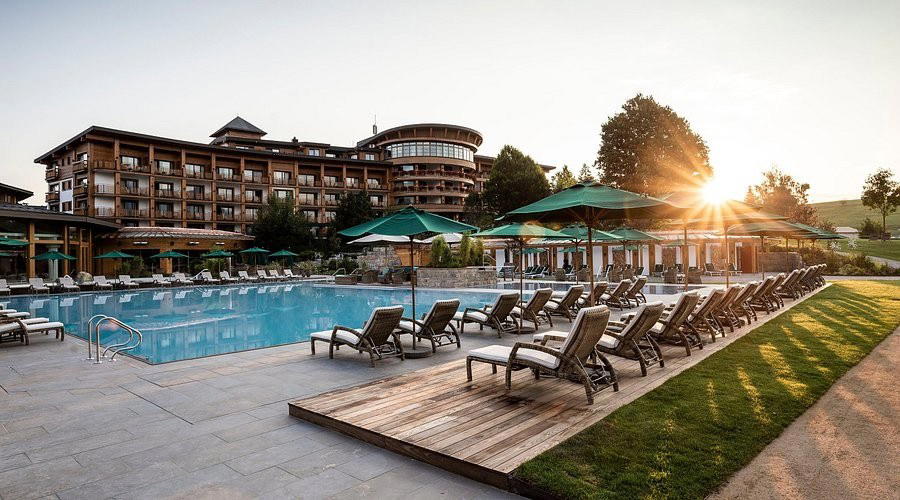
Noble and cozy atmosphere in a scenic Alpine setting with beautiful mountain views.