
Where the Tannheimer Tal Sets the Table The Tannheimer Tal is a high valley in western Tyrol that sits above the noise of the major Alpine resort circuits. Villages here are small, the roads narrow, and the pace shaped by the seasons rather than...
Pearl is the En Primeur Club membership app — saves, bookings, and concierge access live there. Same editors, same standards.
- Address
- Füssner-Jöchle-Straße 5, 6673 Grän, Austria
- Phone
- +43 5675 6375
- Website
- sonnenhof-tirol.com
- Directions
- Get directions
 Saves & bookings on Pearl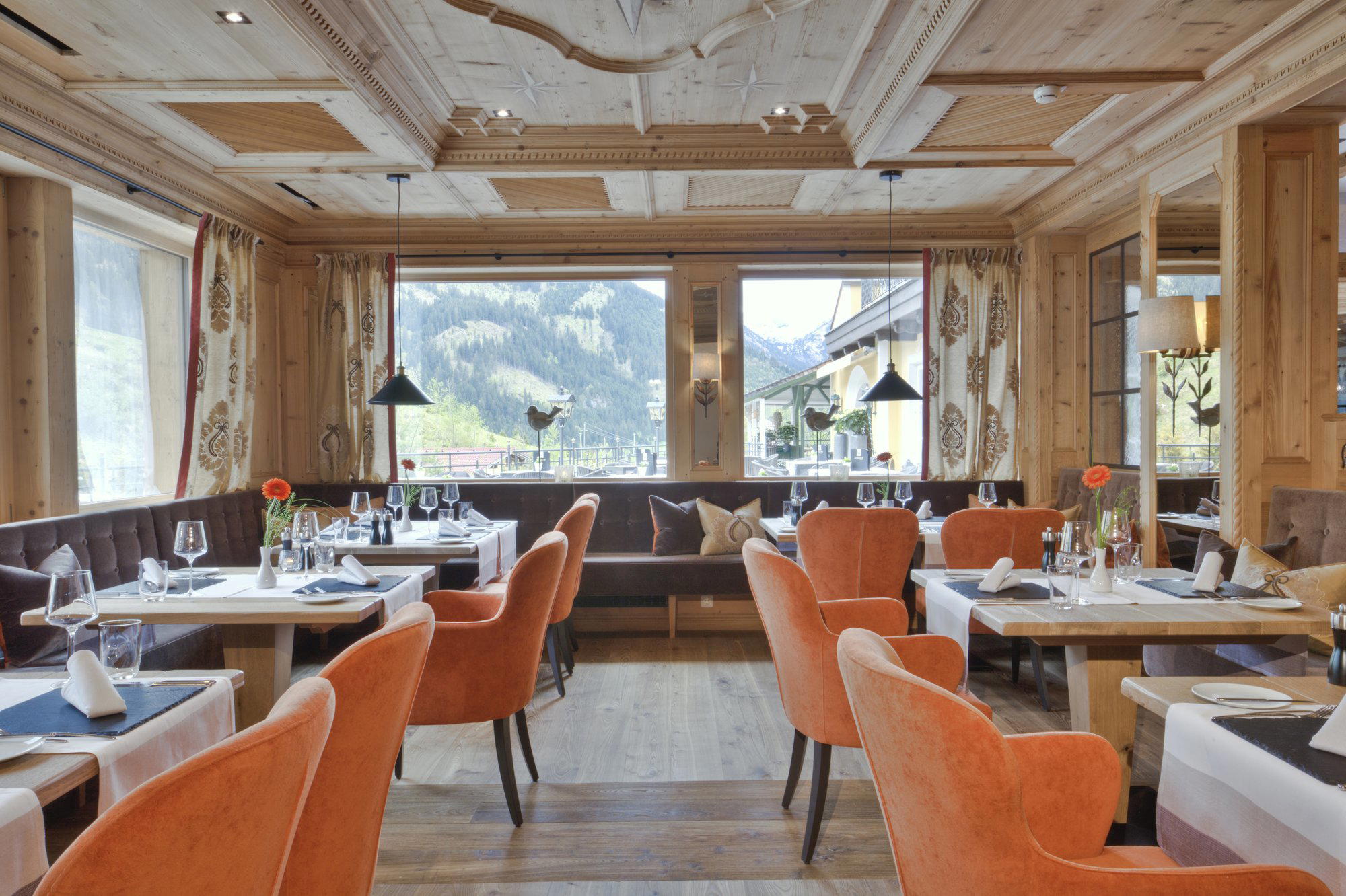
Where the Tannheimer Tal Sets the Table
The Tannheimer Tal is a high valley in western Tyrol that sits above the noise of the major Alpine resort circuits. Villages here are small, the roads narrow, and the pace shaped by the seasons rather than the ski-lift timetable. Grän is among the quietest of these settlements, a place where accommodation tends to double as the social and culinary anchor of the community. Hotel Sonnenhof Tirol operates inside that tradition: a combined hotel and restaurant property that received recognition on Star Wine List in January 2023, earning a White Star designation for the quality of its wine offering. In a valley with limited dedicated wine venues, that credential carries weight.
Alpine Provenance and the Sourcing Logic Behind Tyrolean Kitchens
The broader story of Tyrolean hotel dining is inseparable from geography. Kitchens in this part of Austria have long worked with a tight radius of suppliers: mountain farms for dairy and meat, valley producers for vegetables during the short growing season, and a preserved-food tradition — cured meats, pickled roots, aged cheeses — that developed out of necessity and became a point of culinary identity. Across the region, particularly credible hotel restaurants treat this sourcing logic not as a marketing gesture but as an operational constraint that shapes the menu. What you eat is, to a significant degree, what grows or grazes within reach.
That proximity sourcing puts Tyrolean hotel cooking in a different register from the ambitious tasting-menu formats you find at urban Austrian restaurants. Steirereck im Stadtpark in Vienna or Ikarus in Salzburg work with the full range of Austrian and international suppliers and are building menus around culinary argument. Mountain hotel kitchens like the one at Hotel Sonnenhof Tirol are building menus around place. The ambition is different, and so is the standard against which the cooking should be measured.
Among the Tyrolean properties worth comparing, Gourmetrestaurant Tannenhof in Sankt Anton am Arlberg and Griggeler Stuba in Lech represent the higher-profile end of Tyrolean hotel gastronomy, both in busier resort towns with larger visitor throughput. The Sonnenhof sits in quieter company, closer in character to the smaller, locality-focused properties that define the Tannheimer Tal. For guests at those properties, the restaurant is not a destination in its own right so much as an extension of the hospitality, which is a different kind of proposition and, for the right traveller, a more satisfying one.
The Wine Recognition in Context
Star Wine List's White Star designation signals a wine program that goes beyond the functional. In Alpine hotel restaurants, wine lists frequently lean toward volume and familiarity: Austrian Grüner Veltliner and Zweigelt by default, a handful of Italian and German bottles, and a short selection of international options. A White Star suggests the list has been assembled with more deliberate thinking, whether in terms of regional depth, producer selection, or the relationship between the wine and the food it accompanies.
Austria has a serious fine-wine infrastructure, and Tyrolean hotel operators who engage with it properly have access to producers from Wachau, Kamptal, Burgenland, and the Steiermark alongside Südtirol just across the border. The question a wine-focused designation raises is how that range is deployed. Is the list built to showcase a point of view, or simply to offer adequate coverage? The White Star recognition, awarded in early 2023, suggests something closer to the former. For guests who take wine seriously, this is a meaningful signal in a valley where such signals are sparse.
Guests who want a richer comparative context for Austrian fine dining with serious wine programs can look at Landhaus Bacher in Mautern an der Donau or Obauer in Werfen, both of which have built reputations on the interplay between classical Austrian cooking and considered wine selection. The Sonnenhof is not operating at that scale of recognition, but in the Tannheimer Tal, the wine credential is significant precisely because the competitive set is thin.
Grän as a Base: What the Valley Offers
The Tannheimer Tal functions as a winter cross-country skiing and snowshoeing destination and a summer hiking and cycling valley. It draws visitors who actively want distance from the crowded Ischgl or Sölden circuits. The absence of large ski infrastructure is the point, not a drawback. Grän itself is small enough that the hotel and its restaurant are likely to be central to the daily rhythm of a stay: breakfast before a trail, dinner after. That rhythm puts more pressure on the quality of the food and wine experience than it would at a large resort where dining options are spread across many venues.
For guests building a broader itinerary through western Austria, the Tannheimer Tal connects relatively easily to Füssen and the Allgäu on the German side, and to the Lechtal to the south. Combining a stay in Grän with time in other parts of Tyrol or Vorarlberg gives access to a wider range of restaurant experiences: Schwarzer Adler in Hall in Tirol and Restaurant 141 by Joachim Jaud in Mieming are both within the broader Tyrolean orbit. Locally in Grän, Grünstube Bergblick offers an alternative modern cuisine option for guests who want to vary their evenings.
Austria's alpine hotel sector has grown more sophisticated about how it positions food and wine as part of the guest experience rather than an afterthought. Kräuterreich by Vitus Winkler in Sankt Veit im Pongau and Ois in Neufelden represent that trend at its more ambitious end. The Sonnenhof's White Star recognition places it within the same broader movement, if at a more modest scale appropriate to its location and context.
Planning a Stay
Hotel Sonnenhof Tirol is located at Füssner-Jöchle-Straße 5 in Grän, in the Tannheimer Tal valley of western Tyrol. The valley is most accessible by car, with the approach from the north via Füssen typically one direct route. High season runs in both winter, for snow sports, and summer, for hiking, meaning that booking ahead is advisable for both accommodation and the restaurant during those periods. The Star Wine List White Star recognition makes the wine list worth genuine attention, and guests who want to drink well should ask about the current selection on arrival. For broader orientation across what Grän offers, see our full Grän restaurants guide, our full Grän hotels guide, our full Grän bars guide, our full Grän wineries guide, and our full Grän experiences guide.
How Hotel Sonnenhof Tirol Grän compares with similar nearby venues.
| Venue | Cuisine | Price | Awards |
|---|---|---|---|
| Hotel Sonnenhof Tirol | Not listed | Not listed | Star Wine List (2026) |
| Grunstube Bergblick | Modern Cuisine | €€€€ | Not listed |
| Haller's | Classic Cuisine | €€ | Not listed |
Recognition history
Dated appearances from independent guides and award organizations, with the underlying list record or original source where available.
Star Wine List
Star Wine List
Continue exploring
More in Grän
Restaurants in Grän
Browse all →
Bars in Grän
Browse all →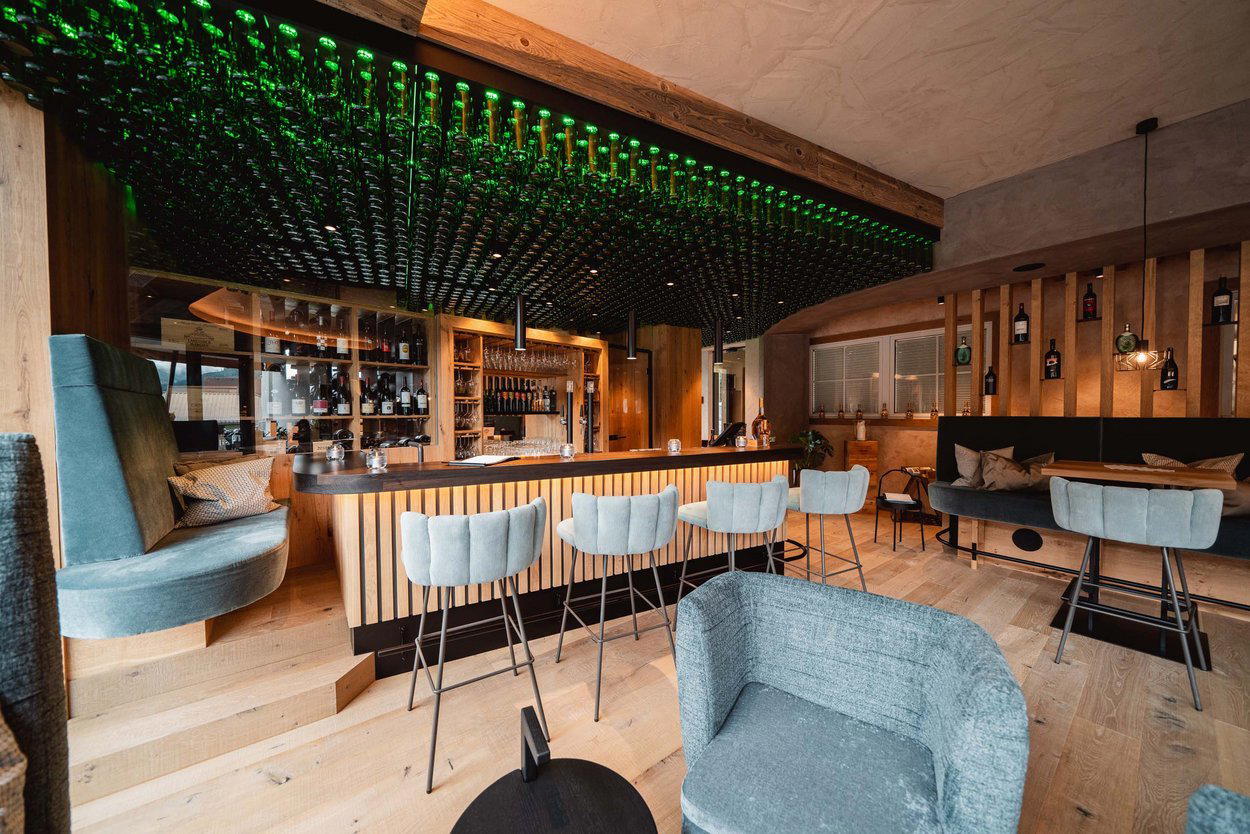

Hotels in Grän
Browse all →

At a Glance
- Cozy
- Elegant
- Rustic
- Scenic
- Date Night
- Special Occasion
- Hotel Restaurant
- Terrace
- Extensive Wine List
- Local Sourcing
- Mountain
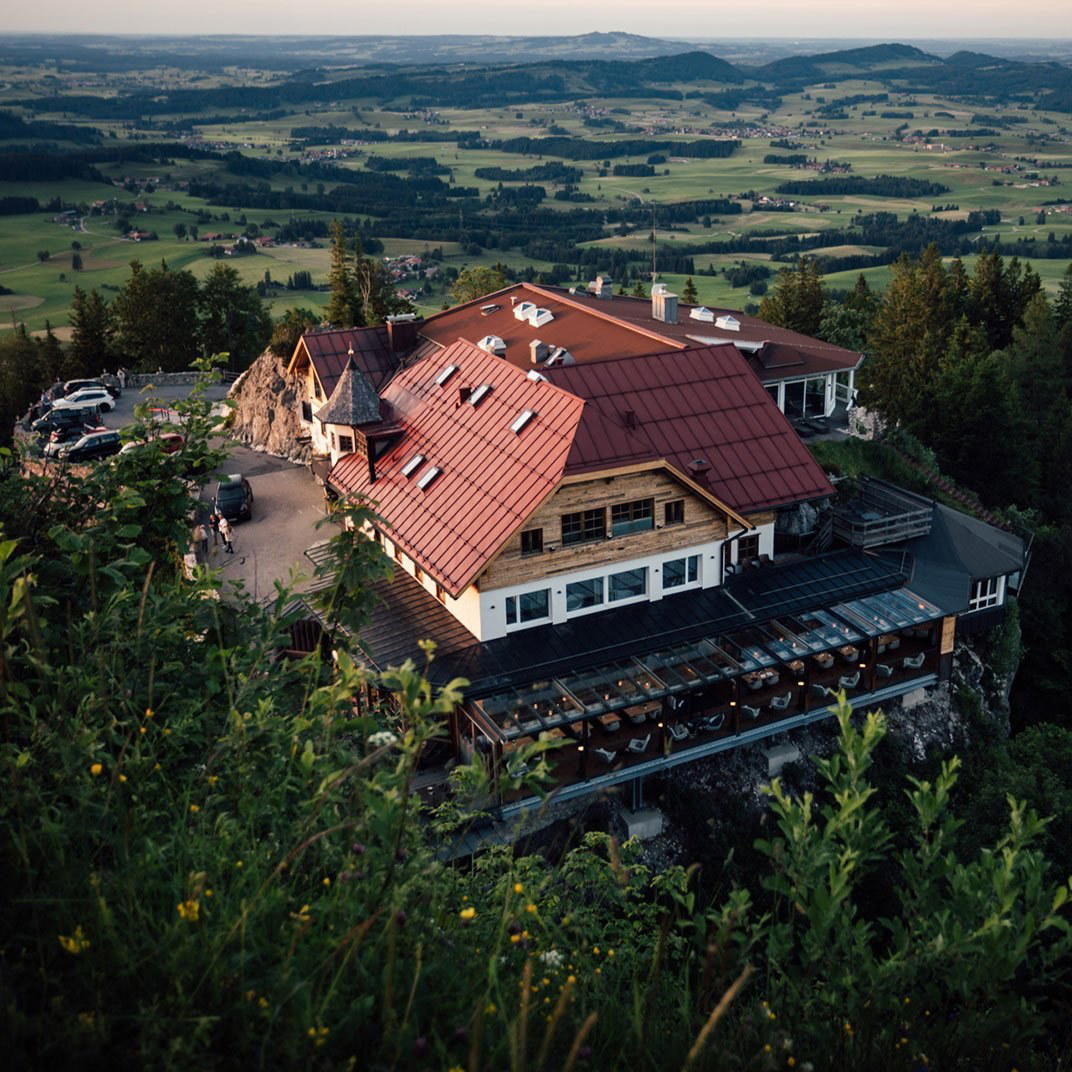
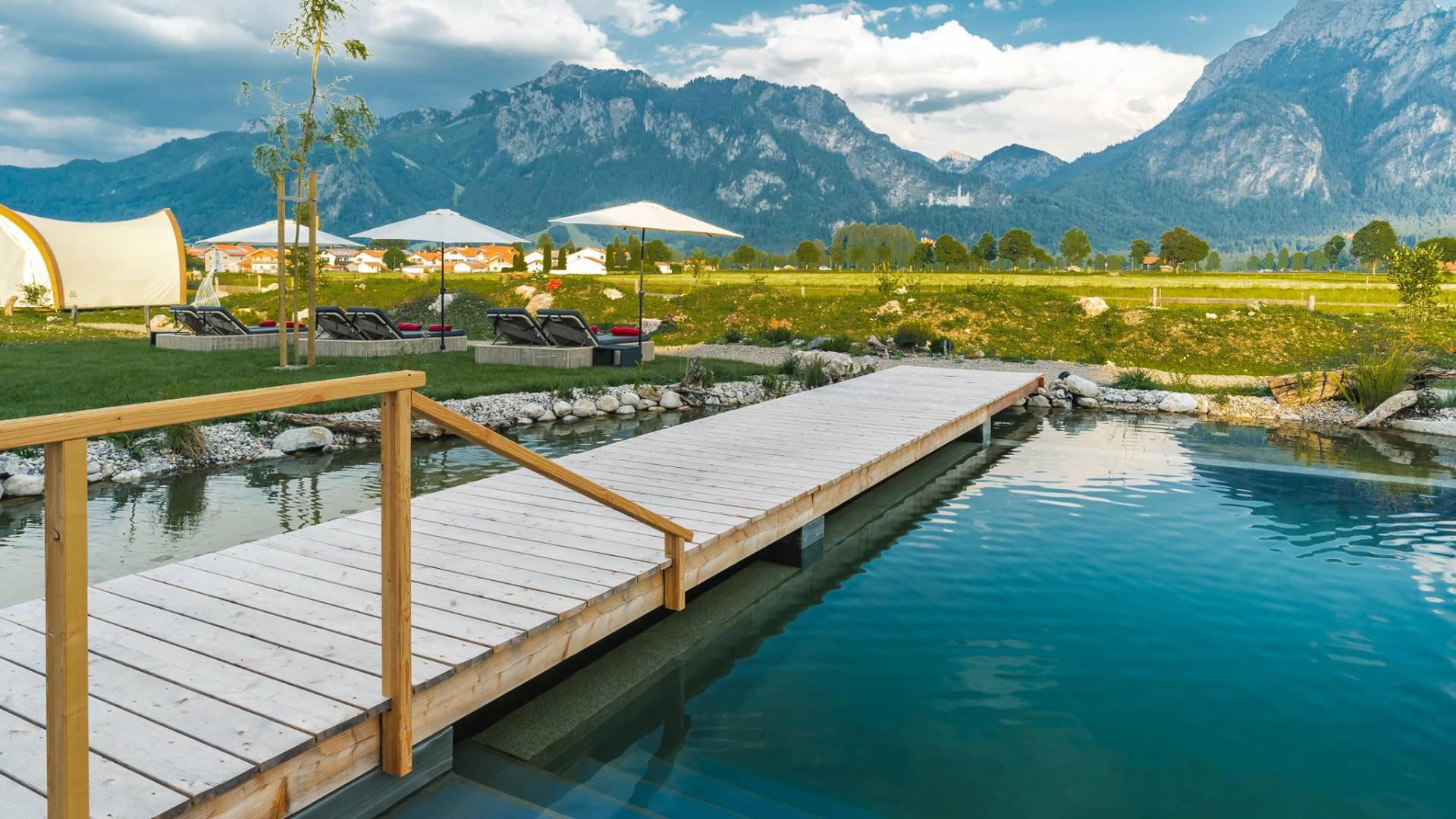
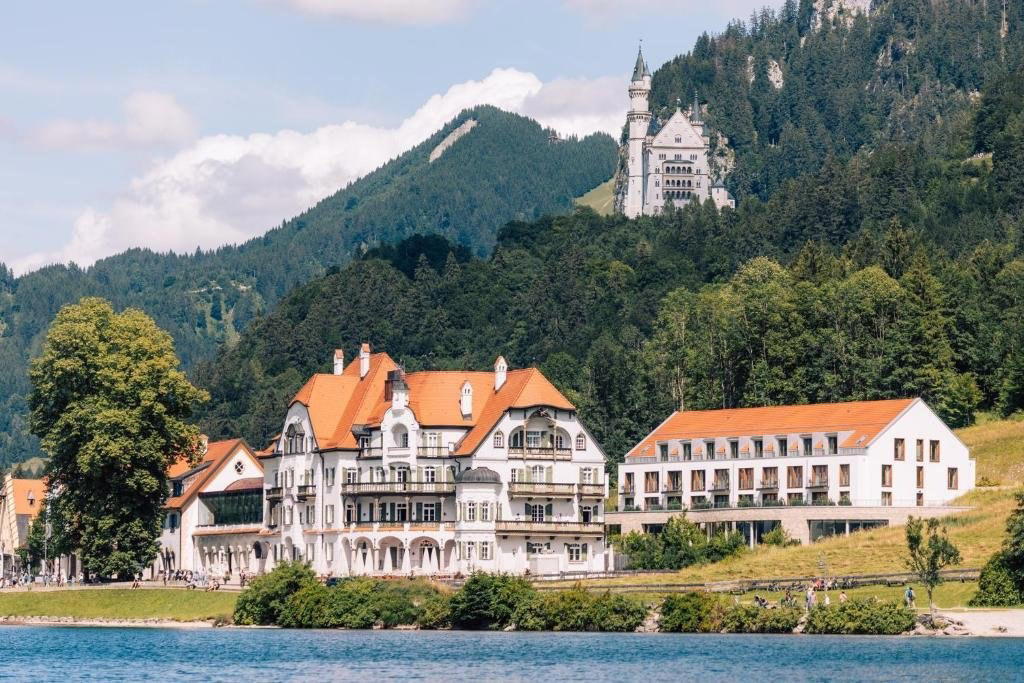
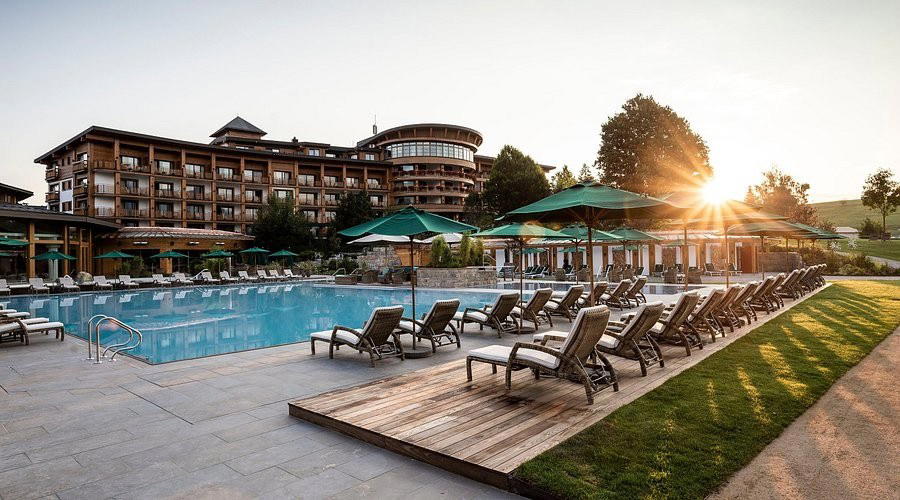
Gemütliches Ambiente with warm wood interiors, stylish decor, and a sunny terrace offering mountain views.