
1 Michelin Key
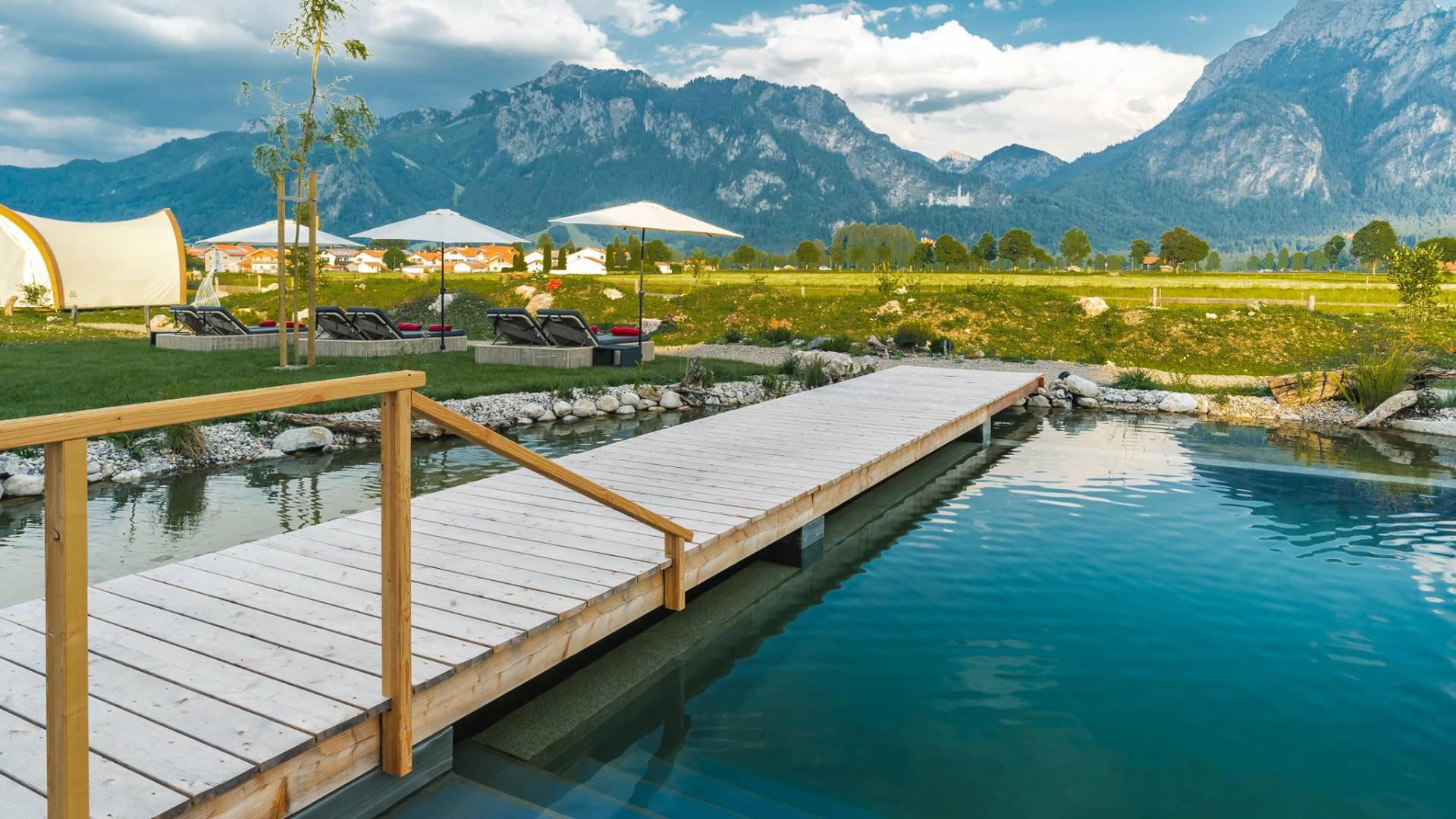
Das Rübezahl in Schwangau sits at the foot of Bavaria's Allgäu Alps with 54 rooms, themed suites, and a spa complex that includes several saunas, an outdoor pool, and a panoramic deck. The restaurant Louis II runs a modern seasonal programme, while the AlpenRausch bar-lounge and a privately owned mountain lodge extend the property's range well beyond the standard alpine hotel formula. Rates from approximately $485 per night.

Pearl is the En Primeur Club membership app, where members save venues, book tables and use the concierge.
Where the Allgäu Alps Set the Terms
The area around Schwangau operates under a particular kind of pressure. Neuschwanstein Castle draws millions of visitors each year, and the hotels within reach of it tend to skew toward high-volume tourism formats: efficient, serviceable, and largely anonymous. Das Rübezahl sits at Am Ehberg 31 and takes a different position in that market. With 54 rooms, a multi-facility spa, an in-house bar-lounge, a dedicated restaurant with a named culinary programme, and access to a private mountain lodge, it occupies the smaller, more deliberate tier of Bavarian alpine hospitality, closer in spirit to properties like Das Kranzbach Hotel & Wellness Retreat in Kranzbach or Gut Steinbach Hotel Chalets Spa in Reit im Winkl than to the large-footprint resort chains that dominate the surrounding region.
The scale matters here. Fifty-four rooms is enough to sustain a proper kitchen programme, a full spa operation, and a staffed lounge, while remaining small enough to avoid the impersonal rhythm of a conference hotel.
The Dining Programme: Louis II and the AlpenRausch
In the German alpine hotel market, the restaurant programme is often where the gap between ambition and execution becomes most visible. Properties in mountain locations face a structural challenge: they are rarely on the path of destination diners who travel specifically for a table, so the kitchen must earn its reputation from a captive audience of hotel guests and nearby visitors rather than from a broader critical constituency. The stronger properties in this category respond by building a menu logic that is tied to the region's seasonal produce rather than defaulting to generic European hotel cuisine.
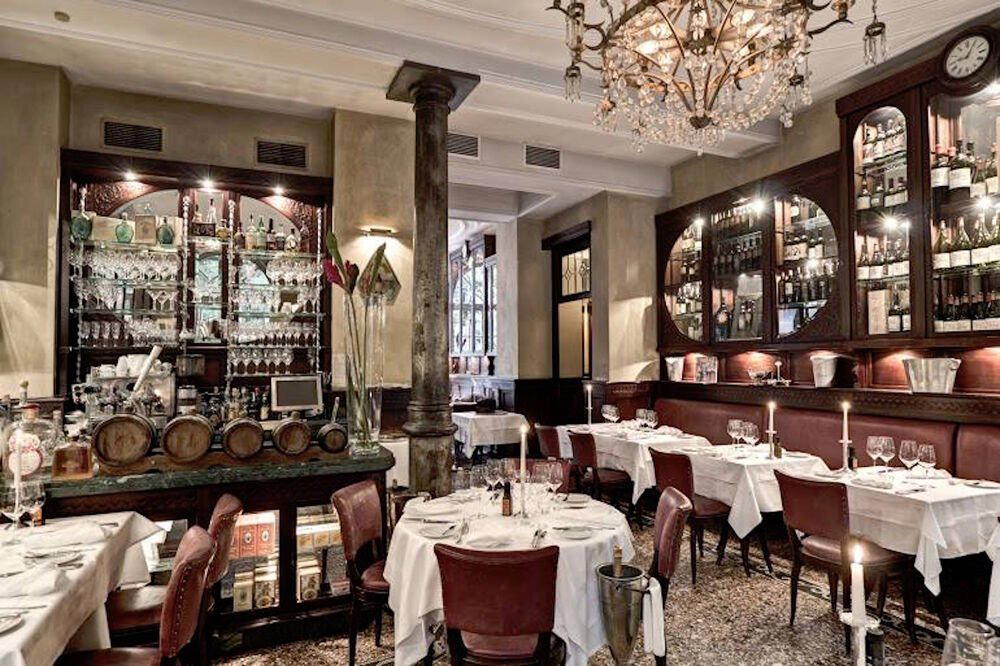
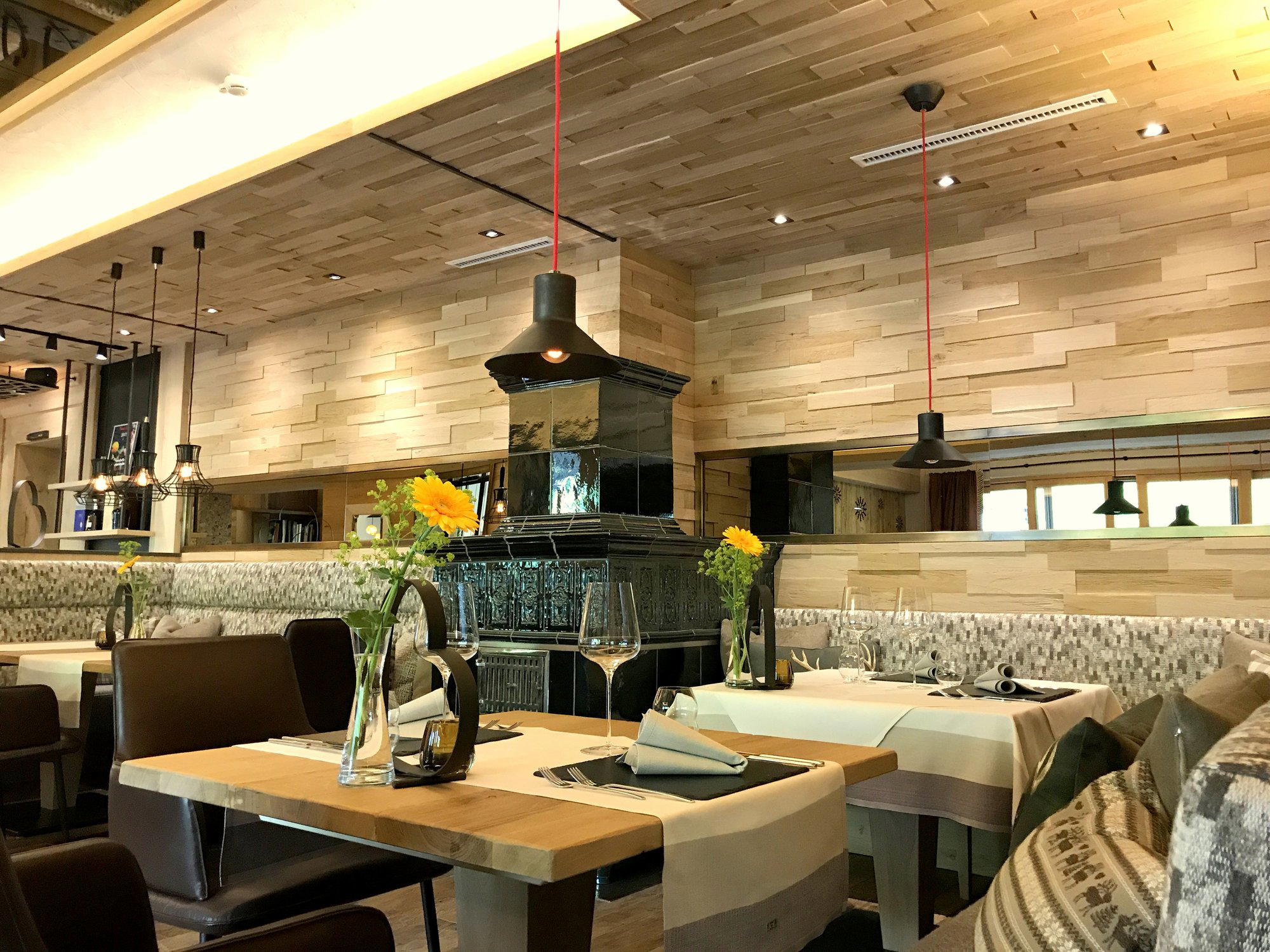
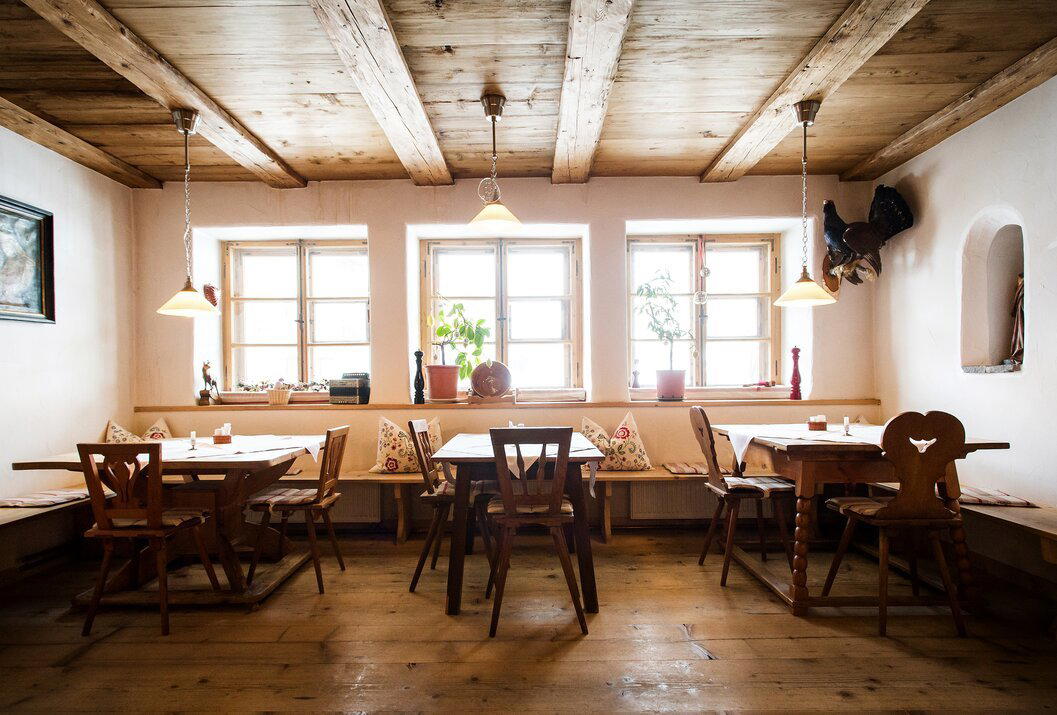
Das Rübezahl addresses this through the restaurant Louis II, which runs a modern seasonal programme. The name references Louis II of Bavaria, the monarch responsible for Neuschwanstein, and that framing connects the dining room to the local historical identity without reducing it to theme-park pastiche. Modern seasonal cooking in this part of Germany draws on Allgäu dairy traditions, river and lake fish, foraged ingredients from the surrounding forests, and the broader southern Bavarian kitchen that sits at the intersection of German and Austrian culinary conventions. A restaurant operating in this format changes its offer across the year, which gives repeat visitors a reason to return and aligns the kitchen's sourcing with what the surrounding terrain actually produces at a given time.
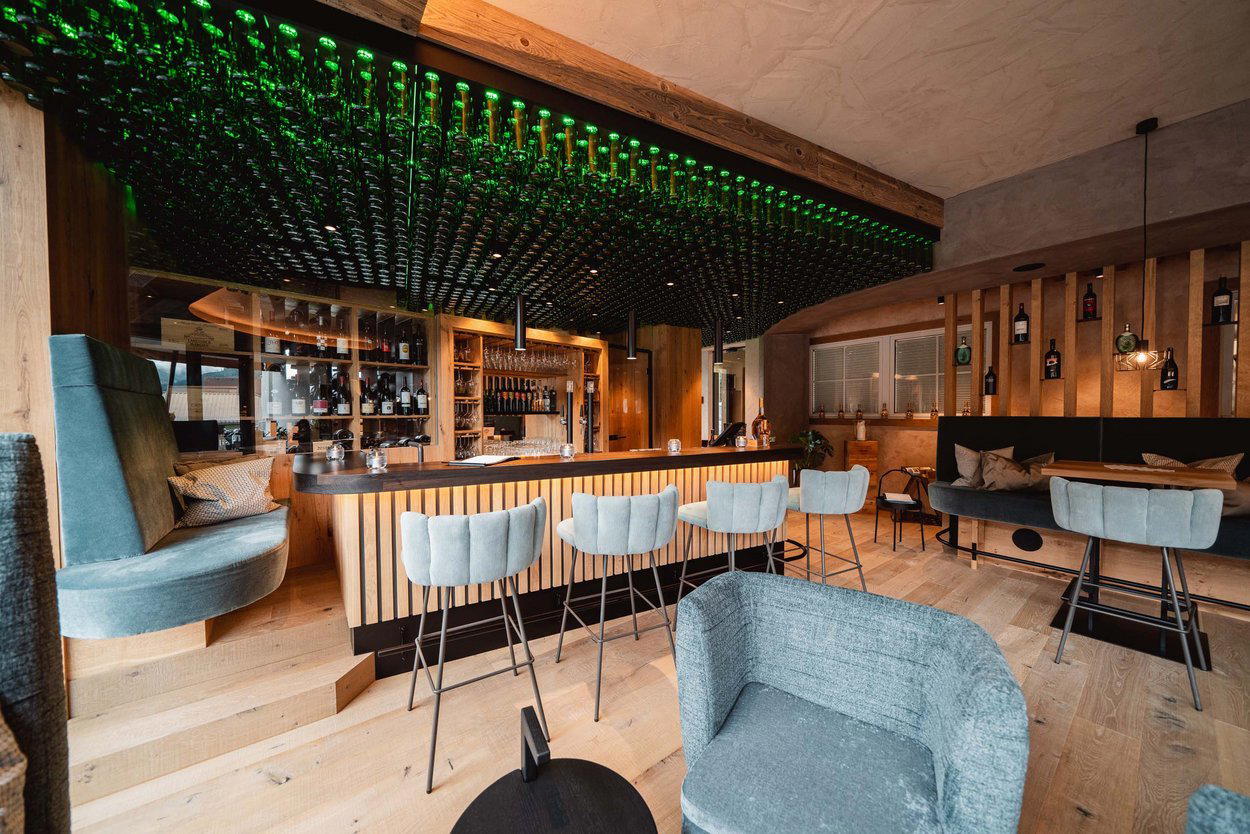
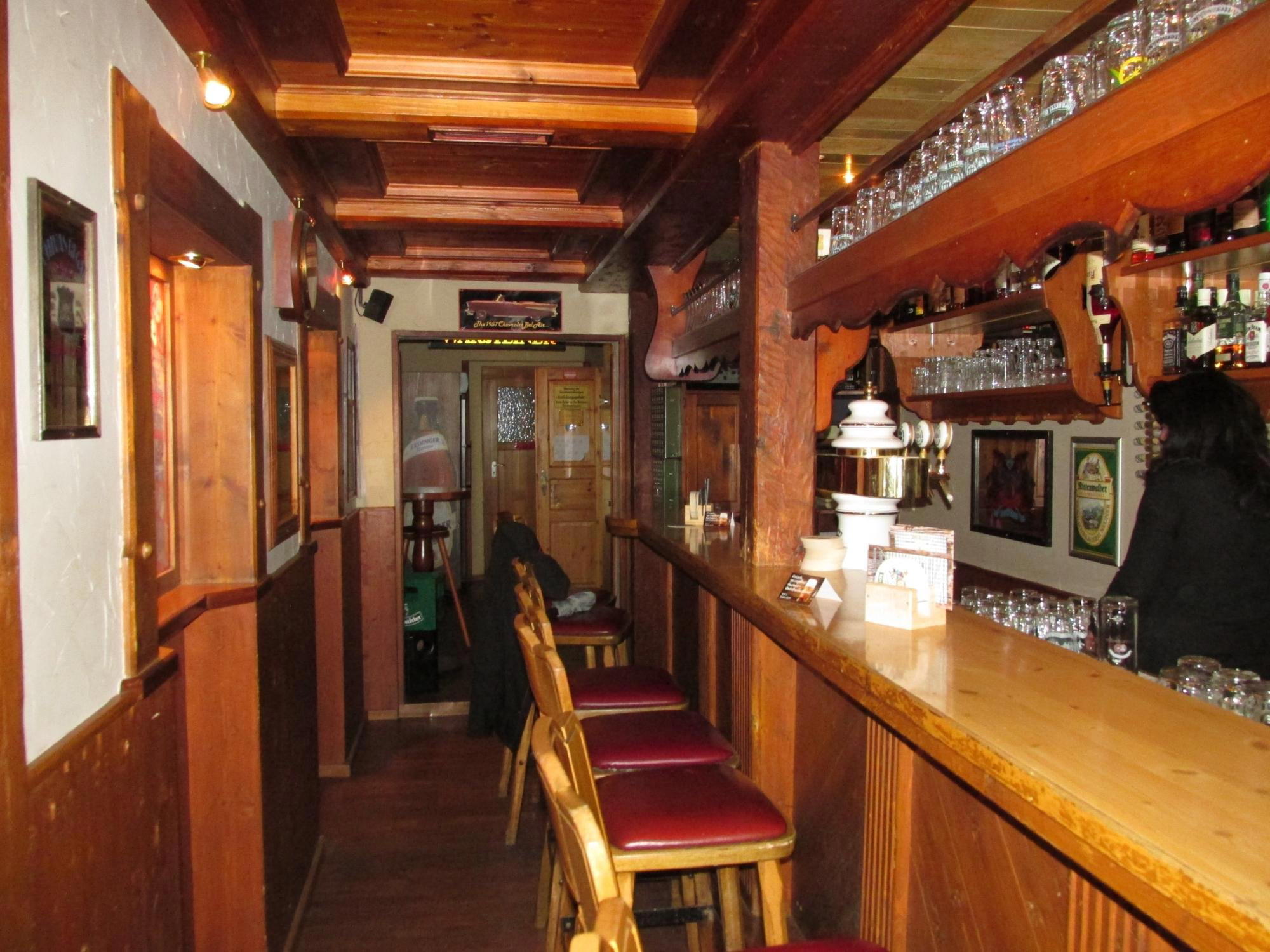
The AlpenRausch bar-lounge operates as a distinct environment within the property. In alpine hotels, the bar function often collapses into the lobby or the restaurant anteroom, producing a space that serves neither purpose well. A named, dedicated lounge suggests a more considered approach to the evening programme, one that recognises guests want a different social register after dinner than during it. For a comparison of how this kind of dual food-and-beverage architecture plays out at larger scale, Althoff Seehotel Überfahrt in Rottach-Egern and Mandarin Oriental Munich both demonstrate how the bar and restaurant programmes can anchor distinct parts of a guest's day without competing with each other.
The Rooms and Spa
The 54 rooms include themed suites, a format that carries obvious risk in a location already burdened with Neuschwanstein's shadow. Done carelessly, themed rooms become costumed versions of generic accommodation. Done with restraint, they offer a sense of place that standard room categories cannot. The property's description points toward the latter, pairing the suite concept with comfortable, elegant execution rather than theatrical excess. The distinction matters for guests choosing between this and the more neutral room inventory at a property like AMERON Neuschwanstein Alpsee Resort & Spa, which sits in the same immediate market.
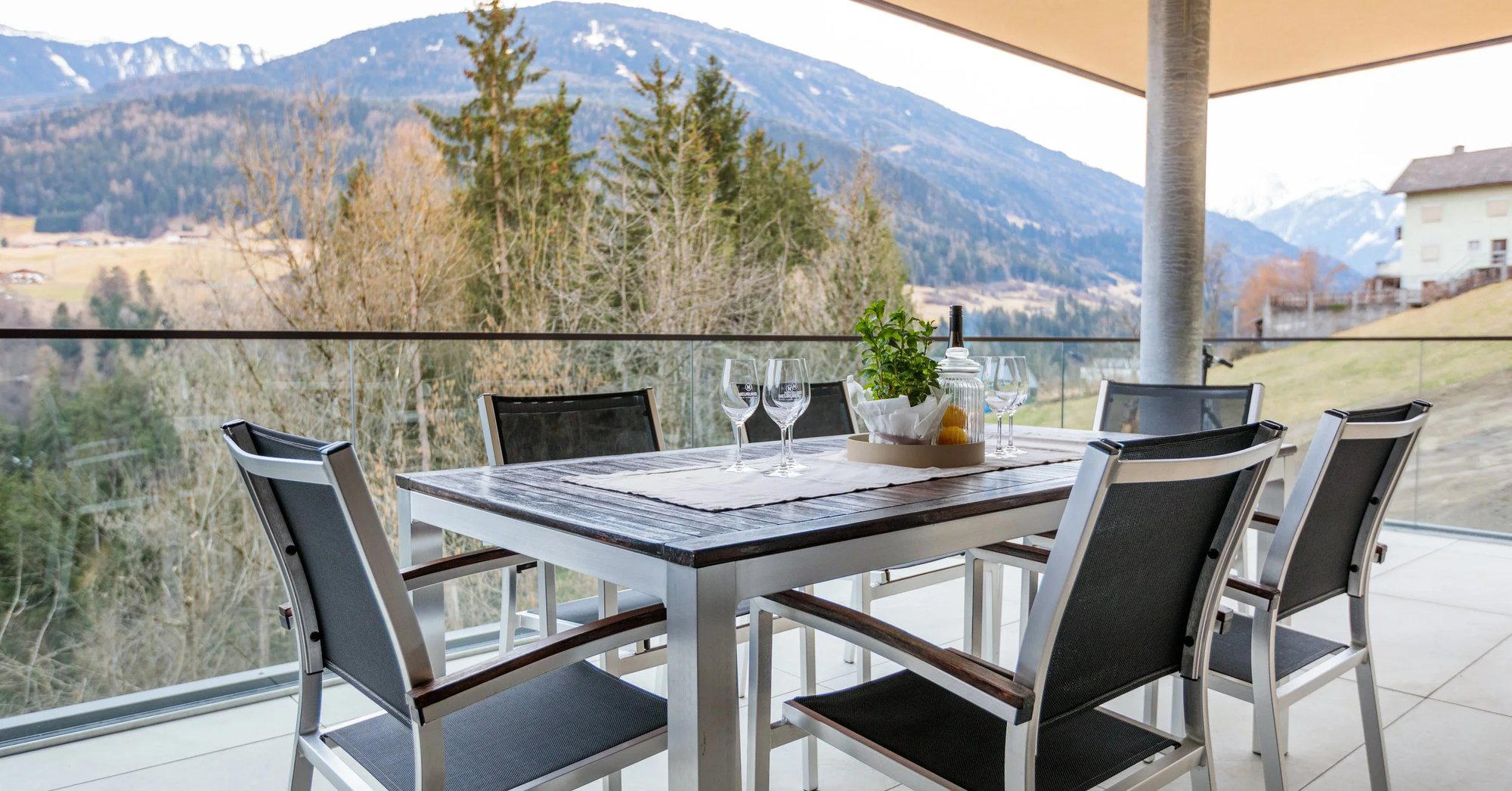
Spa operation runs multiple sauna formats, an outdoor pool, and dedicated relaxation rooms, with a panoramic deck that makes direct use of the alpine setting. In the German spa hotel category, the sauna offering is a reliable indicator of seriousness: a single mixed sauna is standard across mid-market properties, while a multi-sauna complex with distinct thermal experiences, as here, places the property in a higher operational bracket. The outdoor pool and panoramic deck extend the spa's function into the warmer months, giving the property a different seasonal identity than the purely winter-wellness positioning of many comparable Bavarian addresses.
The Mountain Lodge
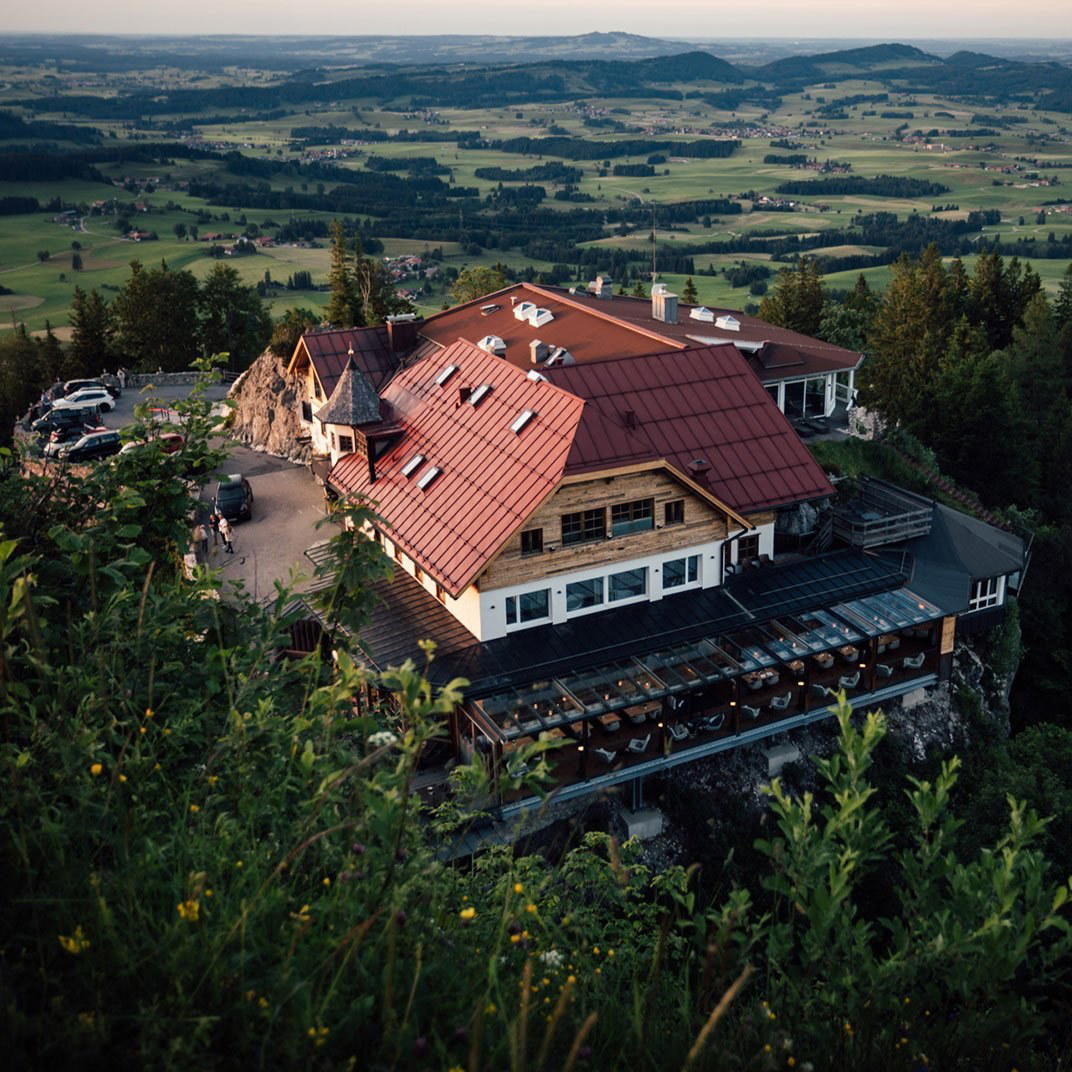
Access to a privately owned mountain lodge is the element of Das Rübezahl's offer that is hardest to replicate. Mountain lodges in the Bavarian Alps operate in a specific cultural register: they are waypoints on walking routes, sites of informal hospitality, and, for a property that owns one, a way of extending the guest's relationship with the surrounding terrain beyond the hotel's own perimeter. Having a lodge directly connected to the hotel's operation means the kitchen and hospitality logic can extend into a different kind of setting, and that guests can move between a refined hotel environment and a more elemental alpine experience without changing their accommodation. For walkers and hikers arriving in Schwangau with the castle as their stated reason and the mountains as their actual one, this is a material practical benefit. Properties with comparable commitments to landscape access in the German-speaking alpine region include Schloss Elmau Luxury Spa Retreat & Cultural Hideaway in Elmau, where the surrounding terrain is treated as an integral part of the guest offer rather than incidental scenery.
Planning a Stay
Rates at Das Rübezahl start at approximately $485 per night, which positions it above the functional mid-market alpine hotels in the Schwangau area and below the top-tier Bavarian resort addresses such as Kempinski Hotel Berchtesgaden or Hotel Bareiss in Baiersbronn. At that price point, the combination of a seasonal restaurant, a multi-sauna spa, mountain lodge access, and a dedicated lounge represents a broad package relative to single-amenity competitors in the same bracket. Schwangau is accessible from Munich by road in approximately two hours, making it a viable two- or three-night extension to a wider Bavarian itinerary. The peak tourism pressure around Neuschwanstein runs through summer and early autumn; guests who want quieter access to both the castle and the hotel's outdoor facilities may find the shoulder seasons, particularly late spring and early autumn, more rewarding. For a broader view of what the area offers across dining and accommodation categories, see our full Schwangau restaurants guide.
Budget Reality Check
Comparable venues nearby, for context on price, style, and recognition.
| Venue | Price | Awards | Notes |
|---|---|---|---|
| Das RübezahlThis venue (the venue you are viewing) | $200–300 | 1 Michelin Key | Not listed |
| AMERON Neuschwanstein Alpsee Resort & Spa | $500–750 | 1 Michelin Key | Hohenschwangau, Blend of renovated historic hotels with contemporary extensions |
| Das König Ludwig Inspiration SPA | $300–500 | 1 Michelin Key · Michelin Guide New Hotels New Hotel | Schwangau, luxurious adults-only wellness resort |
| Maximilian | $200–300 | 1 Michelin Key | centre, Alpine lifestyle and design hotel |
| Werdenfelserei | $200–300 | 1 Michelin Key | Garmisch-Partenkirchen, Modern Bavarian chalet with sustainable solid wood construction |
| Hotel Heinzler am See | Not listed | 1 Michelin Key | Immenstaad am Bodensee, Family-run lakeside holiday hotel |
Recognition history
Dated appearances from independent guides and award organizations, with the underlying list record or original source where available.
Michelin 1 Key
Michelin
Full recognition history (2 entries)
Michelin 1 Key
Michelin
Continue exploring
More in Schwangau
Hotels in Schwangau
All hotels in Schwangau →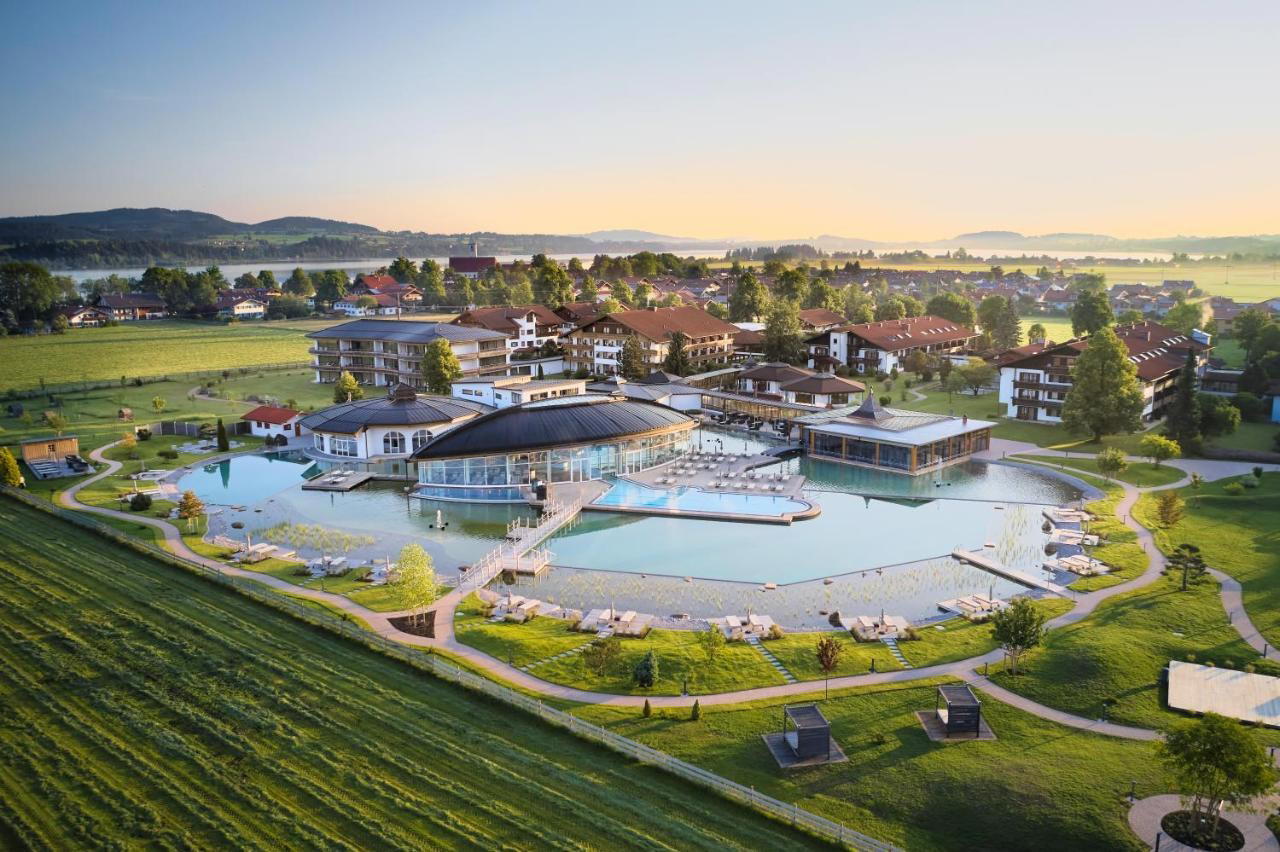
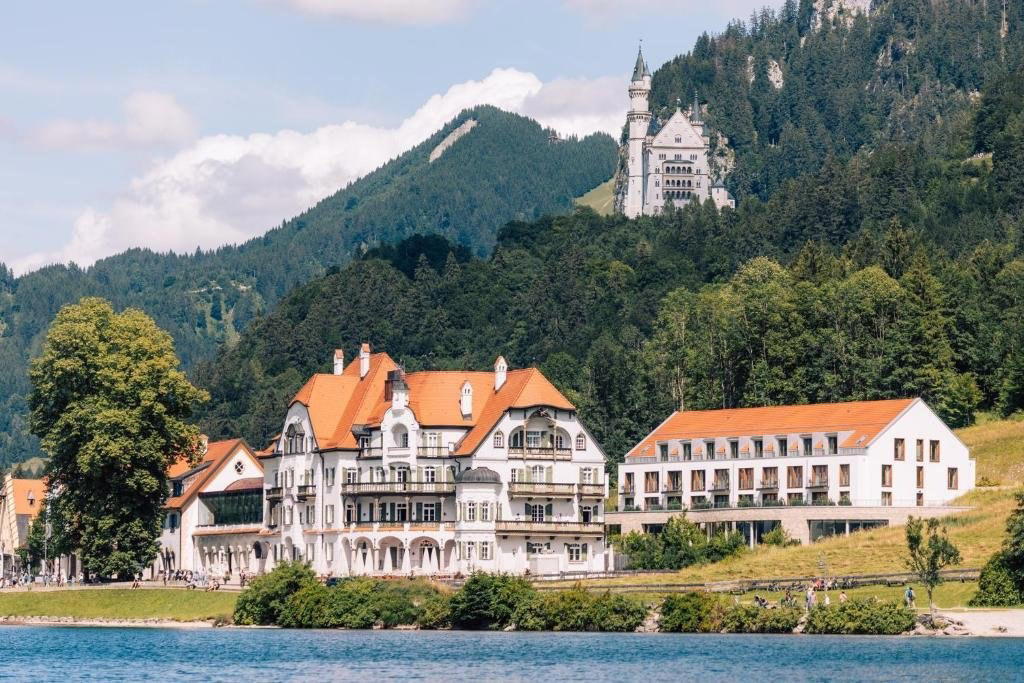
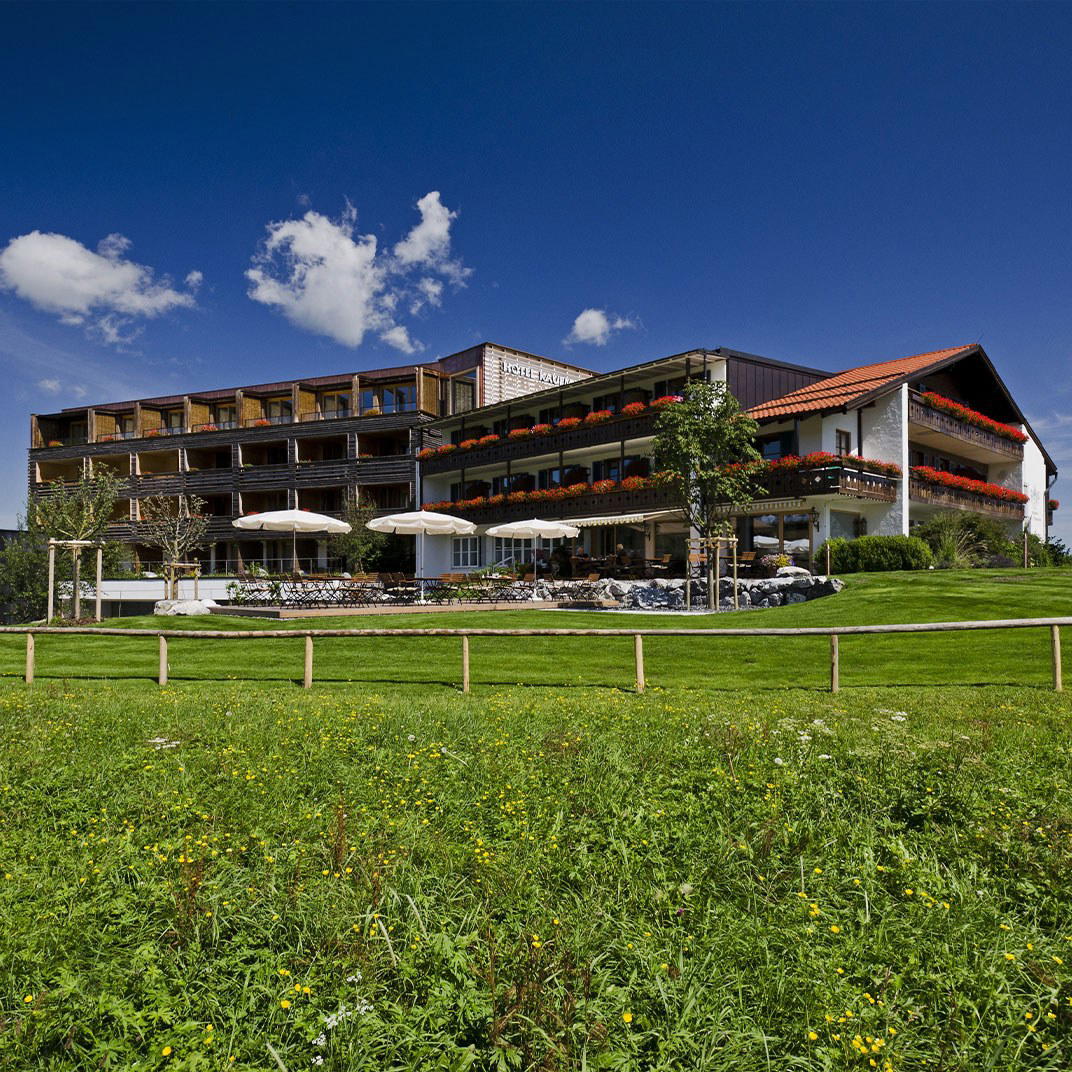
Bars in Schwangau
All bars in Schwangau →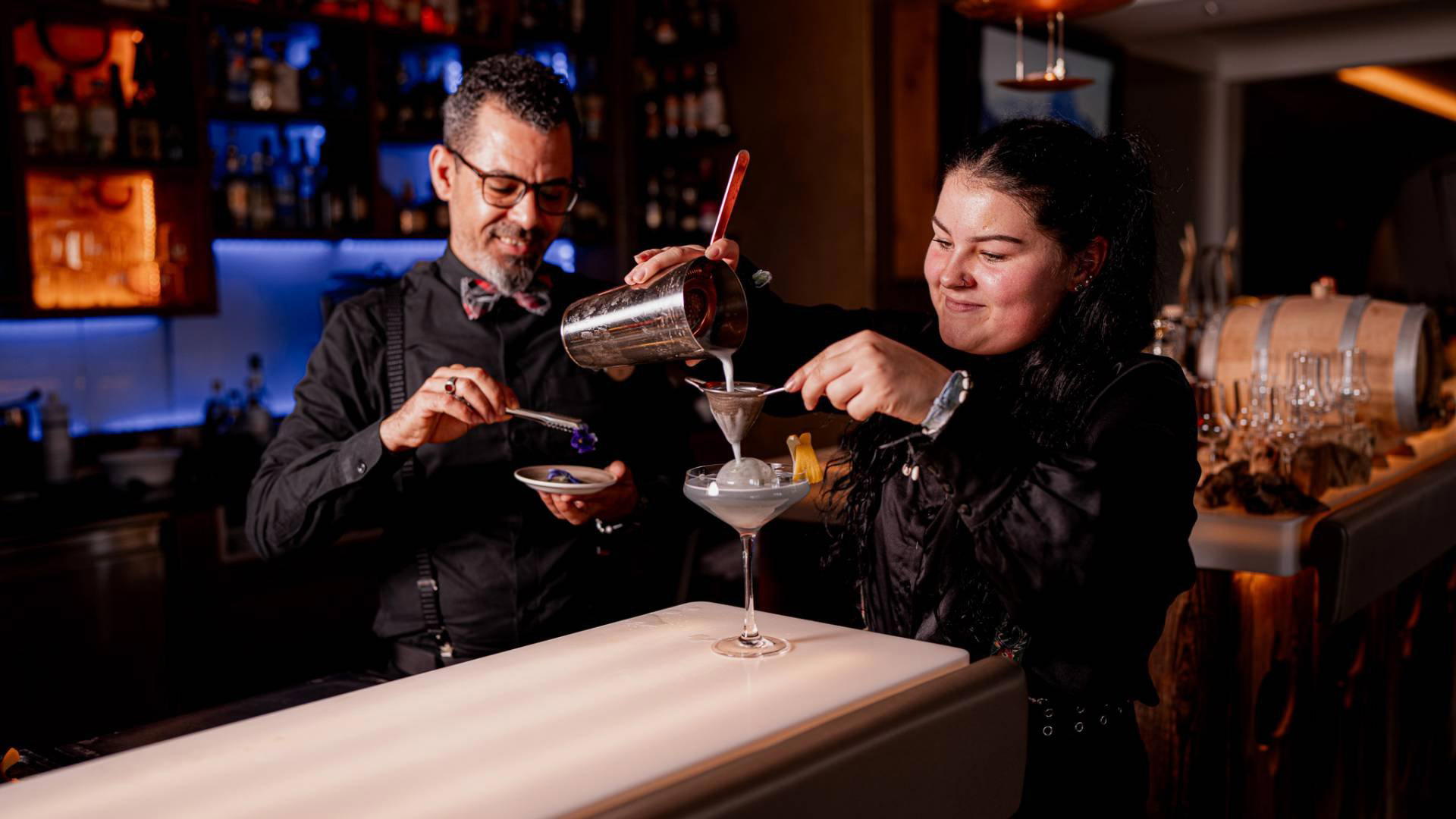
Restaurants in Schwangau
All restaurants in Schwangau →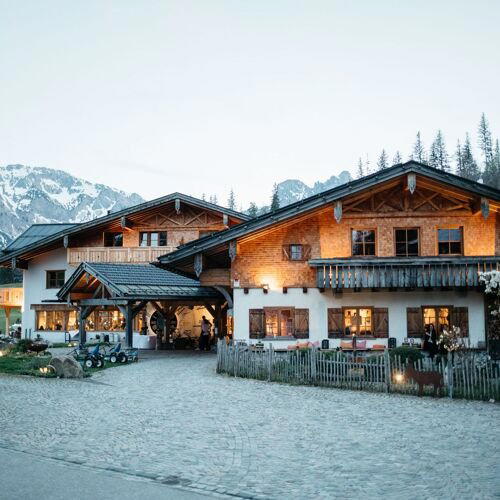

Details
- Romantic
- Quiet
- Cozy
- Elegant
- Scenic
- Romantic Getaway
- Honeymoon
- Wellness Retreat
- Anniversary
- Panoramic View
- Spa
- Pool
- Sauna
- Restaurant
- Room Service
- Mountain
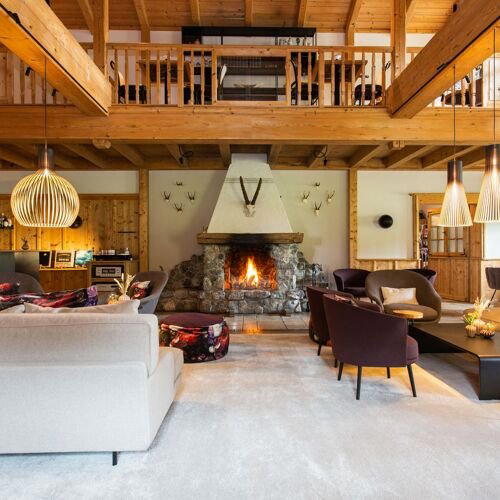
Cozy and elegant atmosphere with warm lighting from fireplaces, panoramic saunas overlooking mountains and castles, and inviting relaxation areas.