ESS ATELIER STRAUSS

Holding a Michelin star in both 2024 and 2025, ESS ATELIER STRAUSS brings classic cuisine to Oberstdorf's alpine centre at Kirchstraße 1, where Chef Quentin André works within a tradition that prizes technique over novelty. At the €€€€ price point, it occupies a different tier from most of the town's dining options, and represents one formally ambitious table in the immediate area.
Pearl is the En Primeur Club membership app — saves, bookings, and concierge access live there. Same editors, same standards.
- Address
- Kirchstraße 1, 87561 Oberstdorf, Germany
- Phone
- +49 8322 800088
- Website
- loewen-strauss.de
- Directions
- Get directions
 Saves & bookings on Pearl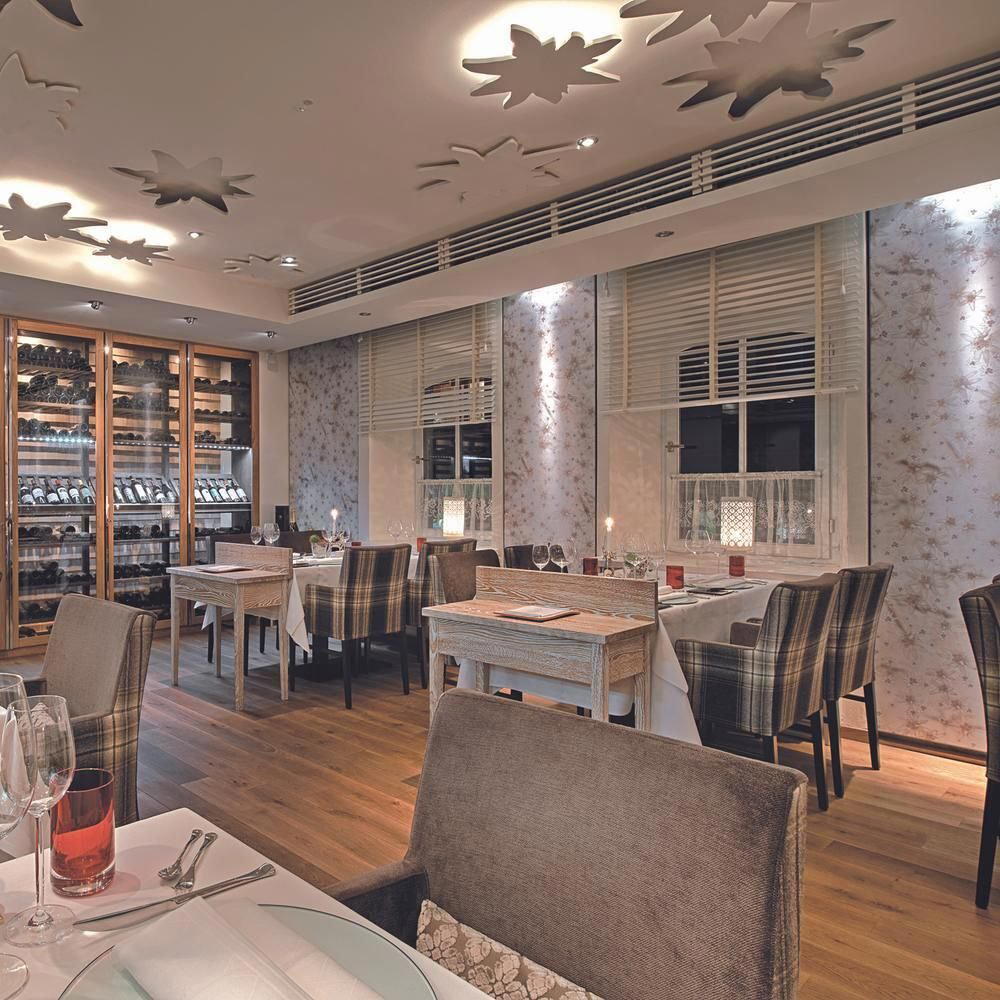
A Michelin-Starred Table in the Allgäu Alps
Oberstdorf is better known for ski lifts and hiking trails than for fine dining, which makes the presence of a consecutively Michelin-starred restaurant at its historic centre worth examining closely. ESS ATELIER STRAUSS, on Kirchstraße 1, sits in a town where most restaurants operate at the €€ or €€€ range, offering regional cooking, country fare, or seasonal menus pitched at the resort-holiday visitor. The restaurant operates on a different register entirely. Its €€€€ positioning is not an outlier in a national context, Germany has a serious pipeline of classically trained kitchens, from Aqua in Wolfsburg to JAN in Munich, but in Oberstdorf specifically, it represents an unusual concentration of formal ambition in a leisure destination.
The restaurant has held one Michelin star since 2024, which matters as a signal. A single-year star can reflect a kitchen finding its voice; two consecutive years in the same format suggests the kitchen has settled into a rhythm and is cooking to a consistent standard. That kind of continuity is what signals a kitchen settled into a steady rhythm.
The Shape of a Classic Cuisine Meal
Classic cuisine, the category under which ESS ATELIER STRAUSS sits, has a specific grammar. It is not the same as traditional or regional cooking. It draws on foundational French and European technique: precise stock work, composed plates, protein cookery that prioritises internal temperature and resting time over spectacle. In this, it shares a lineage with Maison Rostang in Paris and the long tradition behind Schwarzwaldstube in Baiersbronn. Compared to kitchens working in the modern or avant-garde mode, a classic cuisine operation tends to reward patience, the meal unfolds in sequences that build on each other rather than announcing themselves individually.
Chef Quentin André leads the kitchen, though the restaurant's identity is more usefully understood through the category than through a personal biography. In a classic cuisine framework, the chef's role is to execute a tradition with precision and to source intelligently within it, not to impose a concept, but to serve the form. That distinction shapes how the meal feels from the guest's side: the experience foregrounds the food and the ritual of eating rather than drawing attention to authorial gesture.
For context within the Oberstdorf dining scene, the ATELIER occupies a tier above DAS MAXI - GENUSSREICH, which works in seasonal cuisine at the €€€ level, and well above the country cooking and international options at the €€ range, including Löwen Genuss Wirtschaft, Das Jagdhaus, and Das Fetzwerk. Ondersch Genusswirtschaft represents the modern cuisine alternative, but the ATELIER's classic orientation and Michelin recognition place it in a separate competitive set.
Pacing, Ritual, and the Logic of the Meal
The dining ritual at a Michelin-starred classic cuisine table follows a particular arc that differs from casual or brasserie-style eating. Service is paced to create deliberate pauses between courses, giving guests time to engage with what they have just eaten before moving forward. This is not inefficiency, it is structure. The meal is designed to be experienced as a sequence, not consumed as a series of separate dishes. At this price point and with this level of formal intent, guests who approach it in the spirit of that rhythm tend to get significantly more from it.
This matters in an alpine resort context because Oberstdorf attracts visitors who are often mid-itinerary: arriving after a day on the mountain or ahead of an early morning in the hills. The restaurant is not suited to a quick turn before another activity. It asks for an evening's commitment, and the €€€€ pricing reflects that.
At the Michelin tier, that reliability is often what distinguishes a genuinely strong operation from one coasting on a single strong service period. A similar dynamic can be observed at ES:SENZ in Grassau, another Bavarian Alps entry operating at a comparable level of formality.
Classic Cuisine in the Alpine Context
There is a specific logic to formal classic cuisine operating in a mountain town. The Allgäu region produces good dairy, game is accessible, and the altitude brings a natural focus on hearty raw material. Classic European technique applied to Alpine ingredients is not a contradiction, it is, in fact, a tradition with a long history in the kitchens of the German-speaking Alps, from the Vorarlberg into Bavaria. The ATELIER's address in Oberstdorf's historic centre places it within walking distance of the main alpine infrastructure while maintaining the kind of formal context that the cuisine demands.
For diners travelling from Munich, Oberstdorf is roughly two hours south by road. Those planning a longer Alpine itinerary might consider combining the ATELIER with other high-end Bavarian or German destinations, KOMU in Munich and CODA Dessert Dining in Berlin represent the range of formal dining available across Germany's larger cities, and Vendôme in Bergisch Gladbach sits at the multi-star end of the German classic cuisine spectrum for comparison.
Planning Your Visit
Oberstdorf is a year-round destination: the winter ski season runs from roughly December through March, the summer hiking season from June through September. Reservations are essential. The restaurant is open Thursday through Sunday from 7 to 11 PM.
At a Glance
Comparable venues nearby, for context on price, style, and recognition.
| Venue | Cuisine | Price | Notes |
|---|---|---|---|
| ESS ATELIER STRAUSSThis venue — the venue you are viewing | Classic Cuisine | $$$$ | Not listed |
| DAS MAXI - GENUSSREICH | Not listed | $$$$ | Oberstdorf, Contemporary Mediterranean Fine Dining |
| Ondersch Genusswirtschaft | Not listed | $$$ | Ludwigstrasse, Modern German Street Food & Casual Fine Dining |
| Das Jagdhaus | Not listed | $$ | Oberstdorf, Traditional Bavarian Regional Cuisine |
| Das Fetzwerk | Not listed | $$ | Oberstdorf, Modern International with Regional Twists |
| Löwen Genuss Wirtschaft | center, Modern Regional German | $$ | Not listed |
Recognition history
Dated appearances from independent guides and award organizations, with the underlying list record or original source where available.
Michelin 1 Star
Michelin
Michelin 1 Star
Michelin
Michelin 1 Star
Michelin
Continue exploring
More in Oberstdorf
Restaurants in Oberstdorf
Browse all →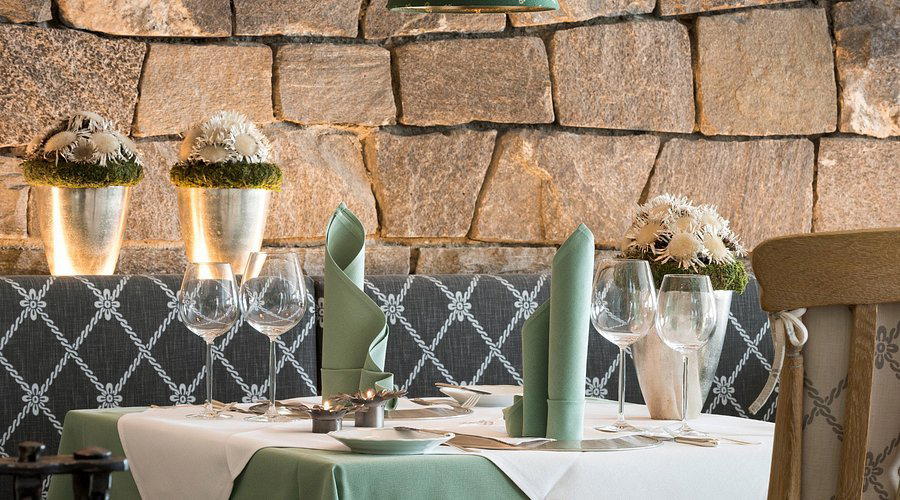
Bars in Oberstdorf
Browse all →

At a Glance
- Modern
- Elegant
- Cozy
- Sophisticated
- Special Occasion
- Date Night
- Hotel Restaurant
- Open Kitchen
- Extensive Wine List
- Local Sourcing
Current opening hours
- Monday
- Closed
- Tuesday
- Closed
- Wednesday
- Closed
- Thursday
- 7–11 PM
- Friday
- 7–11 PM
- Saturday
- 7–11 PM
- Sunday
- 7–11 PM
Hours can change for holidays and private events. Last verified .
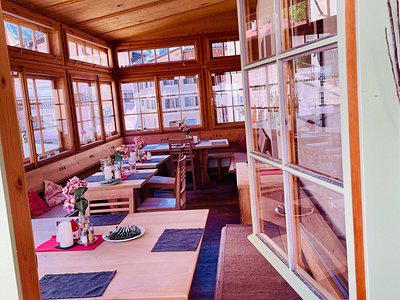
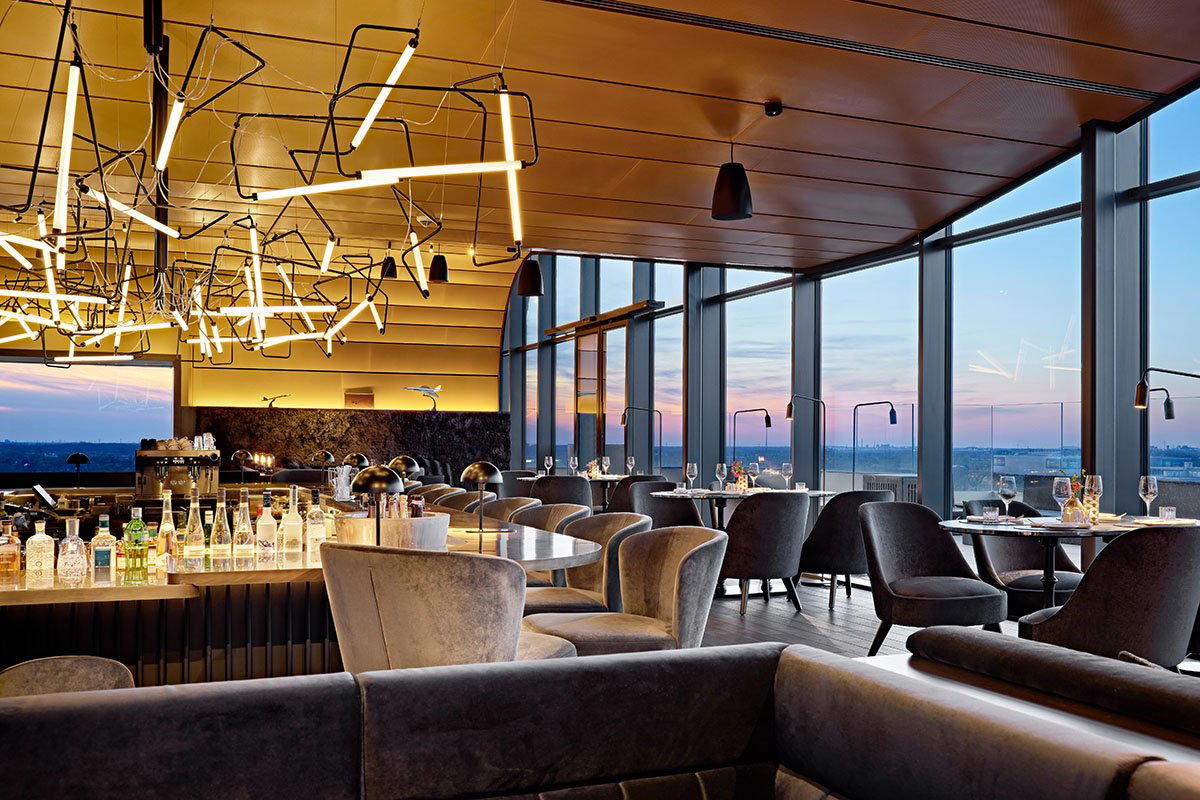
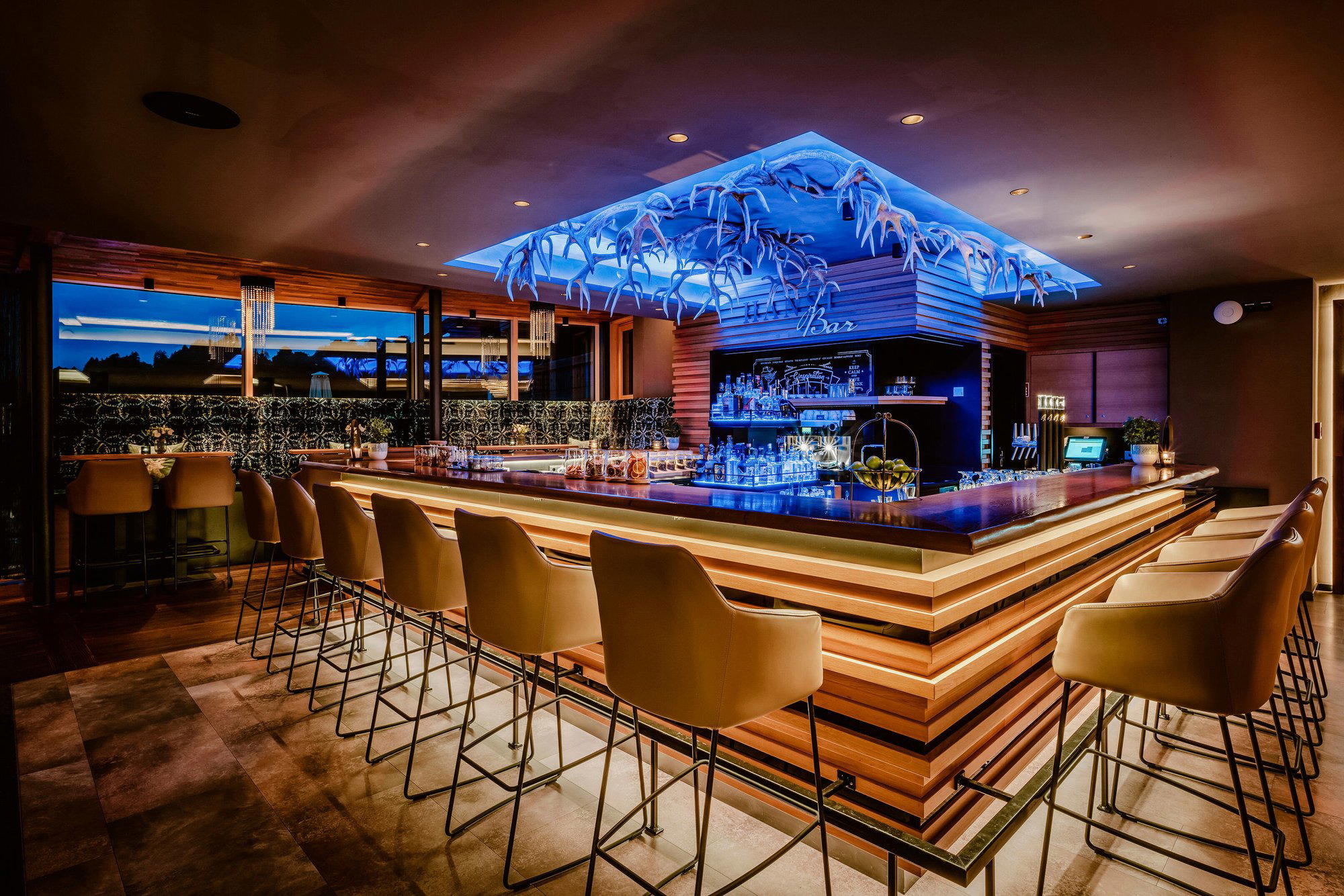
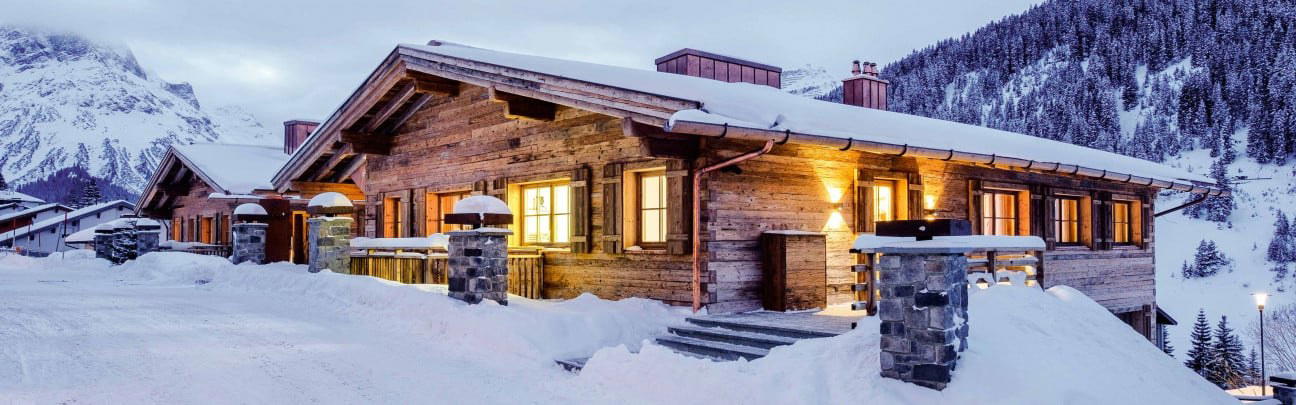
Fresh and modern chic Alpine decor with upscale salvaged wood furniture, comfortable designer chairs, edelweiss-shaped ceiling lights, and an elegant, cozy atmosphere.