




Michelin Bib Gourmand · World's 50 Best #43 · Canada's 100 Best Restaurants #75
Our verdict
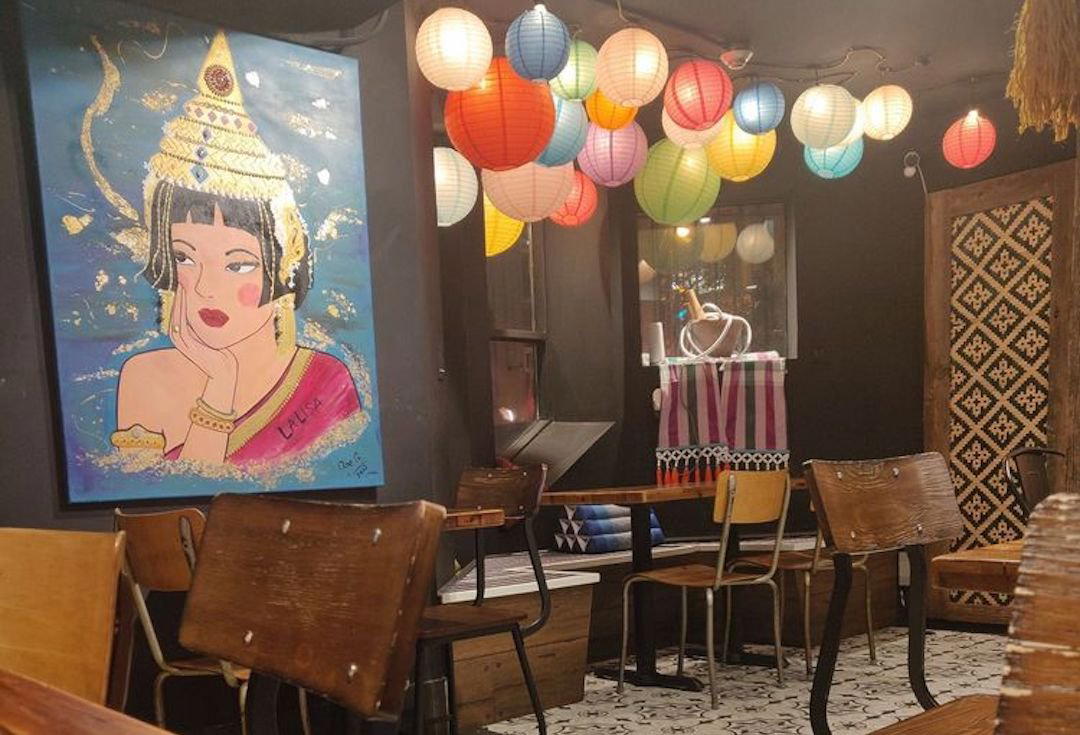
Red lanterns and refined comfort define Alma in Toronto’s Bloordale Village, where Chef Anna Chen’s scallion bao with stracciatella and chewy noodles with pork wontons meet a lively natural-wine program in an intimate, must-book setting.

Pearl is the En Primeur Club membership app, where members save venues, book tables and use the concierge.
The menu
What to order
- Pork wonton and noodles
- Scallion bao with stracciatella
- Parmesan tapioca fritters
Bloor West, 22 Seats, and Ancestral Corn from Tlaxcala
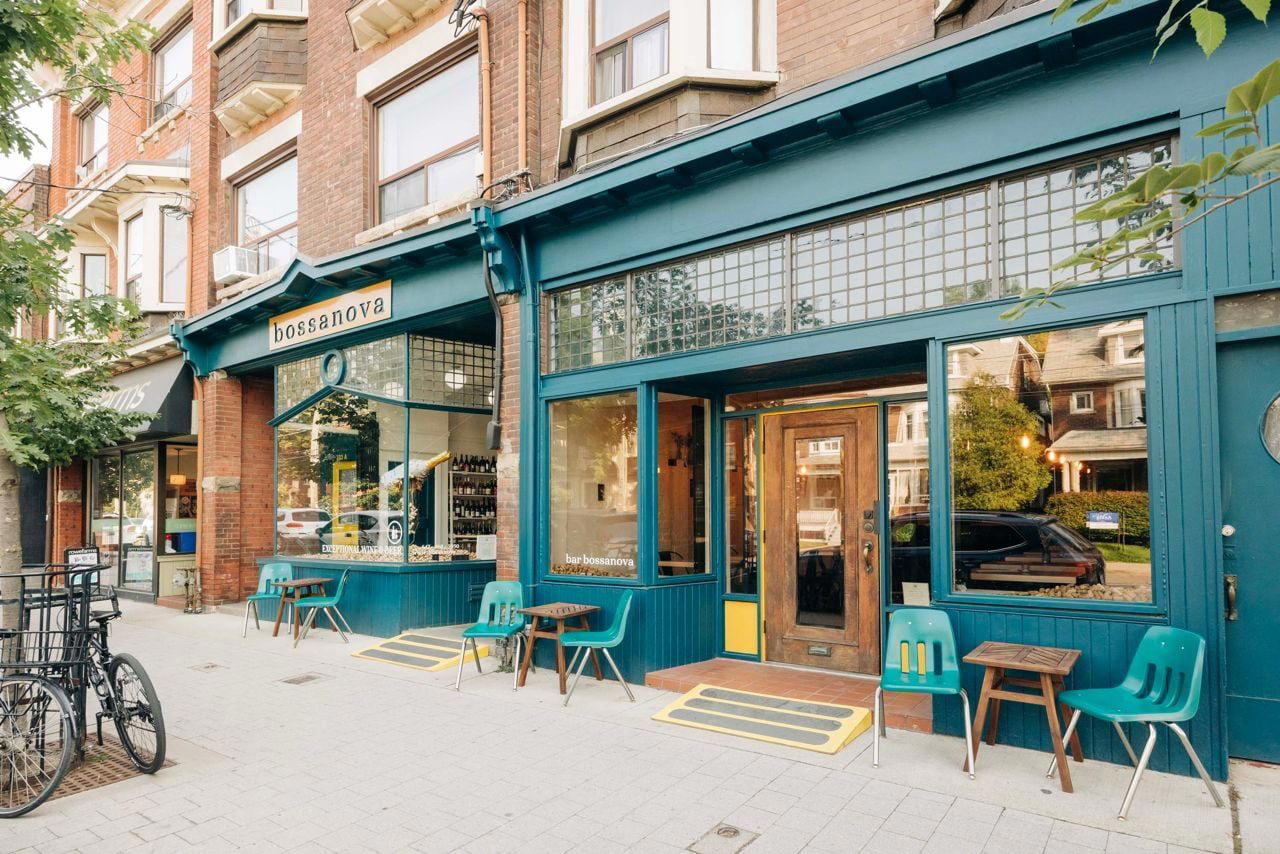
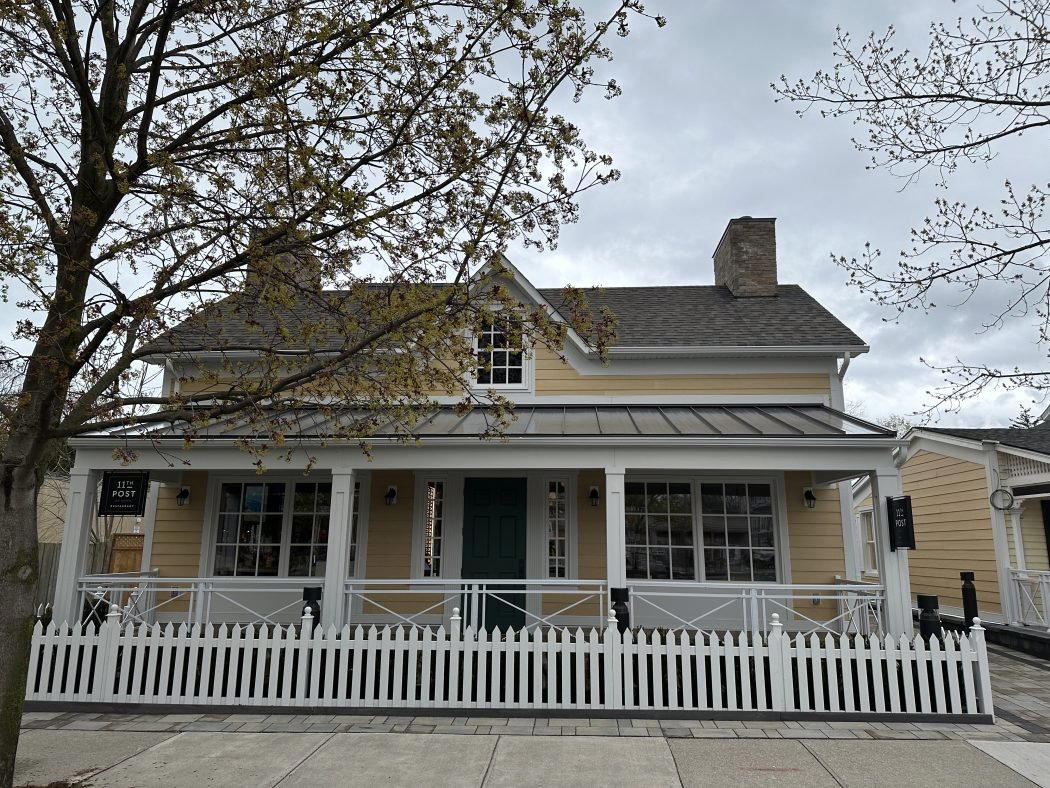
Bloor Street West between Dufferin and Lansdowne occupies a particular register in Toronto's dining geography: residential, unhurried, the kind of stretch where a 22-seat restaurant can operate without the gravitational pull of the downtown dining circuit. Approaching Alma on a weekday evening, the street reads quiet enough that the small, lit facade functions almost as a signal flare. Inside, the room operates at a scale where ambient noise has nowhere to accumulate. Conversations carry. The kitchen is close enough that the movement of a cook is a peripheral presence at most tables.
That physical compression is not incidental to how the food lands. Mexican tasting-menu cooking at this scale depends on a particular atmosphere, not theatre, not minimalism, but a kind of focused attention that larger rooms cannot sustain. The 22-seat format places Alma in a niche Toronto category: restaurants where the host and chef function as a single editorial unit, and where every element of a meal, from the wine pairings to the sourcing of corn, arrives as a considered argument rather than a menu selection.
What the Menu Is Actually Doing
Toronto's Mexican restaurant category has historically skewed toward casual formats. Alma operates at the opposite end of that range, with a five or nine-course tasting menu built around ingredients that would require explanation anywhere in North America. The ancestral corn imported from farming communities in Tlaxcala, Oaxaca, Chiapas, and Estado de México is nixtamalised on-site daily, a process that converts dried field corn into masa with a flavour depth and texture that commercially processed masa flour cannot replicate. The hand-pressed tortillas that result from this process function as a structural argument for why the restaurant sources the way it does.
The wider menu works along two sourcing axes: ancestral Mexican ingredients, particularly corn and chili varieties, and Quebec produce with an emphasis on seafood. Dishes that have appeared on the menu include Nordic shrimp ceviche with charred Morita chillies, mextlapique of Magdalen Island lobster with mezcal butter, sea bream crudo, and stuffed Quebec quail with mole poblano. The mextlapique technique, which involves wrapping food to cook on a grill, is pre-Columbian in origin, its appearance alongside Quebec lobster is characteristic of how the kitchen positions itself: ancestral method, local ingredient, no pastiche.
Chef Juan Lopez Luna's pivot toward Mexican cuisine followed a visit to Tlaxcala state, where the specificity of regional cooking made the case that this was the kitchen language he should be speaking. That shift, away from the Catalan-influenced menu the restaurant launched with, brought the critical recognition that now defines Alma's position in Toronto. Opinionated About Dining ranked it among the top 533 restaurants in North America in 2024, with a recommended listing the year prior. The 2025 Michelin Bib Gourmand designation positions it within a specific recognition tier: acknowledged quality at a price point accessible relative to the starred cohort.
The Wine Program as a Second Kitchen
Toronto's tasting-menu restaurants typically approach wine pairing in one of two ways: a sommelier-list that follows the food's lead, or a wine-forward program where the list has independent editorial weight. Alma functions closer to the second model. Sommelier Lindsay Brennan's focus on Catalan natural wines does not function as background service, it functions as a parallel argument to the food, the result of a shared investment by Brennan and Lopez Luna in both Mexico and Barcelona as culinary reference points.
Natural wines from Catalonia alongside dishes built on Oaxacan corn and Quebec seafood is a pairing philosophy that requires coherence to sustain across a nine-course menu. The short wine list is a deliberate constraint, not a limitation of access, it forces the pairings to matter. Brennan has also begun incorporating Mexican wines into the program, a category that most Canadian restaurants with any Mexican reference ignore entirely. For guests who engage with the wine component, the pairing adds a second layer of reading to each course.
Where Alma Sits in Toronto's Tasting-Menu Field
The useful comparison set for Alma is not the city's Michelin-starred tasting-menu tier, though that context matters. Alo at $$$$ and a Michelin star, Sushi Masaki Saito at two Michelin stars, and Aburi Hana with one star all operate at the city's uppermost price tier. Alma's $$$ pricing with a Bib Gourmand positions it as the tasting-menu option for diners who want the format's focus and sequence without the financial commitment of the starred tier. That positioning is rarer than it sounds: in most major cities, tasting menus have consolidated at $$$$ and above. A format this structured at $$$ requires a particular kitchen discipline to make the economics work.
Within Toronto's wider dining field, DaNico and Lake Inez represent different expressions of the neighbourhood-anchored, independently operated restaurant category. Alma's distinction within that category is the specificity of its sourcing rationale and its position as one of the few serious Mexican tasting-menu operations in a city where Mexican cuisine has not previously commanded that register.
For context beyond Toronto, the kind of regional-ingredient fidelity Alma applies to ancestral corn appears at restaurants like Tanière³ in Québec City and AnnaLena in Vancouver, both of which similarly stake their identity on specific regional sourcing rather than technique or celebrity. Jérôme Ferrer's Europea in Montreal, Narval in Rimouski, and Restaurant Pearl Morissette in Lincoln round out the Canadian restaurants that share some of Alma's commitment to producer relationships and seasonal rigidity. Further afield, the intersection of Asian technique and local ingredients at taku in Cologne and Jun's in Dubai reflects a global pattern of chefs building menus around ingredient origin stories rather than cuisine categories. The Pine in Creemore applies a comparable sourcing philosophy in a very different format, rural Ontario rather than urban tasting menu, but the underlying logic, that ingredients with a traceable origin cook differently and taste differently, is the same.
Planning a Visit
Alma is located at 1194 Bloor St W, Toronto, in the Bloor West neighbourhood, accessible via the Dufferin subway station on the Bloor-Danforth line. The restaurant holds 22 seats, which means any given service is limited and booking ahead is the standard approach, particularly for weekend sittings. Pricing sits at $$$, making it one of the more accessible tasting-menu formats in the city by comparison to the starred tier. For anyone planning a broader Toronto trip, our full Toronto restaurants guide, hotels guide, bars guide, wineries guide, and experiences guide cover the wider field.
Frequently asked questions
Is Alma Toronto more mid-range or high-end?
Pricing at Alma Toronto is listed as $$$.
What part of town is Alma Toronto in?
Alma Toronto is located at 1194 Bloor St W, Toronto, ON M6H 1N2, Canada, Toronto.
A Pricing-First Comparison
| Venue | Cuisine | Price | Awards | Notes |
|---|---|---|---|---|
| Alma TorontoThis venue (the venue you are viewing) | Modern Chinese Fusion | $50–100 | Michelin Bib Gourmand · World's 50 Best #43 | Not listed |
| Alo | Modern French Fine Dining with Asian Influences | $200–300 | 1 Michelin Star · La Liste Top Restaurants | Contemporary |
| Sushi Masaki Saito | Edomae-Style Omakase | $500+ | 1 Michelin Star · La Liste Top Restaurants | Sushi, Japanese |
| Aburi Hana | Modern Japanese Kyō-Kaiseki | $300–500 | 1 Michelin Star · The Best Chef One Knife | Kaiseki, Japanese |
| Don Alfonso 1890 | Modern Italian Fine Dining | $200–300 | 1 Michelin Star · La Liste Top Restaurants | Contemporary Italian, Italian |
| Edulis | Mediterranean Seafood Tasting Menu | $150–200 | 1 Michelin Star · World's 50 Best #25 | Canadian, Mediterranean Cuisine |
Recognition history
Dated appearances from independent guides and award organizations, with the underlying list record or original source where available.
Michelin Bib Gourmand
Michelin
World's 50 Best North America's Best Restaurants #43
World's 50 Best
Canada's 100 Best Restaurants #75
Canada's 100 Best
The Best Chef One Knife
The Best Chef
Opinionated About Dining Top Restaurants in North America Ranked #533
Opinionated About Dining
Full recognition history (6 entries)
Opinionated About Dining Top Restaurants in North America Recommended
Opinionated About Dining
Continue exploring
More in Toronto
Restaurants in Toronto
All restaurants in Toronto →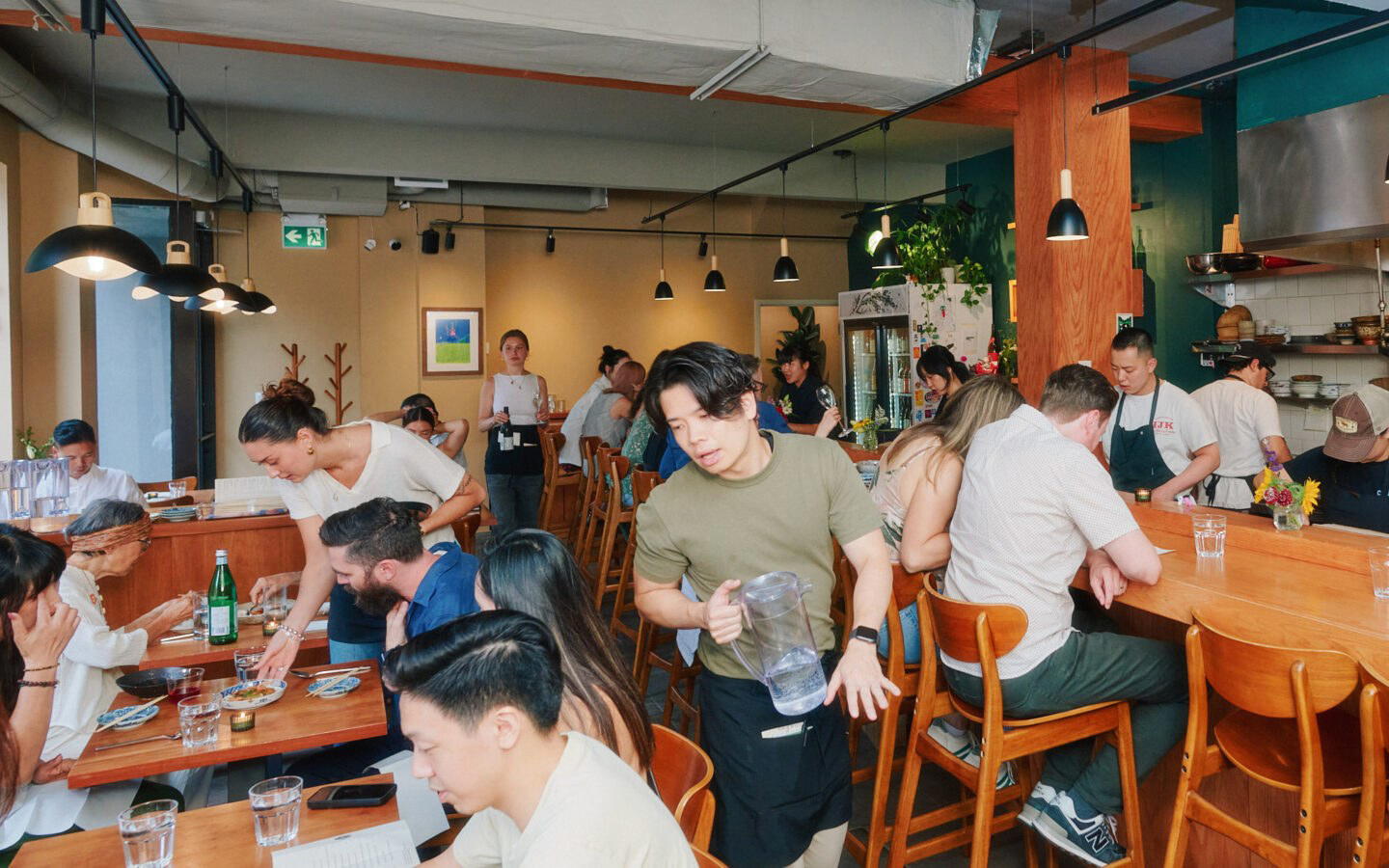
Bars in Toronto
All bars in Toronto →


Details
- Modern
- Intimate
- Elegant
- Minimalist
- Date Night
- Special Occasion
- Open Kitchen
- Natural Wine
- A La Carte
- Small Plates
- Natural Wine
Current opening hours
- Monday
- Closed
- Tuesday
- 5:30–10 PM
- Wednesday
- 5:30–10 PM
- Thursday
- 5:30–10 PM
- Friday
- 5:30–10 PM
- Saturday
- 5–10 PM
- Sunday
- Closed
Hours can change for holidays and private events. Hours as of .
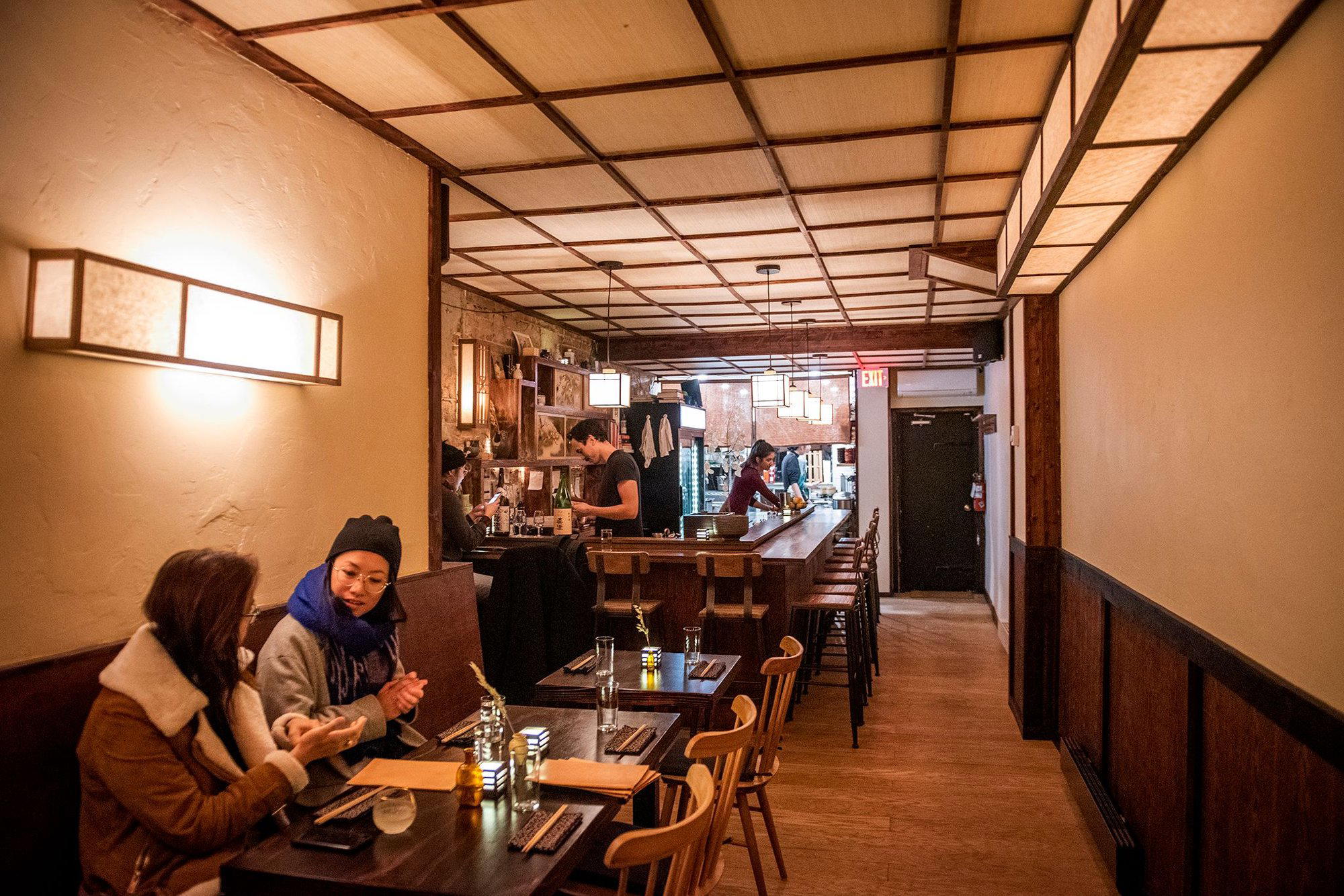
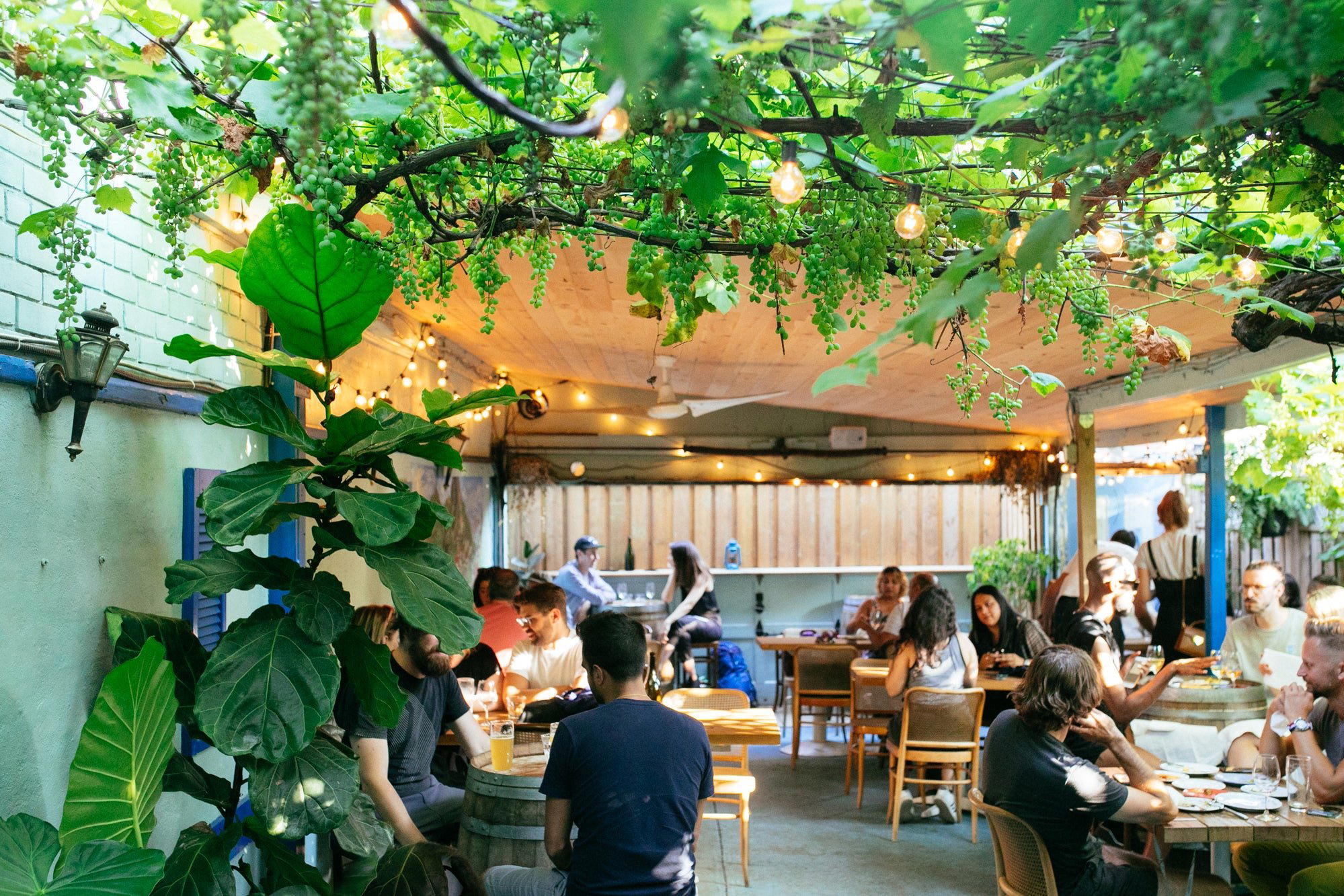
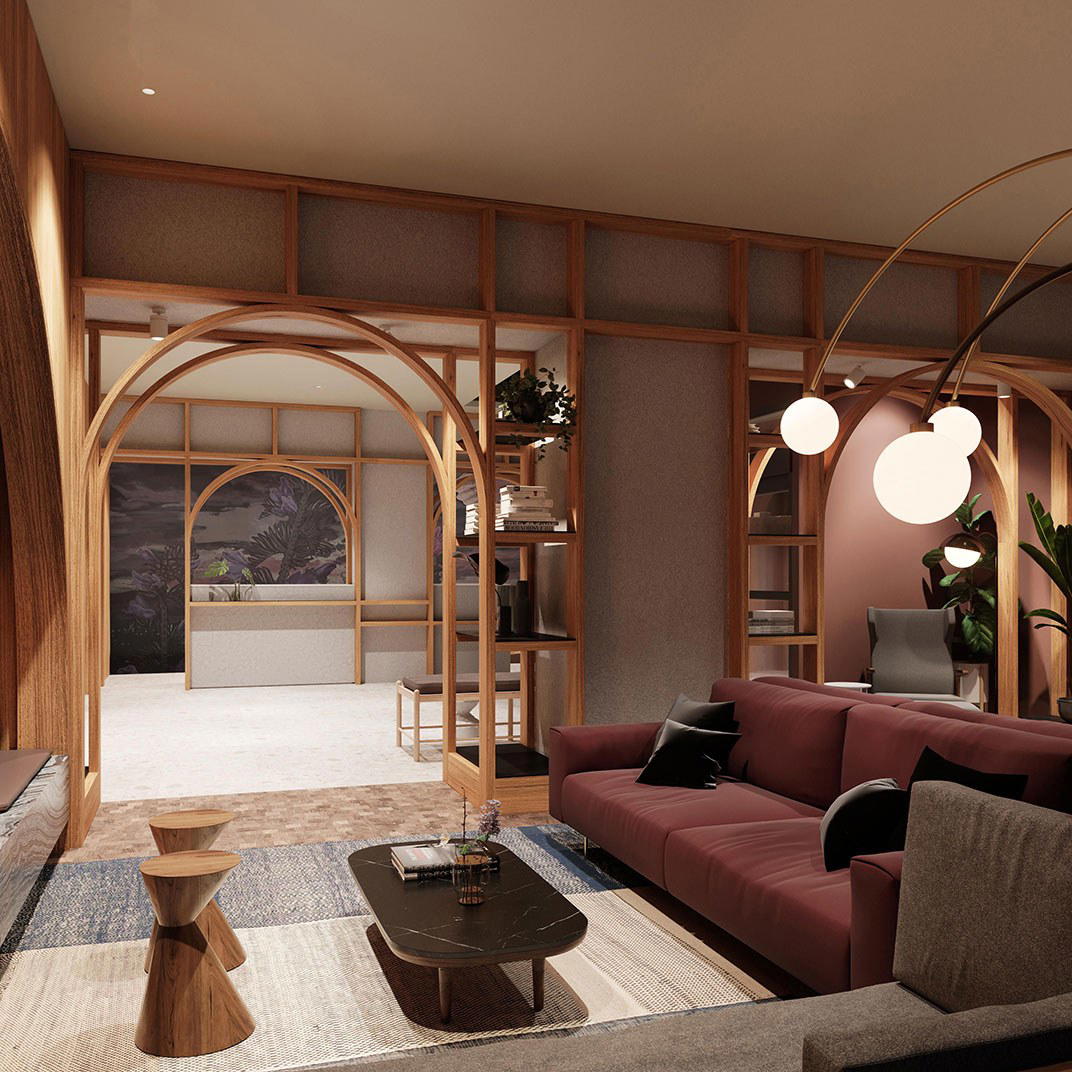
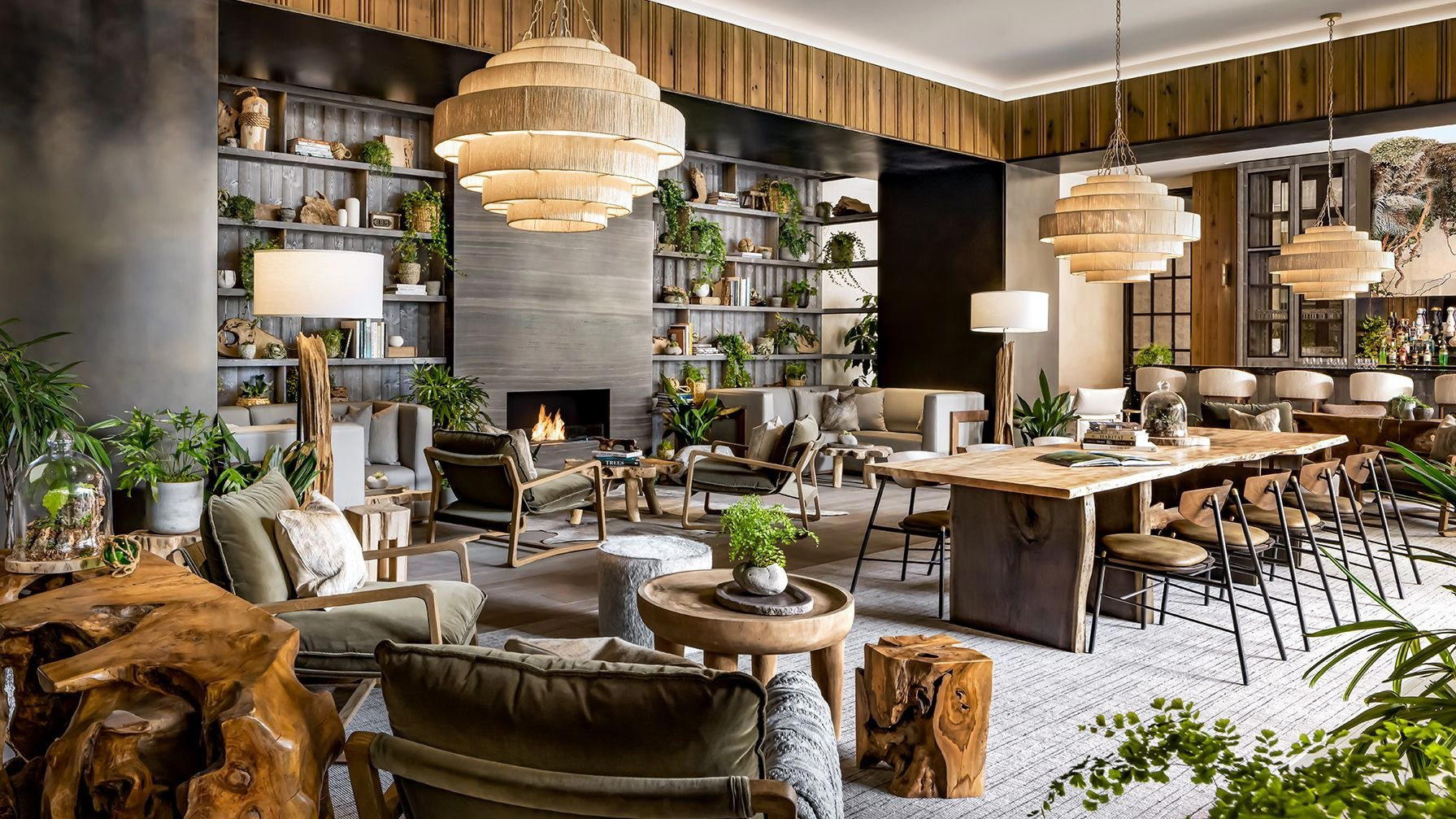
Minimalist with whitewashed walls, wood-paneled ceiling, warm lighting from pot lights and tea lights, creating understated elegance and a light, homey feel.