
Michelin Plate
Our verdict
Alluma occupies a mid-century room on Rue Saint-Maur in the 11th arrondissement, where the 11th's neighbourhood dining culture runs at a different register than the grand boulevard institutions further west. The address places it squarely in the contemporary Paris bistro conversation, where daytime and evening service each carry a distinct logic worth understanding before you book.

Pearl is the En Primeur Club membership app, where members save venues, book tables and use the concierge.
The menu
What to order
- Msabbaha hummus
- Yellowtail crudo with figs and spices
- Lamb sirloin with apricot-miso condiment
- Fig leaf ice cream
- Tiramisu-inspired mascarpone dessert
The 11th Arrondissement and the Shape of Neighbourhood Dining in Paris
Paris dining has long operated on a spatial logic: the grand houses cluster around the 8th and the established Left Bank addresses, while the 10th, 11th, and 12th have spent the past two decades building a counter-argument. Rue Saint-Maur sits inside that counter-argument. The street runs north through Oberkampf and toward Belleville, through a neighbourhood where the average cover price is lower, the room formats are smaller, and the cooking tends to reflect what the chef wants to do rather than what a hotel group or a legacy clientele expects. Alluma, at number 151, occupies that context. To understand what you are booking, you first have to understand the street and the arrondissement that frames it.
The 11th has absorbed much of what happened to Paris dining after 2010, when a generation of cooks who had trained in Michelin-registered kitchens started opening smaller, more personal rooms in eastern Paris. The format that emerged from that shift, loosely called the bistronomie movement, prioritised technique over ceremony and neighbourhood pricing over destination tariffs. For context on the opposite end of that spectrum, Alléno Paris au Pavillon Ledoyen and Le Cinq at the Four Seasons George V represent the grand-address tier, where ceremony and price point are inseparable from the dining experience. Alluma belongs to a different conversation entirely.
Lunch vs. Dinner: Two Registers for the Same Address
In the 11th, the lunch-dinner divide matters more than it does at destination restaurants, where the format tends to be fixed regardless of the hour. At neighbourhood-tier Paris addresses, lunch often functions as the higher-value service: shorter menus, faster pacing, and a price point that can be meaningfully lower than the evening equivalent. Dinner, by contrast, typically opens into a longer format, a fuller wine list engagement, and a room that stays later and runs noisier as the evening progresses.
This structural difference shapes how you should approach an address like Alluma. If you are prioritising value relative to cooking quality, the midday service at east-Paris bistros consistently delivers a stronger ratio than the evening equivalent. The €20-range lunch formula, which remains common across the 11th's better tables, gives access to kitchens that would cost considerably more at dinner. The evening service at these addresses compensates with atmosphere: the 11th runs animated from around 8pm, with rooms that fill quickly and hold energy through the later sittings.
For reference on how different French dining formats structure their day, the country's larger destination restaurants, from Mirazur in Menton to Flocons de Sel in Megève, tend to operate a single, multi-course format that does not change significantly by hour. The 11th works differently, and that difference is worth factoring into your planning.
What the Rue Saint-Maur Address Tells You
Address intelligence matters in Paris more than in most cities. Rue Saint-Maur at the 151 mark sits in the upper stretch of the 11th, closer to the République-Belleville axis than to the more tourist-trafficked Bastille end. Restaurants at this end of the street draw a higher proportion of local regulars than walk-in visitors, which tends to produce rooms with a different social texture: less performance, more assumption that the person next to you knows what they have ordered and why.
That local-regular composition also tends to keep kitchens honest in a way that destination-facing rooms are not always required to be. When your repeat customer base lives within ten minutes' walk, consistency and value carry more weight than the novelty that attracts first-time visitors. Paris's stronger neighbourhood tables have always operated under that logic, and the better rooms on Rue Saint-Maur are no exception. For a broader orientation across Paris's dining categories, our full Paris restaurants guide maps the city by arrondissement and price tier.
The relevant comparison set for an 11th arrondissement address is not the Michelin multi-star tier occupied by Arpège or L'Ambroisie, nor the hotel-dining category where Kei operates. Within that group, positioning tends to be determined by a combination of cooking ambition, room size, price point, and whether the kitchen is running a fixed menu or an à la carte format.
France's broader restaurant tradition gives useful context for how these rooms fit into the national picture. The country's most decorated addresses, from Troisgros in Ouches to Paul Bocuse outside Lyon and Bras in Laguiole, represent decades of institutional investment and regional identity. The 11th addresses are building something different: a more immediate, lower-ceremony version of serious French cooking that does not require a journey to the provinces or a reservation placed months ahead. The comparison also extends internationally: the community-dining format that Lazy Bear in San Francisco represents shares a structural logic with what the better east-Paris tables have been doing, prioritising cooking substance over room formality.
Planning Your Visit
| Factor | Alluma (Rue Saint-Maur, 11th) | Grand-Address Tier (8th/Left Bank) | Province Destination (e.g. Auberge de l'Ill, Les Prés d'Eugénie) |
|---|---|---|---|
| Booking lead time | Days to 2 weeks typical for neighbourhood rooms | Weeks to months | Weeks to months; some rooms require overnight stay |
| Dress code | Smart casual; no jacket requirement in this tier | Business casual to formal | Varies; country-house rooms often more relaxed |
| Lunch value | High: shorter menu at significantly lower price | Moderate: prix fixe lunch menus available | Often single format regardless of service |
| Evening atmosphere | Animated, neighbourhood energy from 8pm | Formal, quieter, longer pacing | Varies by property |
| Getting there | Métro Rue Saint-Maur or Parmentier (line 3) | Métro or taxi; valet common | Car, train, or property transfer required |
Other addresses worth cross-referencing when planning a Paris trip include La Table du Castellet, Georges Blanc in Vonnas, and Auberge du Vieux Puits in Fontjoncouse for the broader French table context. For those whose Paris visit connects to transatlantic travel, Le Bernardin in New York represents the French-trained fine dining tradition transplanted into a different city system.
Frequently asked questions
How would you describe the vibe at Alluma?
Alluma sits in the upper stretch of the 11th arrondissement on Rue Saint-Maur, which sets the tone before you walk in. This is east-Paris neighbourhood dining, the room operates closer to the casual-serious register that defines the 10th and 11th rather than the formal codes of the grand houses further west. Expect a space that rewards showing up hungry and curious rather than dressed for occasion.
What part of town is Alluma in?
Alluma is located at 151 Rue Saint-Maur, 75011 Paris, France, Paris.
Is Alluma more suited to lunch or dinner in the 11th arrondissement?
In the 11th, the lunch and dinner registers often differ more than they do at fixed-format destination restaurants. At a Rue Saint-Maur address like Alluma, lunch typically runs at a quicker pace with a shorter format, while dinner allows the kitchen more room. Neither is the wrong choice, the decision depends on whether you want the neighbourhood at working pace or at rest.
What's the best thing to order at Alluma?
Specific menu details for Alluma are not published in advance, which is consistent with how many 11th arrondissement kitchens operate, the offering shifts with the market and the season. The practical approach is to arrive without a fixed order in mind and follow what the kitchen is leading with that day, asking staff directly when you arrive at 151 Rue Saint-Maur.
Style and Standing
Comparable venues nearby, for context on price, style, and recognition.
| Venue | Cuisine | Price | Awards | Notes |
|---|---|---|---|---|
| AllumaThis venue (the venue you are viewing) | Modern Levantine Mediterranean | $50–100 | Michelin Plate | Not listed |
| Saudade | Authentic Portuguese Gastronomy | $30–50 | Not listed | Les Halles |
| Auteuil Brasserie | Mediterranean Brasserie with Italian Influences | $30–50 | Not listed | Auteuil |
| Mimosa | Modern Riviera Mediterranean | $50–100 | Not listed | 8th arrondissement |
| La Plage Parisienne | Modern Mediterranean Seafood | $50–100 | Not listed | 15th arrondissement (Javel) |
| Chez Santa | Offal-Focused French Bistro | $30–50 | Not listed | Republique |
Recognition history
Dated appearances from independent guides and award organizations, with the underlying list record or original source where available.
Michelin Plate
Michelin
Continue exploring
More in Paris
Restaurants in Paris
All restaurants in Paris →
Bars in Paris
All bars in Paris →

Details
- Elegant
- Modern
- Cozy
- Intimate
- Date Night
- Special Occasion
- Celebration
- Open Kitchen
- Standalone
- Natural Wine
- Craft Cocktails
- Sommelier Led
- Organic
- Biodynamic
- Tasting Menu
- A La Carte
- Natural Wine
- Orange Wine
- Seasonal Cocktails
- Vegetarian Friendly
- Allergy Accommodating
Current opening hours
- Monday
- Closed
- Tuesday
- 12:30–2:30 PM, 7:30–11:30 PM
- Wednesday
- 12:30–2:30 PM, 7:30–11:30 PM
- Thursday
- 12:30–2:30 PM, 7:30–11:30 PM
- Friday
- 12:30–2:30 PM, 7:30–11:30 PM
- Saturday
- 7:30–11:30 PM
- Sunday
- Closed
Hours can change for holidays and private events. Hours as of .
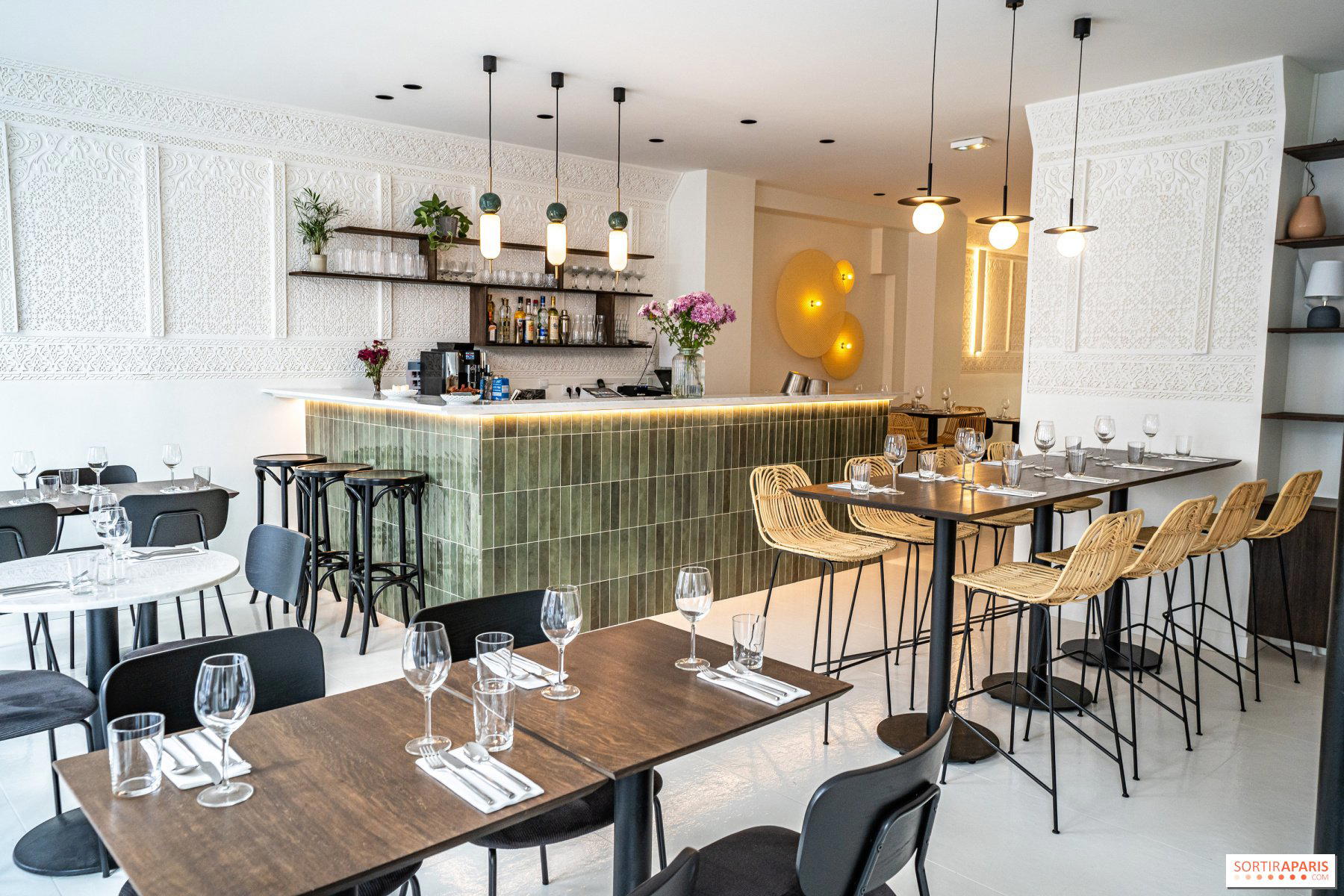
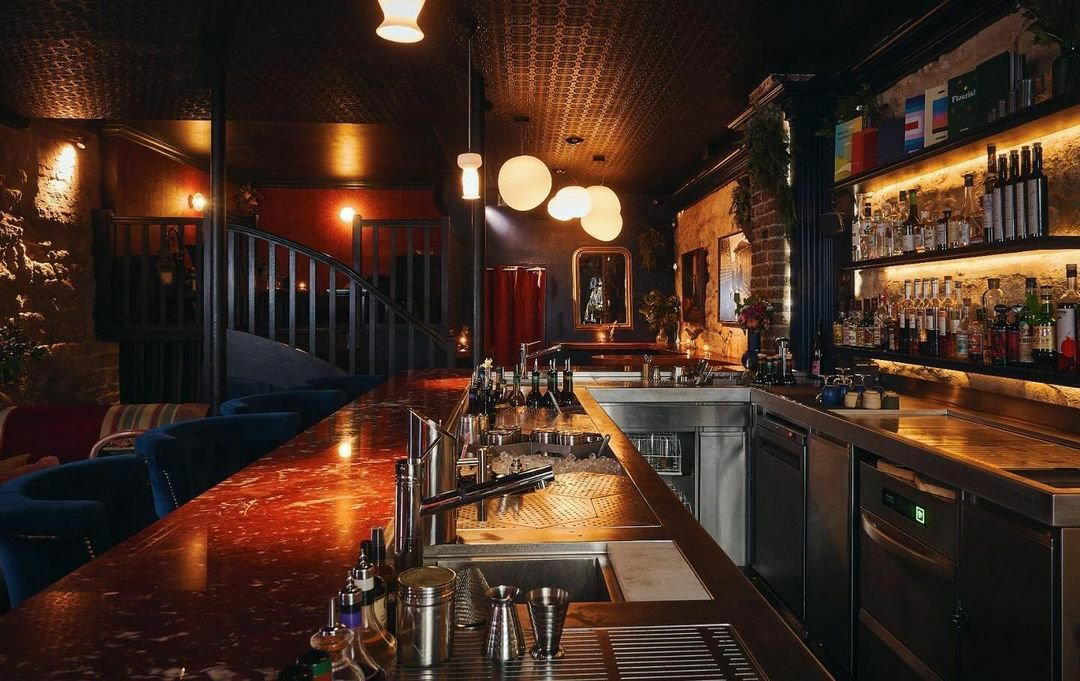
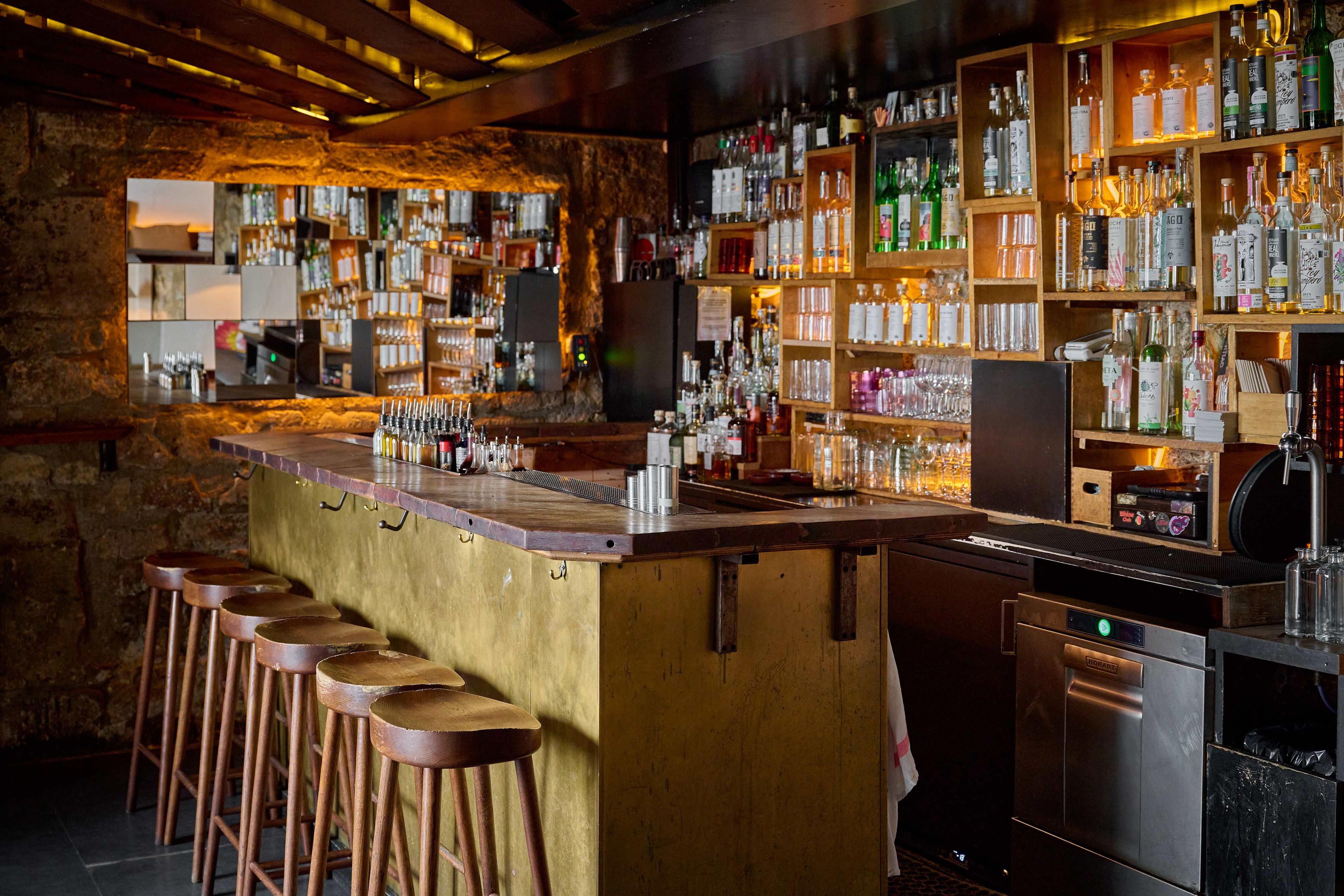
Dimly lit, spa-like room with stark white lattice woodwork walls and marble features, creating a clean, sophisticated yet relaxed atmosphere.