Allesisstgut occupies a quiet address on Seestraße in Nakenstorf, a small settlement near Neukloster in Mecklenburg's lake district. The surrounding landscape of Zurow positions this property within a region where rural German hospitality traditions run deep, and where the proximity to local farms, forests, and water shapes what ends up on the table. It is the kind of destination that rewards the deliberate traveller over the casual one.
Pearl is the En Primeur Club membership app — saves, bookings, and concierge access live there. Same editors, same standards.
- Address
- Seestraße 1, 23992 Nakenstorf (bei Neukloster), Germany
- Phone
- +4949384224570
- Website
- seehotel-neuklostersee.de
- Directions
- Get directions
 Saves & bookings on Pearl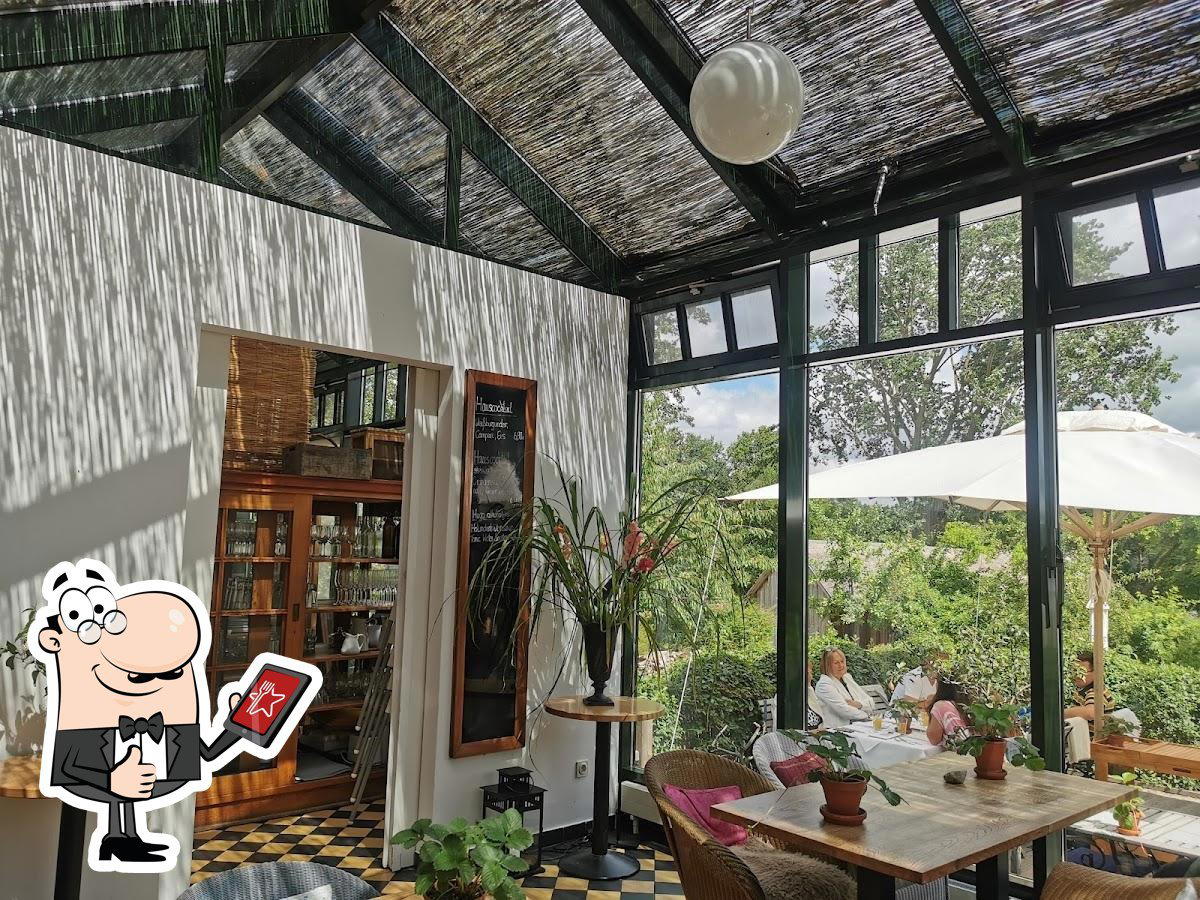
Where Mecklenburg's Fields and Lakes Set the Table
Arrive at Seestraße 1 in Nakenstorf and the setting does most of the editorial work before you've crossed the threshold. This corner of Mecklenburg-Vorpommern, tucked between Neukloster and the string of glacial lakes that define the region's interior, belongs to a Germany that urban dining culture rarely reaches. The air carries the particular stillness of agricultural low country, and the approach along the lake road makes it obvious that the supply chain here is not a branding exercise — it is simply geography. Farms are close. Forests are closer. The water is visible from the road.
That physical context matters because it defines the category of hospitality this part of Germany has historically produced. Mecklenburg's countryside long operated on the logic of using what was present: freshwater fish from the Schaalsee and its satellite lakes, game from the extensive woodland belts, root vegetables and dairy from estates that predate the Republic by centuries. The leading rural properties in this region don't need to source from far away because proximity is the point. Allesisstgut, positioned on Seestraße in Nakenstorf, sits within that tradition whether it courts the framing or not.
Ingredient Sourcing as Architecture
The shift in German fine dining over the past decade has moved steadily toward provenance transparency, a development visible across properties from the Black Forest to the Mosel. At places like Schanz in Piesport and Waldhotel Sonnora in Dreis, the connection between regional landscape and plate construction has become central to the editorial identity of the restaurant, not an afterthought. The same current runs through northern Germany, where the distinct ecology of Mecklenburg gives kitchens a different palette than the wine-country south.
Freshwater fish is the ingredient that most clearly marks the cooking of this lake district apart from Germany's more celebrated dining corridors. Pike-perch, bream, and eel from Mecklenburg's connected lake system have no equivalent in the Rhineland or Bavaria, and kitchens that treat these ingredients seriously are working in a register that the country's Michelin-heavy urban tables rarely touch. This is the sourcing logic that defines what is possible at a Seestraße address: not imported luxury product, but local material treated with technique. For a point of comparison, the creative programs at Aqua in Wolfsburg or ES:SENZ in Grassau draw on similarly specific regional ecologies, shaping menus that are difficult to replicate elsewhere.
Game from the surrounding forests adds a second sourcing axis. Mecklenburg has one of the higher wild boar and deer populations in Germany, and the seasonal rhythms of the hunt structure autumn and winter menus in ways that no imported product can replicate. A kitchen at this latitude that takes the forest seriously will produce something categorically different from urban contemporary German cooking, where sourcing from the same pool of premium suppliers tends to flatten distinctions between programs.
The Northern Rural Dining Format
Germany's premium rural dining breaks into two broad formats. The first is the destination restaurant attached to a hotel or estate, where overnight stays extend the experience and justify significant travel. The second is the standalone property in a small settlement that draws guests specifically for the table, with accommodation secondary or absent. Both formats exist in Mecklenburg, and both depend on the same underlying logic: the journey is part of the proposition, which means the sourcing, the setting, and the specificity of the food must justify the distance.
The properties that hold this proposition most credibly in Germany tend to do so through consistency of ingredient philosophy rather than through award accumulation. Victor's Fine Dining by Christian Bau in Perl and Vendôme in Bergisch Gladbach represent the award-heavy end of this spectrum, where recognition from Michelin and the broader European critical establishment validates the travel. Rural properties without that institutional backing compete on the strength of the experience itself, which places greater pressure on sourcing clarity, seasonal intelligence, and the coherence of what arrives at the table. For those tracking Germany's broader creative dining scene, CODA Dessert Dining in Berlin and Jante in Hanover offer points of comparison from the urban end.
Planning Your Visit to Nakenstorf
Nakenstorf sits within the Neukloster-Warin municipality, approximately equidistant between Wismar on the Baltic coast and Schwerin to the southeast. Neither city is large, but both have rail connections that place Nakenstorf within reach of Hamburg for a day or overnight trip. The drive from Hamburg takes roughly ninety minutes under normal conditions, making this corner of Mecklenburg feasible as a day excursion for travellers already based in the north, or as an overnight stop on a longer Baltic coast itinerary. For those building a German fine dining tour, pairing a northern Mecklenburg stay with visits to Restaurant Haerlin in Hamburg or Bagatelle in Trier creates natural routing logic across the country's distinct culinary regions.
Booking details, current hours, and pricing for Allesisstgut are best confirmed directly with the property, as rural Mecklenburg restaurants frequently operate on seasonal schedules rather than year-round fixed hours. The summer months, when the lake district draws visitors from across the north German plain, represent the period of highest demand. Spring, when asparagus season dominates menus across the region, is a second peak. Arriving outside these windows often means more availability and a kitchen focused on preserved, fermented, and root-cellar ingredients that tell a different story about what Mecklenburg's larder can do. Our full Zurow restaurants guide covers the broader dining context for this part of the region.
For international reference points on what regional sourcing at this level of seriousness can produce, the farm-to-table discipline visible at Lazy Bear in San Francisco and the seafood provenance rigour at Le Bernardin in New York City share the same underlying logic, even if the specific ingredients and regional contexts differ entirely. Germany's rural north is simply working with a different set of raw materials, and the leading argument for making the journey to a Seestraße address is that those materials are not available anywhere else.
Quick Comparison
| Venue | Cuisine | Price | Awards |
|---|---|---|---|
| AllesisstgutThis venue — the venue you are viewing | This venue | Not listed | Not listed |
| Schwarzwaldstube | French, Classic French | €€€€ | Michelin 3 Star |
| Aqua | Contemporary German, Italian/Japanese, Creative | €€€€ | Michelin 3 Star |
| Vendôme | Modern European, Creative | €€€€ | Michelin 2 Star |
| CODA Dessert Dining | Creative | €€€€ | Michelin 2 Star |
| Tantris | Modern French, French Contemporary | €€€€ | Michelin 2 Star |
Continue exploring
More in Zurow
Restaurants in Zurow
Browse all →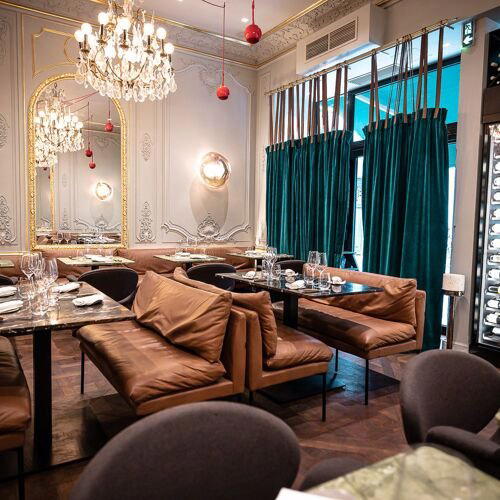
At a Glance
- Rustic
- Cozy
- Scenic
- Elegant
- Special Occasion
- Family
- Terrace
- Historic Building
- Hotel Restaurant
- Local Sourcing
- Organic
- Waterfront
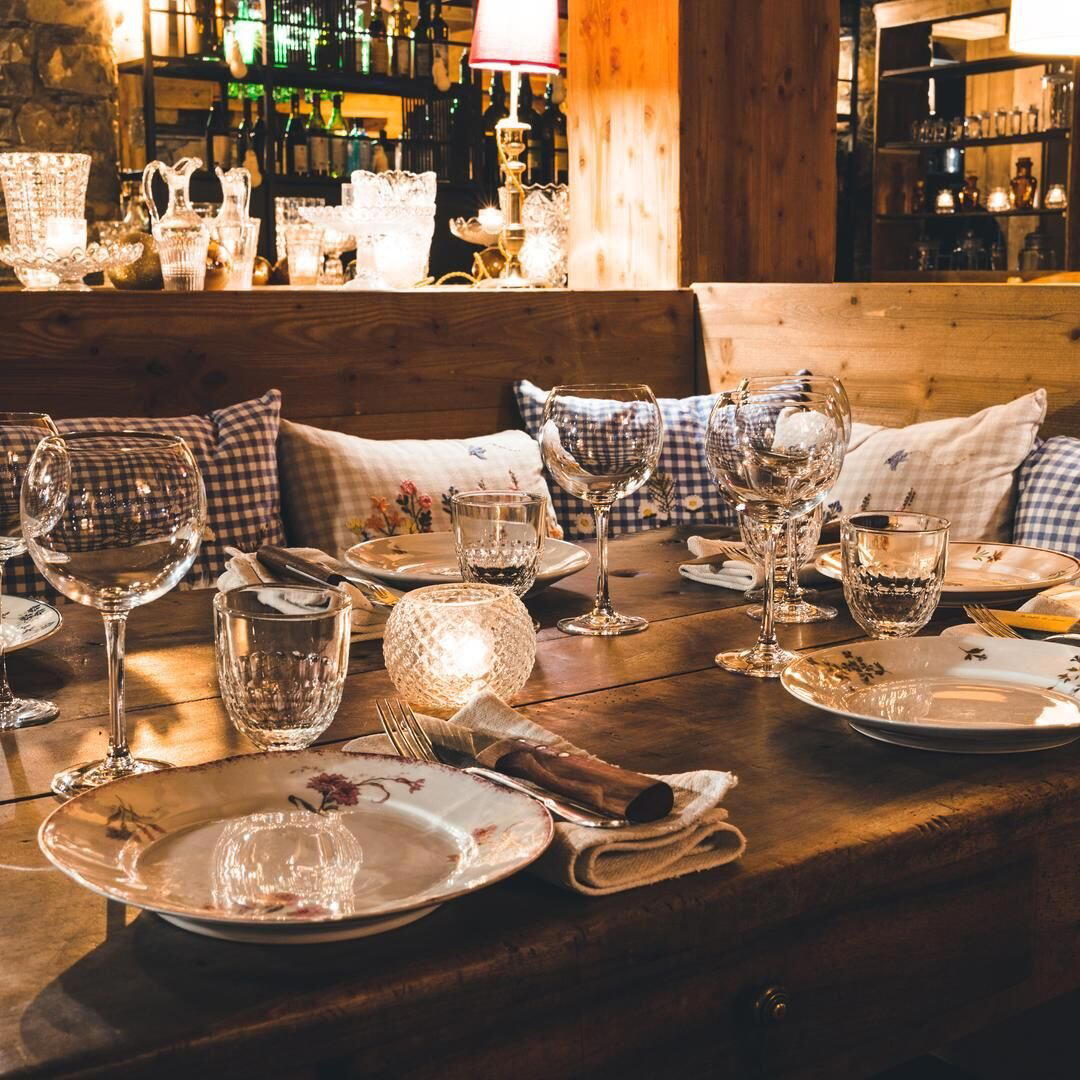
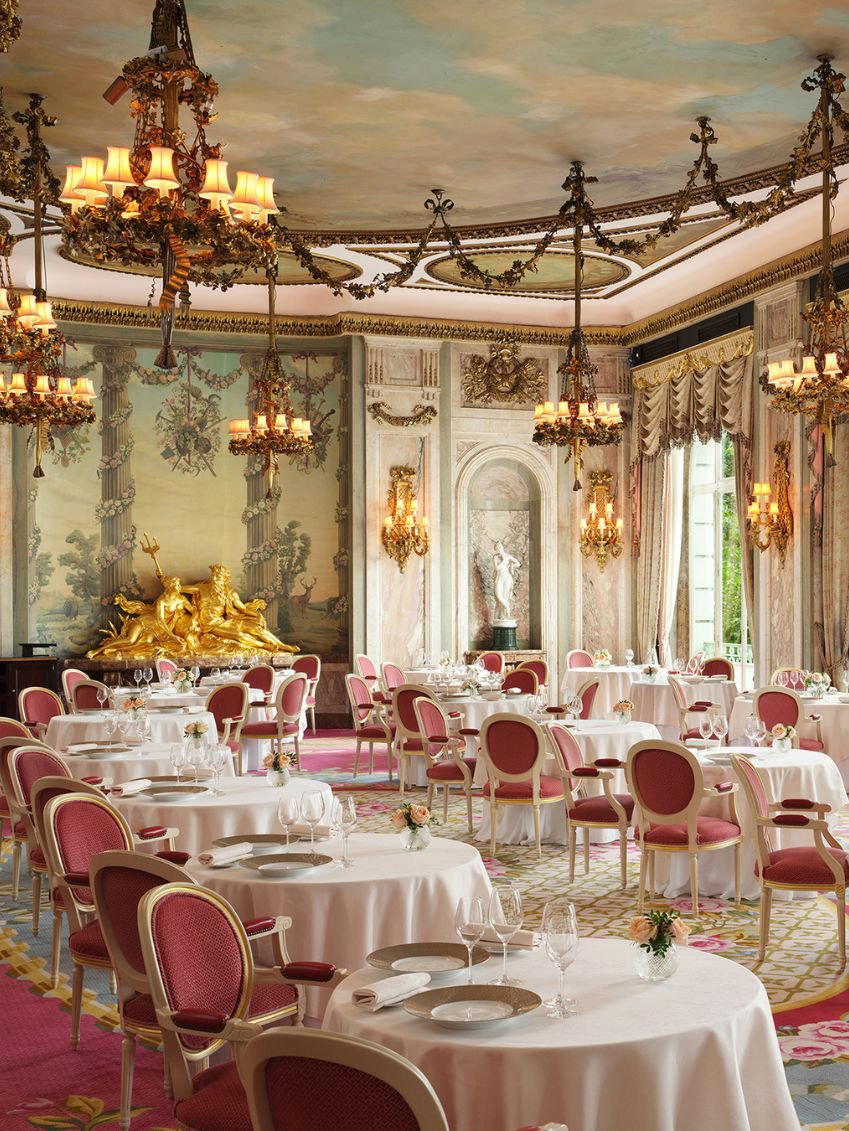
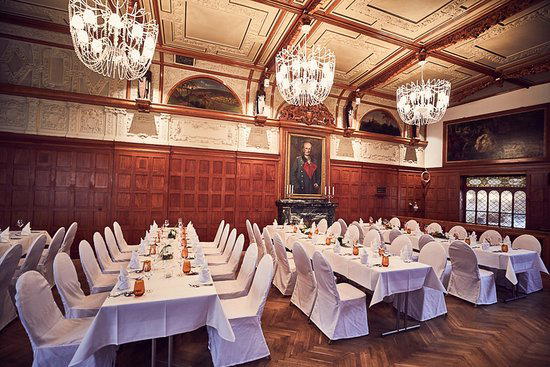
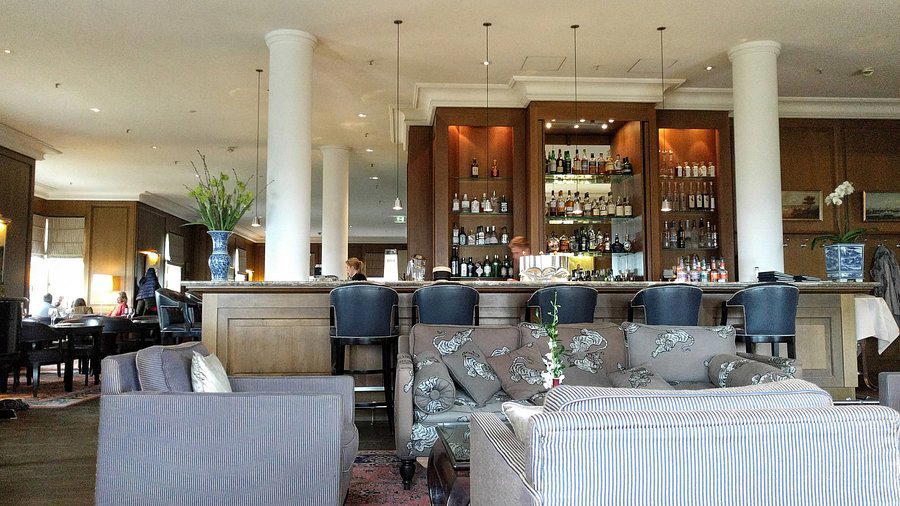
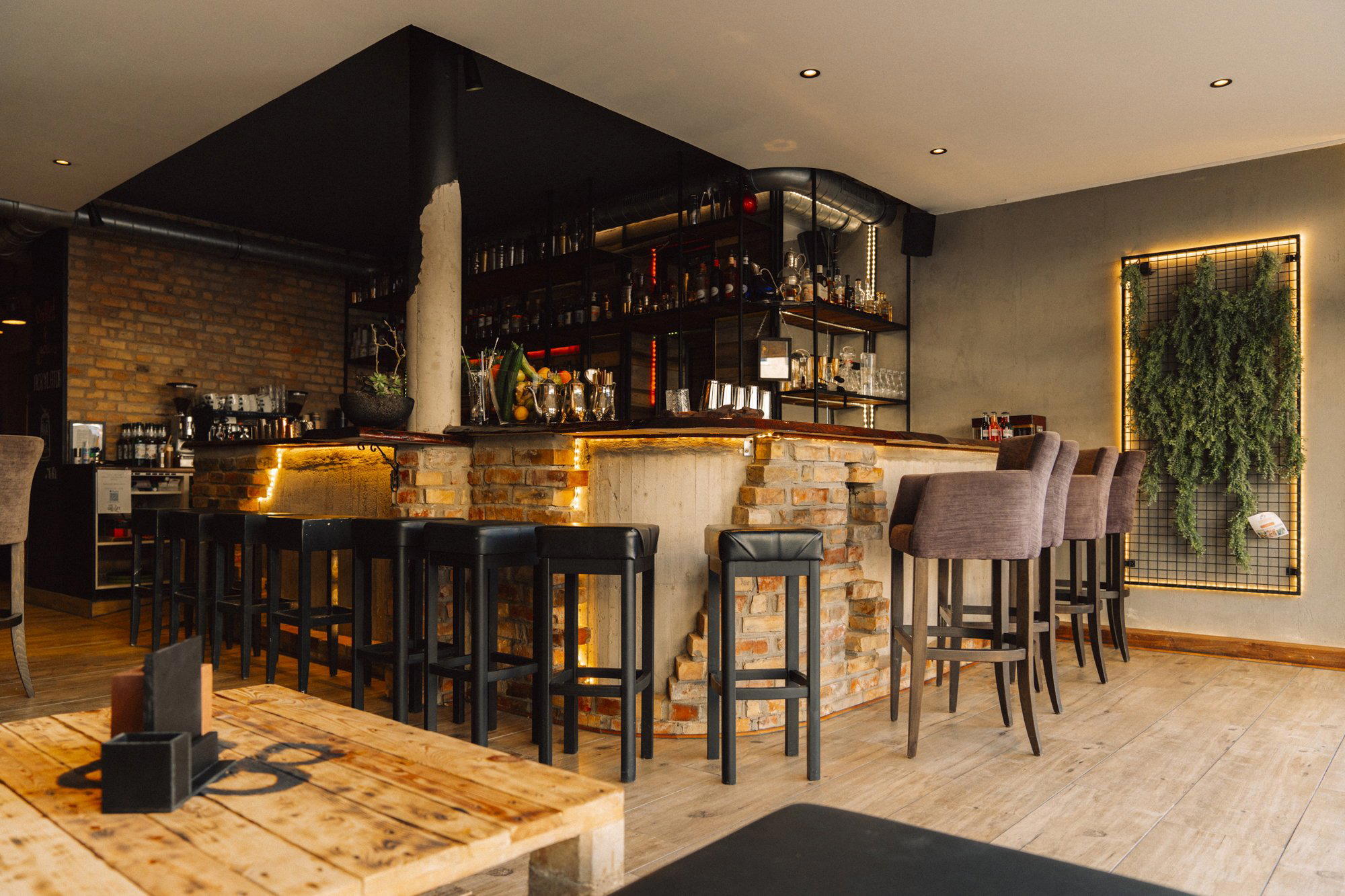
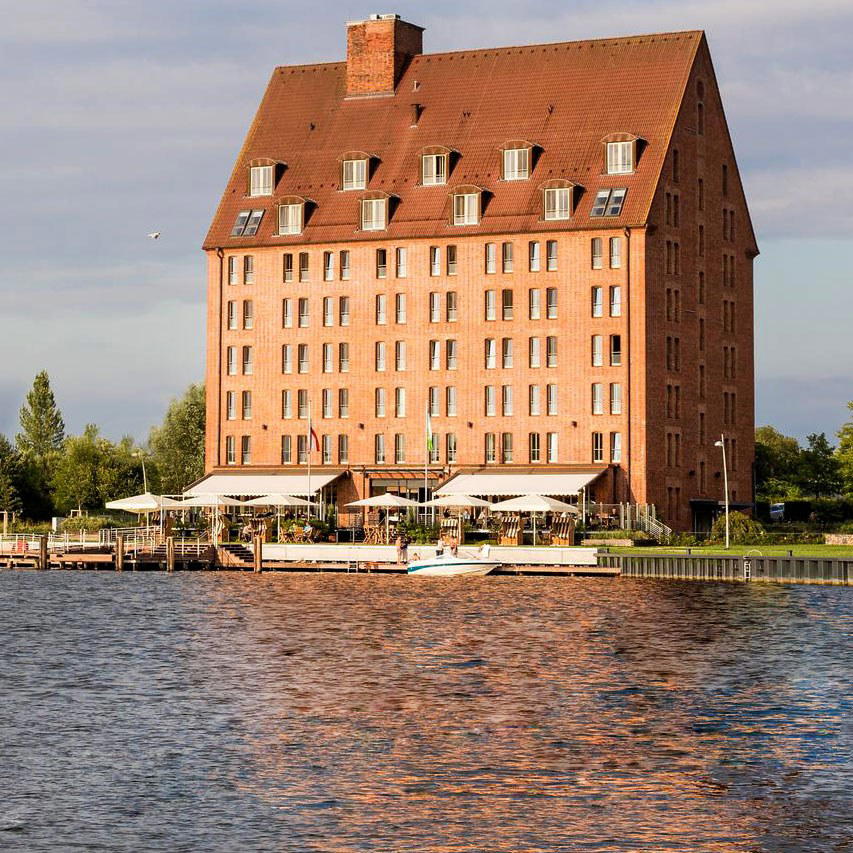
Cozy historic setting with terrace and winter garden providing beautiful lake views, praised for its quiet oasis atmosphere.