Tischlerei
Tischlerei occupies a converted workshop space on Salinenstraße in Greifswald's compact city centre, positioning it within a small but growing cluster of serious dining in this Baltic university town. With limited comparable peers in the region, it draws a clientele that tracks beyond the immediate postcode. Visitors coming from Hamburg or Berlin should factor in Greifswald's limited accommodation options when planning around a table here.
Pearl is the En Primeur Club membership app — saves, bookings, and concierge access live there. Same editors, same standards.
- Address
- Salinenstraße 22, 17489 Greifswald, Germany
- Phone
- +493834884848
- Website
- facebook.com
- Directions
- Get directions
 Saves & bookings on Pearl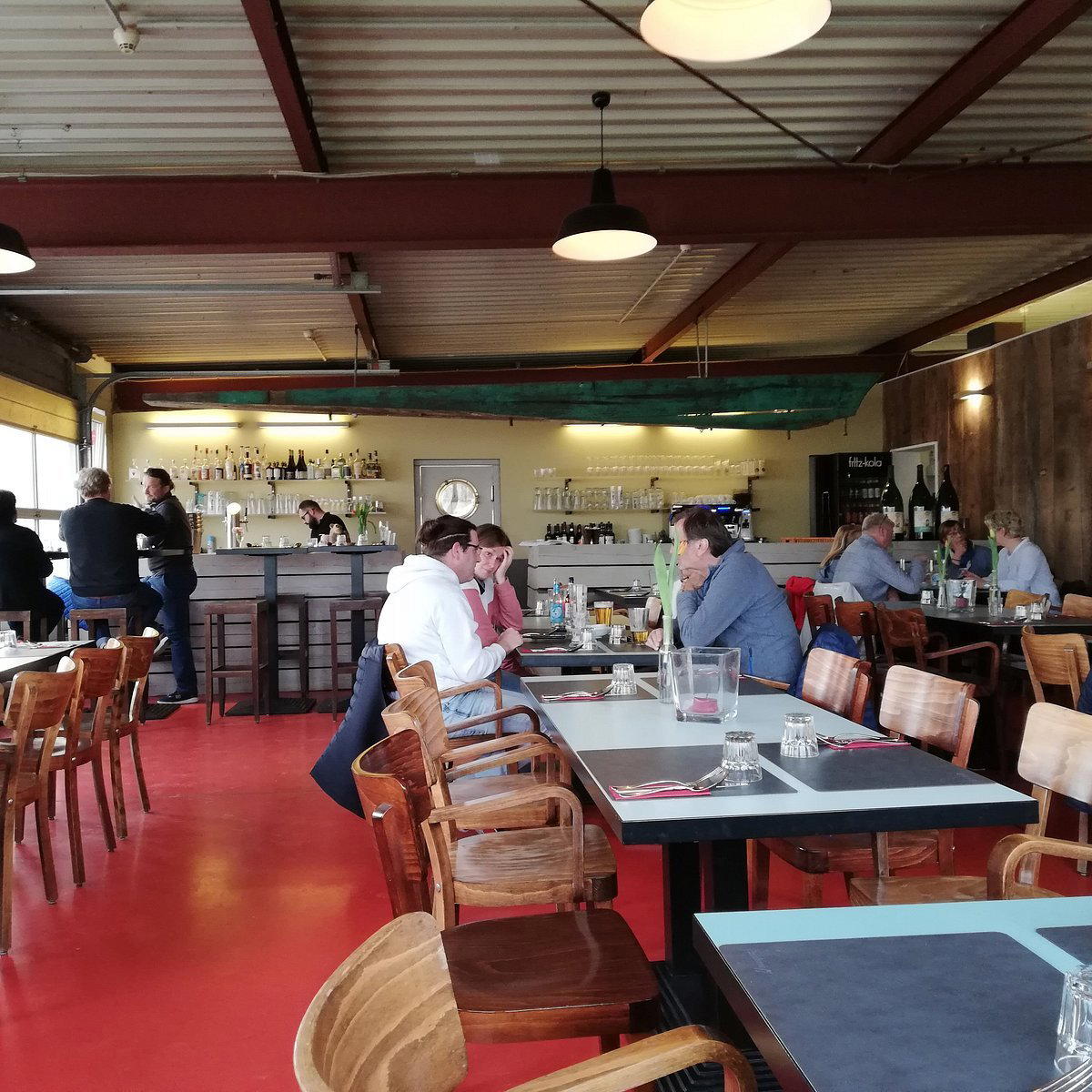
Dining at the Baltic Edge: Greifswald's Emerging Restaurant Scene
Germany's serious restaurant culture has long concentrated in predictable postcodes: Munich's Maxvorstadt, Hamburg's Harvestehude, the Rhineland's wine-country towns. The Baltic coast has occupied a different register entirely, where fishing tradition and university-town economics have historically kept dining modest and local. Greifswald sits at an interesting inflection point in that pattern. The city, defined by its medieval brick churches, its Caspar David Friedrich associations, and a student population that punches above its demographic weight, has begun to attract the kind of cooking ambition that a decade ago would have required a westward relocation to survive.
Tischlerei, addressed at Salinenstraße 22, takes its name from the German word for carpentry workshop, a naming choice that carries a certain logic in a city where converted industrial and artisan spaces have become the preferred envelope for new hospitality projects. The address places it within walking distance of the Greifswald city centre, accessible on foot from the market square and the cathedral district, which matters in a city where the interesting things worth doing before or after dinner are concentrated within a tight radius.
The Cultural Weight Behind Northern German Cooking
Understanding what a serious restaurant in this corner of Germany is working with requires some geography. Mecklenburg-Vorpommern, the federal state that contains Greifswald, is among Germany's least economically dense regions, with a food culture rooted in smoked fish, rye bread, root vegetables, and the produce of its wide agricultural plains. These are not ingredients that travel easily into the premium dining conversation, at least not without the kind of reframing that has taken hold across Scandinavia and, more recently, along Germany's Baltic rim.
The broader new Nordic impulse, which reclassified foraged, fermented, and preserved northern ingredients as worthy of serious technique, has had a slow but traceable effect on how chefs in this part of Germany approach local produce. Where once a restaurant in a city like Greifswald might have defaulted to French technique applied to continental ingredients, the more interesting direction now involves engaging directly with what the region actually produces: Baltic fish, Rügen herbs, local grain, coastal salt. That shift in culinary self-confidence is the context in which a restaurant like Tischlerei operates, whether or not it makes that framing explicit.
Nationally, the conversation about German fine dining is dominated by addresses that sit comfortably in the €€€€ tier: Aqua in Wolfsburg, Schwarzwaldstube in Baiersbronn, Vendôme in Bergisch Gladbach, Victor's Fine Dining by christian bau in Perl, and Waldhotel Sonnora in Dreis. Further along the creative spectrum sit CODA Dessert Dining in Berlin, JAN in Munich, ES:SENZ in Grassau, AUGUST in Augsburg, and ATAMA by Martin Stopp in Sankt Ingbert. Greifswald does not yet compete in that tier by recognition, but the appetite for serious cooking in secondary and tertiary German cities is a documented pattern, with Restaurant Haerlin in Hamburg, Schanz in Piesport, Bagatelle in Trier, and ammolite - The Lighthouse Restaurant in Rust all demonstrating that destination dining has decentralised considerably in the last decade.
What the Space Communicates
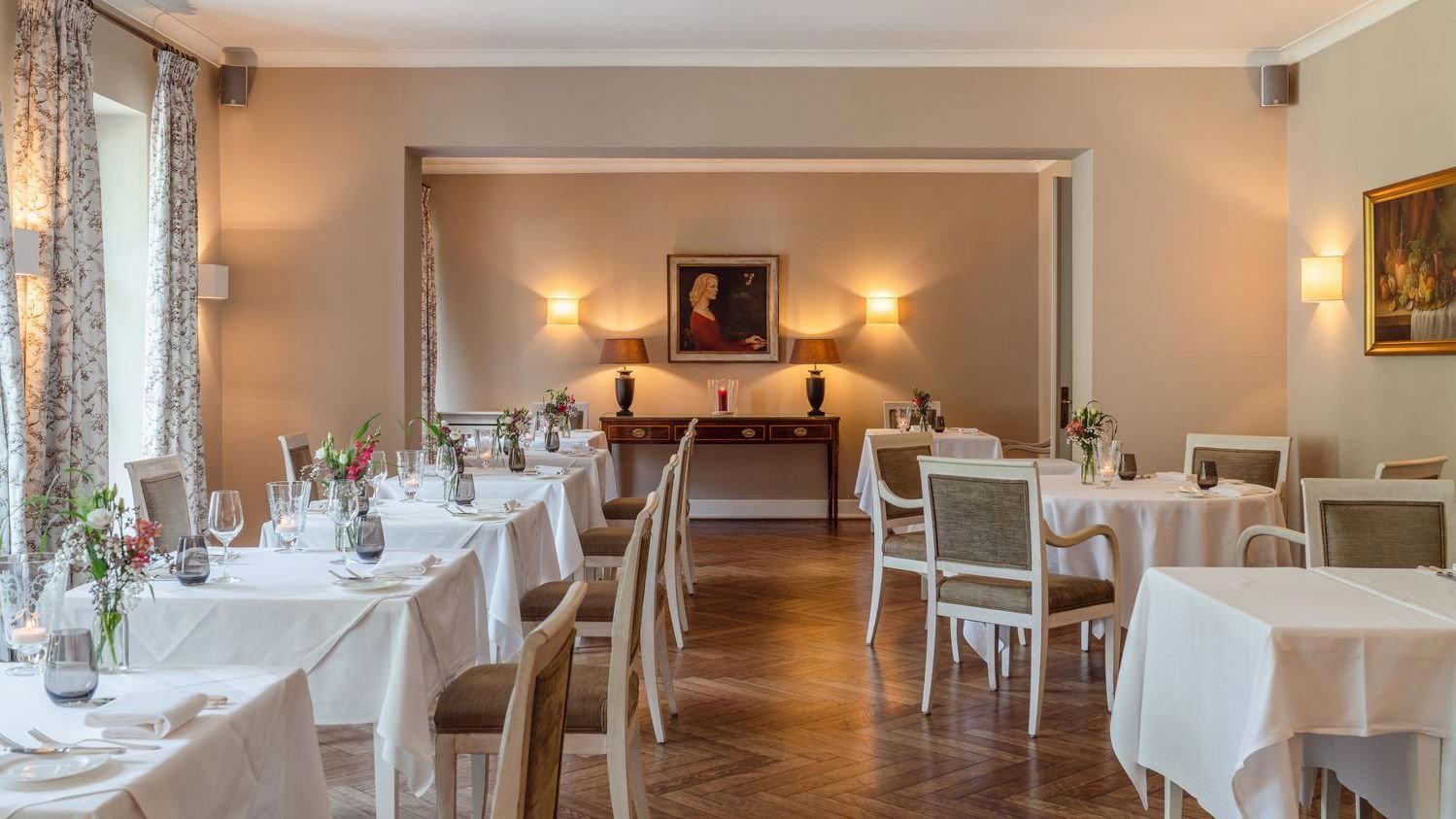
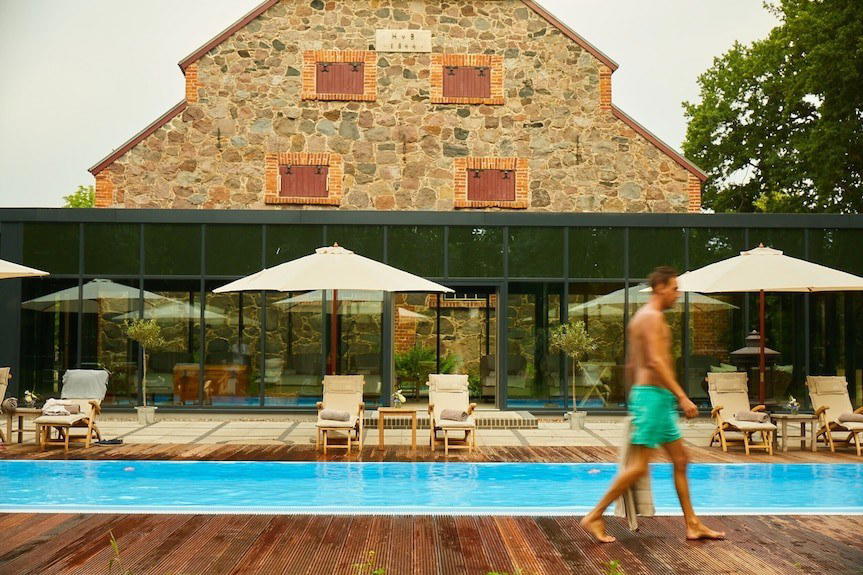
A converted workshop in a compact northern German city communicates something specific before a single dish arrives. It signals a certain set of priorities: material honesty over decorative layering, the architectural memory of the building treated as part of the dining experience rather than plastered over. This is a design language that runs from Copenhagen's repurposed warehouses through Berlin's industrial-era dining rooms to, now, smaller Baltic cities finding their own version of the same vocabulary. The question that space always poses is whether the cooking matches the confidence of the container.
Natürlich Büttners is among the handful of addresses in the city that draw visitors who have made a deliberate decision to eat well here rather than treating Greifswald purely as a transit point toward Rügen or the Bodden coast. That a small cluster of genuine dining destinations has formed in this postcode is itself a signal worth noting for anyone planning a Baltic itinerary.
Planning a Visit
Greifswald is reachable by direct train from Berlin in under two and a half hours, and from Hamburg in approximately two hours with a connection. The city's compact scale means that arriving by rail and moving on foot is the practical approach for most visitors. Accommodation options within the city are limited compared to larger German cities, so those travelling specifically for dinner should book lodging alongside the restaurant reservation rather than sequentially. The Salinenstraße address is central enough that most hotels within the city ring are walkable.
For those building a broader German fine dining itinerary from this corner of the country, Le Bernardin in New York City and Atomix in New York City serve as reference points for the international tier against which Germany's own leading tables are increasingly measured.
Cost Snapshot
| Venue | Cuisine | Price | Awards | Notes |
|---|---|---|---|---|
| TischlereiThis venue — the venue you are viewing | Not listed | This venue | Not listed | Not listed |
| Aqua | Not listed | €€€€ | Michelin 3 Star | Contemporary German, Italian/Japanese, Creative |
| Schwarzwaldstube | French, Classic French | €€€€ | Michelin 3 Star | Not listed |
| CODA Dessert Dining | Creative | €€€€ | Michelin 2 Star | Not listed |
| Vendôme | Modern European, Creative | €€€€ | Michelin 2 Star | Not listed |
| Tantris | Modern French, French Contemporary | €€€€ | Michelin 2 Star | Not listed |
Continue exploring
More in Greifswald
Restaurants in Greifswald
Browse all →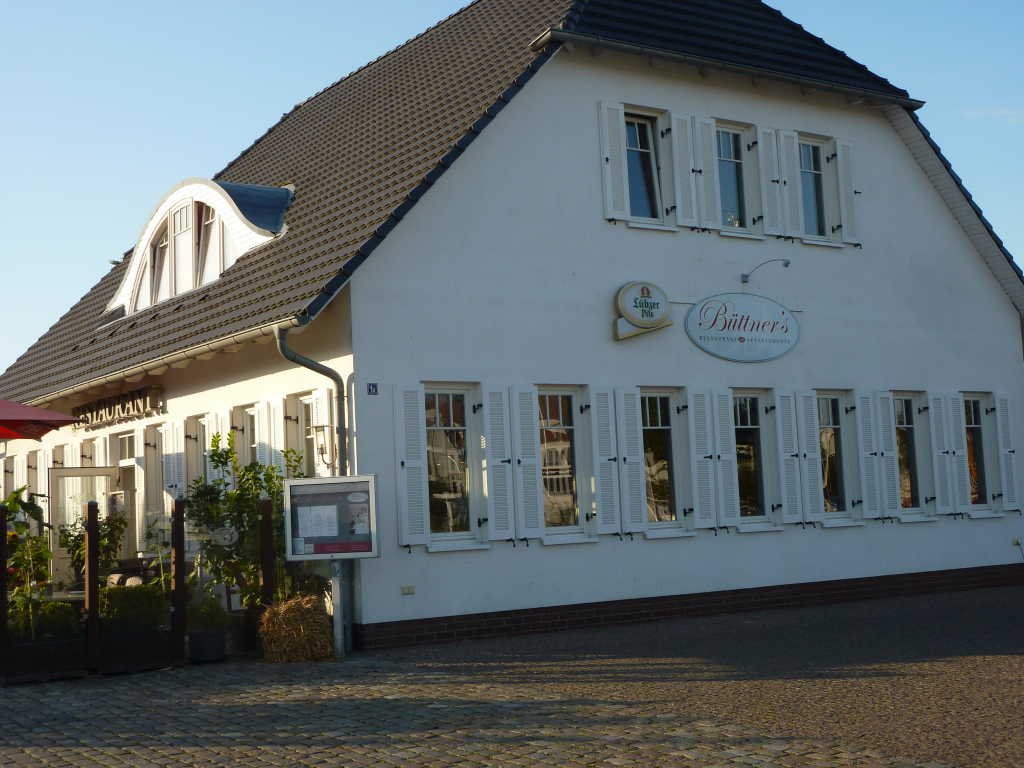
Bars in Greifswald
Browse all →
At a Glance
- Cozy
- Modern
- Scenic
- Trendy
- Date Night
- Casual Hangout
- Waterfront
- Terrace
- Extensive Wine List
- Local Sourcing
- Waterfront
Modern and slightly cool interior with cozy atmosphere, terrace overlooking yachts and boats.
Know Before You Go
- Getting there
- Salinenstraße 22, 17489 Greifswald, Germany