The Rhythm of a Craft Dining Room
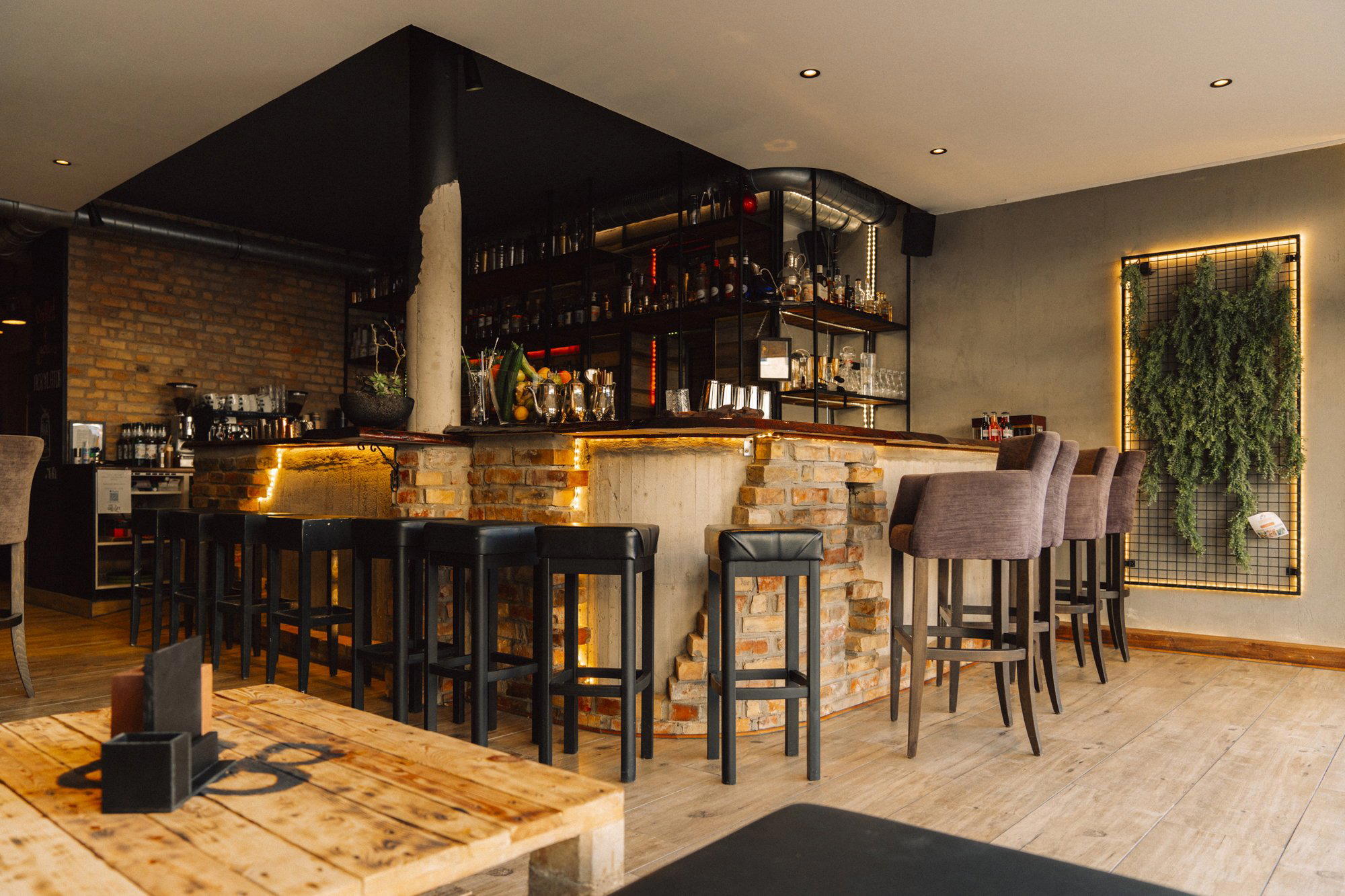
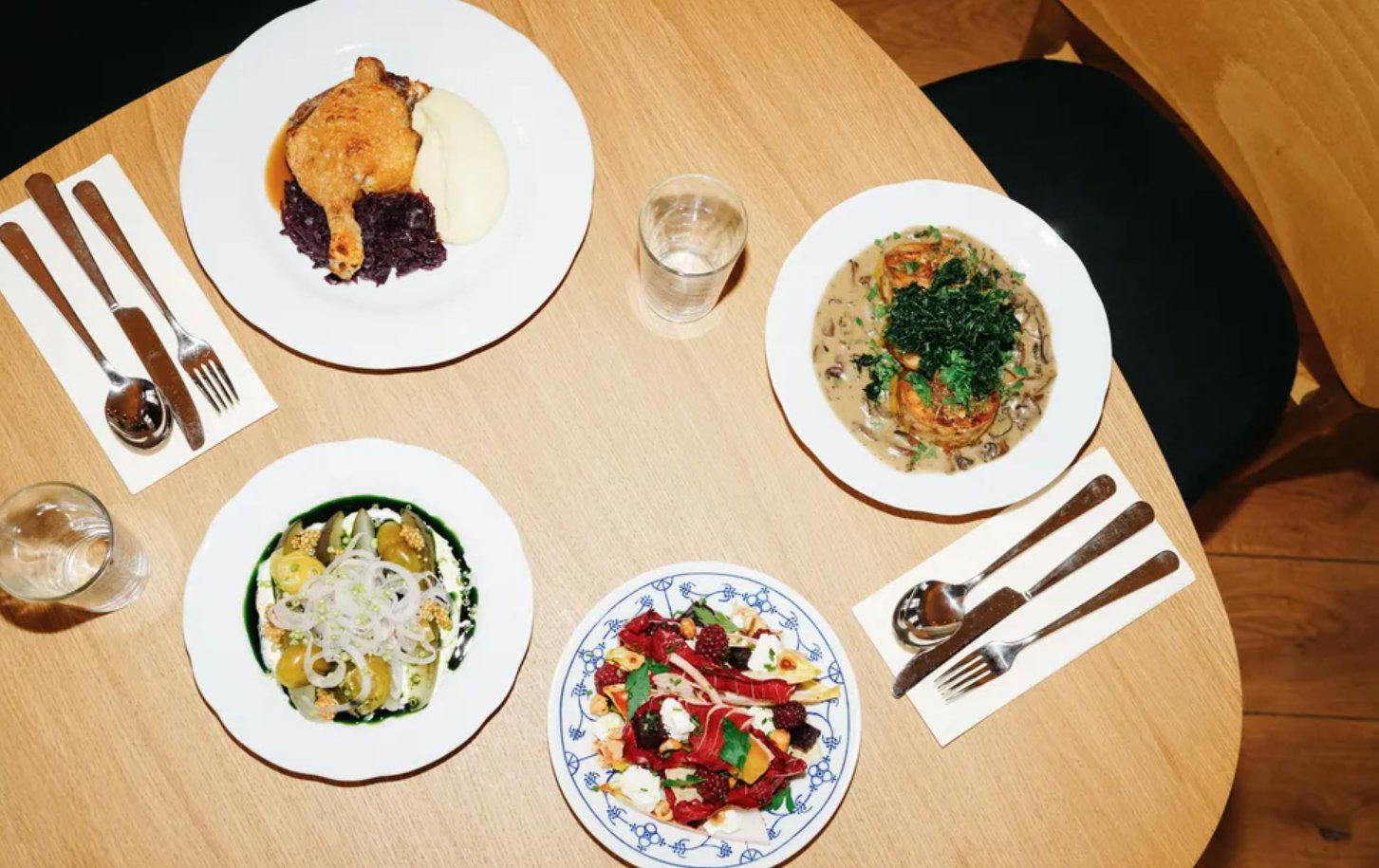
There is a specific pace that craft-oriented bars and restaurants in mid-sized German cities tend to share. It is unhurried without being slow, attentive without hovering. The meal unfolds in stages that feel considered rather than choreographed. In rooms of this type, guests are generally expected to engage with what is in front of them, to ask questions about sourcing or preparation, and to treat the counter or table as a point of interaction rather than a waiting area between courses.
This format stands in contrast to the high-ceremony progression you find at destination restaurants such as Schwarzwaldstube in Baiersbronn or Aqua in Wolfsburg, where the choreography of service is itself a studied art. At the craft level, the ritual is looser but no less intentional. Guests at a place like Craftbar are likely setting their own pace, ordering in a sequence that makes sense to them, and spending more time with a glass than a table at a strictly timed tasting would permit. That informality is a feature, not a concession.
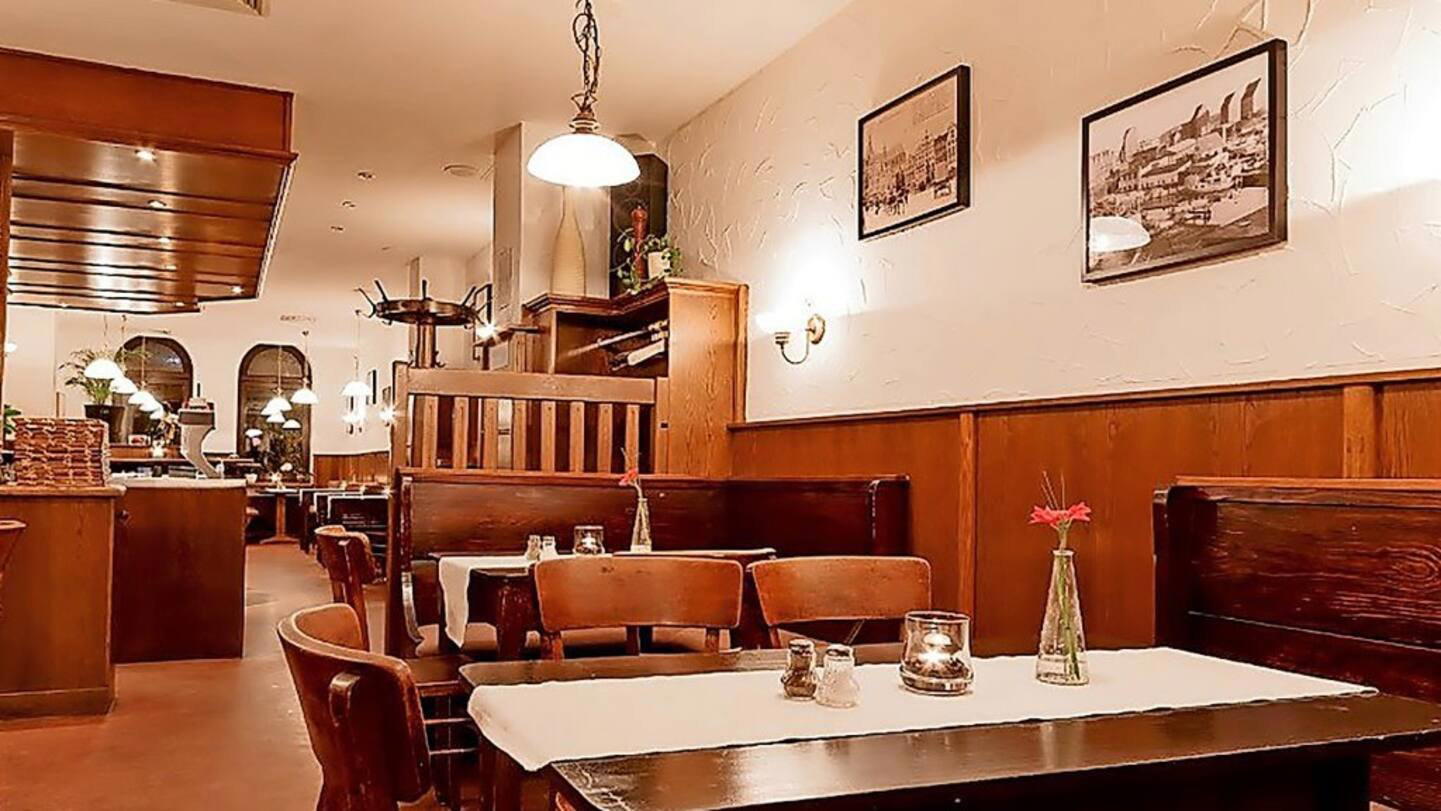
Across Germany's second-tier cities, this dining posture has become more deliberate over the past decade. Places like Fritz Reuter Stuben and Küche des Friedens in Rostock each occupy a different corner of this mid-register, and the collective effect is a city that rewards slower, more curious eating rather than checklist dining.
What the Address Tells You
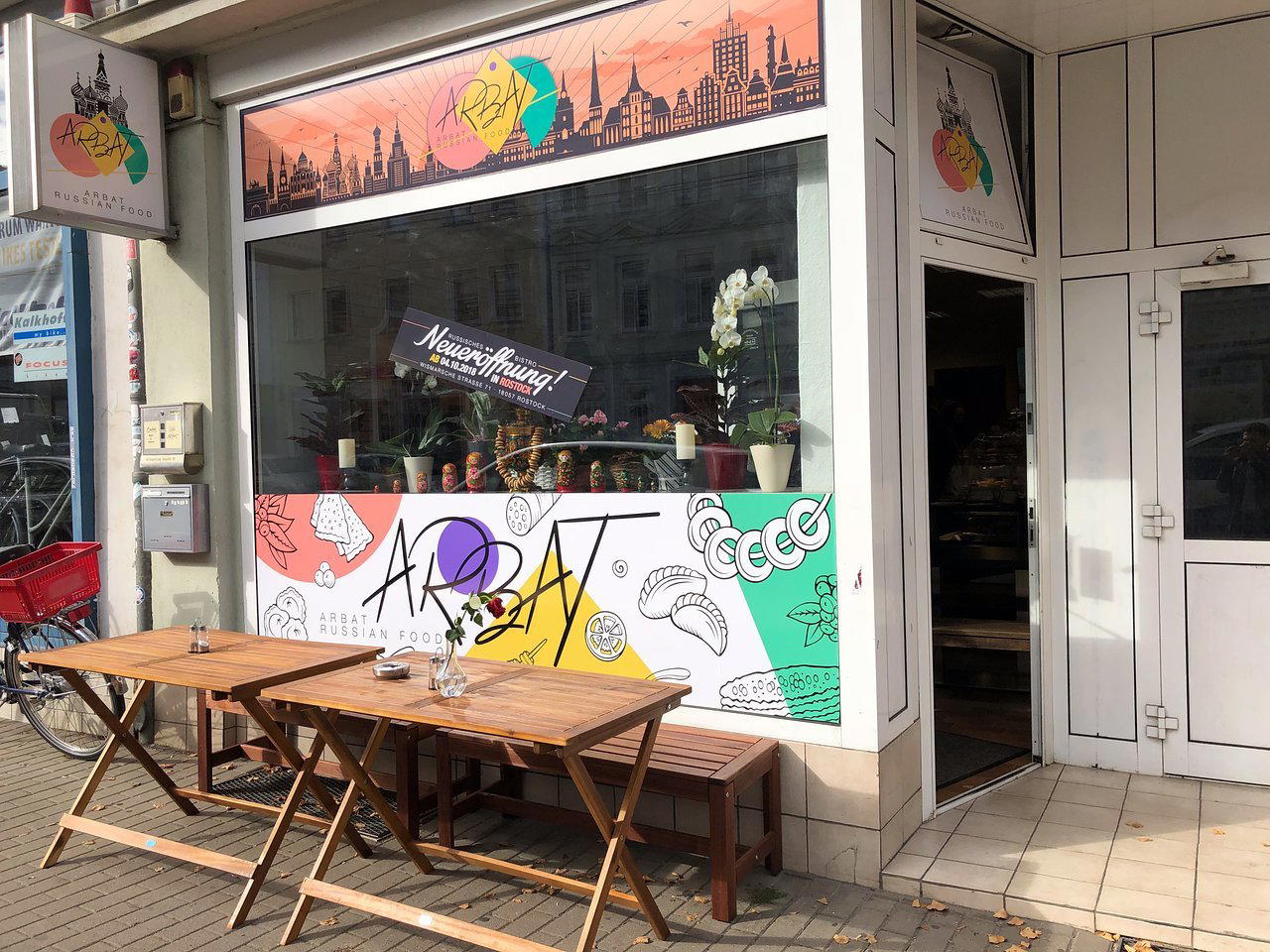
Margaretenstraße runs through a part of Rostock that is predominantly residential and commercial without being a designated dining district. Opening in this kind of location requires a venue to generate its own gravity; there is no cluster effect pulling guests past the door. Restaurants and bars that succeed in these streets do so because their regulars become advocates, and because the offer is specific enough to justify the trip rather than the coincidence of proximity.
That geographic context aligns Craftbar with a broader European pattern: craft-focused venues choosing deliberate obscurity over high-footfall strips. In Rostock specifically, the dining scene does not concentrate in a single quarter the way Hamburg's does around the Eppendorf and Ottensen neighborhoods, or the way Berlin's has structured itself around Mitte and Prenzlauer Berg. Rostock eaters move through the city more evenly, and venues on quieter streets are more normalized as a result.
For comparison, Germany's most destination-driven dining rooms, from JAN in Munich to Vendôme in Bergisch Gladbach and Victor's Fine Dining by Christian Bau in Perl, operate in locations that are themselves part of the proposition: a schloss, a golf resort, a converted industrial space. Craftbar's address proposes something different: the room is the point, not the setting.
Craft Dining and the German Scene in Context
Germany's craft bar and casual fine dining formats have matured considerably since 2015. The model pioneered in Berlin, where places like CODA Dessert Dining challenged category conventions entirely, has filtered outward to smaller cities. The craft designation now covers a wider range of intentions: ingredient sourcing, fermentation programs, small-producer drink lists, and seasonal menus that change more frequently than a traditional kitchen would sustain.
In this context, a Rostock craft venue operates against a specific set of expectations. Guests familiar with the broader German craft dining scene will bring assumptions about fermented beverages, regional produce, and an informality that prizes knowledge over performance. Whether Craftbar fully satisfies all of those expectations requires a visit, and the specifics of its current menu and format are not publicly documented in detail. What the address and the name together suggest is a room that has positioned itself within this category deliberately.
For readers interested in how craft dining translates at the highest formal level, international comparisons are instructive. Le Bernardin in New York City and Lazy Bear in San Francisco both demonstrate how format discipline, at different price points, shapes the entire experience of a meal. At the opposite end of that spectrum, craft rooms in Baltic coast cities like Rostock show what happens when the same discipline operates without the institutional support of awards infrastructure or media attention.
Planning a Visit
Craftbar Rostock is located at Margaretenstraße 41, 18057 Rostock. Central Rostock is walkable from the main train station and the Stadthafen waterfront in under twenty minutes, and the Margaretenstraße address is accessible by tram from the city center. Current hours, booking arrangements, and pricing are listed separately. Arriving without a reservation on a weekend evening in a room of this type carries some risk; mid-week visits tend to offer more flexibility at craft venues across Germany's northern cities.
Readers planning a wider northern Germany itinerary might also consider Restaurant Haerlin in Hamburg, approximately ninety minutes southwest by rail, as the regional reference point for formal dining. For Rostock itself, the gap between Craftbar's mid-register and Der Butt's formal tier is where most of the city's interesting eating currently happens. Places like ES:SENZ in Grassau and Schanz in Piesport or Waldhotel Sonnora in Dreis illustrate the upper ceiling of German regional dining outside the major cities; Craftbar occupies a different and more accessible position on that scale.