
Michelin Plate
Our verdict
A twice Michelin Plate-recognised wine bistro on Schusterstraße, Weinbistro "George" operates at the mid-price tier where farm-to-table sourcing and a wine-led format deliver genuine value in Schwerin's compact dining scene.7 across 908 reviews signals sustained consistency rather than novelty. For a city of this size, that combination is harder to find than it looks.

Pearl is the En Primeur Club membership app — saves, bookings, and concierge access live there. Same editors, same standards.
- Address
- Schusterstraße 13-15, 19055 Schwerin, Germany
- Phone
- +49 385 48939430
- Website
- weinhaus-uhle.de
- Directions
- Get directions
The menu
What to order
- Der Gemüsegarten
- Der Uhlsche Klops
- Müritz zander
A Street in Schwerin Where the Pricing Makes Sense
Schusterstraße sits in the older fabric of Schwerin's city centre, a short walk from the palace lake and the kind of street where small independent businesses hold ground against the usual commercial drift. At number 13-15, Weinbistro "George" occupies a position that suits its format: approachable enough to draw locals on a Tuesday, considered enough to draw visitors who have done their research. The physical address matters because in a city of Schwerin's scale, the difference between a restaurant that punches above its surroundings and one that merely fills a gap is rarely about cuisine category alone. It is about whether the room earns repeat visits.
Farm-to-table cooking at a mid-range price point is a proposition that sounds direct on paper and proves difficult to sustain in practice. The sourcing discipline that defines the format adds cost and complexity that most operators at the €€ tier quietly abandon after the first year. That Weinbistro "George" has held a Michelin Plate in both 2024 and 2025 suggests the kitchen is operating with enough consistency that Michelin's inspectors have returned and confirmed their position. A Michelin Plate is not a star, but it is a documented signal of kitchen quality, and in a city without a deep pool of Michelin-recognised addresses, it carries weight.
What the Value Equation Actually Looks Like
Schwerin's dining scene divides roughly into two tiers when measured by price and ambition. At the leading, Gourmetrestaurant 1751 operates at the €€€€ bracket with an international format pitched at special-occasion spending. At the accessible end, La Bouche et El Pato holds the single-euro tier. Between those poles, the €€ bracket is where most of the city's interesting mid-range dining happens, including Cube by Mika with its izakaya format and Gourmetfabrik with its international menu. Weinbistro "George" occupies the same price band but with a different orientation: the wine-bistro format puts the drink programme at the centre of the experience rather than treating it as a supplement to the food.
That distinction matters for how you should think about value here. A wine bistro built around farm-to-table sourcing is pricing its food against the cost of that sourcing, not against the cost of conventional supply chains. Guests who compare the bill to a standard bistro without factoring in what the kitchen is working with will undercount what they are receiving. Guests who understand the format will recognise that at the €€ tier, Michelin Plate recognition with a serious wine focus represents a combination that in larger German cities typically commands a higher price bracket. For comparison, farm-to-table programmes with similar Michelin recognition elsewhere in Germany, such as BOK Restaurant Brust oder Keule in Münster or Clostermanns Le Gourmet in Niederkassel, often operate at higher price tiers.
The Bistro Format and What Michelin Recognition Signals Here
Germany's Michelin-recognised dining scene is weighted toward formal tasting-menu formats. Properties like Schwarzwaldstube in Baiersbronn, Aqua in Wolfsburg, Vendôme in Bergisch Gladbach, and Restaurant Haerlin in Hamburg operate in the upper star registers where the structure of the meal is as considered as its content. Weinbistro "George" is not in that conversation, nor does it try to be. The bistro format implies a different kind of dining: smaller, more convivial, less ceremonial. What the Michelin Plate signals in this context is not that the kitchen is producing technically elaborate food but that it is producing food at a standard that an independent inspector considered worth noting. For a wine bistro in a mid-sized north German city, that is a meaningful credential.
Michelin inspectors visit anonymously and infrequently. A rating sustained across nearly a thousand public reviews reflects the everyday experience across service styles, seasons, and table configurations. Consistency at that volume is harder to maintain than a single strong impression. Both signals pointing in the same direction suggests a kitchen and front-of-house operating with genuine discipline rather than occasion-dependent performance. For context, this places Weinbistro "George" in a peer group that also includes JAN in Munich, CODA Dessert Dining in Berlin, and ES:SENZ in Grassau in terms of Michelin-recognised German restaurants, though those operate at different scales and price points.
Farm-to-Table in Northern Germany: Context Worth Having
Farm-to-table as a dining philosophy took root earlier and more organically in southern Germany and the wine regions than in the north, where shorter growing seasons and thinner soil profiles make local sourcing a more demanding constraint. In Mecklenburg-Vorpommern, the region surrounding Schwerin, the agricultural character is distinct: large lake districts, Baltic coastline, and a farming tradition oriented toward grain, dairy, and freshwater fish rather than the vegetable and orchard complexity of Baden-Württemberg or Bavaria. A kitchen working within that sourcing constraint is not operating the same model as a farm-to-table restaurant in the Allgäu. It is working with what the region genuinely produces, which shapes both the menu architecture and the seasons in which the format performs at its highest level. Late summer through autumn, when northern German produce is at its fullest, is typically when this kind of kitchen has the most to work with.
Planning Your Visit
Weinbistro "George" is located at Schusterstraße 13-15 in central Schwerin, within walking distance of the main landmarks. The €€ pricing means a full evening including wine sits in a range that most visitors will find comfortable relative to comparable Michelin-noted addresses in Hamburg or Berlin. For a fuller picture of where "George" sits within Schwerin's dining options, our full Schwerin restaurants guide maps the scene across price tiers and formats. If you are planning a longer stay, our Schwerin hotels guide, bars guide, wineries guide, and experiences guide cover the rest of the city's offer in the same editorial register.
Frequently asked questions
Is Weinbistro "George" good for families?
The bistro format and €€ pricing suggest an accessible, relaxed setting rather than a high-formality dining room, which generally works well for families comfortable with a neighbourhood restaurant pace. The farm-to-table focus means the menu changes with supply and season, so children with selective tastes may find fewer fixed options. It sits on Schusterstraße in central Schwerin, close to the palace lake, making it a practical stop after sightseeing.
What's the overall feel of Weinbistro "George"?
Two consecutive Michelin Plates (2024 and 2025) place it in recognised territory without the formality of a tasting-menu format. The wine bistro name signals a room built around producer-led bottles alongside seasonal plates, closer in register to a Parisian cave à manger than a conventional German restaurant. At €€, the atmosphere is neighbourhood-scale rather than occasion-dining, with the Michelin recognition acting as a quality floor rather than a price driver.
Is Weinbistro "George" Michelin-listed?
Weinbistro "George" has received recognition including: Michelin Plate (2025); Michelin Plate (2024).
What do regulars order at Weinbistro "George"?
In a wine bistro context holding a Michelin Plate, regulars typically anchor their meal around whatever vegetable or protein is at peak season, paired with selections from the house wine list. The €€ price band keeps repeat visits practical.
Awards and Standing
| Venue | Cuisine | Price | Awards |
|---|---|---|---|
| Weinbistro "George"This venue — the venue you are viewing | Modern German Bistro with Wine Focus | $30–50 | Michelin Plate |
| Cube by Mika | Modern Euro-Asian Izakaya | $50–100 | Michelin Bib Gourmand |
| Gourmetfabrik | Modern German Bistro | $20–30 | Michelin Plate |
| Gourmetrestaurant 1751 | Modern German Fine Dining | Not listed | 1 Michelin Star |
| La Bouche et El Pato | French-Mediterranean Bistro | $30–50 | Michelin Plate |
Recognition history
Dated appearances from independent guides and award organizations, with the underlying list record or original source where available.
Michelin Plate
Michelin
Full recognition history (3 entries)
Michelin Plate
Michelin
Michelin Plate
Michelin
Details
- Elegant
- Cozy
- Classic
- Date Night
- Business Dinner
- Casual Hangout
- Group Dining
- Hotel Restaurant
- Terrace
- Wine Cellar
- Extensive Wine List
- Natural Wine
- Local Sourcing
- Organic
- Farm To Table
- Street Scene
- A La Carte
- Set Menu
- Wine
- Beer
- Vegetarian Friendly
- Vegan Options
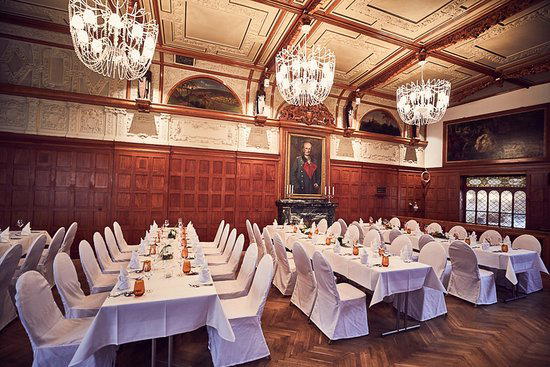
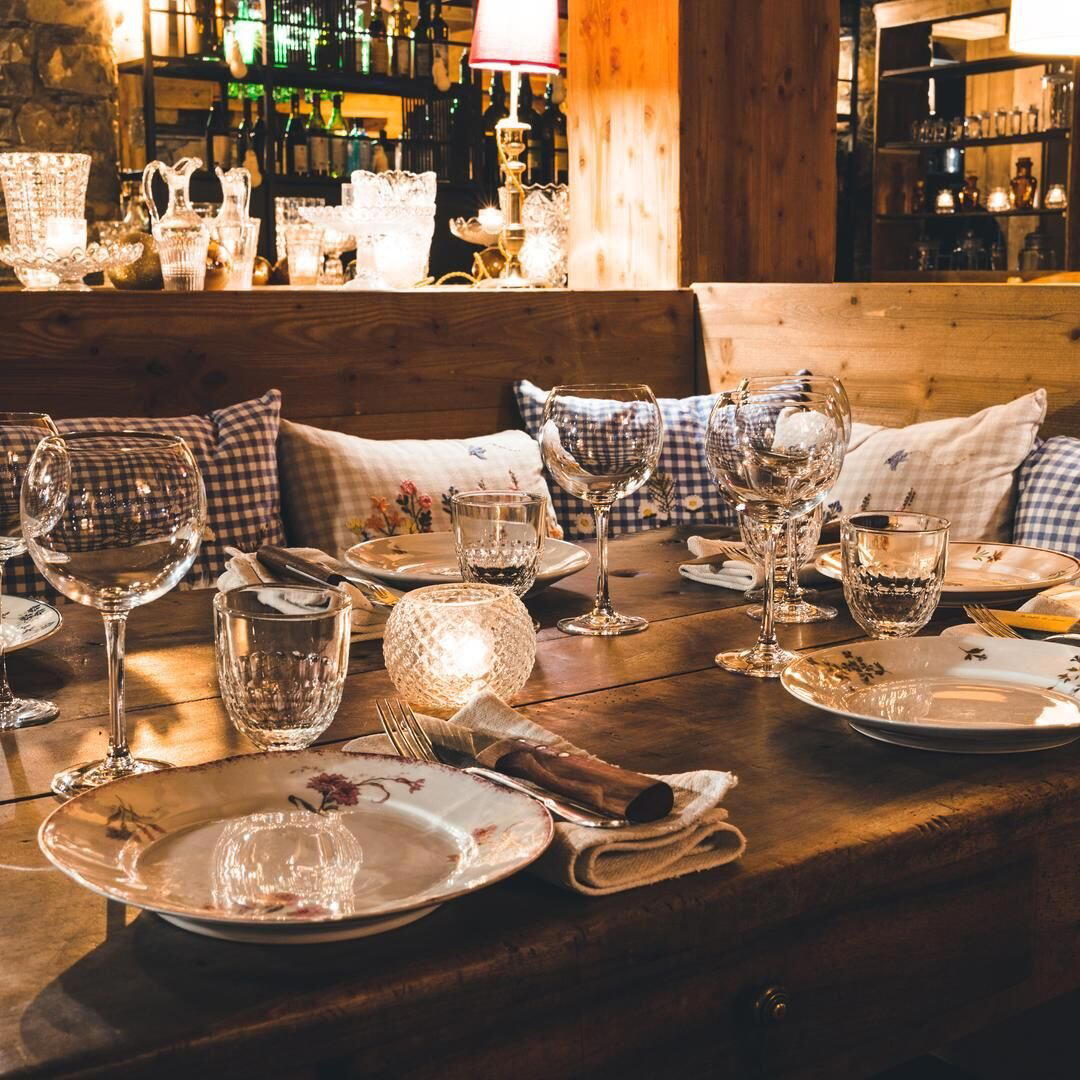
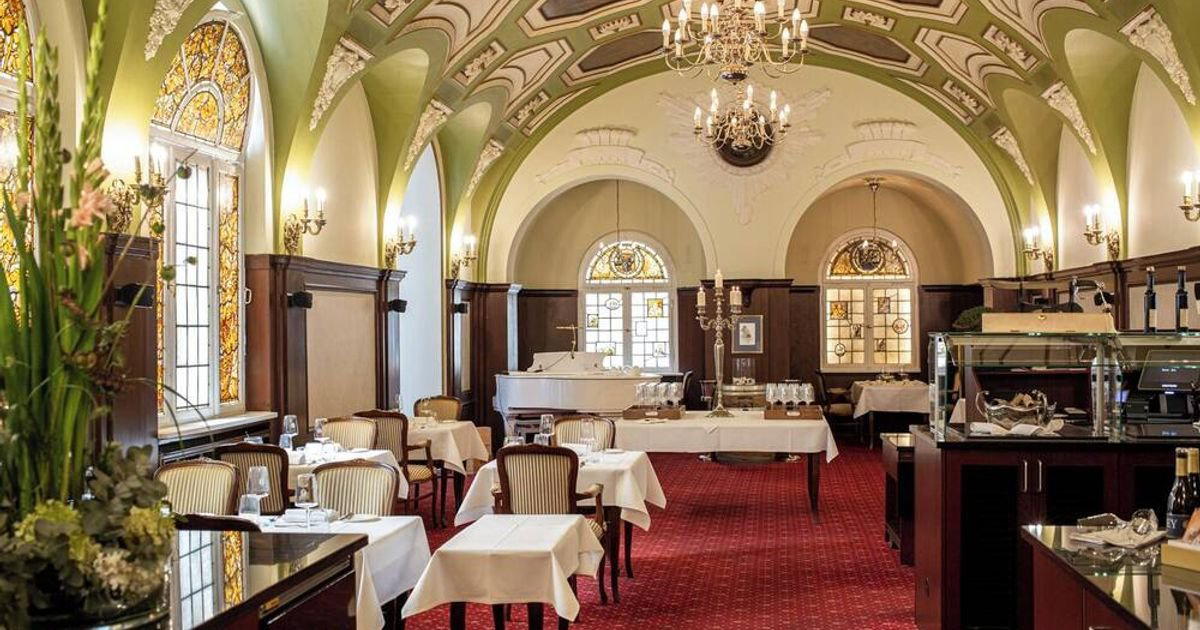
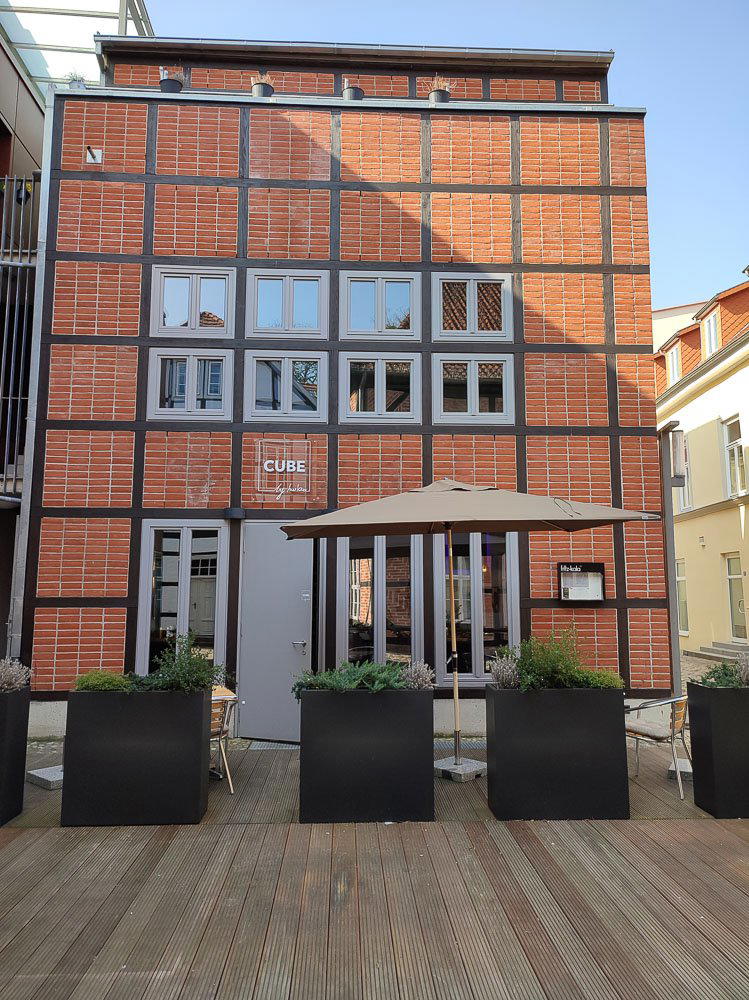
Attractive space with bare wooden tables blending old-world charm and modern design; warm and inviting with street-facing outdoor seating in summer.