Al Granaio
Our verdict
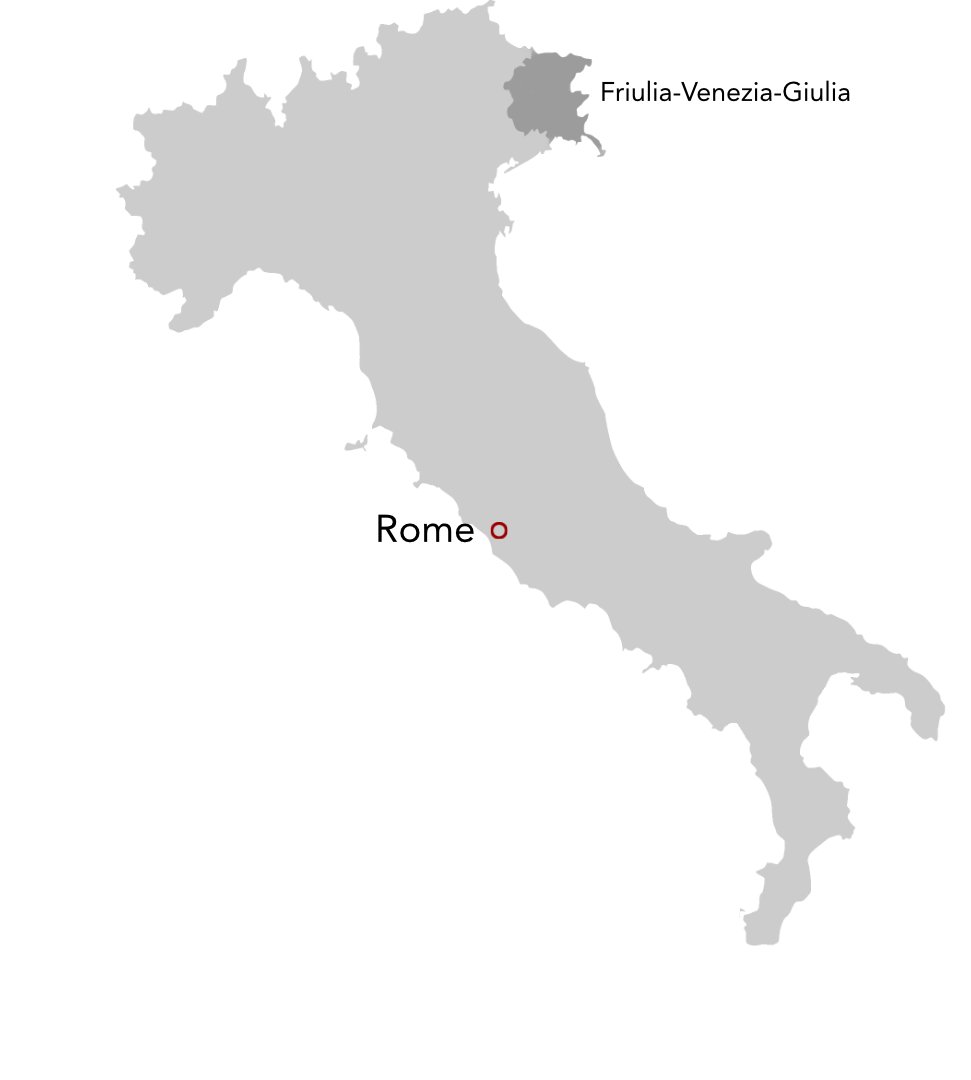
Al Granaio sits on Via Tiel in Fiumicello, a small town in Friuli-Venezia Giulia where the Isonzo plain meets the Adriatic hinterland, one of Italy's most quietly productive agricultural zones. The surrounding region's grain heritage, market gardens, and proximity to both the sea and the Slovenian border shape the kind of table this area has always set: rooted, seasonal, and largely unknown to the tourist circuit.

Pearl is the En Primeur Club membership app, where members save venues, book tables and use the concierge.
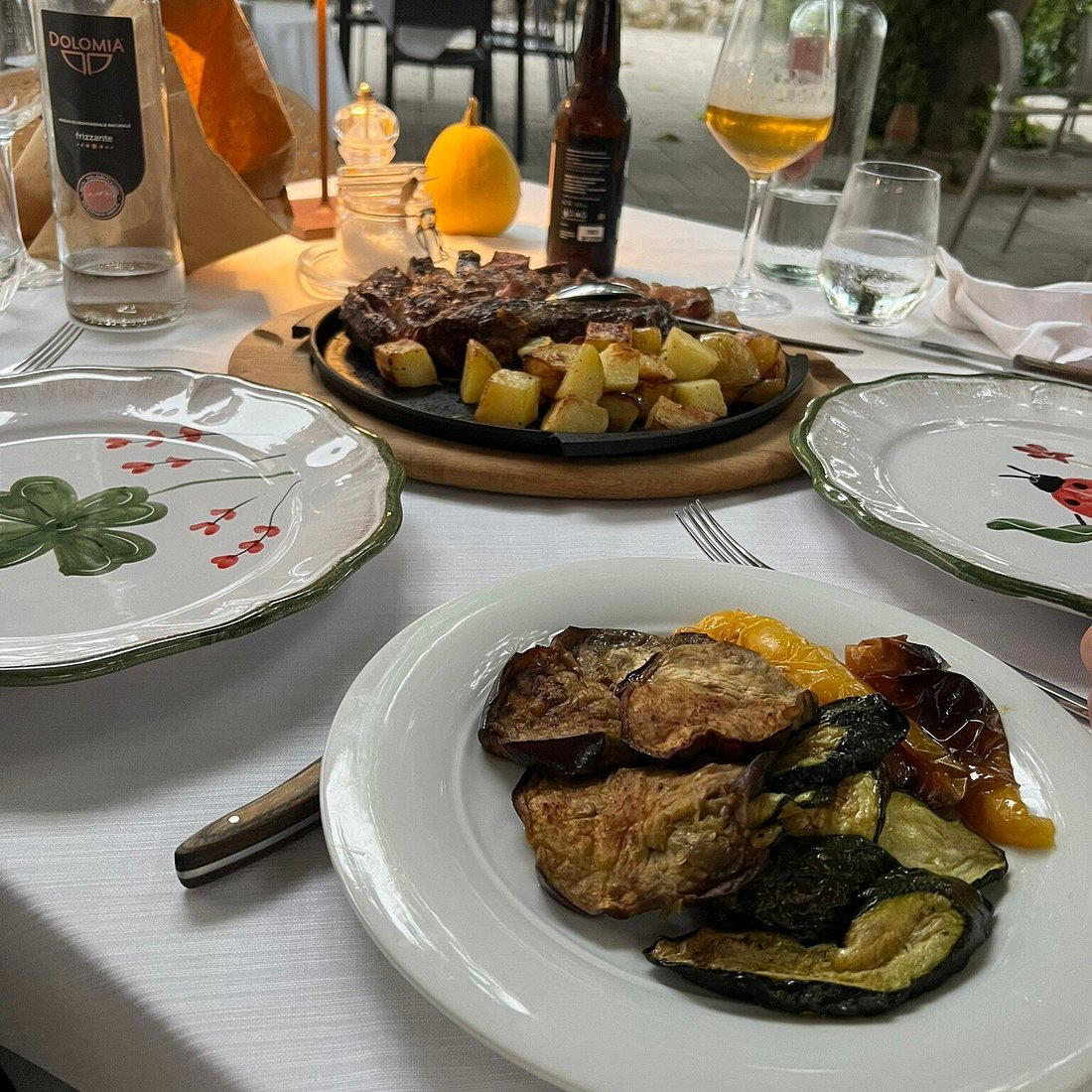
Where the Isonzo Plain Sets the Table
Friuli-Venezia Giulia is one of the least-discussed regions in Italian dining conversations, which is a significant oversight. The province of Udine, where Fiumicello sits, occupies a corridor between the Carnic Alps and the Adriatic coast, a zone that produces some of Italy's most characterful white wines, a distinct cured-meat tradition rooted in Central European crosscurrents, and market gardens that benefit from both alpine water sources and the warming influence of the Adriatic. This agricultural density is not incidental to how the area's better restaurants cook. It is the premise. See our full Fiumicello restaurants guide for broader context on what the town and its surroundings offer.
Al Granaio, the name translates simply as "the granary", sits on Via Tiel in the Fiumicello Villa Vicentina municipality, an address that signals a particular kind of Italian restaurant: not a city-centre destination built for tourists, but a local institution shaped by its immediate geography. In a region where agriculture and gastronomy are intertwined more tightly than in most of Italy, that positioning carries editorial weight.
The Friulian Sourcing Context
To understand what a restaurant like Al Granaio represents, it helps to understand the sourcing geography of Friuli-Venezia Giulia. The Isonzo River valley, which runs through this part of the province, has long supplied restaurants in Udine and Gorizia with freshwater fish, aromatic herbs, and a range of brassicas and root vegetables that reflect both Italian and Slovenian culinary traditions. The coast, accessible within thirty to forty minutes from Fiumicello, adds Adriatic seafood to that supply chain, particularly in the warmer months when fishing activity peaks.
Italy's northeast produces a style of cooking that differs structurally from the tomato-and-olive-oil template of the centre and south. Smoked and cured meats, polenta in multiple preparations, dairy from mountain pastures, and a willingness to use bitter greens and preserved ingredients all point toward a Central European influence that the Habsburgs left behind and that Friulian kitchens have absorbed without apology. The leading regional tables in this corridor, whether at the calibre of Dal Pescatore in Runate or at locally-oriented spots operating several tiers below, share a commitment to sourcing that reflects this particular agricultural and cultural geography rather than performing a generic Italian identity.
Al Granaio's name suggests a relationship with grain specifically, a reference point that connects to Friuli's history as a polenta and bread culture, distinct from the pasta-dominant traditions of Emilia or the rice cultures of Lombardy. Whether that connection is literal or atmospheric, the address in this part of the Udine plain places it within a culinary tradition where grain, preserved protein, and seasonal produce have historically done the work that more glamorous ingredients do elsewhere.
The Atmosphere of the Friulian Countryside
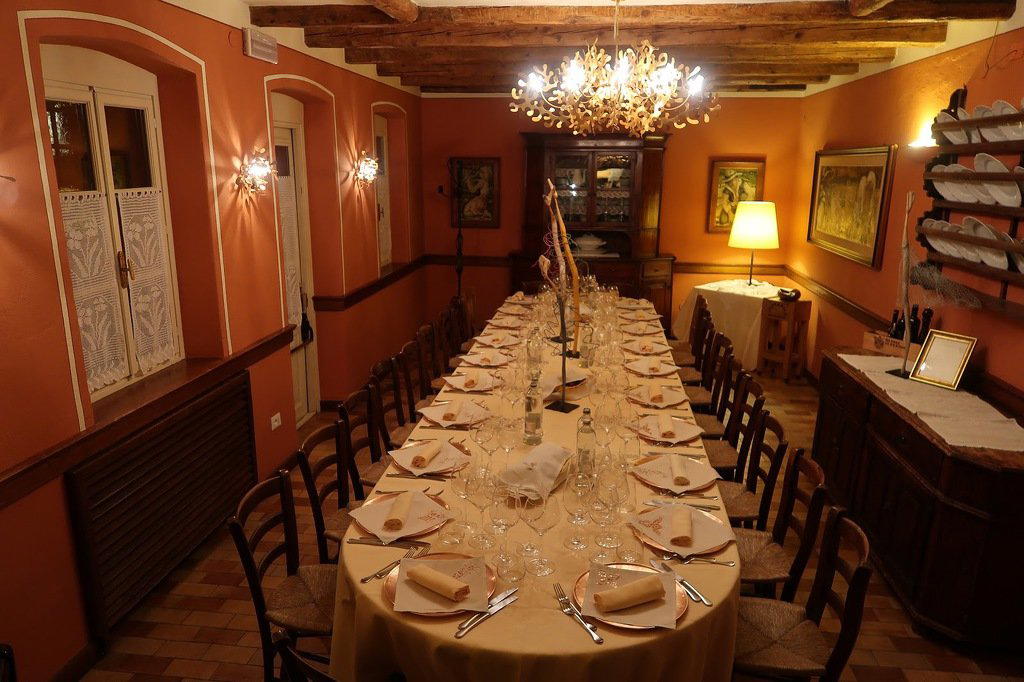
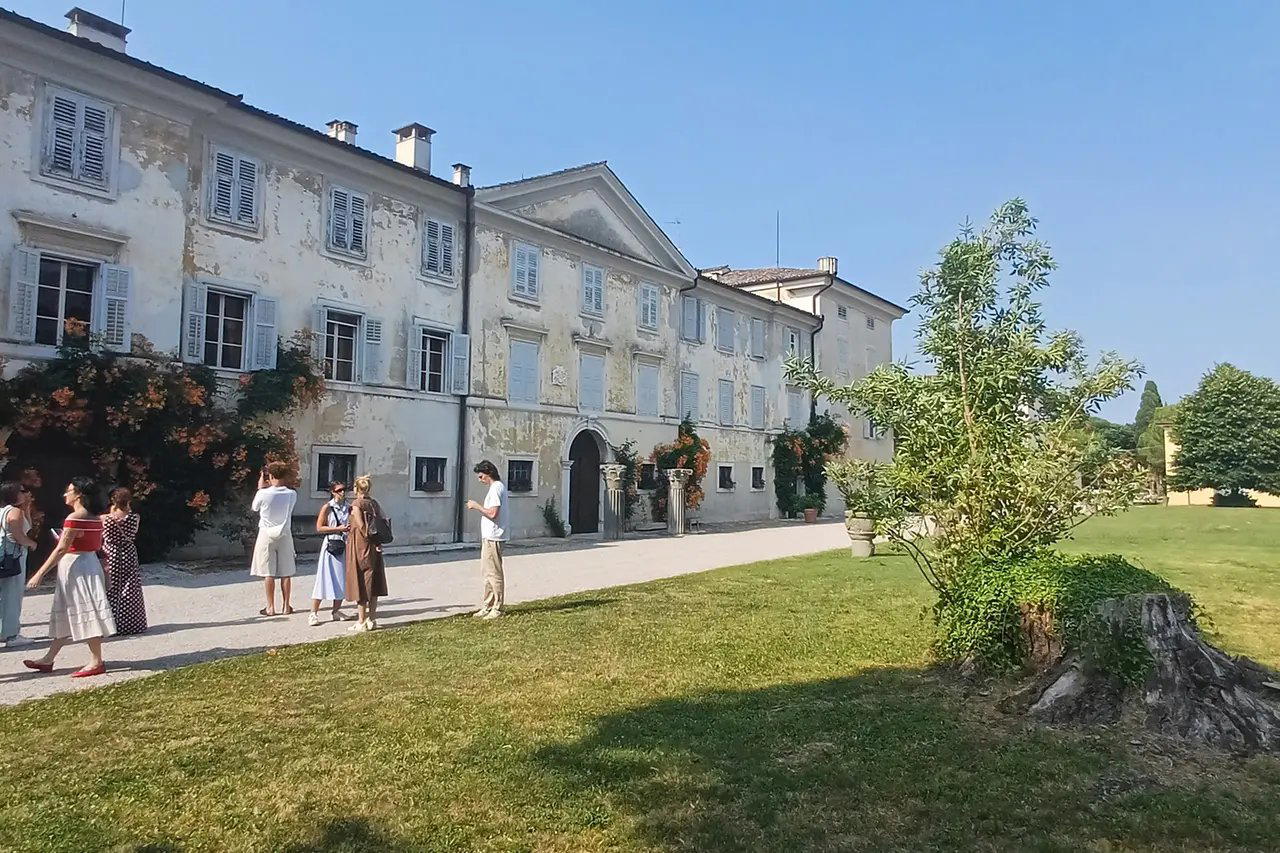
Fiumicello is not a destination town. It sits between Aquileia, whose Roman and early Christian archaeological sites bring some cultural tourism to the area, and the Adriatic resorts of Grado and Lignano Sabbiadoro. Restaurants here serve a local clientele first, with the kind of atmosphere that follows from that priority: rooms that have settled into their purpose over years, service that assumes familiarity rather than performing it, and a relationship with the seasons that is practical rather than theatrical.
This pattern repeats across the more honest dining rooms of the Italian northeast. The contrast is worth noting against the high-concept tasting menus that have come to define Italian fine dining's international image, from Osteria Francescana in Modena to Reale in Castel di Sangro or Atelier Moessmer Norbert Niederkofler in Brunico. Those addresses operate in a global register. Smaller regional restaurants in the Udine plain operate in a local one, and that is precisely their value to a reader who wants to eat where the food comes from rather than where the critics have gathered.
Planning a Visit
Fiumicello is most practically reached by car from Trieste, roughly forty kilometres to the southeast, or from Udine, approximately thirty kilometres to the north. The A4 motorway and the SS14 state road both offer access to this part of the province. The town has no significant hotel infrastructure of its own, making Grado, Aquileia, or Udine the logical bases for visitors combining a meal here with wider regional exploration.
The broader Friulian dining circuit rewards planning. Further afield but within the Italian northeast's serious dining geography, Le Calandre in Rubano and Casa Perbellini 12 Apostoli in Verona represent the region's high-end tier. For seafood-focused comparison points at the acclaimed end of the Italian spectrum, Uliassi in Senigallia and Quattro Passi in Marina del Cantone operate in a coastal Italian register that shares some sourcing logic with the Adriatic hinterland around Fiumicello, even if their format and price point differ considerably. For readers whose Italy itineraries extend further, Enoteca Pinchiorri in Florence, La Pergola in Rome, Da Vittorio in Brusaporto, Villa Crespi in Orta San Giulio, Piazza Duomo in Alba, Enrico Bartolini in Milan, and Gambero Rosso in Marina di Gioiosa Ionica map the broader range of serious Italian dining for context. For international comparison on ingredient-driven cooking, Le Bernardin in New York City and Lazy Bear in San Francisco represent how sourcing-first philosophies translate in other markets.
Frequently asked questions
Is Al Granaio suitable for children?
Al Granaio is set in Fiumicello, a quiet agricultural village in the province of Udine with no major tourist traffic, which generally signals a relaxed, family-friendly environment. That said, specific policies on children or high chairs are not documented, so calling ahead before visiting with young children is advisable.
What is the atmosphere like at Al Granaio?
Fiumicello is a working agricultural town on the Isonzo plain, not a tourist destination, and Al Granaio reflects that setting: a countryside trattoria-style environment rather than a dressed-up dining room. The address on Via Tiel places it away from any urban centre, suggesting an unhurried, local-facing atmosphere where the food does the talking.
What do people recommend at Al Granaio?
Given its location in Friuli-Venezia Giulia, the regional larder, San Daniele prosciutto, Montasio cheese, freshwater fish from the Isonzo valley, and polenta-based dishes, typically frames what local kitchens in this area put on the table.
Where is Al Granaio located?
Al Granaio is located at Via Tiel, 24, 33050 Fiumicello Villa Vicentina UD, Italy, Fiumicello.
Can I walk in to Al Granaio?
Fiumicello is not a destination town and Al Granaio does not appear to operate within a high-footfall area, which can cut either way for walk-in availability. No booking policy is documented, but for a countryside restaurant in rural Udine province, phoning ahead remains the most reliable approach, particularly on weekends when local regulars tend to fill rooms quickly.
What's the signature at Al Granaio?
No specific signature dish is documented for Al Granaio. Restaurants in this part of Friuli-Venezia Giulia, between the Isonzo River and the Venetian lagoon edge, tend to anchor their menus to the region's crossborder heritage: Germanic-inflected cured meats, Slovenian-adjacent grain dishes, and produce from the Isonzo plain itself.
At-a-Glance Comparison
Comparable venues nearby, for context on price, style, and recognition.
| Venue | Cuisine | Price | Notes |
|---|---|---|---|
| Al GranaioThis venue (the venue you are viewing) | Modern Italian Seafood & Meat | $50–100 | Not listed |
| Carlton Garden | Seasonal Italian in a Milanese garden setting | $100–150 | Quadrilatero della Moda |
| Harry's Bar | Classic Venetian Italian | $50–100 | San Marco |
| Club del Doge | Modern Venetian Fine Dining | $150–200 | San Marco |
| Podere dell'Angelo | Modern Italian Farm-to-Table | $50–100 | Pasiano di Pordenone |
| Al Castello di Buttrio | Modern Friulian | $50–100 | Buttrio, Province of Udine |
Continue exploring
More in Fiumicello Villa Vicentina
Restaurants in Fiumicello Villa Vicentina
All restaurants in Fiumicello Villa Vicentina →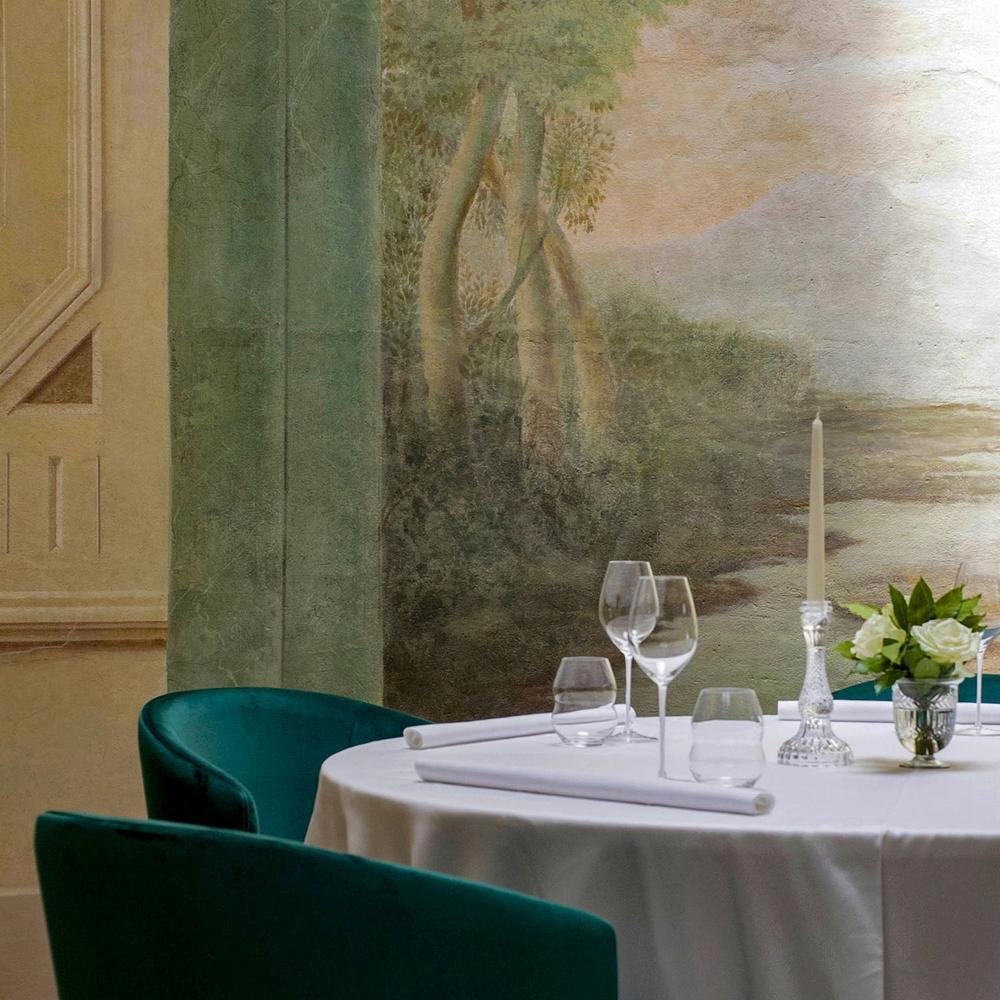
Bars in Fiumicello Villa Vicentina
Browse all →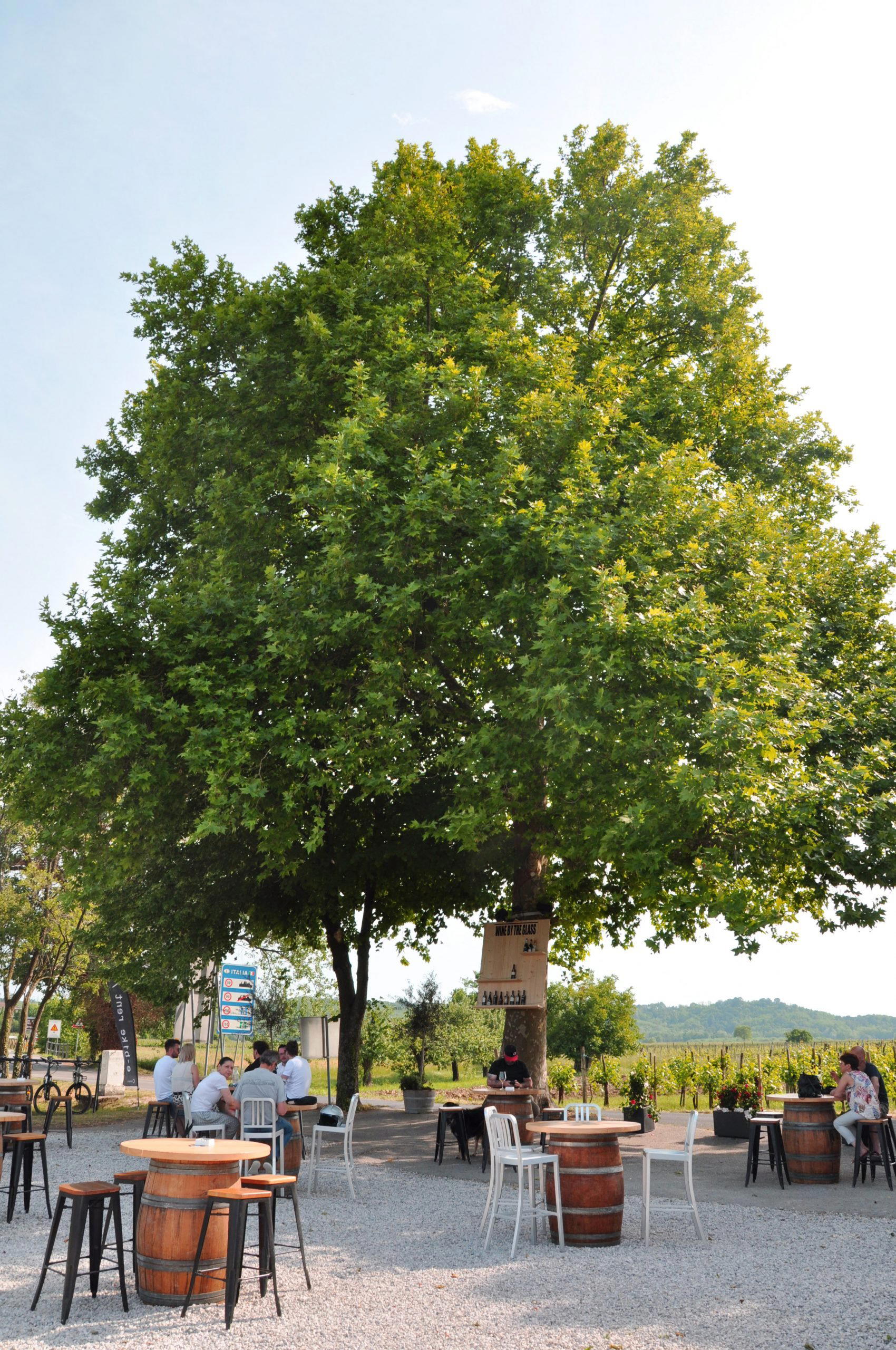

Details
- Rustic
- Elegant
- Cozy
- Intimate
- Date Night
- Special Occasion
- Business Dinner
- Historic Building
- Open Kitchen
- Terrace
- Extensive Wine List
- Organic
- Local Sourcing
- Vineyard
- A La Carte
- Wine
- Vegetarian Friendly
- Vegan Options
- Gluten Free Options
Current opening hours
- Monday
- Closed
- Tuesday
- Closed
- Wednesday
- 12–2:30 PM, 6:30–10 PM
- Thursday
- 12–2:30 PM, 6:30–10 PM
- Friday
- 12–2:30 PM, 6:30–10 PM
- Saturday
- 12–2:30 PM, 6:30–10 PM
- Sunday
- 12–3 PM
Hours can change for holidays and private events. Hours as of .
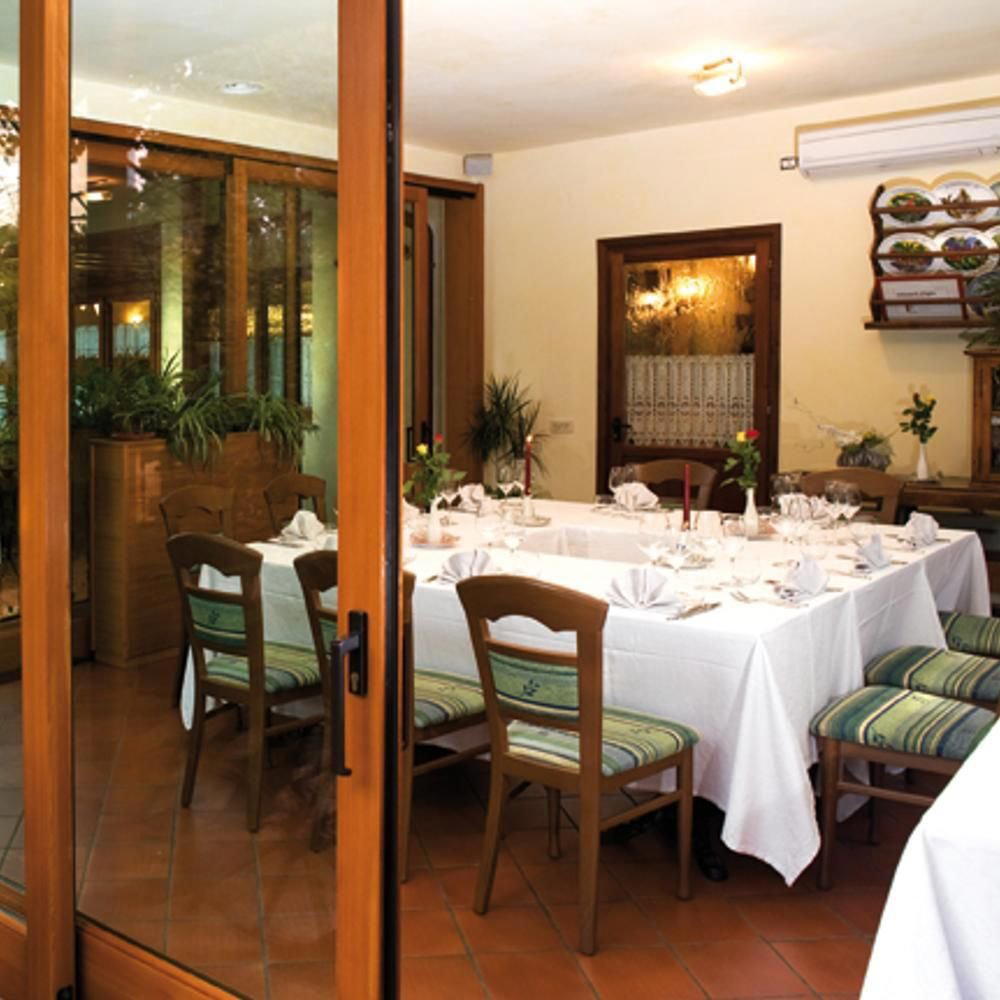
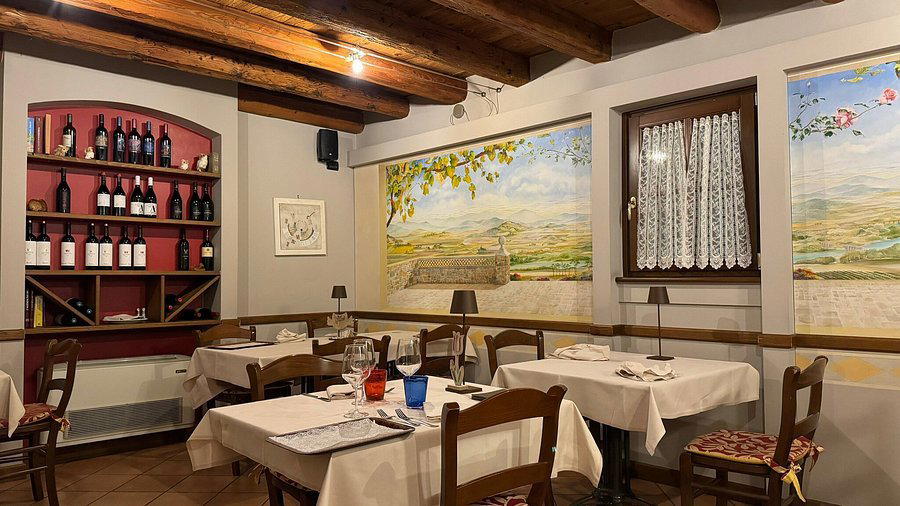
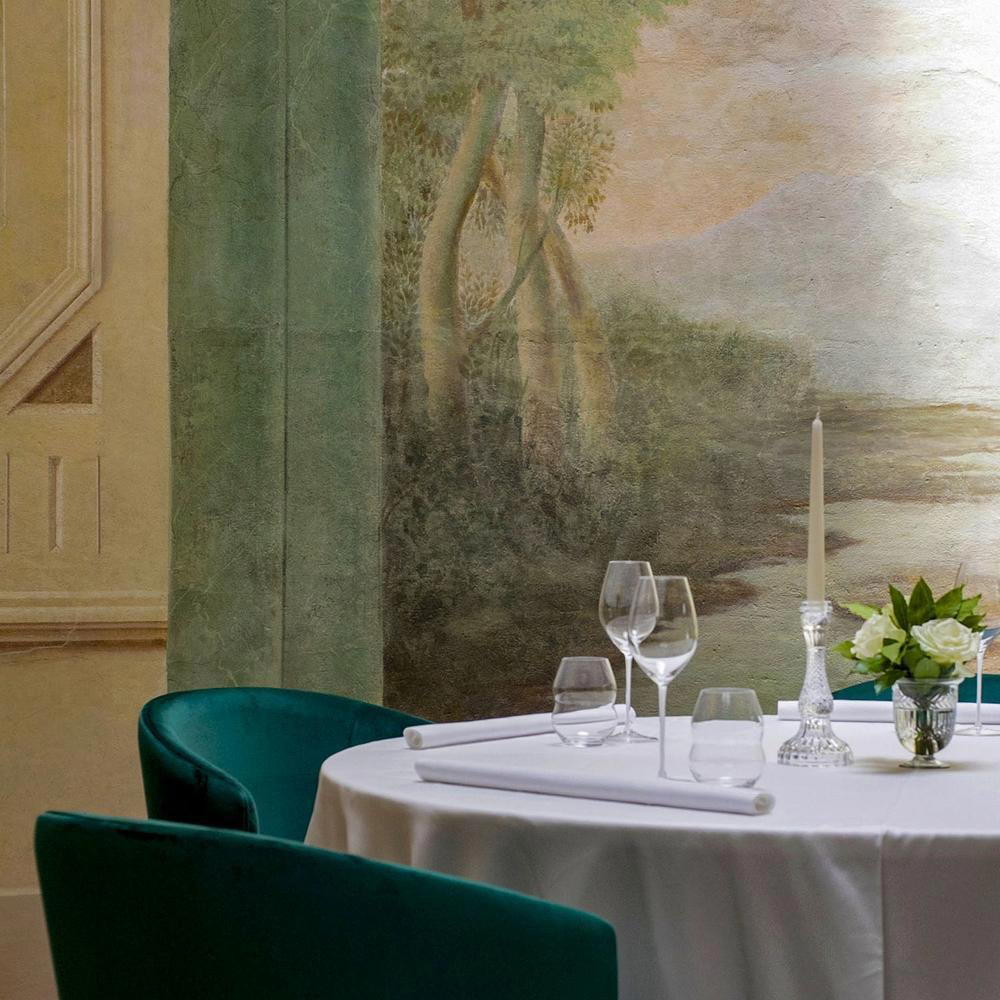
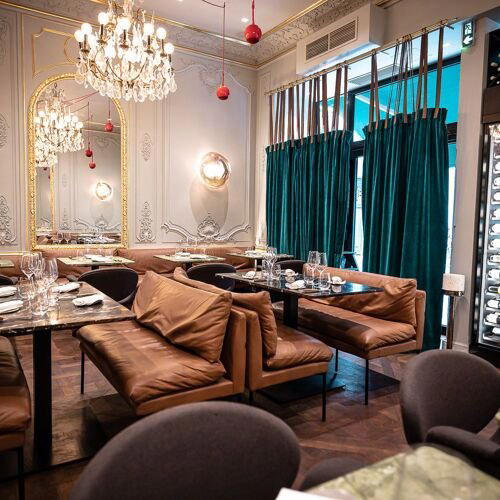
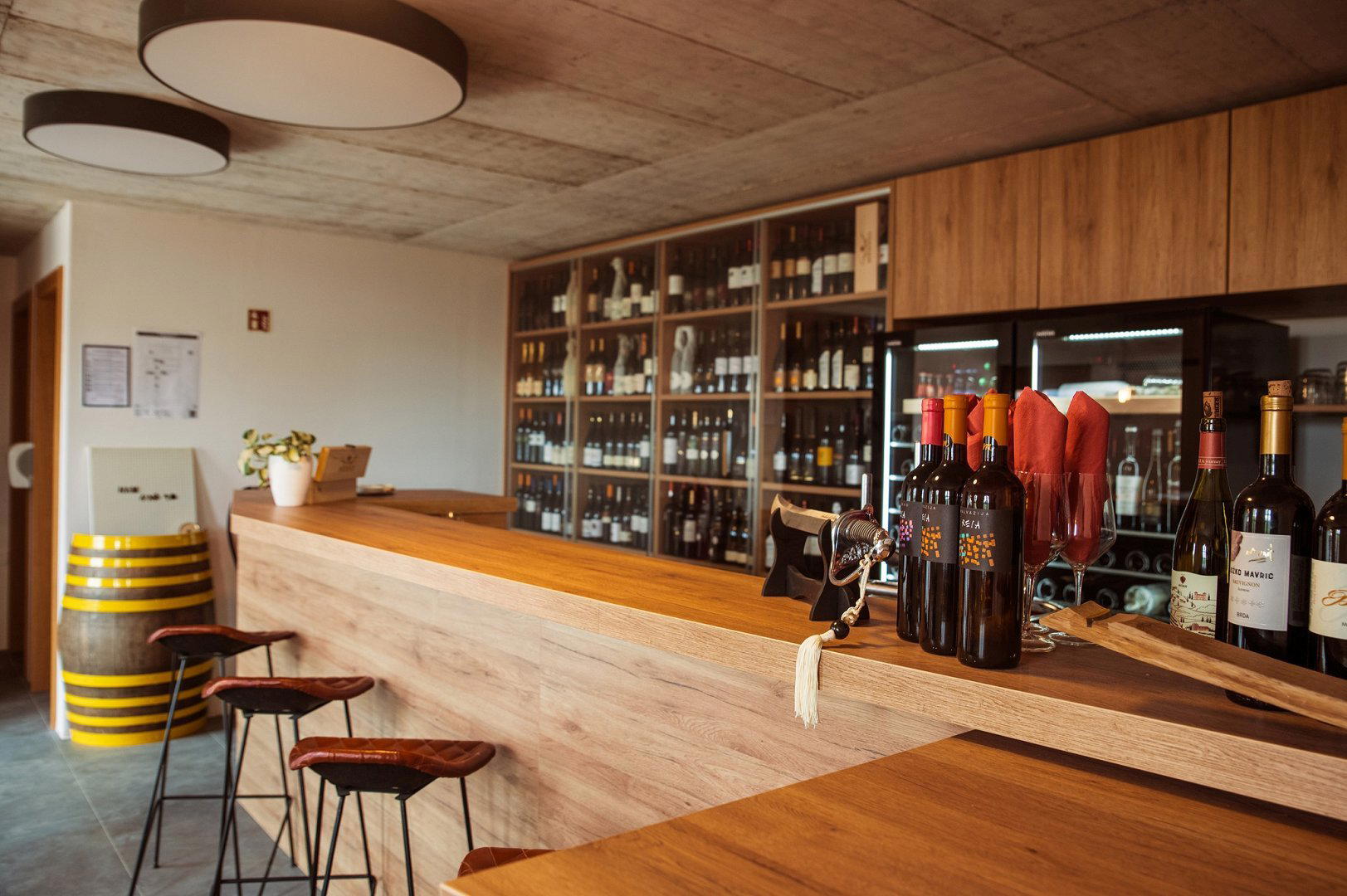
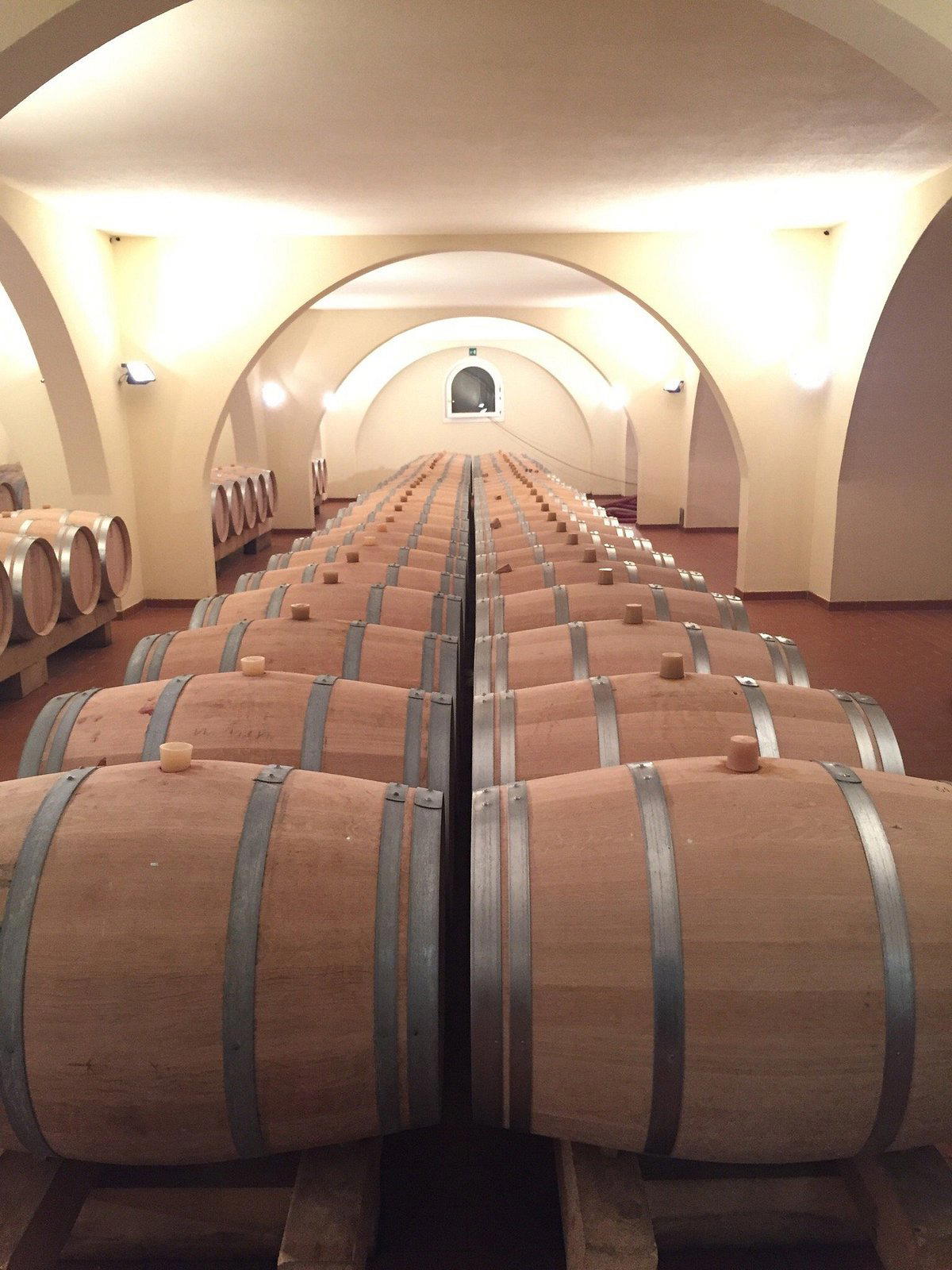
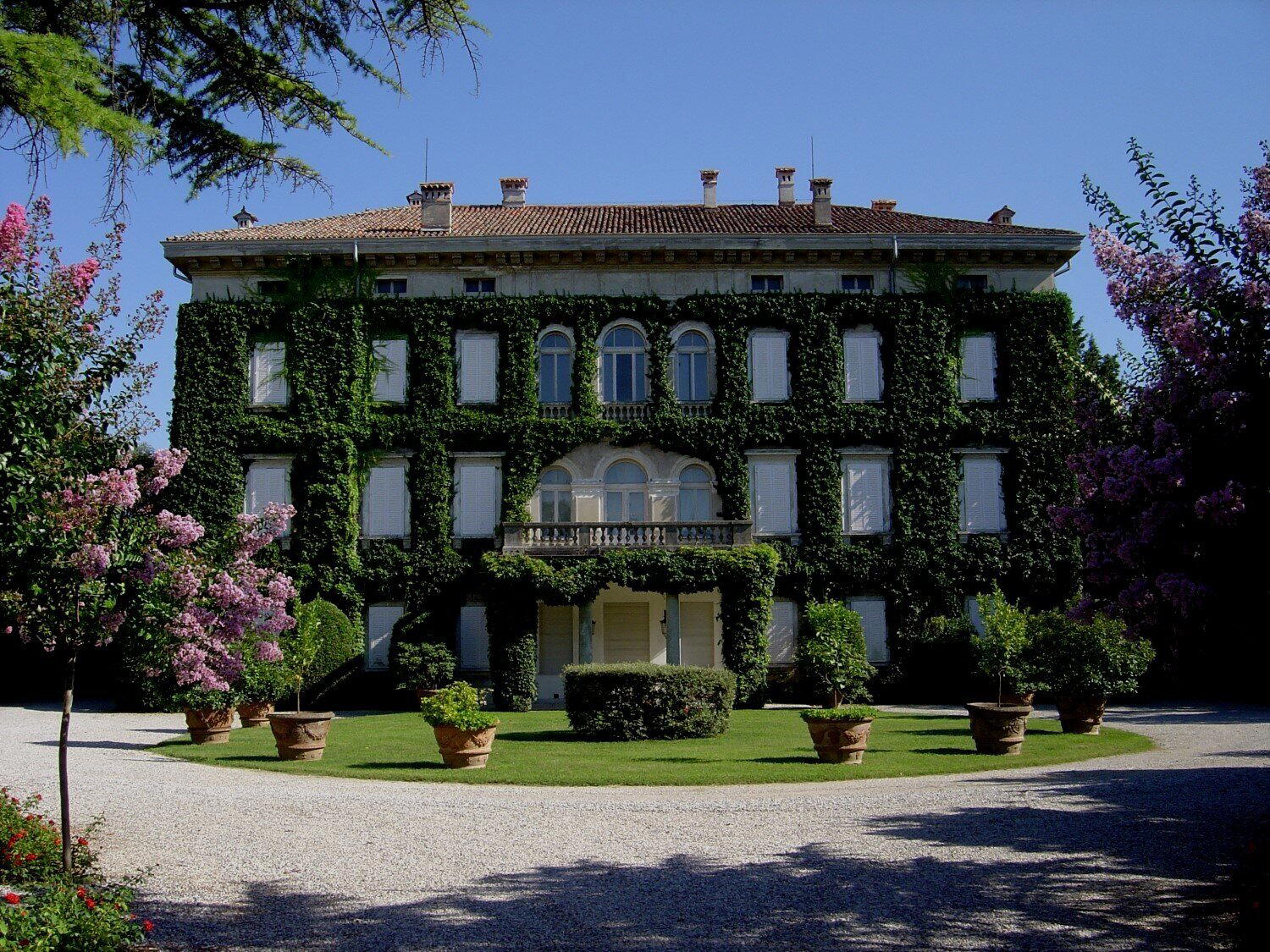
Rustic yet elegant atmosphere in a stylishly converted barn, with pleasant intimate lighting ideal for romantic dinners or special occasions.