Our verdict
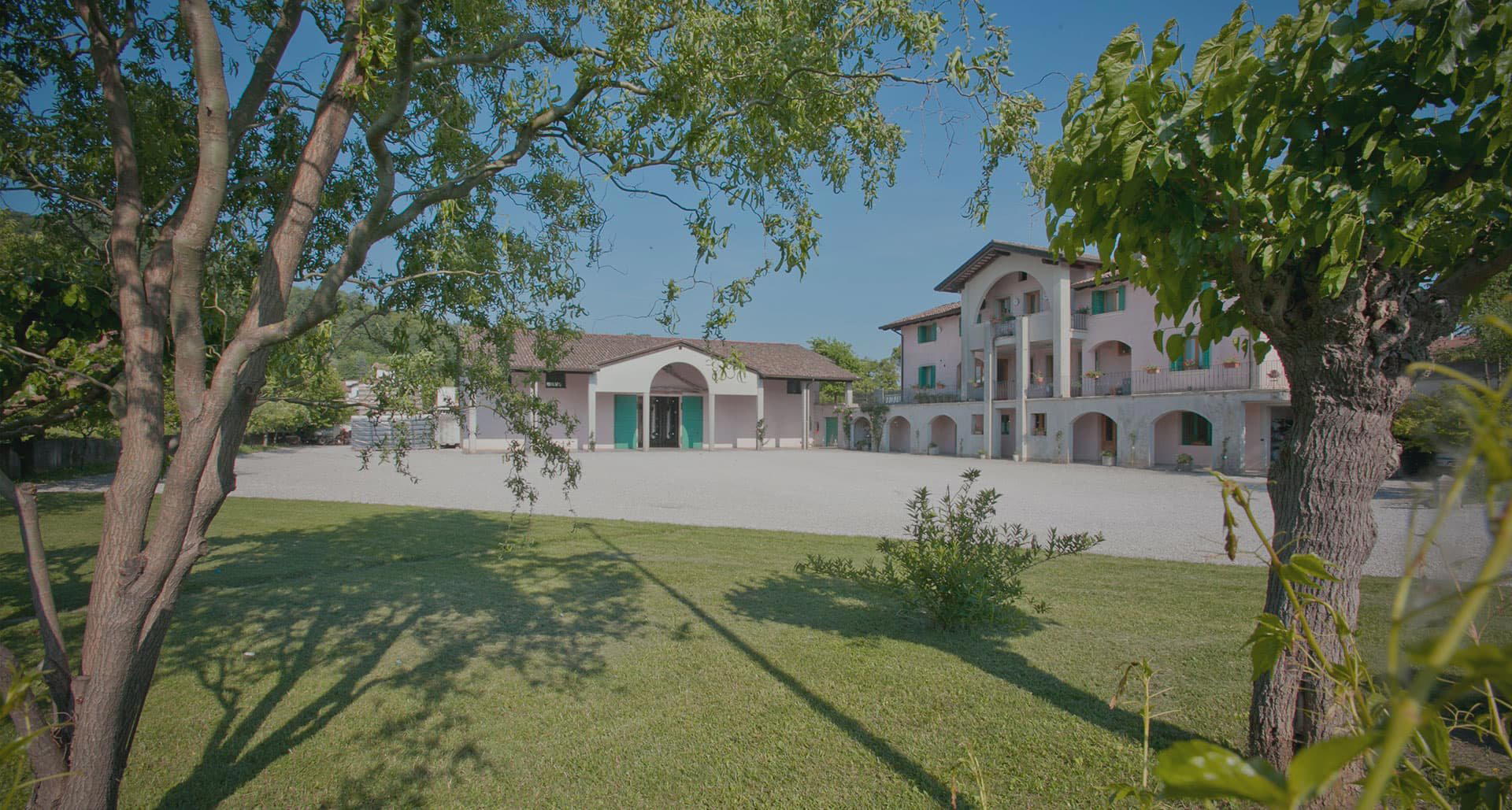
Set within a historic castle in the Friuli wine country east of Udine, Al Castello di Buttrio occupies a position where regional produce and viticulture converge. The Colli Orientali del Friuli surrounding the property supply the kitchen's raw material and the cellar's character. For visitors moving through northeastern Italy's wine corridor, Buttrio offers a more grounded alternative to the polished dining rooms of Verona or Venice.

Pearl is the En Primeur Club membership app, where members save venues, book tables and use the concierge.

The menu
What to order
- Herbal tortelli with chicken and citrus
- Trout with miso, honey and thyme
- Pork belly with soy and kimchi
- Beetroot tartare
Castle Ground, Friuli Soil
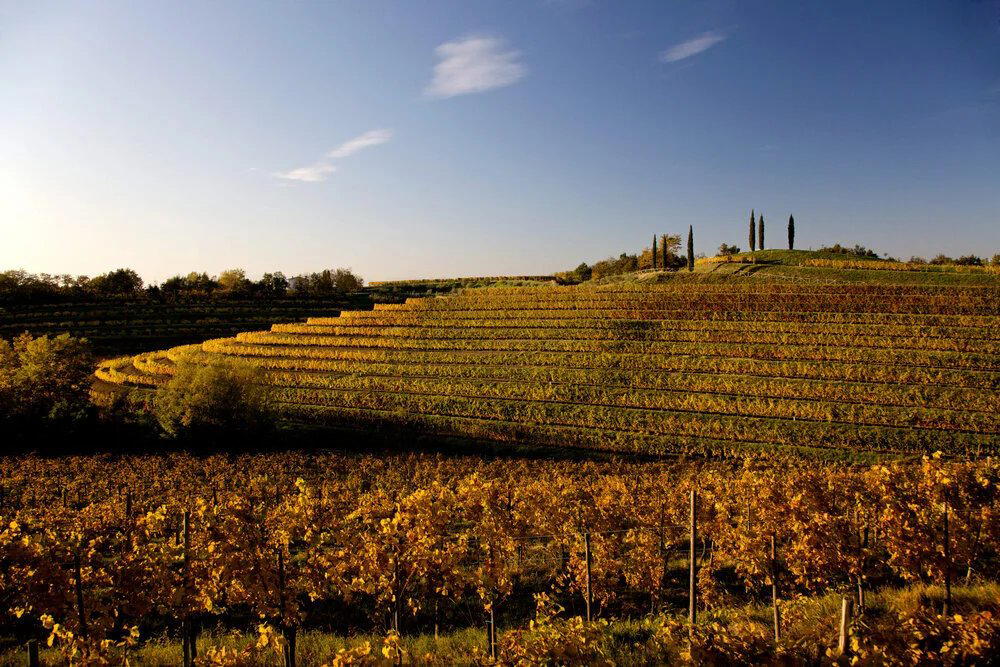
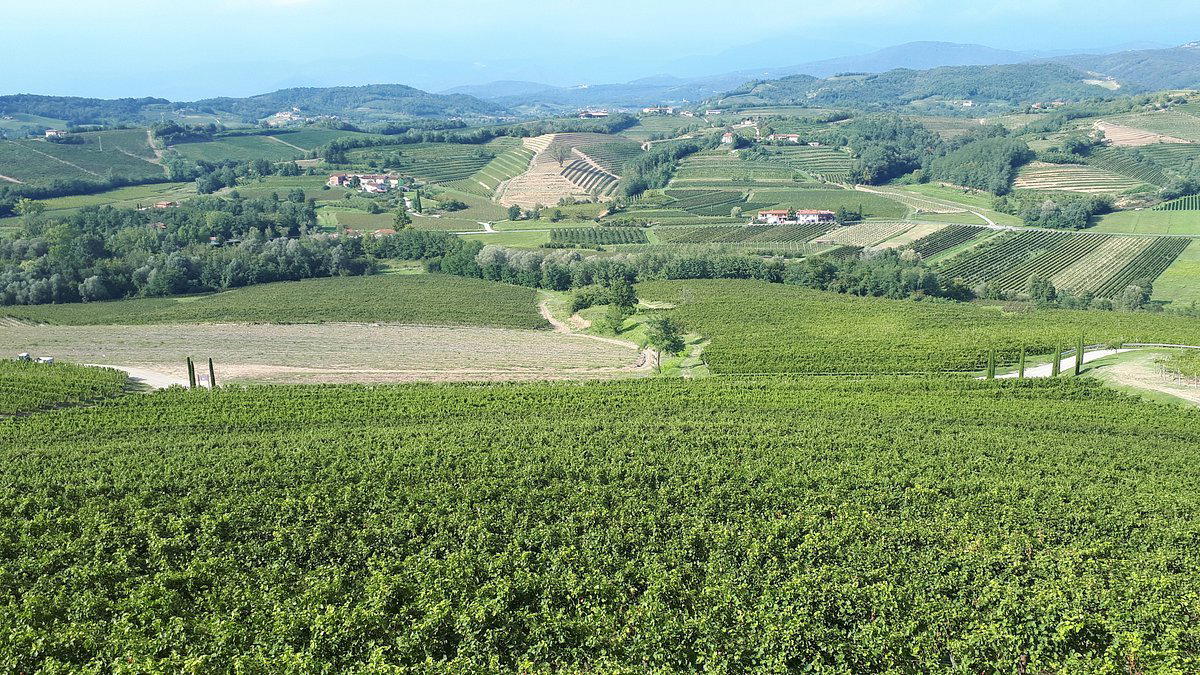
Arriving at a medieval hilltop castle in the Friuli-Venezia Giulia countryside carries a particular atmospheric weight that has nothing to do with hospitality theater. The stone walls predate any restaurant concept by centuries, and the Colli Orientali del Friuli hills that roll outward from the property have been producing wine since at least the Roman era. Al Castello di Buttrio occupies this terrain not as a decorative backdrop but as a functional one: the estate sits at the center of one of northeastern Italy's most serious wine-growing zones, where Friulano, Ribolla Gialla, and Refosco dal Peduncolo Rosso have defined local viticulture for generations. The relationship between the land immediately outside and what appears on the table and in the glass inside is the operative logic of a place like this, and it is a logic that takes the Friuli countryside seriously.
The Colli Orientali as Kitchen Larder
Friuli-Venezia Giulia's cooking tradition is one of the least mythologized in Italy, which is part of what makes it worth understanding. The region sits at a cultural crossroads where Venetian, Austro-Hungarian, and Slavic influences have layered for centuries, producing a cuisine that tends toward restraint and specificity rather than spectacle. Ingredients here carry geographic identity: Montasio cheese from the mountain dairies, San Daniele prosciutto cured in the microclimate of the Tagliamento valley, white asparagus from Tavagnacco, and trout from the cold Natisone river system. These are not pantry items with generic provenance claims; they are products whose character shifts measurably depending on elevation, humidity, and seasonal timing.
A castle dining room in this context functions as a kind of editorial curation of what the surrounding territory produces. The Colli Orientali appellation, which presses up against Slovenia to the east, has become a reference point for Italian white wines made without compromise: high-acid, mineral-driven, and structured enough to age. Any serious kitchen in this zone deals daily with the question of how to match food to wines of that character, which tends to pull menus toward dishes with acidity, aromatic complexity, and clean finishes rather than cream-heavy or butter-reliant preparations. Compare this to the approach at Dal Pescatore in Runate, where the Po Valley's slower, richer pantry sets a different culinary register, or to Atelier Moessmer Norbert Niederkofler in Brunico, where Alpine sourcing similarly disciplines the menu toward what the immediate landscape yields rather than what might be imported for prestige value.
Buttrio in the Wider Friuli Dining Context
Buttrio is a small comune in the province of Udine, roughly fifteen kilometers east of the provincial capital, and it does not operate on the dining tourism infrastructure of larger Italian cities. The village has a focused, local character, and the restaurants that anchor it tend to draw from the same regional supply chains that the castle estate does. Enoteca di Buttrio addresses the seafood dimension of Friulian cooking, while Trattoria al Parco covers the rural, country-cooking register. Taken together, these three addresses sketch a fairly complete picture of what Buttrio's food culture looks like across price points and formats. For a broader orientation across the commune's dining options, our full Buttrio restaurants guide maps the full picture.
The castle's position within this scene is distinct in physical terms alone: hilltop castle properties with operational restaurants are rare in the Colli Orientali, and the combination of estate viticulture and kitchen service gives Al Castello di Buttrio a contextual specificity that village trattorie, however accomplished, cannot replicate. Italy's broader estate-restaurant category, which includes addresses like Quattro Passi in Marina del Cantone and the more institutionalized fine dining of Piazza Duomo in Alba, shows that proximity to primary production consistently deepens what a kitchen can do with local ingredients, because it collapses the distance between harvest and plate.
The Friuli Wine Corridor and What It Demands of a Cellar
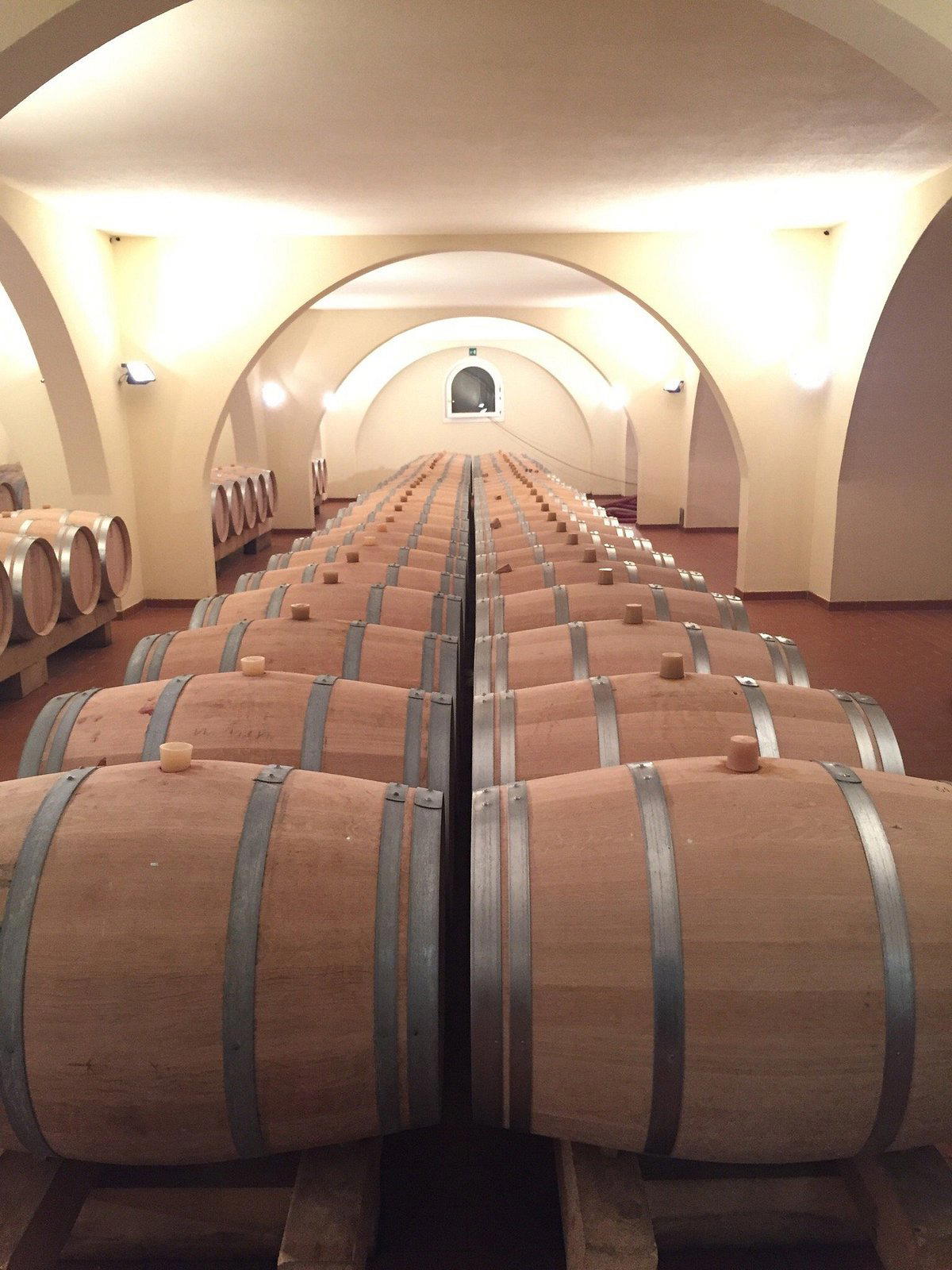
Any serious engagement with Friuli-Venezia Giulia's dining culture requires parallel engagement with its wines. The Colli Orientali del Friuli DOC and neighboring Collio DOC together produce some of Italy's most technically demanding whites, and a cellar anchored in estate production carries an automatic curatorial advantage over restaurants sourcing from distributors. The Friulano grape in particular has become a reference point for indigenous Italian whites: lower-yield, mineral-forward, and structured without relying on aromatic exuberance. Ribolla Gialla, which has gained renewed attention through the natural wine movement, has deep historic roots in this corridor and delivers an acidity that pairs precisely with the cured meats and aged cheeses central to Friulian antipasto tradition.
For comparison, Italy's most recognized dining rooms tend to place wine at the center of their value proposition. Enoteca Pinchiorri in Florence has built one of Italy's deepest cellars across decades of deliberate accumulation. Uliassi in Senigallia and Le Calandre in Rubano each maintain cellar programs that amplify the kitchen's regional argument. An estate property in Buttrio with its own viticulture sits in this broader tradition of food-wine integration, though at a more intimate and geographically specific scale than those larger, Michelin-recognized addresses.
Planning a Visit to Buttrio
Udine is the natural arrival point for visitors to the Colli Orientali zone, with road access making the fifteen-kilometer drive to Buttrio direct. The most productive seasons for this part of Friuli are late spring through early autumn, when local produce is at its most active and the vineyards provide a legible backdrop to the estate's agricultural character. Visitors combining dining in Buttrio with a wider sweep of northeastern Italian fine dining might cross-reference addresses in the broader Friuli-Venezia Giulia and Veneto corridor, where Casa Perbellini 12 Apostoli in Verona or Villa Crespi in Orta San Giulio represent the kind of recognized fine dining that the wider region is known for internationally. For those arriving from further afield, Milan is the practical flight hub, with Enrico Bartolini among the city's high-reference dining options before continuing east. Given the limited visitor infrastructure in Buttrio itself, booking well in advance and confirming current hours directly with the property is advisable before making the drive from Udine.
The estate format also raises a question relevant to any property of this type: the leading visits tend to be unhurried ones, timed to allow the setting to register properly rather than treating the meal as a logistics stop between other destinations. That is a general principle of Italian estate dining that applies as much at Osteria Francescana in Modena or Reale in Castel di Sangro as it does at a castle property in the Friuli hills: the physical context is part of the offer, and rushing through it discards the most durable part of the experience.
Frequently asked questions
Can I bring kids to Al Castello di Buttrio?
Al Castello di Buttrio sits on a medieval hilltop estate in Buttrio, a setting that lends itself to a considered, slower-paced meal rather than an informal family lunch. Families travelling with older children who can engage with a more structured setting are better placed than those with very young ones.
What kind of setting is Al Castello di Buttrio?
The venue occupies a medieval castle on a hill in Buttrio, a small comune in the province of Udine roughly fifteen kilometres east of the provincial capital. The surrounding land connects directly to the Colli Orientali del Friuli wine zone, placing the estate inside one of northeastern Italy's most agriculturally coherent dining corridors. It is the kind of address where the building and the territory do most of the contextual work before a dish arrives.
Is Al Castello di Buttrio also a winery, and can I visit the estate vineyards?
The Buttrio estate has documented viticultural ties to the Colli Orientali del Friuli, one of northeastern Italy's structurally serious wine appellations known for white varieties including Friulano, Ribolla Gialla, and Malvasia Istriana. The combination of castle architecture and surrounding vines in Buttrio makes it a logical stop on any Colli Orientali itinerary regardless of format.
Side-by-Side Snapshot
Comparable venues nearby, for context on price, style, and recognition.
| Venue | Cuisine | Price | Awards | Notes |
|---|---|---|---|---|
| Al Castello di ButtrioThis venue (the venue you are viewing) | Modern Friulian | $50–100 | Not listed | Not listed |
| Enoteca di Buttrio | Modern Italian Seafood | $50–100 | Michelin Plate | Buttrio |
| Trattoria al Parco | Traditional Italian Trattoria with Grilled Meats | Not listed | Michelin Bib Gourmand | Buttrio |
| Costantini | Traditional Friulian Italian | Not listed | Not listed | Collalto |
| Ai Fiori | Modern Italian Seafood | $50–100 | Not listed | centro storico |
| Renzo | Contemporary Italian | $100–150 | Not listed | Cadenabbia di Griante |
Continue exploring
More in Buttrio
Restaurants in Buttrio
All restaurants in Buttrio →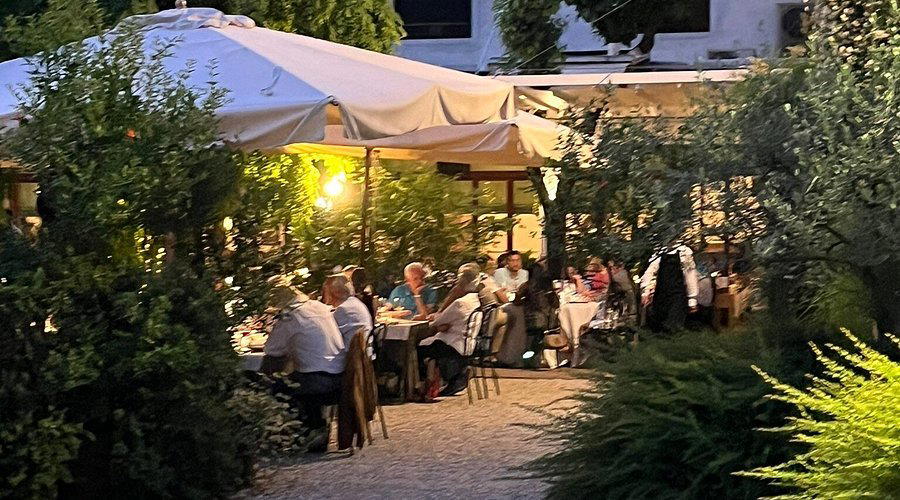
Bars in Buttrio
Browse all →
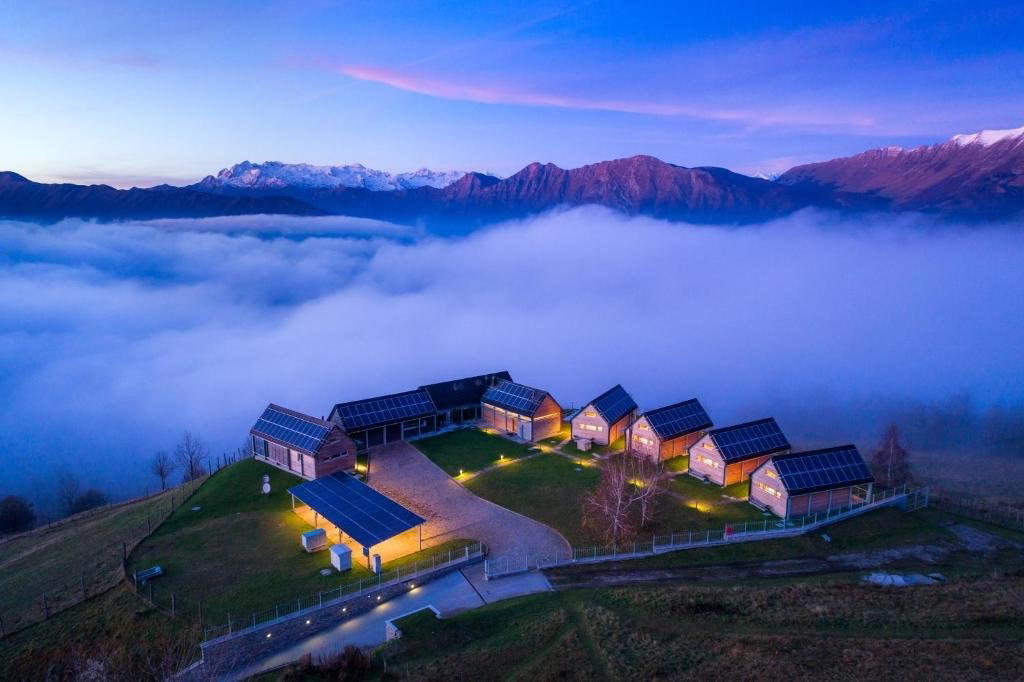
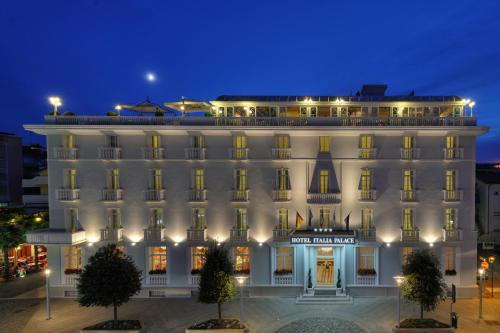
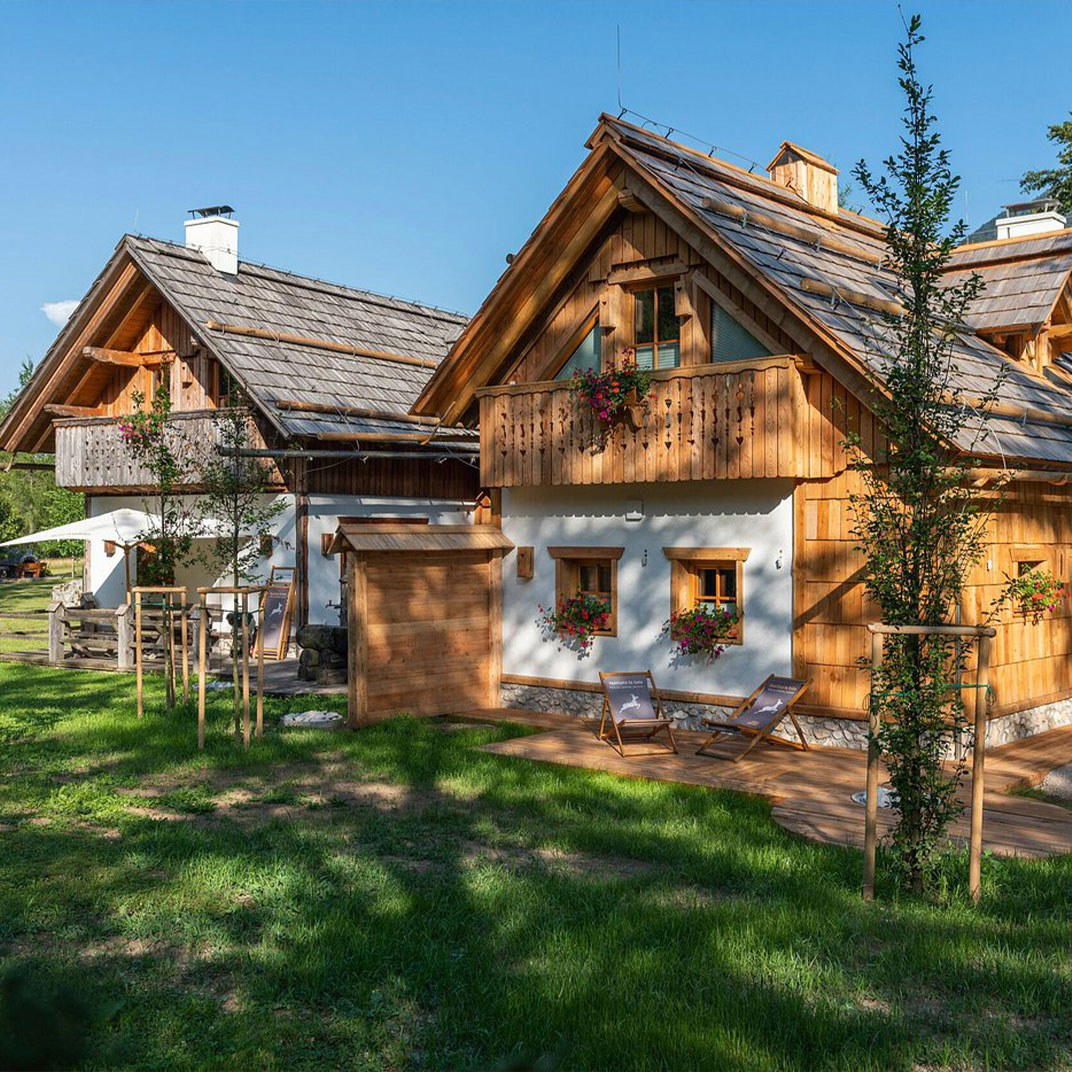
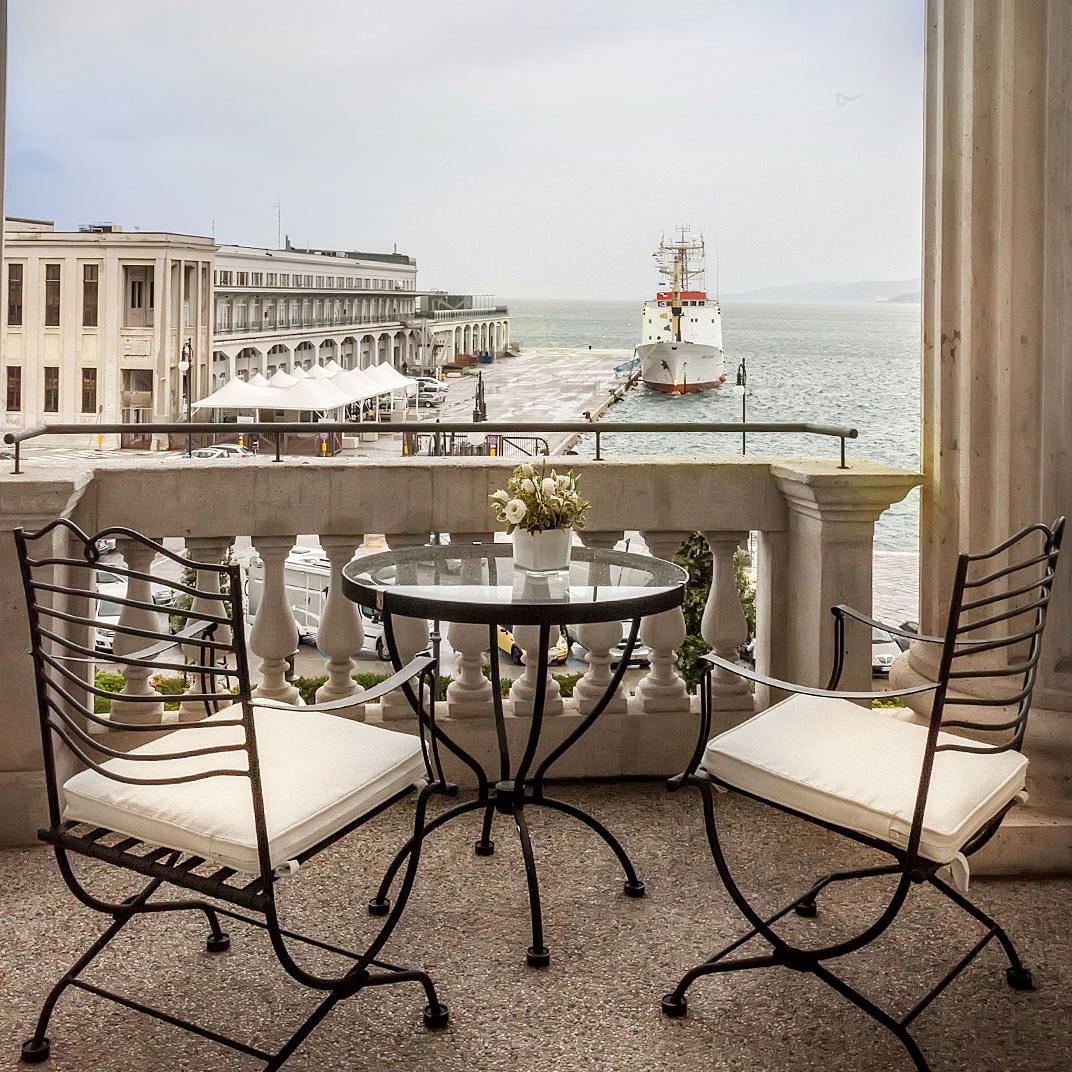
Al Castello di Buttrio
The wine
- Wine program
- Deep wine list
- Extensive wine list
- Sommelier-led
Details
- Romantic
- Elegant
- Scenic
- Quiet
- Sophisticated
- Date Night
- Special Occasion
- Celebration
- Group Dining
- Terrace
- Panoramic View
- Historic Building
- Wine Cellar
- Garden
- Private Dining
- Extensive Wine List
- Sommelier Led
- Local Sourcing
- Farm To Table
- Vineyard
- Garden
- Tasting Menu
- A La Carte
- Prix Fixe
- Wine
- Local Friuli Wines
- Vegetarian Friendly
- Gluten Free Options
- Allergy Accommodating
Current opening hours
- Monday
- 11 AM–3 PM, 6–11 PM
- Tuesday
- Closed
- Wednesday
- Closed
- Thursday
- 11 AM–3 PM, 6–11 PM
- Friday
- 11 AM–3 PM, 6–11 PM
- Saturday
- 11 AM–3 PM, 6–11 PM
- Sunday
- 11 AM–3 PM, 6–11 PM
Hours can change for holidays and private events. Hours as of .
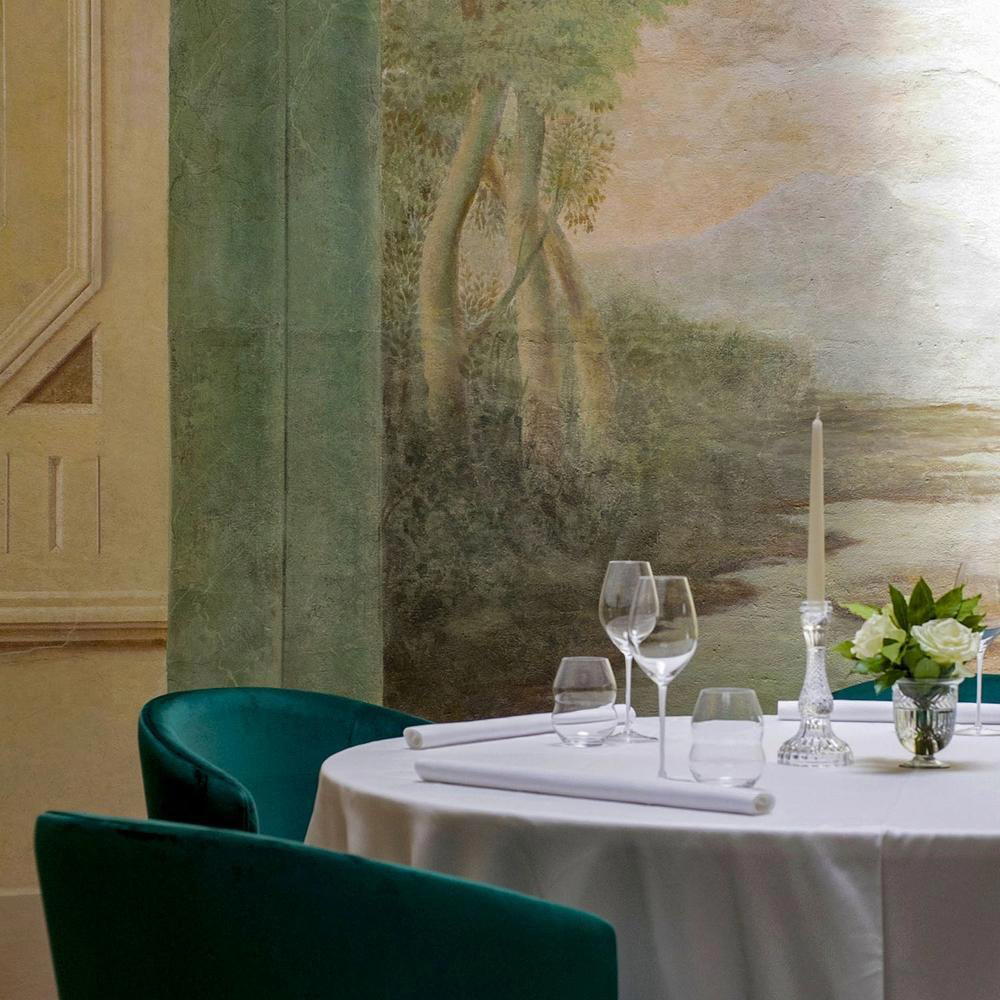
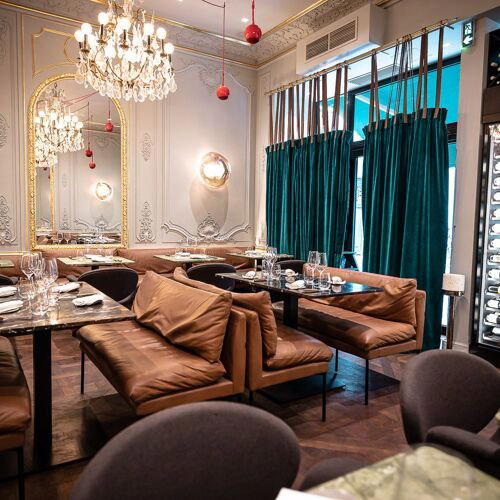
Elegant and tranquil with refined lighting, precious chandeliers, and a warm fireplace in winter; panoramic terrace overlooking vineyards in summer.